
17 Gray Floor Ideas for Modern, Cozy & Stylish Interiors


Gray flooring has become one of the most popular choices in modern homes, and it is easy to see why. It sits right between warm wood tones and cool stone, so it works with almost any style, from Scandinavian and minimalist to farmhouse and industrial. A gray floor gives you a calm, neutral base that lets your furniture, rugs, and wall color do the talking.
The real strength of gray is its range. A pale silver gray can make a small room feel bigger and brighter, while a deep charcoal gray adds drama and grounds a large open space. Gray also hides dust and everyday marks better than very dark or very pale floors, which makes it a practical pick for busy households with kids and pets.
Below you will find 17 gray floor ideas that cover materials, shades, patterns, and room pairings. Each idea includes practical tips on colors, finishes, and styling so you can choose a gray floor that fits your home and stays looking good for years.
1. Light Gray Flooring for Bright, Airy Interiors
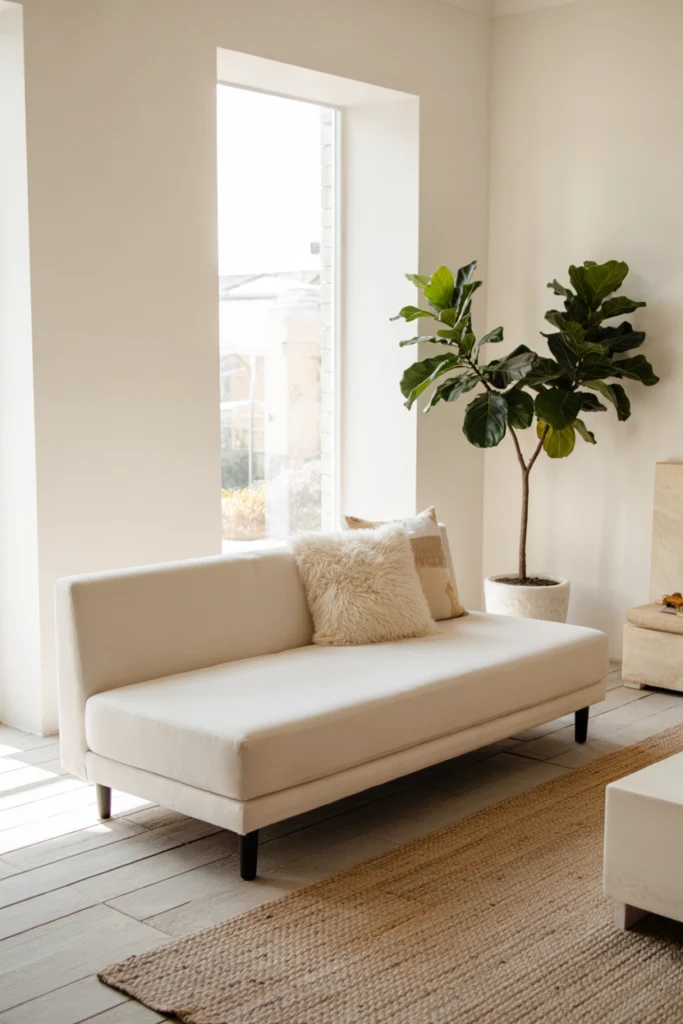
Light gray flooring is one of the easiest ways to make a room feel brighter and more open. Pale shades like silver, ash, and dove gray reflect natural light instead of absorbing it, so even a north facing room or a small apartment living room feels airier. It gives you the fresh look of a white floor without the constant worry about every speck of dirt showing.
Pair light gray floors with white or very pale walls to keep the space feeling open, then add warmth with natural textures such as a light oak coffee table, linen curtains, and a cream or beige rug. A matte or low sheen finish looks more natural and hides small scratches better than a high gloss finish. This combination works especially well in Scandinavian and coastal style homes, where the goal is a calm, sunlit room that still feels lived in.
2. Dark Gray Floors for Dramatic Elegance
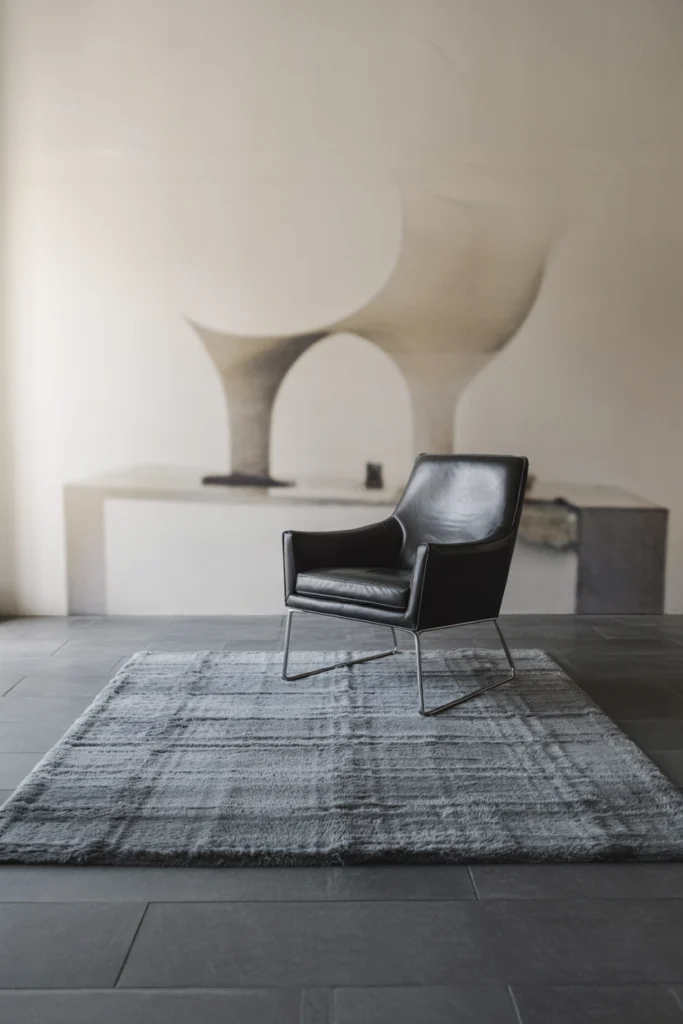
Dark gray floors in shades like charcoal, graphite, and slate create a strong foundation that instantly makes a room feel more polished. The deep tone anchors large furniture pieces and gives the eye a clear base, which is why designers often use it in open plan living rooms and master bedrooms. Used well, dark gray feels elegant and grounded rather than heavy.
Balance is the key. Keep walls light, use layered lighting with a mix of ceiling lights, floor lamps, and table lamps, and add a large rug in cream, beige, or a soft pattern to break up the dark surface. Dark floors do show dust and pet hair more easily, so a quick sweep or a robot vacuum a few times a week keeps them looking sharp. A matte or satin finish is the safest choice because it softens reflections and hides scuffs. For more ways to style a dark gray base, see these gray living room ideas that pair deep floors with light walls and layered lighting.
3. Gray Wood Floors for Natural Warmth
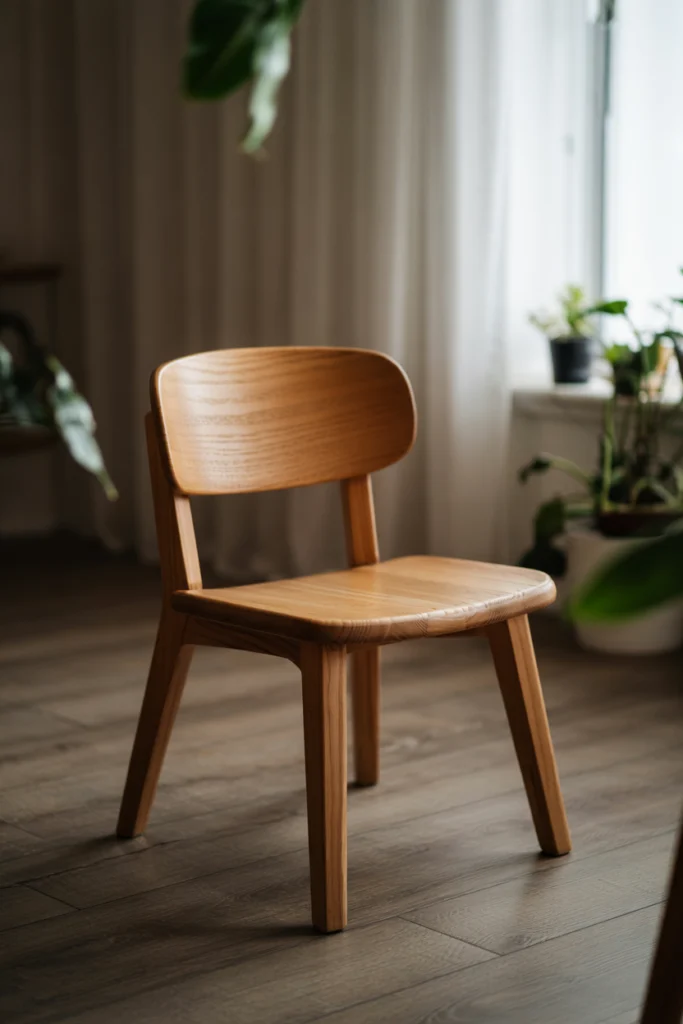
Gray wood floors combine the warmth of real wood with the cool, modern feel of gray. Gray washed oak and ash are the most popular options, and the visible grain keeps the floor from looking flat or painted. Wide planks, around 5 to 7 inches, show off the grain best and make a room feel more spacious than narrow strips.
This floor works in almost any room, from living rooms to bedrooms, and it pairs beautifully with both modern and rustic furniture. Try it with white walls, black metal accents, and soft textiles like wool throws and linen cushions for a balanced look. Choose a matte or natural oil finish to protect the wood while keeping the grain visible, and use felt pads under furniture legs to prevent scratches on the softer gray stain.
4. Gray Tile Flooring for Modern Spaces
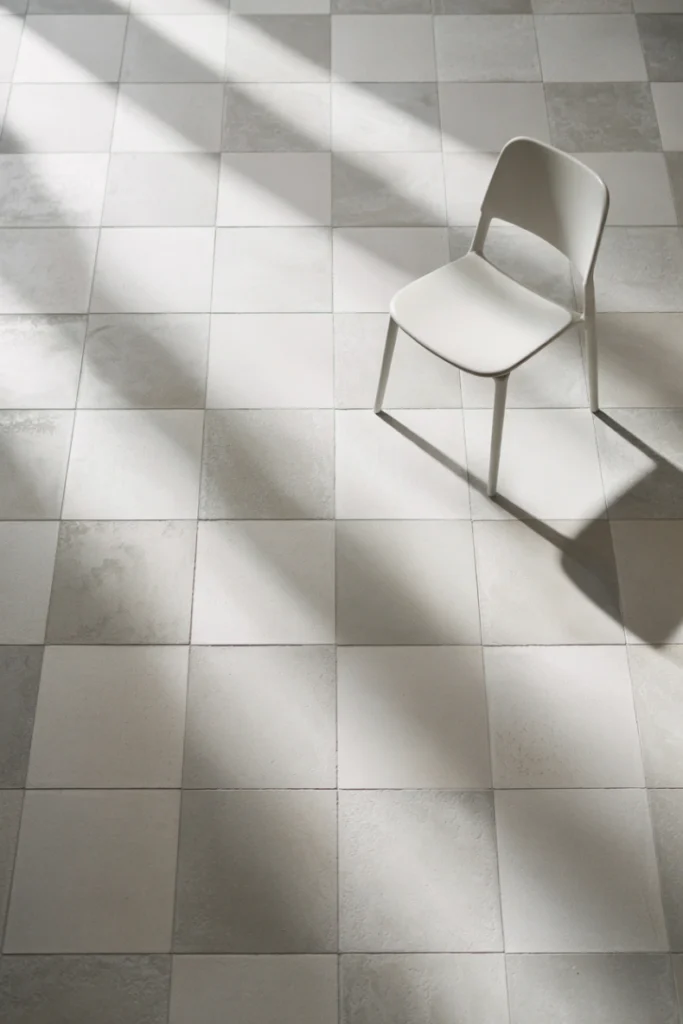
Gray tile flooring is a smart pick for kitchens, bathrooms, entryways, and laundry rooms because it handles water, spills, and heavy foot traffic without complaint. Porcelain is the best choice for most homes since it is harder and less porous than ceramic. Large format tiles, such as 24 by 24 inches, reduce grout lines and give the floor a clean, seamless look.
Pick a grout color close to the tile shade so the floor reads as one smooth surface, and seal the grout once a year in wet areas. For extra comfort, gray tile pairs very well with underfloor heating, which takes away the cold feeling underfoot in winter. A matte or lightly textured finish also gives better grip in bathrooms and entryways than a polished tile.
5. Gray Concrete Floors for Industrial Style
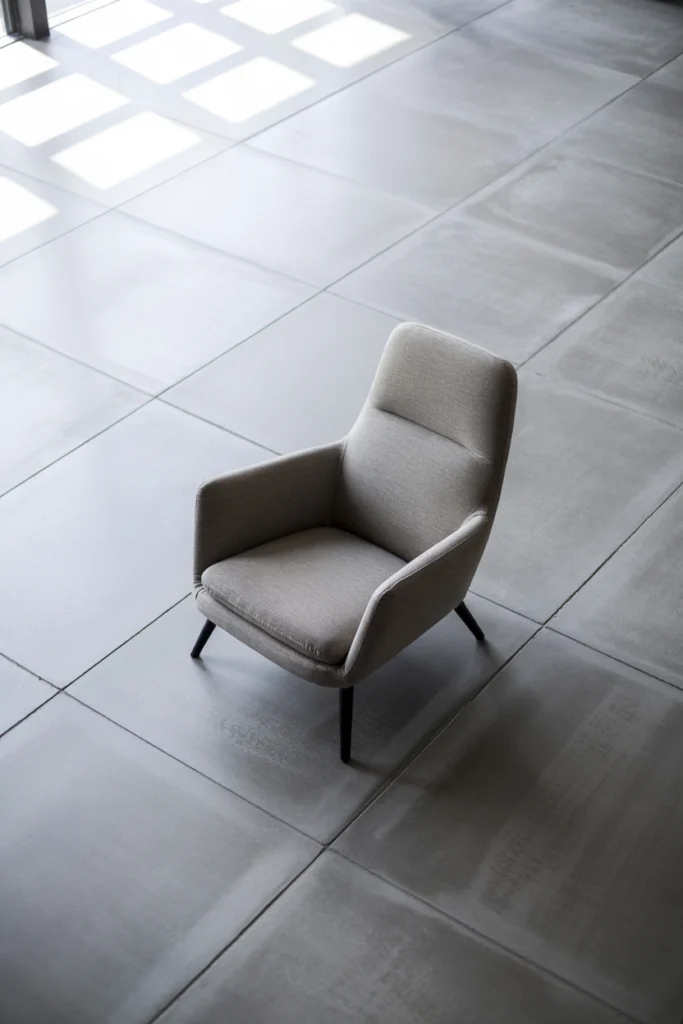
Polished or matte gray concrete floors give a home an industrial, loft style character that is hard to get any other way. Concrete is extremely durable, easy to clean, and it works with radiant floor heating, which solves the one real drawback of a hard, cool surface. A light grind and a matte sealer keep the natural variation of the concrete visible.
To keep concrete from feeling cold or stark, layer in soft furnishings: a large wool rug, fabric sofas, warm wood shelving, and warm white lighting around 2700K. Concrete also pairs well with black metal, exposed brick, and leather. Seal the floor every few years to protect it from stains, and use rugs in high traffic paths if you want to soften footstep noise. If you like this look, explore more concrete floor ideas for stylish and functional home design.
6. Gray Laminate Flooring for Budget-Friendly Style
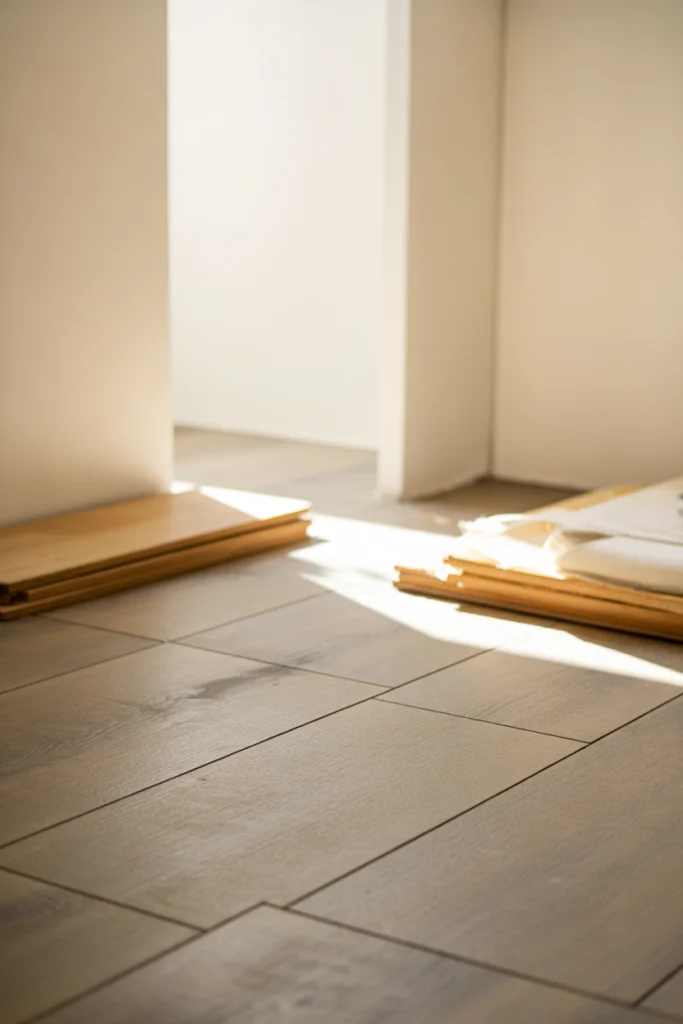
Gray laminate flooring gives you the look of wood or stone at a fraction of the price, usually between 2 and 5 dollars per square foot for the material. Modern laminate convincingly copies wood grain and stone texture, and click lock planks make it a realistic weekend DIY project for a single room. It is a strong option when you want a full style update without a full renovation budget.
Look for laminate with an AC4 or AC5 wear rating for living areas and hallways, and choose a water resistant version for kitchens. Wider planks, around 7 to 8 inches, look more like real hardwood than narrow strips. Keep a few spare planks after installation so a damaged board can be swapped later, and use an underlayment that reduces noise if the floor goes over a hard subfloor.
7. Gray Vinyl Flooring for Versatile Living
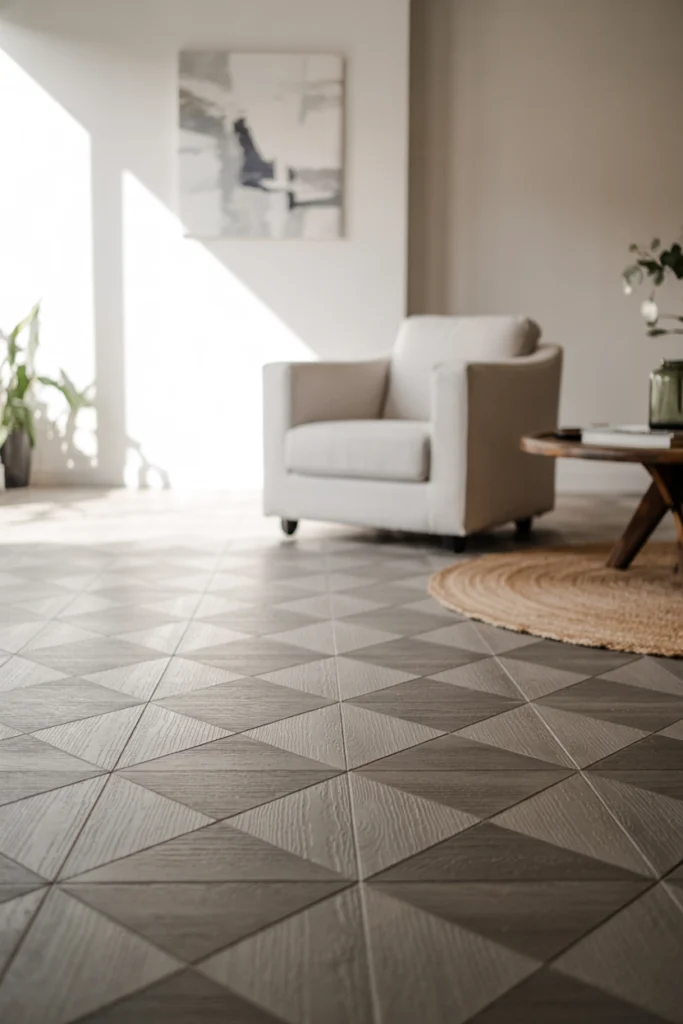
Gray vinyl plank flooring, often called LVP, is one of the most practical floors you can buy. It is waterproof, scratch resistant, and comfortable underfoot, which makes it ideal for kitchens, bathrooms, basements, and homes with pets. It installs as a floating floor over most existing floors, so renovation is faster and less messy.
Choose planks with a wear layer of at least 12 mil for normal use and 20 mil for busy households or rental properties. Gray vinyl comes in wood look planks, stone look tiles, and even concrete look finishes, so you can match any style. Keep the subfloor level before installation, leave the recommended expansion gap at the walls, and use a damp mop rather than a soaking wet one for routine cleaning.
8. Gray Marble Floors for Luxury Appeal
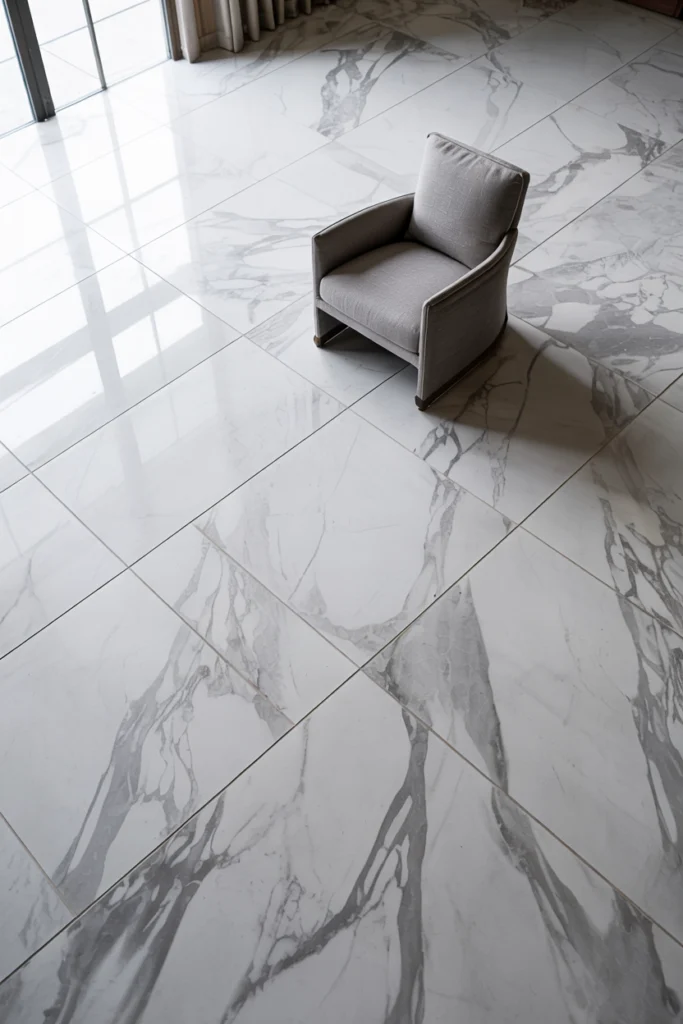
Gray marble flooring brings instant luxury to entryways, bathrooms, and formal living spaces. Natural veining in shades of silver, charcoal, and white means no two tiles are ever identical, and that movement is exactly what makes marble feel special. A honed finish gives a soft, matte look, while a polished finish reflects light and feels more formal.
Marble is a natural stone, so it needs sealing when installed and again about once a year to resist stains. Wipe spills quickly, especially coffee, wine, and citrus juice, and clean with a pH neutral stone cleaner rather than vinegar or bleach. Pair gray marble with brass fixtures, warm wood, and soft white walls to keep the room feeling inviting instead of cold and formal.
9. Gray Herringbone Floors for Visual Interest
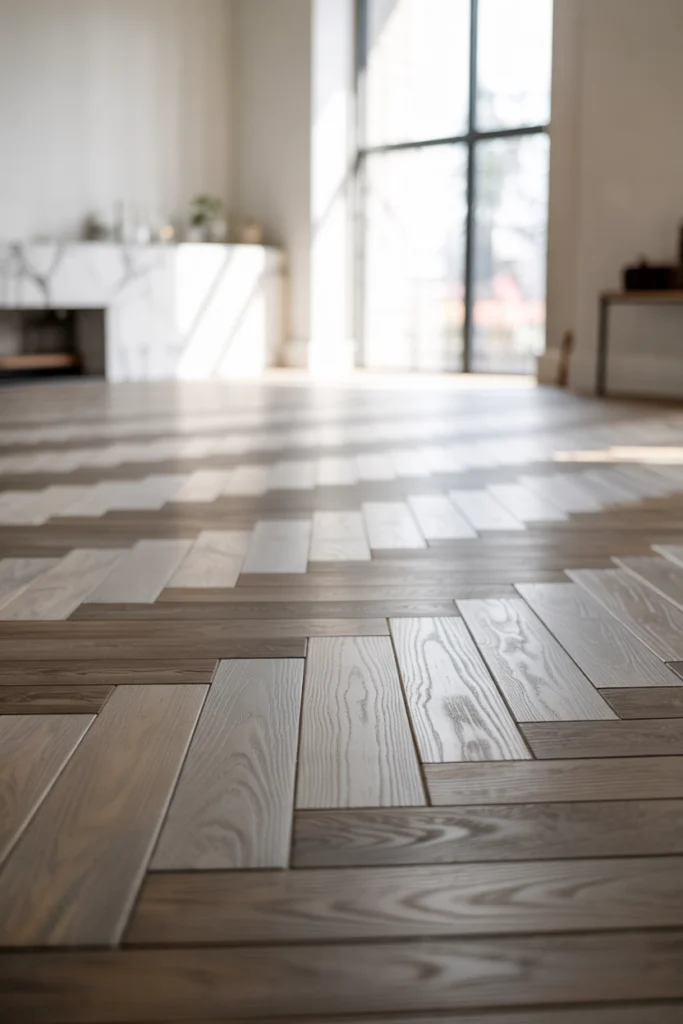
A herringbone layout turns an ordinary gray floor into a design feature. The zigzag pattern adds movement and a sense of craft, and it works with wood, laminate, vinyl, and tile. Herringbone looks best in rooms where the floor is visible, such as living rooms, hallways, and bedrooms with minimal furniture.
Plan for about 10 to 15 percent extra material because herringbone creates more cuts and waste than a straight layout, and expect higher installation labor since each piece must be placed precisely. Keep the rest of the room simple so the pattern can shine: plain walls, simple furniture, and a solid color rug rather than a busy pattern. Small planks suit small rooms, while larger planks make a stronger statement in open spaces.
10. Gray Floors with Warm Undertones
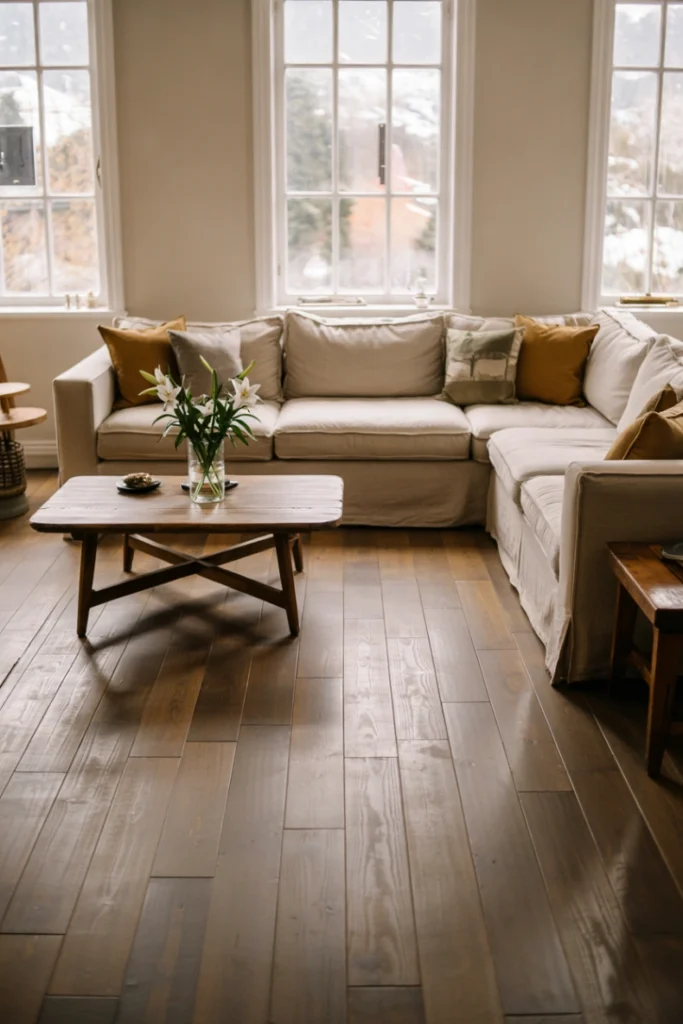
If you love gray but worry it will feel cold, choose a gray with warm undertones. Shades with a hint of beige, taupe, or greige keep the modern look of gray while adding the warmth that makes a room feel welcoming. These warm grays are the easiest grays to live with because they sit comfortably with wood furniture, cream walls, and soft textiles.
Always test samples in your own room before committing. Lay large samples on the floor and look at them in morning light, evening light, and under your lamps, because a gray that looks neutral in the store can turn blue or purple at home. Pair warm gray floors with honey oak, walnut, brass, and warm white paint to build a cozy palette that never feels sterile.
11. Gray Floors in Open-Concept Layouts
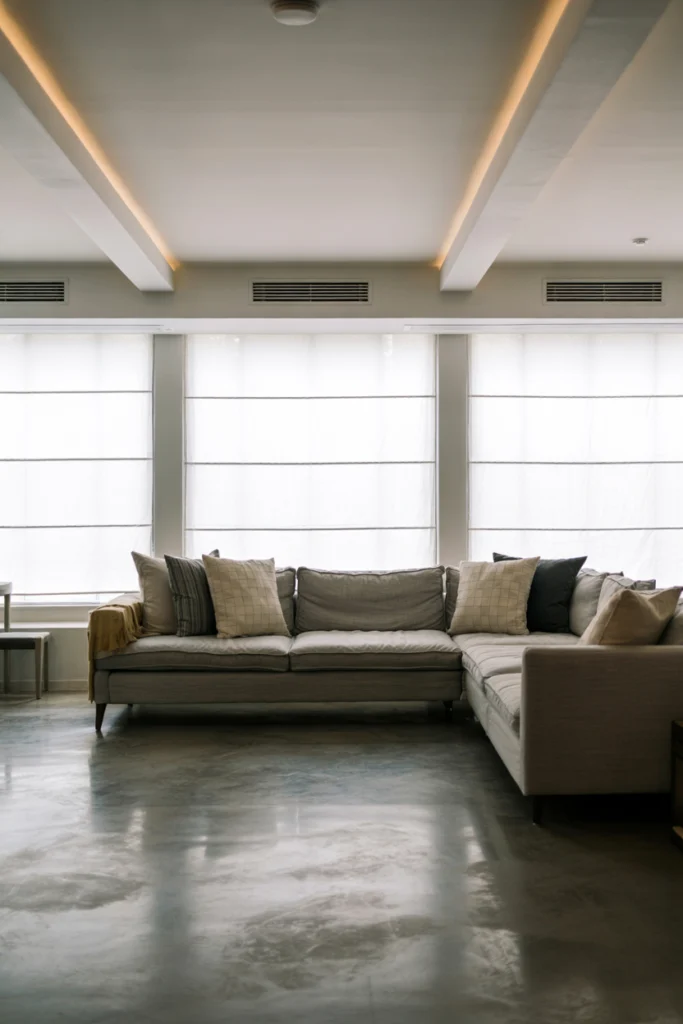
Open concept homes benefit more than any other layout from one continuous gray floor. Running the same floor through the kitchen, dining area, and living room removes visual breaks, makes the whole space feel larger, and simplifies every later decorating decision. Mid tone grays work best here because they hide traffic marks between zones.
Lay planks in the direction of the longest wall or toward the main light source to stretch the space visually. Use area rugs to define each zone: one under the sofa, one under the dining table, and a runner in the hallway. Keep transitions out of the picture by using the same floor everywhere, including the entryway, so the eye travels without interruption. For layout and furniture pairing ideas, see these modern living room ideas that work well with a continuous gray floor.
12. Gray Floors Paired with White Walls
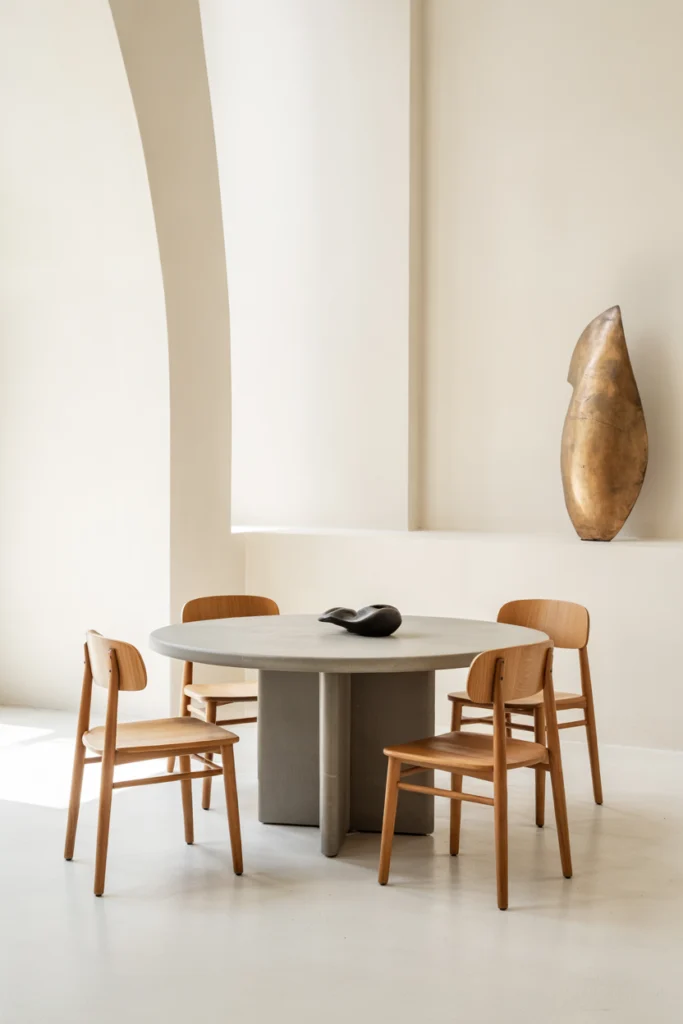
Gray floors with white walls are a classic pairing for a reason. The white walls bounce light around the room while the gray floor adds depth and contrast, so the space feels bright without feeling washed out. It is a clean backdrop that makes furniture, art, and plants stand out.
The trick is to stop the room feeling stark. Add texture with a woven rug, linen curtains, wood furniture, and soft throws in cream, beige, or muted sage. Choose a warm white for the walls rather than a cold blue white if your gray floor leans cool, and use black or dark wood accents in small doses, such as picture frames or a coffee table, to give the room definition.
13. Gray Floors with Black Accents
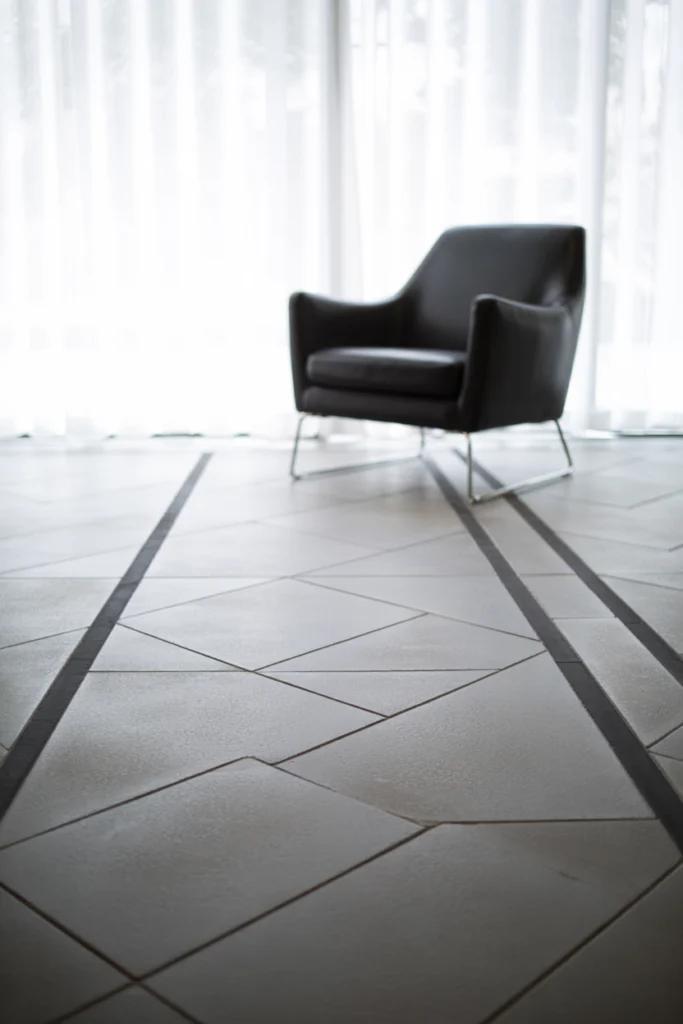
Black accents give gray floors a sharp, modern edge. Black window frames, door hardware, light fixtures, and furniture legs create crisp lines against the soft gray, and the contrast makes both colors look more intentional. The combination suits modern, industrial, and contemporary interiors.
Use black sparingly, around 10 percent of the room, so it reads as an accent rather than a second dominant color. Matte black works better than gloss because it feels softer and shows fewer fingerprints. A black framed mirror, a black metal floor lamp, or black dining chairs are enough to add structure. Balance the dark notes with light textiles and warm wood so the room stays welcoming.
14. Gray Floors in Cozy Bedrooms
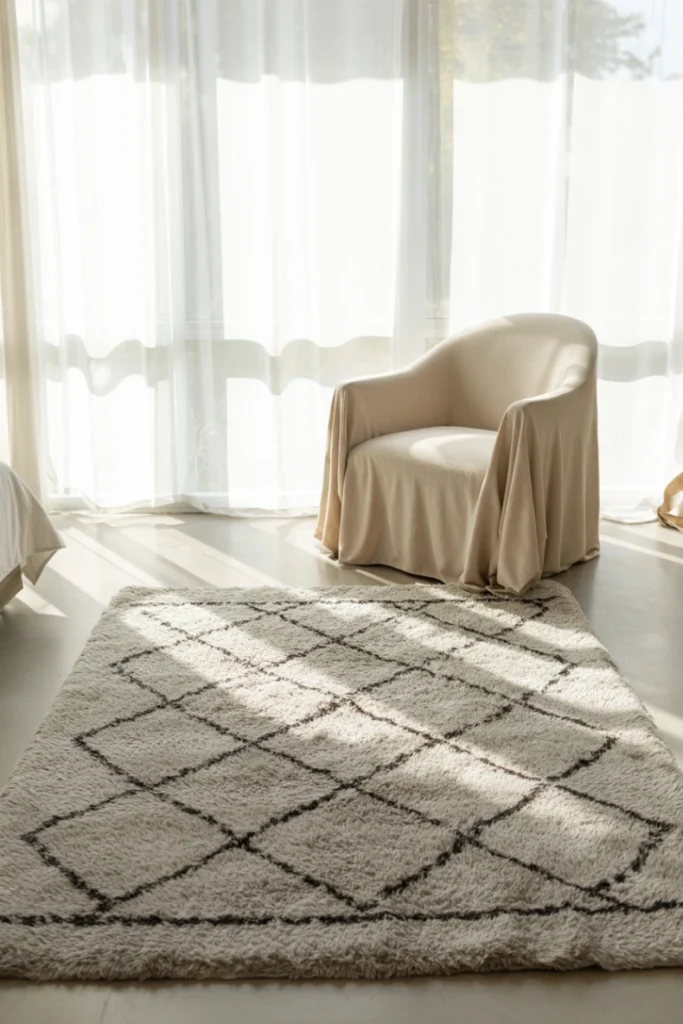
Gray floors create a calm, restful base for a bedroom, which is exactly what you want in a room made for sleep. Mid tone grays are the sweet spot: pale gray can feel washed out next to white bedding, while very dark gray can feel heavy in a small bedroom. A soft, warm gray keeps the room peaceful and easy to style.
Layer comfort on top with a plush rug beside the bed, warm bedding in cream or blush, and soft lighting around 2700K. An upholstered headboard in a light fabric softens the hard floor, and wood nightstands add warmth. If you prefer carpet underfoot, a low pile rug in a light neutral over the gray floor gives you the best of both worlds. For more bedroom styling, browse these gray bedroom ideas that build cozy, restful spaces around gray tones.
15. Gray Floors in Minimalist Interiors
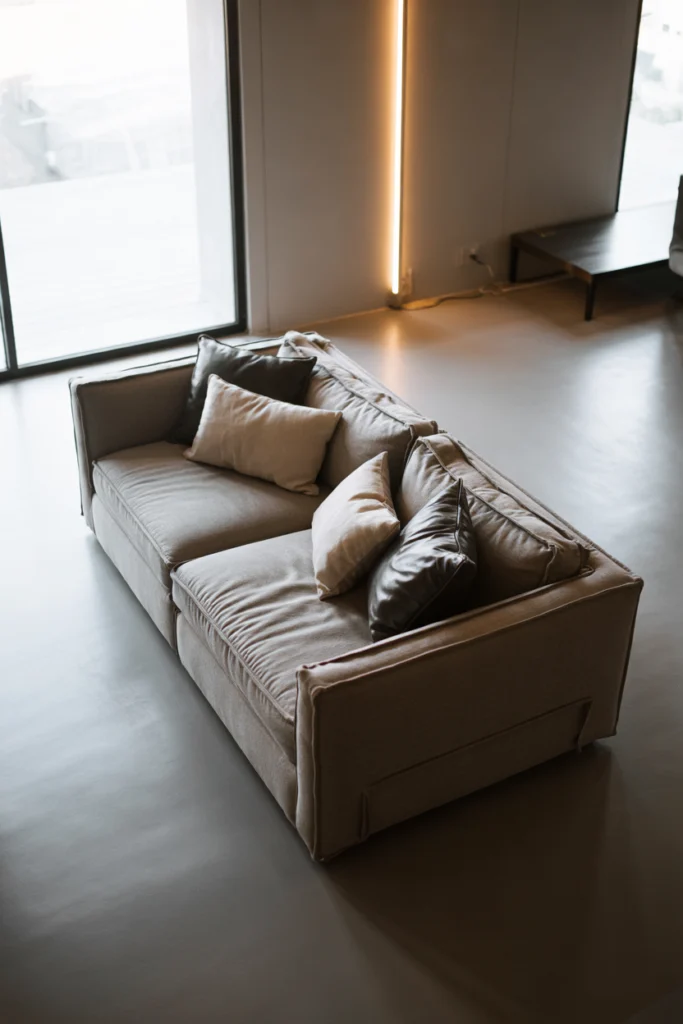
Minimalist interiors rely on restraint, and a gray floor is the perfect quiet base. It does not compete with furniture or art, so clean lines and simple shapes can take center stage. Light to mid tone grays work best because they keep the room feeling open and uncluttered.
Keep the palette tight: gray floor, white or pale walls, and one accent color repeated in small doses, such as a sage green throw or a terracotta vase. Add interest through texture rather than pattern, mixing smooth floors with nubby wool, matte ceramics, and light wood. Store clutter out of sight so the floor stays visible, since an open floor is what makes a minimalist room feel calm.
16. Gray Floors with Layered Rugs
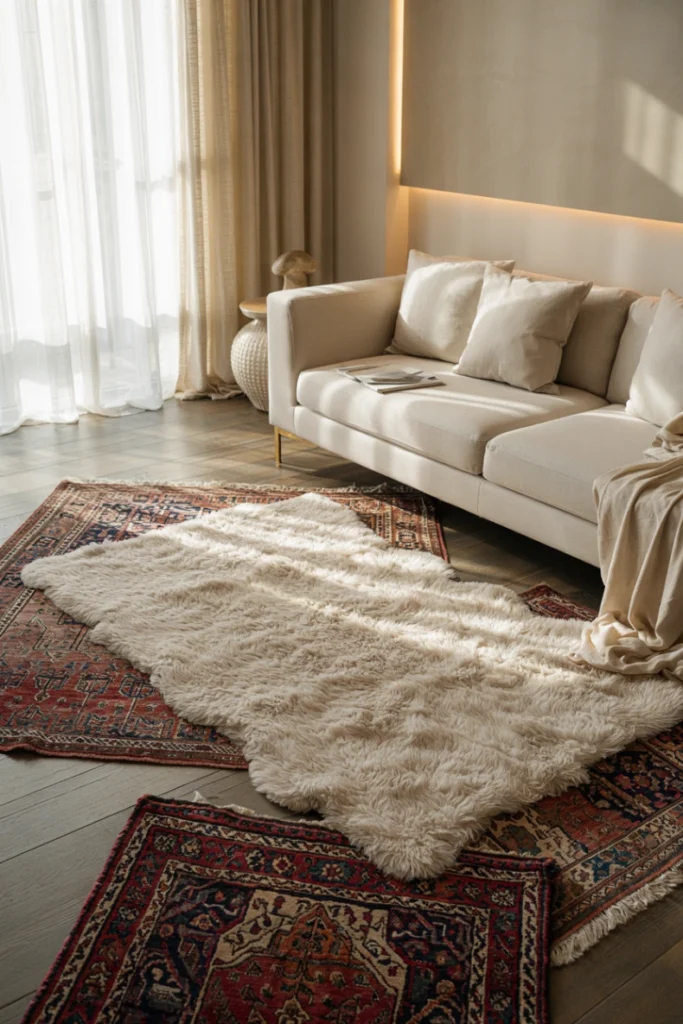
Layered rugs are the fastest way to warm up a gray floor and add personality to a room. Start with a large natural fiber rug, such as jute or sisal, in an 8 by 10 or 9 by 12 size, then layer a smaller patterned or wool rug on top, around 5 by 7. The contrast in texture and pattern makes the floor feel styled rather than bare.
Use a rug pad under each layer to stop slipping and to add cushioning. In open plan spaces, layering also helps define zones: a layered rug under the sofa marks the living area, while a runner defines the hallway. Choose rug colors that pick up tones already in the room, such as cream, beige, rust, or muted blue, so the layers feel connected to the gray floor rather than random.
17. Gray Floors for Timeless Versatility
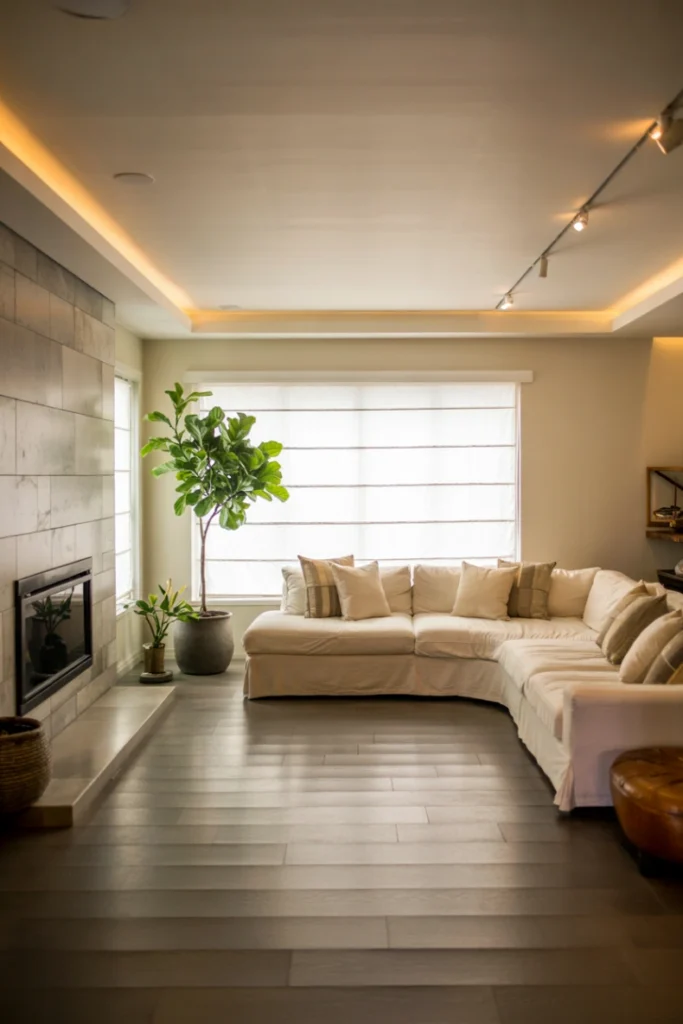
The strongest argument for gray floors is how long they stay relevant. Gray is a true neutral, so it survives trend changes that date bolder colors. When you want a fresh look, you repaint the walls or swap the cushions and rug instead of replacing the floor, which makes gray one of the most cost effective flooring choices over time.
Gray also appeals to future buyers, which matters if you plan to sell. A neutral gray floor photographs well, suits most furniture styles, and lets buyers imagine their own decor in the space. Choose a classic material and a mid tone shade rather than an extreme light or dark, and your gray floor will look current for a decade or more.
Conclusion
Gray flooring earns its popularity by doing two jobs at once: it looks modern and stylish while staying practical for everyday life. From light gray wood that brightens a small room to dark charcoal floors that add drama, and from durable tile to luxurious marble, there is a gray floor for every room and every budget. Use the ideas above to pick a shade and material that fits your home, test samples in your own light, and finish the look with warm textures, layered rugs, and the right wall color. Done well, a gray floor is a foundation you will enjoy for years.
Frequently Asked Questions
What wall color goes best with gray floors?
White, cream, and very pale warm neutrals are the safest choices because they keep the room bright and let the gray floor provide contrast. If you want more color, soft sage green, pale blue, and warm beige all work well. Avoid cool blue whites with warm gray floors, since the mismatch can make the walls look dingy.
Are gray floors still in style?
Yes. Gray floors remain popular because they are neutral, practical, and easy to restyle. Mid tone grays in wood, vinyl, and tile are the most timeless choices, while very cool blue grays are less common than they were a few years ago. A warm or neutral gray floor is unlikely to look dated.
Do gray floors make a room look cold?
They can if the shade is very cool and the room has no warm textures. The fix is simple: choose a gray with warm undertones, add wood furniture, layered rugs, warm lighting around 2700K, and soft textiles. These elements balance the cool floor and make the room feel cozy.
What is the best gray floor for a kitchen?
Porcelain tile and luxury vinyl plank are the best options for kitchens because both handle water, spills, and dropped items well. Porcelain is the most durable and works with underfloor heating, while vinyl plank is warmer underfoot and easier to install. Choose a matte finish for better grip.
How do I keep gray floors from looking dull?
Clean them regularly with a damp mop and a cleaner made for your floor type, since dust is what makes gray look flat. Add contrast with rugs, colorful cushions, plants, and art so the floor is part of a layered look rather than the only feature. A satin finish also reflects a little more light than a flat matte finish.
More Ideas You Will Love
 21 DIY Apartment Christmas Decor Ideas for 2025
 15 Modern Farmhouse Foyer Ideas That Make a Lasting Impression
 12 Common Summer Gardening Mistakes (And How to Avoid Them!)
 17 Easy Summer Coffee Table Styling Ideas for a Fresh Look
 13 Small Front Porch Ideas That Elevate Your Entrance on a Budget
 13 Halloween Fireplace Mantle Decor Ideas