
22 Bookcase Ideas 2026: Stylish & Functional Designs for Every Room

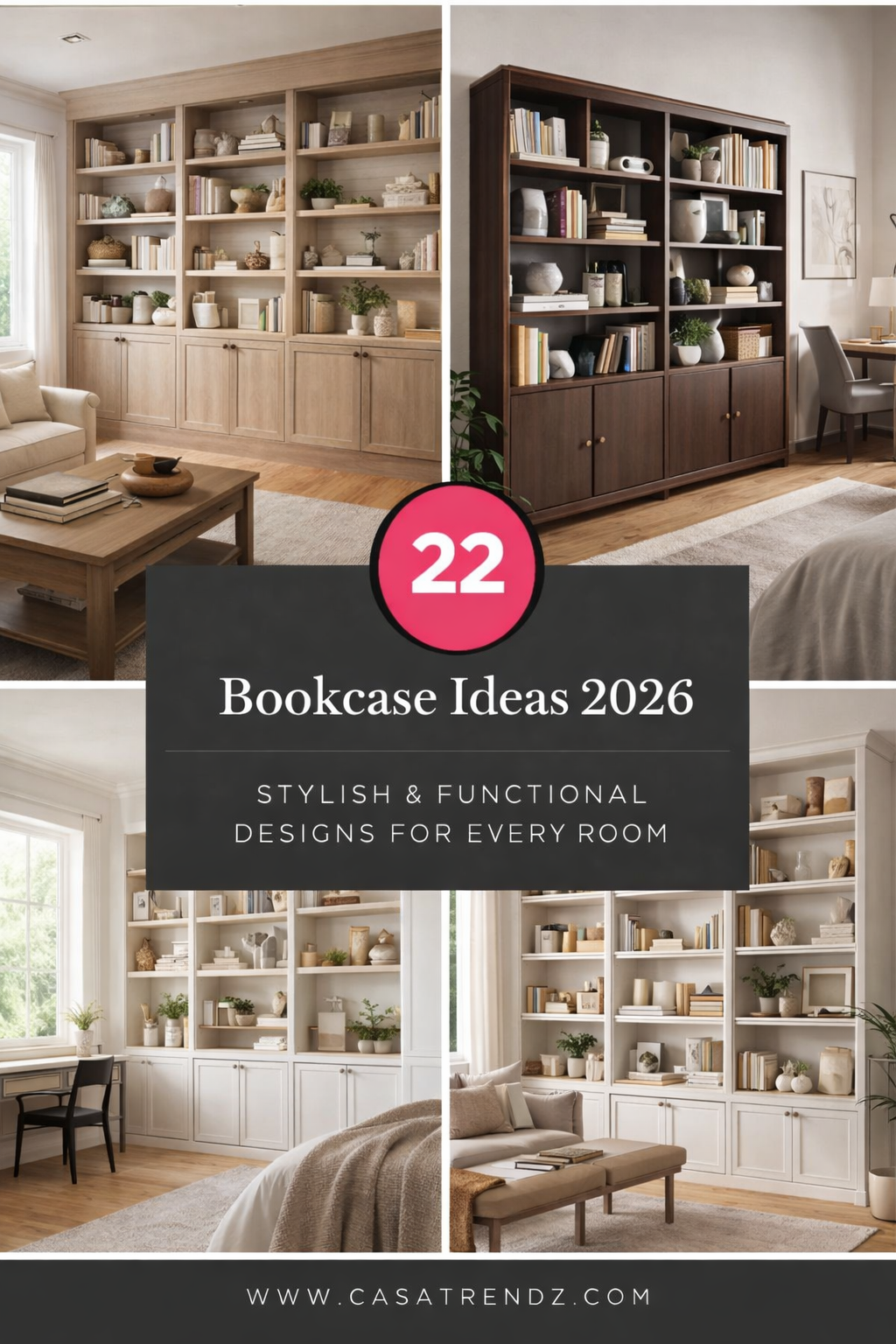
Bookcases have quietly become one of the hardest working pieces of furniture in the home. They hold books, hide clutter, display the objects you love, and shape the whole feel of a room. A tall built-in can make a plain living room feel like a library, while a slim ladder shelf can turn an empty bedroom corner into a reading nook. The right bookcase does far more than store things, it gives a room structure and personality.
This guide covers 22 bookcase ideas for every room and every budget, from floor-to-ceiling built-ins to floating shelves and sustainable designs. Every idea includes the measurements, materials, and styling details you need to choose well, so you can find a bookcase that fits your space, matches your style, and stays useful for years. Measure your wall before you shop, think about what you actually need to store, and let the room decide the style.
1. Floor-to-Ceiling Bookcases
A floor-to-ceiling bookcase is the fastest way to give a room a sense of permanence and polish. These tall units use every inch of vertical wall space, which makes them ideal for living rooms and home libraries where books and display pieces keep multiplying. A standard ceiling is 8 feet high, so look for units 84 to 96 inches tall, or have them built to fit the exact height of your wall. Adjustable shelves are essential, since books, art, and decorative objects all need different spacing, and a mix of 10 to 12 inch shelf depths handles most hardcovers comfortably.
For a built-in look, paint the bookcase the same color as the walls or trim, and add crown molding across the top so it reads as part of the architecture rather than a piece of furniture pushed against the wall. Anchor tall units to the wall with anti-tip hardware, especially in homes with children, and leave one or two shelves partly empty so the display can breathe. If you are styling a whole wall of shelves, these living room ideas show how a bookcase wall can anchor the rest of the room.
2. Minimalist Open-Shelf Bookcases
Minimalist open-shelf bookcases suit homes where calm and order matter more than maximum storage. These designs use thin frames, clean lines, and plenty of open space, so the room feels lighter and less crowded. Look for shelves 10 to 12 inches deep with a simple wood or metal frame in a neutral finish such as white oak, matte black, or warm white. A unit 60 to 72 inches tall with four or five shelves holds a solid collection without dominating the wall.
The styling matters as much as the frame. Group books by color or size, leave a third of each shelf empty, and add one object per shelf, such as a small vase, a framed print, or a ceramic bowl. This restraint is what keeps an open bookcase looking intentional instead of cluttered. In small rooms, an open design is a real advantage because you can see the wall behind it, which keeps the space feeling open. Wipe shelves weekly, since open shelving collects dust faster than closed storage.
3. Modular Bookcase Systems
Modular bookcase systems are built from individual cubes or units that stack, connect, and rearrange as your needs change. They are a smart choice for renters, growing families, and anyone whose collection keeps changing size. Most systems use cubes 12 to 15 inches square, and you can start with four units and add more later. Look for connectors that lock the units together firmly, and choose a system with optional doors, drawers, and back panels so you can close off sections when life gets messy.
Plan the layout on paper before you buy. A low, wide arrangement works well under a window or along a hallway wall, while a tall stack suits a narrow alcove. Keep the heaviest books on the bottom units so the stack stays stable, and anchor any tower taller than 48 inches to the wall. Modular systems also let you mix finishes, such as oak cubes with a few matte black ones, which adds interest without a full redesign. When the room changes, the bookcase changes with it.
4. Built-In Wall Bookcases
Built-in wall bookcases are made to fit one specific wall, and that custom fit is exactly what makes them look so polished. They can frame a fireplace, flank a window, or fill an awkward alcove that no ready-made piece fits. A carpenter usually builds them 12 inches deep for books, with adjustable shelves spaced 10 to 14 inches apart, and the result reads as part of the house itself. Built-ins also add resale appeal, since buyers see them as a permanent feature rather than furniture.
Before you commit, get two or three quotes and ask to see photos of the builder’s previous work. Agree on the wood species, paint finish, and hardware in writing, and expect a lead time of three to six weeks. If a full custom build is beyond budget, ready-made bookcases with trim and caulk added around the edges can fake the built-in look for a fraction of the cost. Either way, measure the wall twice and check for outlets, vents, and light switches before the design is finalized.
5. Floating Bookcases
Floating bookcases mount directly to the wall with no legs touching the floor, which creates a light, modern look and makes cleaning underneath effortless. They work beautifully in small bedrooms, entryways, and reading corners where floor space is precious. Most floating shelves are 8 to 10 inches deep and 24 to 48 inches long, and two or three stacked with 12 to 15 inches between them create a compact library wall. Choose shelves rated for at least 20 pounds each if you plan to load them with books.
Fixing them properly is the whole job. Always screw into wall studs, or use heavy-duty toggle anchors rated for the loaded weight if no stud is available. A simple stud finder and a level are the only tools you need, and mounting the lowest shelf at about 48 inches from the floor keeps books within easy reach. Style floating shelves lightly, with a few books and one small object per shelf, because an overloaded floating shelf looks strained and can sag over time.
6. Bookcases with Integrated Desks
A bookcase with an integrated desk combines storage and workspace in a single footprint, which makes it one of the most practical pieces for a home office or a small apartment. The desk surface is usually 20 to 24 inches deep and 36 to 48 inches wide, with shelves rising above it for books, files, and supplies. Look for a design with a cable hole or channel at the back of the desk so chargers and cords stay out of sight, and a shelf height that leaves at least 18 inches of clear space above the work surface.
Position the unit near a window for natural light, and keep the desk surface mostly clear so it stays inviting to sit at. Use the shelves for reference books, a small plant, and a storage box for office supplies, and keep a closed drawer or cabinet section for paperwork you do not want on display. If you work from home full time, pair the desk with a proper chair at 17 to 19 inches seat height, and add a small desk lamp on the shelf above for evening work.
7. Asymmetrical Bookcase Designs
Asymmetrical bookcases break the usual grid of equal shelves and turn storage into a piece of art. Offset compartments, staggered shelf heights, and unexpected angles give the room energy and make the bookcase a conversation piece. They work best in contemporary living rooms and creative studios, where a bold shape feels at home. Look for a design with shelf openings of different sizes, such as a tall slot for oversized art books next to small square cubbies for paperbacks and objects.
Styling an asymmetrical bookcase takes a little more thought than a regular one. Balance a heavy stack of books on one side with a tall vase or a sculptural object on the other, and leave some compartments empty so the shape itself stays visible. Because the design is the star, keep the color palette simple, with one wood tone or a single painted finish. If the room already has a lot of pattern or color, choose a quiet finish so the bookcase adds structure without adding noise.
8. Glass and Metal Bookcases
Glass and metal bookcases bring a sleek, airy feel to modern and industrial interiors. Tempered glass shelves let light pass through, so the unit never looks bulky, while a slim steel or iron frame gives it strength and a clean outline. Most designs use shelves 10 to 12 inches deep with a black, brass, or chrome frame, and a five-shelf unit around 70 inches tall holds a generous collection without visually weighing down the room.
Glass shelves show dust and fingerprints, so keep a microfiber cloth nearby and wipe them once a week. They also show everything stored on them, so this style rewards tidy owners and looks best with books arranged neatly and a few well chosen objects. Avoid overloading glass shelves, and check the weight rating before stacking heavy art books. In a small apartment, a glass bookcase is a clever choice because it stores plenty while keeping the sightline through the room open.
9. Wooden Bookcases with Natural Finishes
Solid wood bookcases with natural finishes never go out of style, and they age better than almost any other material. Oak, walnut, maple, and teak each bring their own warmth and grain, and a clear oil or matte lacquer finish lets the wood speak for itself. A solid wood bookcase 72 inches tall and 36 inches wide is a classic size that suits living rooms, bedrooms, and offices alike. Look for shelves at least three quarters of an inch thick so they do not sag under a full load of books.
Care for wood the simple way: dust weekly, wipe spills immediately, and keep the bookcase out of direct sunlight to prevent fading and drying. Use coasters or felt pads under vases and lamps to protect the finish, and re-oil an oiled finish once a year to keep it looking rich. Natural wood pairs with almost any style, from Scandinavian to traditional, so a good wooden bookcase can move from room to room and still feel right. Choose a finish that matches your floor or your other wood furniture for a calm, coordinated look.
10. Room Divider Bookcases
A room divider bookcase splits an open-plan space into zones without building a wall or blocking the light. Open on both sides, it gives you storage from the living area and from the dining area or workspace on the other side, and the gaps between shelves let light and air pass through. Look for a unit 48 to 72 inches wide and 60 to 72 inches tall, with shelves accessible from both faces. Keep the overall depth to 12 to 16 inches so it reads as a divider rather than a wall.
Style both sides deliberately, since both are visible. Put books and everyday items on the side you use most, and display objects, plants, and framed photos on the other side. Anchor the divider so it cannot tip, and leave a clear walkway of at least 36 inches on one side. In a studio apartment, a divider bookcase can separate the sleeping area from the living area while adding storage that a curtain or screen never could. For more ideas on zoning open spaces, see these modern entryway ideas.
11. Ladder-Style Bookcases
Ladder-style bookcases lean against the wall with shelves that get deeper toward the bottom, giving them a narrow footprint and a relaxed, casual look. They are a favorite for bedrooms, reading corners, and small offices because they hold a surprising amount without overwhelming the room. Most ladder bookcases are 60 to 72 inches tall and 18 to 24 inches wide, with shelves 8 to 12 inches deep. The top shelf is the shallowest, so it suits small plants and framed photos rather than books.
Always secure a leaning bookcase to the wall with the anti-tip strap or bracket that comes with it, since the slanted design relies on the wall for stability. Keep heavier books on the lower shelves and lighter items up top, which also keeps the center of gravity low. A ladder bookcase looks best styled loosely, with books leaning at a slight angle, a trailing plant on one shelf, and a small lamp or candle on another. If your bedroom needs more storage ideas, browse these bedroom design ideas for pieces that pair well with a ladder shelf.
12. Bookcases with Closed Storage
Bookcases with closed storage combine open shelves for display with cabinets or drawers for everything you would rather hide. This mix is the secret to a bookcase that always looks tidy, because the messy reality of chargers, board games, and paperwork disappears behind doors. Look for a unit with open shelves on top and closed storage below, with cabinet doors or drawers at least 12 inches deep and 4 inches high so they hold real items rather than a few coins.
Use the closed sections with intention. Assign one drawer to everyday items such as keys and remotes, another to craft supplies or cables, and the cabinet to board games or photo albums. Soft-close hinges and drawer runners are worth the small extra cost, since they stop the daily slam in a quiet room. Style the open shelves above with books and a few objects, and keep the closed doors in the same finish as the shelves so the whole piece reads as one calm, coordinated unit.
13. Corner Bookcases
Corner bookcases turn the most wasted space in a room into useful storage. Corners are hard to furnish, but a bookcase designed to fit snugly into one adds vertical storage without interrupting the flow of the room. Look for a triangular or L-shaped unit 60 to 72 inches tall, with shelves 10 to 12 inches deep. A corner bookcase suits bedrooms, offices, and living rooms, especially in smaller homes where every square foot counts.
Measure the corner carefully before you buy, including the baseboards, since they can push a flat-backed unit away from the wall and leave an awkward gap. A unit with a small notch or a scribed back edge fits far better. Style a corner bookcase with books on the lower shelves and lighter objects up high, and add a small reading chair and a floor lamp nearby to turn the corner into a proper reading nook. Keep the top shelf within reach or reserve it for display, since retrieving books from a high corner shelf is awkward.
14. Statement Color Bookcases
A bookcase painted in a bold color is the fastest way to add personality to a neutral room. Deep green, navy, terracotta, or mustard can turn a simple shelving unit into the focal point of the space, and the books themselves become part of the color story. Choose one accent color that already appears somewhere in the room, such as a cushion, a rug, or a piece of art, so the bookcase feels connected rather than random.
Paint the inside of the shelves the same bold color or a slightly deeper shade for extra depth, and keep the books and objects simple so the color does the talking. A matte or eggshell finish hides fingerprints better than high gloss and looks more modern. If you are nervous about committing, start with a small bookcase or paint only the back panel, which gives you the color pop with less risk. A bold bookcase also photographs beautifully, so it is a smart choice if you like sharing your home online.
15. Curved Bookcase Designs
Curved bookcases soften a room with rounded edges and flowing lines, which makes them a natural fit for contemporary and luxury interiors. A gently curved front or rounded corners breaks up the hard rectangles of most furniture and adds a sense of movement to the space. Look for a design with a curved silhouette at least 60 inches tall, in a warm wood or a smooth lacquered finish that shows off the shape.
Because the shape is the feature, keep the styling quiet. Books arranged in neat rows with generous spacing let the curve stay visible, and one sculptural object per shelf is plenty. Curved bookcases often cost more than straight ones because the shape is harder to build, so get quotes from two or three makers if you are going custom. In a room full of straight lines and sharp corners, a single curved bookcase can change the whole mood from severe to welcoming.
16. Bookcases with Integrated Lighting
Integrated lighting turns a bookcase from furniture into a feature. LED strips tucked under each shelf wash the books in a warm glow, highlight display objects, and make it easy to find a title in the evening. Look for LED strips with a warm white color temperature around 2700K, which flatters wood and book spines, and choose a system with a dimmer so you can adjust the brightness. Battery powered puck lights are the simplest option, while wired strips with a hidden driver give the cleanest result.
Install the strips toward the front edge of each shelf so the light falls on the books rather than the wall behind them, and hide the wiring in a channel or behind the frame. If you are retrofitting an existing bookcase, adhesive LED strips with a remote control take less than an hour to fit. Keep the light subtle, since the goal is a gentle glow rather than a bright display case, and use the same warm tone as the rest of the room lighting so the bookcase feels part of the space.
17. Industrial-Style Bookcases
Industrial bookcases pair raw materials such as blackened steel and reclaimed wood, and they suit lofts, urban apartments, and modern rustic homes. The look is honest and sturdy: visible bolts, thick wood shelves, and a frame that shows how it was made. Look for shelves at least 1 inch thick in reclaimed or distressed wood, with a steel frame in matte black or dark bronze. A unit 72 inches tall and 36 to 48 inches wide is a typical size that anchors a room without overwhelming it.
Balance the rugged materials with softer styling so the room does not feel cold. Mix books with plants, woven baskets, and a ceramic vase or two, and add a warm rug or a linen cushion nearby. Check that reclaimed wood has been properly cleaned and sealed, since old timber can carry dust and splinters. Industrial bookcases are heavy, so assemble them in place and anchor them to the wall, and keep the heaviest books on the lowest shelves to keep the unit stable.
18. Bookcases with Sliding Panels
Sliding panel bookcases let you hide or reveal sections of shelving with a simple push, which makes them ideal for rooms that need to shift between tidy and lived in. Sliding doors in wood, glass, or fluted panels glide on a track and never swing into the room, so they work well in tight spaces where a hinged door would hit furniture. Look for a unit with smooth running tracks and panels that overlap by at least 1 inch when closed so no gap shows.
Use the panels to control what the room shows. Keep everyday books and display objects on the open side, and slide the panel across the shelves that hold paperwork, games, or clutter before guests arrive. Clean the tracks every few months so the panels keep gliding smoothly, and choose a panel material that matches the room, such as frosted glass for a light feel or solid wood for a warmer look. Sliding panels also protect books from dust and sunlight, which helps them last longer.
19. Compact Bookcases for Small Apartments
Compact bookcases are designed for apartments where every inch matters, and they prove that a small footprint can still hold a real collection. Slim units 12 to 18 inches wide and 60 to 72 inches tall fit beside a sofa, next to a desk, or in a hallway nook, and vertical storage keeps books accessible without crowding the floor. Look for a design with adjustable shelves so tall art books and short paperbacks each get the right space, and choose a light finish to keep the room feeling open.
Make a small bookcase work harder by using the top as a display surface for a plant or a lamp, and the bottom shelf for heavier items that anchor it visually. Wall mounting a compact unit, or choosing one with a narrow base, frees up even more floor space. If your apartment is short on room in general, these small living room ideas show how slim storage and smart layouts can make a compact home feel generous.
20. Bookcases with Display Niches
Display niches are recessed sections built into a bookcase that frame a single object like a piece of art. A niche adds depth and rhythm to a wall of shelves, and it gives your favorite vase, sculpture, or framed photo a proper stage. Look for niches 12 to 18 inches wide and 12 to 16 inches deep, with a small light above or inside the niche to make the object glow. One or two niches per bookcase is enough, since too many turns the feature into a pattern.
Choose the object for each niche with care. A tall ceramic vase, a small sculpture, or a stack of two or three beautiful books works far better than a crowd of small items, which just looks cluttered. Keep the niche backing in a contrasting finish, such as a deep paint color or a wood tone, so the object stands out. If you are building a custom bookcase, plan the niches around the objects you already own and love, and leave the surrounding shelves for books so the whole piece stays balanced.
21. Sustainable Bookcase Designs
Sustainable bookcases are made from reclaimed wood, bamboo, or FSC certified timber, and finished with low VOC oils or water based lacquers that are kinder to your home and the planet. Bamboo is a particularly good choice because it grows fast, is harder than many hardwoods, and takes a beautiful natural finish. Look for certification labels such as FSC or PEFC, and ask the maker where the timber came from if the label is not clear.
A sustainable bookcase should also last. Choose solid joinery over staples and particleboard, and pick a timeless design you will still love in ten years, since the most sustainable piece is the one you never replace. Care for it like any wood furniture: dust weekly, avoid harsh cleaners, and re-oil natural finishes once a year. Buying secondhand is the most sustainable option of all, so check local vintage shops and online marketplaces for a solid wood bookcase that only needs a clean and a fresh coat of oil.
22. Custom Designer Bookcases
Custom designer bookcases are built for one room and one owner, which makes them the ultimate bookcase solution when nothing ready-made fits. A designer measures your wall, studies how you use the room, and builds a piece that matches your books, your objects, and your style exactly. Expect a design process of two to four weeks followed by a build time of four to eight weeks, and a price roughly two to three times a comparable ready-made piece, though the cost varies widely by material and region.
Start the process with a clear brief: the exact wall measurements, the number of books you own, what else the shelves must hold, and the style you want. Ask for a drawing or a 3D render before work begins, and agree on the wood, finish, and hardware in writing. A good designer will also plan the lighting, the cable routes, and the shelf spacing around your actual collection. The result should look like it grew with the house, and it will fit your space in a way no store-bought piece ever could.
Final Thoughts
The best bookcase is the one that fits your room, your books, and your daily life. Start with the problem you want to solve, whether it is a wall of books with nowhere to go, a small apartment that needs slim storage, or an open-plan room that needs a gentle divide, and choose the design that answers it. Measure first, buy once, and style slowly, adding books and objects over time until the shelves feel like you. A well chosen bookcase does not just store your collection, it becomes part of how your home feels.
Frequently Asked Questions
What size bookcase do I need?
Measure the wall first, then choose a bookcase that leaves at least a few inches of breathing room on each side. A standard bookcase is 72 inches tall and 30 to 36 inches wide, with shelves 10 to 12 inches deep. For a small room, a slim unit 12 to 18 inches wide works well, while a large living room can handle a floor-to-ceiling or built-in design.
How deep should bookcase shelves be?
Most books fit on shelves 10 to 12 inches deep, which covers standard hardcovers and paperbacks. Oversized art books need 14 to 16 inches, while paperbacks alone can live on shelves as shallow as 8 inches. Shelves deeper than 14 inches waste space, since books pushed to the back become hard to reach.
How do I keep a tall bookcase from tipping over?
Anchor every bookcase taller than 48 inches to the wall with the anti-tip hardware that usually comes in the box, screwing into a stud wherever possible. Keep the heaviest books on the lowest shelves to lower the center of gravity, and never let children climb a bookcase, even one that is anchored.
How should I arrange books on a bookcase?
Mix horizontal stacks with vertical rows, and leave about a third of each shelf empty so the display can breathe. Group books by color, size, or subject, and add one object per shelf, such as a vase, a framed photo, or a small plant. Step back and check the whole bookcase from across the room to make sure the balance looks right.
What is the best material for a bookcase?
Solid wood is the most durable and ages the best, while plywood with a wood veneer is a good middle ground that resists sagging. Metal and glass suit modern rooms and keep the look light, and bamboo or reclaimed wood are strong sustainable choices. Avoid thin particleboard for shelves wider than 30 inches, since it sags under the weight of books over time.
More Ideas You Will Love
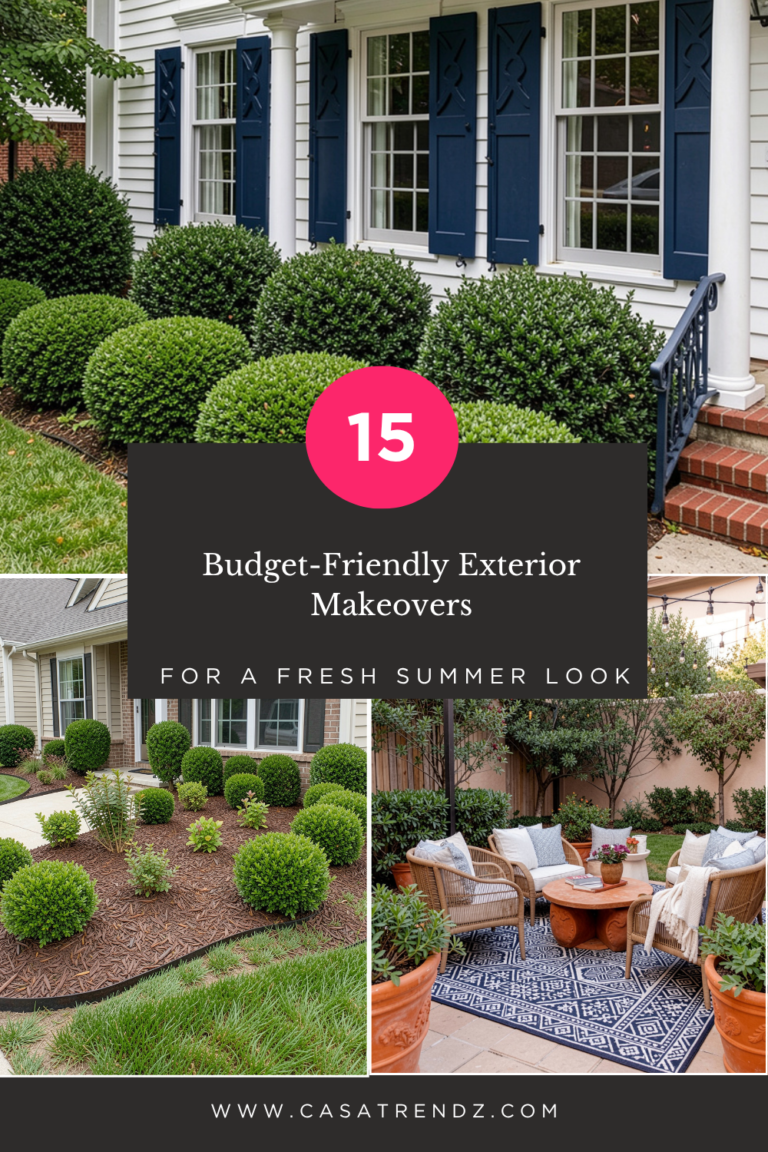 15 Budget-Friendly Exterior Makeovers for a Fresh Summer Look
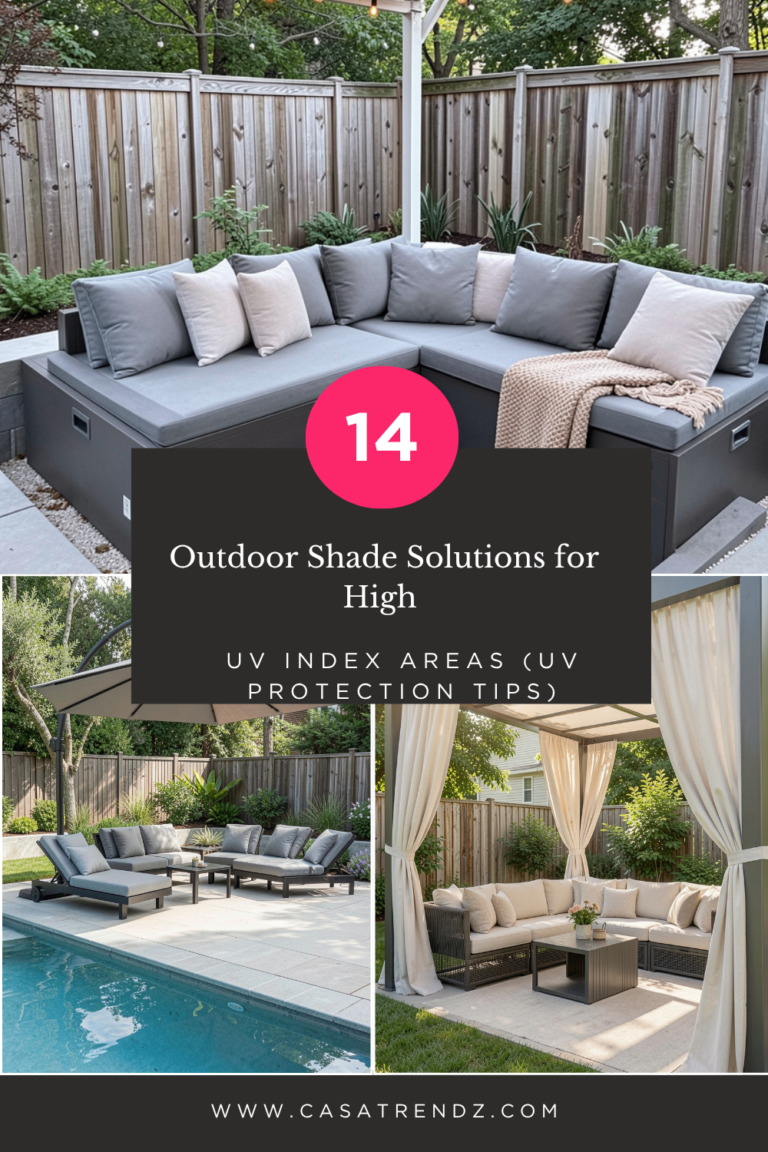 14 Outdoor Shade Solutions for High UV Index Areas (UV Protection Tips)
 19 Exterior Paint Color Ideas: Fresh Modern Inspiration for Your Home
 13 DIY-Friendly Fire Pit Area Ideas for a Functional Backyard
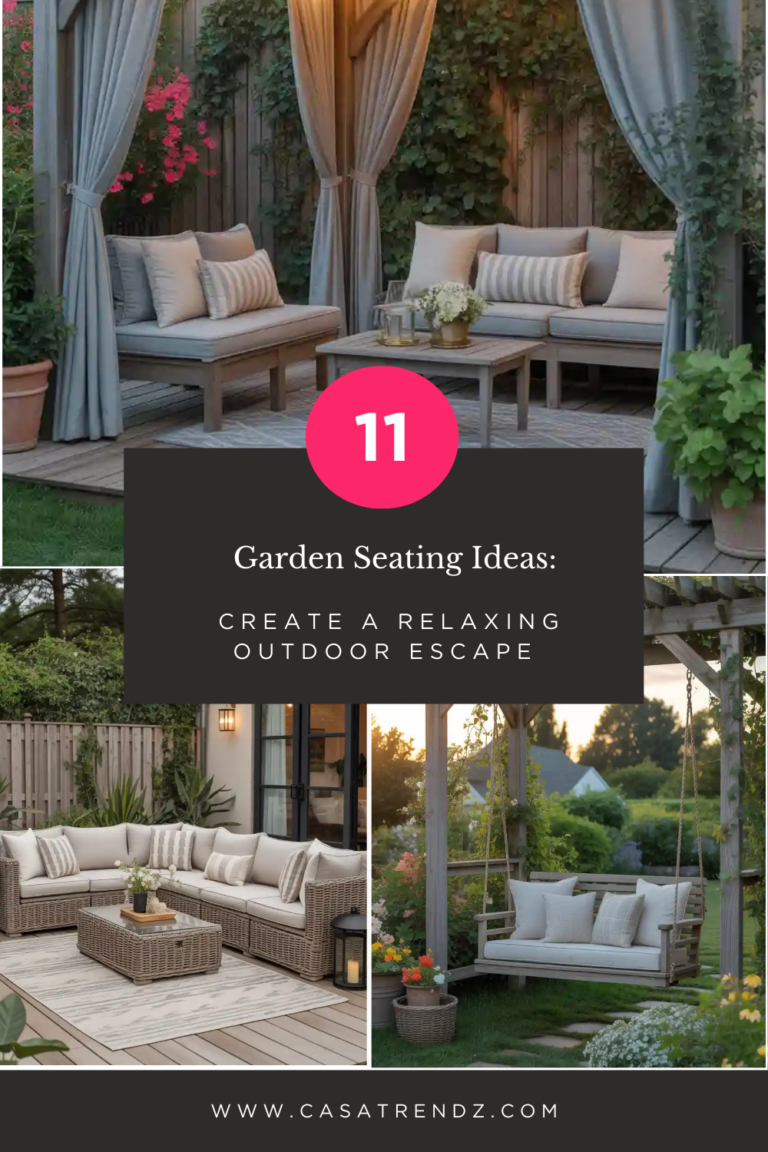 11 Garden Seating Ideas: Create a Relaxing Outdoor Escape
 23 Colorful Christmas Tree Light Ideas for a Magical Holiday Look