
14 Simple Ways to Transition Your Decor from Spring to Summer


When the days get longer and the air turns warm, your home should feel the change too. Spring decor is soft and fresh, full of pastel blooms and cozy layers, but summer asks for something lighter and brighter. The good news is that you do not need a full redesign or a big budget to make the shift. A few thoughtful swaps in fabrics, colors, and accessories can turn a springtime home into a breezy summer retreat in a single weekend.
Summer decorating is built on three simple ideas: light, air, and nature. Light fabrics replace heavy ones, open windows and sheer curtains let sunshine pour in, and greenery, flowers, and natural textures bring the outdoors inside. The goal is not to erase spring completely. Keep the freshness you already love, then layer in the warmth, color, and relaxed energy of summer one small change at a time.
This guide walks through 14 simple ways to transition your decor from spring to summer, with the exact materials, colors, measurements, and step by step tips that make each change look intentional instead of random. Start with the two or three ideas that fit your home best, and add more as the season warms up. By the time you finish, every room will feel brighter, cooler, and ready for long summer days.
1. Swap Heavy Fabrics for Light Linens
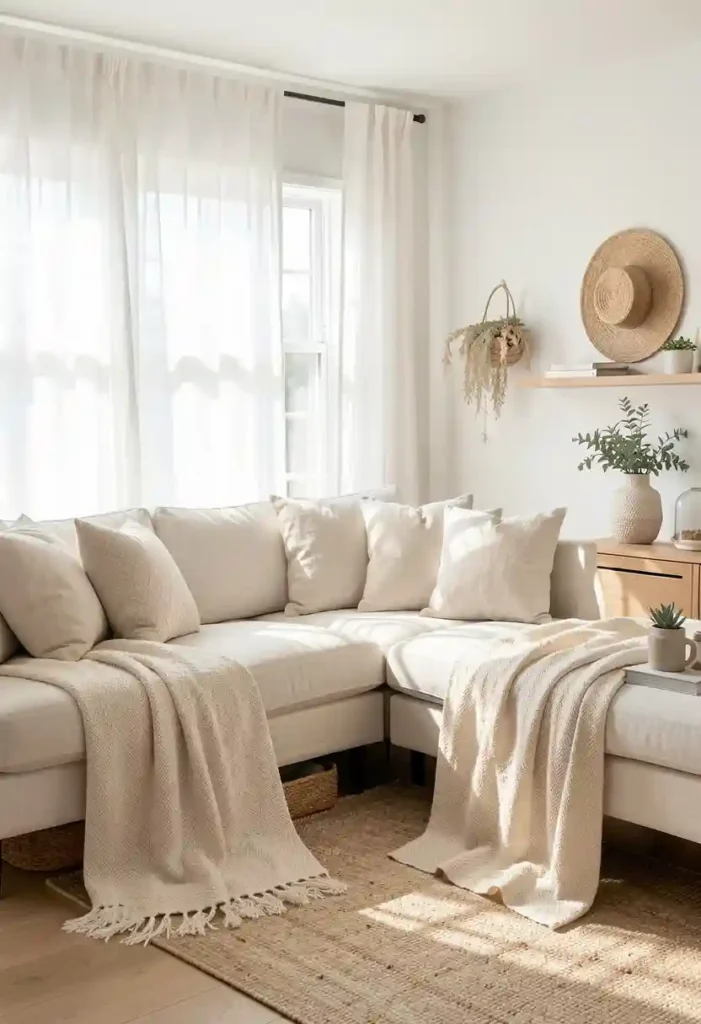
The fastest way to make a room feel like summer is to change what you touch. Heavy knit throws, thick velvet cushions, and dense wool blankets belong to cooler months. In summer, your hands and your eyes want linen, cotton gauze, and lightweight muslin. These fabrics breathe, drape softly, and instantly make a sofa or bed look cooler and more relaxed.
Start with the throw blankets. Fold the heavy knit throw and store it in a basket or closet, then drape a linen or cotton gauze throw across the arm of the sofa or the foot of the bed. Choose a light color such as white, sand, soft sage, or pale sky blue. A throw that measures about 50 by 60 inches works for most sofas, while a smaller 40 by 50 inch throw suits an accent chair. Wash linen throws in cold water and line dry them if you can, since the slight natural wrinkle is part of their charm.
Next, swap the pillow covers and bedding. Replace thick cushion covers with breathable linen or cotton covers in summer tones, and trade a heavy duvet for a lightweight cotton quilt or a linen duvet cover. Even changing just the pillow covers on a sofa can shift the whole mood of the room. If you want more ideas for giving your main living space a fresh seasonal lift, these easy ways to refresh your living room pair perfectly with a fabric swap. Store the spring fabrics in a labeled bin so the swap takes minutes when the seasons change again.
2. Introduce Fresh Greenery and Summer Plants
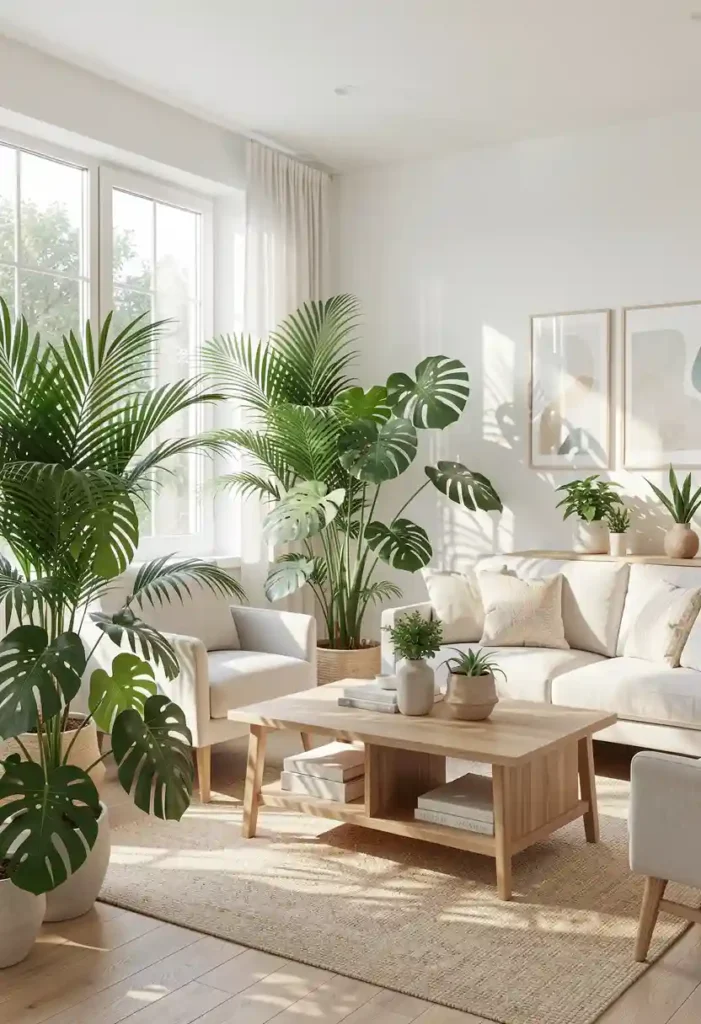
Nothing says summer like living green. While spring decorating leans on blooming flowers, summer is the season of lush leaves and tropical shapes. A monstera with its split leaves, a tall fiddle leaf fig in a corner, or a palm beside the sofa can change the energy of a room in a single afternoon. Plants add height, texture, and a sense of life that no artificial decoration can match.
Place larger plants where they have room to grow and catch light. A fiddle leaf fig does best near a bright window, at least 3 to 4 feet away from a heating vent or air conditioner. Medium plants like snake plants and pothos work well on shelves, side tables, and kitchen counters, while trailing plants look beautiful in hanging planters near a window. Group plants in odd numbers, such as three pots of different heights on one surface, for a look that feels natural rather than staged.
Choose pots that fit the summer mood. Terracotta, woven baskets, white ceramic, and light wood planters all suit the season, and a basket with a plastic liner inside makes a perfect cover pot. Water most indoor plants only when the top inch of soil feels dry, and rotate the pots a quarter turn every week so they grow evenly toward the light. If you are new to keeping plants happy in hot weather, these common summer gardening mistakes will help you avoid the watering and sun errors that stress plants most in summer. A healthy plant is the best decoration you can own, and it only gets better as the season goes on.
3. Add Coastal or Beach-Inspired Accents
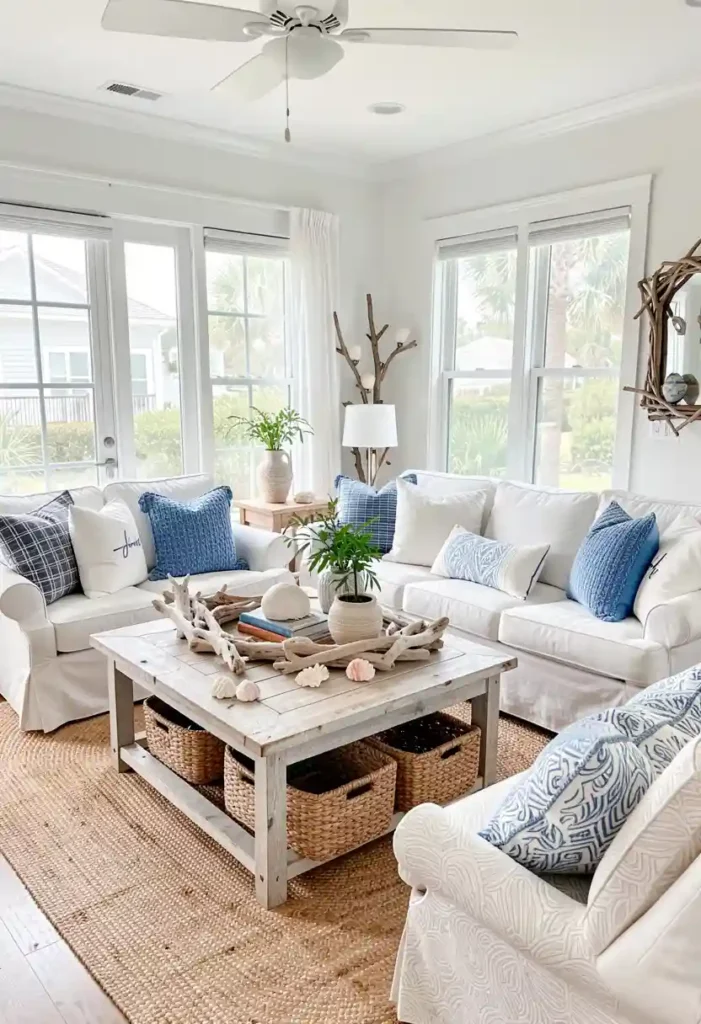
Coastal decorating is the classic shortcut to a summer feeling, even if you live hundreds of miles from the sea. The trick is to use a few well chosen pieces instead of turning the room into a beach theme park. One seashell bowl, a piece of driftwood, or a woven basket says summer. Ten of them says souvenir shop.
Start with texture and color. A jute rug under the coffee table, a rope wrapped vase on the mantel, or a set of woven seagrass baskets on a shelf brings in the sandy, natural side of the coast. Add ocean colors in small doses: a navy striped pillow, a soft blue ceramic bowl, a piece of artwork with sea glass tones, or a coral sculpture on a side table. Soft blues, sandy neutrals, and crisp white reflect the beach without shouting about it.
Place coastal accents where the eye naturally rests. A driftwood piece on the console table, a shell filled bowl on the coffee table, or a striped throw over the reading chair are all enough. Keep the rest of the room calm so the coastal pieces stand out. If a piece feels too themed, remove it and try it in another room. The best coastal rooms feel like a breezy beach house, relaxed and uncluttered, with plenty of open space and natural light.
4. Refresh Your Throw Pillows with Summer Colors
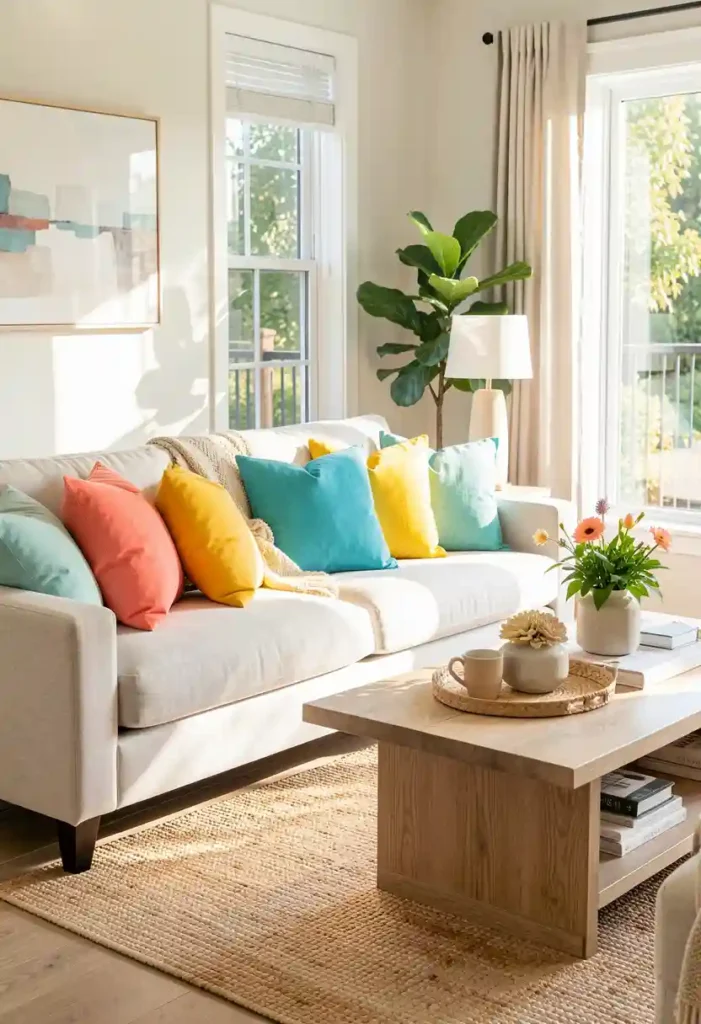
Throw pillows are the cheapest and quickest seasonal update in the whole house. Swapping covers takes ten minutes and costs far less than new furniture, yet it can completely change the color story of a room. Spring pillows often carry floral prints and soft pastels. Summer pillows go brighter and bolder, with turquoise, coral, sunny yellow, crisp white, and seafoam green leading the way.
Use a simple formula to keep the mix looking designed, not random. Pick one solid color, one pattern, and one texture for each seating area. For example, pair a solid turquoise linen pillow with a striped cotton pillow and a woven textured pillow on the same sofa. Standard 18 by 18 inch covers fit most sofas, while 20 by 20 inch covers make a fuller statement on a large sectional. On a bed, layer two sleeping pillows, two 20 inch squares, and one small lumbar pillow about 14 by 24 inches across the front.
Patterns that work well in summer include stripes, tropical leaves, subtle geometrics, and block prints. Mix no more than three patterns in one room, and keep at least one solid pillow to give the eye a rest. Because pillow covers fold flat, you can store a full seasonal set in a single drawer or storage box. Rotate them twice a year, in late spring and early fall, and the same sofa will feel brand new each season without spending anything on new furniture.
5. Switch to Lightweight Summer Rugs
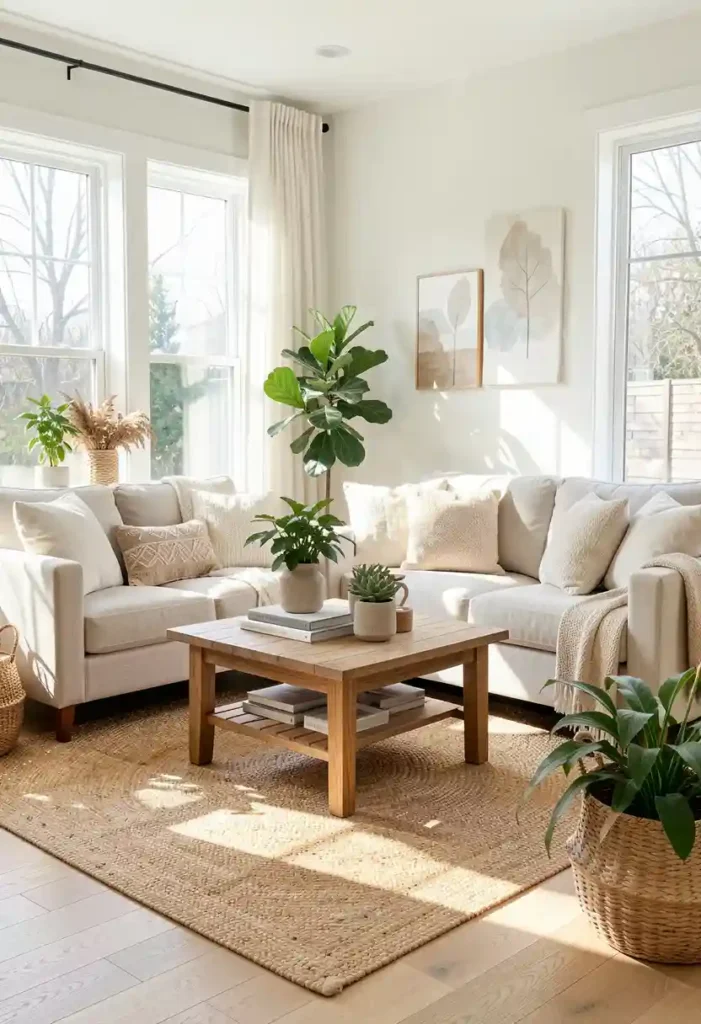
A rug sets the temperature of a room, visually and literally. Thick shaggy rugs and heavy wool piles feel warm and cozy in spring, but they can make a summer room feel heavy and hot. Trading them for a flatweave cotton rug, a jute rug, or a sisal rug instantly makes the floor look lighter and the whole room feel airier.
Natural fiber rugs are the best summer choice. Jute brings a warm golden tone and a soft texture underfoot. Sisal is tougher and more durable, which makes it a good pick for entryways and dining rooms. Cotton flatweave rugs are the lightest option, easy to wash, and available in bright summer stripes and patterns. In a living room, choose a rug large enough that the front legs of the sofa and chairs sit on it, usually 8 by 10 feet for a standard sofa set, or 9 by 12 feet for a larger room. In a dining room, the rug should extend at least 24 inches beyond the table on every side so chairs stay on the rug when pulled out.
Layering works beautifully in summer too. Place a small patterned cotton rug over a larger natural jute rug for color and softness without the weight of a thick pile. Vacuum natural fiber rugs regularly and blot spills right away, since jute and sisal can stain if liquid sits on them. In a kitchen or entryway, where spills are likely, choose a washable cotton rug instead. Roll up the heavy spring rug, store it flat or rolled with the pile facing inward, and enjoy the cool, light feeling underfoot all summer long.
6. Display Fresh Summer Flowers
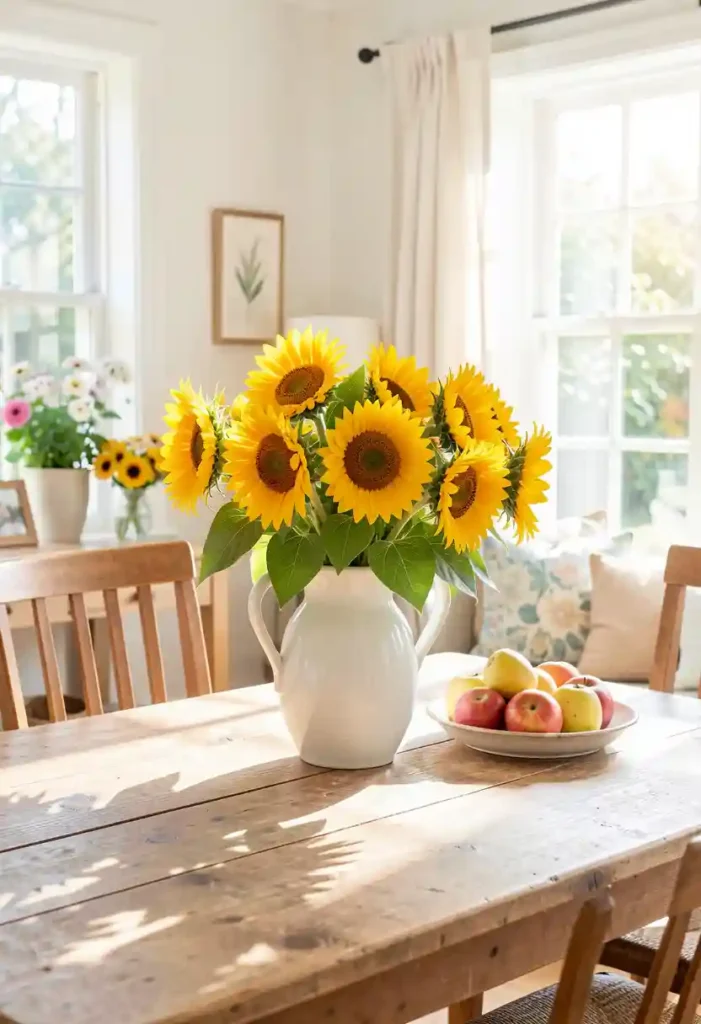
Fresh flowers are the simplest way to bring summer indoors. While spring bouquets lean toward delicate pastels, summer flowers are bold and joyful: sunflowers, daisies, peonies, hydrangeas, zinnias, and wildflowers in bright yellows, pinks, oranges, and whites. Even one small bouquet on a kitchen counter can lift the mood of the whole room.
Match the arrangement to the spot. A large statement bouquet in a tall vase suits an entryway console or a dining table, where it can be seen from across the room. Smaller posies in jam jars, bud vases, or short ceramic pots work on nightstands, bathroom counters, and coffee tables. Clear glass vases keep the look fresh and light, while white or soft blue ceramic vases add a cool, classic touch. Trim stems at a 45 degree angle, remove any leaves that would sit below the waterline, and change the water every two days to keep blooms fresh for a week or longer.
For a fuller look, combine one tall flower, one round flower, and one trailing green in each arrangement. Sunflowers with daisies and a sprig of eucalyptus, or hydrangeas with white daisies and fresh mint, both look effortless and smell wonderful. If fresh flowers are not always practical, keep a few good quality faux stems for busy weeks and rotate the real thing in for weekends and gatherings. A vase of flowers beside the front door is also the first thing guests see, so it is worth the five minutes it takes to arrange.
7. Brighten Spaces with Citrus Decor
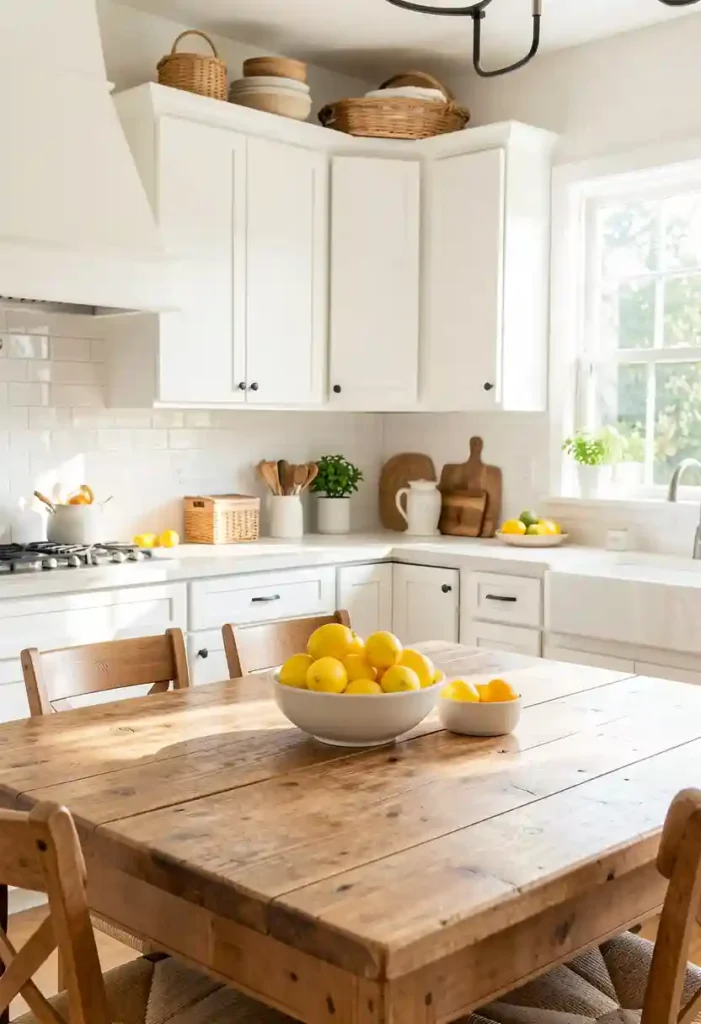
Citrus is summer in fruit form. Lemons, limes, and oranges bring a pop of cheerful color and a feeling of freshness that fits perfectly in kitchens and dining areas. A bowl of lemons on the counter costs almost nothing, yet it works as hard as any decoration you could buy.
Start with the real thing. Fill a wide, shallow bowl with six to eight lemons, or mix lemons and limes for a two tone effect. Place the bowl on the kitchen island, dining table, or a console near the entrance. Add a sprig of green leaves or a few eucalyptus stems on top for contrast. The fruit lasts about a week at room temperature, and you can use it afterward for drinks, desserts, and summer recipes, so nothing goes to waste.
Carry the citrus theme into textiles and small accessories. Lemon print tea towels, a citrus patterned table runner, or a small framed lemon print on the kitchen wall all reinforce the theme without overwhelming it. Keep it to two or three citrus touches per room so the look stays fresh rather than repetitive. In a bathroom, a small dish of limes beside the sink adds the same bright note. Citrus yellow pairs beautifully with white, navy, and natural wood, so it fits almost any color scheme you already have.
8. Use Light and Airy Curtains
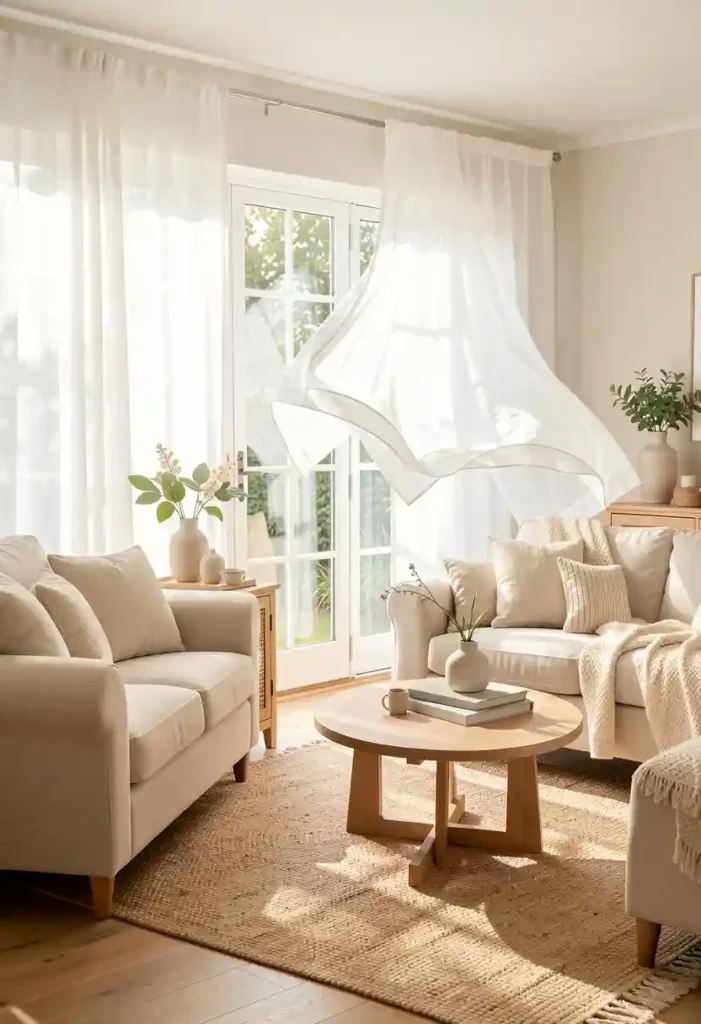
Curtains control how a room feels more than almost any other single item. Heavy drapes block light, trap warm air, and make a room feel closed in during summer. Sheer or lightweight cotton curtains do the opposite: they filter sunlight, let the breeze through, and make the whole space feel taller and brighter.
Choose the right fabric first. Sheer voile gives the most light and the softest look, while lightweight linen or cotton offers a little more privacy while still feeling airy. White and soft neutral shades work best because they reflect sunlight and make the room feel larger. If you need privacy at night, layer a sheer panel behind a light cotton curtain on a double rod, and close only the cotton layer after dark.
Hang curtains correctly to get the full effect. Mount the rod 4 to 6 inches above the window frame, or closer to the ceiling for a taller look, and extend it 6 to 10 inches beyond the frame on each side so the curtains can be pulled fully clear of the glass. Floor length panels that just kiss the floor look elegant and make the room appear taller, while sill length panels suit kitchens and bathrooms. Choose simple rods in natural finishes such as light wood or brushed brass. When the windows are open, light curtains move gently with the breeze, adding life and movement that heavy drapes can never match.
9. Decorate with Woven and Natural Materials
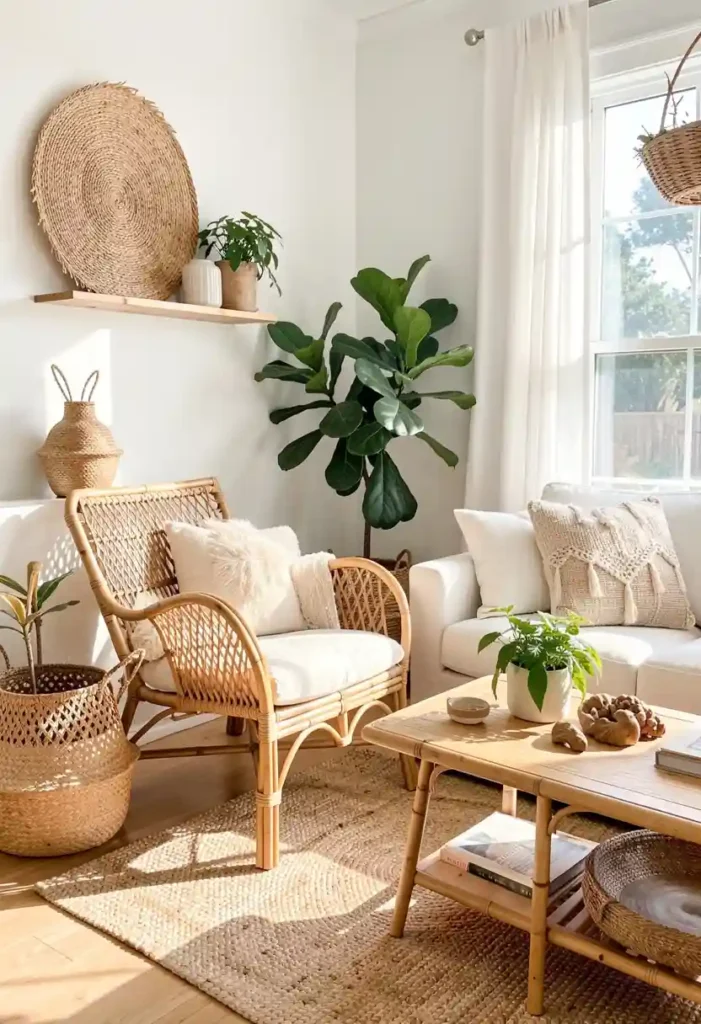
Summer decorating leans on texture, and woven natural materials are the easiest way to add it. Rattan, wicker, bamboo, and seagrass bring warmth and character while keeping the look light and relaxed. These materials connect your home to the outdoors, which is exactly the feeling summer decorating is trying to create.
Introduce woven textures through pieces you use every day. A seagrass basket beside the sofa holds extra throws or magazines. A rattan tray on the coffee table organizes candles and books. A bamboo side table, a wicker lampshade, or a set of woven placemats on the dining table all add texture without changing the room. In the bedroom, a woven storage basket at the foot of the bed or a rattan headboard can transform the space for the season.
Mix the materials rather than matching them exactly. Rattan with bamboo, seagrass with light wood, and wicker with linen all work together because they share a warm, natural tone. Keep the palette calm: natural tan, honey, and light brown tones pair best with white walls and green plants. Dust woven pieces with a dry cloth or a soft brush, and keep them out of direct dampness so they stay in good shape. One or two woven pieces per room is enough. The goal is a relaxed, collected feeling, not a furniture showroom of matching wicker.
10. Create a Bright Summer Entryway
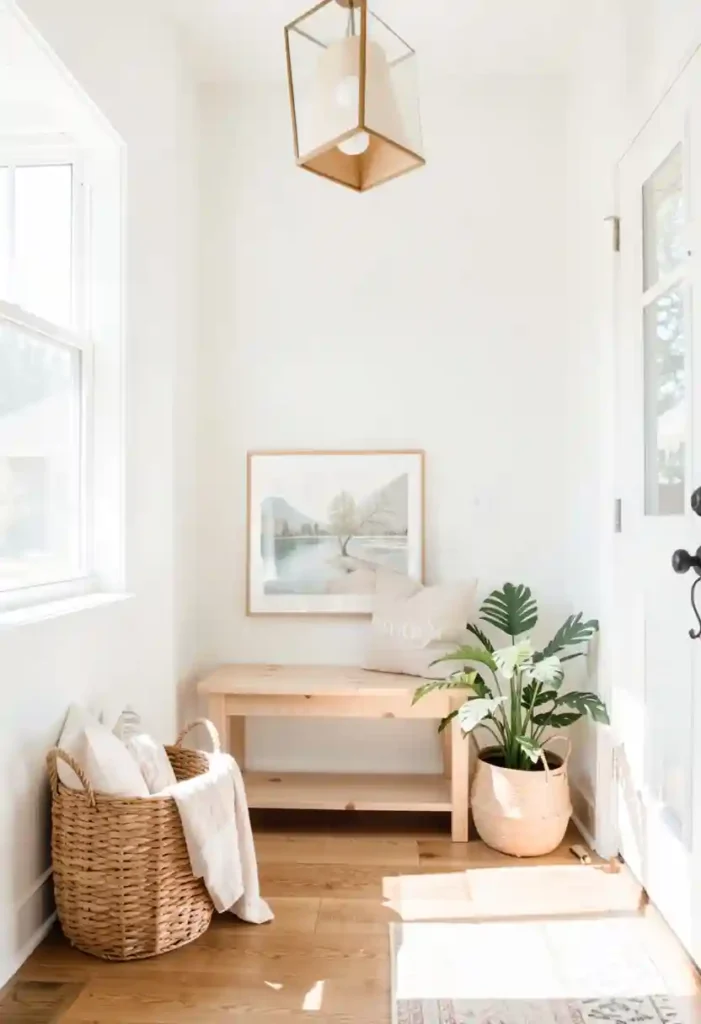
Your entryway is the first space you see when you come home and the first space guests see when they arrive. A bright, welcoming entrance sets the tone for the whole house, so it deserves a few minutes of summer attention. Start by clearing it out. Remove heavy coats, winter boots, and anything that has piled up since spring, and give the space a clean, open feeling.
Build the summer entryway in layers. Lay down a cheerful welcome mat or a light colored runner rug, about 2 by 3 feet for a small entry or 2.5 by 7 feet for a longer hallway. Add a small potted plant or a vase of fresh flowers on the console table. Hang a round mirror above the console to reflect natural light and make the entry feel larger. A woven basket near the door holds summer hats, sunglasses, and reusable shopping bags, while a row of light wood hooks keeps keys and light jackets tidy.
Finish with one or two seasonal touches. A bowl of lemons, a piece of coastal artwork, or a small stack of summer reading on the console adds personality without clutter. Keep the color palette light: white, sand, soft blue, and natural wood. If your entryway has no window, add a small lamp with a linen shade or a battery operated candle to warm the space. A bright entryway takes less than half an hour to create, and it will greet you with summer energy every time you walk through the door.
11. Introduce Ocean-Inspired Color Palettes
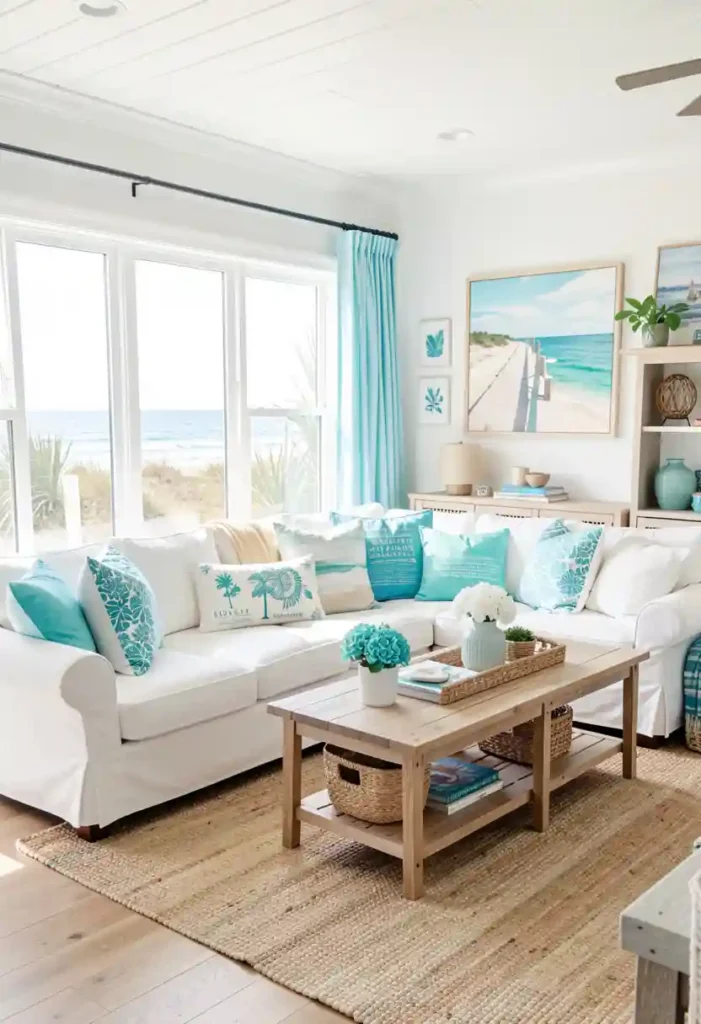
Color is the most powerful tool in seasonal decorating, and summer has a ready made palette waiting in the ocean. Soft blue, turquoise, seafoam green, sandy beige, and crisp white mirror the coast and bring a calm, refreshing feeling into any room. These colors cool a space visually, which matters on the hottest days of the year.
Use the 60-30-10 rule to keep the palette balanced. Let a neutral color such as white or sandy beige cover about 60 percent of the room through walls, large furniture, and flooring. Use a secondary color such as soft blue or seafoam green for about 30 percent through curtains, rugs, and larger cushions. Save the boldest color, turquoise or coral, for the final 10 percent in small accents like vases, artwork, and decorative bowls. This balance keeps the room feeling fresh rather than themed.
Introduce ocean colors gradually if you are unsure. Start with throw pillows and a single piece of artwork, then add a rug or curtains if you like the effect. Blue ceramic bowls, sea glass jars, and a turquoise throw folded over a chair arm are all small commitments with a big visual payoff. Pair cool ocean tones with warm natural materials such as light wood and rattan so the room feels balanced instead of cold. The combination of cool color and warm texture is what makes coastal summer rooms feel relaxing rather than stark.
12. Add Summer-Scented Candles
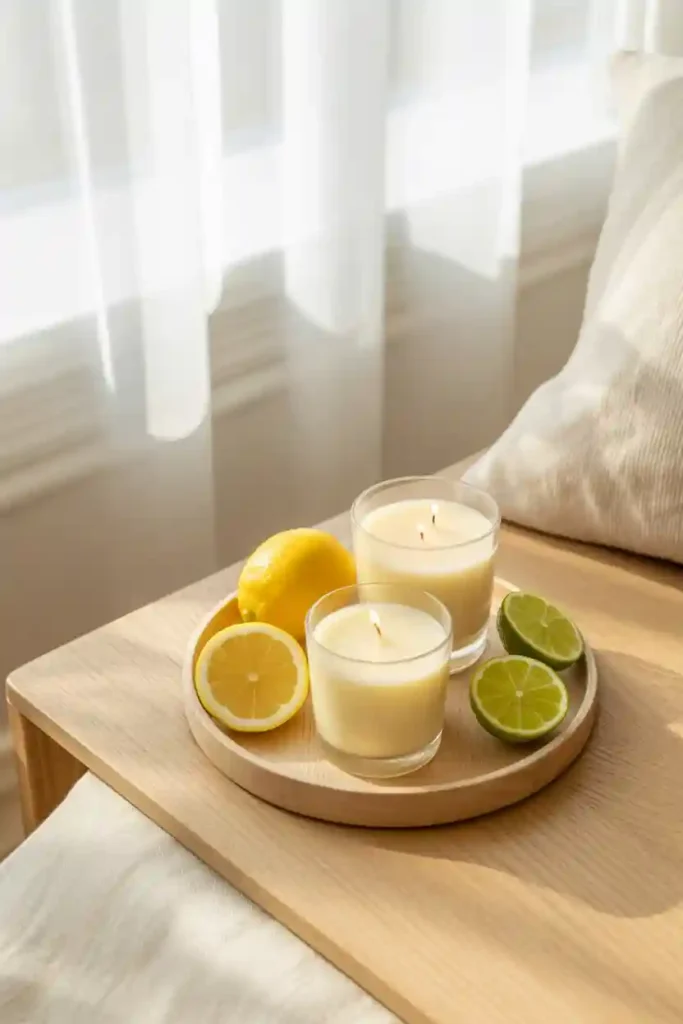
Scent is the most overlooked part of home decor, yet it shapes how a room feels as much as color or light. Summer scented candles bring the season into a room even before anyone notices the decoration. Citrus, coconut, ocean breeze, fresh linen, tropical fruit, and lavender are all scents that say summer, and each one creates a slightly different mood.
Match the scent to the room. Citrus and fresh linen work well in kitchens and living rooms because they smell clean and bright. Coconut and tropical fruit suit bedrooms and reading corners, where a warm, relaxed feeling is welcome. Lavender is a good choice for bathrooms and bedrooms in the evening because it feels calm and restful. If you love layering scents through the home, these spa bathroom ideas show how candles, soft towels, and natural textures can turn an ordinary bathroom into a refreshing summer retreat.
Place candles where they are both safe and visible: on coffee tables, open shelves, bathroom counters, and dining tables, always on a heat resistant tray or holder and at least 12 inches away from curtains, plants, and paper. Trim the wick to about a quarter inch before each burn so the flame stays steady and the candle lasts longer. During the day, unlit candles in glass, ceramic, or woven holders still add color and texture to a room. In the evening, their soft glow turns an ordinary summer night into something peaceful and a little bit special.
13. Style Your Coffee Table with Summer Decor
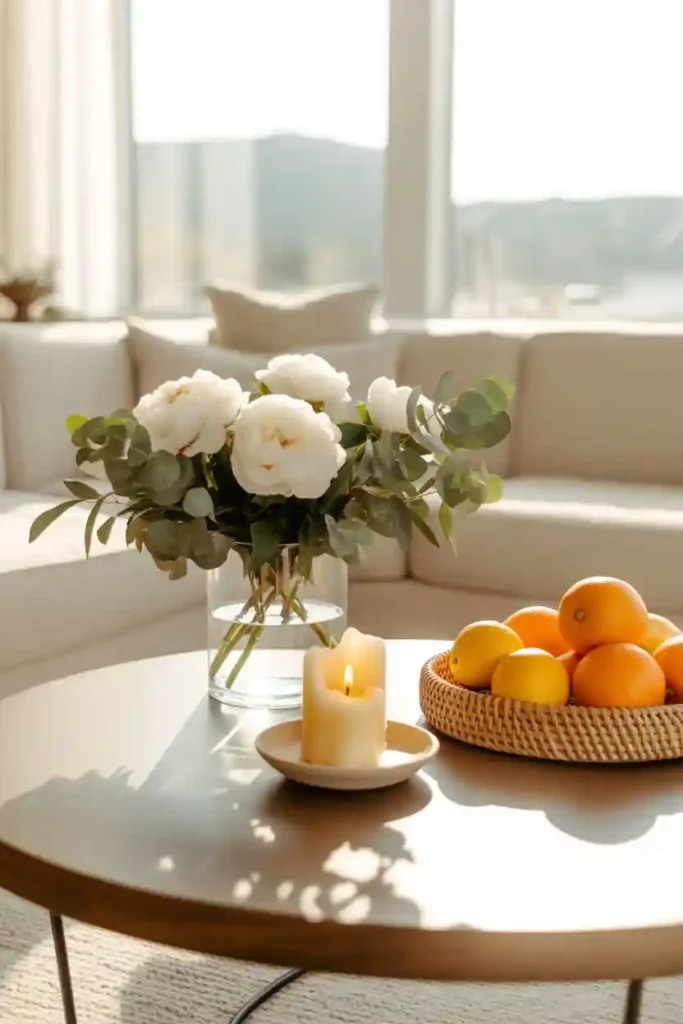
The coffee table is the centerpiece of the living room, and it is the easiest surface in the house to restyle for summer. Clearing away heavy spring items and replacing them with light, cheerful pieces takes ten minutes, yet it changes the whole feeling of the seating area. The secret is to keep it simple: three objects, at different heights, in a light color palette.
Start with a tray. A rectangular wood or woven tray about 16 by 20 inches organizes everything and keeps the arrangement looking neat. Place the tray slightly off center, then add one tall item, one medium item, and one low item. A small vase of fresh flowers or a leafy plant gives height. A stack of two summer themed books or a small coral sculpture adds the middle layer. A decorative bowl, a candle, or a few pieces of sea glass fill the low layer. Odd numbers and varied heights make the eye move around the table instead of stopping in one place.
Keep the color palette light and natural: white, sand, soft green, and one accent color from the rest of the room. Wood, glass, and ceramic materials work best for summer, since they reflect light and feel cool to the touch. Leave at least a third of the table surface empty so the arrangement can breathe and the table stays usable for drinks and books. Change one item each month, such as swapping the flowers or the candle scent, and the coffee table will feel fresh all season without any extra effort.
14. Open Up Spaces for Natural Light
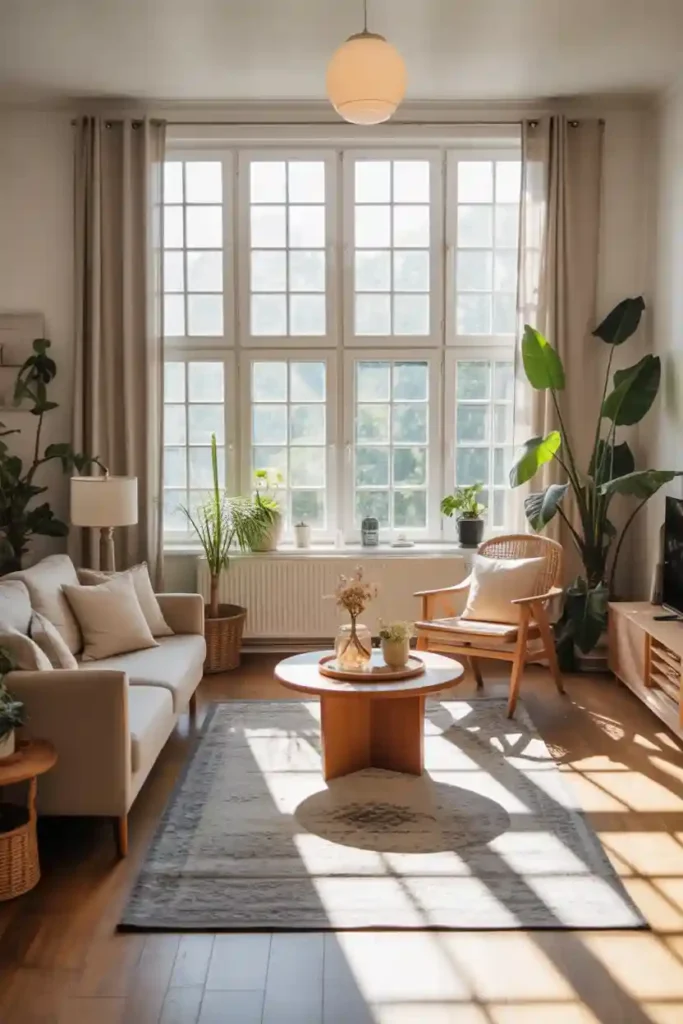
Natural light is the defining feature of summer interiors. Bright, open rooms feel larger, cooler, and more alive than dark ones, and getting more sunlight into your home costs nothing at all. The first step is to remove anything that blocks it.
Walk through each room and look at the windows. Move tall furniture away from window walls, take down heavy valances, and clear windowsills of clutter so sunlight can pour in. Clean the glass inside and out, since even a thin layer of dust can cut the light noticeably. If a room still feels dark, hang a mirror opposite the window. A mirror about 24 by 36 inches, placed at eye level, bounces light deep into the room and can brighten a dark corner dramatically. Light colored walls, white ceilings, and pale furniture all reflect more light than dark ones.
Balance the extra light with shade where you need it. Sheer curtains soften bright sun without blocking it, and outdoor shade keeps rooms cool in the afternoon. If you have a garden or patio, these easy ways to create shade in your garden will help you enjoy the outdoors on hot days while keeping harsh sun off your windows. Open windows on opposite sides of the house in the early morning and evening to let a cross breeze flow through, then close them during the hottest part of the day. With light, air, and a clear view outside, your home will feel like summer from the moment you wake up.
Final Words
Transitioning your home decor from spring to summer is all about embracing light, warmth, and simplicity. You do not need a big budget or a full makeover. Small updates such as swapping heavy fabrics for airy linens, adding fresh greenery, introducing coastal accents, and opening up your rooms to natural light can refresh your entire space and reflect the cheerful energy of the season.
The best way to begin is to pick the three ideas that excite you most and do them this weekend. Once those changes are in place, add one more each week until the whole house feels like summer. Keep the pieces you love, store the spring items carefully for next year, and enjoy a home that feels bright, relaxed, and ready for the long sunny days ahead.
Frequently Asked Questions
When should I start transitioning my decor from spring to summer?
Start in late May or early June, when the weather turns consistently warm and the days get noticeably longer. Begin with easy swaps such as pillow covers, throws, and fresh flowers, then move on to curtains and rugs as the heat builds. There is no need to change everything at once. A gradual transition over two or three weekends feels natural and lets you see what works in each room.
What colors work best for summer home decor?
Soft blue, turquoise, seafoam green, sandy beige, and crisp white are the classic summer palette, inspired by the ocean and the beach. Bright accents such as coral, sunny yellow, and lemon work well in small doses through pillows, flowers, and decorative bowls. Keep the main furniture and walls neutral, then layer summer colors in through textiles and accessories so you can change them easily next season.
Do I need to buy all new decor for summer?
No. Most of the transition can be done with what you already own by rearranging, decluttering, and swapping items between rooms. Pillow covers, throws, rugs, and curtains are the only purchases most homes need, and even those can be stored and reused every year. Fresh flowers, a bowl of lemons, and a few plants are low cost additions that make a big difference. Focus on three or four changes rather than buying a whole new set of decorations.
How can I make my home feel cooler in summer without major changes?
Use light colored fabrics, sheer curtains, and natural fiber rugs to reflect heat and light instead of absorbing it. Open windows on opposite sides of the house in the early morning and evening for a cross breeze, and use mirrors to bounce light into dark corners so you need fewer lamps. Keep heavy blankets and thick cushions stored away, and place plants near windows, since they cool the air slightly and make a room feel fresher.
How do I keep fresh flowers and plants alive in summer heat?
Change flower water every two days, trim stems at an angle, and keep bouquets out of direct afternoon sun. Move indoor plants a few feet back from hot south facing windows, and water only when the top inch of soil feels dry, since overwatering is the most common summer plant mistake. A weekly check for yellow leaves, pests, and dry soil will catch problems early, and most plants recover quickly once they get the right water and light.
More Ideas You Will Love
 16 Expert Tips to Hurricane-Proof Your Home Decor
 11 Coastal Decor Ideas to Bring the Breezy Summer Vibes Indoors
 21 Apartment Remodel Ideas – Transform Your Space with Modern Functionality
 15 Exterior House Color Ideas: Stunning Schemes for Every Home
 16 Exterior House Style Ideas: A Guide to Stunning Home Designs
 18 DIY Outdoor Christmas Decoration Ideas for 2025 Homes