
19 Yard Fire Pit Ideas to Add Style to Your Outdoor Space

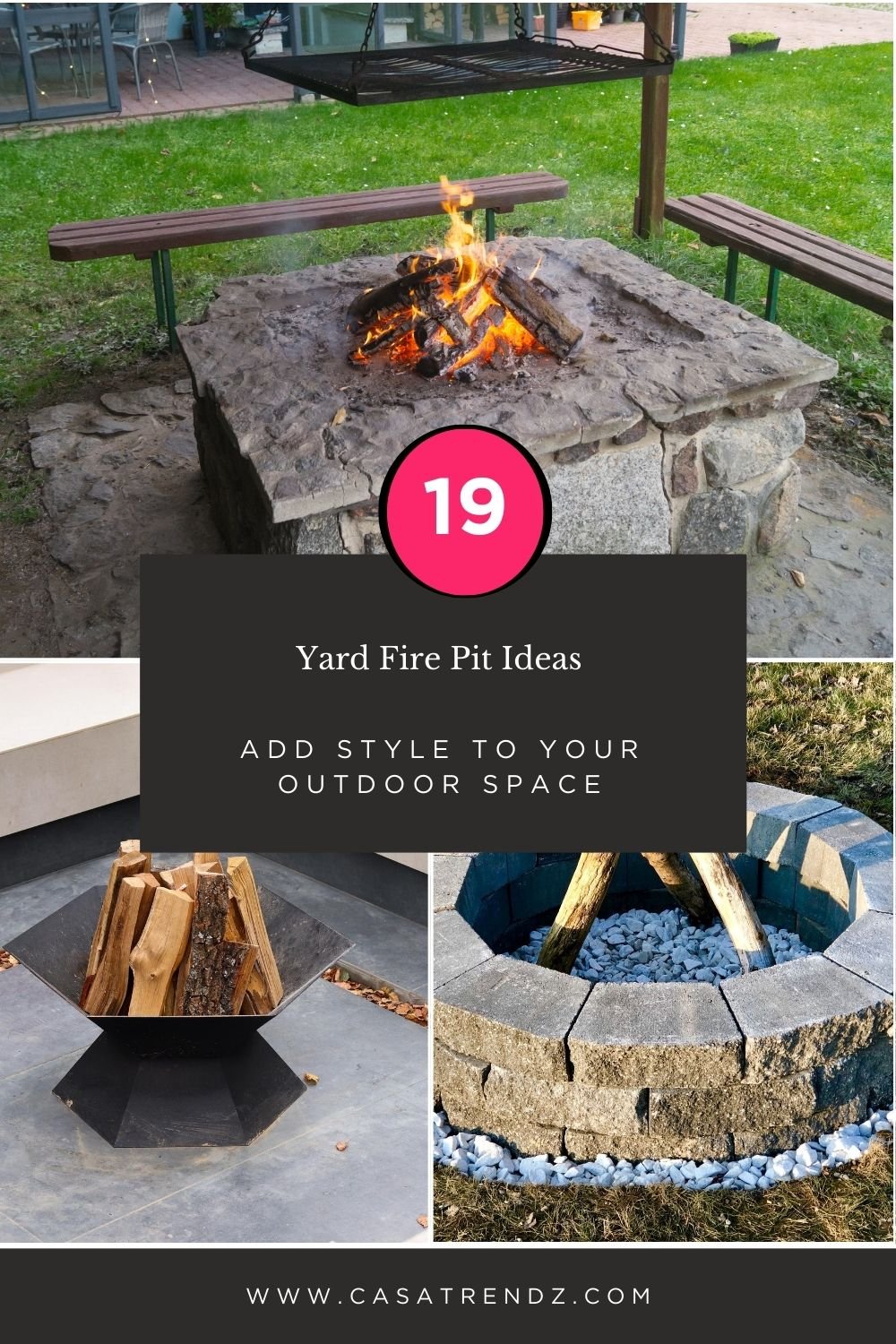
A yard fire pit does far more than provide heat on a cool evening. It turns an ordinary backyard into the place everyone naturally gathers, whether for a quiet cup of coffee at dusk, a family marshmallow roast, or a long conversation under the stars. A well placed fire pit gives your yard a clear focal point, adds warmth and light after sunset, and stretches the outdoor season well into spring and fall.
The best yard fire pit ideas balance style, safety, and everyday practicality. A fire pit should suit the size of your yard, match the materials already in your landscape, and leave enough room for seating, foot traffic, and safe clearance from your home, fences, and trees. Small choices, like the height of the wall, the depth of the gravel base, and the distance between the fire and the nearest chair, make the difference between a feature you use every week and one you avoid.
In this guide, we explore 19 yard fire pit ideas that add warmth, character, and visual appeal to your outdoor space. Each idea includes specific materials, measurements, colors, and step by step tips you can use right away. From classic stone and sleek concrete to sunken pits, pergola setups, and cozy lounge arrangements, these ideas will help you build a fire pit area that looks intentional, feels comfortable, and stays safe for years.
1. Classic Stone Yard Fire Pit

A classic stone fire pit is one of the most timeless yard fire pit ideas, and it works in almost any landscape. Natural stone such as fieldstone, flagstone, or river rock brings texture and earthy color that softens a yard, while manufactured stone blocks give you uniform shapes and a cleaner, more predictable finish. Warm grays, tans, and browns blend with lawns, garden beds, and wood fencing, so the pit feels like it has always belonged there.
Build the fire bowl 36 to 44 inches across on the inside, which is wide enough for a generous fire but small enough to keep flames under control. Stack the wall 12 to 18 inches high, and line the interior with fire brick or a steel fire ring to protect the stone from cracking under repeated heat. Set the pit on a level base of compacted gravel at least 3 inches deep, and leave 24 to 30 inches of clear space between the pit wall and the nearest seat so nobody feels scorched. Pair the finished pit with simple wooden benches or Adirondack chairs in natural wood tones, and add a few flat stones as a landing spot for drinks and roasting sticks.
Stone fire pits need very little upkeep. Sweep ash out after the fire cools completely, check the mortar or stacked joints once a season, and cover the pit with a fitted metal lid or tarp during long wet spells to keep water from sitting inside the bowl. If you want a matching look across the yard, repeat the same stone in a low garden border or a short path leading to the seating area, which ties the whole design together without adding cost.
2. Modern Concrete Yard Fire Pit

Concrete fire pits offer a sleek and contemporary take on traditional designs. This yard fire pit idea emphasizes clean lines, neutral tones, and minimalist shapes, often a square or rectangular block, a smooth round bowl, or a low linear trough. Light gray, charcoal, and warm white concrete pair beautifully with modern landscaping, black metal furniture, and pale pavers.
Cast or buy the pit in a size that fits your patio, usually 30 to 40 inches wide for a round bowl or 48 to 60 inches long for a rectangular table style fire pit. A wall height of 14 to 16 inches keeps the fire visible from a seated position while still containing sparks. Seal the concrete with a heat resistant outdoor sealer to prevent staining from soot and to protect the surface from freeze and thaw cycles. Leave a gap of at least 36 inches between the pit and any lounge chair, and choose cushions in solid charcoal, cream, or sage so the palette stays calm and modern.
Concrete is one of the easiest fire pit materials to live with. It wipes clean, resists weather, and never needs painting. To soften the hard edges, place a single large planter with ornamental grass beside the pit, or lay a light colored outdoor rug under the seating group. For a finished look, match the concrete tone to your patio pavers or your home’s trim, and keep decorative items to a minimum so the clean shape stays the star.
3. Sunken Yard Fire Pit Area

A sunken fire pit creates a dramatic and intimate outdoor setting. This yard fire pit idea involves lowering the fire pit and seating area 12 to 18 inches below ground level, so the surrounding earth forms a natural enclosure. The result feels private and cozy, almost like an outdoor living room carved into the yard, and the lowered walls block wind, which keeps the fire steadier on breezy evenings.
Plan the sunken circle 10 to 12 feet across so four to six people can sit comfortably around a 36 inch fire bowl. Build the retaining edge from stone, brick, or poured concrete, and install a gravel or paver floor with a slight slope toward a small drain or dry well, because a sunken area collects rainwater fast. Add built in bench seating around the inside edge, topped with weatherproof cushions in warm neutrals, and leave one wide step or a gentle ramp as the entry point. Keep the fire bowl in the center on a fireproof base, and never sink a pit in a spot where the water table is high or where the yard already floods.
Good drainage is the make or break detail for this design. Before you dig, test the spot after a heavy rain, and add a French drain or a gravel filled trench leading away from the pit if water lingers. Once built, a sunken fire pit becomes the most used corner of the yard, especially in the evening, when the low walls hold warmth and the enclosed shape makes conversation feel easy and relaxed.
4. Rustic Yard Fire Pit with Gravel Base

Gravel-based fire pits offer a casual and rustic charm that suits relaxed yards and country style homes. This yard fire pit idea uses gravel to define the fire pit zone while providing proper drainage and fire safety, because gravel does not burn and it lets rainwater pass straight through instead of pooling around the pit.
Mark out a circle 8 to 10 feet across, dig down 3 to 4 inches, and lay landscape fabric to stop weeds from pushing through. Fill the area with 2 to 3 inches of pea gravel or crushed granite in a warm tan or soft gray, and set a simple steel fire ring or a ring of stacked stone in the center. Pea gravel feels comfortable underfoot and drains well, while larger crushed stone stays put better in windy spots. Place a few flat stepping stones from the lawn to the gravel circle so guests do not track stones onto the grass, and add a low wooden bench or a couple of folding camp chairs that you can move as the group changes.
A gravel base is one of the most affordable ways to build a fire pit area, and it is also one of the easiest to maintain. Rake the gravel level once a month, top it up with a fresh bag or two each spring, and pull any weeds that sneak through the fabric. The informal look pairs naturally with wood, stone, and galvanized metal, so keep the furniture simple and let the fire be the main event.
5. Yard Fire Pit with Built-In Seating

Built-in seating enhances both style and comfort around a fire pit, and it solves the problem of chairs drifting all over the yard. This yard fire pit idea incorporates benches or low walls into the design, creating a cohesive and functional gathering area where every seat faces the fire and nobody has to drag furniture out of the garage.
Build a curved or straight bench wall 16 to 18 inches high and 14 to 16 inches deep, which is the comfortable range for sitting without a backrest. Leave 24 to 30 inches between the front edge of the bench and the fire pit wall so legs stay clear of the heat. Use the same stone, brick, or concrete as the pit itself so the seating reads as part of one structure, then soften it with outdoor cushions in weatherproof fabric, such as navy, terracotta, or cream, and a few throw pillows you can bring inside during storms. For a neat finish, cap the bench with a smooth stone or wood top that doubles as a side table for drinks.
Built-in seating also adds storage if you plan for it. Leave a hollow section under one bench for firewood, kindling, or a fire pit cover, with a simple wooden lid on top. Because the seats never move, the layout always looks tidy, and the fire pit area stays ready for an impromptu evening outside with no setup at all.
6. Portable Metal Yard Fire Pit

Portable metal fire pits offer flexibility and convenience for renters, small yards, and anyone who likes to rearrange the outdoor space. This yard fire pit idea is ideal for homeowners who want the option to move the fire pit to the patio for a party, tuck it into the garage for winter, or take it along on a camping trip.
Choose a steel or cast iron bowl 24 to 36 inches across, with a mesh spark screen and a poker included, and look for a powder coated finish that resists rust. Place the pit on a fireproof mat, a square of pavers, or a gravel patch, never directly on a wood deck or dry grass. Keep it at least 10 feet from your home, fences, and overhanging branches, and store it under cover when it is not in use to extend its life. Because metal heats quickly, a portable pit throws real warmth fast, which makes it a good choice for cool evenings when you want heat without building a fire in a permanent structure.
The main trade off is durability, so buy the heaviest bowl your budget allows and empty the ash after every use, because ash holds moisture and speeds up rust. A simple cover, or even an upside down metal lid, keeps rain out between uses. Pair a portable pit with lightweight folding chairs and a small side table, and you have a complete fire pit setup that can move wherever the evening takes you.
7. Yard Fire Pit with Wood-Burning Design

Wood-burning fire pits deliver a traditional outdoor experience that gas can never fully copy. This yard fire pit idea emphasizes natural flames, crackling sounds, the smell of wood smoke, and authentic warmth that invites people to linger. It suits rustic and natural landscapes, where a real log fire feels right at home.
Plan for a fire bowl at least 36 inches across so logs have room to burn down without crowding, and keep a neat stack of seasoned hardwood, such as oak, maple, or ash, in a covered log holder nearby. Dry wood burns hotter and cleaner, so store it off the ground under a small roof or tarp, and never burn treated lumber, painted wood, or household trash. Use a spark screen on windy nights, keep a bucket of sand or a garden hose within reach, and let the fire burn down to coals before leaving it. A wood fire needs a little more attention than gas, but the ritual of building it is half the pleasure.
To keep the area tidy, sweep ash into a metal bucket once it is completely cold, and scatter cold wood ash sparingly on garden beds, where it adds potassium to the soil. Add a pair of log seats or tree stump side tables beside the pit for a natural look, and keep the seating in a full circle so everyone shares the warmth and the view of the flames.
8. Gas-Powered Yard Fire Pit

Gas fire pits provide convenience and clean operation for people who want a fire at the push of a button. This yard fire pit idea eliminates smoke and ash while offering instant ignition, adjustable flame height, and a fire that can be turned off the moment everyone heads inside.
Choose between a portable propane tank model, which needs no plumbing and can move around the yard, or a natural gas line installed by a licensed professional, which never runs out of fuel mid evening. A burner ring 12 to 18 inches across suits most table style pits, while larger 24 inch burners fit wide rectangular designs. Fill the burner tray with lava rock, fire glass, or ceramic logs in a color that matches your palette, such as warm amber glass for a modern look or gray lava rock for a natural one. Keep the control valve easy to reach but out of the way of knees and feet, and always check the connections for leaks with soapy water at the start of the season.
Gas pits work especially well in neighborhoods with fire restrictions or for families who want a fire without smoke drifting into open windows. They also pair beautifully with a fire pit table, where the flame sits in the center of a dining height surface, so the pit doubles as a table during the day. Wipe the burner cover clean after use, and cover the pit when rain is expected to keep water out of the burner ports.
9. Yard Fire Pit with Circular Seating Layout

Circular seating creates balance and encourages conversation, because everyone faces each other and the fire at the same time. This yard fire pit idea arranges seating evenly around the fire pit, promoting social interaction and making even a large group feel connected.
Set the fire bowl in the center of a circle 10 to 12 feet across, and place six to eight chairs around it with about 24 inches between each seat. A mix of Adirondack chairs, low benches, and a couple of cushioned armchairs keeps the circle comfortable for different guests. Use a round outdoor rug, at least 8 feet across, to anchor the group and define the seating zone on a patio or deck, and leave one gap in the circle as the entry point so people do not have to climb over chairs. For evenings that stretch late, add a small side table or two inside the circle for drinks, and keep a basket of blankets nearby for when the temperature drops.
The circular layout works on almost any surface, from gravel and pavers to lawn and deck, and it scales easily. A smaller 8 foot circle suits four chairs and an intimate evening, while a 14 foot circle can host a full party. Because the shape is symmetrical, it always looks intentional, even with simple furniture, and it photographs beautifully, which makes it a favorite for outdoor entertaining.
10. Yard Fire Pit Integrated with Patio

Integrating a fire pit into an existing patio creates a seamless outdoor living area that feels like a true extension of the home. This yard fire pit idea blends the fire pit with paved surfaces for a cohesive look, so the patio, the pit, and the seating read as one designed space instead of separate pieces.
Place the pit where it will not block the main walkway from the back door, usually toward one end or corner of the patio, and keep at least 36 inches of clear walking space around it. Build the pit from the same paver or stone as the patio surface, or choose a contrasting material, such as dark metal against light pavers, for a focal point that still matches. A low, wide fire pit table works especially well here, because it serves as a coffee table by day and a fire feature at night. Arrange outdoor dining or lounge furniture nearby so the patio works for meals, relaxing, and fireside evenings without rearranging anything. If you are planning a full backyard fire pit setup, this integrated approach is a good place to start, since it uses the patio you already have.
Patio fire pits also make lighting and storage easy, because power and the house are close by. Add a weatherproof storage bench for cushions and firewood, run a string of lights from the house to a post or tree, and keep a small side table beside each seat. The result is a multi purpose outdoor room that gets used from the first warm evening of spring to the last cool night of fall.
11. Minimalist Yard Fire Pit Design

Minimalist fire pits focus on simplicity and clean design, proving that a fire feature does not need ornament to make an impact. This yard fire pit idea uses subtle materials and understated forms, a low round bowl, a smooth square block, or a simple steel ring, to complement modern landscapes where less is genuinely more.
Choose one material and one color, such as matte black steel, light gray concrete, or natural stone in a single tone, and keep the footprint compact, usually 30 to 36 inches across. Pair the pit with two or three simple chairs in the same neutral palette, and leave the surrounding ground plain, with a clean gravel bed or a single large paver slab under the pit. Avoid extra decor, patterned cushions, and bright colors, because every added element weakens the calm, uncluttered effect. A single sculptural plant, such as a potted olive tree or a clump of ornamental grass, is enough to soften the scene without breaking the minimal look.
Minimalist designs are easy to maintain and visually uncluttered, which is why they work best in contemporary yards. Sweep the area clear, wipe the pit surface after use, and store the cover nearby so the pit always looks neat. The restraint also makes the fire itself the focus, so on a quiet evening, the flames, the sky, and the simple shapes are all you need.
12. Yard Fire Pit with Pergola Feature

Adding a pergola over a fire pit creates structure and visual interest, turning a simple fire circle into a defined outdoor room. This yard fire pit idea defines the space while offering partial shade during the day and a frame for lighting at night, so the area feels finished even when the fire is not lit.
Build the pergola 10 to 12 feet square, with posts set at least 6 feet from the fire bowl so the wood stays clear of heat and sparks. Use cedar or pressure treated pine in a natural or dark stain, and keep the beams at least 8 feet high so smoke rises and disperses instead of pooling under the roof. This is important, because a fire pit under any overhead structure needs generous open sides and height for ventilation. Never cover a pergola over a fire pit with a solid roof or fabric canopy, and check local fire codes before building, since some areas restrict fires under structures. Hang string lights or a few lanterns from the beams, and train a climbing vine, such as jasmine or clematis, up one or two posts for softness.
A pergola also gives you a place to add shade cloth or outdoor curtains on the sides, which makes the fire pit area usable in hot afternoons as well as cool evenings. Keep the seating low and the furniture weatherproof, and the pergola framed fire pit becomes the most photogenic and most used corner of the yard.
13. Yard Fire Pit with Natural Stone Surround

A stone surround enhances safety and aesthetics in one move. This yard fire pit idea uses stone edging to define the fire pit and protect surrounding areas, creating a clear boundary between the fire zone and the lawn, planting beds, or patio beyond it.
Ring the pit with a band of flat flagstone, river rock, or gravel at least 24 to 36 inches wide, laid on compacted sand or gravel so it stays level. Use larger flat stones as a low seat wall or as a ledge for drinks, and choose stone colors that echo the pit itself, such as warm sandstone around a fieldstone pit or cool gray slate around a concrete one. The surround catches stray embers, keeps grass from scorching, and gives guests a clear visual cue about where it is safe to walk. For a polished finish, edge the outer ring with steel landscape edging so the stone stays contained and the lawn line stays crisp.
A stone surround also makes maintenance simpler, because ash and debris land on stone instead of grass, and you can sweep the ring clean in minutes. Add a few low growing plants, such as creeping thyme or sedum, in the gaps between larger stones, and the surround softens into the landscape while still doing its practical job.
14. Small Yard Fire Pit Solution

Fire pits can work in small yards with thoughtful design, and a compact setup often feels cozier than a large one. This yard fire pit idea focuses on compact sizes and efficient layouts, proving that you do not need acres of land to enjoy an evening around a fire.
Choose a fire bowl 24 to 30 inches across, which gives real warmth without dominating the space, and place it on a small pad of pavers or gravel at least 6 feet across. Keep seating light and movable, such as two folding chairs and a small bench, so the area can be cleared for other uses during the day. Use vertical elements, like a tall planter or a slim trellis, to draw the eye upward and make the yard feel bigger, and keep the color palette light so the small space feels open rather than crowded. A tabletop fire bowl is another good option for a tiny patio or balcony, where a full size pit would never fit, as long as the surface below it is fireproof and the area is well ventilated.
In a small yard, every inch counts, so store firewood in a slim vertical rack against a fence, hang the spark screen on a hook when it is not in use, and choose a fire pit with a lid that doubles as a table top. With smart planning, even a pocket sized yard can host a proper fireside evening.
15. Yard Fire Pit with Decorative Lighting

Lighting enhances the atmosphere around a fire pit and makes the area safer after dark. This yard fire pit idea incorporates string lights, lanterns, or pathway lighting to extend the mood beyond the glow of the flames and to guide guests safely to and from the house.
Hang warm white string lights, 2700K color temperature, from a pergola, a tree branch, or two sturdy posts set 8 to 10 feet apart, keeping the bulbs at least 7 feet above the ground so nobody walks into them. Line the path to the fire pit with solar stake lights spaced 4 to 6 feet apart, and set a few large lanterns with flameless candles on the seat wall or on side tables for a soft secondary glow. Keep all wiring and fixtures at least 3 feet from the fire bowl, and use outdoor rated, weatherproof fixtures so the setup survives rain and dew. If your fire pit sits in a planted corner, fire pit garden ideas with layered lighting, such as uplights in shrubs and a lit path, make the whole area feel magical after sunset.
Good lighting also improves safety, because guests can see steps, uneven ground, and the edge of the seating area. Use a dimmer or a smart plug so you can lower the lights once the fire is going and let the flames take over. The combination of firelight and soft electric light is what turns a basic fire pit into an evening destination.
16. Yard Fire Pit with Landscape Integration

Integrating the fire pit with landscaping creates a natural flow between the fire feature and the rest of the yard. This yard fire pit idea uses plants, stone paths, or garden beds to frame the fire pit, so it feels like part of the garden rather than an object dropped onto the lawn.
Curve a stone or gravel path from the back door to the fire pit, wide enough for two people to walk side by side, about 36 to 42 inches. Plant low, fire resistant shrubs, such as lavender, rosemary, or ornamental grasses, around the outer edge of the seating area, keeping all planting at least 3 feet from the fire bowl. Add a raised garden bed or a row of large planters on one side to create a soft backdrop, and use mulch or ground cover plants to fill bare spots so the area looks finished from every angle. Choose plants with varied heights, with taller grasses behind the seating and low flowers in front, to create depth without blocking views of the fire.
Landscaping softens the design and improves visual harmony, and it also helps define the fire pit area without additional structures. Avoid planting anything with dry, resinous foliage close to the pit, such as juniper or pine, and keep a clear zone of stone or gravel immediately around the bowl. A well planted fire pit area looks good in every season, even when the fire is not lit.
17. Yard Fire Pit with Lounge Seating

Lounge seating enhances comfort around a fire pit and turns a quick fire into a long evening. This yard fire pit idea uses cushioned chairs, outdoor sofas, or deep seat sectionals for relaxation, so guests settle in rather than perching on a hard bench for twenty minutes and heading inside.
Choose weatherproof lounge furniture with quick dry foam and solution dyed acrylic fabric, which resists fading and dries fast after rain. A loveseat and two armchairs arranged in a loose U shape around the pit seats four to five people comfortably, while a sectional works better for larger groups. Keep the seat height 16 to 18 inches and the seat depth 22 to 24 inches for real lounging comfort, and add a low coffee table or a fire pit table in the center so drinks and snacks are always within reach. Store cushions in a deck box or bring them inside during storms, and choose fabrics in forgiving colors, such as charcoal, oatmeal, or deep green, that hide the occasional ash smudge.
From a layout perspective, lounge seating encourages longer gatherings, so plan for the extras that make a long evening pleasant, such as a side table for every seat, a basket of throws, and a small tray for a lantern or citronella candle. Durable outdoor materials ensure comfort and longevity, and the result feels more like an outdoor living room than a campsite.
18. Rustic Farmhouse Yard Fire Pit

Farmhouse-style fire pits emphasize warmth and simplicity, with natural materials and traditional forms that feel welcoming rather than formal. This yard fire pit idea uses weathered wood, stacked stone, galvanized metal, and neutral tones to create a cozy outdoor retreat that matches farmhouse porches, barns, and country gardens.
Build the pit from rough cut stone or reclaimed brick, with a wide, flat cap stone around the rim that doubles as a ledge for mugs and plates. Add wooden benches made from thick planks, a couple of rocking chairs, and a galvanized bucket for firewood beside the pit. Keep the palette warm and muted, with cream, sage, charcoal, and natural wood tones, and add texture with a plaid throw, a burlap pillow, or a woven outdoor rug in a simple stripe. A vintage style lantern or two on the seat wall completes the look without adding clutter. If you want more hands on inspiration for the build itself, DIY friendly fire pit area ideas can help you plan a weekend project using basic tools and affordable materials.
Functionally, farmhouse fire pits feel inviting and practical, because every piece has a job and nothing is purely decorative. Keep a sturdy poker and a pair of leather gloves on a hook nearby, stack firewood in a simple metal rack, and let the natural wear of the materials add character over time. This is the style that makes guests feel at home the moment they sit down.
19. Timeless Yard Fire Pit Design

A timeless fire pit focuses on balance and longevity, avoiding trends that will look dated in a few years. This yard fire pit idea emphasizes classic materials and proportions, a round or square bowl, natural stone or brick, and a simple seating circle, that have looked right in yards for decades and will keep looking right for decades more.
Choose materials that age gracefully, such as natural stone that weathers to a soft patina, solid brick, or heavy cast iron that develops a rich dark finish. Keep the scale generous but not oversized, with a 36 to 40 inch bowl and a seating circle 10 to 12 feet across, and use a neutral palette of stone gray, warm tan, and charcoal that will match any future furniture or planting changes. Avoid bold colors, unusual shapes, and trendy finishes, and invest instead in good construction, a level base, solid joints, and proper drainage, because a well built pit outlasts any style. A timeless pit also suits a larger outdoor entertaining area, where the fire feature anchors cookouts, parties, and quiet evenings alike without competing with the rest of the design.
From a functional standpoint, timeless designs remain relevant and adaptable. They enhance outdoor living for years while maintaining style and comfort, and they add real value to a home because buyers recognize a classic, well built feature when they see one. Build it once, build it well, and it will serve your family through countless seasons.
Conclusion
A thoughtfully designed fire pit can transform any yard into a stylish and functional outdoor retreat. These yard fire pit ideas demonstrate how different materials, layouts, and features can add warmth, comfort, and visual appeal, from a simple gravel circle with a steel ring to a sunken stone lounge or a pergola framed gathering space. The best choice is the one that fits your yard, your budget, and the way your family actually spends time outside.
Before you build, measure your space, check local fire codes and clearance rules, and pick materials that can handle your climate. Start with the essentials, a safe base, comfortable seating, and good lighting, then add personal touches over time. A well-planned yard fire pit not only enhances aesthetics but also extends the usability of your outdoor space, making it a valuable addition to any home and a place where memories are made season after season.
Frequently Asked Questions
How much space do I need around a yard fire pit?
Allow a clear zone of at least 10 feet between the fire pit and your house, fences, sheds, and overhanging trees. Around the pit itself, plan a seating circle 10 to 12 feet across, with 24 to 30 inches between the pit wall and the nearest chair. This gives everyone room to sit comfortably, move around safely, and enjoy the heat without feeling crowded.
What is the best material for a fire pit?
Natural stone, brick, and concrete are the best materials for a permanent fire pit because they resist heat, last for decades, and look good in most yards. Steel and cast iron work well for portable pits because they heat quickly and can be moved. Whatever material you choose, line the inside of the bowl with fire brick or a steel ring to protect it from cracking.
Can I put a fire pit on grass?
You should not place a fire pit directly on grass, because the heat can scorch or kill the lawn and dry grass can catch fire. Always set the pit on a fireproof surface, such as a gravel bed, pavers, concrete, or a fireproof mat. A gravel base at least 2 to 3 inches deep is the simplest safe option for a grassy yard.
How far should a fire pit be from the house?
Most fire safety guidance recommends keeping a fire pit at least 10 to 20 feet from your home, and many local codes require a specific minimum distance, so check your local rules before you build. Also keep the pit away from wooden decks, fences, sheds, and low tree branches, and never use a wood burning pit under a covered porch or a solid roof.
Wood burning or gas: which is better for a yard fire pit?
Wood burning pits give you real flames, crackling sound, and the classic campfire feel, but they need more cleanup and produce smoke. Gas pits light instantly, burn cleanly, and turn off with a switch, which suits neighborhoods with fire restrictions and families who want a quick, low maintenance fire. Choose wood for atmosphere and gas for convenience, and either option can look beautiful with the right design.
More Ideas You Will Love
 15 Best Plants for a Beautiful Backyard Landscape
 12 DIY Halloween Outdoor Decorations
 13 4th of July House Exterior Ideas Featuring the American Flag
 13 Trending Gray & Green Exterior Paint Colors
 12 Easy Composting Tips to Supercharge Your Summer Garden
 18 Small Garden Ideas for Stylish, Space-Saving Outdoor Design