11 Smart Ways to Protect Your Home Exterior from the Summer Sun
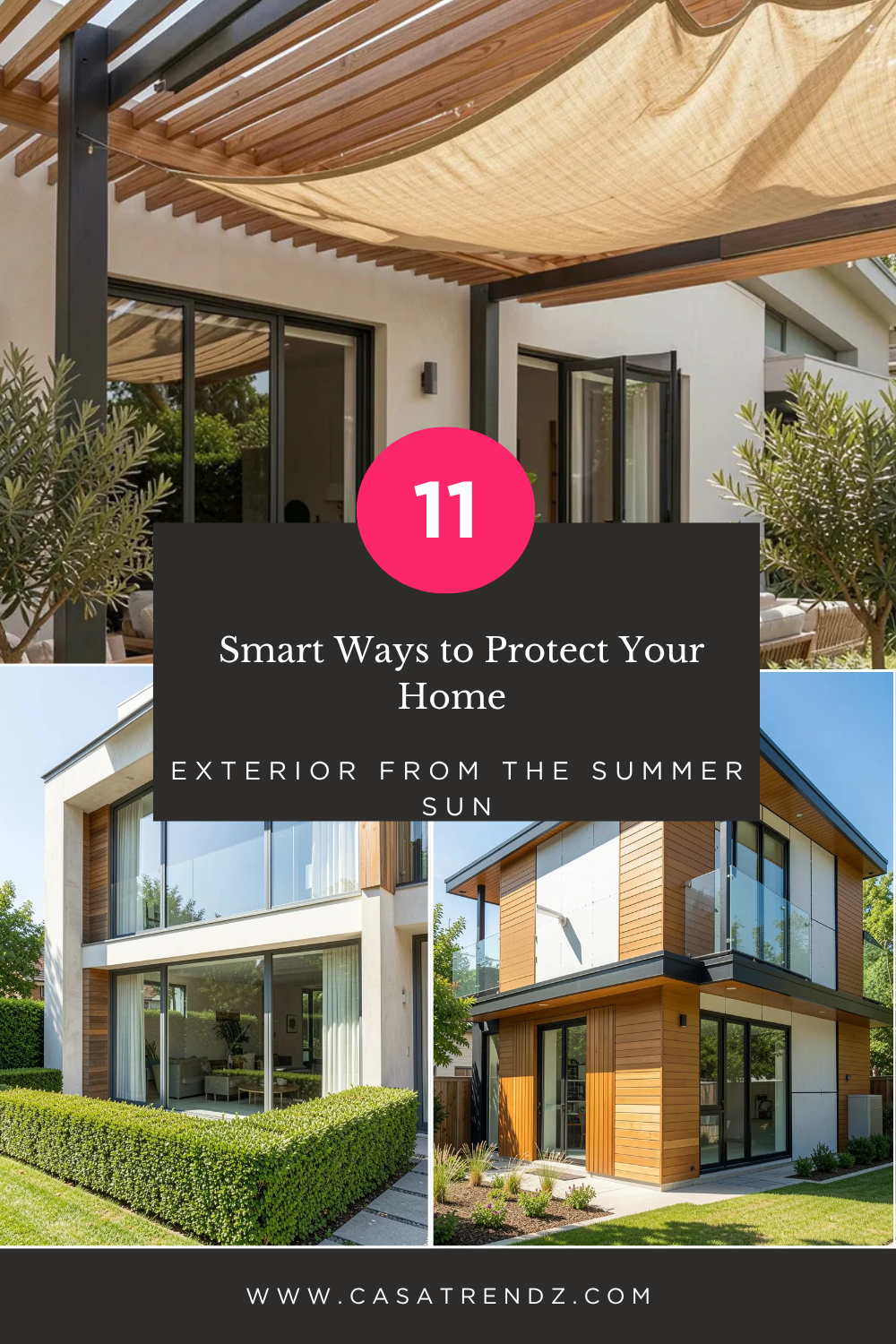
The summer sun can be harsh on your home’s exterior, causing fading paint, cracked materials, and increased indoor heat. Prolonged exposure to UV rays and high temperatures doesn’t just affect appearance it can also shorten the lifespan of your exterior surfaces and raise your energy bills. That’s why protecting your home from the summer sun is both a practical and stylish investment. With the right strategies, you can shield your home while enhancing its curb appeal and comfort.
From smart shading solutions and heat-resistant materials to landscaping and reflective finishes, there are plenty of ways to keep your exterior looking fresh and durable all season long. Whether you live in a hot climate or just want to prepare for peak summer months, these ideas will help you maintain your home’s beauty and efficiency. In this guide, you’ll discover 11 smart ways to protect your home exterior from the summer sun.
1. Install Exterior Shade Structures
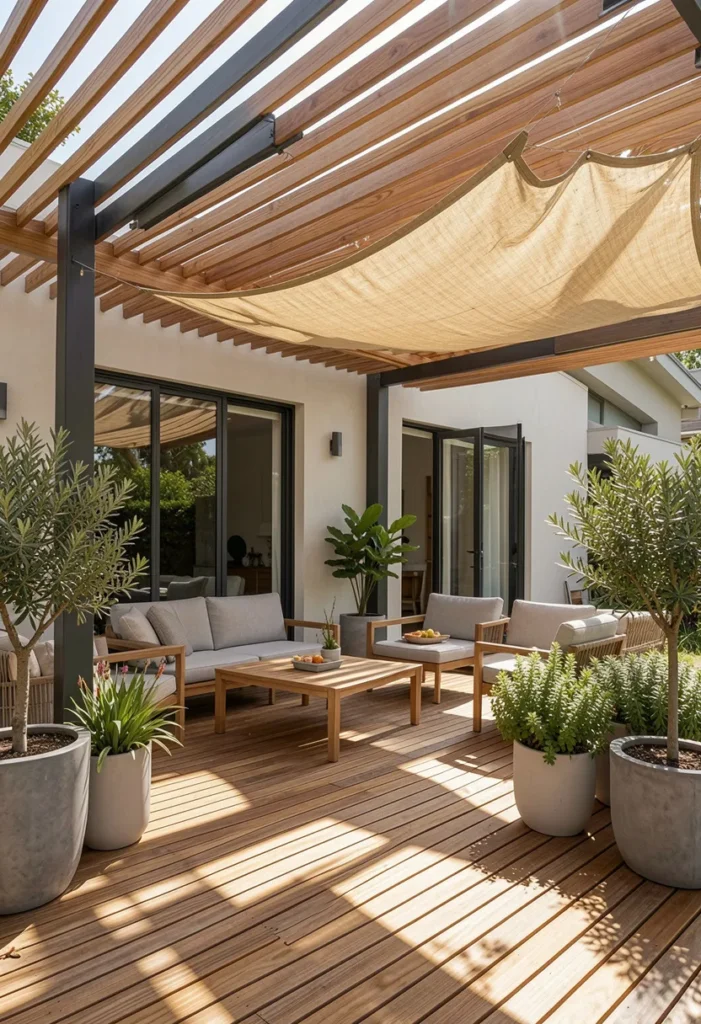
Adding shade structures like pergolas, awnings, or shade sails is one of the most effective ways to protect your home from direct sunlight. These features block harsh UV rays before they hit your walls, windows, and outdoor areas, reducing heat buildup and preventing fading.
A pergola with climbing plants adds both shade and aesthetic appeal, while retractable awnings offer flexibility based on the time of day. Shade sails provide a modern, minimal look and are perfect for patios or open spaces.
2. Use Heat-Reflective Exterior Paint
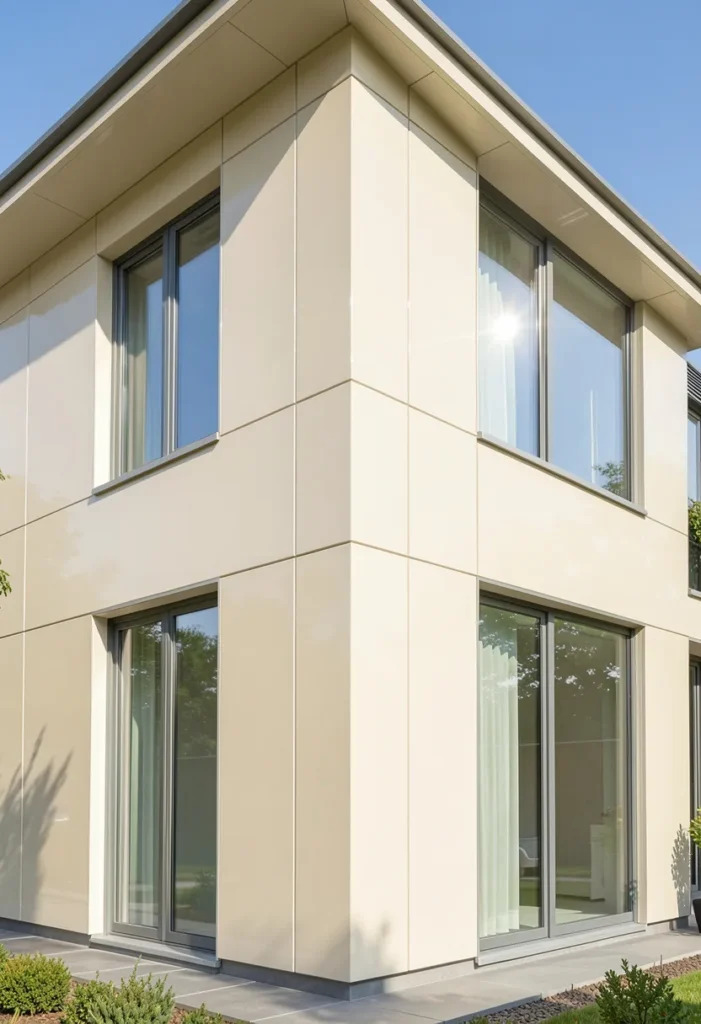
Heat-reflective paint is specially designed to reflect sunlight instead of absorbing it. This helps keep your home cooler while protecting the exterior surface from UV damage.
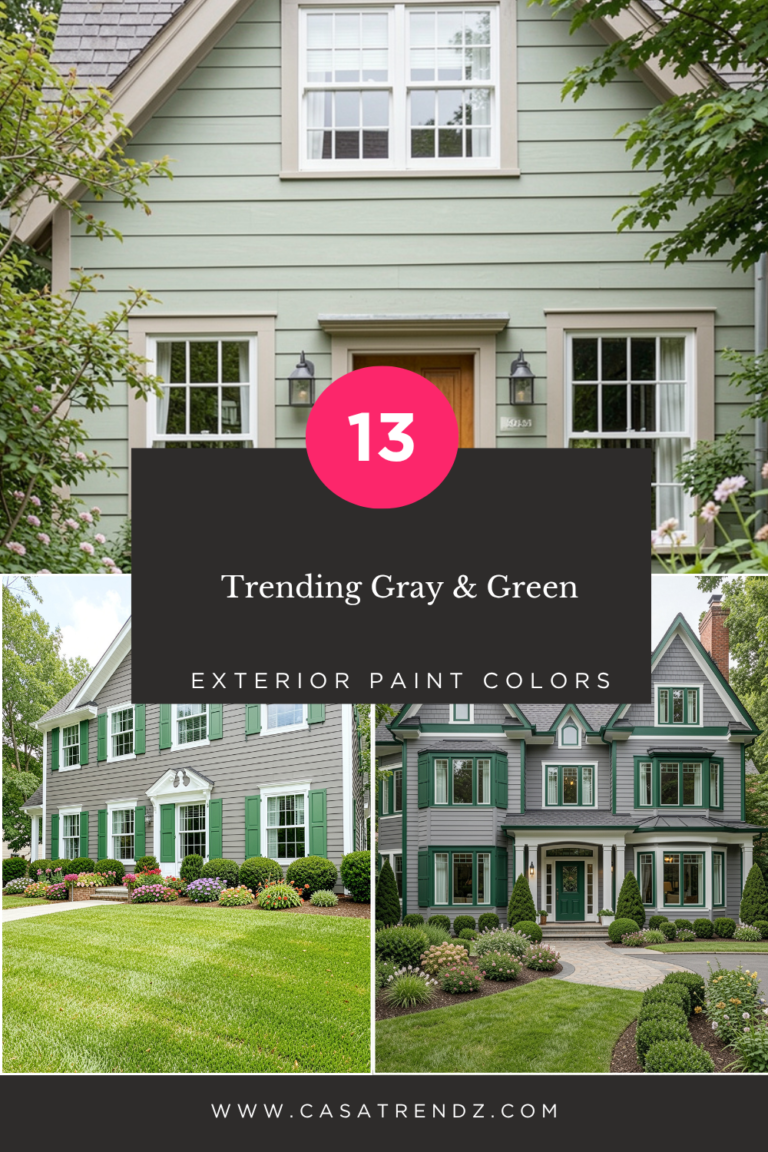
Light colors like white, beige, and soft gray are especially effective at reflecting heat. These paints also resist fading, maintaining your home’s appearance for longer. Applying reflective paint is a simple upgrade that can significantly improve energy efficiency. It reduces the strain on air conditioning systems, lowering energy costs.
3. Add Outdoor Blinds or Shades
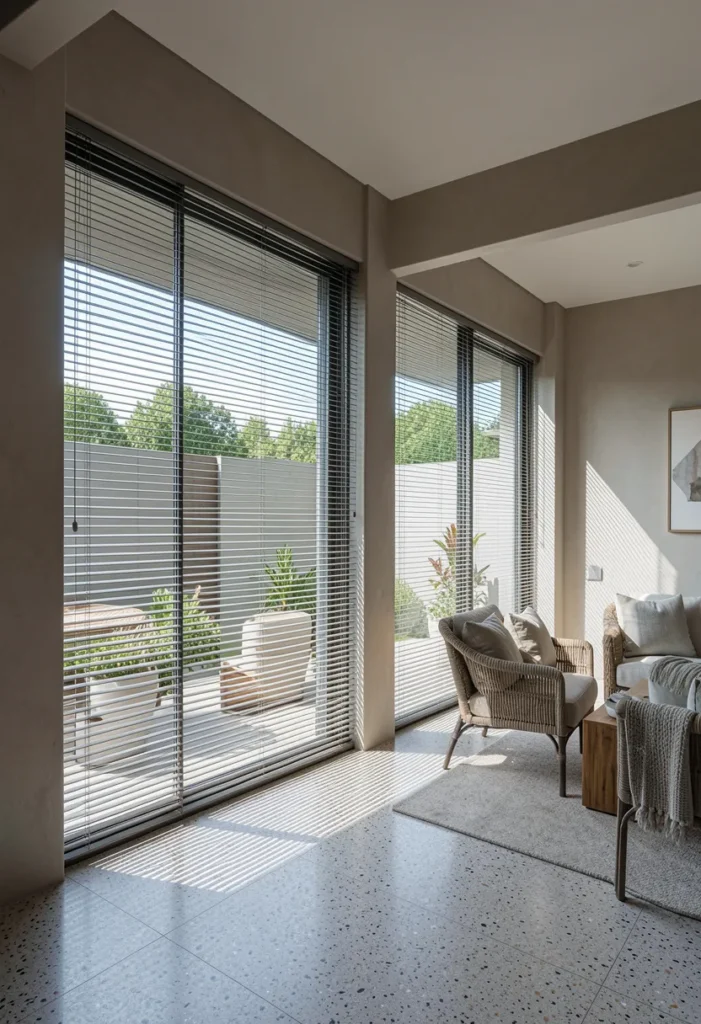
Outdoor blinds or roller shades provide an extra layer of protection for windows and walls. They block direct sunlight, reducing heat transfer and protecting interiors from UV exposure.
These shades are available in various materials and styles, allowing you to match your home’s design. Motorized options offer convenience, letting you adjust them easily. They’re especially useful for west-facing windows that receive intense afternoon sun. By controlling light and heat, they improve indoor comfort and protect furniture from fading.
4. Plant Strategic Shade Trees
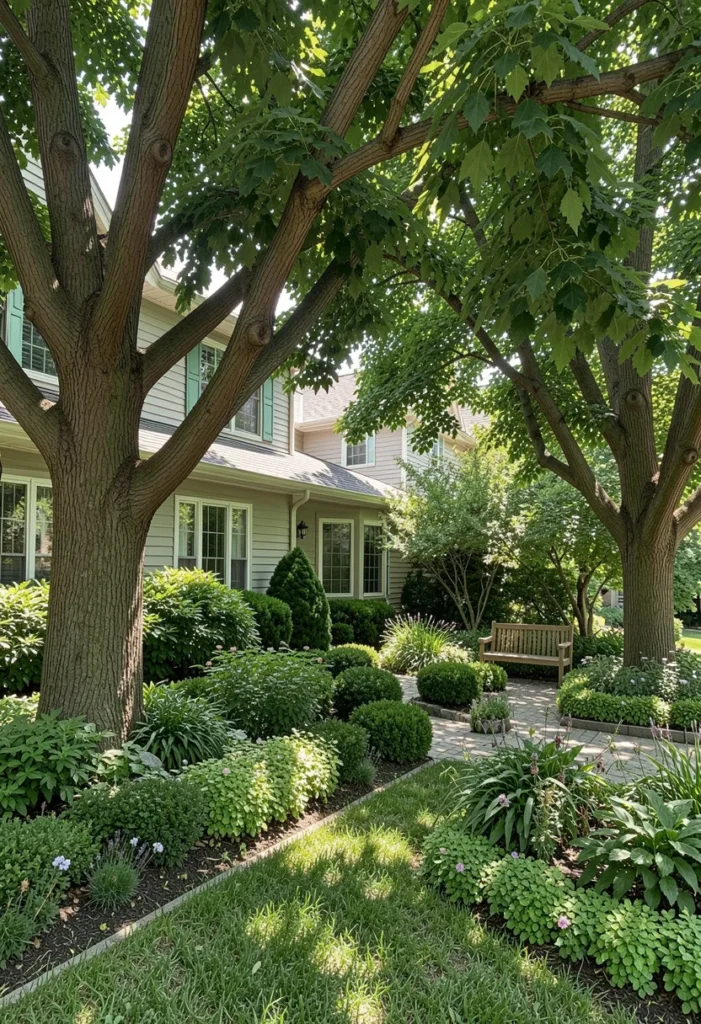
Planting trees is a natural and effective way to protect your home from the sun. Trees provide shade, reduce surrounding temperatures, and improve air quality.
Positioning trees on the south and west sides of your home helps block the most intense sunlight. Deciduous trees are especially beneficial they provide shade in summer and allow sunlight in winter. Over time, trees can significantly reduce cooling costs while enhancing your landscape’s beauty. Choosing drought-resistant varieties ensures sustainability in hot climates.
See Also: 15 Fireproof Landscaping Ideas for a Safer Yard
5. Install UV-Protective Window Film
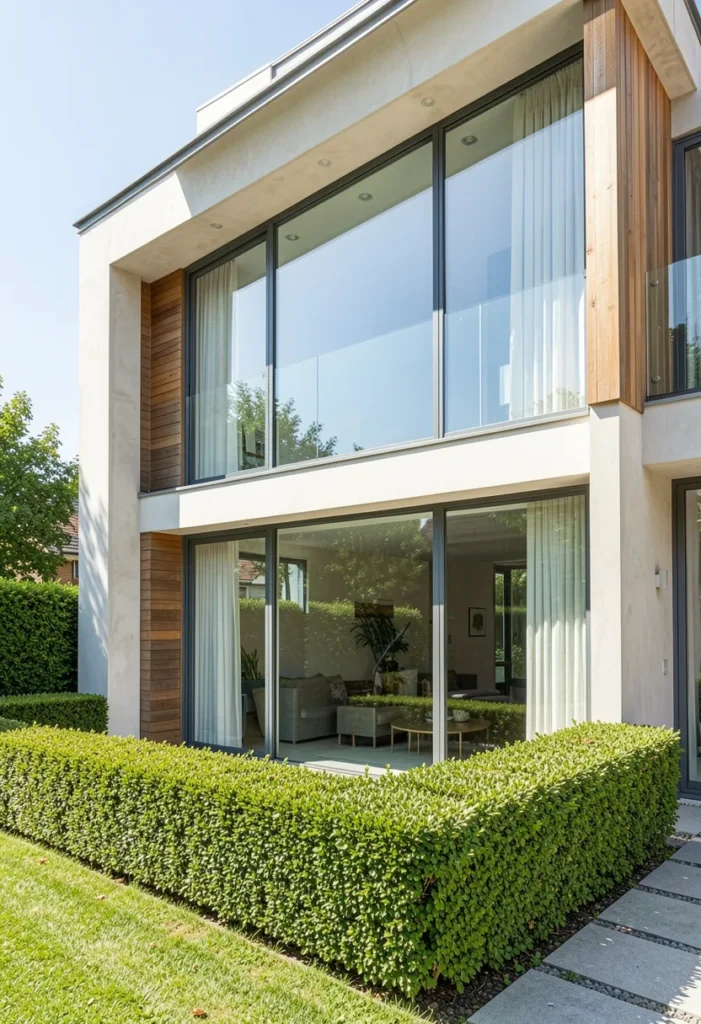
UV-protective window film is a simple yet effective way to reduce heat and sun damage. It blocks harmful UV rays while allowing natural light to enter.
This film helps prevent fading of interior furnishings and reduces glare. It also improves energy efficiency by keeping indoor spaces cooler. Installation is quick and affordable, making it a popular choice for homeowners. It’s especially useful for large windows or glass doors.
6. Upgrade to Insulated Siding
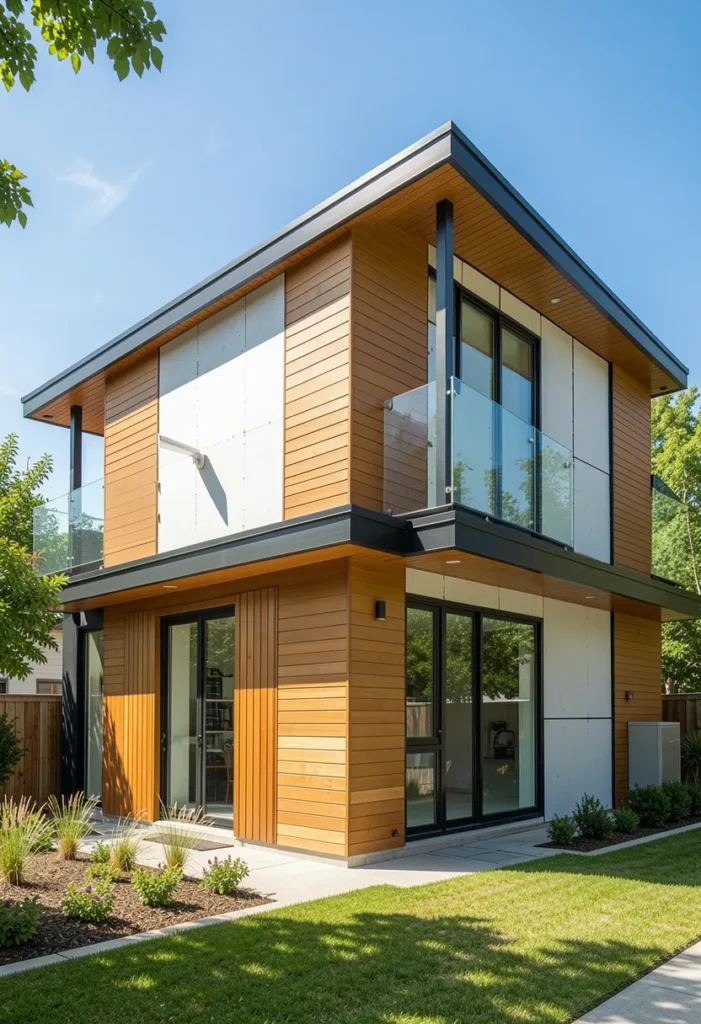
Insulated siding provides an extra layer of protection against heat. It reduces thermal transfer, keeping your home cooler during hot weather.
This type of siding also improves durability, protecting against cracking and fading caused by the sun. It’s available in various styles and colors to suit your design preferences.
7. Use Outdoor Curtains
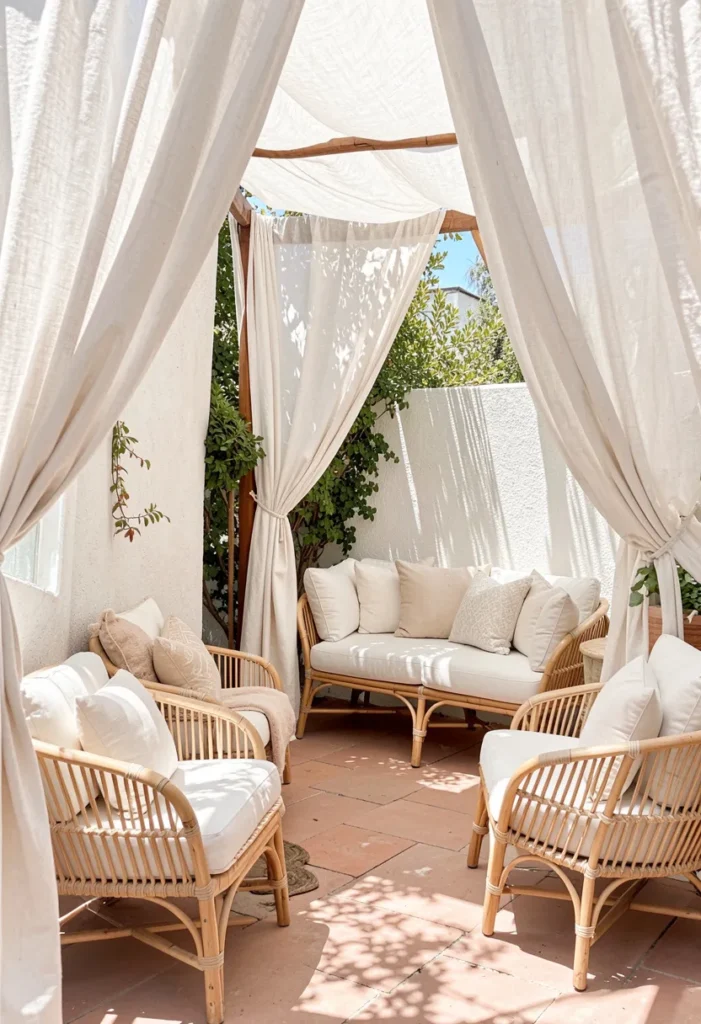
Outdoor curtains are a stylish way to block sunlight and create shaded areas. They’re perfect for patios, porches, and pergolas.
Made from weather-resistant fabrics, these curtains can withstand sun exposure while providing privacy and comfort. Light-colored fabrics reflect heat and enhance the airy summer vibe. They’re easy to install and can be adjusted as needed, offering flexibility.
8. Apply Protective Sealants
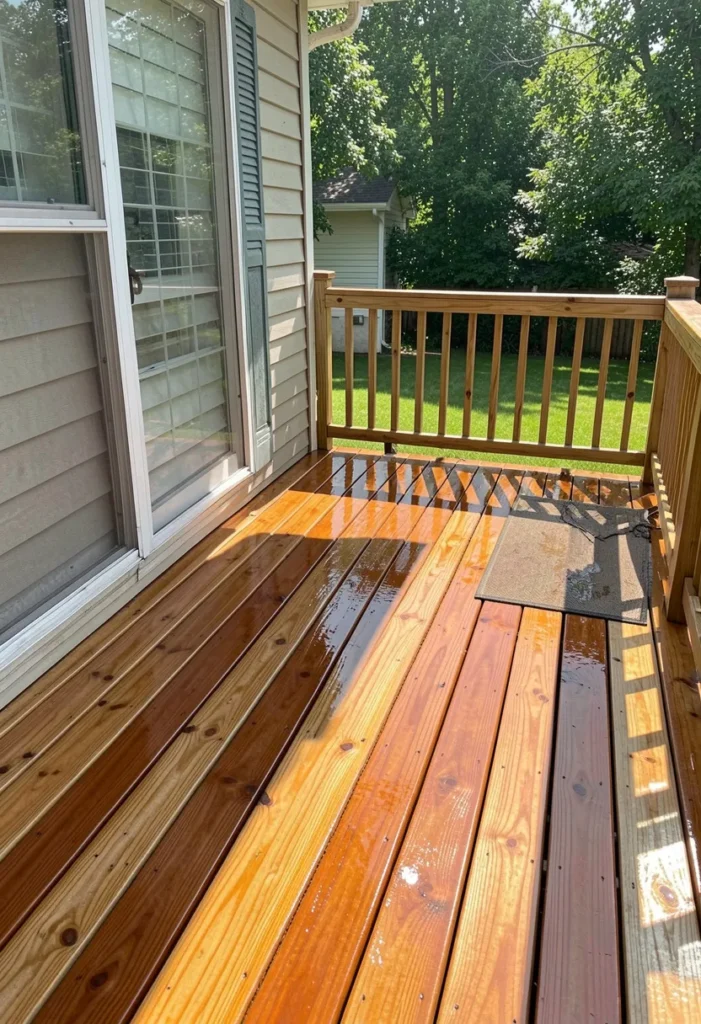
Applying sealants to wood, stone, or concrete surfaces helps protect them from sun damage. Sealants prevent cracking, fading, and moisture loss caused by intense heat.
Regular maintenance ensures your exterior materials remain strong and visually appealing. This is especially important for decks, fences, and outdoor furniture. Using UV-resistant sealants extends the lifespan of your surfaces.
9. Install Roof Overhangs
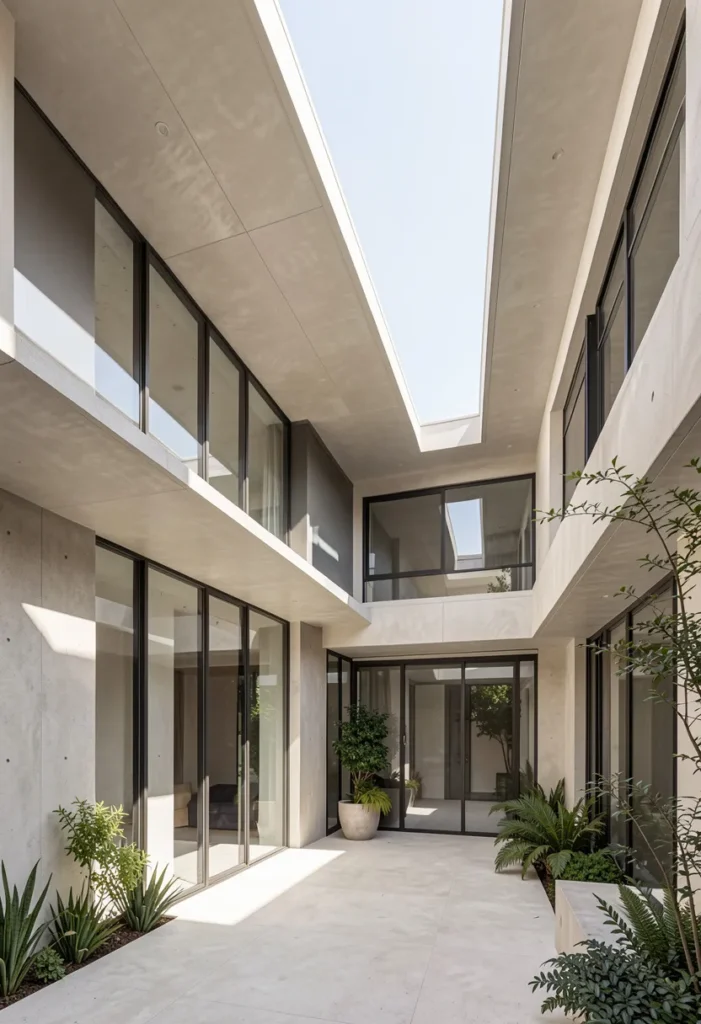
Roof overhangs provide natural shade for walls and windows. They reduce direct sunlight exposure, keeping interiors cooler.
Modern designs incorporate sleek overhangs that enhance architectural appeal while offering practical benefits. They also protect against rain and weather damage. This feature is especially useful in hot climates.
10. Use Light-Colored Roofing Materials
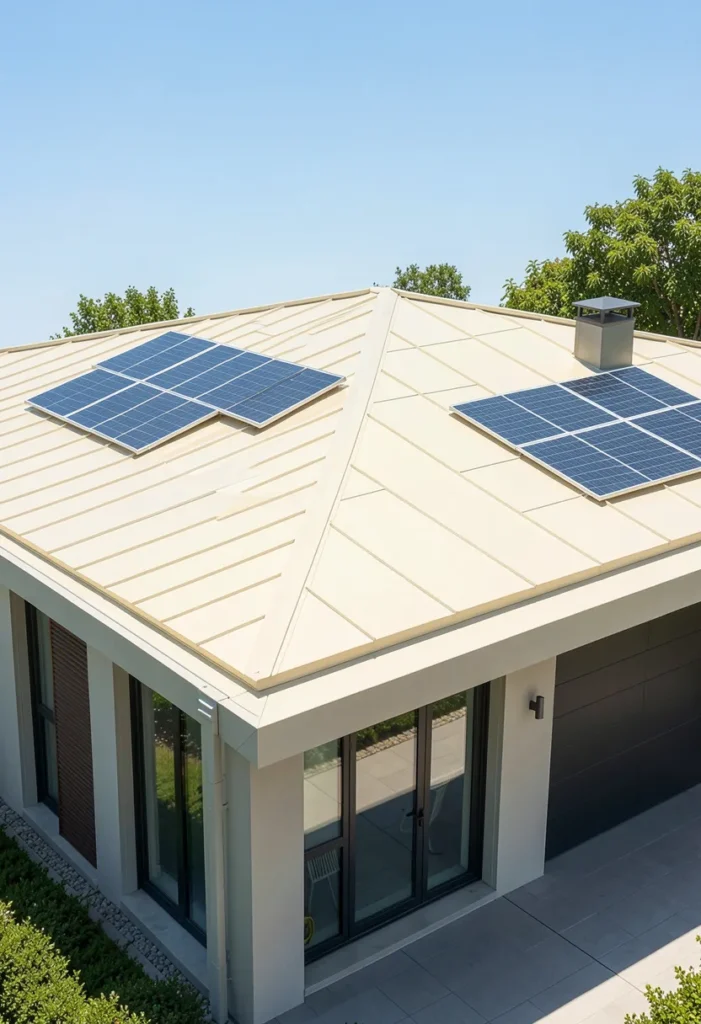
Light-colored roofing materials reflect sunlight and reduce heat absorption. This helps keep your home cooler and protects the roof from damage.
Options like reflective shingles or metal roofing are both durable and energy-efficient. They also complement modern exterior designs. This upgrade improves both performance and appearance.
11. Add Vertical Garden Walls
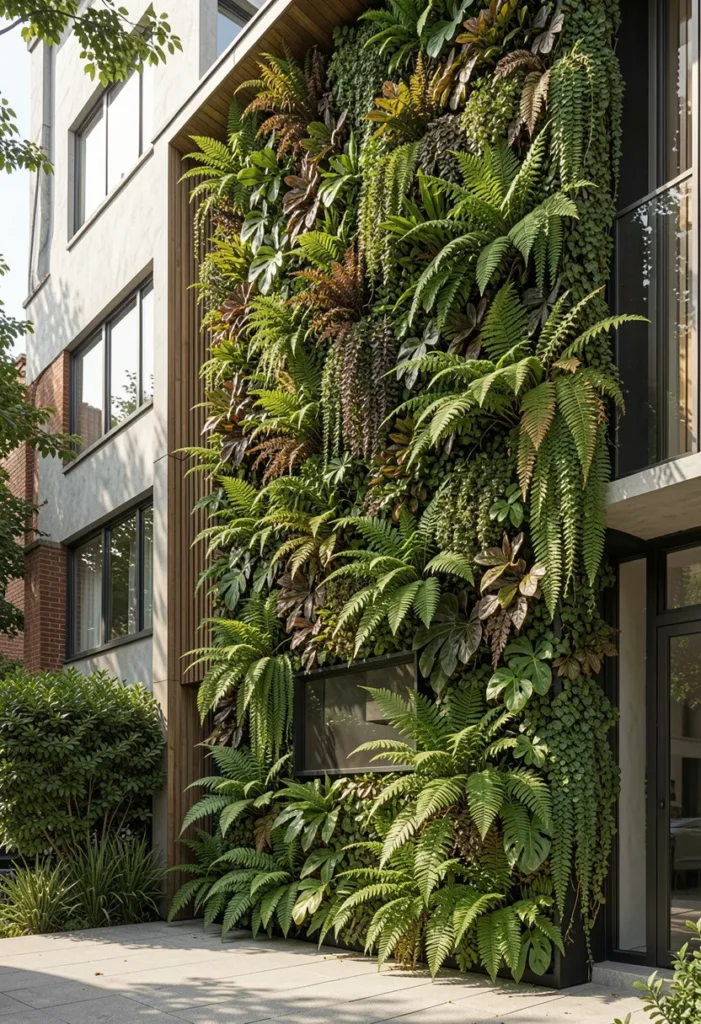
Vertical gardens not only enhance aesthetics but also provide natural insulation. Plants absorb sunlight and reduce heat on exterior walls.
This eco-friendly solution improves air quality and adds greenery to your home. It’s ideal for urban spaces where ground space is limited. Regular maintenance ensures the plants stay healthy and effective.
Final Words
Protecting your home exterior from the summer sun is all about combining smart design choices with practical upgrades. From adding shade structures and planting trees to using reflective materials and protective coatings, each step helps reduce heat damage and maintain your home’s appearance. These solutions not only extend the life of your exterior but also improve energy efficiency and overall comfort. The best part is that many of these ideas enhance your home’s style while providing protection. By taking a proactive approach, you can keep your home looking fresh, cool, and well-maintained throughout the hottest months.