
22 Bedroom Interior Design Ideas to Elevate Your Space


A beautifully designed bedroom sets the tone for how you begin and end each day, so it deserves more thought than a matching set of furniture pushed against the walls. The best bedrooms feel calm at night and easy to wake up in, and they get there through a handful of deliberate choices: a color palette that suits the light in the room, furniture sized for the space rather than the showroom, lighting you can dim at bedtime, and storage that keeps clutter out of sight. When those basics work together, even a small room can feel generous, and even a plain room can feel personal.
These 22 bedroom interior design ideas cover the full room, from wall color and headboards to rugs, curtains, shelving and the small finishing touches that make a bedroom feel finished. Each idea includes practical detail you can act on, such as measurements, materials, colors and placement, so you can pick one change for this weekend or plan a full refresh room by room. Work through the ideas that solve your biggest frustration first, whether that is poor light, a lack of storage, a room that feels cold, or a style that never quite came together, and let the rest wait until the room starts to feel like yours.
1. Embrace a Neutral Color Palette
A neutral color palette remains one of the most popular bedroom interior design ideas because it instantly creates a relaxing environment. Shades like warm beige, soft taupe, creamy white and light gray make the room feel bigger and brighter without overwhelming the senses, and they work with almost any furniture style, from rustic to contemporary. In a north facing room, choose a warm neutral with a hint of yellow or pink so the walls do not read as cold gray in low light. In a bright, south facing room, a cooler neutral with a touch of gray keeps the space feeling fresh rather than washed out.
To add depth to a neutral bedroom, layer tones within the same color family rather than adding a single flat shade everywhere. Paint the walls in a mid tone, choose bedding one shade lighter, and add a throw and cushions in a deeper taupe or stone. Textured throw blankets, patterned pillows, woven baskets and natural wood furniture add visual interest, while linen curtains, cotton bedding and a jute rug in a 5 by 8 foot size for a queen bed keep the room feeling warm and organic. If the room starts to look flat, add one darker element, such as walnut bedside tables or a charcoal cushion, to anchor the palette. For more color direction, see these bedroom color schemes that pair neutrals with accent shades for a finished look.
2. Add Depth with a Statement Accent Wall
An accent wall remains a powerful way to bring personality into any bedroom. Whether you use paint, wood paneling, textured wallpaper or a plaster finish, an accent wall draws the eye and sets the tone for the entire design. Darker hues such as navy, forest green or charcoal create a dramatic backdrop behind the bed, while softer tones like sage, dusty blue or warm clay offer subtle character. An accent wall also helps define the headboard area, giving your room a polished look without repainting the whole space.
For extra dimension, consider vertical wood slats spaced about 2 inches apart, geometric molding in a simple picture frame pattern, or a textured wallpaper with a small scale print that will not fight with your bedding. Accent walls work especially well in smaller bedrooms because they create a focal point without overwhelming the decor, provided the other three walls stay softer. Paint the ceiling and trim in a clean white to keep the dark wall from closing the room in, and repeat the accent color once more in the room, in a throw, a cushion or a piece of art, so the wall feels intentional rather than isolated. Keep large patterns off the accent wall if your bedding is already patterned, and let one of the two lead.
3. Choose a Luxurious Upholstered Headboard
A luxurious upholstered headboard can immediately elevate your bedroom, making it feel elegant and comfortable. Velvet, linen and faux suede are the most popular materials because they add softness and warmth to the room. Tall, tufted headboards offer a dramatic look, while curved or channel stitched designs create a more modern feel. Upholstered headboards suit both traditional and contemporary bedrooms, giving you a sophisticated anchor for your decor and a comfortable backrest for reading in bed.
When choosing a size, aim for a headboard that is at least as wide as the bed and 24 to 36 inches tall above the mattress for a queen or king, so pillows do not swallow it. For colors, cream, charcoal, forest green and dusty blue are timeless options that work with changing bedding. Pair the headboard with crisp bedding, textured pillows and coordinated bedside tables, and mount it to the wall rather than the bed frame if you want a clean, hotel style line. If you have pets or small children, choose a performance fabric or a darker color that hides marks, and keep a fabric cleaner on hand. A headboard in a solid color is the easiest to live with long term, since you can change the whole mood of the room by swapping cushions and throws.
4. Create Warmth with Layered Textures
Layering textures is a powerful strategy in bedroom interior design because it adds depth, dimension and warmth without adding color clutter. Start with a soft area rug, layer cozy bedding, add a waffle throw or chunky knit blanket, and finish with linen or velvet pillows. Textured curtains, woven baskets and wood accents also contribute to a more grounded, inviting feel. This technique works especially well in neutral or minimalist spaces, where texture does the work that color usually does.
The key is to mix materials thoughtfully. Pair smooth fabrics with rougher ones, balance natural fibers with soft textiles, and introduce dimension through ribbed, tufted or quilted surfaces. A practical recipe is: cotton percale sheets for crispness, a linen or cotton duvet for softness, a knit throw folded across the foot of the bed, and two sleeping pillows plus two decorative cushions in different textures. In summer, swap the knit throw for a lightweight cotton waffle throw and remove one cushion layer. Keep the total number of textures to four or five so the bed looks layered rather than busy, and repeat one texture elsewhere in the room, such as a woven basket or a linen curtain, to tie the scheme together.
5. Incorporate Ambient Lighting
Lighting plays a crucial role in shaping bedroom ambiance. Instead of relying solely on overhead lighting, incorporate layers of illumination, ambient, task and accent lighting, to create a warm and cozy atmosphere. Wall sconces, table lamps, LED strips and pendant lights help distribute light evenly and reduce harsh shadows. Soft, warm bulbs around 2700K enhance comfort while maintaining a relaxing nighttime environment, and dimmers let you move from bright morning light to a low evening glow.
Plan three layers for a bedroom that works all day. First, a central ceiling light or two pendants on dimmers for general light. Second, a reading light on each side of the bed, either a table lamp with a shade at eye level when seated or a wall light mounted 55 to 60 inches from the floor. Third, accent light such as an LED strip behind the headboard or under floating shelves, set to a warm white. Avoid cool daylight bulbs in the bedroom, since they make the room feel like an office at night, and avoid a single bright overhead light as the only source. If you wake often at night, add a low plug in night light in a warm tone rather than leaving a lamp on.
6. Incorporate Natural Wood Elements
Natural wood instantly brings warmth and organic beauty to bedroom interiors. Light oak, walnut, ash and rustic reclaimed wood add character and complement almost any color scheme. You can incorporate wood through furniture pieces like bed frames, nightstands and dressers, or through accent elements such as floating shelves and wood paneled walls. The natural grain patterns add texture and visual movement to the room, and wood ages gracefully when it is finished properly.
To maintain balance, pair wood with soft fabrics and neutral colors so the room does not feel heavy. Wood accents work beautifully in Scandinavian, farmhouse, modern and Japanese inspired interiors. A simple approach is to choose one dominant wood tone for the largest pieces, such as a light oak bed frame, and then add smaller pieces in a close tone rather than mixing three very different woods. If you mix tones, keep the warm woods together and the cool woods together, and repeat each tone at least twice so nothing looks like a mistake. Protect wood bedside tables with coasters and a clear mat under a water glass, and dust with a dry cloth to keep the grain looking clean.
7. Add Greenery for Freshness
Plants play an essential role in bedroom interior design because they introduce freshness, color and life. Even a few well placed plants can brighten the room and make it feel cared for. Popular bedroom friendly choices include snake plants, pothos, ZZ plants and peace lilies. These plants tolerate low light settings and require minimal maintenance, which makes them a good fit for bedrooms where watering is easy to forget.
Place larger plants beside the dresser or in an empty corner, and use small potted plants on nightstands or shelves. A snake plant in a 10 inch pot works well in a corner, while a trailing pothos on a shelf adds softness without taking floor space. For an earthy touch, choose terracotta pots or woven baskets, and always use a pot with drainage plus a saucer so water does not damage wood furniture. Keep plants away from the direct blast of a heater or air conditioner, water only when the top inch of soil is dry, and rotate pots every few weeks so growth stays even. If your bedroom gets very little natural light, choose a ZZ plant or snake plant first, since they cope best with shade.
8. Style with Minimalist Decor
Minimalism focuses on simplicity, clean lines and clutter free design. This approach uses fewer decorative elements while emphasizing quality over quantity. A minimalist bedroom includes streamlined furniture, soft neutral palettes, simple artwork and intentional styling. When done properly, minimalism creates a serene environment that promotes relaxation and mental clarity, and it makes a small room feel larger because the eye has room to rest.
Focus on hidden storage solutions to maintain a tidy appearance. Choose a bed with drawers, a nightstand with a closed drawer for chargers and books, and a wardrobe that closes fully rather than open shelving that shows everything. Then choose decor pieces that add purpose, such as one stylish lamp, one statement art piece, or a textured throw blanket. A useful rule is to leave at least one surface in the room mostly clear, usually the top of the dresser, so the room breathes. Minimalism does not mean empty, so keep the items you love and remove the duplicates. If you need more ideas for compact rooms, these small bedroom ideas show how minimalist styling works in tighter spaces.
9. Add Visual Interest with Wall Art
Wall art is an impactful way to express your personality and enhance your bedroom interior design. Whether you prefer large abstract paintings, nature inspired prints, or a carefully curated gallery wall, artwork adds depth and emotion to the space. The key is to choose art that complements your color palette and overall design style, so the room feels collected rather than random.
Place large artwork above the bed to create a striking focal point. For a bed up to queen size, art that is about two thirds the width of the bed works well, hung so the center sits 57 to 60 inches from the floor. For gallery walls, mix different frame styles, sizes and art types for a more dynamic look, but keep one element consistent, such as all black frames or all warm wood frames, so the grouping holds together. Black and white prints offer a timeless aesthetic, while bold, colorful art makes the bedroom feel lively and expressive. Lay the arrangement on the floor first, photograph it, and then hang it, to avoid extra holes in the wall. For more wall styling direction, see these bedroom wall decor ideas for above the bed and gallery wall layouts.
10. Introduce Mirrors for Light and Space
Mirrors are one of the most effective bedroom interior design tools because they reflect natural light and make the room feel more spacious. A full length leaning mirror, a round wall mirror, or a mirrored wardrobe door can dramatically brighten your space. Mirrors also add elegance and complement both modern and traditional interiors, and they are one of the few decor pieces that are both beautiful and useful every day.
Place mirrors across from windows to maximize light reflection, but avoid placing a mirror directly opposite the bed if reflected morning light will wake you. Choose frames that match your decor style, metallic for glam, natural wood for rustic or Scandinavian bedrooms, and black metal for modern rooms. In a small bedroom, a leaning mirror 60 to 65 inches tall propped at a slight angle makes the room feel taller, while a round mirror 24 to 30 inches wide above a dresser adds softness. Keep mirrors clean with a microfiber cloth and glass cleaner, since smudges show quickly in reflected light, and secure leaning mirrors to the wall with a bracket if you have children or pets.
11. Add Personality with Bedding Layers
Bedding has the power to change the entire mood of a bedroom. Start with crisp sheets, add a plush duvet, and finish with decorative pillows and a throw blanket. Varying colors, textures and patterns creates visual depth and gives the room a styled, curated look. Whether you prefer crisp hotel style bedding or cozy layered designs, bedding plays a major role in overall design, and it is the easiest layer in the room to change with the seasons.
For a sophisticated look, choose a three color palette: one main color, one secondary tone, and one accent color. For example, white sheets, a sage duvet, and terracotta cushions, or cream sheets, a charcoal duvet, and mustard cushions. Seasonal bedding also refreshes the room without major redecorating: linen in summer for breathability, brushed cotton or flannel in winter for warmth. Luxurious fabrics like cotton, linen and velvet make your bedroom feel both inviting and stylish, but check the wash care before you buy, since a duvet that needs dry cleaning will spend more time in the laundry than on the bed. Make the bed each morning with the duvet pulled up, pillows stacked, and a throw folded at the foot, and the whole room will look tidier with almost no effort.
12. Add Warmth with Area Rugs
Area rugs soften the room and add comfort underfoot. They define spaces, especially in larger bedrooms, and prevent the room from feeling empty. Choose rugs that complement your color palette, neutral rugs for calm interiors or patterned rugs for more personality. Natural fiber rugs add earthy texture, while soft shag rugs create warmth, and a rug is often the piece that pulls wall color, bedding and curtains together.
Place the rug under the bed, ensuring it extends far enough to be visible on both sides. For a queen bed, an 8 by 10 foot rug placed with the top third under the bed works well, and for a king bed, a 9 by 12 foot rug gives the same balance. In a small room, a 5 by 8 foot rug placed across the lower two thirds of the bed still gives you a soft landing for bare feet. Use a rug pad underneath to stop slipping and to add cushioning, and vacuum weekly with the beater bar off for shag and wool rugs. If you have allergies, choose a low pile, washable rug and wash it on a schedule, since bedroom rugs collect dust quickly.
13. Install Elegant Window Treatments
Window treatments significantly influence the look and feel of your bedroom. Floor length curtains, blackout drapes, Roman shades and layered curtains all provide different moods. Choose fabrics that complement your bedroom palette: linen for a relaxed feel, velvet for luxury, and cotton for simplicity. Curtains also help control natural light and improve privacy, and they soften hard window frames in a way blinds alone cannot.
Install curtain rods close to the ceiling, about 4 to 6 inches above the window frame, and extend the rod 8 to 12 inches beyond each side of the window, so the curtains stack off the glass and the window looks larger. Curtains should just kiss the floor or puddle by 1 to 2 inches for a relaxed look, and they should never stop halfway down the wall in a bedroom with full height windows. Layer sheer curtains under blackouts for both softness and functionality: sheers for daytime privacy, blackouts for sleep. Choose blackout lining if you work nights or if street light enters the room, and match the curtain color to your bedding or wall color rather than introducing a new bold color at the window.
14. Use Built-In Shelving
Built in shelves offer a stylish solution for both storage and decorative display. They help maximize wall space and give the room a modern, custom built appearance. Shelving around the bed, inside alcoves, or beside the closet can store books, decor pieces, plants or personal items. Painted shelves that match the wall create a seamless, cohesive effect, while wood shelves add warmth against painted walls.
Keep shelves styled with a mix of decorative and functional items. Use woven baskets to store smaller items, mix vertical and horizontal book stacks, and add framed photos or pottery for personality. A good styling rule is to leave about one third of each shelf empty so the display breathes, and to vary heights so the eye moves across the shelf rather than stopping at one tall object. Built in shelves elevate your bedroom design while keeping it organized and clutter free, but they work best when you edit regularly: remove one item each month and the shelves will never drift back into clutter. If you rent, freestanding bookcases in the same width and finish give a similar built in look without fixing anything to the wall.
15. Upgrade to Stylish Nightstands
Nightstands are functional yet essential elements in bedroom interior design. Choose nightstands that complement your bed frame and overall style. For modern interiors, opt for sleek, minimalist designs. For cottage or rustic bedrooms, wood nightstands with character add warmth. Matching lamps, books and decorative accents help create a styled, cohesive look, and matching nightstands on both sides of the bed give the room symmetry even when the rest of the room is relaxed.
Consider nightstands with drawers or open shelving for additional storage, and size them to the bed: the top of the nightstand should sit within 2 inches of the top of the mattress, so reaching for a lamp or a glass of water feels natural. A good width is 18 to 24 inches for a queen bed, wider for a king. Balanced styling on each side of the bed enhances symmetry and gives the room a polished appearance: a lamp, a small stack of two books, and one small vase or framed photo per side is enough. Elevate your nightstand decor with a small vase, framed photo or sophisticated lighting, but keep the surface clear enough to actually use at night. Hide chargers in a drawer with a small cable hole, or use a short charging cable, so cords do not trail across the floor.
16. Create a Cozy Reading Nook
A reading nook adds charm and functionality to your bedroom. Use an unused corner to place a comfortable chair, small table and warm lighting. Add a cozy throw blanket and a few pillows for extra comfort. This relaxing corner enhances the room ambiance and offers a peaceful escape for reading or unwinding, and it turns wasted corner space into the most used spot in the room.
Reading nooks work well with bookshelves, plants or framed artwork nearby. Choose a chair with a seat height of 17 to 19 inches and arms that support a book comfortably, plus a side table at arm height for a cup and a book. Soft textures, warm lighting and a quiet atmosphere make the nook feel inviting and intimate. Incorporate a small floor lamp or wall sconce for practical lighting, positioned so light falls over your shoulder rather than into your eyes, and add a basket for books and a throw so the nook stays tidy. If floor space is tight, a wide windowsill with cushions and a small cushion stack can serve as a reading perch without adding furniture.
17. Style with Decorative Throw Pillows
Throw pillows allow you to experiment with color, texture and pattern without committing to big changes. They add warmth and visual interest to your bedding. Choose a mix of sizes, square, lumbar and rectangular, to create a layered look. Textures like velvet, linen and faux fur elevate the room style, and pillows are the cheapest way to test a new color before you commit to paint or curtains.
Rotate pillows seasonally for an instant refresh. Use bold patterns or colors for contrast, or choose tonal shades for a softer, layered effect. A practical formula for a queen bed is two sleeping pillows, two standard shams, and two or three decorative cushions: one large square, one lumbar, and optionally one small round cushion. Place the largest pillows at the back and work forward to the smallest, so the arrangement reads as a stepped display. Pillows help tie together decor elements such as curtains, rugs and artwork, so repeat one pillow color in the throw or the art. Wash pillow covers on a schedule and fluff inserts daily, since flat cushions make even a well made bed look tired.
18. Install Wall Sconces
Wall sconces add functional lighting and elegant decor to your bedroom. They free up nightstand space while providing warm, directional light for reading and ambiance. Choose sconces that match your bedroom style: sleek metals for modern interiors, brass for classic designs, or wood accents for Scandinavian rooms. Sconces also work well in rooms where a table lamp would crowd a small nightstand.
Place sconces on each side of the bed at equal heights for symmetry, usually 55 to 60 inches from the floor to the center of the fixture, and 28 to 30 inches apart from the center of the bed, adjusted for your headboard width. Dimmable sconces enhance nighttime comfort and allow you to adjust brightness, so choose a dimmer switch or a fixture with a built in dimmer. If you cannot wire new sconces, plug in or battery operated sconces with a remote give a similar look without an electrician, provided you hide the cord with a cord cover painted to match the wall. Whether minimalist or statement making, wall sconces elevate both functionality and style, and they keep the nightstand free for books, water and a phone.
19. Add Soft Upholstered Furniture
Upholstered benches, ottomans or accent chairs give your bedroom a polished, luxurious feel. They add comfort and functionality, enhancing the room overall style. Place an upholstered bench at the foot of the bed or a cozy chair beside a window. Neutral or muted tones work best for a timeless look, and upholstered pieces soften the hard lines of a bed frame and wardrobe.
Choose fabrics such as linen, velvet or cotton for softness and durability, and check the rub count if the piece will be used daily: a higher rub count means the fabric will last longer under regular use. A bench at the foot of the bed should be a few inches narrower than the bed width and 17 to 19 inches high, so it does not block the view of the bed. Upholstered furniture also improves bedroom acoustics and adds warmth through texture. These pieces make the room look finished, comfortable and thoughtfully designed, especially when the bench holds a folded throw or a pair of slippers rather than becoming a dumping ground for clothes. Add a small tray on an ottoman to turn it into a surface for a book or a cup.
20. Use Floating Shelves for Decor and Storage
Floating shelves are perfect for adding storage without taking up floor space. They offer a clean, modern look and allow you to display books, plants, candles or artwork. You can arrange several shelves vertically or horizontally depending on your design style. Floating shelves create a curated, stylish appearance and work well in small bedrooms, above a desk, or in a corner that cannot fit a bookcase.
Choose shelves in materials such as wood, glass or painted finishes that match your decor. Use decorative items sparingly to avoid visual clutter, and keep heavy books near the wall bracket rather than at the front edge. A practical layout is two shelves, 12 to 16 inches apart, mounted 60 to 66 inches from the floor for display, or a single shelf 28 to 30 inches above a desk for work items. Floating shelves also help define wall space and add personality to minimal bedrooms, but they need proper wall anchors: use studs or rated drywall anchors for anything heavier than a small plant. Style each shelf with three to five items of different heights, and leave breathing room at the ends so the shelf looks intentional rather than crowded.
21. Incorporate Subtle Metallic Accents
Metallic accents add elegance and sophistication to bedroom interiors. Gold, brass, silver or matte black metals can be used in lamps, picture frames, mirrors or hardware. Metallic details reflect light and add a luxurious touch without dominating the decor. Use metallics sparingly to maintain a balanced aesthetic, since a little shine goes a long way in a room meant for rest.
Pair metallic elements with soft textures and neutral tones for a refined look. Mixing metals can also create depth, but ensure the tones complement each other: warm brass and gold sit well together, while cool chrome and silver pair naturally, and matte black works as a bridge between the two. A good starting set is a brass table lamp, a gold framed mirror or art, and matte black drawer pulls, repeated just enough to feel deliberate. Metallic accents help elevate the room and give it a designer inspired feel, especially when the metal appears in at least two places in the room rather than a single isolated object. Clean metals with a soft cloth and avoid harsh cleaners on brass and gold finishes, which can strip the coating over time.
22. Make a Statement with a Bold Color Scheme
A bold color scheme creates a dramatic and memorable bedroom interior. Shades like deep navy, emerald green, terracotta or burgundy instantly enhance the room atmosphere. These colors work beautifully for accent walls, bedding or key furniture pieces. Bold colors add richness and make your bedroom feel more expressive, and they suit people who find all neutral rooms a little dull.
Balance bold tones with neutral or warm elements to avoid overwhelming the space. Use lighter accents such as white bedding, natural wood furniture or soft lighting to soften the palette. A safe way to start is the 60-30-10 rule: 60 percent of the room in a neutral base, 30 percent in your bold color, and 10 percent in an accent, such as brass or a second warm tone. Paint one wall bold and keep the bedding mostly light, or keep the walls neutral and choose bold bedding and a bold upholstered headboard. A bold color scheme is perfect for those who want a bedroom full of personality and style, and it is easy to test: paint a large board in the color, lean it against the wall, and live with it for a few days in different light before you commit. For more full room transformations, see these bedroom design ideas that combine bold color with furniture and lighting choices.
Conclusion
These 22 bedroom interior design ideas offer a variety of ways to elevate your space with color, texture, lighting, furniture and decorative details. Whether you prefer minimalism, cozy charm or luxurious elegance, these ideas provide inspiration for creating a bedroom that feels calming, stylish and uniquely yours. The most successful bedrooms are rarely finished in one weekend: they start with a sound layout, good lighting and a palette you love, and then gain layers over time as you add art, plants, textiles and pieces with personal meaning.
Start with the change that will improve your daily life the most. If you sleep poorly, fix the lighting and the window treatments first. If the room feels cluttered, start with storage and nightstands. If the room feels bland, start with an accent wall or bold bedding. With thoughtful styling and intentional choices, your bedroom can become a restful sanctuary that reflects both comfort and personal style, and a room you look forward to returning to at the end of every day.
Frequently Asked Questions
What is the easiest way to update a bedroom without renovating?
Start with bedding, lighting and wall color, since those three changes affect the whole room for the lowest cost. Swap in layered bedding in a fresh palette, add warm dimmable lamps or sconces, and paint one accent wall if you want a bigger change. Then add a rug and curtains that match the new palette, and the room will feel renovated without moving a single wall.
What colors work best for a relaxing bedroom?
Soft neutrals such as warm beige, soft gray, sage green and dusty blue work best for most people, because they lower visual stimulation and pair easily with wood and linen. If you want a darker room, deep navy or forest green can also feel relaxing, provided you balance them with light bedding and warm lighting so the room does not feel closed in.
How many pillows should I put on a bed?
For everyday use, two sleeping pillows plus two shams and two or three decorative cushions is a practical setup for a queen bed. That gives a layered look without turning bedtime into a chore of removing ten pillows. For a king bed, add one more decorative cushion, and keep the total low enough that making the bed takes under two minutes.
How can I make a small bedroom feel bigger?
Use a light neutral palette, hang curtains high and wide, add a large mirror opposite a window, and choose furniture with legs so you can see floor underneath. Keep one surface clear, use hidden storage, and choose a rug that extends under the bed rather than a small rug that chops up the floor. Those steps together make a small room feel noticeably more open.
Should bedroom lighting be warm or cool white?
Warm white around 2700K is best for a bedroom, because it feels cozy at night and helps the room wind down. Use dimmers so the same lights can be bright for getting dressed in the morning and low for reading before sleep. Save cool white light for a bathroom or a workspace, where alertness matters more than relaxation.
More Ideas You Will Love
 24 Wardrobe & Armoire Ideas: Smart Storage for Every Room
 22 Bedroom Wall Decor Ideas to Instantly Elevate Your Space
 23 Master Bedroom Ideas for a Luxurious & Relaxing Retreat
 12 Cozy Bedroom Ideas for Women – Soft, Stylish & Soothing
 18 Ottoman Ideas: Functional & Stylish Designs for Every Space
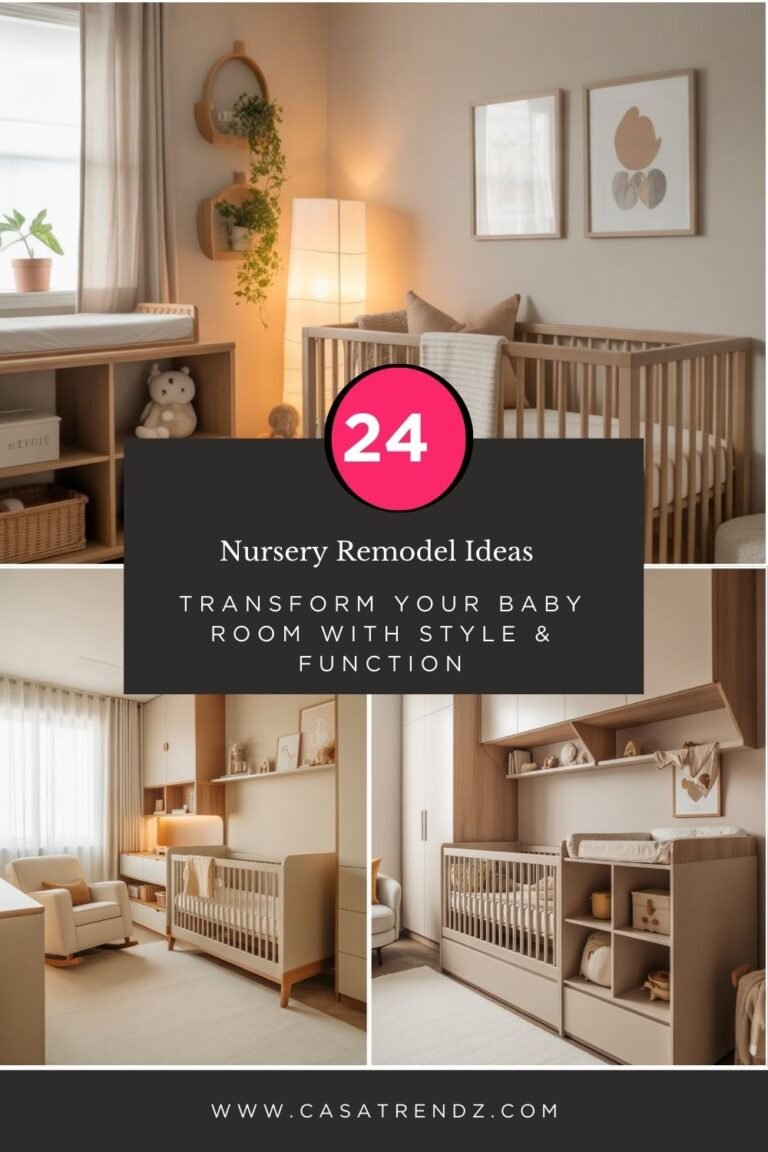 24 Nursery Remodel Ideas – Transform Your Baby Room with Style & Function