
15 Yellow Kitchen Ideas for Bright, Warm, and Inviting Spaces

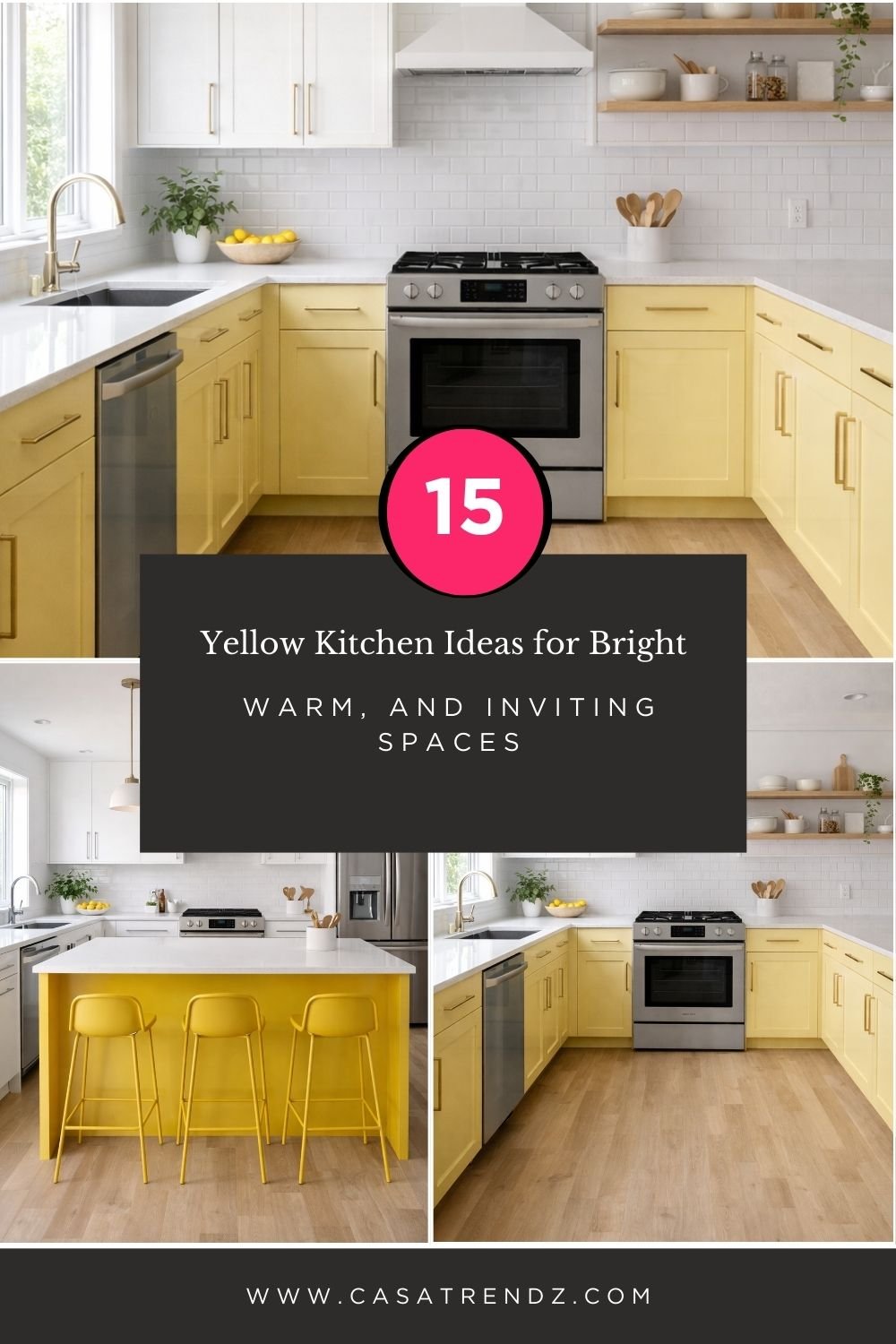
Yellow is the color of morning light, fresh lemons, and warm summer days, so it is no surprise that it makes a kitchen feel instantly brighter and more welcoming. A yellow kitchen feels cheerful without trying too hard, and it works in homes of every style, from a small city apartment to a wide open farmhouse kitchen. The secret is balance. Used in the right shade and in the right place, yellow lifts the whole room. Used without a plan, it can feel loud or tiring, so a little thought before you start goes a long way.
This guide walks through 15 yellow kitchen ideas for bright, warm, and inviting spaces, one idea at a time. Some ideas are bold, like painting all the cabinets a rich mustard. Others are gentle, like adding a yellow kettle, a row of lemon colored bar stools, or a soft buttery wall color. Every idea includes practical detail on shades, materials, and how to get the look right, so you can pick the one that fits your kitchen, your budget, and your comfort with color.
Before you commit, test your shade in your own light. Paint a large swatch on the wall or hold a sample board near the window at different times of day, because yellow changes a lot between morning sun and evening lamplight. If you are planning a bigger change, our guide to kitchen color ideas can help you compare yellow with other palettes, and our kitchen color schemes show how warm and cool tones work side by side. Start small if you are unsure, and build up from there.
1. Soft Yellow Kitchen Walls
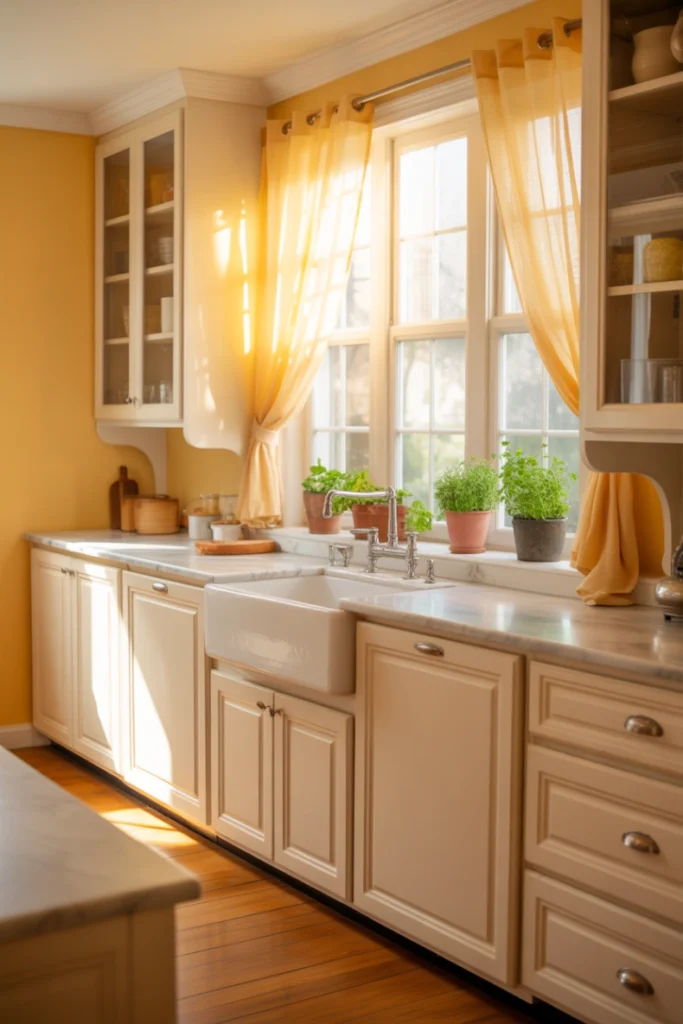
Soft yellow walls are the easiest and most forgiving way to bring this color into a kitchen. Shades like butter yellow, pale lemon, and soft daffodil reflect natural light and make the room feel larger, brighter, and more open, which is a real gift in a small kitchen or one with a single small window. Unlike a bold golden yellow, a pale shade stays calm on all four walls and never fights with your cabinets or countertops for attention.
To get it right, choose a paint with a light reflectance value above 70 so the color stays airy, and pick an eggshell or satin finish that wipes clean after cooking splashes. Prep matters more than the paint itself. Wash the walls with a degreaser, fill any small holes, sand lightly, and apply one coat of primer followed by two thin coats of color, letting each coat dry fully. Pair soft yellow walls with white, light gray, or natural wood cabinets for a timeless look, and keep the trim a clean warm white so the yellow reads fresh rather than dingy. If your kitchen faces north and gets cool light, lean toward a warmer buttery yellow. If it faces south and gets strong sun, a paler lemon keeps the room from feeling too hot.
Tip: paint a test patch at least 2 feet square and live with it for three days before you commit to the whole room. Yellow shifts more than most colors as the light changes, and a shade that looks perfect at noon can look dull or too strong by evening.
2. Yellow Kitchen Cabinets for a Bold Statement
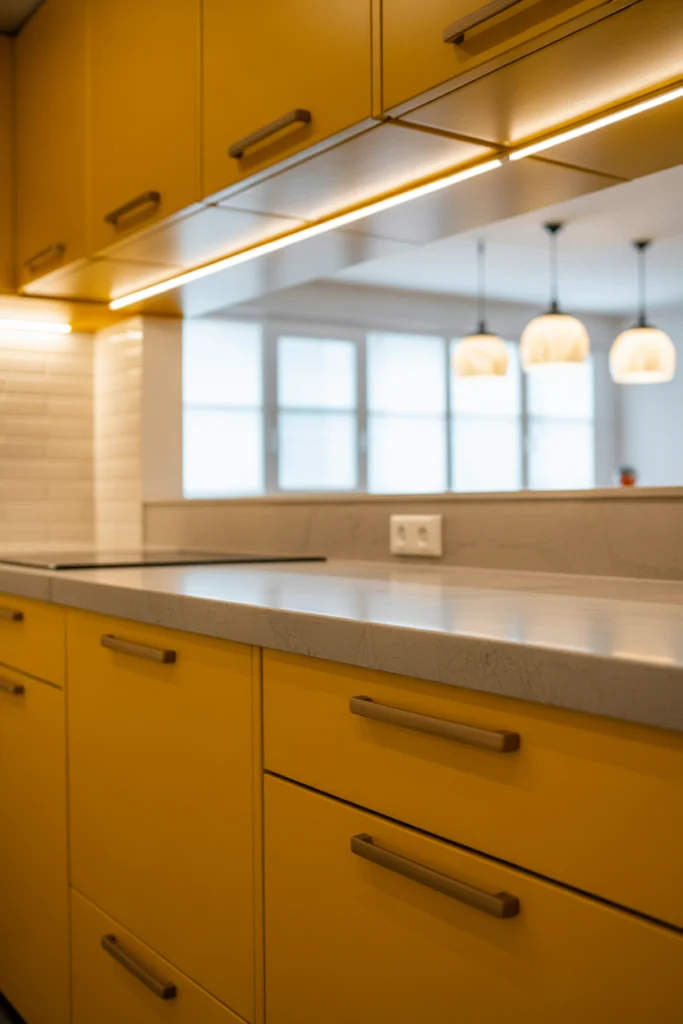
Yellow cabinets make a confident statement and turn an ordinary kitchen into a room people remember. Mustard, buttercream, and muted golden tones work best, because they carry warmth and richness without the harsh glare of a bright primary yellow. The key to success is balance. Keep the countertops, backsplash, and flooring neutral, in white, soft gray, warm wood, or pale stone, so the cabinets can be the star without overwhelming the space.
If your cabinets are in good shape, painting is far cheaper than replacing them. Remove the doors and hardware, label every door so it goes back in the right place, clean with a degreaser, sand lightly, and prime with a bonding primer made for glossy surfaces. Apply two to three thin coats of cabinet paint in a satin or semi gloss finish, using a small foam roller for flat areas and a brush for corners, and let each coat cure fully before rehanging. Matte finishes feel modern and soft, while a light gloss reflects more light and wipes clean more easily. Finish with brass pulls for warmth, matte black handles for contrast, or simple wooden knobs for a relaxed feel. For a gentler version of this look, paint only the lower cabinets yellow and keep the uppers white.
Tip: order a sample door or paint a single cabinet door first and prop it in place for a week. Live with the color while you cook, eat, and clean, and you will know quickly whether the shade feels joyful or tiring.
3. Yellow Backsplash for Subtle Color
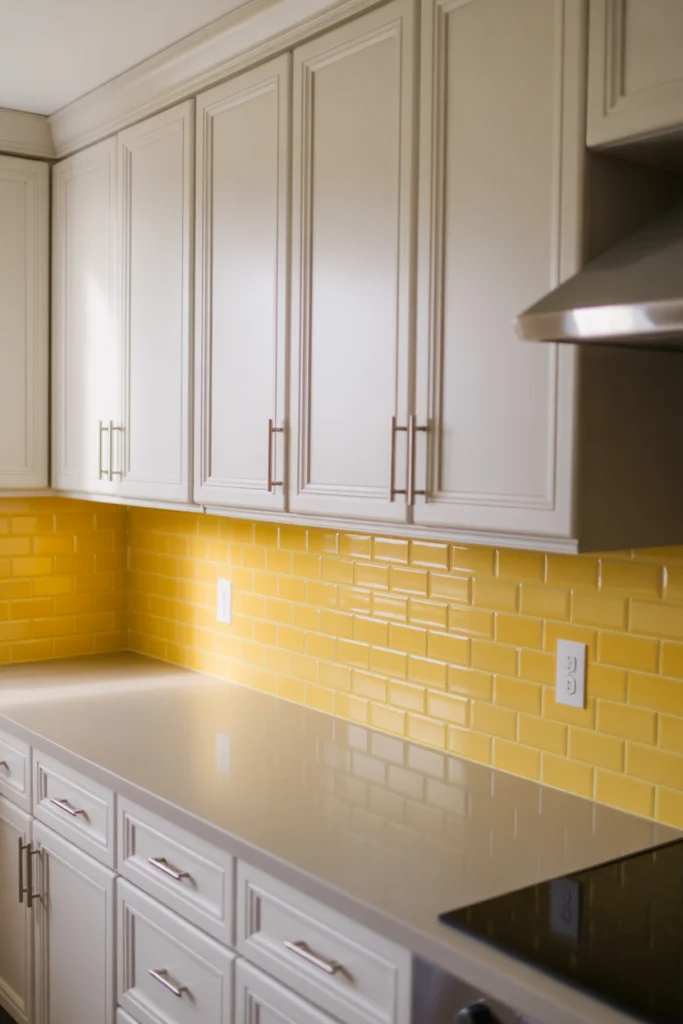
A yellow backsplash adds color in a controlled, stylish way and is ideal if you want to try yellow without committing to walls or cabinets. Classic 3 by 6 inch subway tiles in a soft butter yellow feel timeless, while patterned ceramic tiles or small mosaic tiles in mixed yellow tones add personality and texture. Because a backsplash is a relatively small surface, you can be a little braver with the shade here than you would be on a whole wall.
Start by measuring the area between the countertop and the upper cabinets, usually 18 inches high, and buy about 10 percent extra tile for cuts and breakage. Choose a grout color with care. White grout keeps the look fresh and bright, while a warm gray grout softens the pattern and hides stains better. Seal natural stone tiles before grouting, and seal the grout lines after they cure so cooking splashes wipe off easily. A yellow backsplash pairs beautifully with white or light gray cabinets, and it looks especially good with butcher block counters or a light wood shelf above it. Because a backsplash is easy to change later, it is also a smart choice for renters who have permission to make a small update, or for anyone who likes to refresh their kitchen every few years.
Tip: if a full yellow backsplash feels like too much, try a single yellow accent row of tile running along the middle of a white backsplash. You get the sunny lift for a fraction of the cost and effort.
4. Two-Tone Yellow and White Kitchen
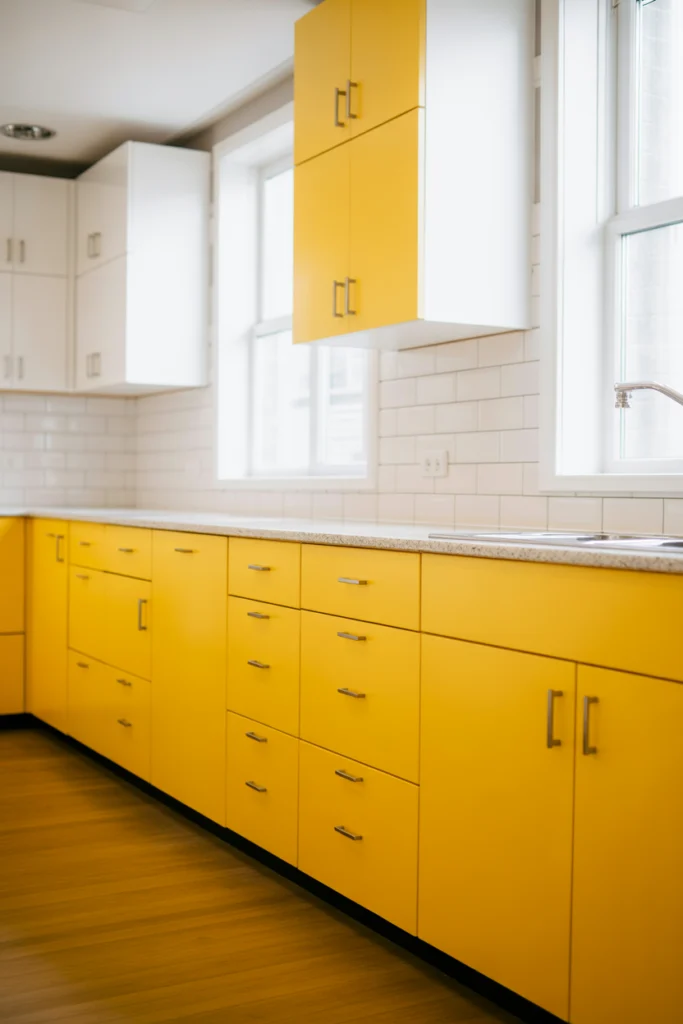
A two-tone kitchen that pairs yellow with white strikes a lovely balance between brightness and simplicity. The most popular layout puts yellow on the lower cabinets or the island, where it grounds the room, and keeps the upper cabinets, walls, and ceiling white, so the space still feels light and airy. This split keeps the color from feeling heavy, and it works in modern, traditional, and farmhouse kitchens alike.
Think in proportions when you plan the split. A good starting point is roughly 60 percent white to 40 percent yellow, with the yellow concentrated low in the room. A soft butter yellow with crisp white uppers feels fresh and classic, while a deeper mustard with warm white feels richer and more grounded. Keep the hardware consistent across both colors, for example brushed brass or matte black on every door, so the two tones feel like one deliberate design instead of two separate ideas. Carry the same split into the island if you have one, or paint the island yellow and keep all the cabinets white for a simpler version of the look. A pale wood floor or a light stone countertop ties the two colors together and stops the white from feeling cold against the yellow.
Tip: paint the inside of glass front upper cabinets the same white as the outside, and let dishes and glassware add the only color up high. The yellow below then reads as a deliberate base, and the room keeps its clean, open feeling.
5. Yellow Kitchen Island as a Focal Point
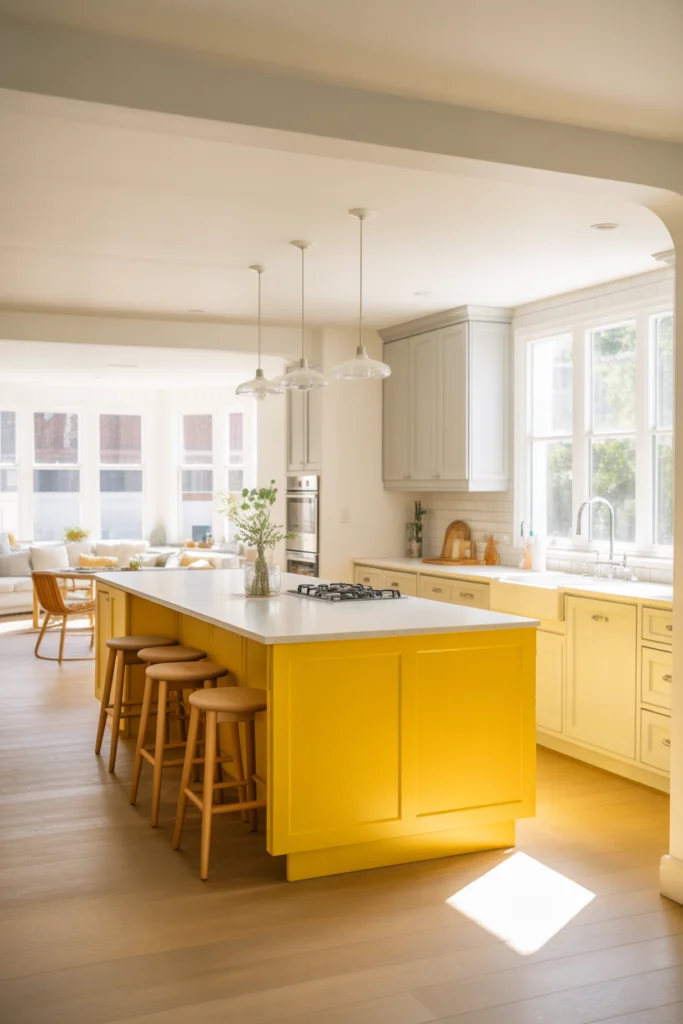
A yellow kitchen island is a perfect focal point because it lets you introduce a strong color in one contained place while the rest of the kitchen stays neutral. The island naturally draws the eye, so painting it mustard, golden yellow, or soft lemon gives the whole room personality without the commitment of painting every cabinet. It also anchors the layout, especially in an open plan kitchen where the island marks the line between cooking and living space.
Plan the island for real daily use, not just for looks. Allow about 24 inches of counter width per seat at the breakfast bar, and leave at least 36 inches of clear walkway around the island so two people can pass comfortably. A butcher block top warms up a yellow base beautifully, while a white quartz or light marble top keeps the look bright and clean. Hang two or three pendant lights above the island, spaced about 30 inches apart, to make it glow in the evening and to tie the yellow into the lighting scheme. Add open shelving on one end for cookbooks, or a row of woven baskets underneath for produce and linens. Because an island is much easier to repaint than a full set of cabinets, this is also the safest place to try a bolder yellow you might not want everywhere.
Tip: if your island has seating, choose bar stools in a neutral wood or black metal with a washable seat. The yellow base already supplies the color, so neutral stools keep the area from looking busy and are far easier to clean after family meals.
6. Yellow Accents and Accessories
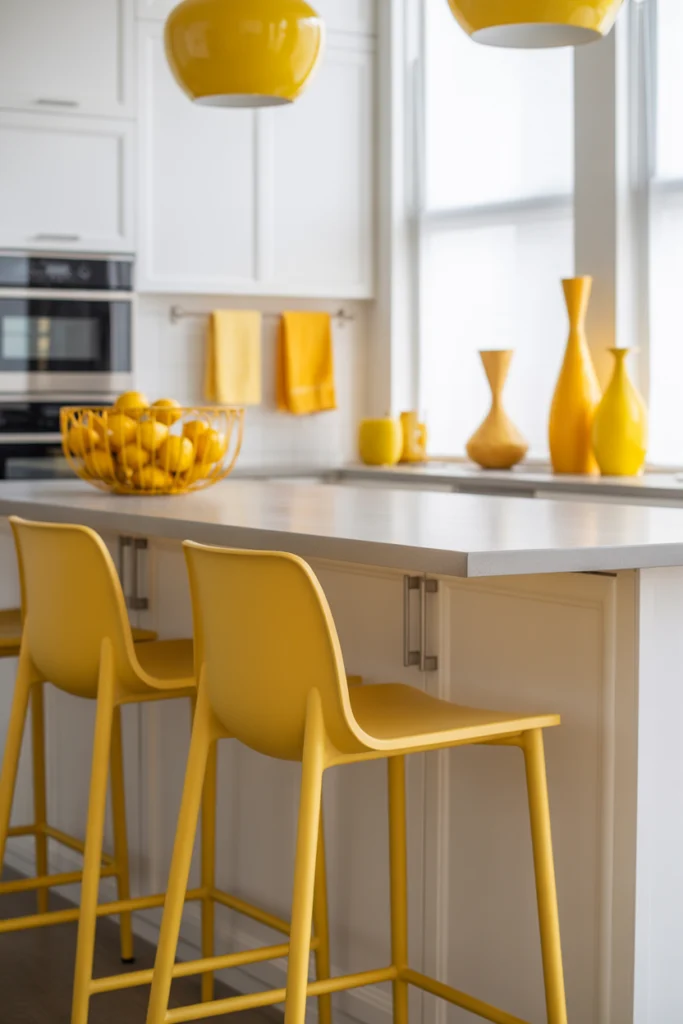
Yellow accents are the lowest commitment way to warm up a kitchen, and they suit renters and cautious decorators perfectly. A bright kettle, a stand mixer, a set of bar stools, a fruit bowl full of lemons, tea towels, a clock, or a row of canisters can bring in the color for very little money, and you can swap them out whenever your taste changes. This approach is also the most flexible, because you can test a pale pastel one month and a bold marigold the next without touching a paintbrush.
The trick is to repeat the yellow in at least three places so it looks intentional rather than accidental. Try a yellow kettle on the stove, a matching set of dish towels on the oven handle, and a small vase of yellow flowers or a bowl of lemons on the counter, and the eye will read the color as a theme. Group accents in odd numbers, usually threes, and vary their size so the arrangement feels natural. Keep the rest of the kitchen calm, with neutral counters and simple hardware, so the yellow pieces stand out. If you love the look after a few months, you can graduate to a bigger commitment like a painted island or a yellow backsplash, already knowing the shade suits your light and your style.
Tip: buy accessories you will actually use every day, like a kettle, a cutting board, or storage jars, rather than purely decorative pieces. Useful yellow items earn their place on the counter, while ornaments tend to get pushed aside and gather dust.
7. Yellow and Wood Kitchen Combination
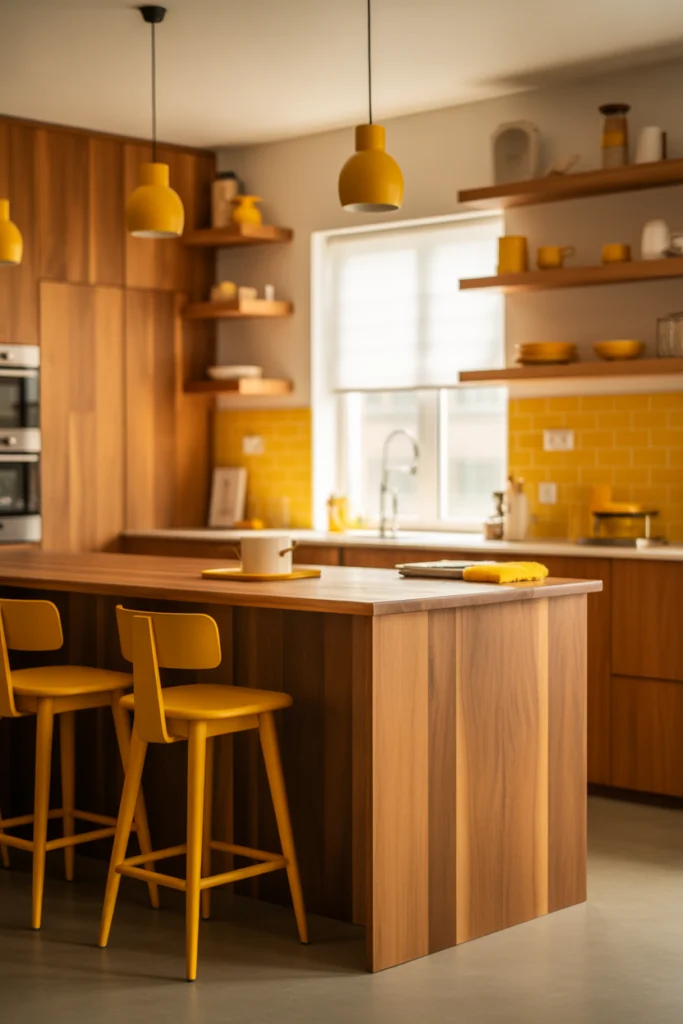
Yellow paired with natural wood is one of the warmest combinations in kitchen design. The wood tones soften the brightness of yellow, add texture and grain, and ground the color so the room feels comfortable and lived in rather than stark. This pairing suits farmhouse, Scandinavian, and rustic kitchens especially well, but it also works in a modern kitchen when the wood is pale oak or clean lined walnut.
Use the wood in places where you touch and see it every day. Open oak shelves against a soft yellow wall, a thick butcher block countertop beside yellow cabinets, a pale pine floor under a butter yellow island, or warm walnut bar stools at a yellow breakfast bar all bring the two materials together naturally. Keep the wood tones consistent, mixing more than two wood species in one small kitchen can look muddled, so pick one dominant wood and repeat it. A light wood keeps the room bright, while a medium or dark wood adds contrast and makes the yellow look richer. Finish wood shelves with a clear matte sealer so they resist water and stains, and oil a butcher block top once a month to keep it looking fresh.
Tip: if your kitchen already has wood floors or beams, match your new wood accents to that existing tone instead of introducing a new one. The yellow will then feel like it was always part of the room, not an afterthought.
8. Mustard Yellow for a Sophisticated Look
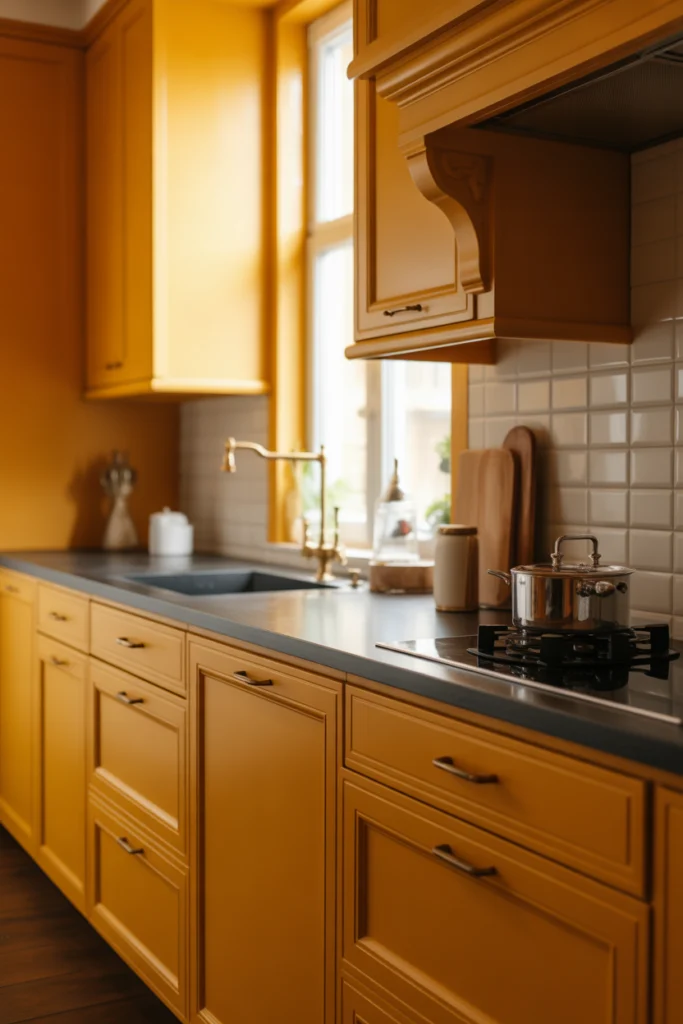
Mustard yellow is the grown up version of this color. It has depth, warmth, and a slightly earthy quality that makes a kitchen feel sophisticated rather than playful. Mustard works beautifully on cabinets, on a feature wall, or on an island, and it pairs especially well with dark countertops, black fixtures, marble with gray veining, and metallic accents like brass or aged copper.
Because mustard is a strong color, it needs room to breathe. Use it on one main surface and keep the rest of the kitchen calm, with warm white walls, a light stone counter, and simple hardware. A matte finish makes mustard feel soft and modern, while a satin finish reflects a little more light and is easier to wipe clean. In a kitchen with little natural light, mustard can feel heavy, so add under cabinet lighting and a pale backsplash to lift it. In a bright kitchen, mustard glows and looks rich all day. It suits modern, vintage inspired, and industrial kitchens alike, and it ages well, because it is a classic tone rather than a passing trend color.
Tip: test mustard beside your existing countertop and flooring before you commit. Hold a painted sample board flat against the counter and upright against the wall, because the same mustard can look golden against white and almost brown against dark stone.
9. Yellow Open Shelving
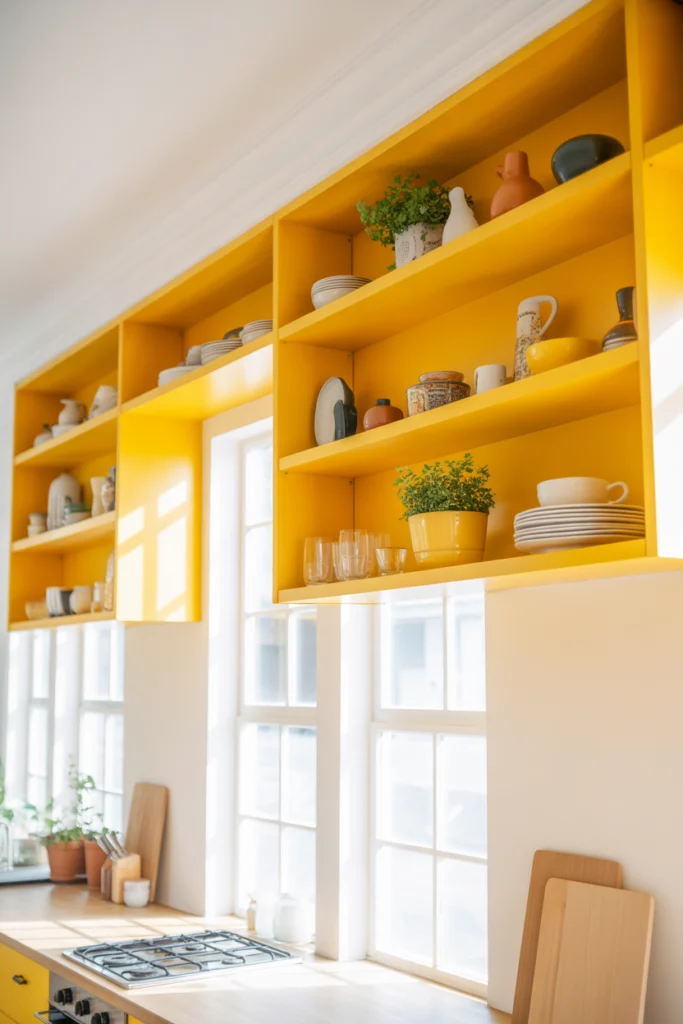
Yellow open shelving combines everyday storage with a cheerful pop of color, and it is a smart choice for small kitchens where closed upper cabinets can feel heavy. Painting the shelves yellow, or painting the wall behind white shelves yellow, adds warmth without taking up any floor space, and it turns your everyday dishes into part of the decor.
Build shelves that are practical first and pretty second. Use boards at least 10 to 12 inches deep so plates and bowls sit safely, and space sturdy brackets 24 to 32 inches apart so the shelf never sags under a full load. Mount the lowest shelf about 18 inches above the countertop so you can work underneath it, and keep everyday items at eye level with lighter decor up high. Style the shelves simply. Stack white plates, line up clear glasses, add a few wooden boards, and tuck in one or two small plants. Too many colors on open shelves will fight with the yellow, so keep the dishware mostly white, cream, or natural wood. Wipe the shelves weekly, because open storage collects cooking grease faster than closed cabinets.
Tip: if you are unsure about open shelving for everything, try one short run of yellow shelves beside the stove or sink and keep the rest of your uppers closed. You get the color and the display space without giving up hidden storage.
10. Yellow Kitchen with Gray Accents
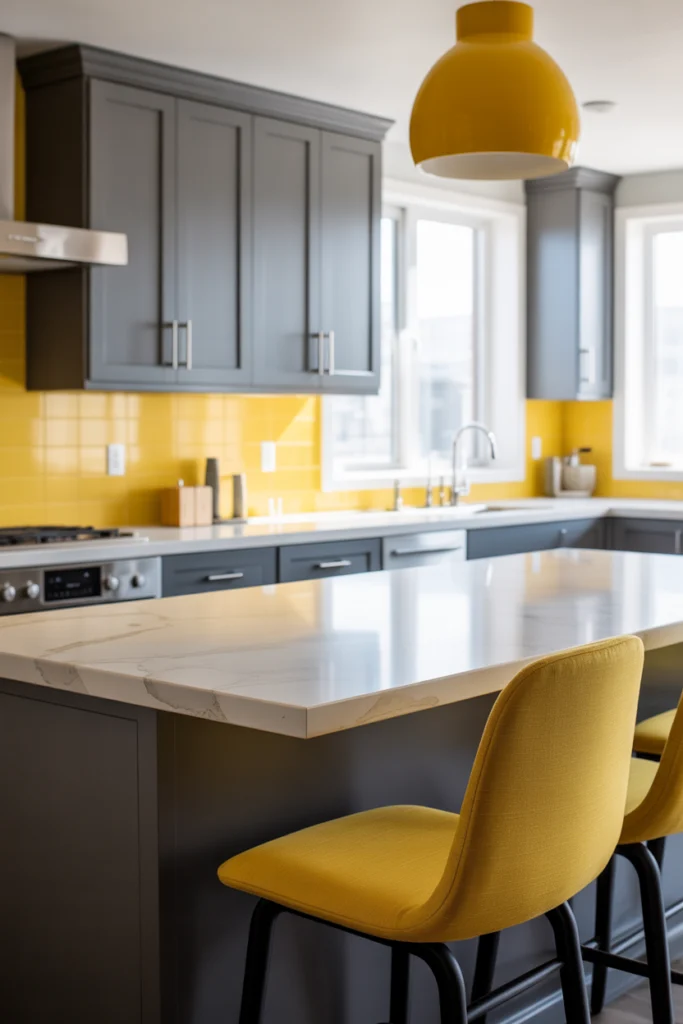
Gray and yellow are a classic modern pairing, and for good reason. Gray brings calm and neutrality, which lets the yellow shine without taking over the room. The combination feels fresh and contemporary, and it works across modern, transitional, and even traditional kitchens, because the gray steadies the yellow and the yellow warms up the gray.
Choose the right gray and the pairing will almost take care of itself. A warm gray with a slight beige undertone suits butter yellow and mustard, while a cooler blue gray pairs well with a pale lemon or a bright golden yellow. Aim for roughly 70 percent gray and neutral surfaces to 30 percent yellow, so the yellow reads as an accent rather than a competitor. Try gray lower cabinets with a yellow island, gray quartz counters with yellow bar stools, or a pale gray wall with yellow open shelves. Stainless steel appliances and chrome or brushed nickel hardware sit comfortably in this palette, and a light gray floor tile with a warm yellow rug adds softness underfoot. For more ideas on balancing warm and cool tones, see our guide to kitchen color schemes.
Tip: lay your gray and yellow samples side by side in daylight and again under your kitchen lights at night. Some grays turn purple or blue under artificial light, which can clash with a warm yellow, so check both before you buy paint or tile.
11. Yellow Ceiling for Unexpected Charm
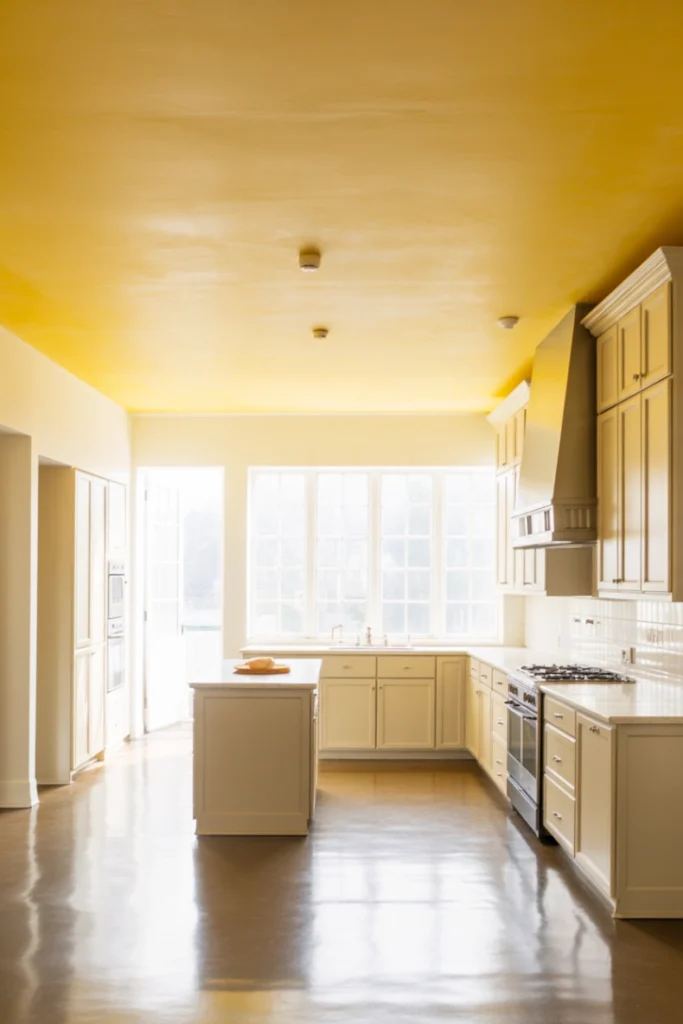
A yellow ceiling is one of the most charming surprises in kitchen design, because it adds color in a place nobody expects. It works best in a kitchen with neutral walls and cabinets, where the ceiling becomes a soft focal point that you notice the moment you walk in. A pale buttery yellow reflects light downward and makes the whole room feel brighter, almost as if the sun were shining from above.
This idea is especially effective in kitchens with high ceilings or large windows, where the ceiling is a big visible surface, but it also works in a smaller kitchen if you keep the yellow very pale. Paint the ceiling in a flat or matte finish to hide imperfections, and use painter’s tape and a steady hand where the ceiling meets the walls, or add a simple white crown molding to give the color a clean edge. Keep the walls a warm white or very light gray so the ceiling stands out gently, and avoid a strong yellow overhead in a low ceiling room, where it can feel close and heavy. If a full yellow ceiling feels too bold, paint only the ceiling of a breakfast nook or the underside of a range hood, and enjoy the surprise in a smaller dose.
Tip: paint a test section of ceiling and look at it from the doorway, from the stove, and from the dining table. A ceiling color reads differently from every angle, and you want it to feel pleasant from all the places you actually stand.
12. Yellow Kitchen in Farmhouse Style
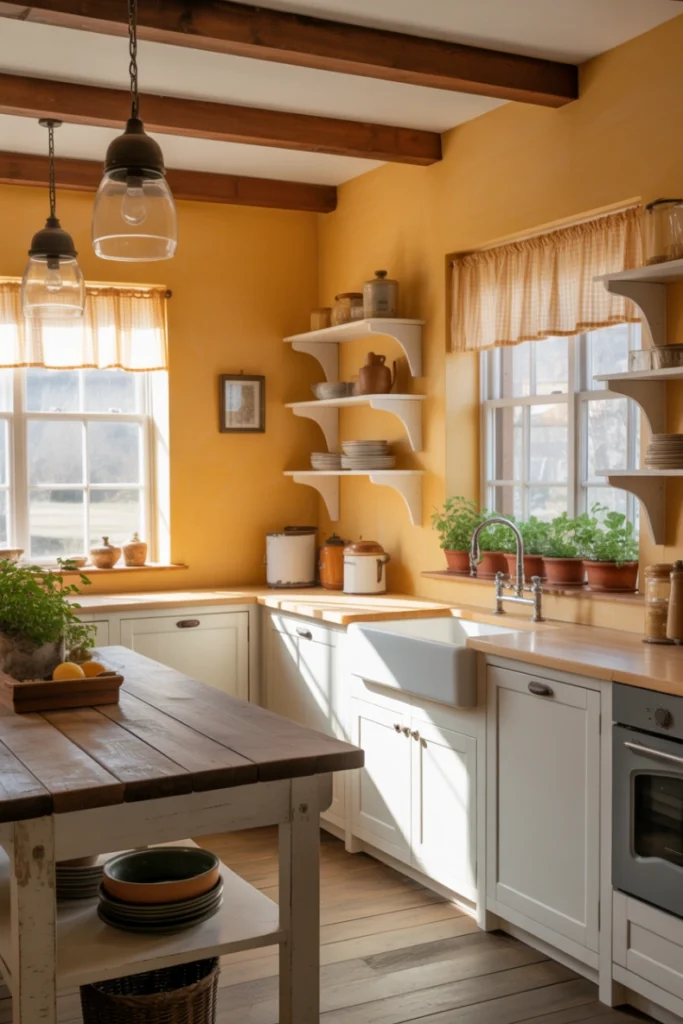
Yellow fits farmhouse kitchens naturally, because farmhouse style is all about warmth, comfort, and a lived in feel. Soft yellow walls or cabinets paired with white trim, an apron front sink, wood accents, and simple honest materials create a kitchen that feels welcoming from the first step inside, and cheerful without feeling decorated or fussy.
Build the look from a few classic farmhouse pieces. Start with a soft butter yellow on the walls or the lower cabinets, then add white beadboard or shiplap on one wall for texture. A white apron sink, oil rubbed bronze or matte black hardware, open wood shelves, and a butcher block countertop complete the picture. Add gingham or striped tea towels, a woven basket for produce, and a few enamelware pieces in cream and yellow for a gentle vintage touch. Keep the lighting warm, with simple pendant lights or a small chandelier over the table, and choose a wood floor or a wood look tile that shows its grain. If your farmhouse kitchen is small, see our small kitchen ideas for layout tricks that keep a cozy room working hard.
Tip: in a farmhouse kitchen, let the yellow be soft and sun faded rather than bright. A gentle butter or pale daffodil suits the relaxed style far better than a vivid lemon, and it will still feel fresh years from now.
13. Modern Yellow Kitchen with Clean Lines
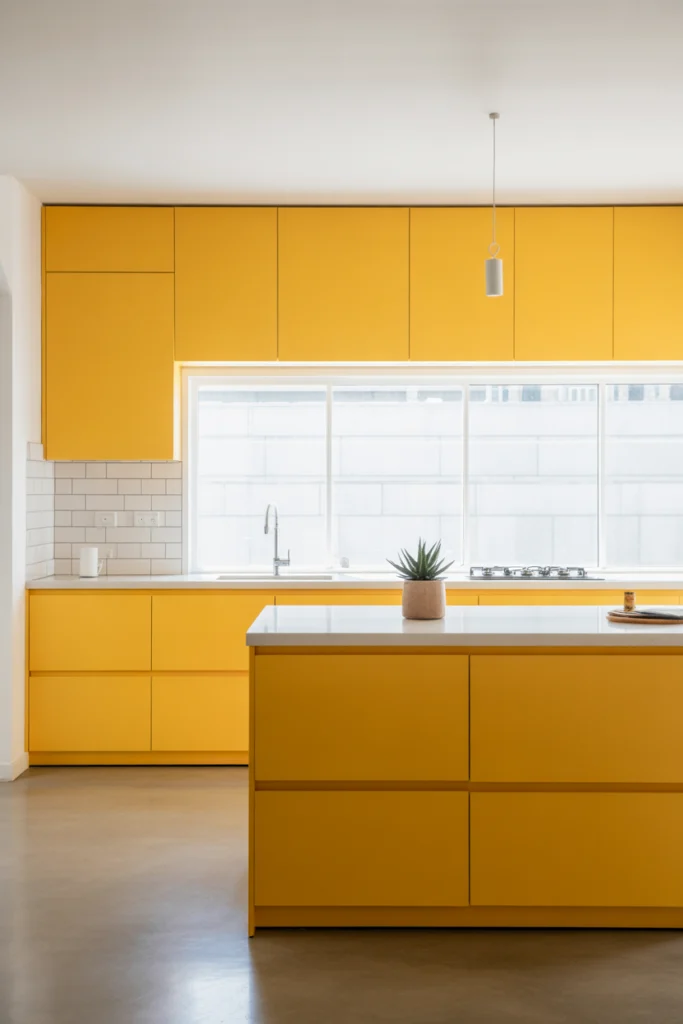
In a modern kitchen, yellow works best when it is paired with clean lines and very little ornament. Flat panel cabinets, handleless doors, sleek hardware, and simple uncluttered layouts let the color stand out on its own, so the kitchen feels bold and current rather than busy. The modern approach is to use yellow in one or two controlled places and let the rest of the room stay quiet.
Pick your yellow moment and commit to it. It might be a row of flat panel lower cabinets in a soft mustard, a single yellow accent wall behind a white island, or a set of yellow bar stools under a white waterfall countertop. Keep everything else simple: a white or light gray quartz counter, a plain white backsplash or a single slab of stone, matte black or brushed chrome fixtures, and integrated appliances that disappear into the cabinetry. Handleless cabinets and a single long pull on each drawer keep the lines clean, and good task lighting under the upper cabinets stops the yellow from looking flat. For more inspiration on keeping a modern kitchen calm and uncluttered, see our modern kitchen ideas. Avoid mixing in too many patterns or extra colors, because in a modern kitchen the yellow itself is the decoration.
Tip: in a modern kitchen, a matte finish on yellow cabinets reads more expensive than a high gloss one, and it shows fingerprints far less. Save the gloss for the backsplash or the pendant lights, where shine adds sparkle without the upkeep.
14. Yellow Tile Flooring
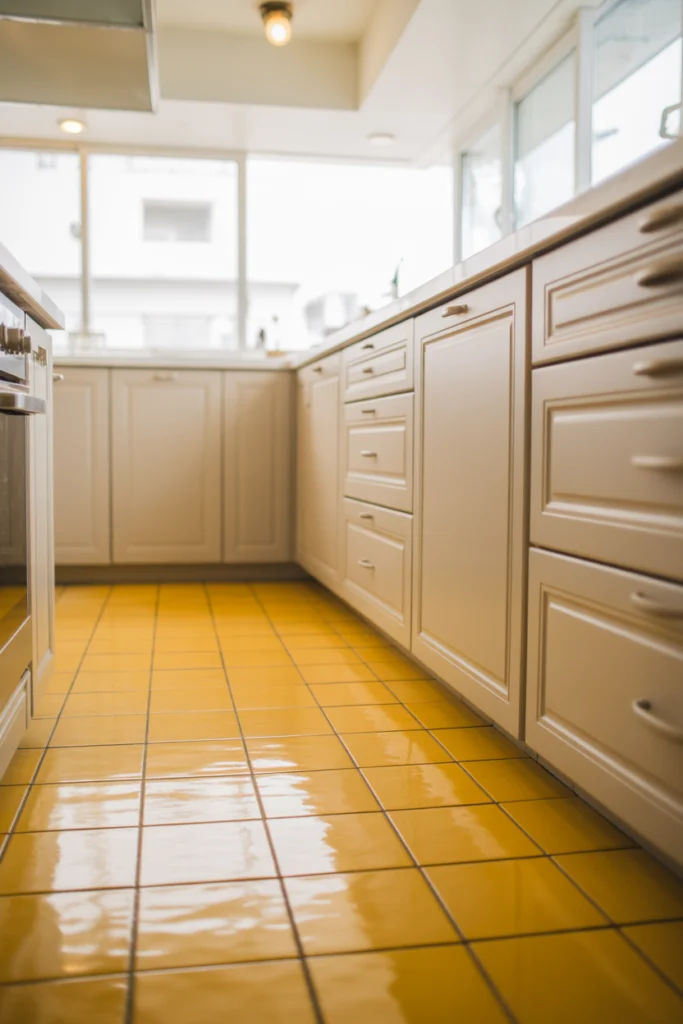
Yellow tile flooring brings color into the kitchen from the ground up, and it creates a cheerful foundation that you feel every time you walk in. Patterned tiles in soft yellow and cream, a classic yellow and white checkerboard, or solid mustard tiles all add personality while staying durable, water resistant, and easy to clean, which is exactly what a kitchen floor needs to be.
Plan the floor so the color feels balanced. A patterned yellow tile looks best with plain neutral cabinets and walls, so the floor can be the star, while a solid pale yellow tile can handle a little more color elsewhere in the room. Lay the tiles with a warm gray or cream grout rather than a bright white one, because kitchen floors get dirty fast and a mid tone grout stays looking clean longer. Seal the grout after it cures, and use a non slip finish if the kitchen is used by children or older family members. A washable runner rug in a soft neutral tone down the middle of the room softens the tile underfoot and breaks up a large area of pattern. Keep the rest of the room simple, and the floor will carry the whole design.
Tip: buy one full box of your chosen tile and lay a few pieces loose on the floor before you commit. Walk on them, set a chair on them, and look at them in morning and evening light. A pattern that looks delightful in a sample can feel busy across a whole floor, and it is far better to learn that before the tiles are glued down.
15. Subtle Yellow Undertones in Neutral Kitchens
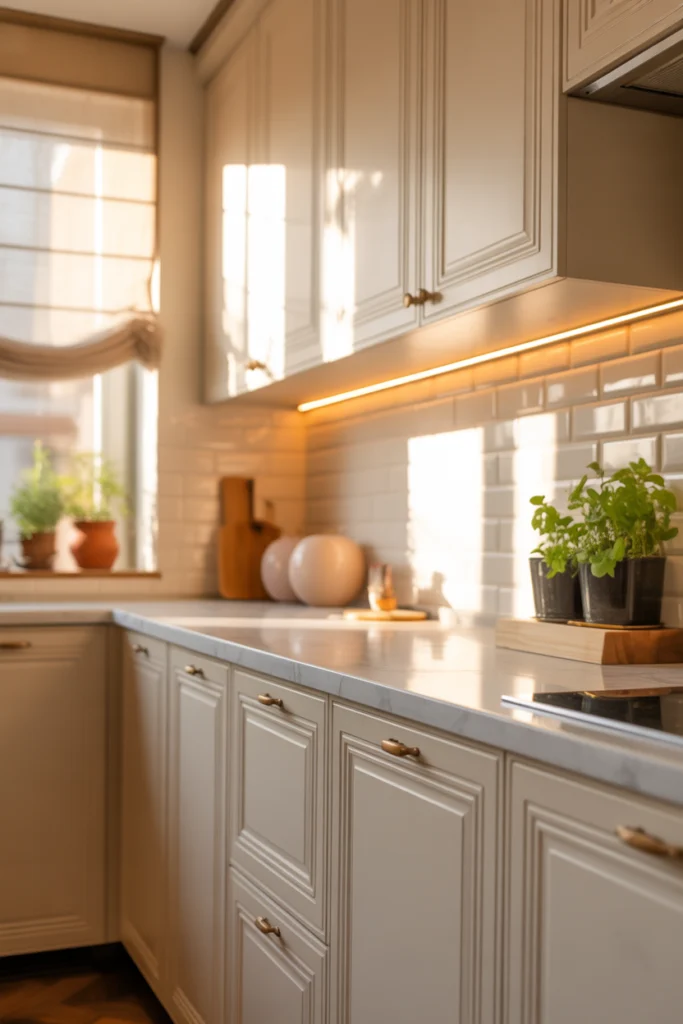
If you love the warmth of yellow but do not want an obviously yellow kitchen, subtle undertones are the answer. Cream colored cabinets, warm white paint with a yellow base, beige finishes, and pale honey wood all carry a hint of yellow without showing it openly, and they create a soft, inviting atmosphere that feels bright and timeless. This is the most understated way to use the color, and it suits almost any home.
The detail that matters here is the undertone of your whites and neutrals. A warm white with a yellow undertone will glow gently in sunlight and feel cozy in the evening, while a cool white with a blue or gray undertone can look stark and cold next to wood and brass. Test paint samples on the wall beside your cabinets and your countertop, and look at them at midday and again after dark, because undertones reveal themselves most clearly in changing light. Pair warm whites with brass or brushed gold hardware, light wood floors, and natural linen or cotton textiles for a cohesive warm look. This approach is also the safest choice if you plan to sell your home, because it reads as a warm neutral to buyers rather than as a bold color statement.
Tip: when you shop for white paint, ask for the undertone by name and compare three warm whites side by side on the same wall. The differences look tiny on a color card and obvious on a real wall, and the right one will make the whole kitchen feel warmer without anyone knowing why.
Conclusion
Yellow kitchens offer endless ways to create a bright, warm, and inviting space, and the best idea is the one that fits your home, your light, and your comfort with color. Start with a soft wall color or a few well chosen accessories if you are unsure, and move toward bolder choices like yellow cabinets or a patterned tile floor once you know the shade suits you. Test every color in your own light, keep the rest of the room calm so the yellow can shine, and repeat the color in two or three places so the design feels intentional.
Whether you prefer a modern kitchen with clean lines, a farmhouse kitchen with wood and warmth, or a classic kitchen with subtle creamy undertones, yellow can make the room feel more welcoming and personal. Choose the right shade, place it with care, and your kitchen will feel sunny, comfortable, and inspiring every day of the year.
Frequently Asked Questions
Does yellow make a small kitchen look bigger?
Yes, pale yellow can make a small kitchen feel larger and brighter, because light shades reflect natural light and visually push the walls outward. Choose a soft butter yellow or pale lemon with a light reflectance value above 70, pair it with white cabinets and good lighting, and avoid dark or very saturated yellows, which can make a small room feel smaller.
What color goes best with yellow in a kitchen?
White is the safest partner, because it keeps yellow fresh and bright, while warm gray adds a modern calm and natural wood adds warmth and texture. Brass, matte black, and chrome hardware all work well with yellow, so pick the metal that matches the rest of your home. Avoid pairing yellow with too many other strong colors, because the room can quickly feel busy.
Is a yellow kitchen hard to resell?
A softly yellow kitchen is not hard to resell, especially when the yellow is pale, warm, or limited to one feature like an island or a backsplash. Bold or very bright yellow on all the cabinets can put some buyers off, so if resale matters to you, choose a muted shade, keep the rest of the kitchen neutral, and remember that cabinets and walls are easy for a buyer to repaint.
Which yellow paint shade works best for kitchen walls?
For most kitchens, a soft butter yellow or pale lemon works best, because it adds warmth without overwhelming the room. In a north facing kitchen with cool light, pick a warmer buttery shade. In a bright south facing kitchen, a paler lemon keeps the room from feeling too hot. Always test a large swatch on the wall for a few days before you commit.
How can I add yellow to my kitchen without painting cabinets?
Start with accessories you use every day, such as a kettle, a stand mixer, bar stools, tea towels, and a bowl of lemons on the counter. A yellow backsplash, yellow open shelves, or a painted island are also easy ways to add color without touching the main cabinets, and all of them are simpler to change later if your taste changes.
More Ideas You Will Love
 25 Kitchen Island Ideas: Stylish & Functional Designs for Modern Homes
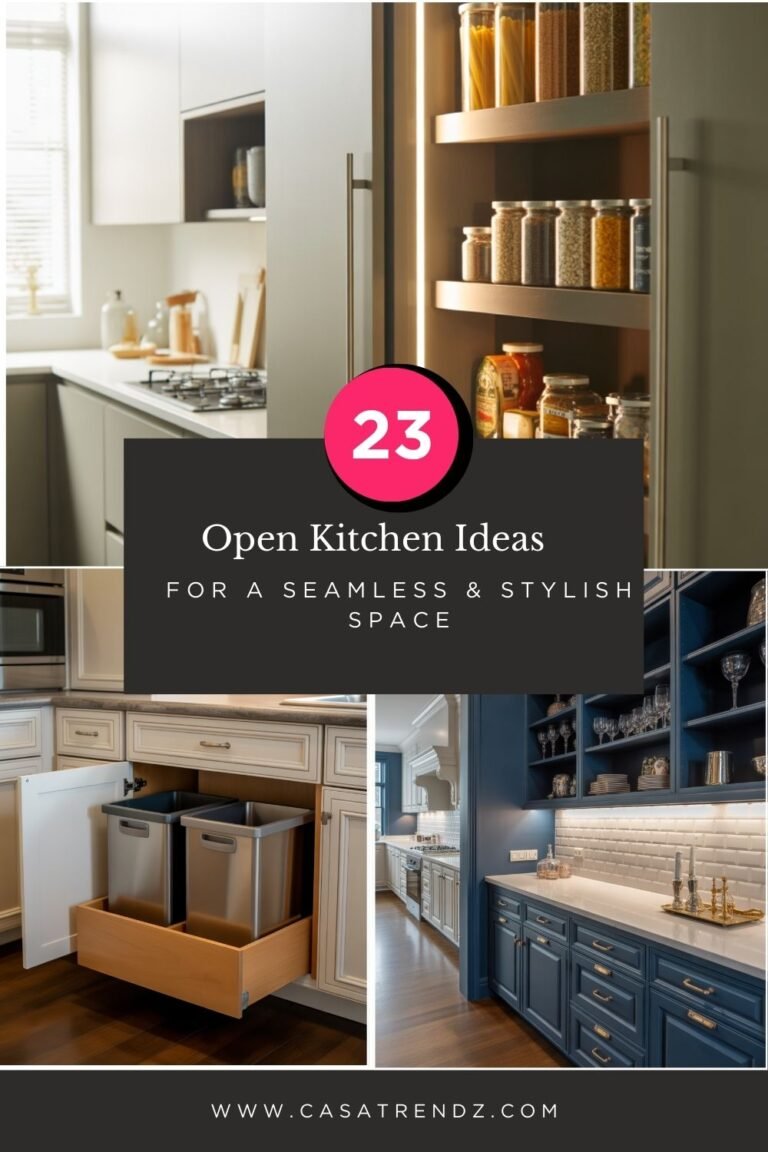 23 Open Kitchen Ideas for a Seamless & Stylish Space
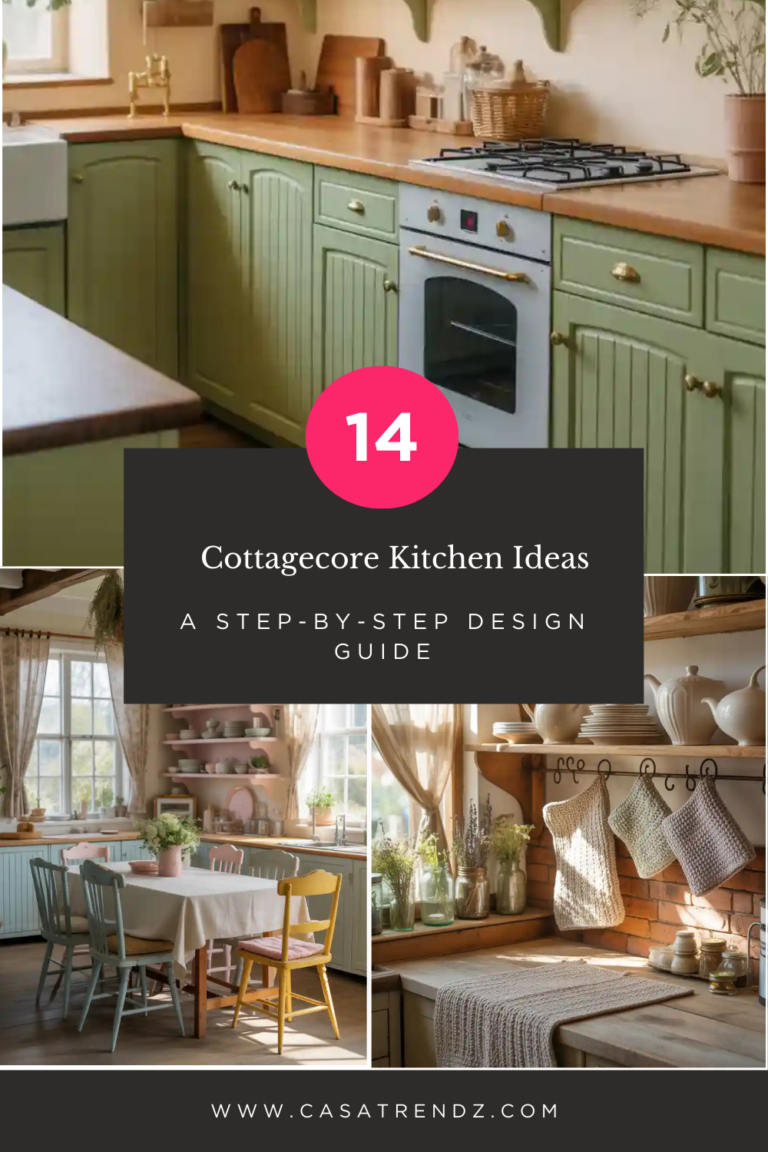 14 Cottagecore Kitchen Ideas: A Step-by-Step Design Guide
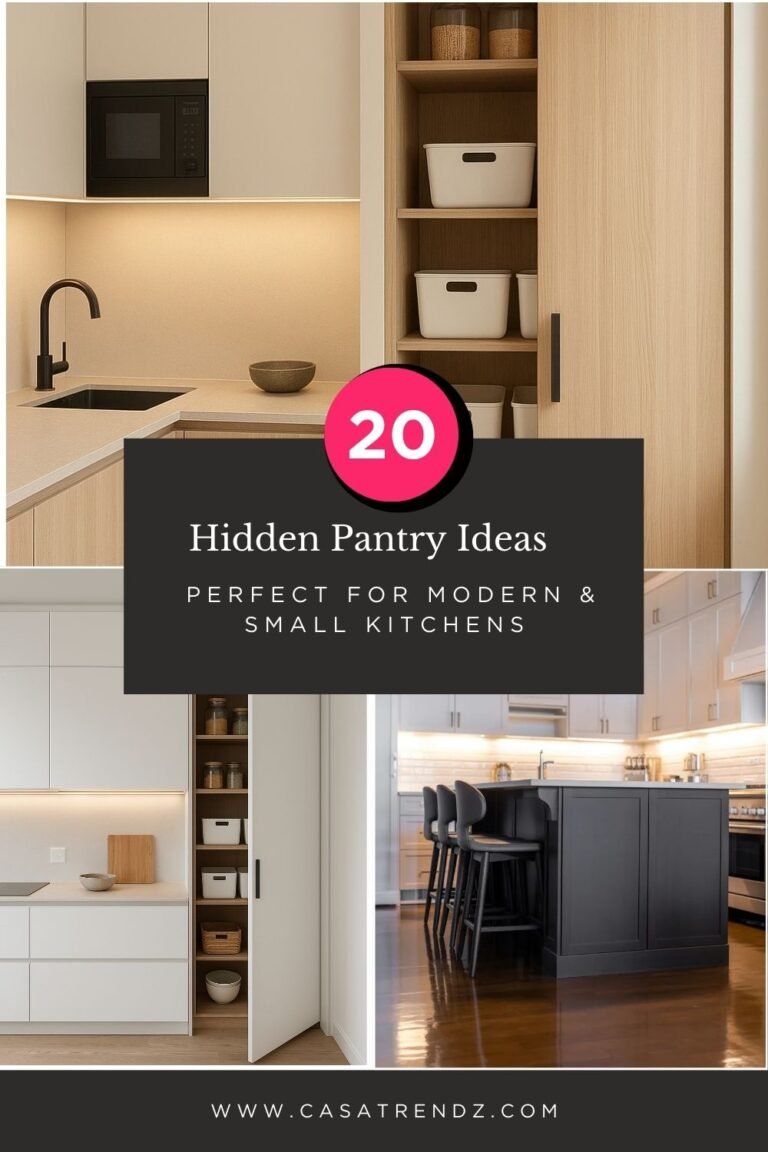 20 Hidden Pantry Ideas That Are Perfect for Modern & Small Kitchens
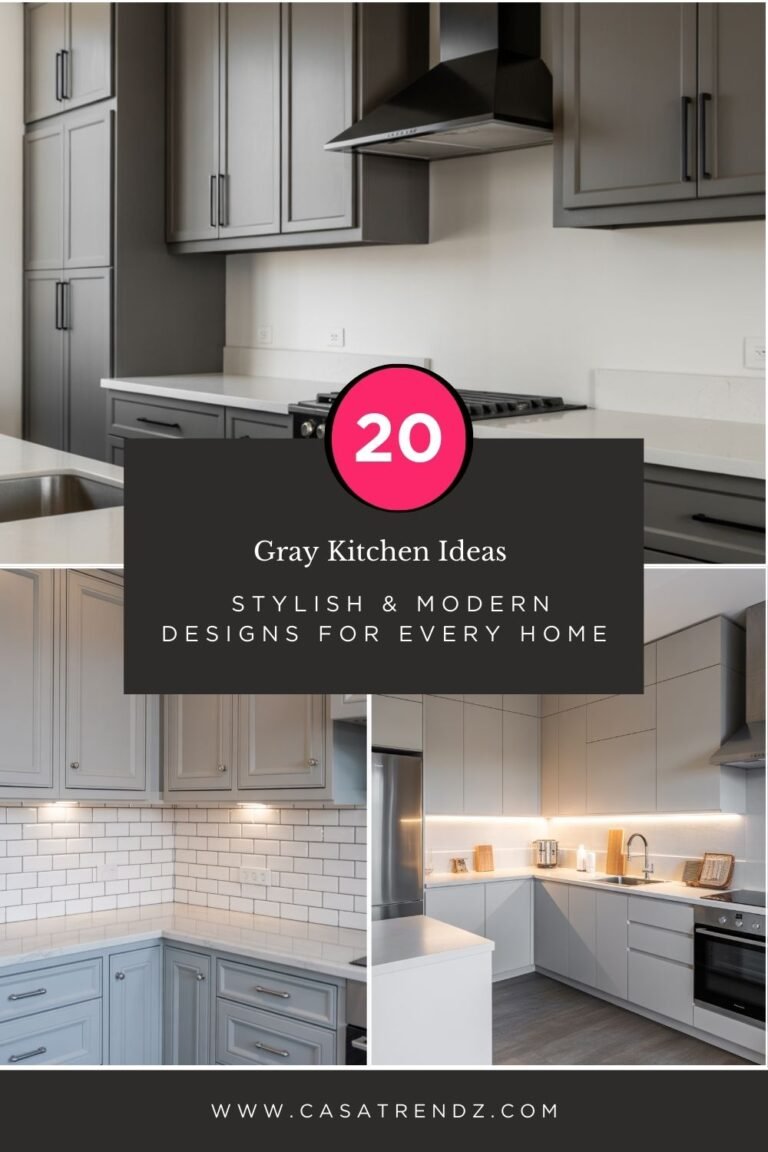 20 Gray Kitchen Ideas – Stylish & Modern Designs for Every Home
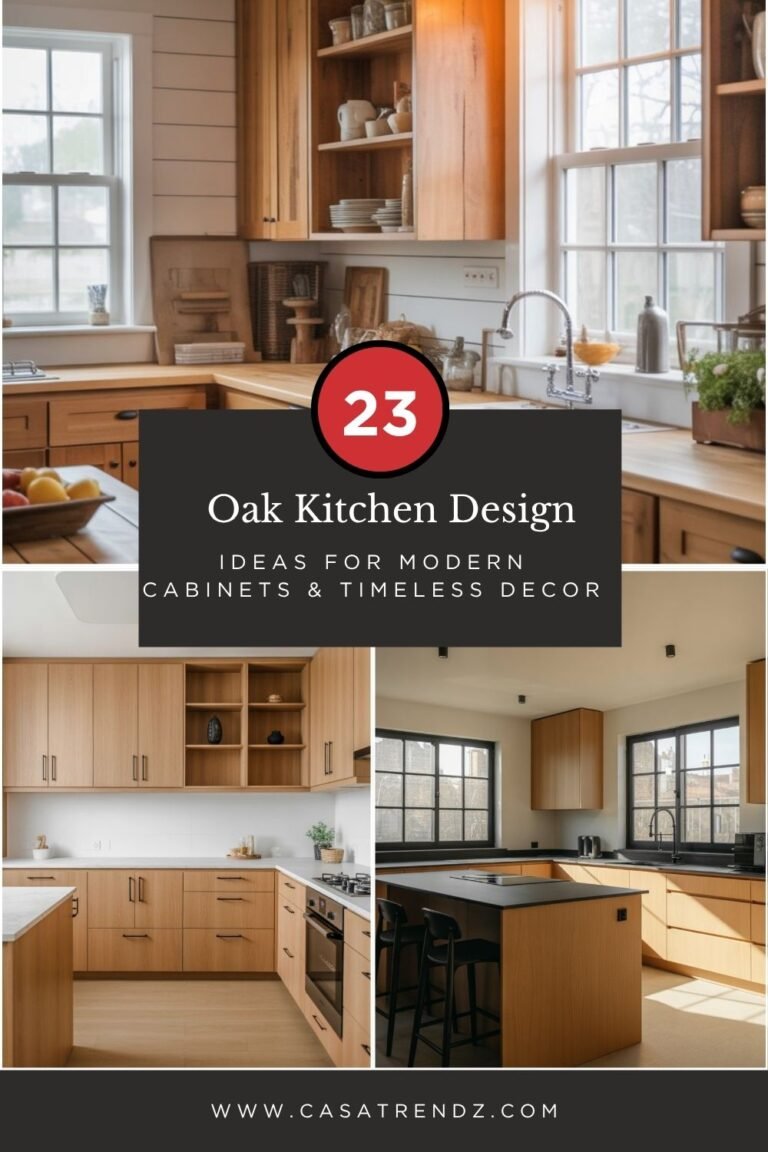 23 Oak Kitchen Design Ideas for Modern Cabinets & Timeless Decor