15 Reasons Why Your Garden Needs Mulching This Summer
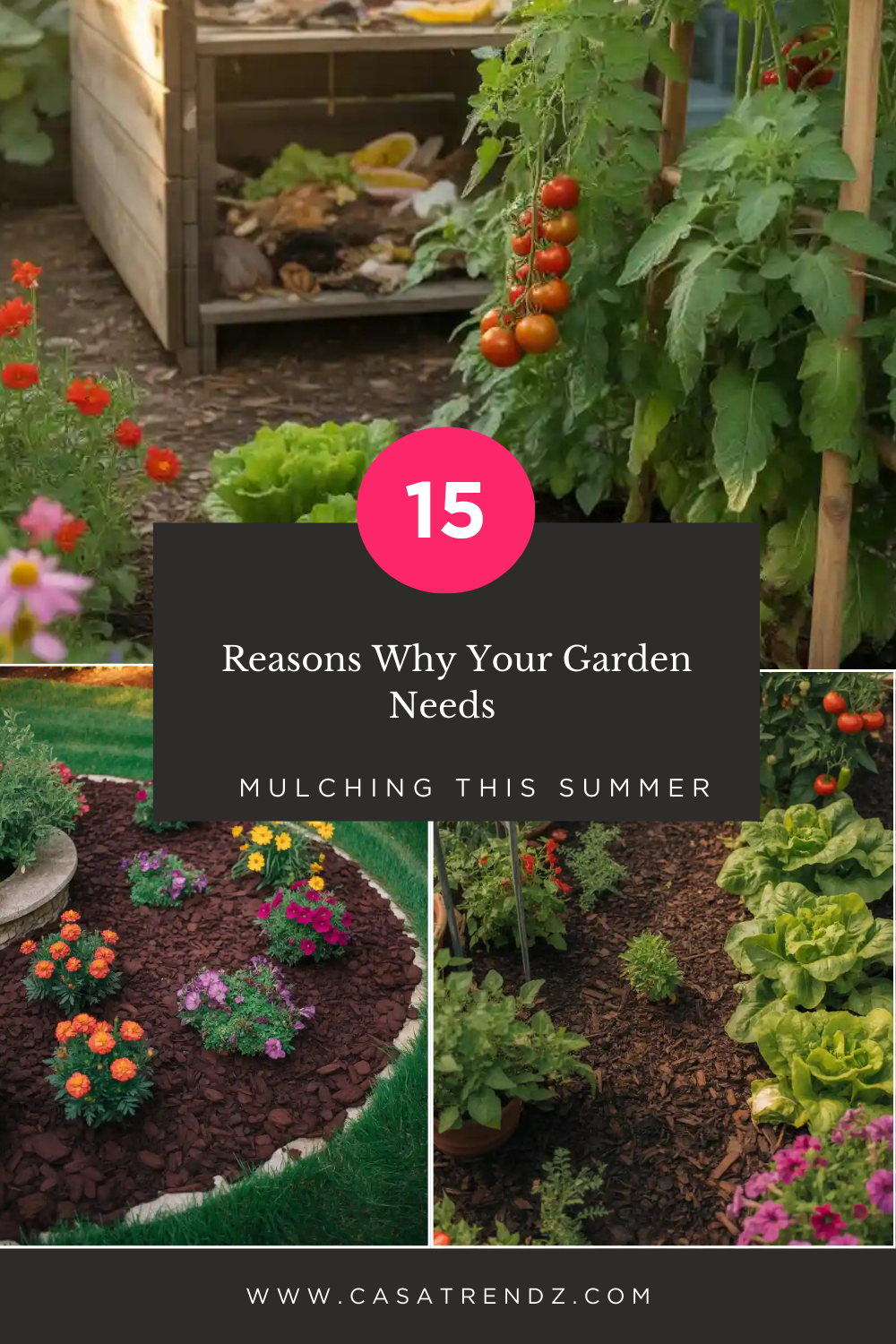
Mulching is one of the most effective and versatile techniques for maintaining a healthy garden, especially during the hot summer months. By covering the soil with organic or inorganic materials, mulching provides multiple benefits that protect your plants, conserve water, and improve overall garden health. Summer heat, dry spells, and pests can place stress on your plants, but a well-mulched garden helps mitigate these challenges. Mulch regulates soil temperature, retains moisture, suppresses weeds, and enriches the soil with nutrients as it decomposes.
Beyond its practical benefits, mulching can enhance the visual appeal of your garden, giving it a neat and polished look. Whether you have flower beds, vegetable patches, or decorative shrubs, incorporating mulch into your summer garden routine ensures healthier, more resilient plants. In this guide, we’ll explore 15 compelling reasons why your garden needs mulching this summer, complete with practical tips and inspiring ideas.
1. Retains Soil Moisture
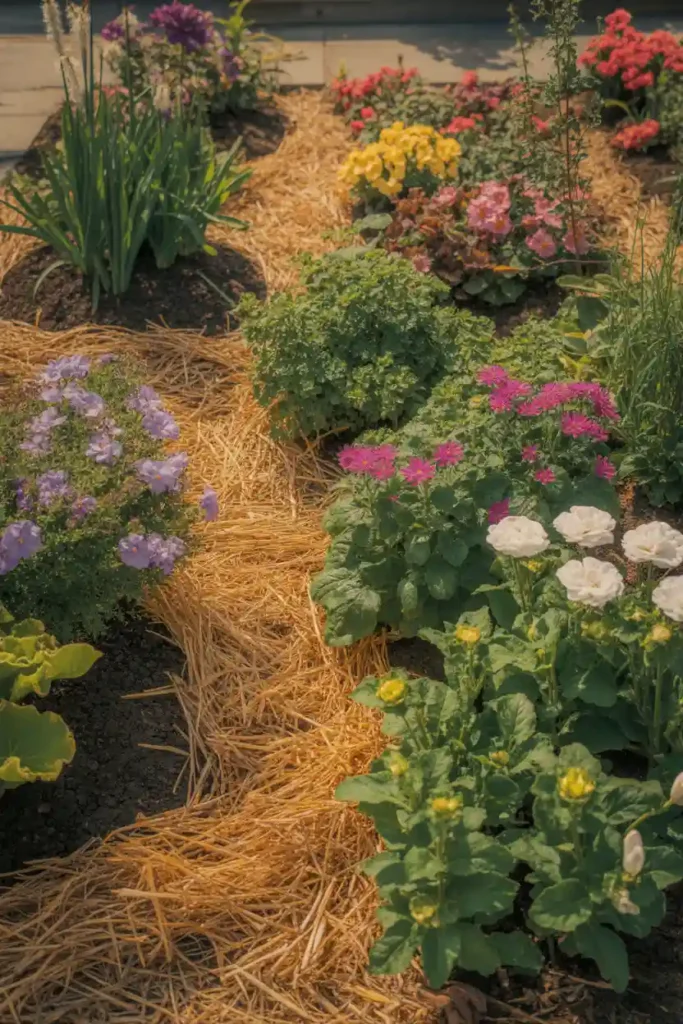
Mulching acts as a protective layer that significantly reduces water evaporation from the soil. During hot summer days, soil can dry out quickly, putting stress on plants and making frequent watering necessary. Mulch helps maintain consistent moisture levels, allowing plants to thrive even during heat waves. Organic mulches like straw, bark, or composted leaves release water slowly and improve soil structure, while inorganic mulches like gravel or stones help minimize evaporation. By keeping the soil consistently damp, mulching reduces the need for constant watering, saving both time and resources. Proper moisture retention also promotes stronger root growth and healthier plants throughout the growing season.
2. Regulates Soil Temperature
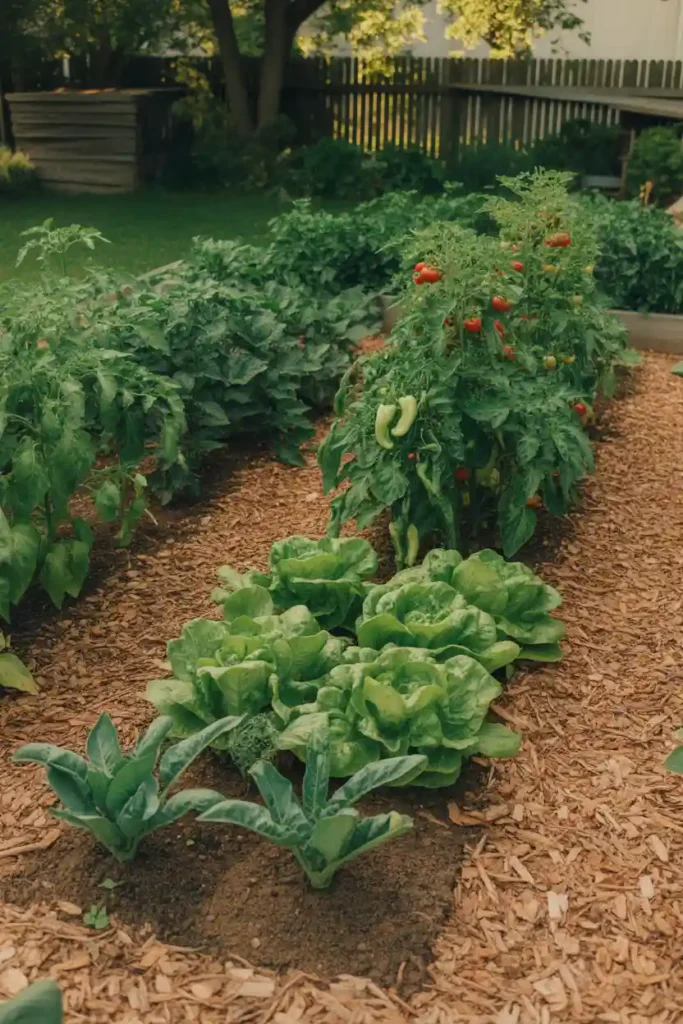
Summer heat can cause soil to overheat, stressing plant roots and slowing growth. Mulching provides insulation, keeping soil cooler during the day and warmer at night. This temperature regulation protects delicate roots from extreme heat and sudden temperature fluctuations. Organic mulches, such as wood chips or shredded leaves, are especially effective, as they slowly release heat while shielding the soil. Maintaining a balanced soil temperature helps plants grow steadily, reduces transplant shock, and supports healthy flowering and fruiting.
3. Suppresses Weed Growth
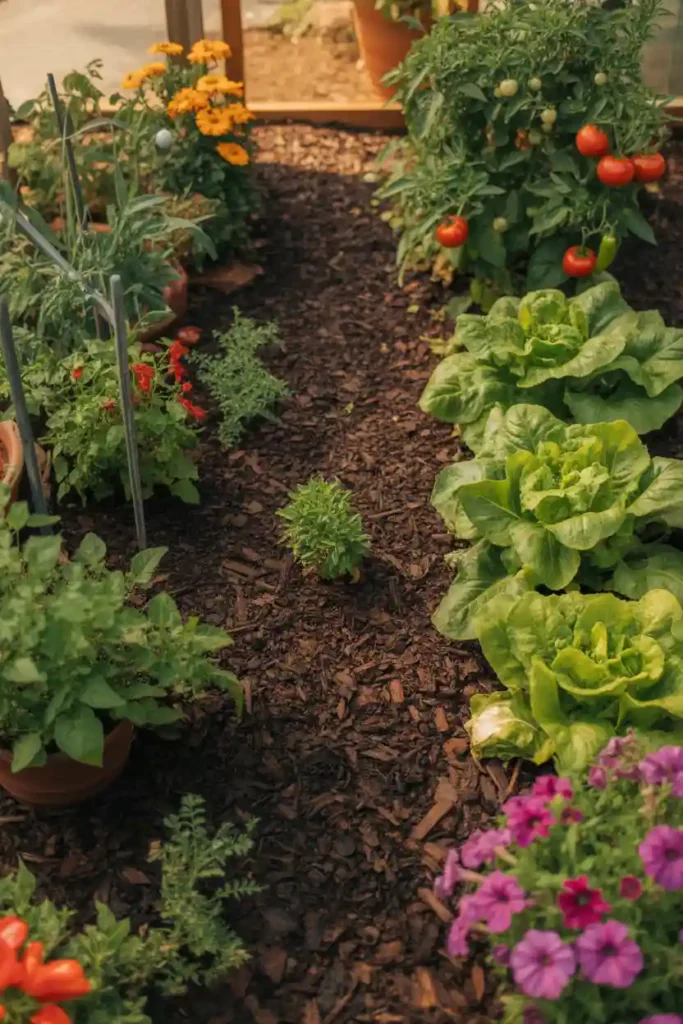
Weeds compete with your plants for nutrients, water, and sunlight, making them a common summer problem. Mulching acts as a physical barrier that blocks sunlight from reaching weed seeds, preventing them from germinating. A thick layer of mulch reduces the time and effort needed for weeding while promoting better growth for your garden plants. Organic mulches also break down over time, enriching the soil and creating a less favorable environment for weeds.
See Also: 13 Summer Maintenance Tips for Outdoor Wood & Decking Introduction
4. Prevents Soil Erosion
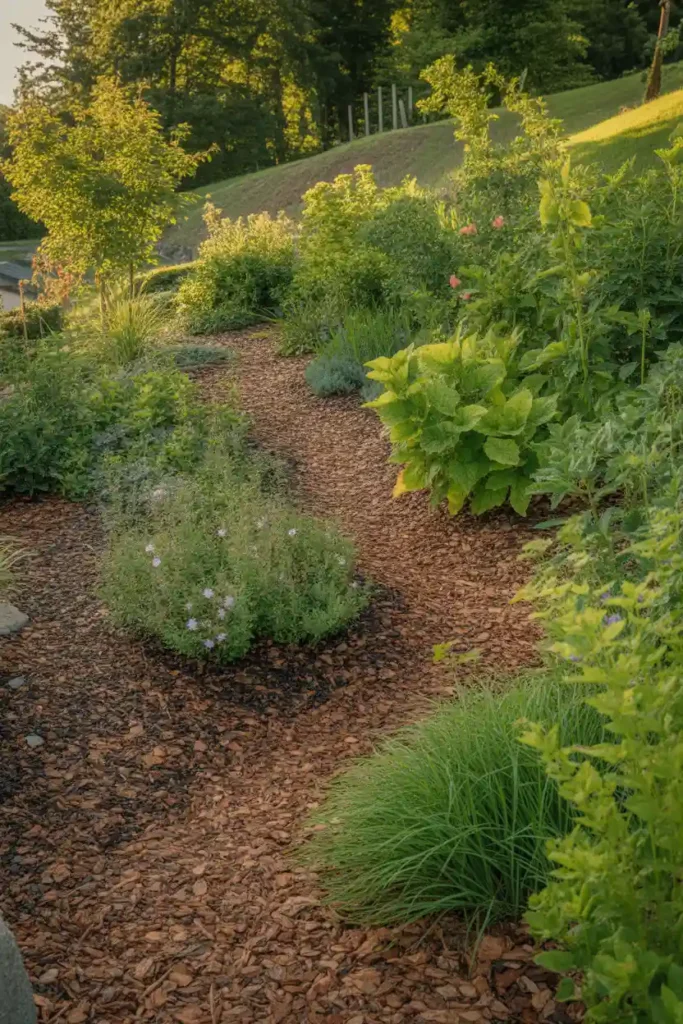
Heavy summer rains or irrigation can wash away topsoil, depleting nutrients and destabilizing plant roots. Mulching protects the soil by reducing the impact of rainfall, slowing water runoff, and preventing erosion. The protective layer keeps soil in place, maintaining structure and fertility. This is especially important on slopes or areas prone to heavy water flow. By minimizing erosion, mulch preserves your garden’s foundation, ensuring plants remain stable and soil health is maintained throughout the season.
5. Enriches Soil with Nutrients
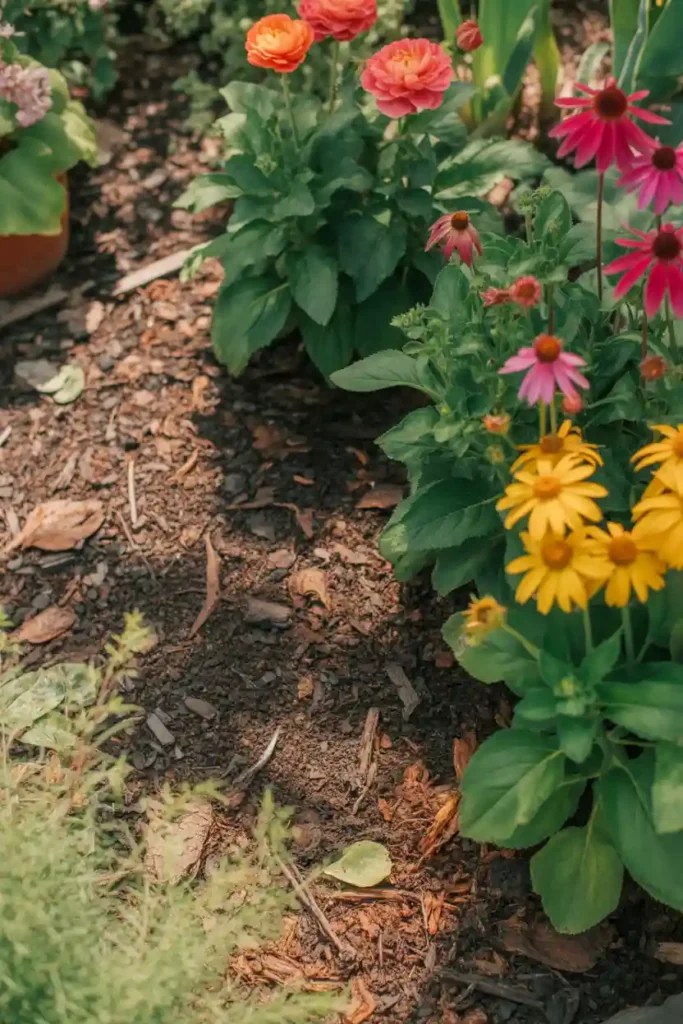
Organic mulches such as compost, straw, or bark gradually decompose, releasing valuable nutrients into the soil. This natural fertilization improves soil fertility, encouraging strong root growth and healthy plant development. Unlike chemical fertilizers, mulch provides a slow, steady supply of nutrients, reducing the risk of over-fertilization. Regular mulching enhances soil structure, encourages beneficial microbial activity, and promotes a richer, more productive garden ecosystem.
6. Reduces Soil Compaction
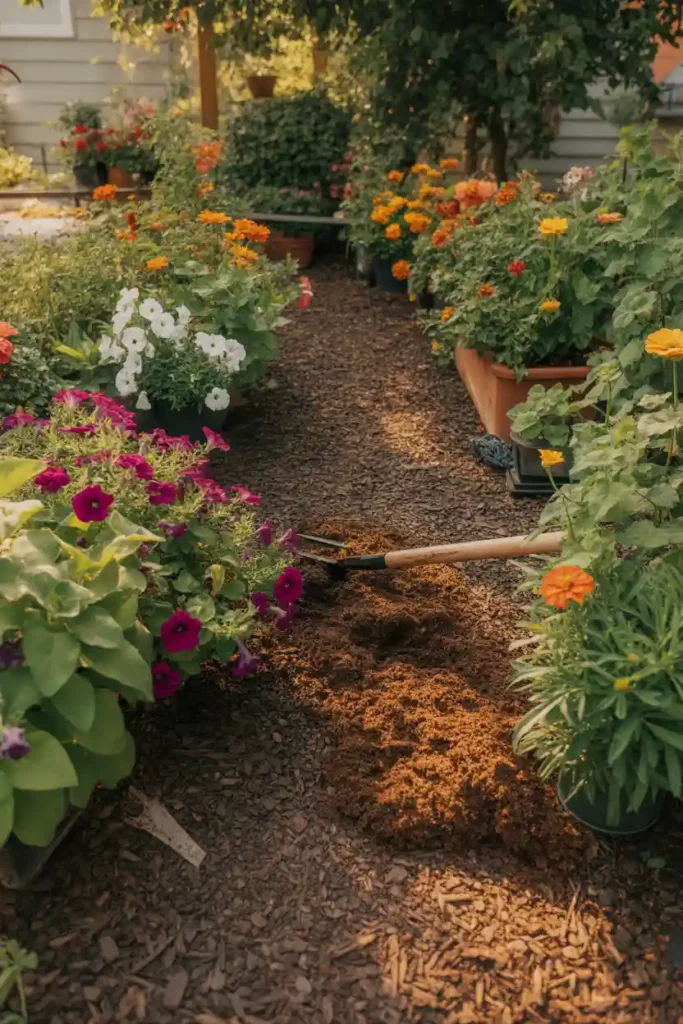
Foot traffic, watering, and rainfall can compact soil, restricting root growth and water infiltration. Mulching cushions the soil surface, reducing compaction and allowing roots to expand more freely. This also improves soil aeration, encouraging beneficial microbial activity and overall plant health. Lightweight mulches like straw or shredded leaves are particularly effective at reducing pressure on the soil while maintaining its structure.
7. Minimizes Watering Needs
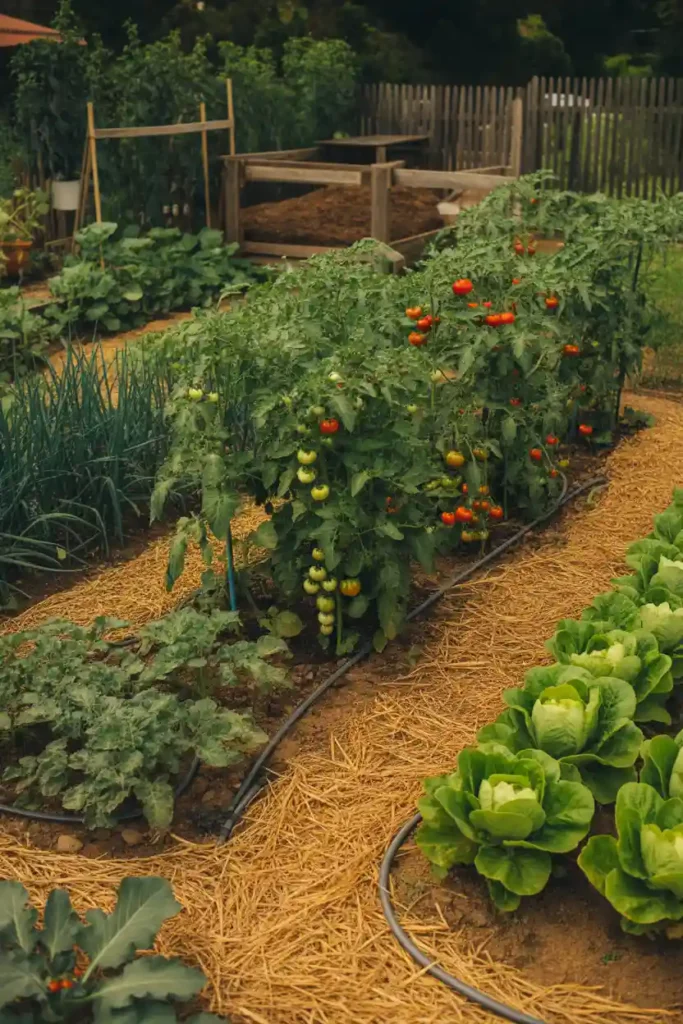
By retaining soil moisture and reducing evaporation, mulching significantly decreases the frequency of watering. During hot summer months, this helps conserve water and makes garden maintenance easier. Consistent moisture also ensures plants are less stressed and better able to resist pests and disease. Mulch works as a natural water-saving solution, supporting eco-friendly gardening practices while keeping plants hydrated.
8. Protects Plant Roots from Heat
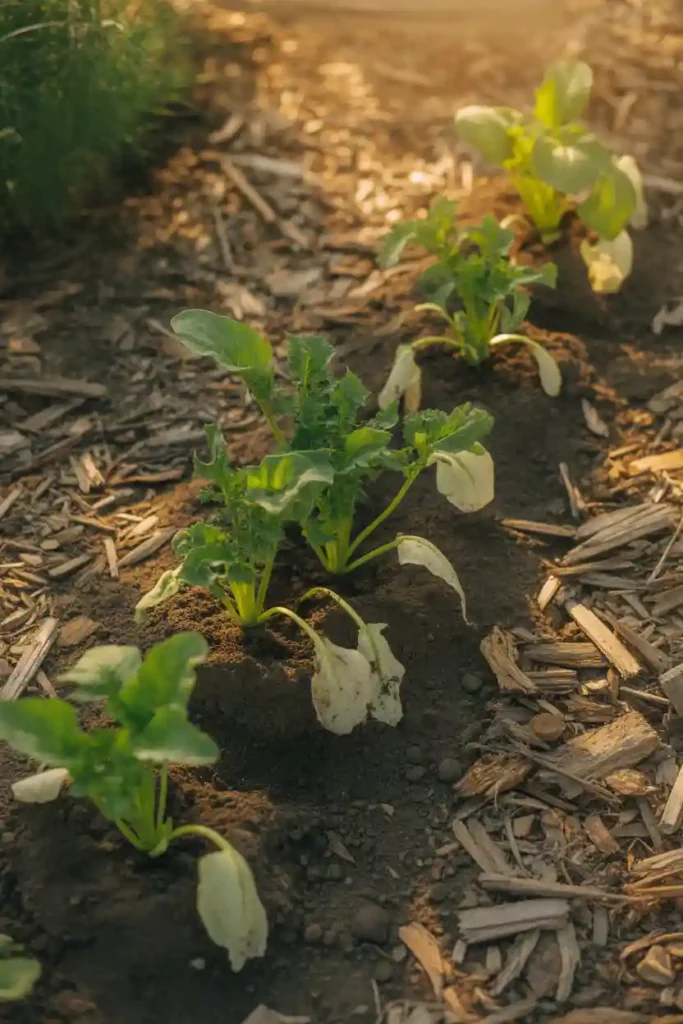
Mulch creates a protective layer over the soil that shields plant roots from extreme summer heat. This barrier reduces thermal stress, preventing roots from drying out and supporting optimal nutrient uptake. Cooler root zones promote better flowering, fruiting, and overall growth. Mulching is especially beneficial for young plants and seedlings, which are more sensitive to temperature fluctuations.
9. Discourages Pests
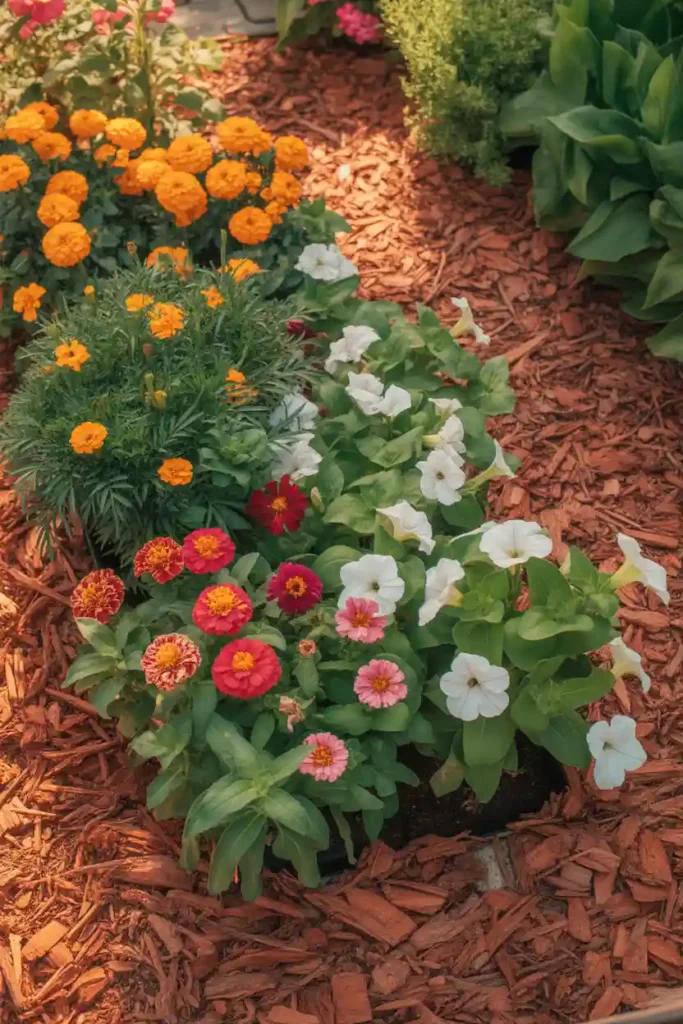
Certain types of mulch can help deter pests naturally. For example, cedar mulch releases aromatic oils that repel insects like ants, mosquitoes, and termites. Mulch also acts as a barrier, reducing access for pests to plant stems and soil. Using mulch strategically around your garden can minimize damage from insects without relying on chemical pesticides, supporting a healthier and more sustainable garden environment.
10. Enhances Garden Aesthetics
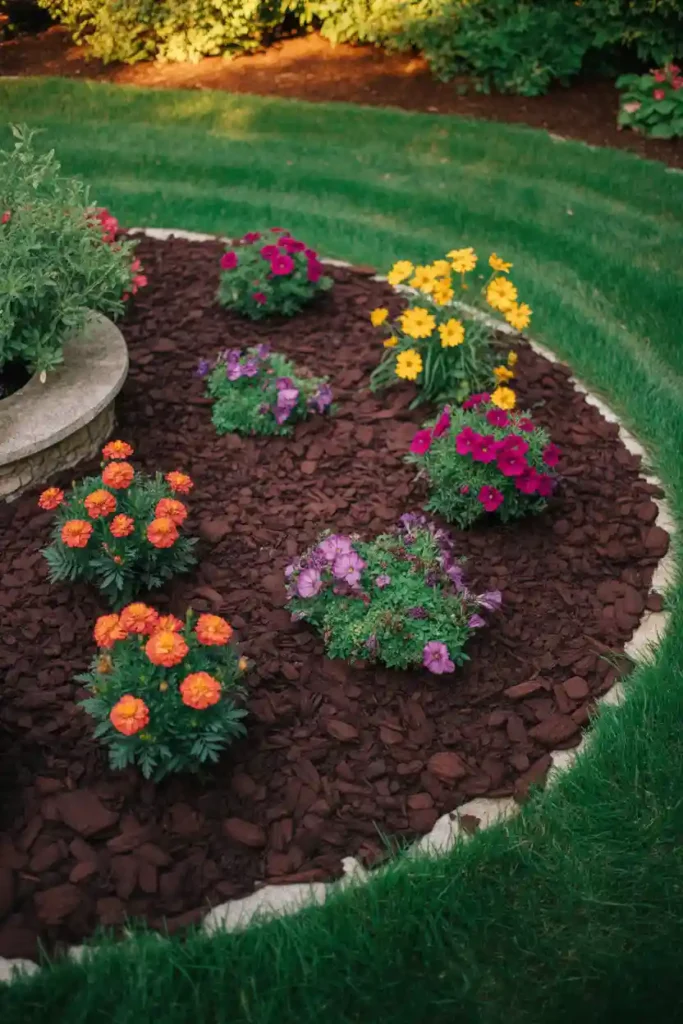
Mulching improves the visual appeal of your garden by creating a uniform, tidy look. Dark organic mulches or decorative stones can complement your plantings, highlighting flowers, shrubs, and pathways. A well-mulched garden feels more organized, polished, and inviting, enhancing the overall summer outdoor experience. Beyond function, mulch serves as an attractive design element that elevates your garden’s style.
11. Reduces Soil Cracking
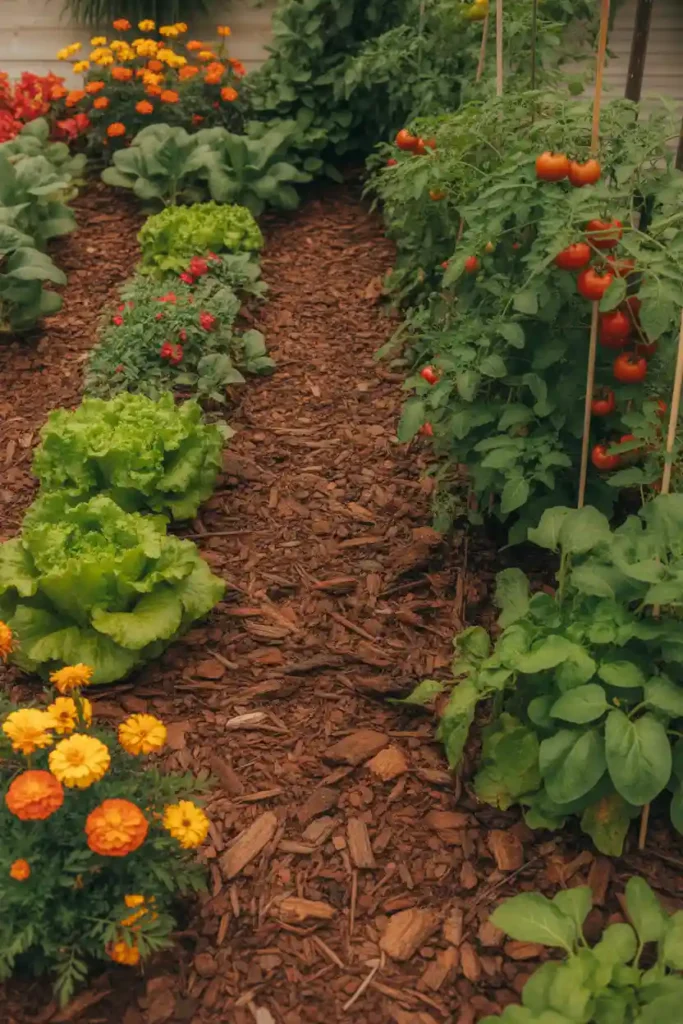
Dry summer conditions can cause bare soil to crack, which stresses plants and limits water absorption. Mulching prevents excessive soil drying, keeping the surface soft and stable. This helps maintain soil structure and prevents damage to shallow-rooted plants. Consistent moisture under a protective mulch layer ensures healthier, less stressed plants throughout the season.
12. Encourages Beneficial Microbes
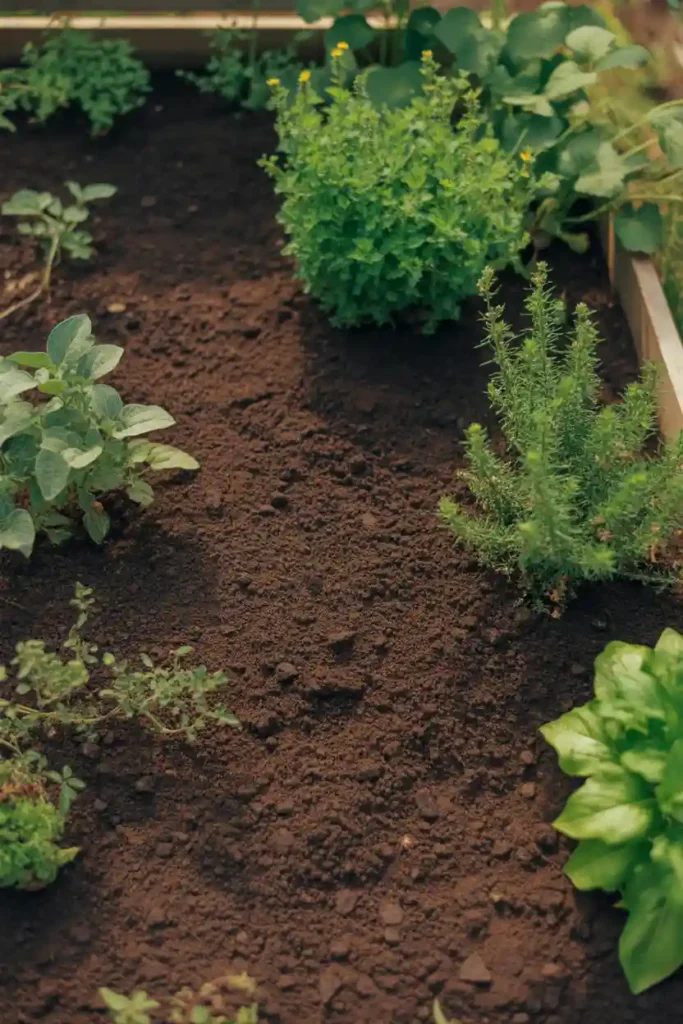
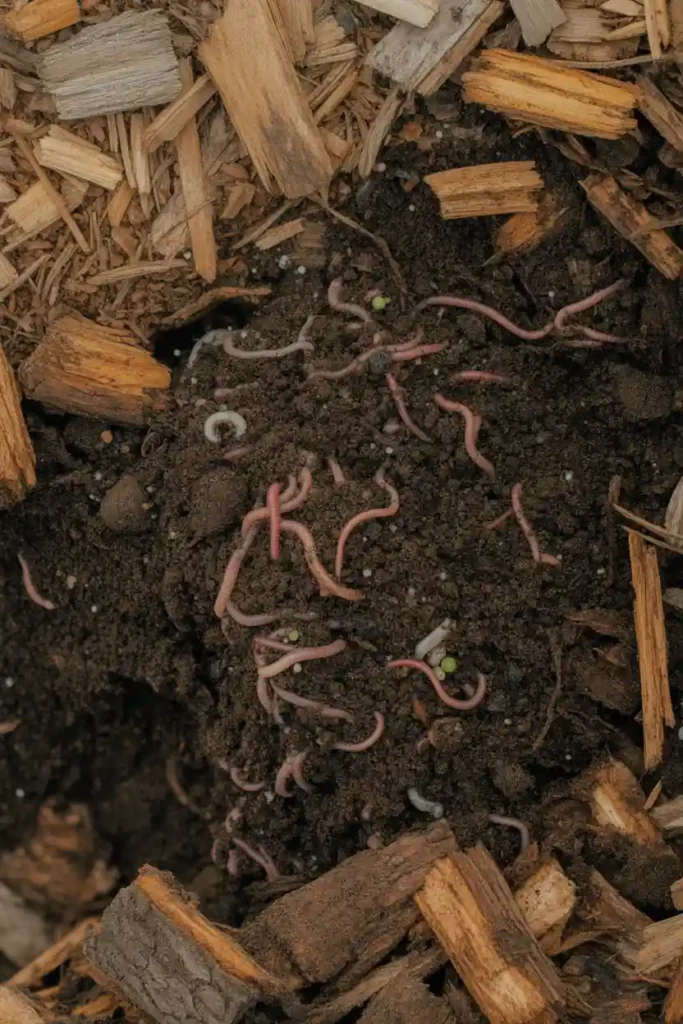
Organic mulch promotes microbial activity in the soil. Beneficial bacteria, fungi, and earthworms thrive in the protected, nutrient-rich environment provided by mulch. These organisms break down organic material, release nutrients, and improve soil structure, creating a healthy ecosystem for plants. A thriving microbial community enhances disease resistance, root development, and overall garden productivity.
13. Reduces Weed Seed Germination
Mulch suppresses weed growth by blocking sunlight from reaching weed seeds. This reduces the need for chemical herbicides and labor-intensive weeding. By preventing weeds from competing with your plants, mulch ensures that your garden’s nutrients and water are fully available to your desired plants. Thicker mulch layers are particularly effective for long-lasting weed suppression.
14. Improves Soil Structure Over Time
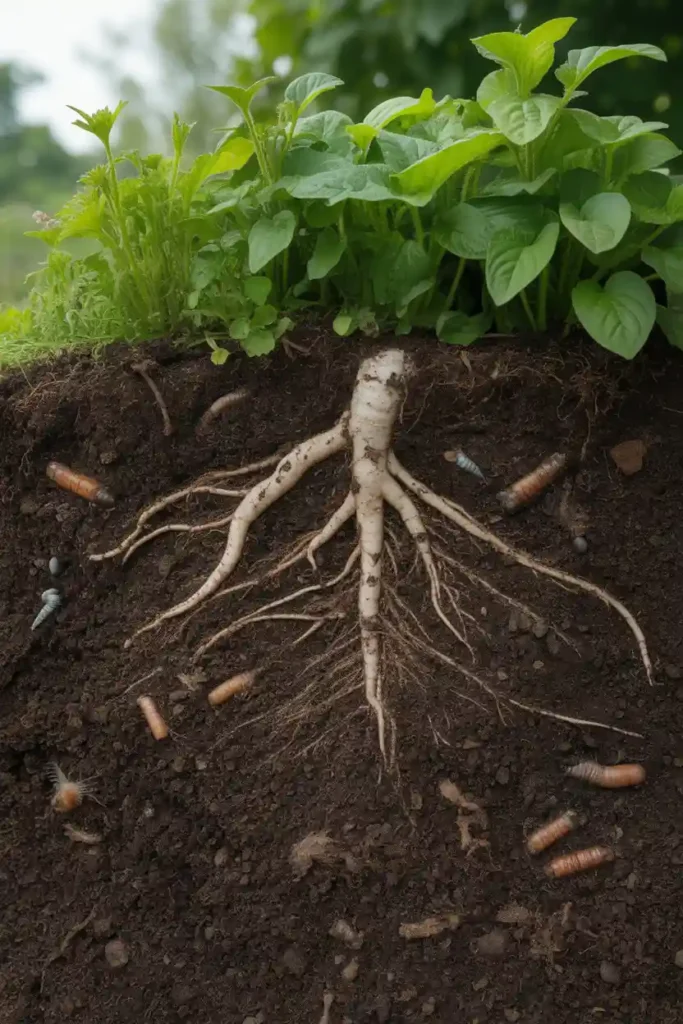
Repeated mulching enhances soil texture and structure. Organic materials decompose, adding organic matter that increases water retention, aeration, and nutrient availability. Well-structured soil supports stronger root systems, healthier plants, and better drainage. Over time, mulching transforms poor soil into rich, fertile ground ideal for summer gardening.
15. Supports Sustainable Gardening Practices
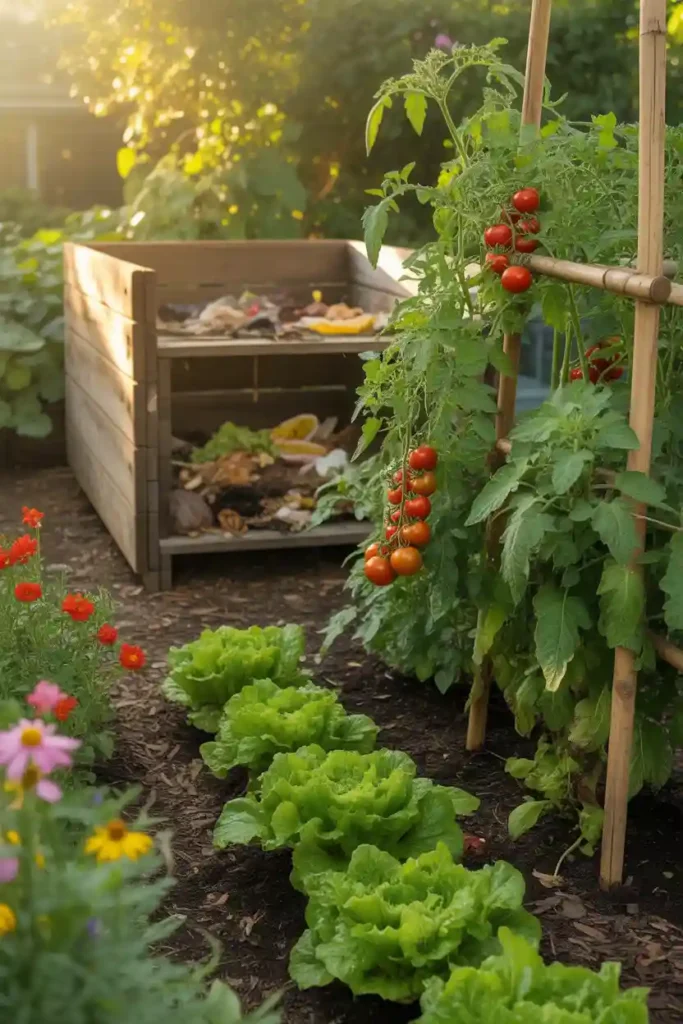
Mulching reduces the need for chemical fertilizers, excessive watering, and herbicides, making it an eco-friendly gardening practice. It recycles natural materials like leaves, straw, or wood chips and promotes a self-sustaining garden ecosystem. By mulching, you contribute to water conservation, soil health, and reduced environmental impact, creating a greener and more sustainable outdoor space.
Conclusion
Mulching is one of the most effective ways to protect, nourish, and beautify your garden during the hot summer months. With these 15 Reasons Why Your Garden Needs Mulching This Summer, it’s clear that mulching offers multiple benefits from retaining moisture and regulating soil temperature to suppressing weeds, deterring pests, and enhancing overall aesthetics.