21 Minimalist Living Room Ideas for a Modern & Serene Look
Designing a minimalist living room is all about creating a calm, open, and intentional space that feels both stylish and comfortable. This guide explores 21 practical and beautiful Minimalist Living Room Ideas to help you achieve a clean, modern, and serene look. Each idea is written with simple language, clear details, and helpful inspiration so you can easily apply these concepts to any home.
1. Choose a Neutral Color Palette
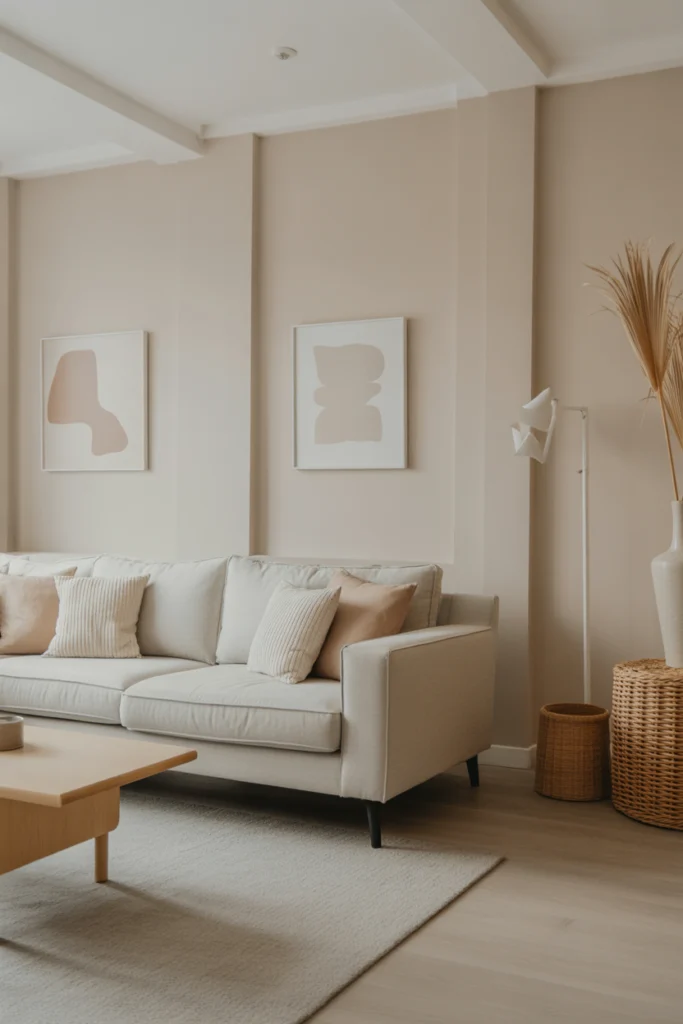
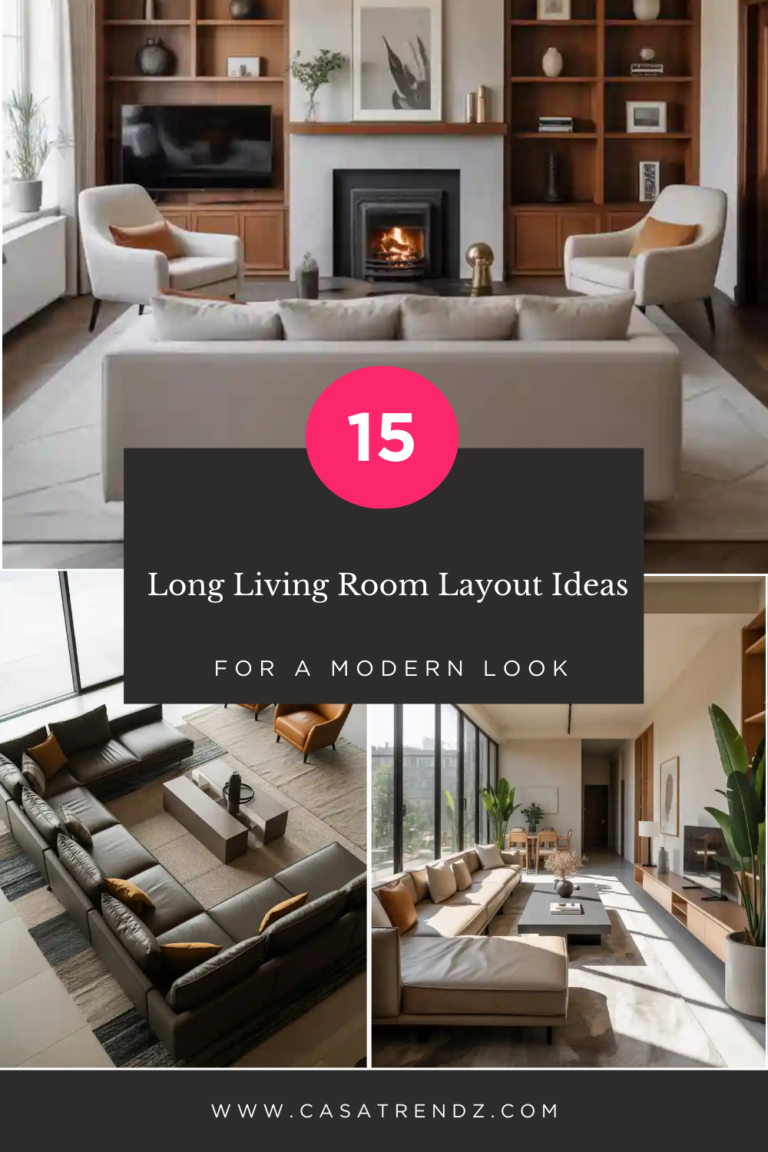
A neutral palette is the foundation of minimalist design because it creates a calm and balanced look. Shades like white, beige, tan, gray, and soft earth tones keep the room visually light and help reduce distractions. When the colors in your living room are consistent and soft, the space feels bigger and more organized. These tones also work well with natural light, making the room feel warm without adding unnecessary visual noise.
A neutral palette also gives you flexibility to change accent pieces whenever you want. You can switch out pillows, artwork, and décor without worrying about clashing colors. This approach also lets your furniture shine, highlighting the clean lines and shapes that are key to minimalist rooms. Whether you prefer cool or warm tones, a neutral color scheme is a simple way to achieve a modern and serene living room.
2. Keep the Space Clutter-Free
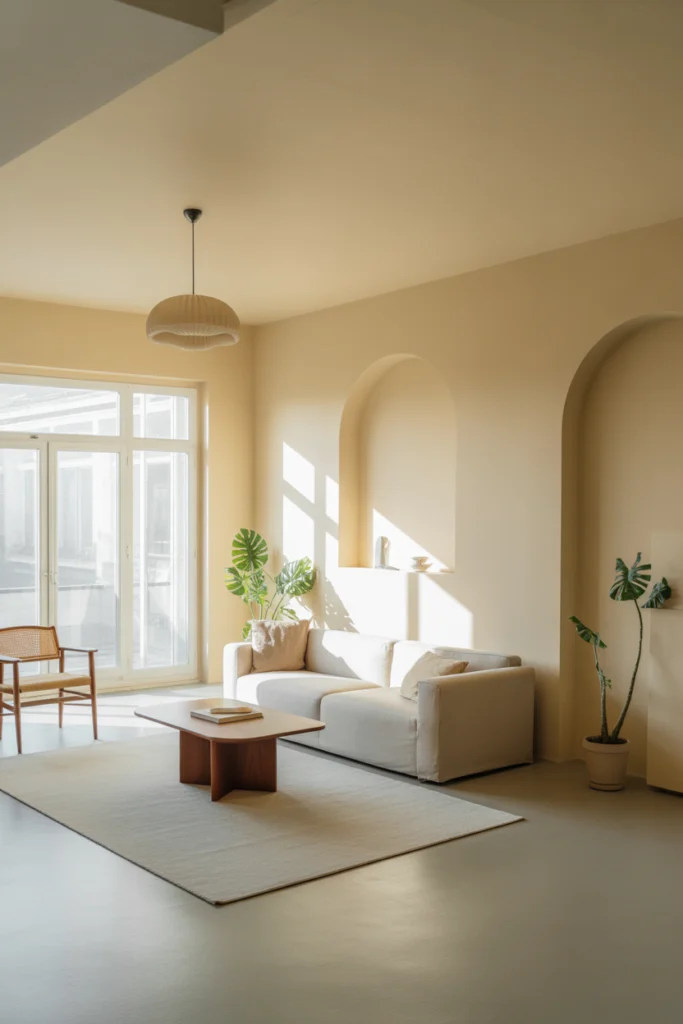
Minimalism depends heavily on keeping the room free from visual clutter. This does not mean your living room should look empty, but rather intentional. Every item should have a purpose. When surfaces like coffee tables, shelves, and consoles stay clear, the space feels open and calming. Decluttering also makes it easier to clean and maintain your living room.
To keep your space tidy long-term, adopt simple habits like having designated areas for everyday items or using organizers inside cabinets. Fewer items on display naturally make the room feel more elegant. The more you edit the space and remove what you don’t need, the stronger your minimalist design becomes.
3. Use Simple, Clean-Lined Furniture
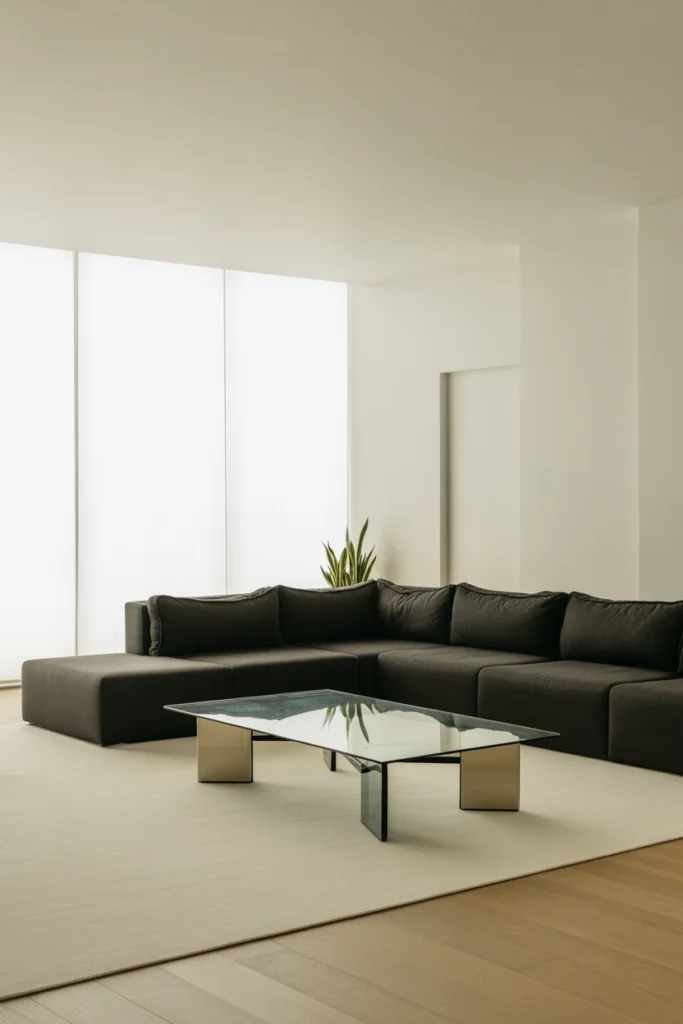
In minimalist living rooms, the furniture should look simple with straight or soft lines rather than ornate details. Clean-lined furniture helps the room feel structured and organized. Choose sofas, chairs, and tables with smooth shapes and low profiles. Avoid bold patterns or overly decorative pieces, as they can overwhelm the calm feel of the room.
Clean-lined furniture also pairs well with any color palette and works with both small and large spaces. This type of furniture creates harmony in the room because the shapes are uncomplicated. Whether your home leans modern, Scandinavian, or transitional, simple furniture ensures your minimalist theme stays strong and cohesive.
4. Incorporate Natural Materials
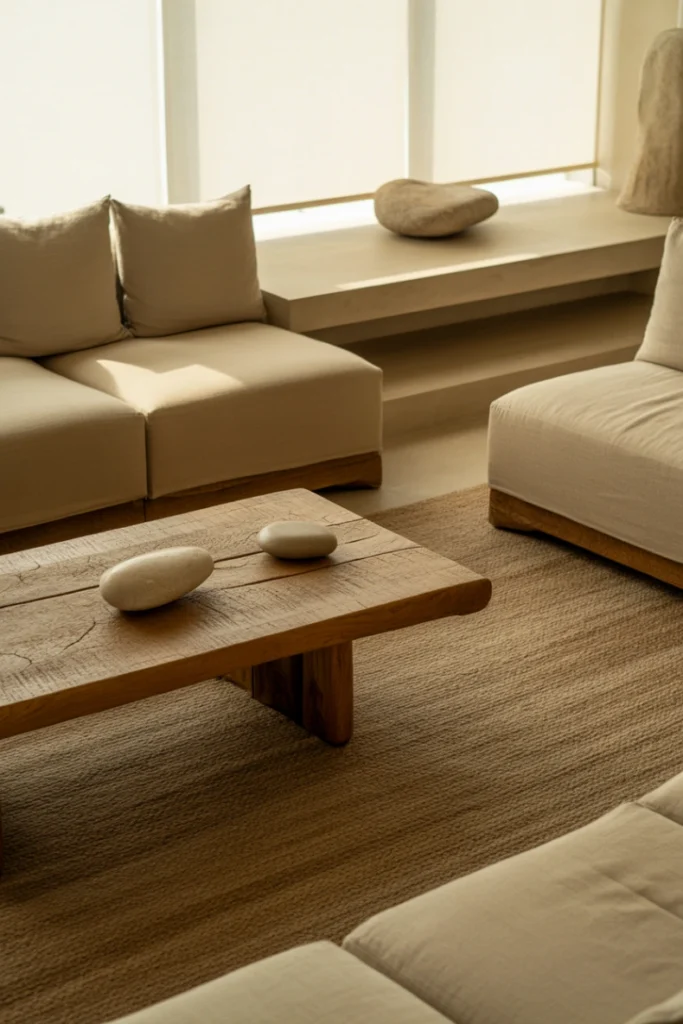
Natural materials like wood, linen, stone, jute, and cotton are perfect for minimalist living rooms because they bring warmth without adding visual clutter. These textures create a grounded feeling while keeping the design simple and modern. Light-toned wood furniture pairs beautifully with neutral colors and helps soften the space.
Using natural materials also adds organic texture that enhances the room’s visual interest. A wood coffee table, linen curtains, or a jute rug can transform the room without overwhelming the minimalist style. These elements make the space feel welcoming while staying true to the calm and uncluttered approach.
5. Add Soft and Warm Lighting
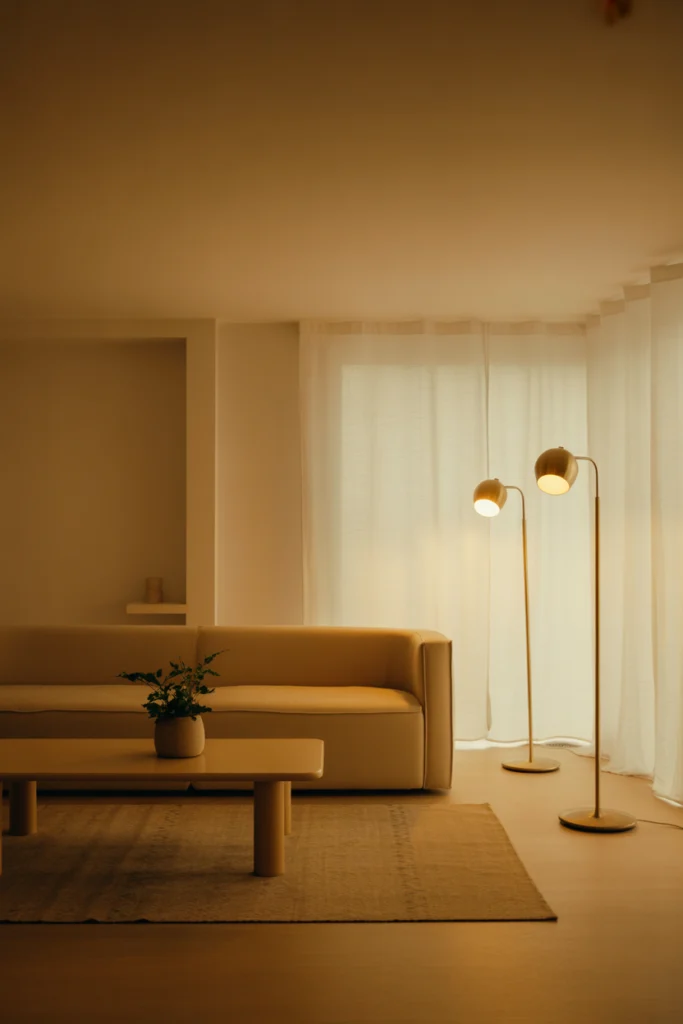
Minimalist rooms shine with warm, soft lighting rather than harsh bright lights. Soft lighting creates a soothing atmosphere, perfect for relaxation. Use warm bulbs, floor lamps, table lamps, or indirect lighting to give the room a gentle glow. Lighting with simple designs works best to keep the minimalist look intact.
Layering your light sources also improves the room’s overall mood. You can combine wall lights, floor lamps, or diffuse ceiling fixtures to create balanced lighting throughout the room. Warm lighting complements neutral colors and natural materials, making the space feel inviting and serene.
6. Use Functional Multi-Purpose Furniture
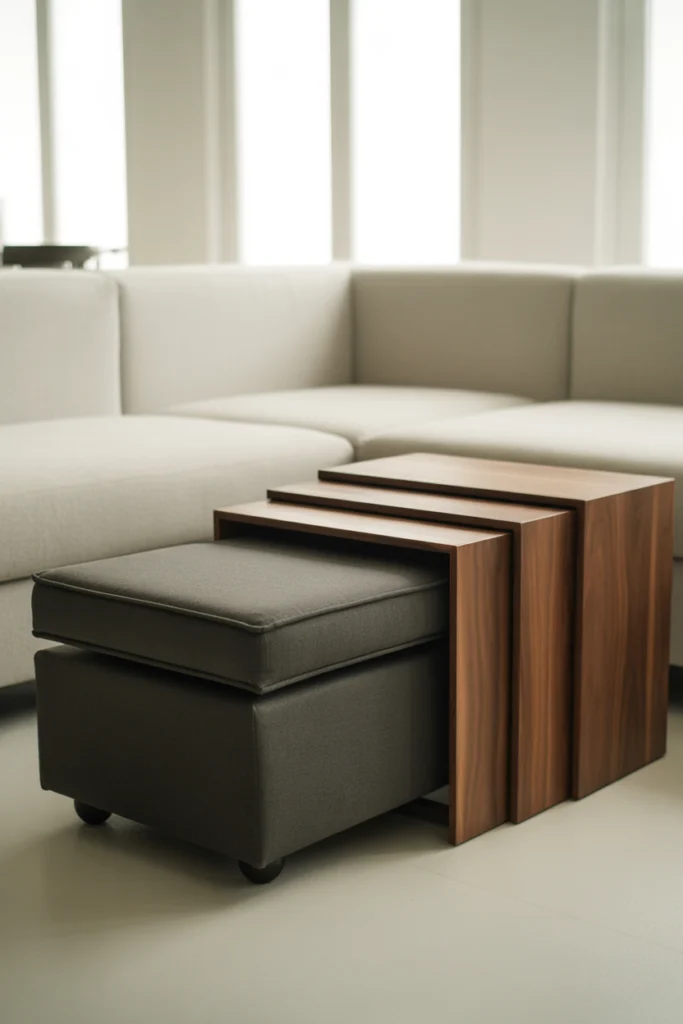
Multi-purpose furniture is ideal for minimalist living rooms because it reduces the need for extra pieces. Items like storage ottomans, nesting tables, or sofas with built-in compartments help you stay organized without sacrificing style. These smart furniture choices allow you to keep the room clean and efficient.
This type of furniture is especially helpful in small living rooms where every inch matters. When each piece serves more than one purpose, the room stays open and free of clutter. Multi-purpose furniture supports a streamlined lifestyle and makes your minimalist design practical and long-lasting.
7. Add Greenery with Minimalist Plants
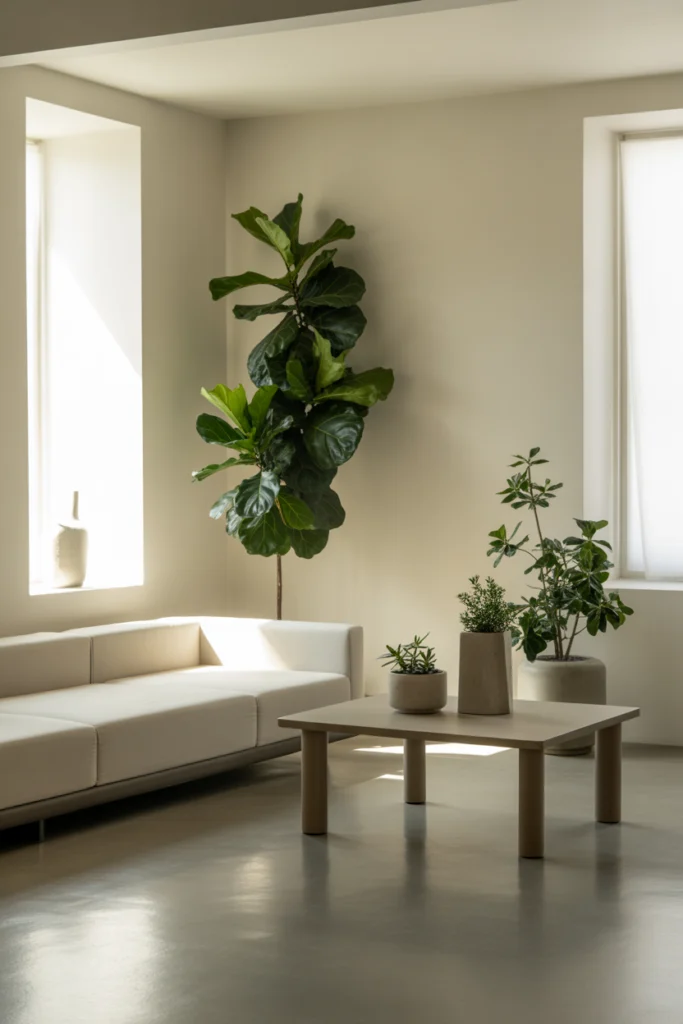
Plants bring life to a minimalist living room without adding clutter. Choose simple plant types like snake plants, pothos, or small indoor trees with clean shapes. A single tall plant or a few small ones can add freshness and color while keeping the design simple. Planters should be neutral and modern for a cohesive look.
Greenery also improves the room’s energy by making it feel more welcoming and natural. Plants soften straight lines and neutral colors, creating balance in your minimalist design. Just be careful not to overcrowd the room; a few thoughtfully placed plants are enough to achieve a peaceful look.
8. Keep Artwork Simple
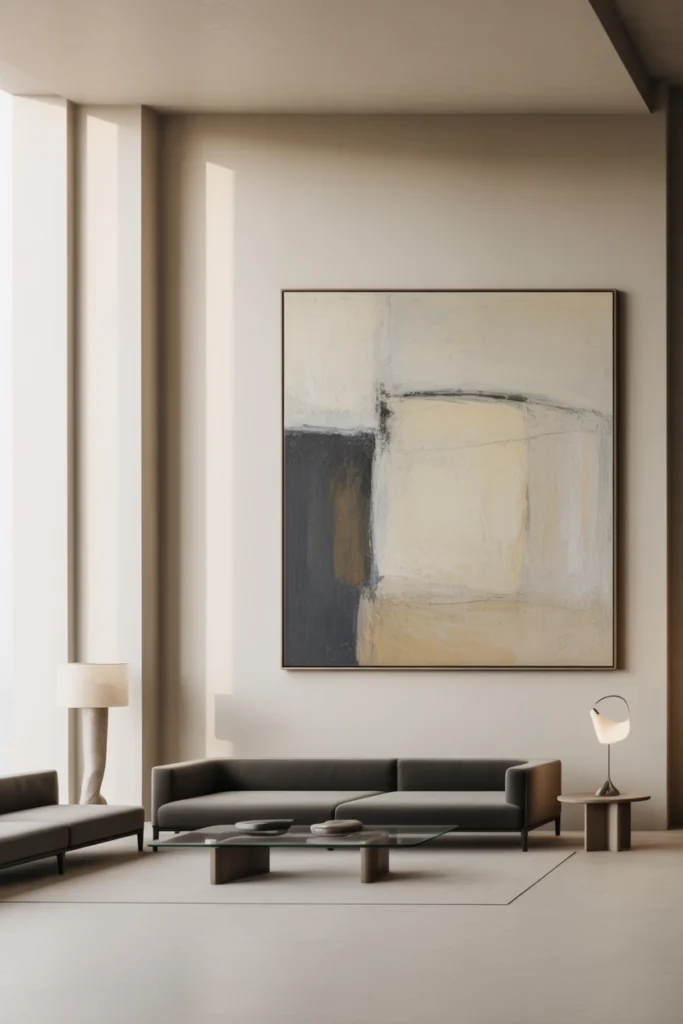
In minimalist living rooms, artwork should be simple and intentional. Choose pieces with clean lines, neutral colors, or abstract shapes. Large single pieces often work better than a wall full of many small frames. This reduces visual noise and keeps the focus on calm design.
Simple artwork can also add elegance to the room without overwhelming it. Neutral canvas art, black-and-white prints, or minimal line drawings blend well with the overall theme. Artwork should enhance the room, not dominate it. One thoughtful piece can create impact while still maintaining a serene atmosphere.
9. Use Open Space Intentionally
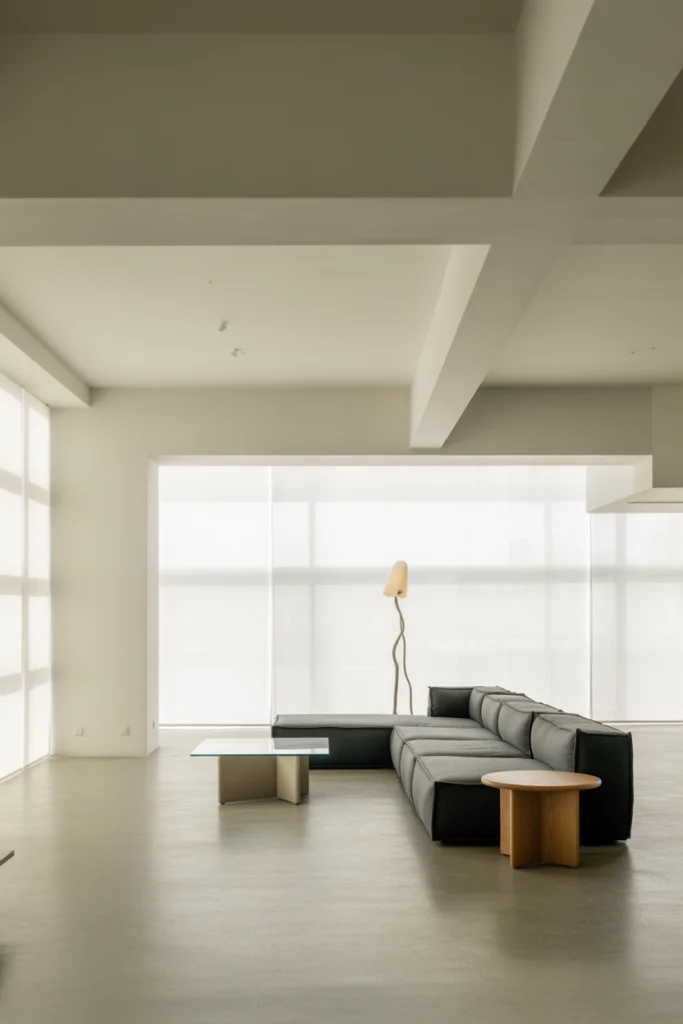
Empty space is an important part of minimalist design. Instead of filling every corner, allow areas of open space to create balance. These empty spaces help the room feel larger, cleaner, and more peaceful. It also lets your furniture and decor stand out more clearly.
When arranging your furniture, think about how much space is needed for easy movement. A well-spaced layout gives the room a breathable and airy feel. The goal is to avoid overcrowding and let simplicity guide your decisions. Open space brings calm and order to the entire living room.
10. Use Open Space Intentionally
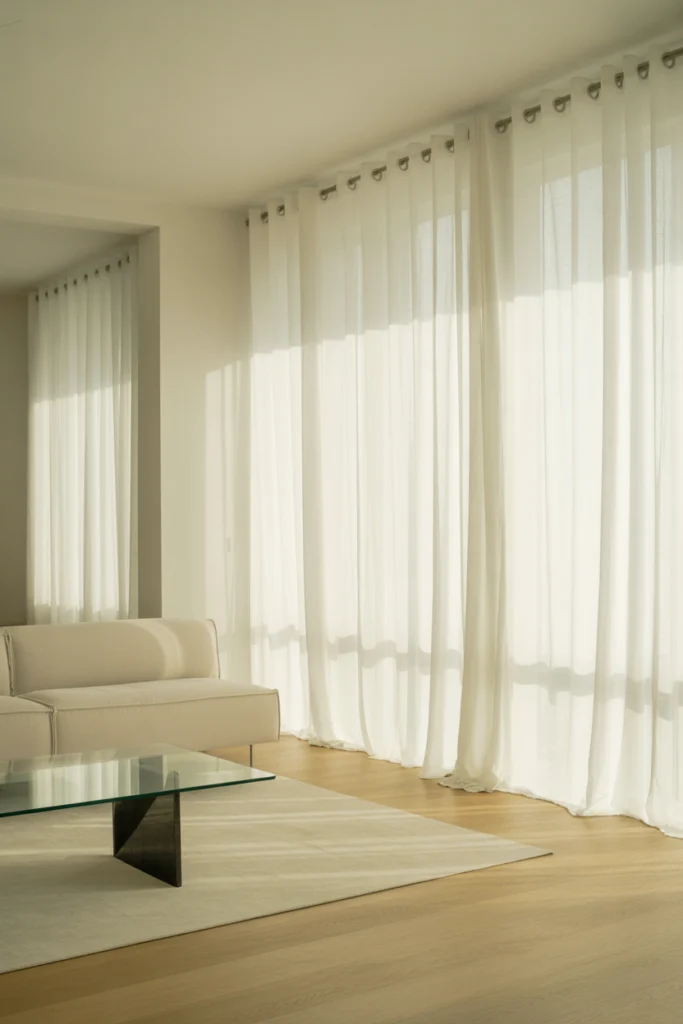
Minimalist living rooms look best with simple window coverings. Choose lightweight fabrics like sheer curtains or plain roller blinds. These provide privacy while still letting natural light fill the room. Heavy drapes or busy patterns can disrupt the calm feel, so stick with neutral and clean designs.
Simple window treatments also create a seamless flow between indoor and outdoor areas. They enhance the space without drawing attention. Natural light is one of the most important elements in minimalist design, and simple curtains help maintain the open, fresh, and modern look you want.
11. Add Texture Through Soft Furnishings
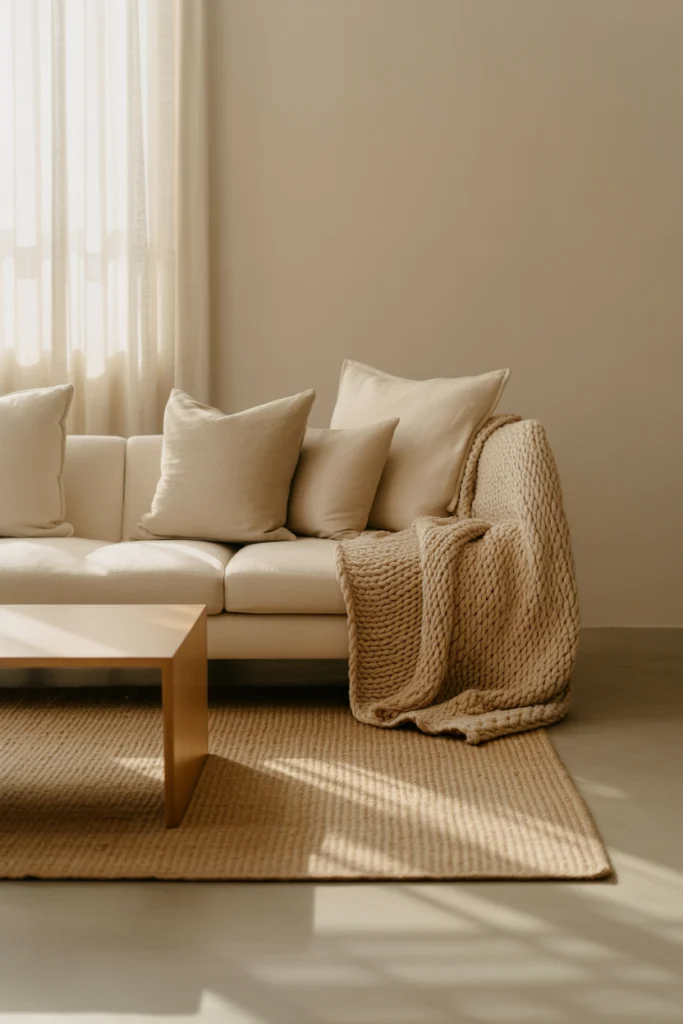
Texture is essential for adding warmth to a minimalist living room. Soft furnishings like knitted throws, linen cushions, or textured rugs can make the space feel cozy without adding visual clutter. Keep the colors neutral so the texture itself provides interest instead of bold patterns.
Using layered textures also prevents the room from feeling too flat or plain. This approach creates depth while maintaining simplicity. The key is to balance softness with clean shapes so the minimalist aesthetics stay intact. Texture brings comfort and style to your serene living room.
12. Embrace Low-Profile Furniture
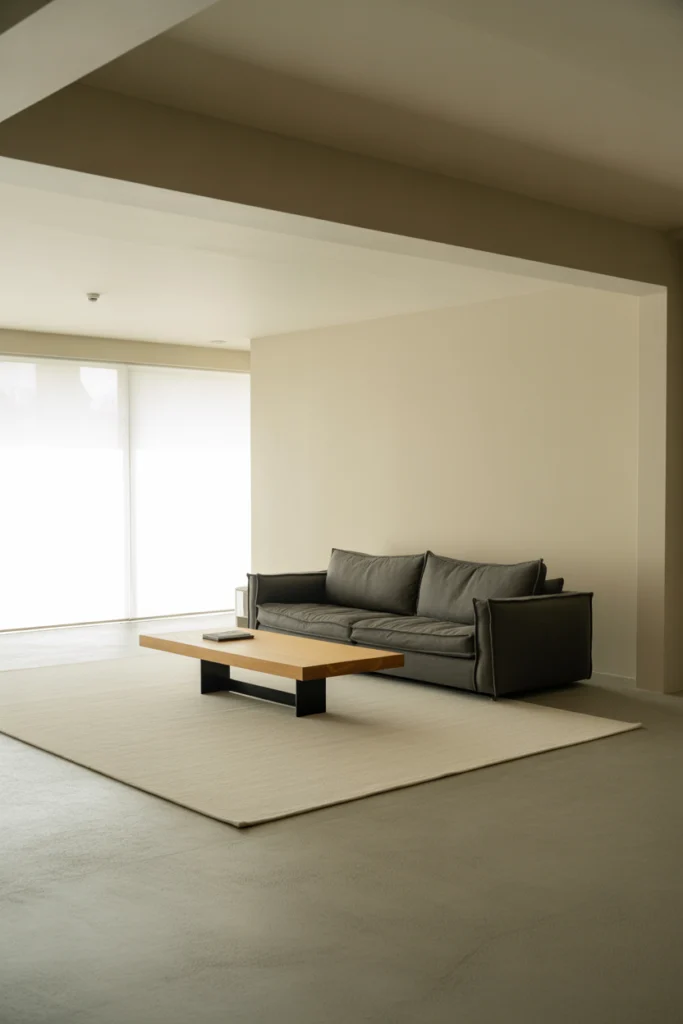
Low-profile furniture helps create a grounded and calm atmosphere. Sofas with low backs, simple coffee tables, and minimal shelving keep the room feeling open. This style works especially well in small spaces where tall furniture can make the room feel crowded.
Low-profile furniture also enhances the clean, horizontal lines often seen in minimalist design. It makes the space look longer and more structured. By keeping the height low, you maintain a sense of openness and balance throughout the room.
13. Add Subtle Accent Pieces
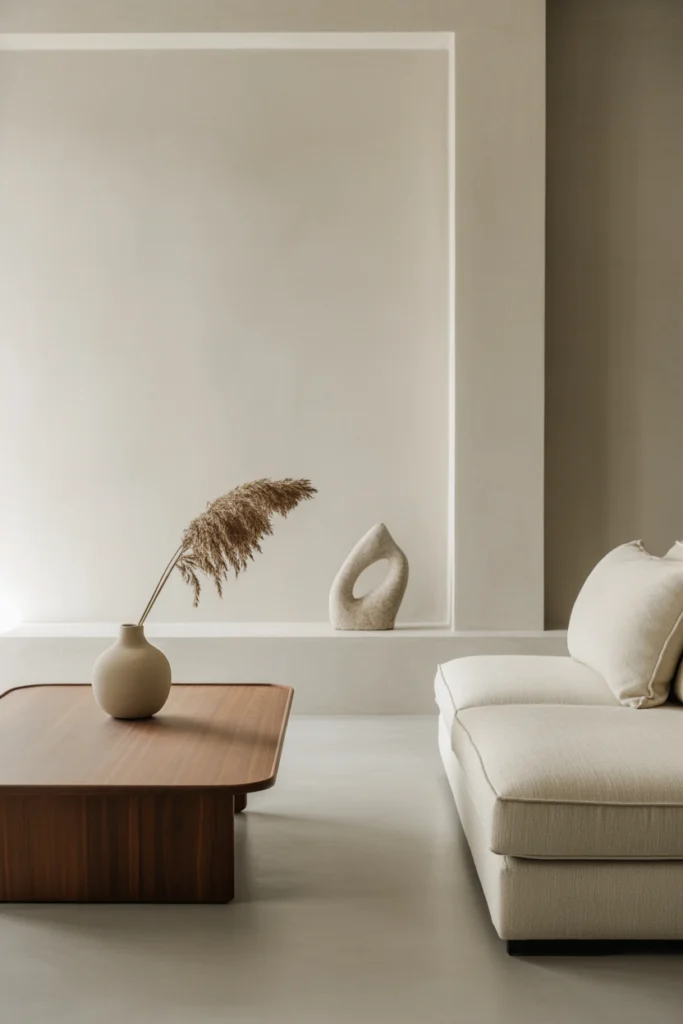
Minimalist living rooms can have accent pieces, but they should be subtle and purposeful. A single vase, a simple sculpture, or a small stack of neutral books can add personality without cluttering the space. These accents should blend naturally with the room rather than compete for attention.
When choosing decor, focus on quality over quantity. One or two well-chosen items have more impact than many small pieces. Keep shapes simple and colors soft to maintain harmony. Subtle accents help elevate your minimalist style while staying elegant and controlled.
14. Invest in Quality Over Quantity
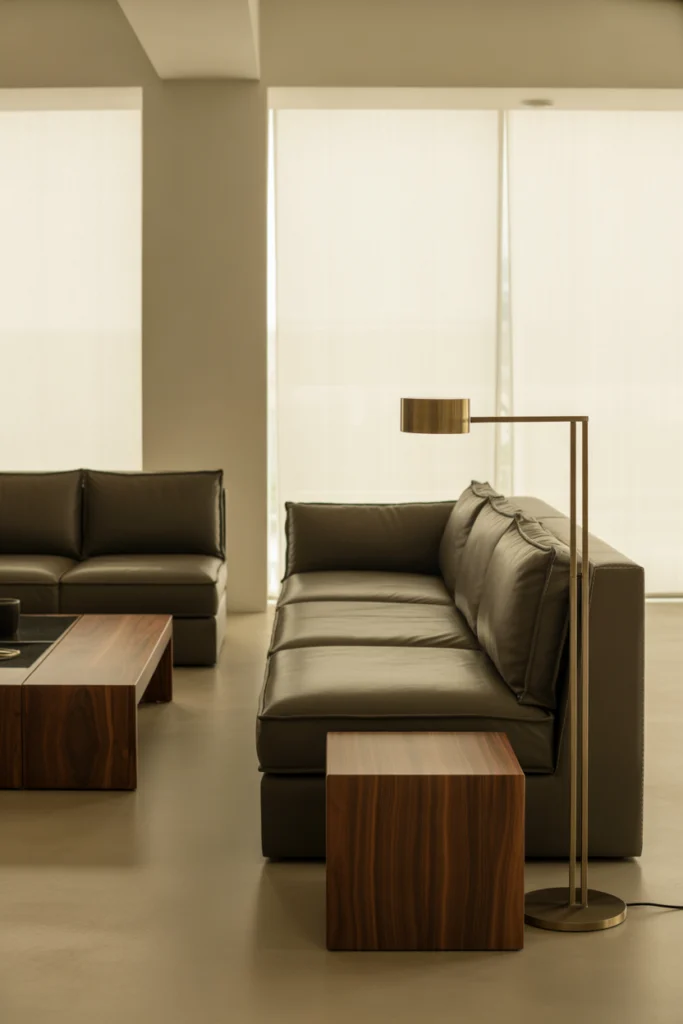
Minimalist design values quality pieces that last for years. Instead of filling the room quickly, choose items carefully. High-quality furniture and decor enhance the room’s look and save money in the long run. Well-made pieces also create a sophisticated, timeless feel that aligns perfectly with minimalist principles.
When selecting items, look at materials, craftsmanship, and overall design. Fewer high-quality items create a polished and intentional look. This approach also reduces waste and encourages slower, more meaningful decorating decisions.
15. Incorporate Built-In Storage
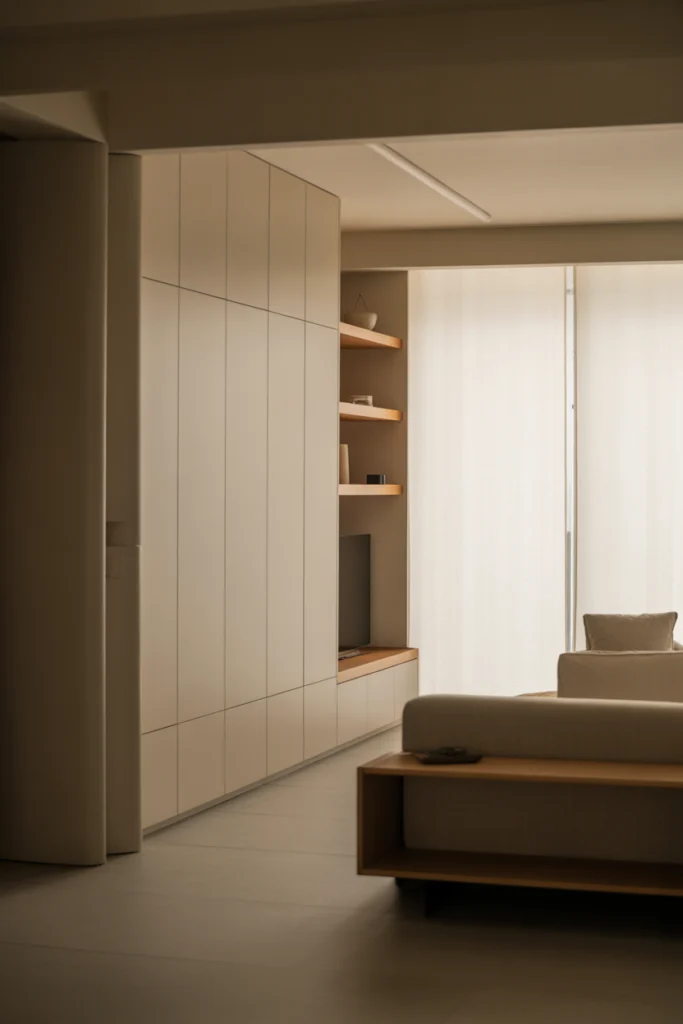
Built-in storage is one of the best ways to keep a minimalist living room organized. Wall-mounted cabinets, built-in shelves, or hidden storage units help reduce clutter. These solutions blend seamlessly with the room, maintaining the clean and simple look.
Built-ins also make the room feel larger because they don’t take up extra floor space. When everything has a designated place, it becomes easier to keep the room tidy. Built-in storage makes minimalist living practical, beautiful, and long-lasting.
16. Choose a Simple Coffee Table
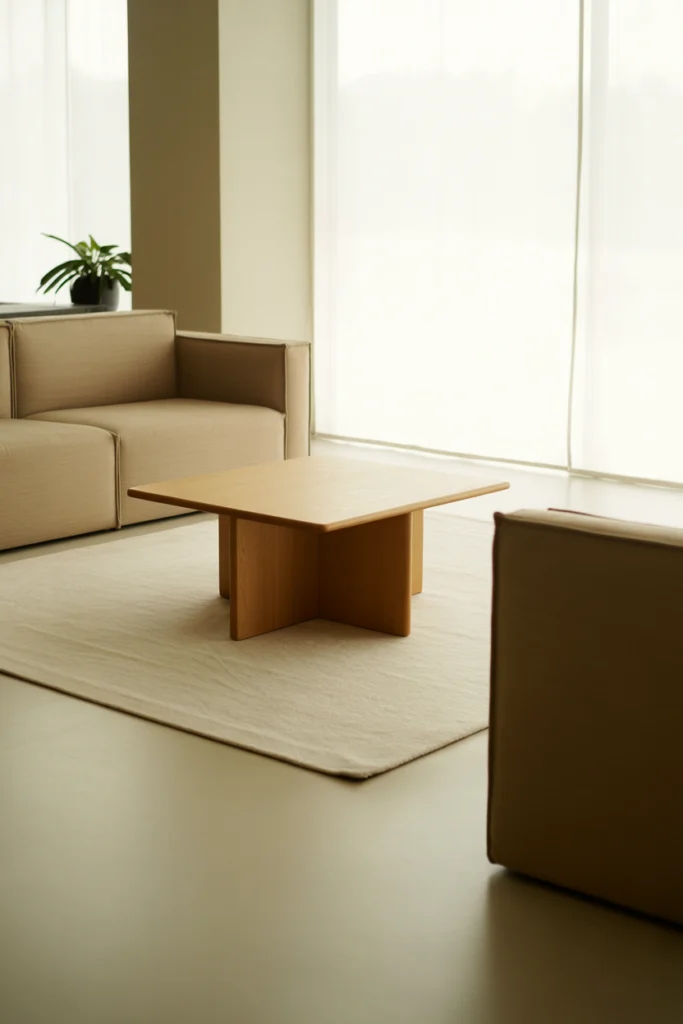
A minimalist coffee table should have a clean shape and a simple surface. Avoid heavy patterns or complicated designs. Choose materials like wood, metal, or glass that match your overall style. The right coffee table acts as a functional centerpiece without overwhelming the room.
With a simple design, your coffee table enhances the surrounding furniture instead of competing with it. Keep decorations on it minimal, such as a single candle or a small tray. This creates a balanced and uncluttered focal point in your living room.
17. Go for Hidden Technology
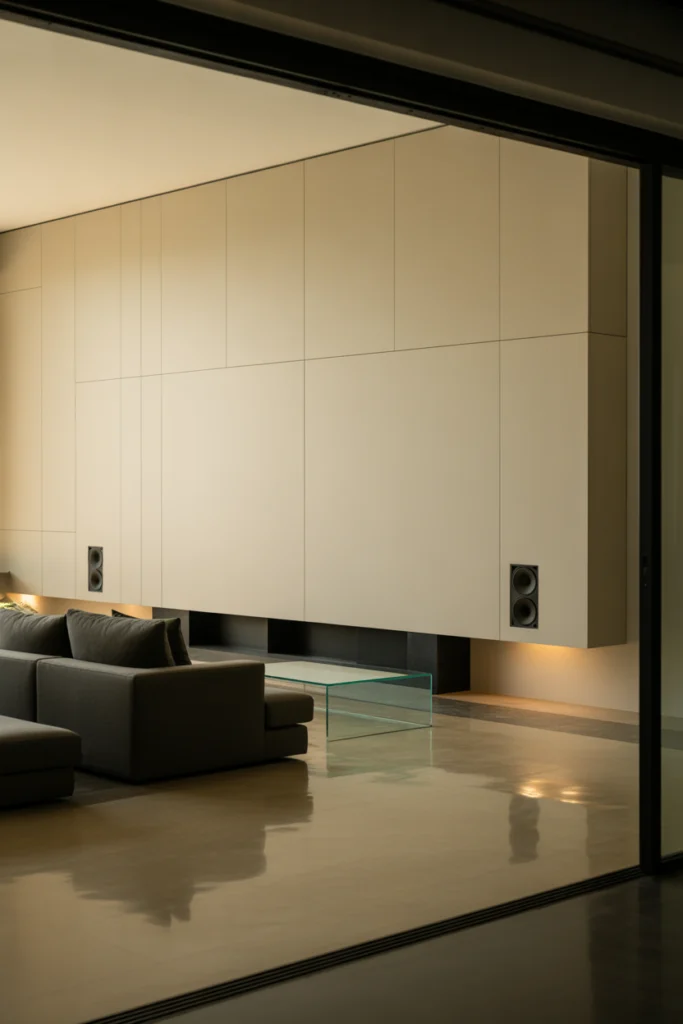
Visible wires and bulky devices can disrupt the clean look of a minimalist living room. Hidden technology solutions help maintain the serene feel. Wall-mounted TVs, cable organizers, and concealed speakers are great ways to keep tech out of sight.
This strategy also protects the sleek lines and open layout of your space. When technology blends into the room, it becomes easier to focus on the design. Hidden tech ensures your minimalist living room stays modern without visual distraction.
18. Use a Monochrome Color Scheme
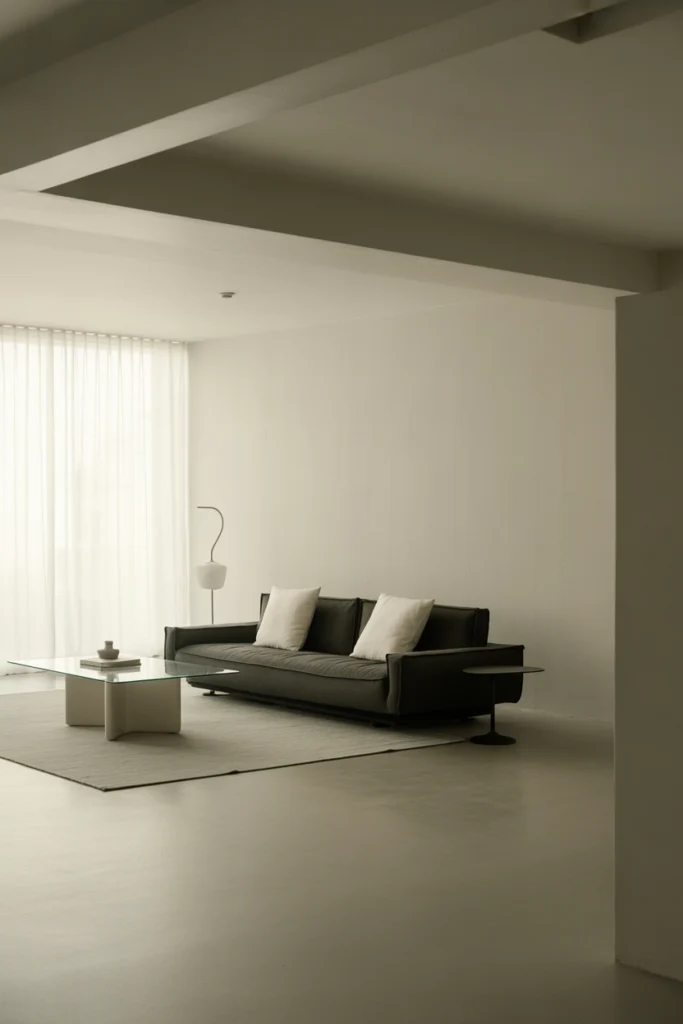
A monochrome color scheme creates a calm and coordinated look. This style uses different shades of the same color to build depth while keeping the palette simple. For example, you can combine soft whites, warm beiges, or light grays for a seamless aesthetic.
Monochrome living rooms feel visually soothing because there are no strong color contrasts. This helps the space feel more open and airy. It’s an easy way to make your minimalist living room look more elegant while keeping the design simple.
19. Add a Statement Light Fixture
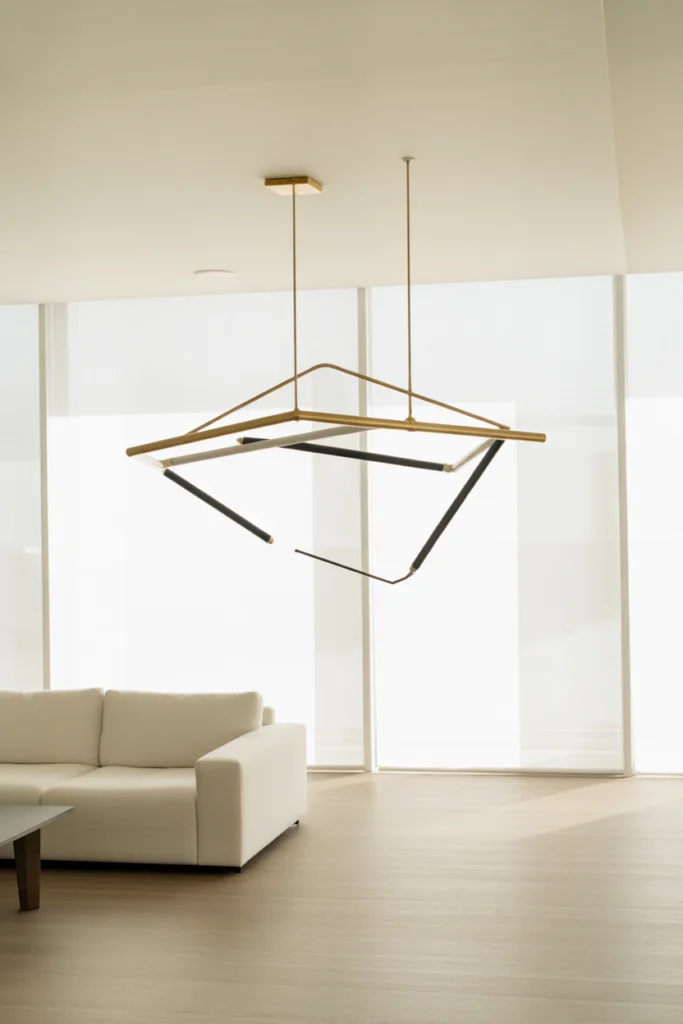
A statement light fixture can elevate your minimalist living room without adding clutter. Choose a fixture with a clean shape, simple design, and neutral color. Modern pendant lights, sleek chandeliers, or sculptural lamps work beautifully in minimalist spaces.
The light fixture becomes a subtle focal point, drawing attention upward and adding dimension. Even with a bold design, it doesn’t overwhelm the room when paired with simple furniture and neutral tones. This helps balance simplicity with stylish character.
20. Use Floating Shelves
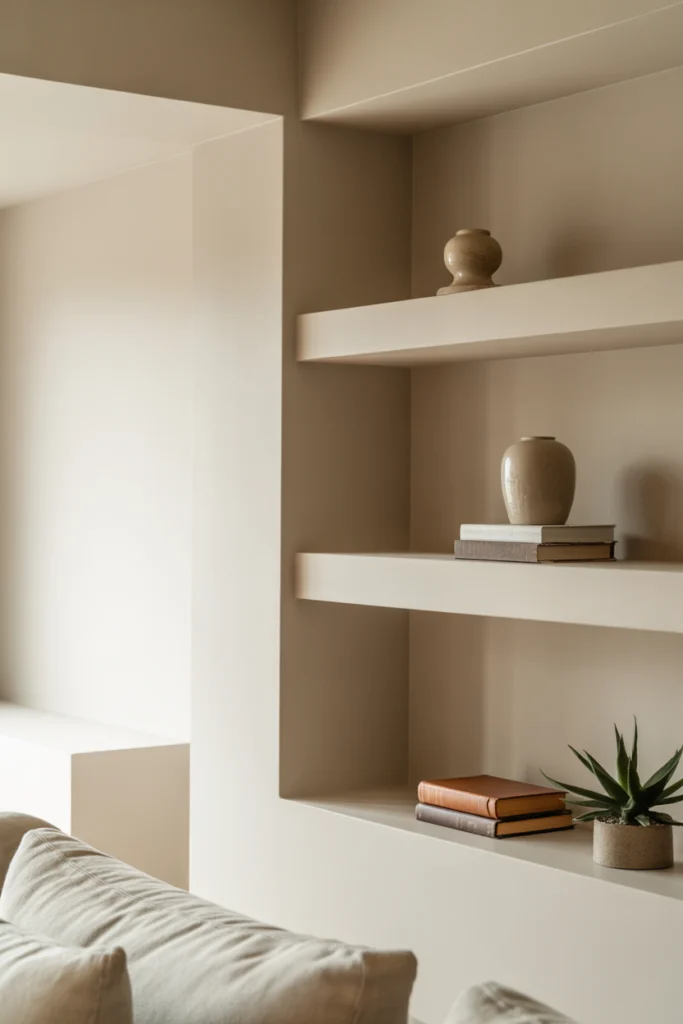
Floating shelves are perfect for minimalist living rooms because they offer storage without taking up floor space. They create a clean and modern look while keeping items within easy reach. Use them to display a few simple decor pieces, books, or plants.
To maintain the minimalist feel, avoid overfilling the shelves. Keep them organized and visually balanced. Floating shelves provide function and style while maintaining the airy and uncluttered appearance of your living room.
21. Keep the Layout Simple
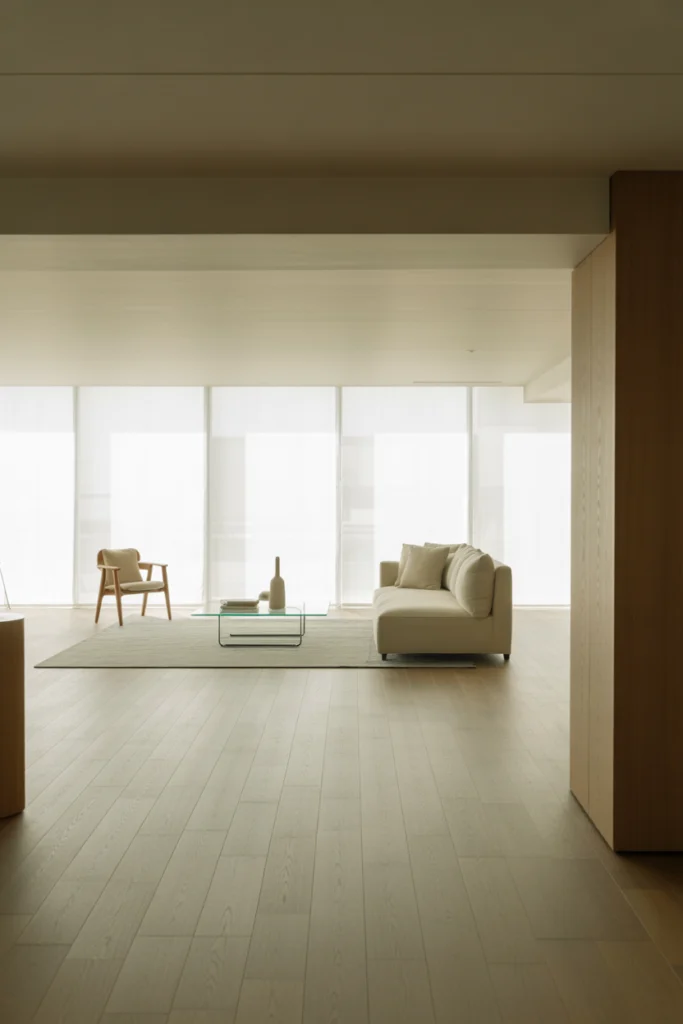
The layout is one of the most important parts of a minimalist design. Arrange your furniture to support easy movement and visual balance. Avoid placing too many pieces in one area. Instead, choose a layout that feels open and intentional.
A simple layout also helps highlight your furniture’s clean shapes and the room’s natural light. This makes the space feel harmonious and inviting. The simpler the layout, the more relaxing your minimalist living room becomes.
Conclusion
Minimalist living room design focuses on clarity, balance, and intention. By reducing clutter, using clean-lined furniture, and choosing neutral tones, you create a peaceful and modern space that feels both stylish and comfortable. Each idea in this guide helps you simplify your living room without losing personality or warmth. Small details like soft textures, natural materials, warm lighting, and purposeful décor make a big difference in achieving the serene look you want.
Whether you are redesigning a small space or upgrading your entire home, these minimalist living room ideas give you a clear direction to create a clean, inviting, and modern atmosphere. Minimalism is not about having less it’s about creating more meaning with what you choose to keep.