
16 Headboard Ideas: Stylish & Functional Designs for Every Bedroom

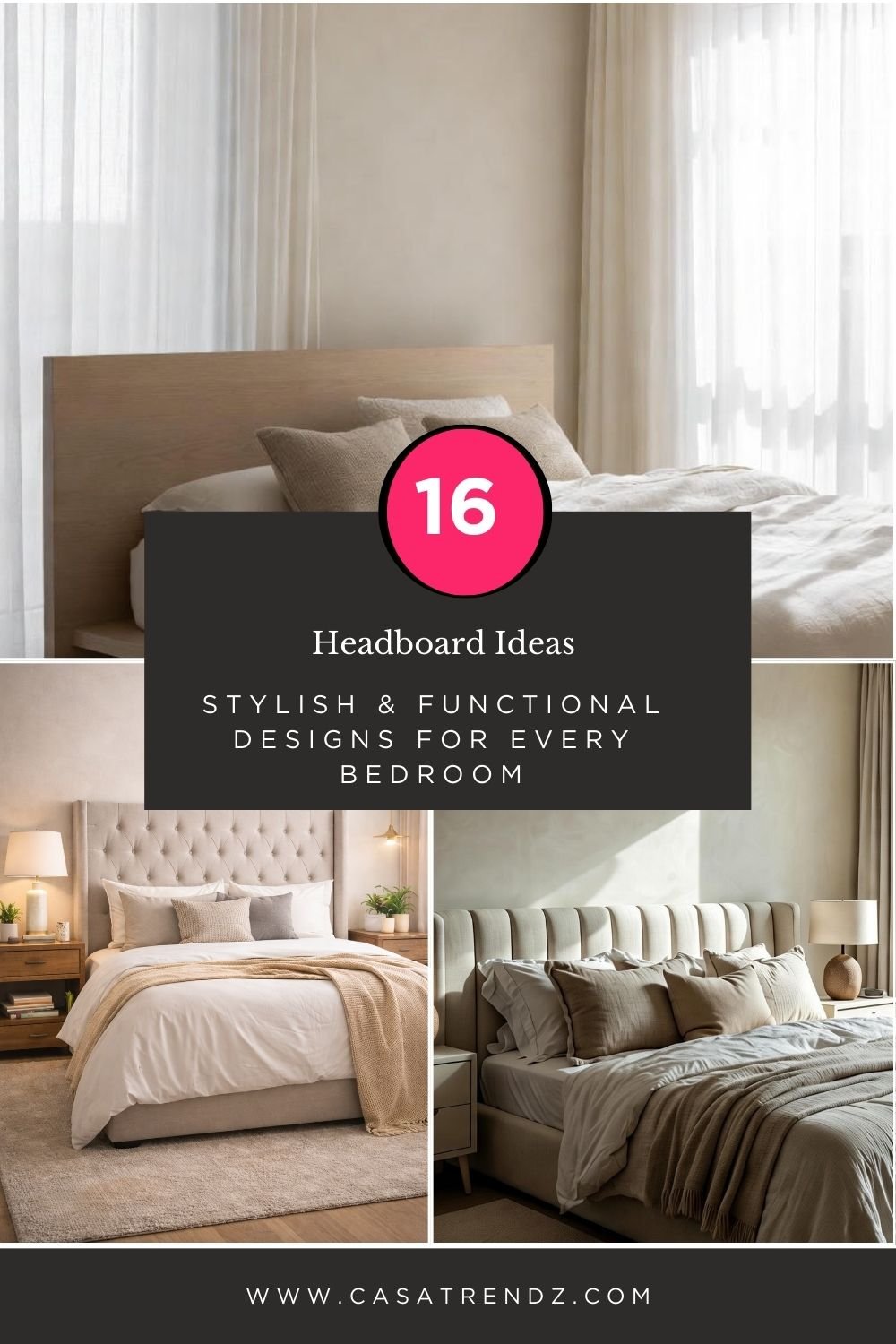
A headboard does far more than finish the look of a bed. It sets the tone for the whole bedroom, protects the wall behind your pillows from scuffs, and gives you a comfortable place to lean back with a book or a morning coffee. The right headboard can make a small room feel taller, a plain room feel finished, and a tired bed feel brand new, often for far less than the cost of new furniture.
The good news is that headboards come in nearly every material, height, and price range. You can buy a ready-made panel, have one custom built to fit a king bed from wall to wall, or build one yourself in a single weekend with plywood, foam, and fabric. The key is matching the style to how you actually use your bedroom. Do you read in bed every night, need extra storage, or simply want a strong visual anchor behind the bed? Your answer points straight to the right design.
This guide covers 16 headboard ideas that work in real bedrooms, from soft upholstered panels to reclaimed wood and smart storage designs. Each idea includes the materials that work best, the room sizes it suits, and practical tips to help you choose, install, and style it with confidence. If you are planning a wider refresh, pair your new headboard with fresh bedroom design ideas so the whole room feels intentional, not patched together.
1. Upholstered Headboard
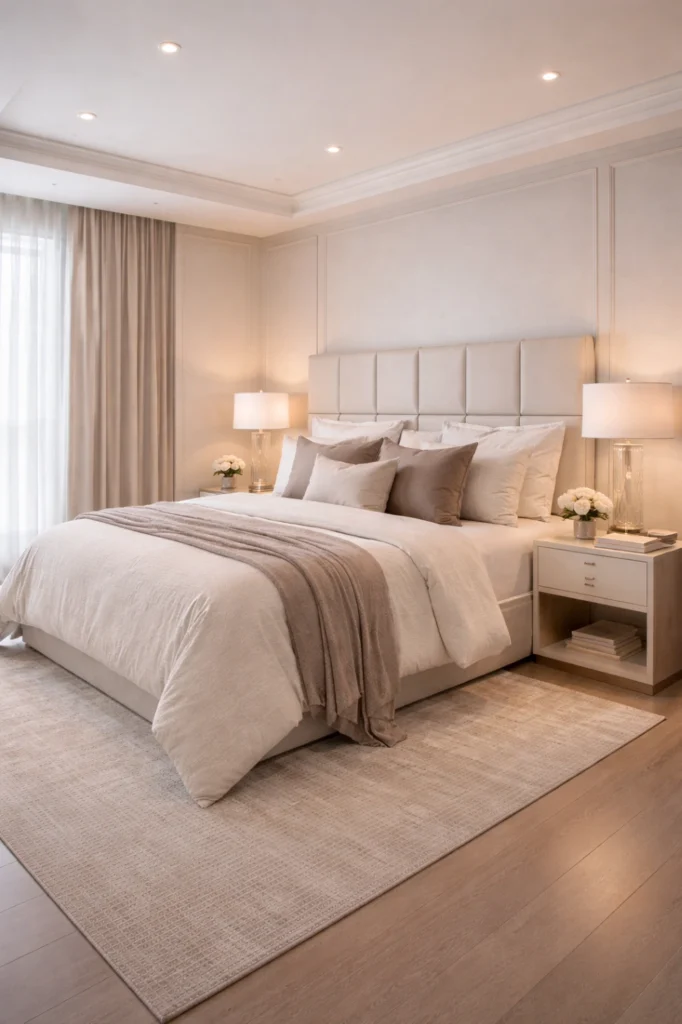
An upholstered headboard is one of the most versatile and popular headboard ideas for modern bedrooms. Covered in fabric, velvet, linen, or leather, this style instantly adds softness and warmth to the space. Upholstered headboards are available in countless colors and textures, making it easy to match them with your existing decor. Whether you prefer a neutral tone for a calm atmosphere or a bold color for a statement look, this option adapts beautifully.
From a functional perspective, upholstered headboards provide excellent comfort. The padded surface offers support when sitting up in bed to read, work, or watch television. They also help absorb sound, creating a quieter and more relaxing environment. For the best proportions, look for a headboard that stands 48 to 60 inches tall from the floor and matches the width of your bed frame exactly, or extends 2 to 3 inches wider on each side for a tailored look.
When shopping, choose a performance fabric or a stain-resistant treatment if you have kids or pets, and ask whether the cover is removable for cleaning. A light gray or warm beige linen works in almost any color scheme, while deep green velvet or navy blue creates a rich focal point. Keep the rest of the bedding simple so the texture of the headboard stays the star of the room.
2. Wooden Panel Headboard
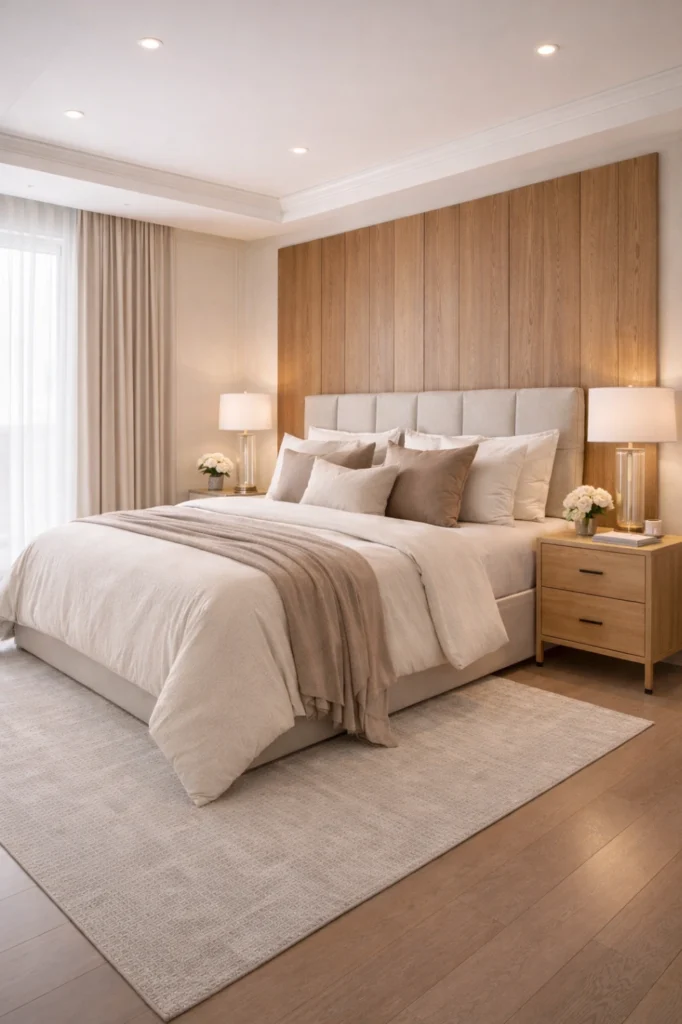
Wooden panel headboards bring a sense of warmth and natural beauty into the bedroom. This headboard idea works exceptionally well in rustic, farmhouse, Scandinavian, and contemporary interiors. Depending on the wood type and finish, wooden panels can feel either traditional or modern. Light woods such as white oak and ash create an airy feel, while darker tones like walnut and espresso add richness and depth to the space.
In terms of durability, wooden panel headboards are long-lasting and easy to maintain. They form a strong visual anchor behind the bed and can be designed to extend vertically, making the room appear taller. A tall panel that reaches 60 to 72 inches high works especially well in rooms with high ceilings, while a lower 36 to 42 inch panel suits a cozy cottage bedroom. Wipe the surface with a damp cloth and refresh the finish with wood oil once a year to keep it looking new.
For a custom feel, mix wood tones thoughtfully: pair a warm oak headboard with matte black nightstands, or match a walnut panel with brass lamps. Vertical planks draw the eye upward and suit narrow rooms, while wide horizontal planks make a broad wall feel calm and grounded. Add a row of small picture ledges or a single piece of art above the panel to complete the wall without drilling into the headboard itself.
3. Floating Headboard
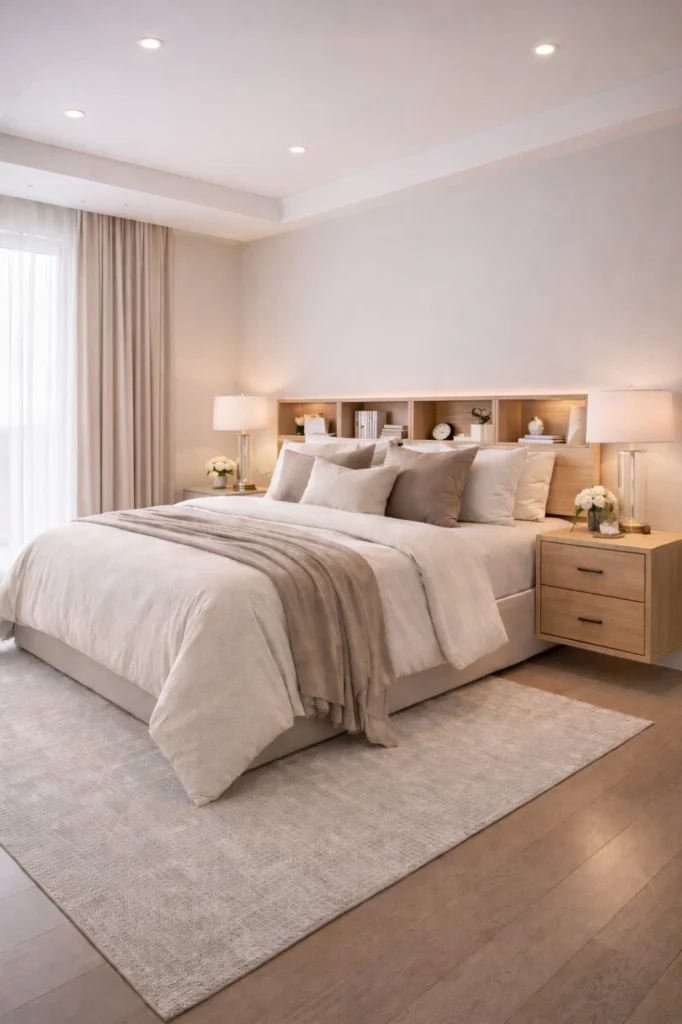
A floating headboard is a sleek and modern solution for contemporary bedrooms. Mounted directly to the wall instead of the bed frame, it creates a clean, uncluttered look. This headboard idea is especially effective in minimalist interiors where simplicity and visual balance are key design principles. Because the bed can slide underneath it freely, a floating panel also makes it easy to change bed frames later without replacing the headboard.
Floating headboards also offer functional advantages. They can be customized with built-in LED strip lighting, slim shelves, or hidden storage compartments. Because they are wall-mounted, they allow flexibility in bed height and placement. This makes floating headboards an excellent choice for small bedrooms where maximizing space and maintaining a streamlined appearance is essential. Mount the bottom edge 4 to 6 inches above the top of the mattress so pillows sit neatly against it without sliding behind.
Installation matters more here than with any other style. Use a French cleat or heavy-duty wall brackets rated for at least twice the panel weight, and always anchor into wall studs, not just drywall. Mark the center of the bed on the wall first, then level the panel before drilling. A warm 2700K LED strip tucked behind the top edge gives a soft glow for evening reading and turns the headboard into a gentle night light.
4. Tufted Headboard
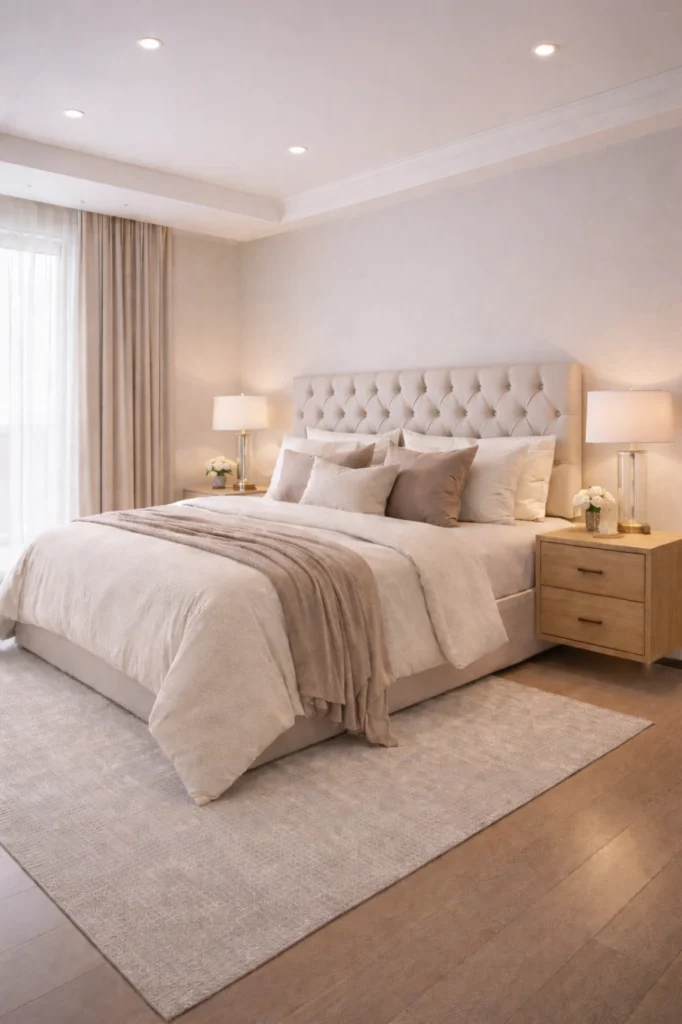
Tufted headboards are a classic choice that brings elegance and luxury into the bedroom. Featuring button detailing that creates a quilted effect, this headboard idea adds texture and visual depth. Tufted designs are commonly associated with traditional and glam interiors, but they also work well in transitional spaces that blend old and new styles. Diamond tufting feels formal and traditional, while square or channel tufting reads more modern.
Beyond aesthetics, tufted headboards are designed for comfort. The thick padding, usually 3 to 4 inches of high-density foam, makes them ideal for people who spend time sitting up in bed. The tufting helps keep the padding evenly distributed, ensuring long-term durability. If you want a headboard that feels refined yet practical, a tufted design is a reliable and stylish option. Velvet is the classic fabric choice, but a textured boucle or a smooth performance linen gives the same shape a fresher, more casual feel.
Keep maintenance in mind before you buy. The folds and buttons collect dust, so vacuum the headboard weekly with a brush attachment and blot spills immediately with a dry cloth. In a small room, choose a lower profile tufted panel in a light color so the texture adds interest without overwhelming the space. Pair it with crisp white bedding and one patterned throw pillow to let the tufting stand out.
5. Storage Headboard
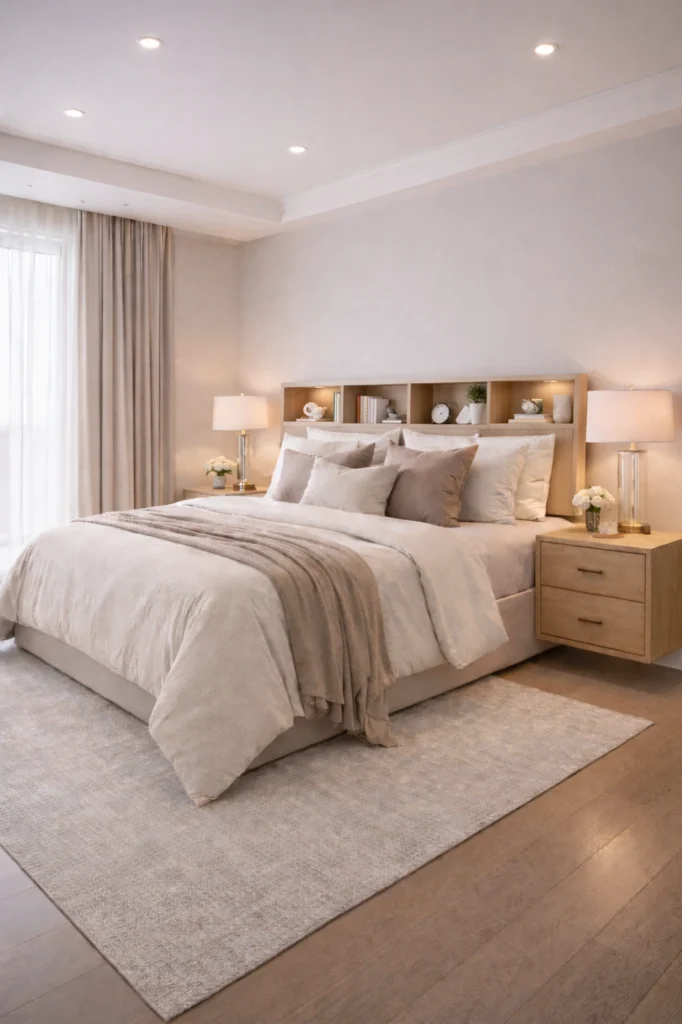
A storage headboard is one of the most functional headboard ideas, especially for bedrooms with limited space. Designed with shelves, cabinets, or hidden compartments, it provides extra storage without the need for additional furniture. This makes it ideal for apartments, guest rooms, and small bedroom ideas where every square foot counts. Most storage headboards are 8 to 12 inches deep, enough for books, a phone, and a glass of water, without eating into the room.
Storage headboards help keep the bedroom organized and clutter-free. Books, decorative items, alarm clocks, and personal essentials can all be stored within easy reach. Available in both modern and traditional designs, storage headboards combine practicality with style, making them perfect for anyone who values efficiency and smart space utilization. Look for models with a mix of open shelves for display and closed cabinets for items you would rather hide.
Style the open shelves lightly to avoid a cluttered look: one stack of two books, a small plant, and a single framed photo per shelf is plenty. Add a slim LED puck light or a clip-on reading light to each side so the shelves work after dark. If the headboard has doors, choose soft-close hinges so late-night access stays quiet, and keep the top surface clear of heavy objects that could fall while you sleep.
6. Metal Frame Headboard
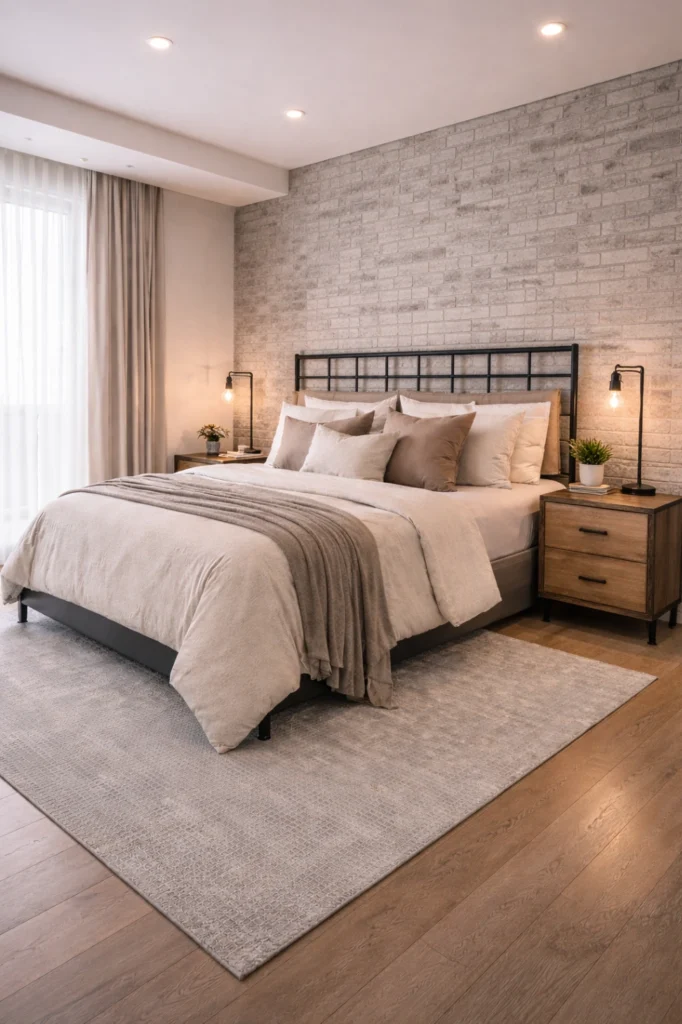
Metal frame headboards are lightweight yet visually striking. This headboard idea is particularly popular in industrial, vintage, and minimalist interiors. Metal designs range from simple, clean lines to ornate patterns, allowing homeowners to choose a style that suits their personality. Matte black steel feels modern and graphic, brushed brass adds warmth, and wrought iron with curved scrollwork suits a vintage or French country room.
Metal headboards are also highly durable and easy to maintain. Their open design allows light to flow freely, making the bedroom feel more spacious. Because they are less visually heavy than solid headboards, metal frames work well in small rooms where maintaining an airy feel is important. They are also one of the most affordable options, with good quality frames starting well below the price of upholstered or solid wood designs.
To keep a metal headboard from feeling cold, layer soft textures around it: a chunky knit throw, linen pillow shams, and a fabric bed skirt or upholstered bench at the foot of the bed. Check the joints every few months and tighten the bolts, since metal frames can loosen and squeak over time. In humid climates, choose a powder-coated finish to prevent rust, and wipe the frame with a dry cloth rather than a wet one.
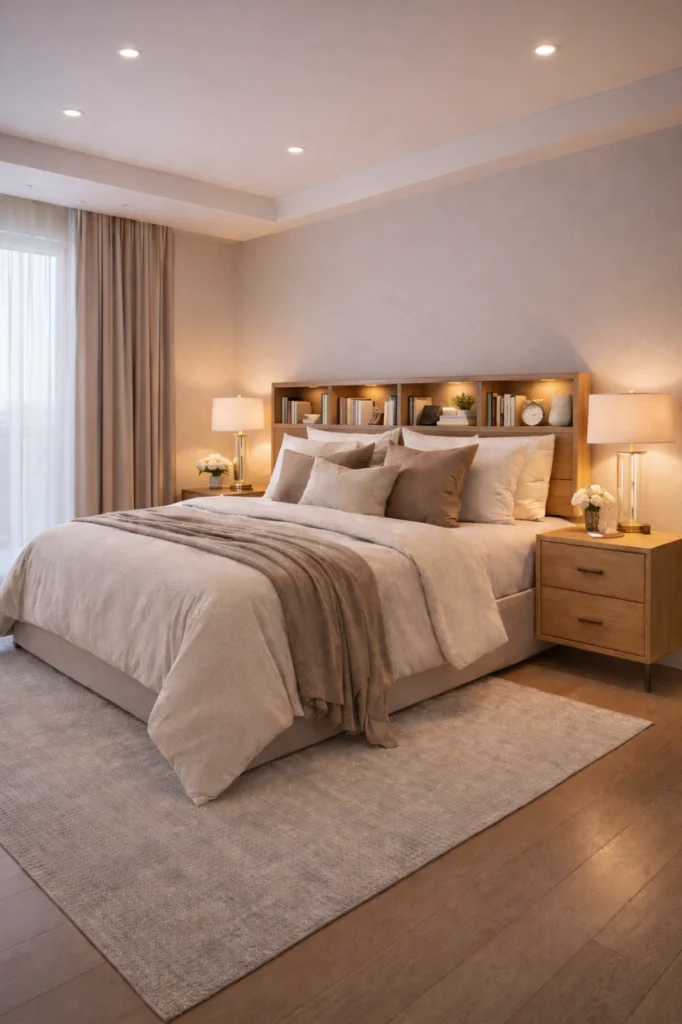
7. Bookcase Headboard
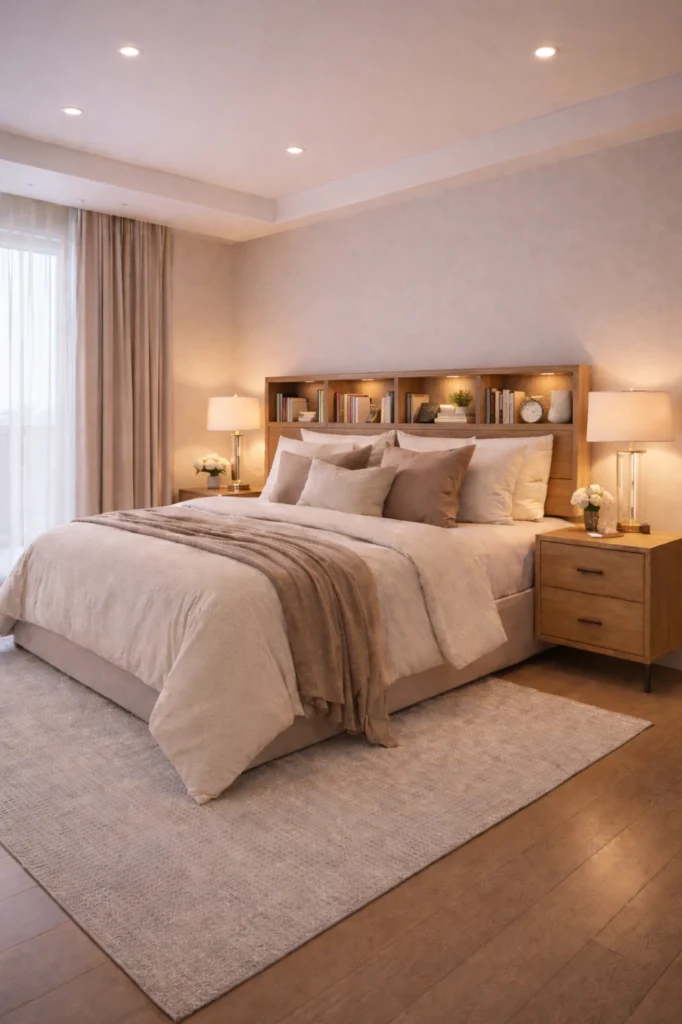
A bookcase headboard transforms the bed into a multifunctional feature. This headboard idea is ideal for book lovers and anyone who wants to maximize vertical storage. With shelves built directly into the headboard, it provides space for books, artwork, plants, and personal items. Standard bookcase headboards are 8 to 10 inches deep and 48 to 60 inches tall, which keeps books within arm’s reach without crowding the bed.
In addition to storage, bookcase headboards create a cozy and personalized atmosphere. They can replace traditional bedside tables, freeing up floor space on both sides of the bed. Available in various materials and finishes, this design works well in both modern and traditional bedrooms, especially where space efficiency is a priority. A white or light wood finish keeps the shelves feeling open, while a dark walnut finish turns the headboard into a dramatic library wall.
Arrange the shelves with a simple rule: keep the items you use daily, such as a book, glasses, and phone charger, at pillow height, and move decorative objects to the higher shelves. Leave some breathing room on each shelf instead of filling every inch, and group items in odd numbers for a natural look. If you read in bed, add a small wall-mounted reading light above each side so the shelves do not block the glow.
8. Leather Headboard
Leather headboards add a bold and sophisticated touch to the bedroom. This headboard idea is commonly found in modern, masculine, or luxury-inspired interiors. Whether made from genuine or faux leather, the smooth texture creates a polished and refined look. Rich cognac, deep espresso, and classic black are the most versatile colors, while a soft tan leather warms up a neutral room beautifully.
From a practical standpoint, leather headboards are easy to clean and maintain. They resist stains and wear, making them suitable for long-term use. The padded structure provides comfort while maintaining a sleek appearance. Leather headboards are perfect for homeowners who want a statement piece that balances style and durability. Genuine leather develops a patina over time that many owners love, while high-quality faux leather offers the same look at a lower price and with no conditioning routine.
Care is simple but worth doing right. Dust the surface weekly with a soft, dry cloth, wipe spills immediately, and condition genuine leather every six to twelve months to prevent cracking. Keep the headboard out of direct sunlight, which fades and dries leather faster than any other factor. Pair a leather headboard with crisp cotton bedding and a textured throw in wool or linen to soften the sleek surface and keep the room feeling inviting.
9. Fabric Panel Headboard
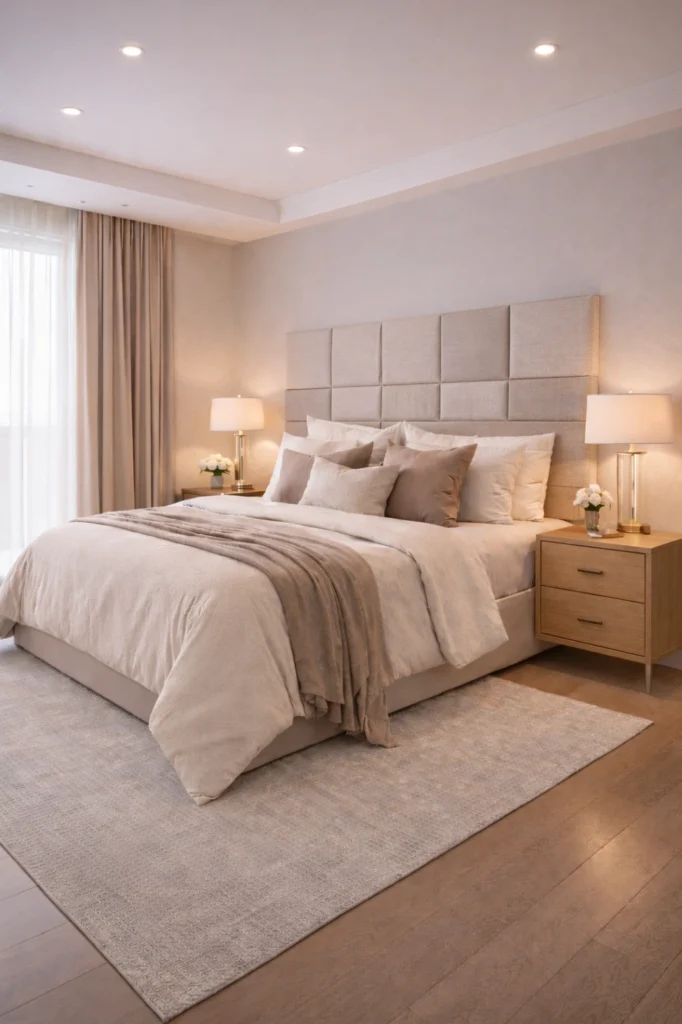
Fabric panel headboards consist of multiple upholstered panels arranged behind the bed. This headboard idea allows for creative layouts, colors, and textures, making it highly customizable. Panels can be arranged symmetrically for a clean look or creatively for a more modern feel. Most panels are 12 to 24 inches wide and 24 to 48 inches tall, so you can size the arrangement to fit a twin, queen, or king bed exactly.
Functionally, fabric panels improve comfort and acoustics in the bedroom. They create a soft backdrop that enhances relaxation and sleep quality. Fabric panel headboards can be extended from floor to ceiling for a dramatic effect, making them a versatile option for both small and large bedrooms. A full wall of panels behind a low platform bed looks like a high-end hotel suite, while a simple three-panel row above a standard bed adds color without a big commitment.
Renters love this style because many panels use peel-and-stick backing or hook-and-loop strips that remove cleanly without wall damage. Mix two tones of the same color, such as a soft gray with a charcoal accent panel in the center, for a tailored look. Before ordering, measure the wall and mark the layout with painter’s tape so you can see the finished size. Choose a stain-resistant fabric in a busy household, and keep one spare panel on hand in case a section ever needs replacing.
10. Rustic Reclaimed Wood Headboard
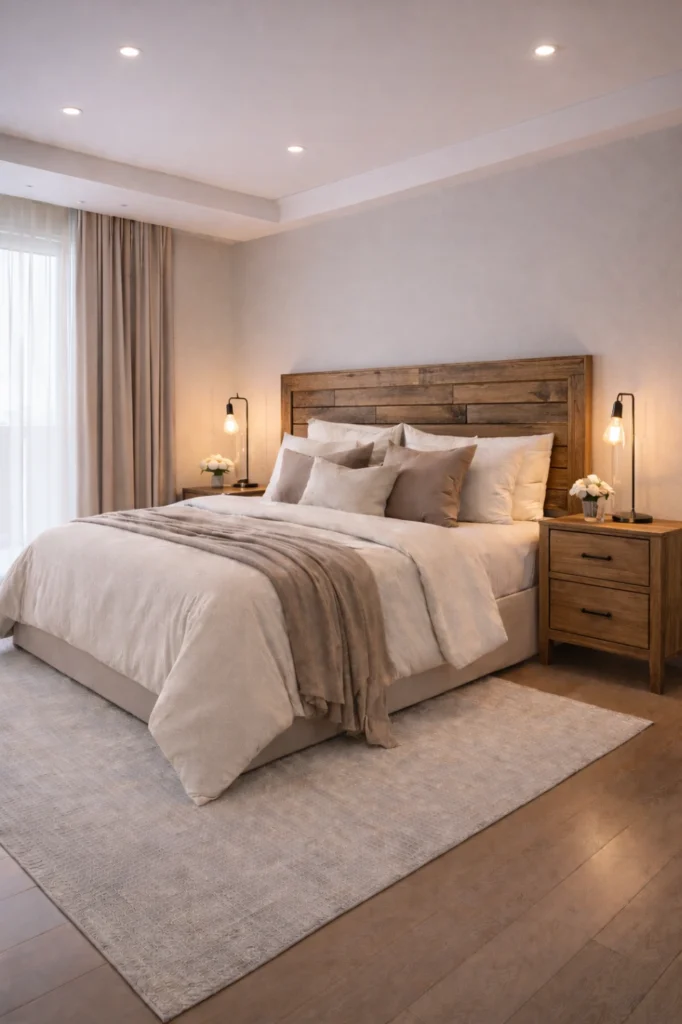
Reclaimed wood headboards bring character and authenticity to the bedroom. This headboard idea is perfect for rustic, farmhouse, and bohemian interiors. Each piece of reclaimed wood has unique textures and imperfections, giving the headboard a one-of-a-kind appearance. Old barn boards, fence planks, and salvaged floorboards all work well, and the natural variation in color means no two headboards ever look alike.
In addition to their aesthetic appeal, reclaimed wood headboards are environmentally friendly. They are durable and add warmth to the space. Paired with simple bedding, they become a strong focal point. This design is ideal for homeowners who appreciate sustainability and timeless charm. A chevron or herringbone pattern made from mixed boards adds extra craft, while straight horizontal planks give a cleaner farmhouse look.
Safety comes first with salvaged wood. Sand every board thoroughly to remove splinters, seal the surface with a clear matte finish, and check for old nails or staples before assembly. Buy from a reputable reclaimed lumber supplier that heat-treats its wood to remove pests, and avoid boards with peeling paint, which may contain lead. Mount the finished panel with a French cleat so its weight is spread across two studs, and style it with plain white or cream bedding so the wood grain stays the focus.
11. Mirrored Headboard
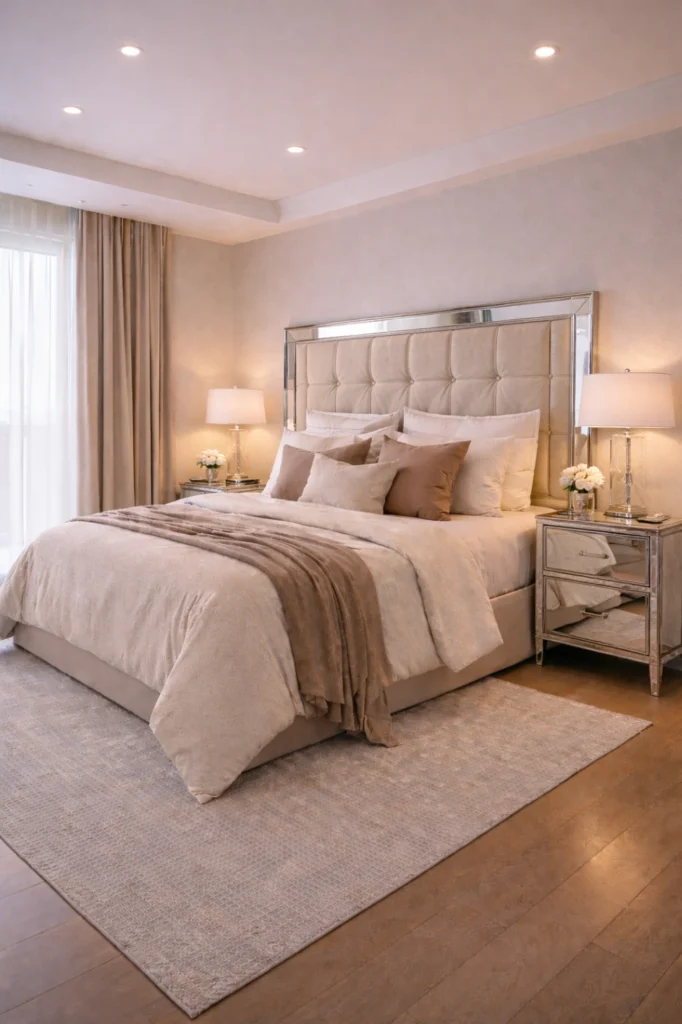
A mirrored headboard is a glamorous option that reflects light and visually expands the room. This headboard idea works especially well in small bedrooms where creating the illusion of space is important. The reflective surface adds brightness and elegance without overwhelming the decor. Antique mirror with a soft, cloudy finish feels romantic and vintage, while a clear beveled mirror reads crisp and modern.
Mirrored headboards pair beautifully with neutral color schemes and metallic accents. While they require regular cleaning to maintain their shine, the result is a luxurious, hotel-inspired atmosphere. This style is ideal for homeowners who want a sophisticated look with minimal visual clutter. A mirrored panel also bounces window light deeper into the room, which helps dark north-facing bedrooms feel brighter during the day.
Choose tempered or safety-backed mirror panels rather than standard glass, since the headboard sits directly behind your head. Clean it with a microfiber cloth and a small amount of glass cleaner, and wipe in a circular motion to avoid streaks. Keep the bedding simple and solid-colored so the mirror reflects a calm surface instead of a busy pattern. If a full mirror feels too bold, try a headboard with mirror insets framed in wood or metal for the same glow with a softer effect.
12. Woven or Rattan Headboard
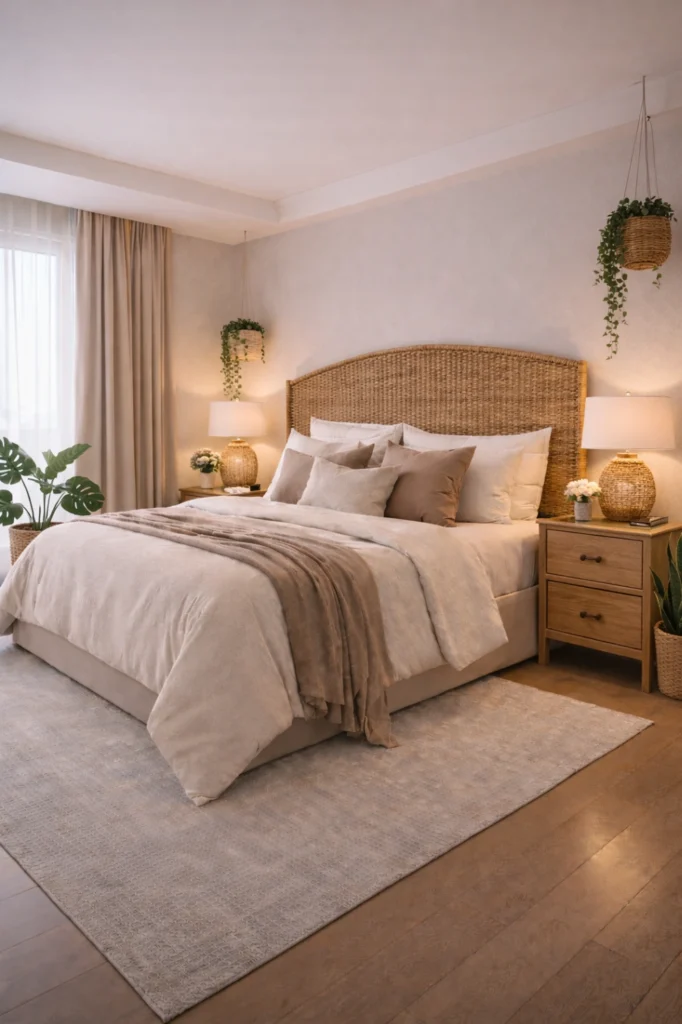
Woven or rattan headboards introduce natural texture and a relaxed feel into the bedroom. This headboard idea is well-suited for bohemian, coastal, and tropical-inspired interiors. The lightweight construction keeps the room feeling open and airy. Arched rattan panels are the most popular shape, but rectangular cane webbing panels and round sunburst designs are equally charming and easier to style with modern furniture.
Rattan headboards pair well with neutral bedding, plants, and natural materials. They create a calm and inviting environment that promotes relaxation. For those who love organic elements and casual elegance, woven headboards are a stylish and timeless choice. Layer them with white or cream linen bedding, a jute rug, and a few woven baskets to build a cohesive natural look without matching everything exactly.
Rattan needs gentle care to last. Dust it weekly with a soft brush, keep it out of direct sun so the fibers do not dry and crack, and wipe it with a barely damp cloth when needed. Avoid hanging heavy items from a rattan headboard, since the weave is decorative rather than structural. In a humid room, choose a sealed or lacquered finish to prevent mold, and check the frame joints once a year, tightening any loose wraps with a little wood glue.
13. Wall-Mounted Art Headboard
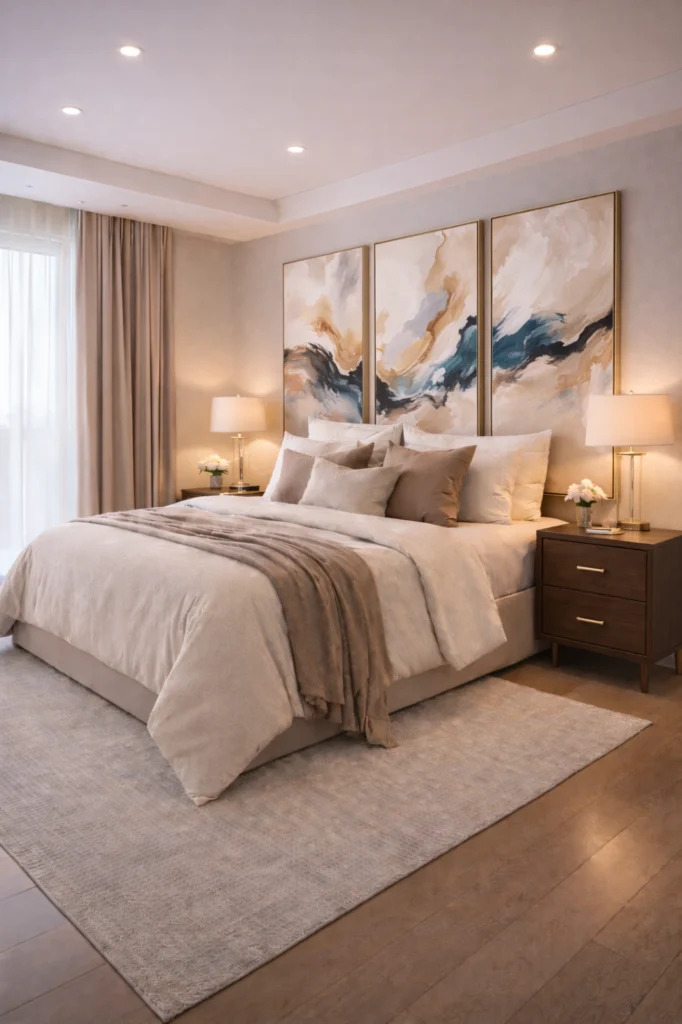
A wall-mounted art headboard replaces traditional designs with artwork, murals, or decorative panels. This headboard idea is perfect for creative individuals who want their bedroom to reflect personal style and artistic expression. A large framed print, a hand-painted mural, a woven tapestry, or a set of three matching canvases can all serve as the visual anchor above the bed.
Functionally, this approach offers flexibility and affordability. It allows you to change the look of the bedroom without replacing furniture. Wall-mounted art headboards work best in modern and eclectic interiors where creativity and individuality are celebrated. They are also ideal for renters, since a single large canvas or a removable wall decal creates the headboard effect with just one or two small nail holes.
Size the art to the bed for the best result: the artwork should span roughly the width of the mattress, or extend 6 to 12 inches wider on each side for a generous look. Hang the bottom edge 6 to 8 inches above the mattress so pillows do not cover it. If you love changing your decor with the seasons, use a picture ledge instead of a fixed frame so you can swap prints in minutes. Coordinate the art with your bedroom wall decor so the wall behind the bed feels like one planned composition rather than a collection of separate pieces.
14. Minimalist Slab Headboard
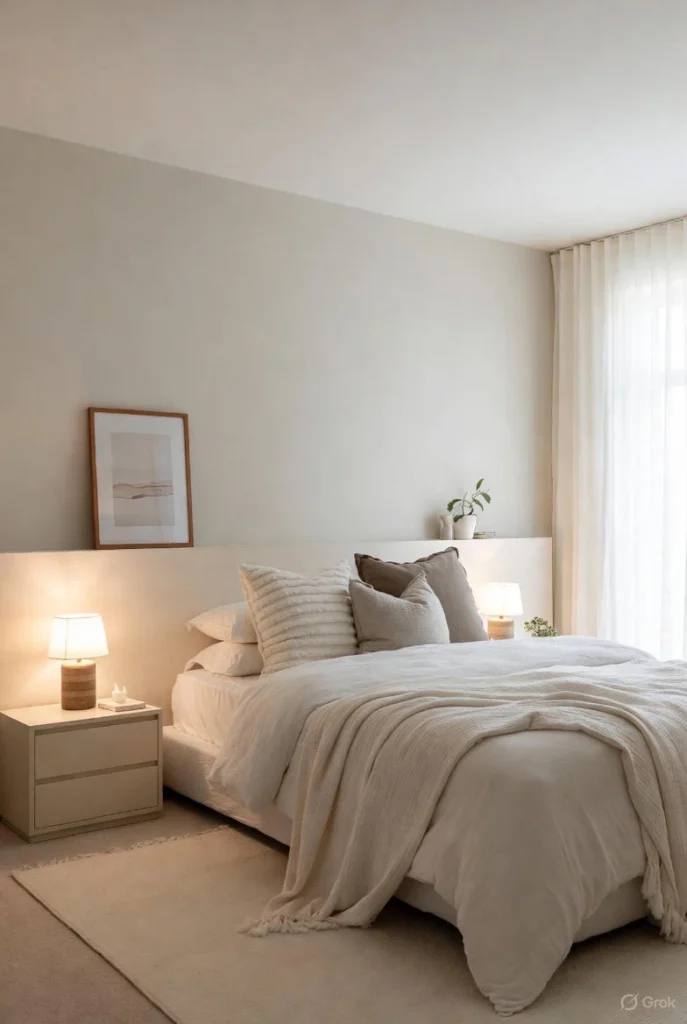
A minimalist slab headboard focuses on clean lines and simplicity. Usually made from wood or MDF, this headboard idea complements modern and Scandinavian interiors where understated design is key. A single flat panel, sometimes just 1 to 2 inches thick, creates a calm backdrop without competing with the bedding or the rest of the room.
Despite its simplicity, a slab headboard is durable and functional. It provides a solid backdrop without unnecessary decoration. Paired with neutral tones and natural materials, it creates a calm and serene bedroom environment ideal for relaxation. A light oak slab with a matte finish is the classic Scandinavian choice, while a matte black or deep charcoal slab adds quiet drama to a modern white room.
The beauty of this style is how easy it is to make yourself. A single sheet of plywood or MDF, cut to the width of the bed plus a few inches, sanded smooth, and finished with paint or wood stain, becomes a finished headboard in an afternoon. Mount it with a French cleat and leave a small gap behind the panel for a hidden LED strip, which turns the plain slab into a soft glowing feature at night. Keep the bedding palette to two or three colors so the room stays as calm as the headboard.
15. Padded Wall Headboard
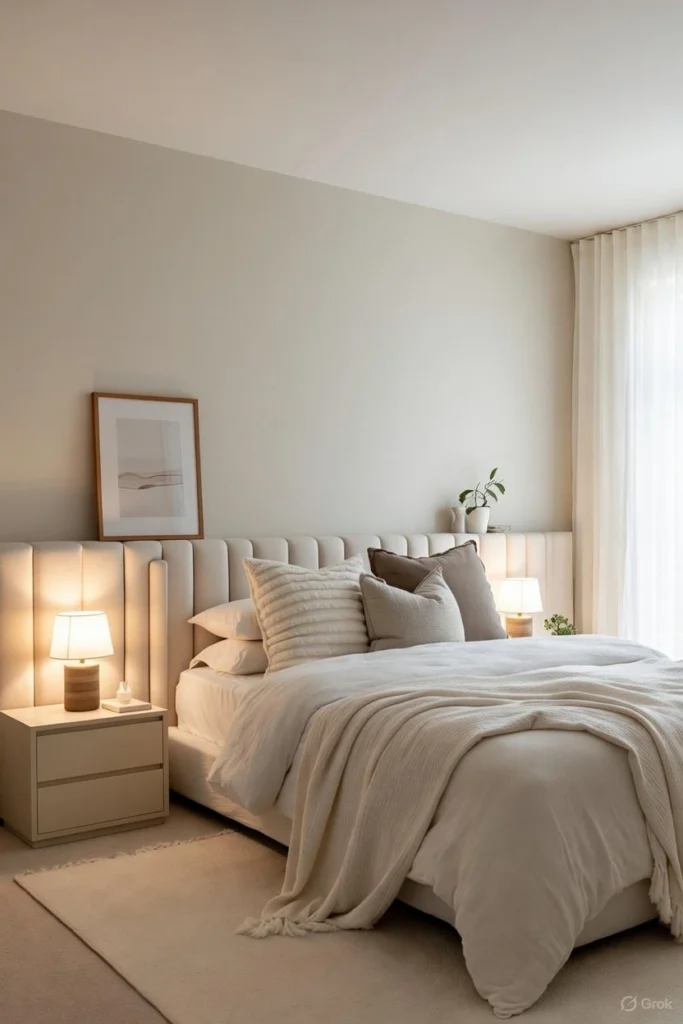
A padded wall headboard extends beyond the width of the bed, creating a luxurious and cohesive look. This headboard idea is commonly seen in high-end and hotel-inspired bedrooms. It adds texture, comfort, and visual impact. Extending the padding 12 to 24 inches past each side of the bed makes the whole wall feel designed, and it gives both sleepers a soft surface to lean against, not just the person in the middle.
Functionally, padded wall headboards provide excellent sound insulation and support. They create a sense of comfort and enclosure, making the bedroom feel more intimate. Customizable in fabric and color, they suit both modern and classic interiors. In a large bedroom, a floor-to-ceiling padded wall in a soft neutral turns the bed wall into a true feature, while in a smaller room a 48-inch-tall version adds luxury without closing the space in.
This is usually a custom job, so get quotes from two or three local upholsterers and ask about the foam density and fabric durability rating. A medium-density foam with a removable, washable cover is the most practical choice for a family bedroom. Choose a color one or two shades deeper than your wall paint for a subtle tonal effect, or go bold with a jewel tone and keep the bedding neutral. Finish the look with matching padded panels on the wall behind the nightstands for a true boutique hotel feel.
16. DIY Custom Headboard
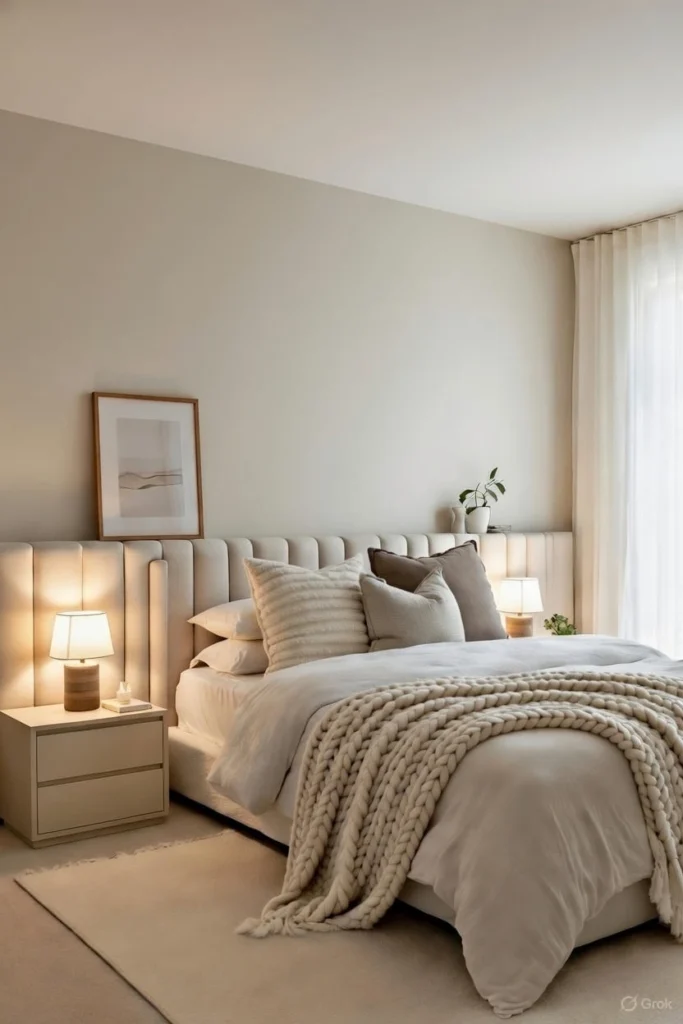
A DIY custom headboard allows complete creative freedom. This headboard idea is ideal for those who want a unique and personalized design. From repurposed doors to painted panels or fabric-covered boards, DIY options are endless. You control the size, shape, fabric, and finish, which means the result fits your bed and your room exactly, instead of the other way around.
DIY headboards are cost-effective and meaningful. They allow experimentation with materials and styles that may not be available in stores. With careful planning, a DIY headboard can look polished and professional while reflecting your personal taste. A basic upholstered version needs only a plywood board cut to size, 2-inch foam, batting, fabric, and a staple gun, and most people finish it in one weekend for about 75 to 200 dollars in materials.
Follow a simple sequence for a clean result: measure the bed width and mark the height on the wall, cut the plywood, glue the foam in place, wrap the batting tightly around the edges, staple the fabric on the back starting from the center of each side, then mount the panel with a French cleat. Always iron the fabric first and pull it evenly so the front stays smooth. If you are short on time, start with a simple painted plywood panel with a shaped top edge, then upgrade to an upholstered version later using the same board as your base.
Conclusion
Choosing the right headboard can transform both the look and functionality of your bedroom. These Headboard Ideas demonstrate how design, comfort, and practicality can work together to create a well-balanced space. Whether you prefer luxurious textures, smart storage solutions, or creative custom designs, there is a headboard option to suit every bedroom. Before you buy, think about how you use your bed, measure your wall twice, and choose a material that fits your daily routine, not just the photo that inspired you.
When selecting a headboard, consider your room size, lifestyle, and personal style, and let your bedroom color scheme guide the fabric or finish you choose. A thoughtful choice will not only enhance your bedroom’s appearance but also improve comfort and organization. Use these ideas as inspiration to create a bedroom that feels stylish, functional, and uniquely yours.
Frequently Asked Questions
What is the standard height for a headboard?
Most headboards stand 48 to 60 inches tall from the floor, which puts the top edge about 24 to 36 inches above the mattress. Taller panels of 60 to 72 inches suit rooms with high ceilings, while a lower 36-inch headboard works well in a small or cottage-style bedroom. Measure from your floor, not from the top of the mattress, so the height stays correct if you change the bed frame later.
Should a headboard be wider than the bed?
A headboard should match the width of your bed frame or extend 2 to 3 inches wider on each side. A panel that is narrower than the mattress looks undersized and lets pillows slip past the edges, while a panel that is much wider can crowd the nightstands. Padded wall headboards are the exception: they are designed to extend 12 to 24 inches past each side of the bed on purpose.
Can I attach a headboard to the wall instead of the bed frame?
Yes, and wall mounting is often the stronger option. Use a French cleat or heavy-duty brackets anchored into wall studs, and choose hardware rated for at least twice the weight of the panel. Wall mounting lets you set the exact height, works with any bed frame, and keeps the headboard stable when you lean against it. Freestanding headboards that bolt to the bed frame are easier to move, but they can wobble if the bolts loosen.
What is the best headboard material for allergy sufferers?
Wood, metal, and leather are the best choices, because they do not trap dust the way fabric does. If you love an upholstered look, choose a tightly woven performance fabric with a removable, washable cover, and vacuum it weekly with a brush attachment. Avoid deep tufting and loose-weave boucle, which collect dust and pet hair in the folds.
How do I clean an upholstered headboard?
Vacuum the headboard weekly with an upholstery attachment to remove dust, then blot spills right away with a clean, dry cloth. For stains, use a small amount of mild soap and water on a white cloth, working from the outside of the stain inward, and let it air dry completely. Check the fabric care tag first, and test any cleaner on a hidden corner. Removable covers can usually be machine washed on a gentle cycle.
More Ideas You Will Love
 23 Bed Frame Ideas: Modern & Stylish Choices for Every Bedroom
 18 Red Bedroom Ideas That Are Bold, Beautiful, and Inspiring
 13 Modern Bedroom Interior Ideas You’ll Want to Steal
 21 Shared Kids Bedroom Ideas for Inspiring & Practical Designs
 18 Vintage Nursery Ideas for a Charming, Timeless Baby Room
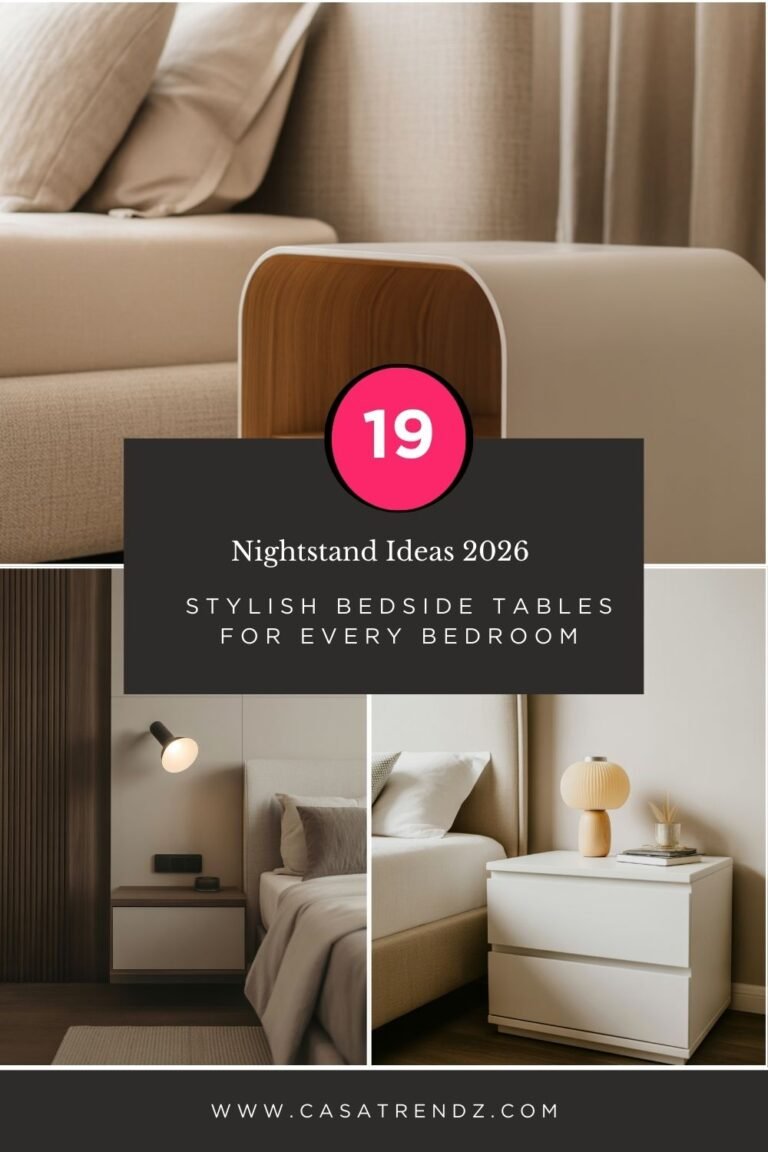 19 Nightstand Ideas 2026: Stylish Bedside Tables for Every Bedroom