
18 Bathroom Tile Ideas for a Stylish, Functional Look in Every Space

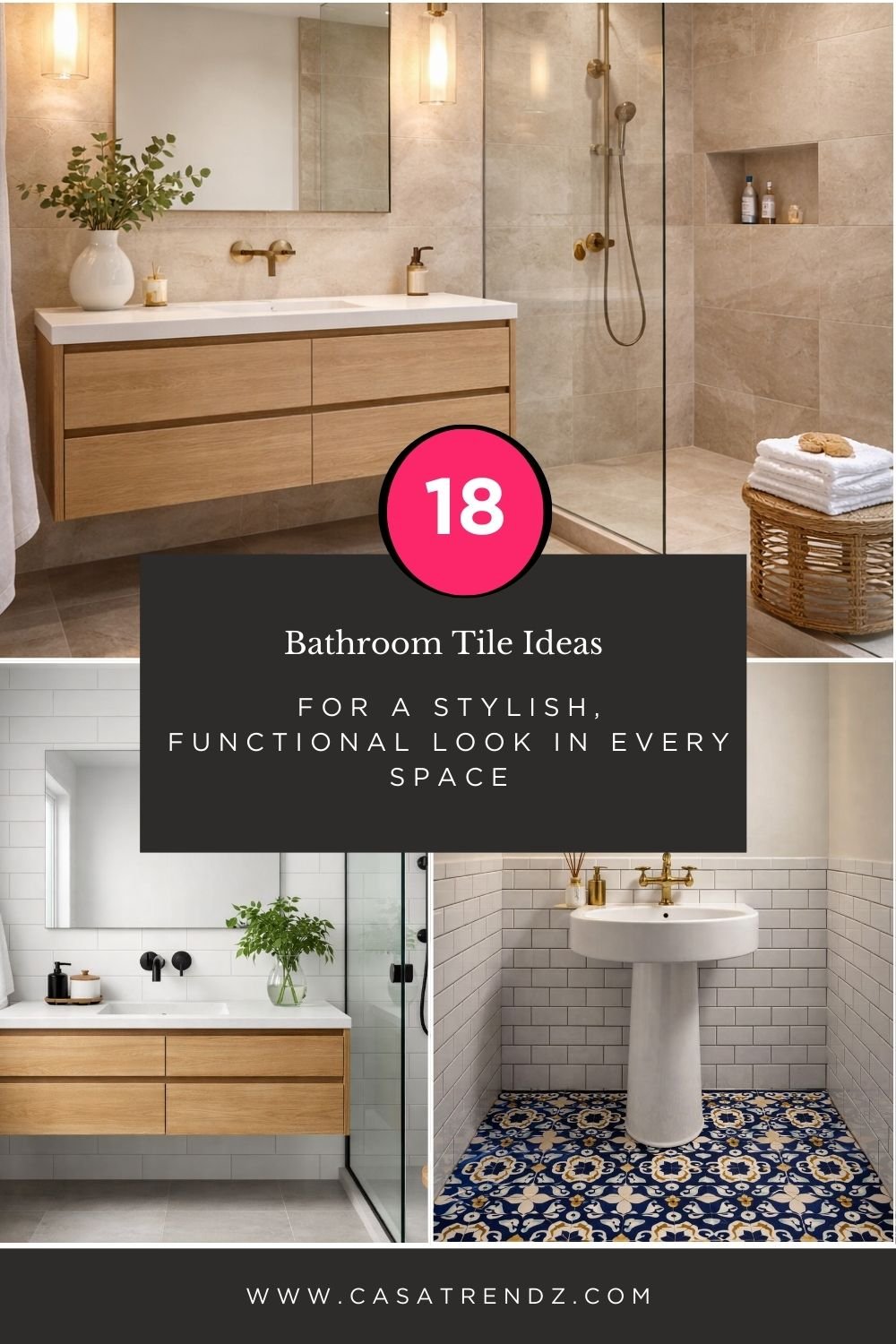
Bathroom tiles do far more than cover floors and walls. They set the mood of the room, decide how easy it is to clean, and determine whether the space stays safe and good looking for years. A smart tile choice can make a small bathroom feel larger, a plain shower feel like a spa, and a busy family bathroom far easier to live with. The wrong choice, on the other hand, means stained grout, slippery floors, and a look that feels dated within a year.
In this guide, we share 18 bathroom tile ideas that work for every style, layout, and budget. Each idea explains which tile to choose, which size and finish suit the space, how to install it well, and how to keep it looking fresh. You will find ideas for floors, shower walls, backsplashes, and accent walls, plus practical tips on grout, slip resistance, and sealing, so you can plan your bathroom with confidence.
Before you buy a single box, order samples and look at them in your own bathroom light, morning and evening. Tiles that look perfect in a showroom can read very differently under your lighting and next to your fixtures. Check the slip rating for floors, the water absorption rate for shower areas, and buy 10 percent extra tile to cover cuts, breakage, and future repairs.
1. Classic White Subway Tile
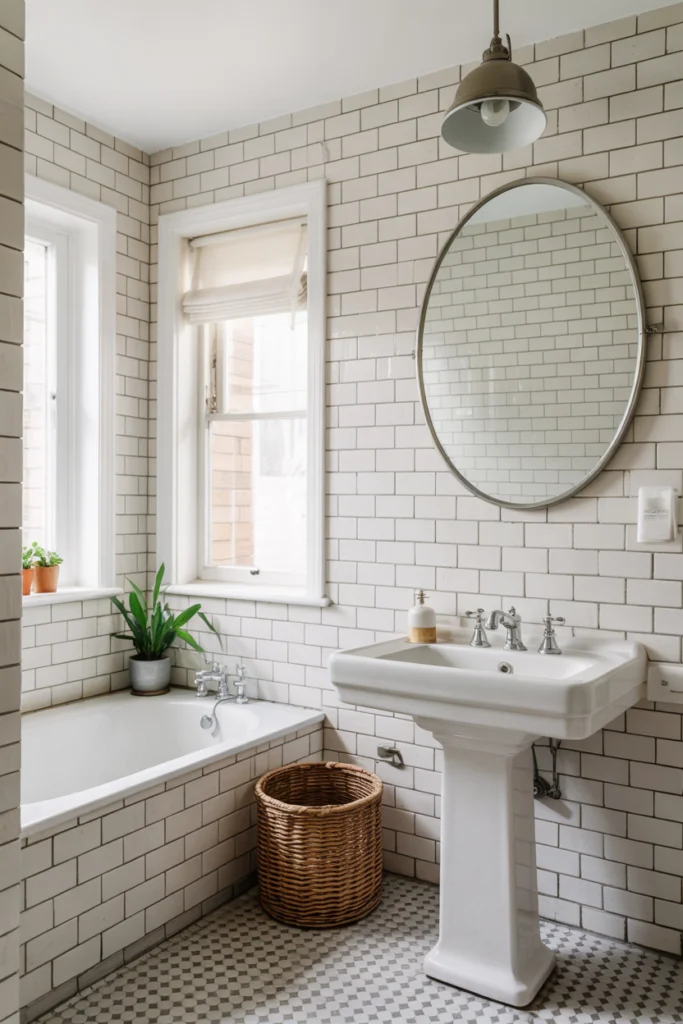
White subway tile is the safest and most timeless choice in any bathroom. The standard 3 by 6 inch size works in both small powder rooms and large master baths, and its clean lines brighten the room by bouncing light around. It suits traditional, farmhouse, modern, and transitional bathrooms alike, which is why it never really goes out of style.
For a classic look, lay the tile in a brick pattern with a 1/16 or 1/8 inch grout joint and white or light gray grout. For a fresher feel, try a vertical stack, a herringbone pattern on a shower wall, or a beveled edge tile that catches the light. Pair it with matte black fixtures for contrast, brushed nickel for a soft classic look, or warm brass for a more collected feel.
Glazed ceramic subway tile is affordable, usually 3 to 8 dollars per square foot, and it wipes clean with a damp cloth. Keep a spare box of the same batch, since white shades vary between production runs. Seal the grout once a year in wet areas to stop it from staining, and avoid harsh bleach cleaners that can dull the glaze over time.
2. Large-Format Bathroom Tiles
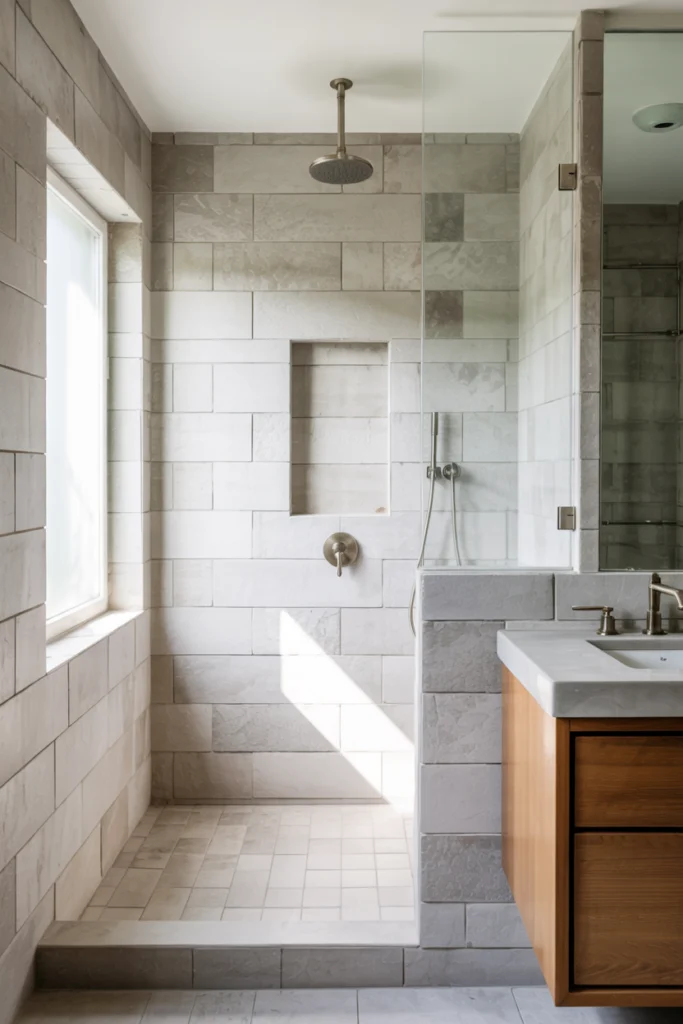
Large-format tiles, usually 12 by 24 inches or bigger, give a bathroom a calm, seamless look. With fewer grout lines, the floor and walls read as one smooth surface, which makes even a small bathroom feel wider and more open. They are one of the best choices for a modern, low maintenance bathroom.
Large tiles work best on flat, well prepared surfaces, so ask your installer to check the floor and walls for level before work starts. Use a large format tile mortar and a leveling clip system to stop lippage, where one tile edge sits higher than the next. On floors, choose a rectified edge tile with a tight 1/16 inch joint for the cleanest finish.
Because there is less grout to scrub, cleaning is quicker, and the room stays looking newer for longer. Large-format porcelain is the most practical choice for floors, with a water absorption rate below 0.5 percent, while large ceramic works well on walls. Expect to pay 5 to 15 dollars per square foot for good quality porcelain in this size, plus a little more for installation because the tiles are heavy and need careful handling.
3. Marble Bathroom Tile Design
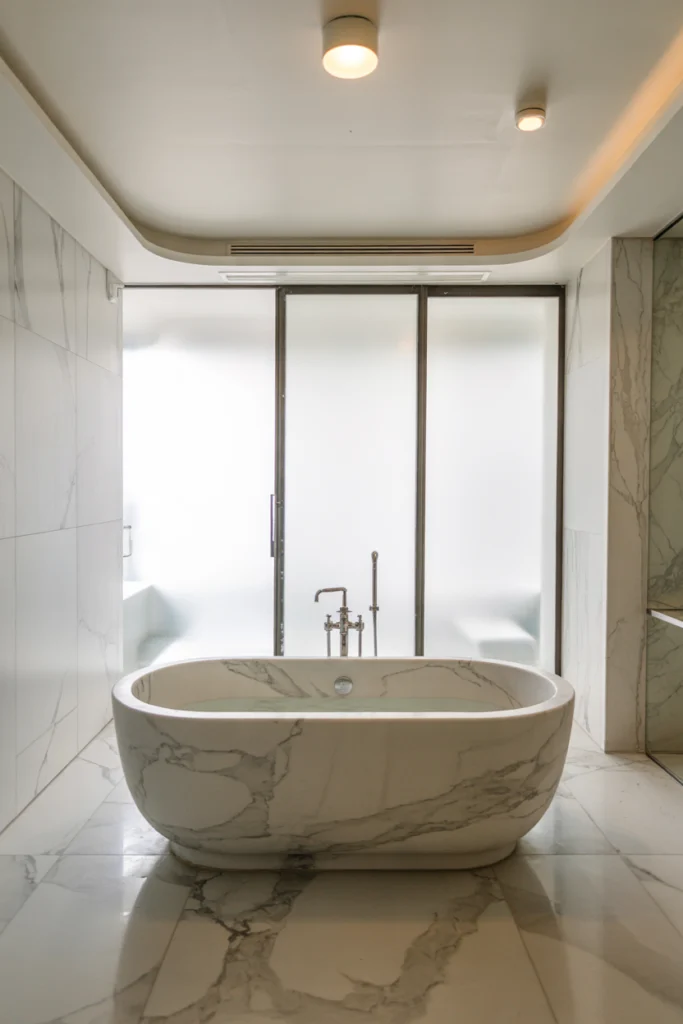
Marble brings instant luxury to a bathroom. Its natural veining means no two tiles are ever identical, so the room gets a one of a kind look that printed tiles cannot copy. Carrara marble, with soft gray veins on white, is the classic choice, while Calacatta marble has bolder, more dramatic veins for a statement wall or floor.
Use marble on a shower wall, a vanity backsplash, or a bathroom floor to create a spa like feel. Book matched slabs or tiles, where the veining flows from one tile to the next, look especially high end on a feature wall. Keep the rest of the room simple, with plain white walls and minimal fixtures, so the stone stays the star. For a softer look, try honed marble, which has a matte finish and hides water marks better than polished marble.
Marble is a natural stone, so it needs sealing before use and again every 6 to 12 months in wet areas. Wipe up spills quickly, avoid acidic cleaners such as vinegar, and use a stone safe cleaner instead. Marble costs more than ceramic, often 10 to 25 dollars per square foot, but in a small bathroom the total cost stays manageable and the result feels truly special. If you love the look but want less upkeep, consider a marble look porcelain, which copies the veining with almost no maintenance.
4. Patterned Bathroom Floor Tiles
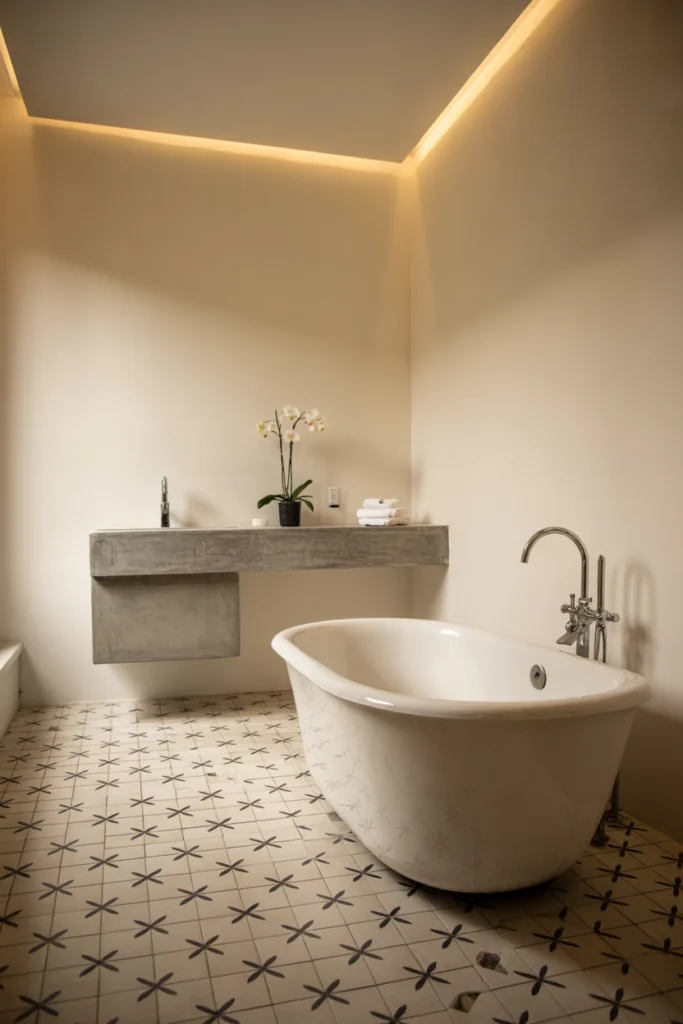
Patterned floor tiles turn the bathroom floor into the main feature of the room. Encaustic style cement tiles, geometric porcelain, and vintage inspired motifs add color and personality without needing any other decoration. A bold pattern works especially well in a small bathroom or powder room, where the floor is fully visible and becomes the focal point.
Start by dry laying the tiles before any adhesive goes down, so you can center the pattern and avoid awkward cuts at the edges. In a small room, run the pattern from the door so the design reads clearly as you walk in. Keep the walls plain, in white or a soft neutral pulled from the tile pattern, so the floor and walls do not compete. A patterned floor pairs beautifully with a simple white vanity and plain mirror.
Patterned tiles are also practical, because busy designs hide water spots, dust, and minor wear far better than a plain dark floor. Porcelain patterned tiles are the easiest to live with, since they need no sealing and resist stains. Cement look tiles cost 8 to 20 dollars per square foot and should be sealed after installation. Choose a grout color that matches the lightest tone in the pattern to keep the design looking clean.
5. Neutral-Toned Bathroom Tiles
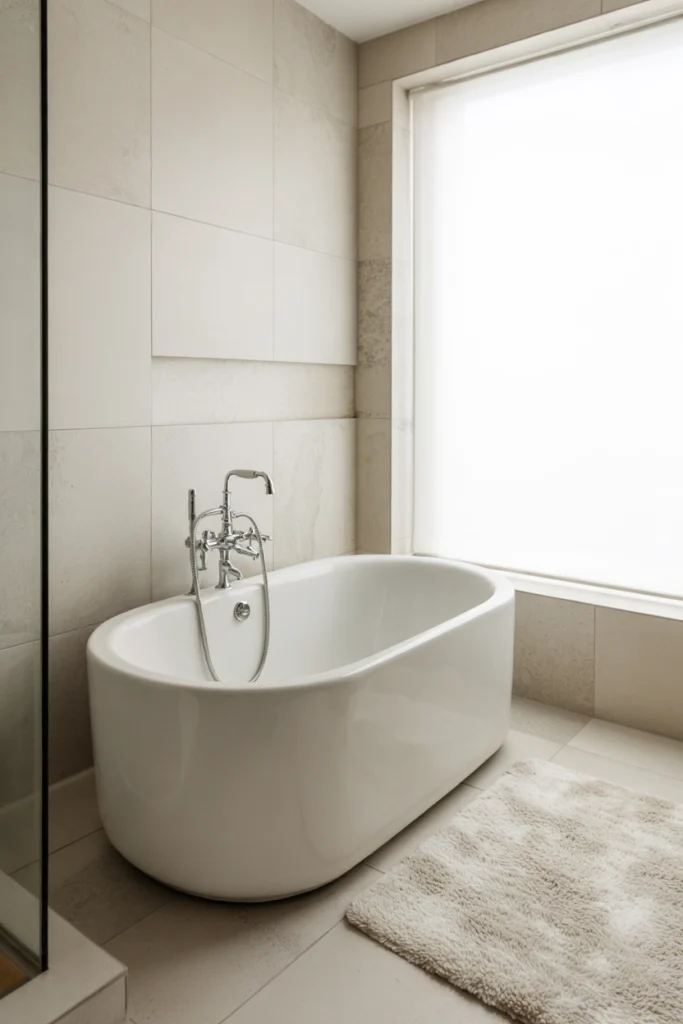
Neutral tiles in beige, warm gray, taupe, and soft cream create a calm bathroom that never feels dated. They work with almost any fixture finish and any style, from modern minimal to cozy farmhouse, and they make it easy to change towels, paint, or accessories later without retiling. If you want a bathroom that still looks good in ten years, neutrals are the smartest bet.
To keep a neutral bathroom from feeling flat, mix textures and sizes instead of colors. Try a matte large-format floor tile with a glossy subway tile on the shower wall, or add a textured stone look tile as an accent. Warm neutrals, such as greige and warm beige, feel cozy and work well with wood vanities, while cool grays feel crisp and suit chrome and white fixtures.
Neutral tiles also make a bathroom feel larger and brighter, because light tones reflect more light. They show less dust and water spotting than dark tiles, which means less visible cleaning between deep cleans. Choose a porcelain tile with a PEI rating of 4 or 5 for floors, so it stands up to daily foot traffic. If you are updating a master bathroom, neutrals give you a serene base that you can warm up with wood, plants, and soft textiles.
6. Textured Bathroom Wall Tiles
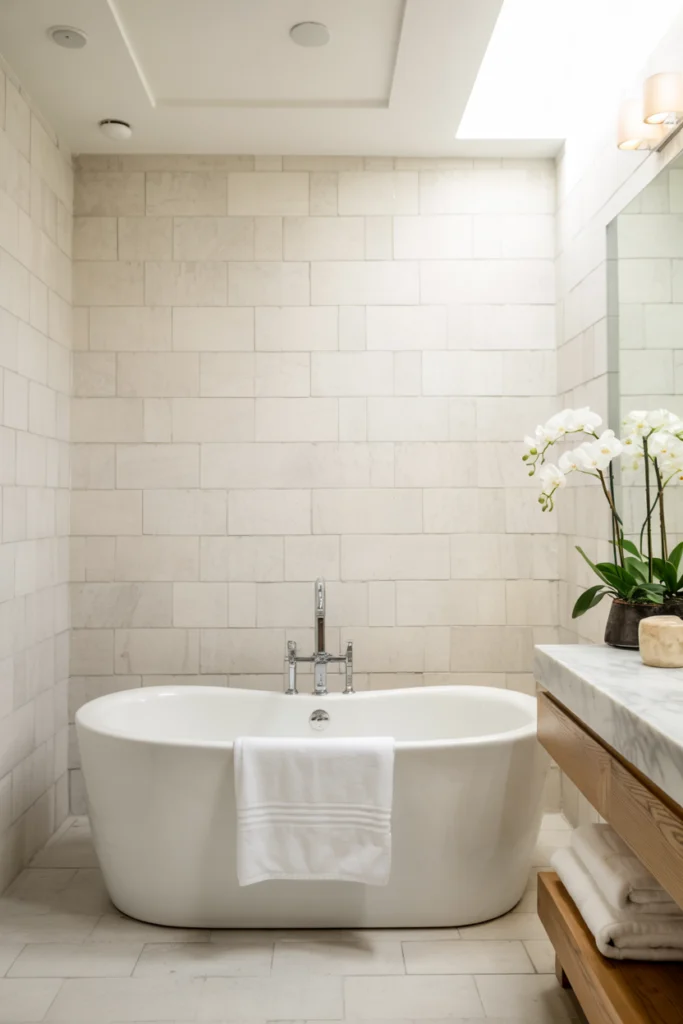
Textured wall tiles add depth to a bathroom without adding color. Subtle ridges, waves, fluted lines, and raised geometric patterns catch the light and create gentle shadows, so a plain white wall suddenly feels designed. They are ideal for a shower feature wall, the wall behind a freestanding tub, or the vanity backsplash.
Install textured tile on one wall only, and keep the other walls smooth, so the texture reads as a deliberate accent rather than visual noise. Vertical fluted tiles draw the eye upward and make a low ceiling feel taller, while a wave pattern softens a very square, boxy room. Pair textured white tile with a simple large-format floor in a matching tone so the two surfaces sit calmly together.
Choose a glazed textured tile for wet areas, since the glaze makes cleaning easy and stops soap scum from settling into the grooves. Matte textured tiles look softer but need a quick wipe after showers to stay fresh. Textured ceramic tiles usually cost 6 to 15 dollars per square foot. Run your hand over a sample before buying, since some deep textures are harder to clean and better suited to a dry accent wall than the inside of a shower.
7. Wood-Look Bathroom Tiles
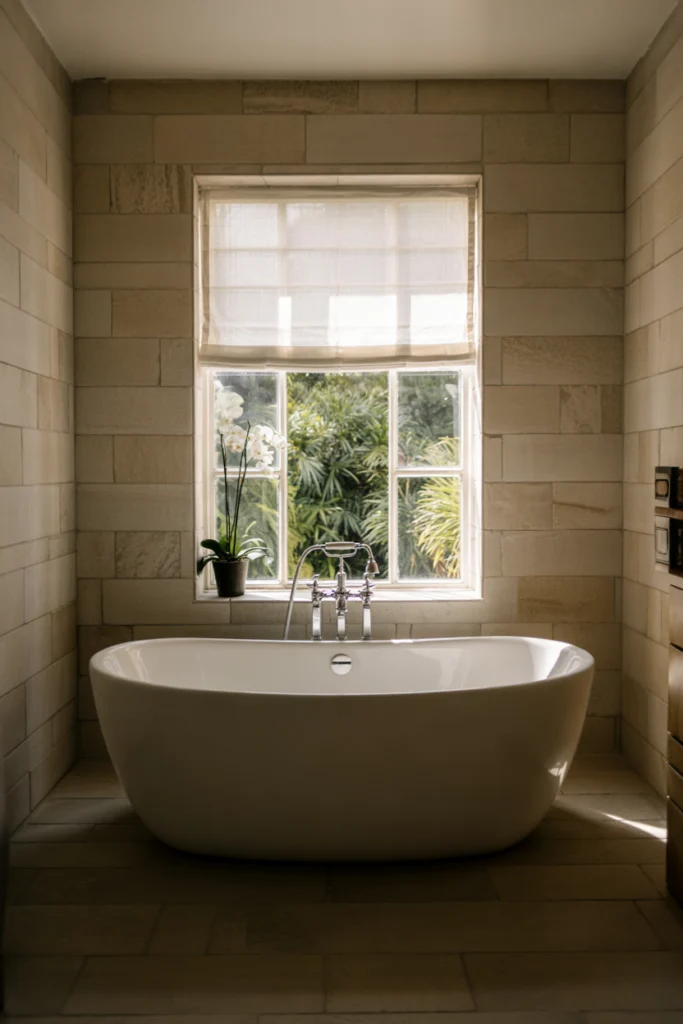
Wood-look tiles give you the warmth of timber with the waterproof strength of porcelain. They copy oak, walnut, and weathered barn wood so convincingly that most guests cannot tell the difference, yet they never warp, swell, or rot in a damp bathroom. They are the best choice if you love a warm, organic feel but need a floor that survives daily splashes.
Wood-look planks usually come in sizes such as 6 by 36 inches or 8 by 48 inches. Lay them in a staggered brick pattern with a 1/8 inch grout joint, and use a grout color close to the tile tone so the joints almost disappear. A light whitewashed oak look keeps a small bathroom bright, while a medium walnut tone adds warmth to a large, cool toned room. Pair wood-look floors with white walls, a wood vanity, and matte black fixtures for a modern rustic look.
Porcelain wood-look tile needs no sealing and handles underfloor heating well, which makes it a great pick for cold mornings. It costs 4 to 10 dollars per square foot, similar to mid range ceramic, and it is far tougher than real wood in wet areas. For grip, choose a plank with a slightly textured surface rather than a high gloss finish, especially if the bathroom is used by kids or older family members.
8. Hexagon Bathroom Tile Design
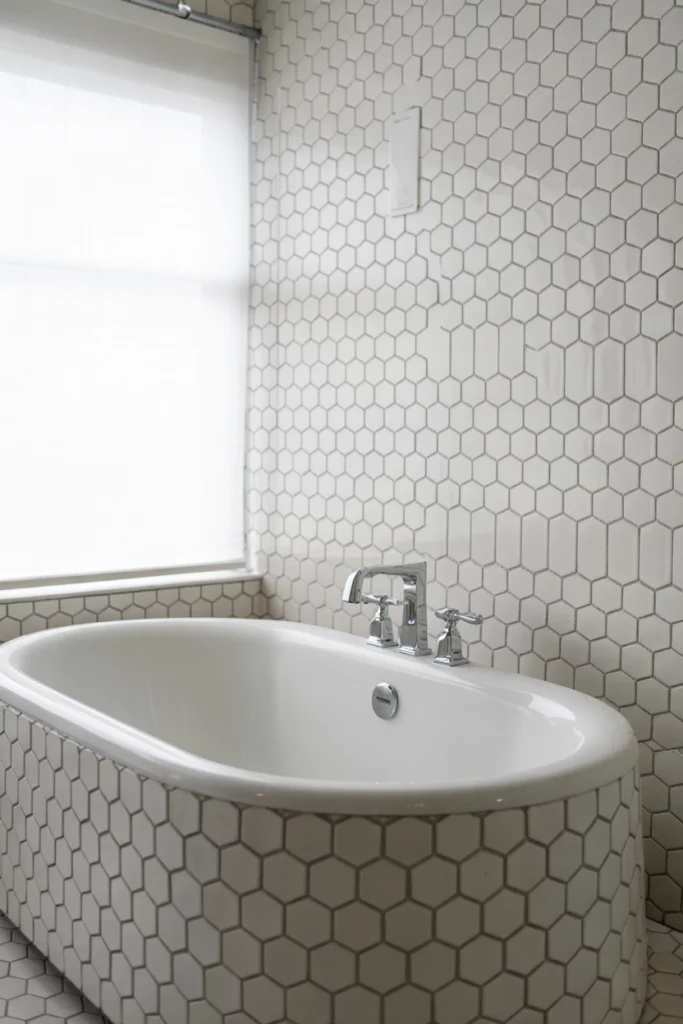
Hexagon tiles add a fresh geometric touch that feels both classic and modern. The six sided shape creates gentle movement across a floor or wall, and it works in sizes from tiny 1 inch mosaics to bold 8 inch tiles. Small hexagons are a classic choice for shower floors, while large hexagons make a striking statement on a main bathroom floor.
For a shower floor, choose a small hexagon mosaic, around 2 inches, in a matte porcelain. The many grout joints give your feet extra grip when the floor is wet, which is a real safety plus. On a main floor, large hexagon tiles in white, soft gray, or pale blue look clean and modern. Try a single bold color, such as deep green or navy, on a small accent area like the shower niche or the floor in front of the vanity.
Hexagon tiles need careful setting, so hire an installer who has worked with them before and ask them to dry lay the pattern first. Use a grout color that matches the tile for a seamless look, or a contrasting grout, such as dark gray with white hexagons, to make the shape pop. Small hexagon mosaics cost 7 to 15 dollars per square foot. Seal the grout in wet areas and reseal it once a year to keep it looking bright.
9. Glossy Bathroom Tiles for Brightness
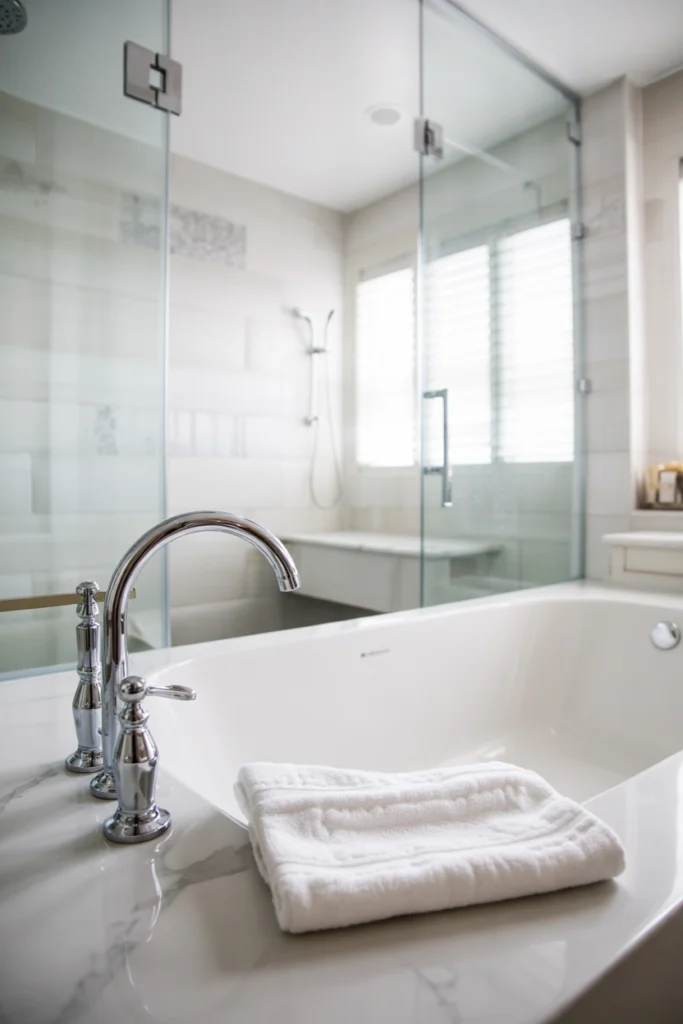
Glossy tiles are the easiest way to brighten a dark or windowless bathroom. Their reflective surface bounces both natural and artificial light around the room, so the space feels larger and more open. A glossy subway tile on the shower wall or a glossy large-format tile on the walls can transform a small bathroom for very little money.
Use glossy tiles on walls rather than floors, where a shiny surface can be slippery when wet. A glossy white or pale blue wall tile pairs well with a matte floor in the same color family, giving you light without losing grip underfoot. Good lighting matters too, so add a bright overhead light and a well placed vanity light to make the gloss work for you.
Glossy glazed ceramic is easy to wipe clean, and soap splashes come off with a damp cloth. The trade off is that water spots and fingerprints show more easily, so keep a squeegee or microfiber cloth nearby in the shower. Glossy wall tiles are affordable, usually 3 to 8 dollars per square foot. If your bathroom has no window, glossy tiles plus a large mirror are the two cheapest ways to make it feel brighter.
10. Matte Finish Bathroom Tiles
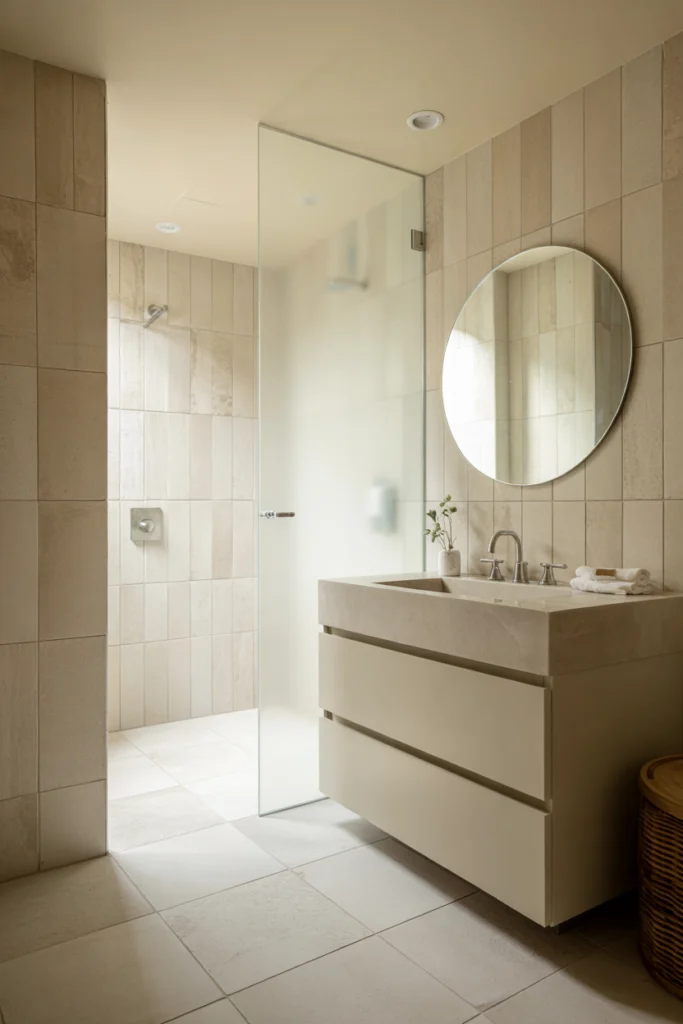
Matte tiles offer a soft, calm look that feels modern and refined. Without any shine, they give the bathroom a quiet, natural character and they hide water marks, fingerprints, and dust far better than glossy tiles. They are the best all round choice for bathroom floors, where safety and low maintenance matter most.
Matte porcelain is less slippery than polished tile, especially when wet, so it is a smart pick for family bathrooms and for homes with kids or older adults. Use a matte large-format tile on the floor and a matching matte tile on the walls for a seamless, spa like feel. For contrast, pair matte walls with a glossy accent, such as a glossy mosaic border or a polished stone vanity top, so the room keeps some sparkle.
Matte tiles do need a little more care with cleaning, since soap residue can sit on the surface if it is not rinsed off. A quick wipe with a pH neutral cleaner once a week keeps them looking fresh. Avoid wax based cleaners, which can leave a film on matte surfaces. Matte porcelain usually costs 4 to 12 dollars per square foot, and it is available in every style, from concrete look to stone look to plain solid colors.
11. Black and White Bathroom Tile Contrast
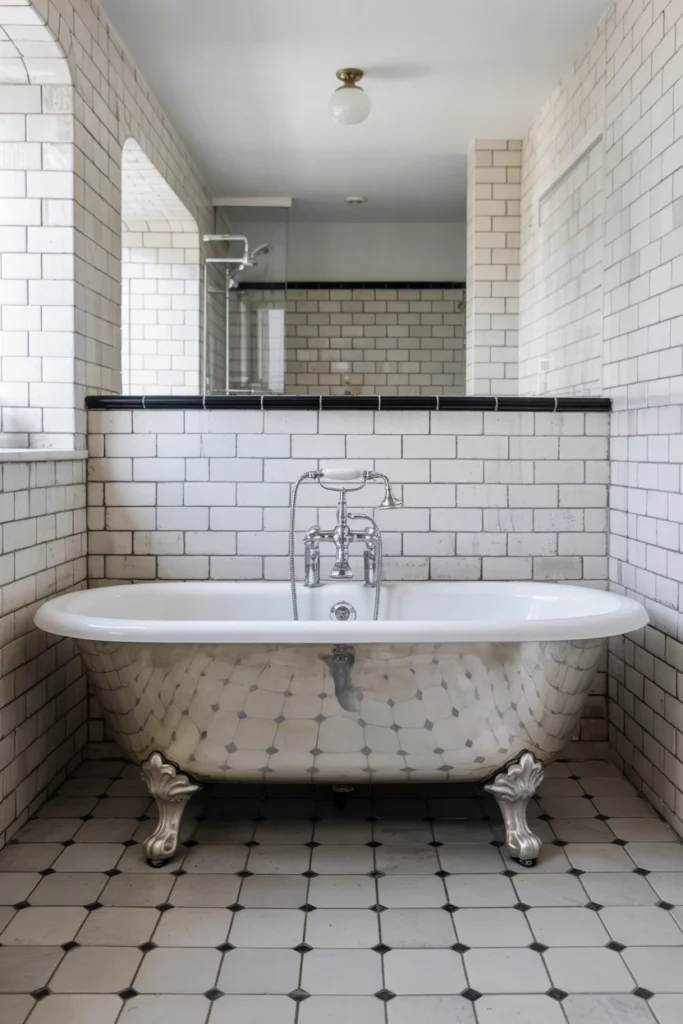
Black and white tile is a classic combination that never goes out of style. The strong contrast adds definition to the room, highlights the shape of the tub, vanity, and shower, and works in both modern and traditional bathrooms. A checkerboard floor, a black border around white walls, or a white tile with black grout all use the same simple idea to great effect.
For a balanced look, let one color dominate and use the other as an accent. A mostly white bathroom with a black hexagon floor or a black vanity wall feels bold but not heavy. In a larger bathroom, a black floor with white walls can look dramatic and high end. Keep fixtures simple, in chrome or matte black, and add one warm element, such as a wood stool or a brass mirror frame, so the room does not feel cold.
Black tiles show dust, water spots, and soap residue more clearly than white tiles, so plan on a quick wipe down every few days if you choose a large black area. A black floor in a small bathroom can feel heavy, so use it on a single feature area rather than the whole room if space is tight. Black and white porcelain tiles cost about the same as other ceramic tiles, 4 to 12 dollars per square foot, and the timeless look means you will not need to retile when trends change.
12. Bathroom Tile Accent Walls
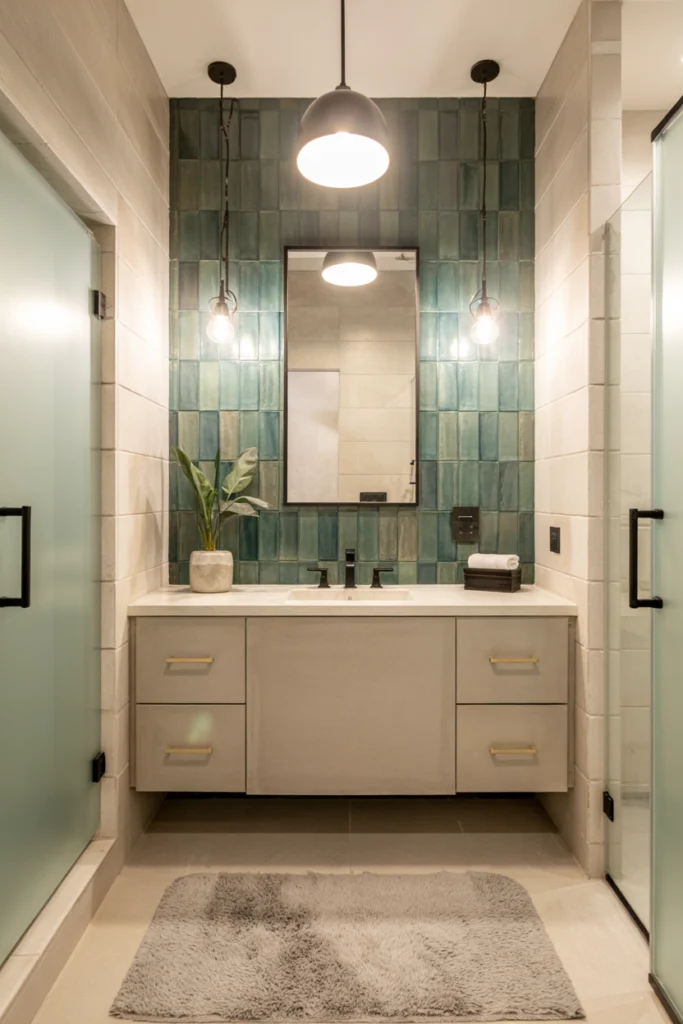
A tile accent wall is the simplest way to give a bathroom personality without retiling the whole room. One bold wall, in a strong color, an interesting pattern, or a rich texture, becomes the focal point and makes the rest of the room feel finished. The shower wall, the wall behind the tub, and the vanity wall are the three best spots for an accent.
Choose your accent tile first, then keep everything else quiet. If the accent wall is a deep green subway tile, use plain white or soft gray tile on the other walls and floor. If the accent is a patterned cement look tile, keep the fixtures and vanity simple. A single accent wall also lets you spend a little more per square foot on a special tile, since you only need enough to cover one wall.
Plan the layout so the accent wall is the first thing you see when you walk in, usually the wall opposite the door. Measure carefully and center the pattern so you do not end with a thin sliver of tile at one edge. Seal natural stone accent tiles before grouting to stop the grout from staining the stone. An accent wall is also a good way to test a bold style, because it is far cheaper to change one wall later than a whole bathroom.
13. Mosaic Bathroom Tile Design
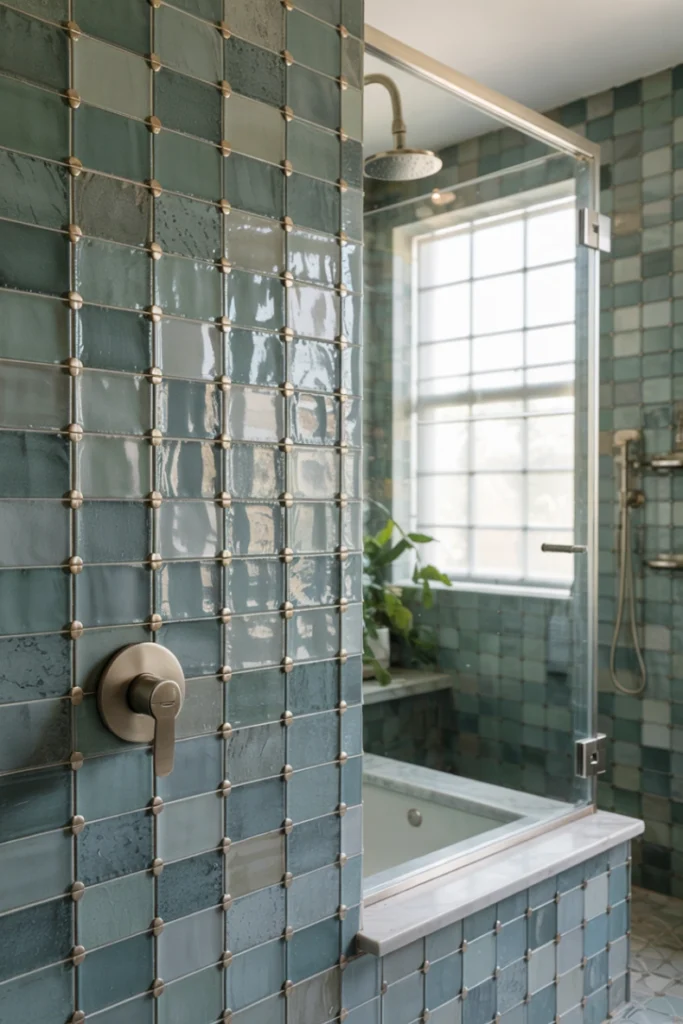
Mosaic tiles bring art and craft into the bathroom. Tiny pieces of glass, stone, or porcelain are arranged into patterns, borders, and pictures, from simple penny rounds to detailed geometric designs. They shine in small areas, such as a shower niche, a backsplash, a border strip, or the floor of a walk in shower.
Glass mosaic in soft blues and greens looks fresh and watery in a shower, while stone mosaic in warm beige and gray feels earthy and calm. Use mosaic as a feature strip at eye level around the shower, or as a full wall behind the tub for a real statement. Because mosaic sheets come on a mesh backing, they bend around curved surfaces and fit awkward corners far better than large tiles.
Mosaic tiles offer excellent slip resistance on floors, thanks to the many grout joints, which makes them one of the safest choices for a shower floor. The trade off is more grout to clean, so use a good quality grout and seal it well. Mosaic sheets cost 10 to 25 dollars per square foot, so they are best used as an accent rather than across a whole room. Keep a few spare sheets from the same batch, since dye lots can vary.
14. Bathroom Tiles with Natural Stone Look
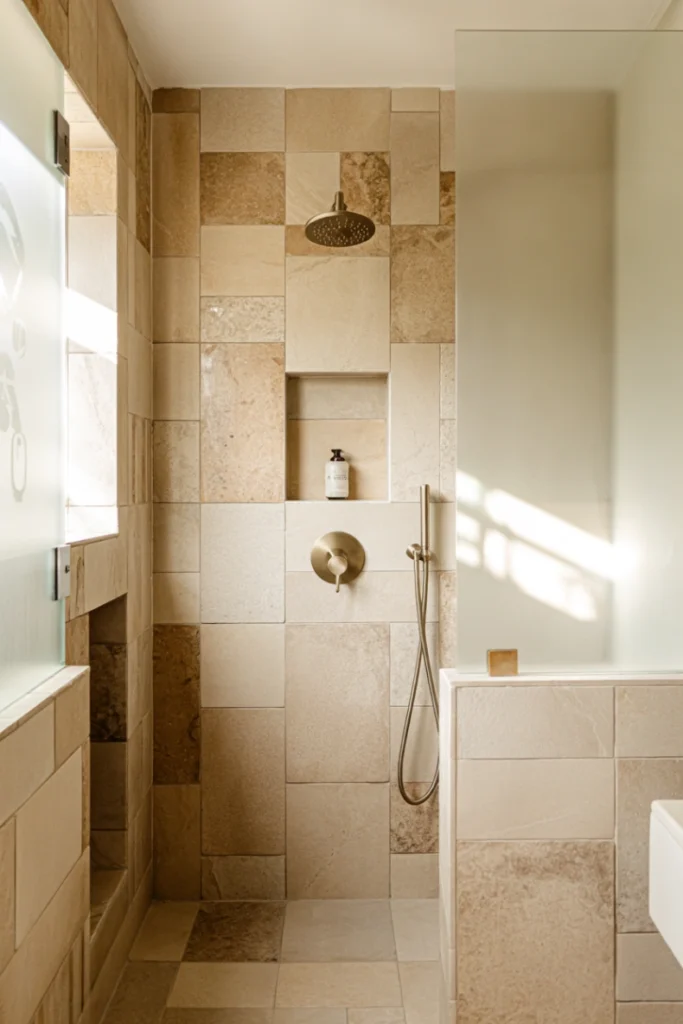
Stone look tiles copy travertine, slate, limestone, and sandstone so well that they bring an earthy, natural feel into the bathroom without the high maintenance of real stone. They suit rustic, farmhouse, modern organic, and spa style bathrooms, and they pair beautifully with wood vanities, plants, and soft linen towels.
Use a travertine look tile on the floor for warmth, a slate look tile in the shower for drama, or a limestone look tile on the walls for a soft, calm backdrop. Mix a stone look floor with plain white wall tiles to keep the room balanced, and add warm lighting to bring out the texture. A stone look tile in a large format works well in a big bathroom, while a smaller format suits a cozy powder room.
Porcelain stone look tiles need no sealing and resist stains and water, which makes them far easier to live with than real stone. They cost 5 to 12 dollars per square foot, about half the price of real stone tiles. Choose a tile with a slightly textured surface for floors to improve grip, and check that the printed pattern varies across tiles, since a repeating print looks fake. If you are planning a spa bathroom, stone look tiles are the quickest way to get that calm, natural feeling.
15. Vertical Tile Layout for Height
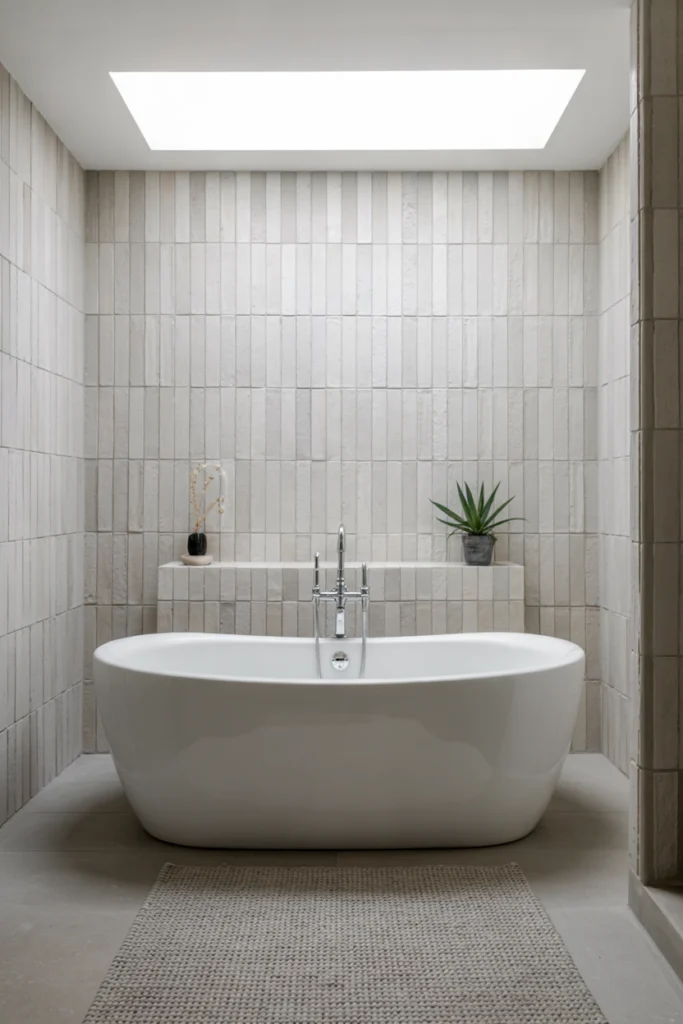
Laying tiles vertically is a simple trick that makes a bathroom feel taller. When the eye follows long vertical lines, a low ceiling or a small room feels more open and airy. It works with subway tiles, large-format tiles, and even wood-look planks, and it costs nothing extra, since it is only a change in direction.
Try a vertical stack of subway tiles on the shower wall, running from floor to ceiling with no horizontal break. Or use tall 12 by 24 inch tiles set vertically on the wall behind the vanity. In a small bathroom, run the vertical pattern all the way to the ceiling to stretch the room visually. Pair the vertical lines with a tall mirror and a high mounted light to strengthen the effect.
Vertical layouts need careful planning, because any uneven wall shows up more clearly in straight vertical lines. Ask your installer to check the walls with a long level and to use tile leveling clips. Keep grout joints tight and even, and choose a grout color close to the tile so the lines stay subtle. This layout works especially well in a small bathroom, where every visual trick helps the room feel bigger.
16. Bathroom Floor Tiles with Slip Resistance
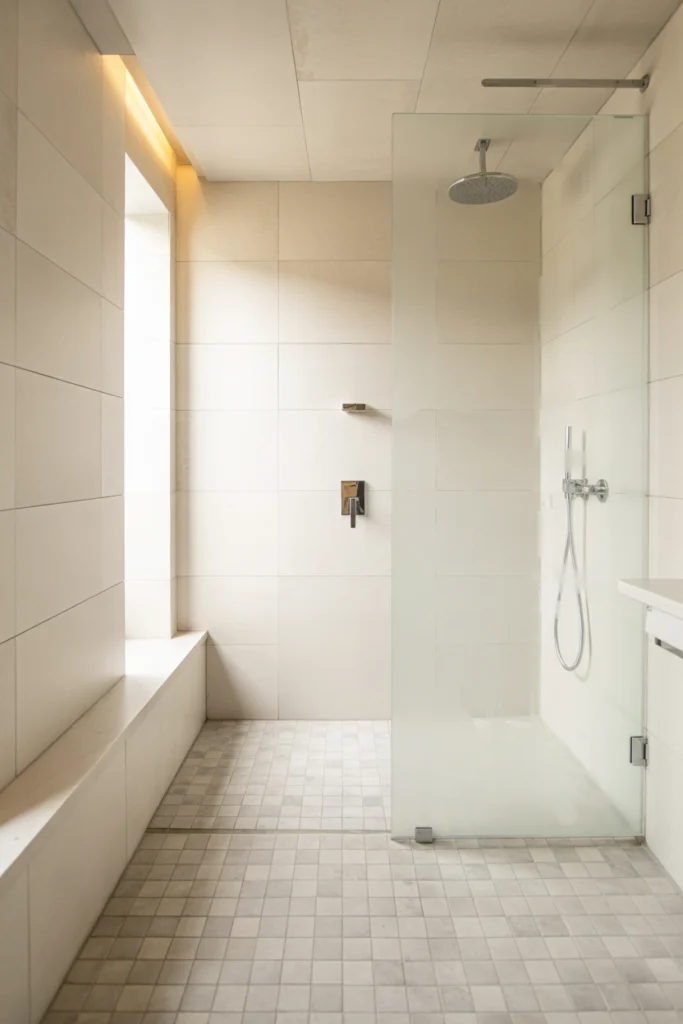
Safety comes first in a wet room, and slip resistant floor tiles are the most important choice in any bathroom. Tiles are rated for slip resistance, and for bathroom floors you should look for a DCOF rating of 0.42 or higher, which means the tile stays grippy when wet. Matte porcelain, textured stone look tile, and small mosaic tiles all score well on this test.
For the safest floor, choose a matte or textured tile rather than a polished one, and keep the tile size small enough to create plenty of grout joints, which add grip. Small hexagon or penny round mosaic tiles are excellent in a shower, where water sits on the floor. Outside the shower, a large-format matte tile with a light texture gives you safety without a rough feeling under bare feet.
Test a sample tile with wet feet before you commit, since ratings do not tell the whole story. Ask the supplier for the DCOF rating in writing, and avoid any floor tile that feels glassy smooth when wet. Slip resistant tiles cost about the same as standard porcelain, 4 to 12 dollars per square foot, so there is no reason to compromise on safety. In a family bathroom, pair a slip resistant floor with a grab bar near the tub and a non slip bath mat for extra protection.
17. Monochrome Bathroom Tile Design
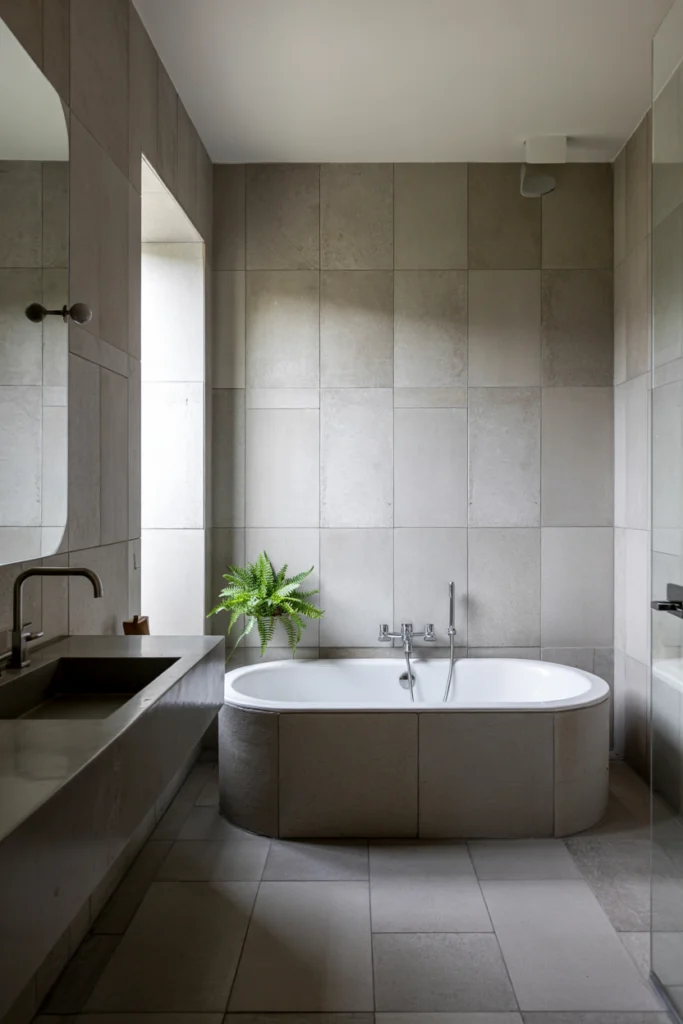
A monochrome bathroom uses different shades of a single color to create depth without clutter. Soft gray on gray, warm beige on beige, or deep green on green all feel calm and sophisticated, and they make a small bathroom feel larger because there are no sharp color breaks. It is one of the easiest looks to get right.
Build the look in layers. Start with a mid tone floor tile, add a slightly lighter wall tile, then use the darkest shade for an accent, such as the shower niche or a border strip. Vary the finish too, for example a matte floor, a glossy wall tile, and a textured accent, so the room has interest even though the color stays the same. A monochrome gray bathroom looks crisp with chrome fixtures, while a monochrome beige bathroom feels warmer with brass or matte black hardware.
Because the palette is simple, decor choices become easy, and the room ages gracefully as trends change. Add warmth with a wood vanity, a woven basket, or a green plant so the single color scheme does not feel flat. Monochrome tiles are available at every price point, from 3 dollar ceramic to 20 dollar stone look porcelain. If you like a calm, hotel like bathroom, monochrome is the most reliable way to get there.
18. Timeless Bathroom Tile Combinations
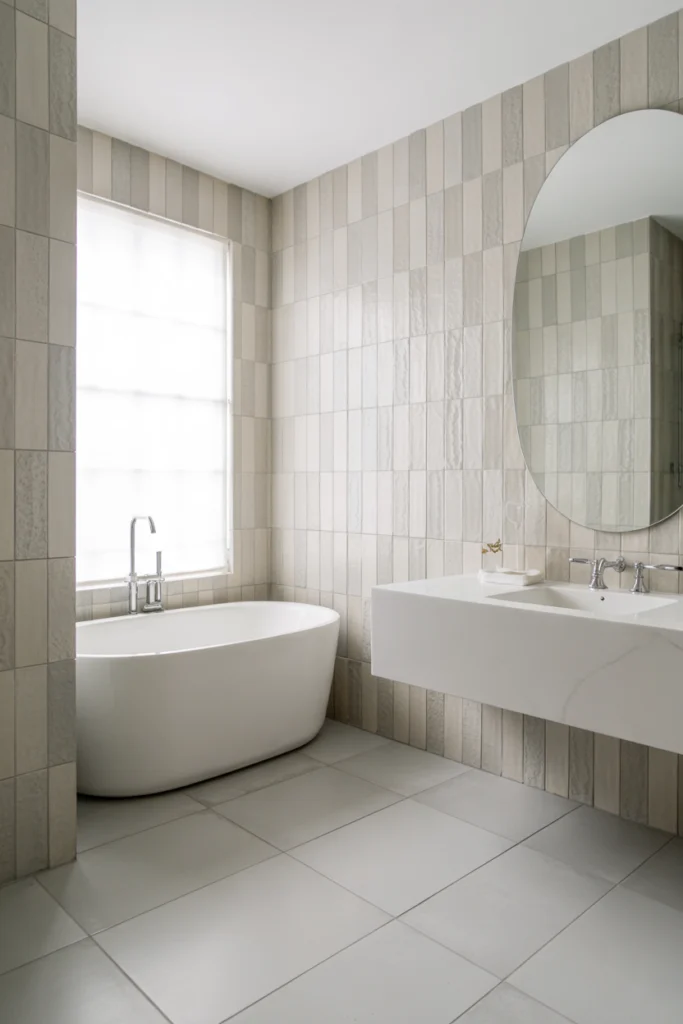
The most enduring bathrooms mix two or three tile styles in a thoughtful way. A classic pairing is a patterned floor with plain white wall tiles, or a marble look shower wall with a simple large-format floor. The key is contrast in one area only, such as pattern, color, or texture, while everything else stays calm and matching.
Plan your combination before you buy. Pick the feature tile first, then choose a floor and wall tile that share one color with it, so the three tiles feel connected. For example, a blue patterned floor pairs well with white subway walls and a pale blue shower niche tile. Or a wood-look floor pairs with warm white walls and a stone look accent behind the tub. Keep grout colors consistent across the room to tie the tiles together.
Write down the name, size, and batch number of every tile you choose, and keep one spare box of each. Order all the tile at once so the batches match. A timeless combination is not about following a trend, it is about balance: one interesting tile, two quiet ones, and finishes that will still look good in ten years. If you need more ideas for pairing tiles with the rest of the room, our guide to bathroom shower ideas shows how tile, fixtures, and layout work together.
Final Thoughts
These bathroom tile ideas show that the right tile does far more than look good. It makes the room safer, easier to clean, and more pleasant to use every single day. Whether you love timeless white subway tile, bold patterned floors, warm wood-look planks, or luxurious marble, the best choice is the one that fits your space, your budget, and the way your family actually uses the bathroom.
Take your time with samples, check slip ratings for floors, seal natural stone properly, and always buy extra tile from the same batch. A little planning now saves you from costly fixes later, and it turns a simple bathroom update into a room you will enjoy for years to come.
Frequently Asked Questions
What is the best tile for a bathroom floor?
Porcelain tile is the best all round choice for a bathroom floor. It absorbs almost no water, resists stains, and comes in every style, from wood look to stone look. Choose a matte or textured finish with a DCOF slip rating of 0.42 or higher, so the floor stays safe when wet. Ceramic is a cheaper option for walls, but porcelain is tougher and better suited to floors.
What size tile is best for a small bathroom?
Large-format tiles, such as 12 by 24 inches, make a small bathroom feel bigger because they have fewer grout lines and create a seamless look. Small mosaic tiles also work well, especially on shower floors, where the extra grout joints add grip. Avoid medium sized tiles with busy patterns in a very small room, since they can make the space feel crowded.
Do bathroom tiles need to be sealed?
Glazed ceramic and porcelain tiles do not need sealing, but the grout between them does, especially in wet areas. Natural stone tiles, such as marble, travertine, and slate, must be sealed before use and again every 6 to 12 months. Cement look tiles should also be sealed after installation. Use a penetrating sealer made for your tile type and follow the instructions on the bottle.
How do I choose a grout color for bathroom tiles?
Match the grout to the tile for a seamless, calm look, or choose a contrasting grout to highlight the tile shape, such as dark gray grout with white subway tile. Light grout shows stains more easily in wet areas, so use a stain resistant grout or a mid tone gray in showers and on floors. Epoxy grout costs more but resists stains and water far better than standard cement grout.
Can I use the same tile on the bathroom floor and walls?
Yes, you can use the same tile on floors and walls, and it creates a calm, seamless look that makes a small bathroom feel larger. Just make sure the tile is rated for floor use, with a suitable slip rating, and use a matte or textured finish on the floor. Many homeowners use the same large-format tile on the floor and walls, then add a different accent tile in the shower niche or on one feature wall.
More Ideas You Will Love
 13 Inspiring Bathroom Renovation Ideas for Every Style & Budget
 20 Modern Bathroom Ideas – Elegant & Functional Designs for Every Home
 13 Budget-Friendly Bathroom Remodel Ideas That Look Luxurious
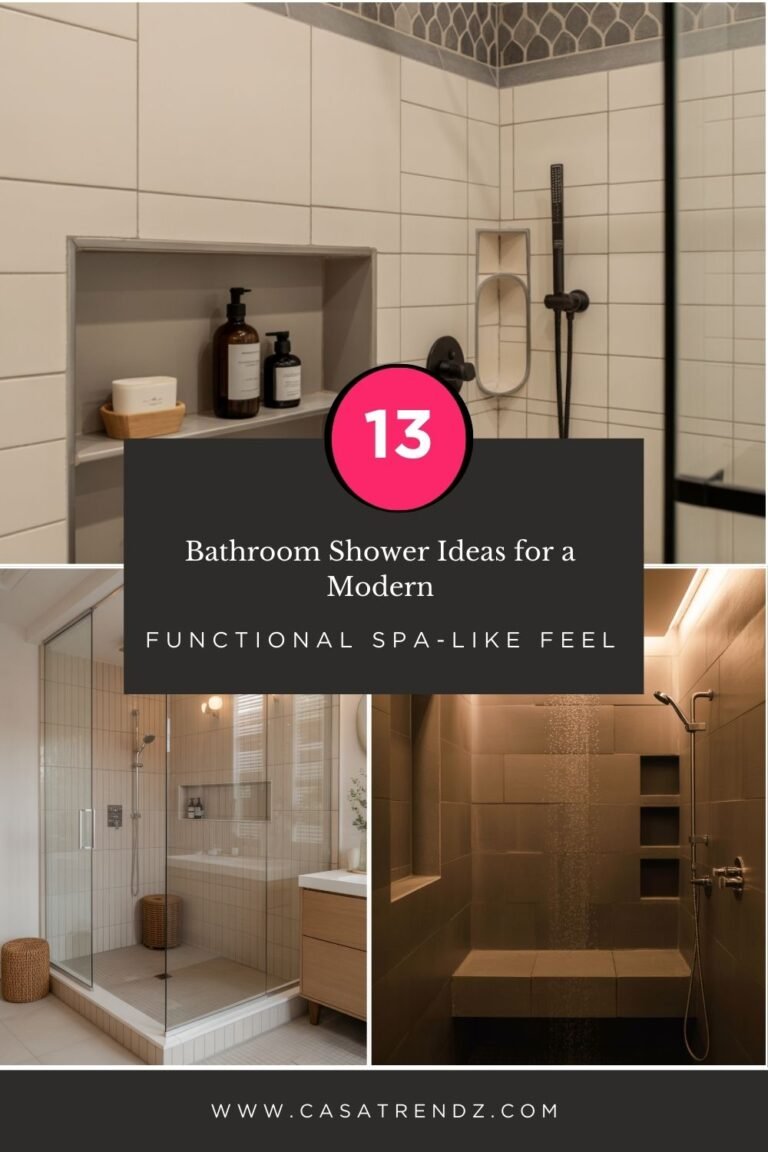 13 Bathroom Shower Ideas for a Modern, Functional Spa-Like Feel
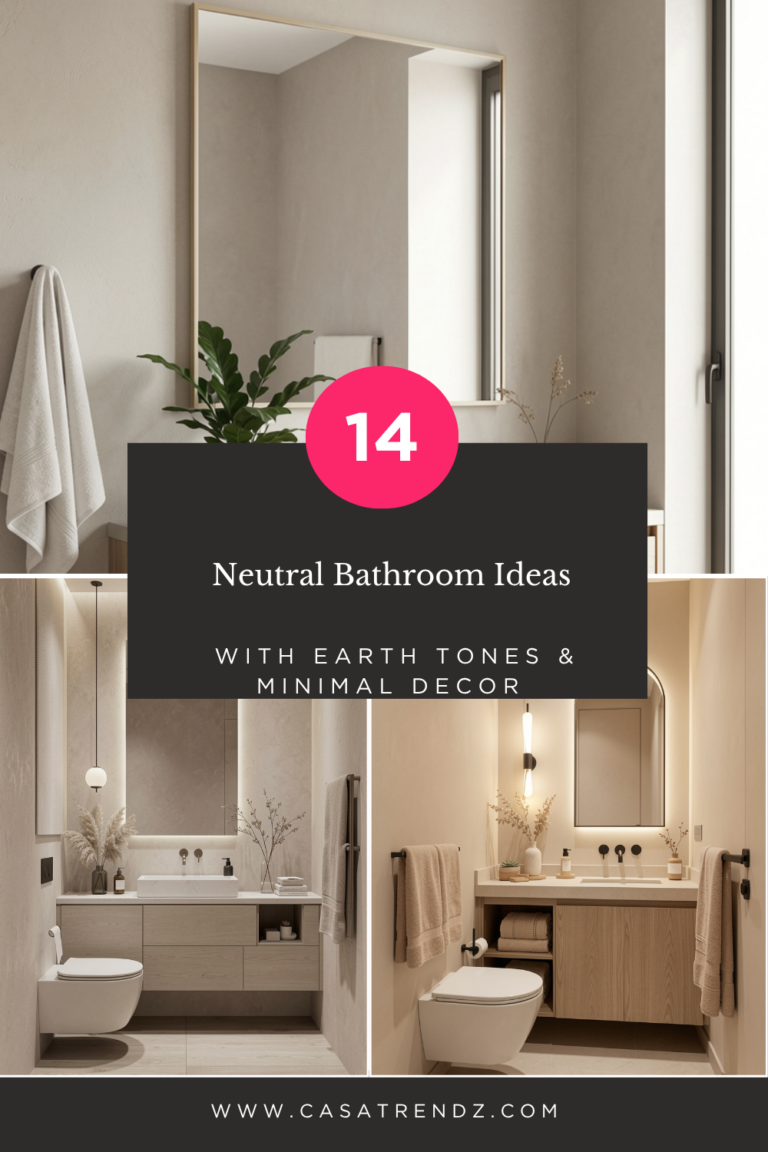 14 Neutral Bathroom Ideas with Earth Tones & Minimal Decor
 14 Modern Bathroom Shower Renovation Ideas