15 Easy Maintenance Tips for Backyard Pools: Cleaning & Care Guide
A backyard pool is the ultimate summer luxury, offering a refreshing escape and a perfect space for relaxation and entertainment. However, keeping your pool clean, safe, and well-maintained requires consistent care and attention. Without proper maintenance, issues like cloudy water, algae growth, and equipment problems can quickly arise, turning your oasis into a hassle.
These 15 Easy Maintenance Tips for Backyard Pools: Cleaning & Care Guide will help you keep your pool in top condition with simple, practical steps. From balancing water chemistry to cleaning filters and preventing debris buildup, each tip is designed to make pool care more manageable and efficient. Whether you’re a new pool owner or looking to improve your routine, these ideas will help you maintain crystal-clear water and extend the life of your pool. With the right approach, you can spend less time cleaning and more time enjoying your backyard retreat.
1. Skim the Surface Daily
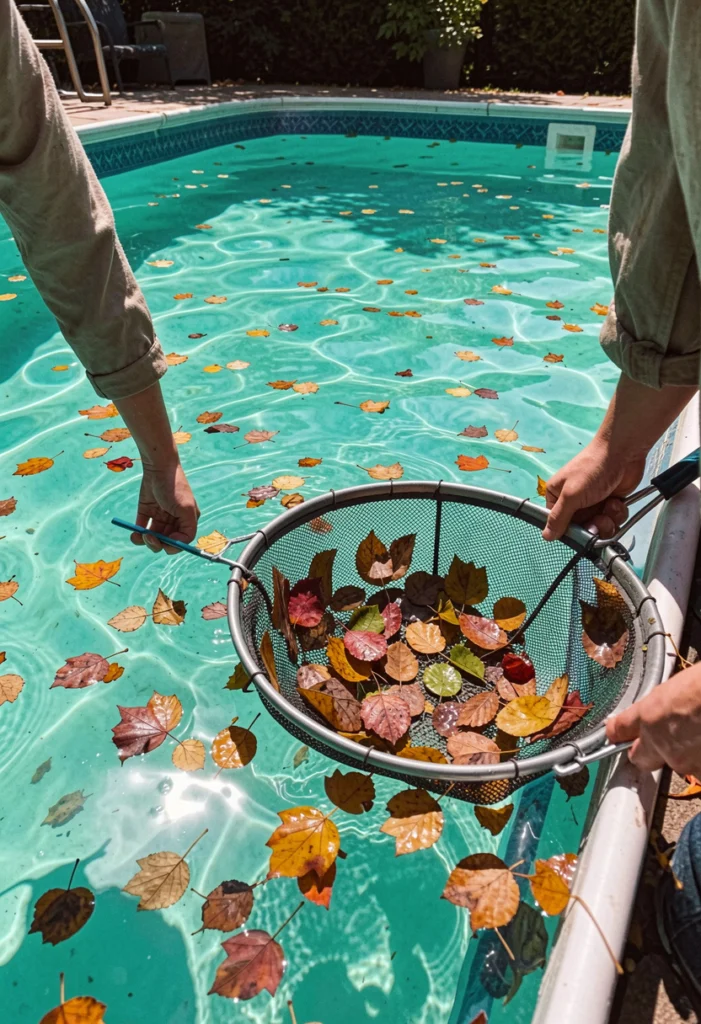
Regular skimming is one of the simplest yet most effective ways to keep your pool clean. Leaves, insects, and debris can quickly accumulate on the water’s surface, leading to clogged filters and poor water quality if left unattended.
Using a handheld skimmer net each day helps prevent debris from sinking to the bottom, where it becomes harder to remove. This small habit saves time in the long run and keeps your pool looking inviting.
2. Clean the Pool Filter Regularly
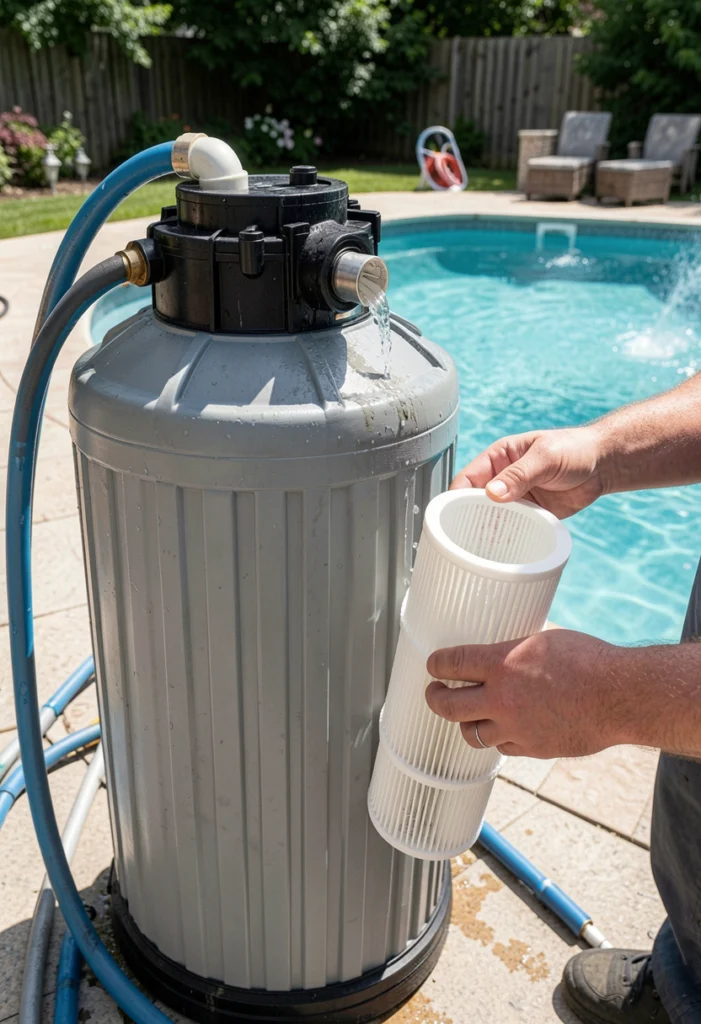
Your pool filter plays a crucial role in maintaining water clarity by removing dirt and contaminants. Cleaning it regularly ensures it operates efficiently.
Depending on the type cartridge, sand, or DE filter follow the recommended cleaning schedule. A clogged filter reduces water flow and makes it harder to keep the pool clean. Check for signs like cloudy water or reduced circulation, which may indicate the filter needs attention. Keeping your filter clean extends its lifespan and improves overall pool performance.
3. Test Water Chemistry Weekly
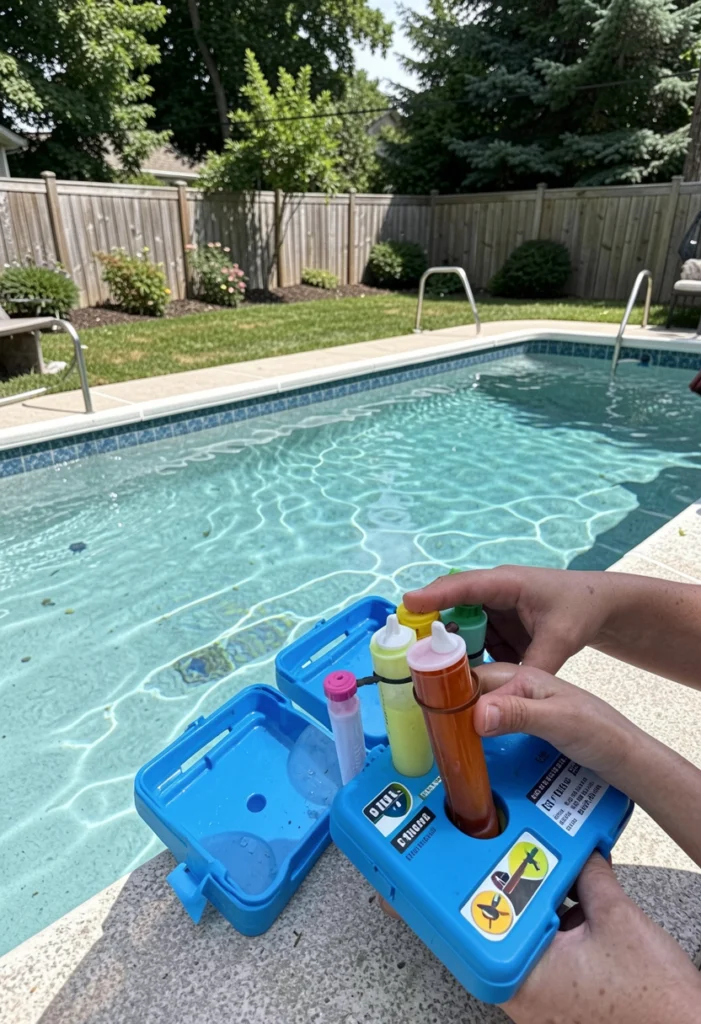
Maintaining proper water chemistry is essential for a safe and clean swimming environment. Test your pool water at least once a week using test kits or strips.
Check levels of pH, chlorine, alkalinity, and calcium hardness. Balanced water prevents algae growth, skin irritation, and equipment damage. Adjust chemicals as needed to keep levels within the recommended range. Regular testing ensures your pool remains safe and enjoyable for everyone.
4. Brush Pool Walls and Floor
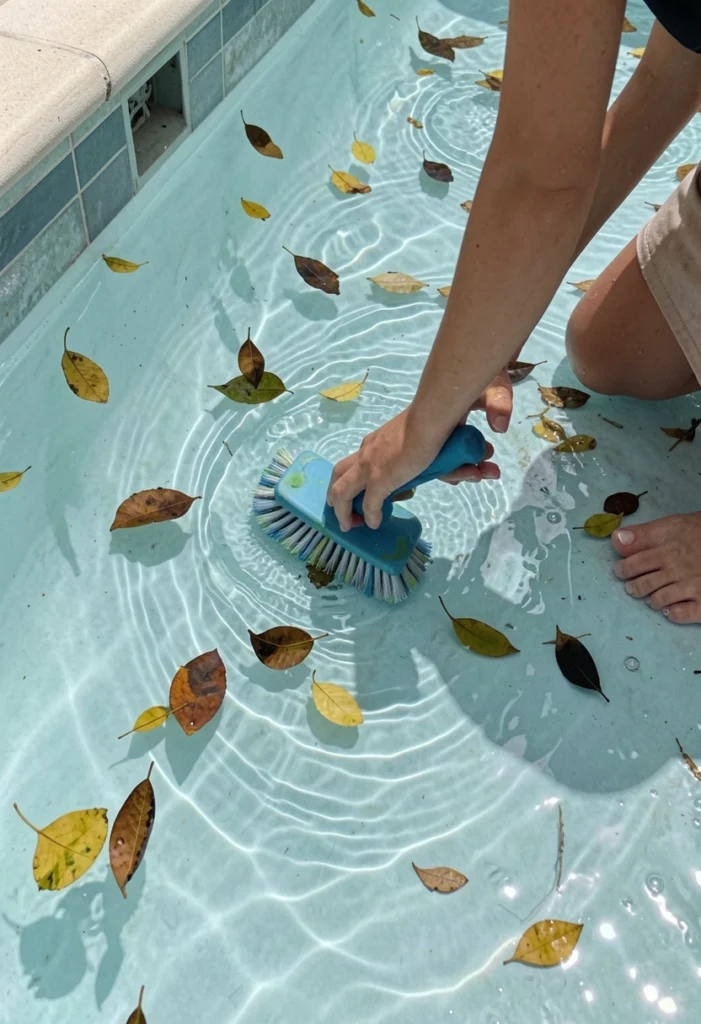
Brushing your pool helps remove algae, dirt, and buildup that can cling to surfaces. Use a pool brush suitable for your pool’s material.
Focus on areas with poor circulation, such as corners and steps, where debris tends to accumulate. Brushing once or twice a week prevents stains and keeps surfaces clean. This step complements filtration and chemical treatments for better results.
See Also: 12 Backyard Wildlife Coexistence Tips: Create a Native-Friendly Garden
5. Vacuum the Pool Weekly
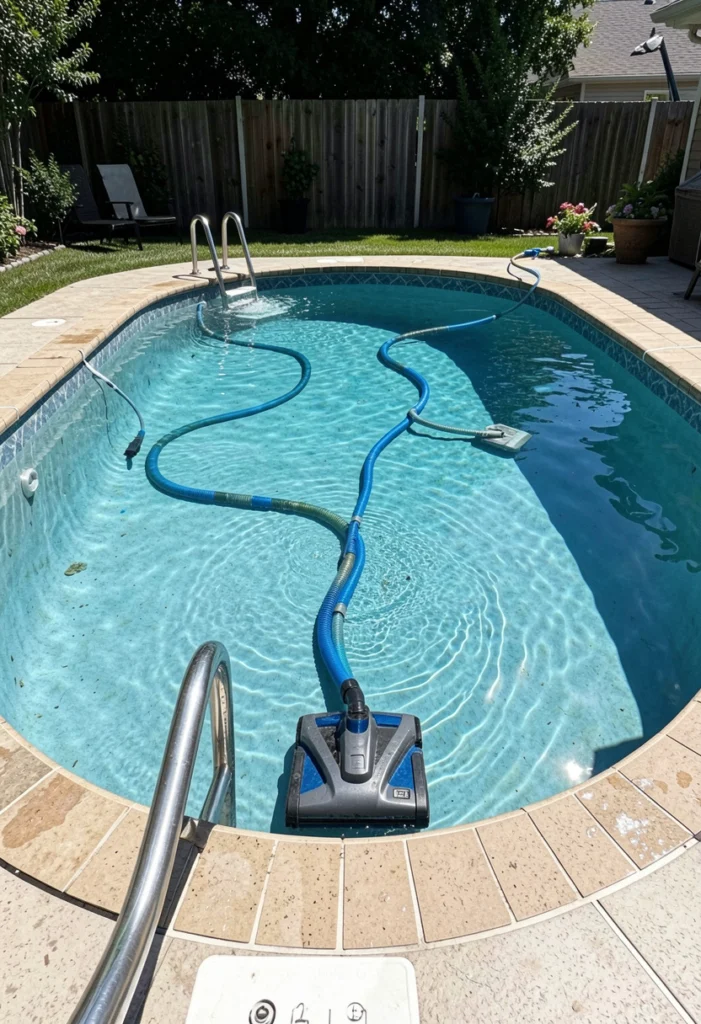
Vacuuming removes debris that settles at the bottom of the pool. Use a manual or automatic pool vacuum for efficient cleaning.
Weekly vacuuming helps maintain clear water and prevents buildup. Pay attention to areas that are harder to reach, such as corners. This routine keeps your pool looking spotless and inviting.
6. Maintain Proper Water Levels
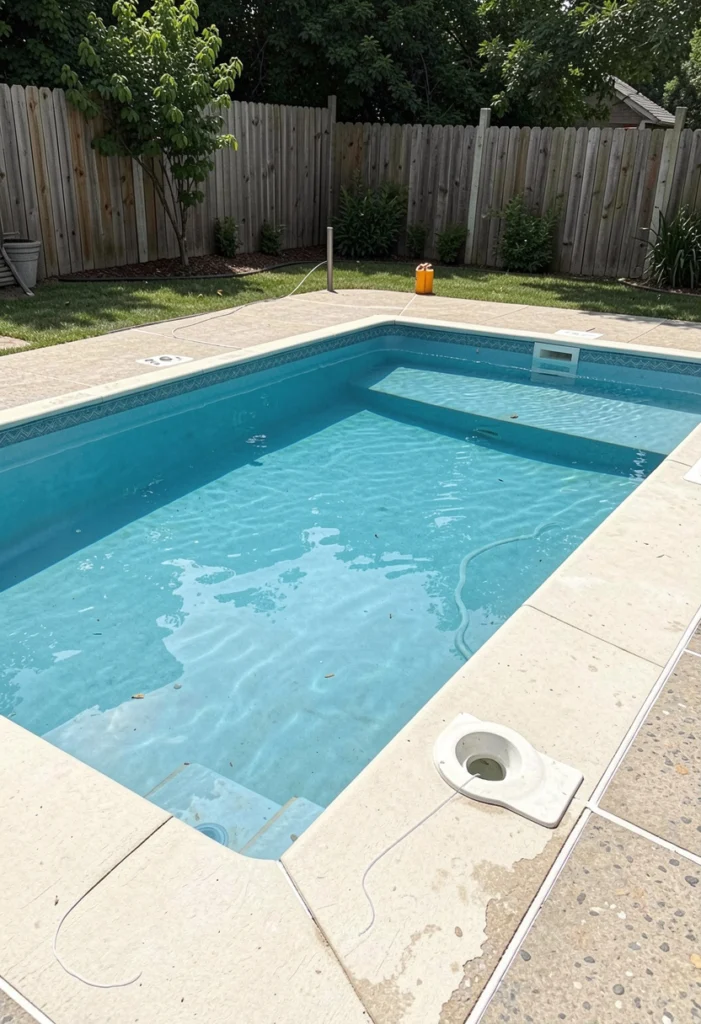
Keeping the water level at the correct height is essential for proper filtration. Water that’s too low can damage the pump, while too high levels reduce skimming efficiency.
Check the water level regularly and adjust as needed. Rain, evaporation, and usage can affect water levels. Maintaining the right level ensures your pool system works effectively.
7. Shock the Pool When Needed
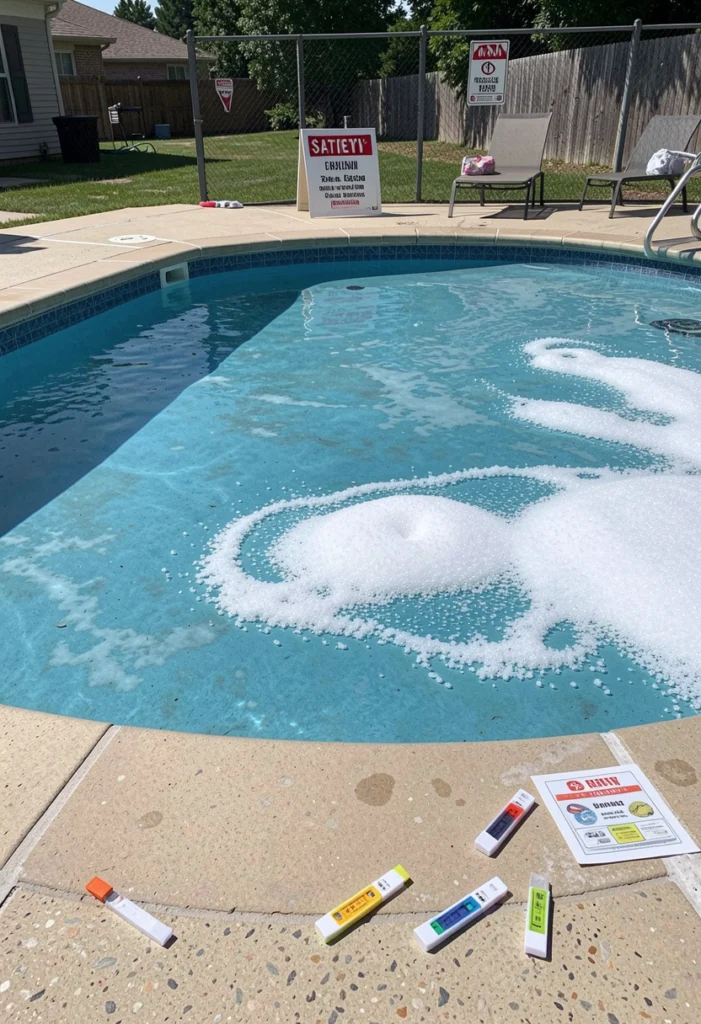
Shocking your pool involves adding a large dose of chlorine to eliminate bacteria and contaminants. This is especially important after heavy use or storms.
Shocking helps restore water clarity and prevents algae growth. Follow safety guidelines and allow time before swimming. This process keeps your pool hygienic and safe.
8. Clean Skimmer and Pump Baskets
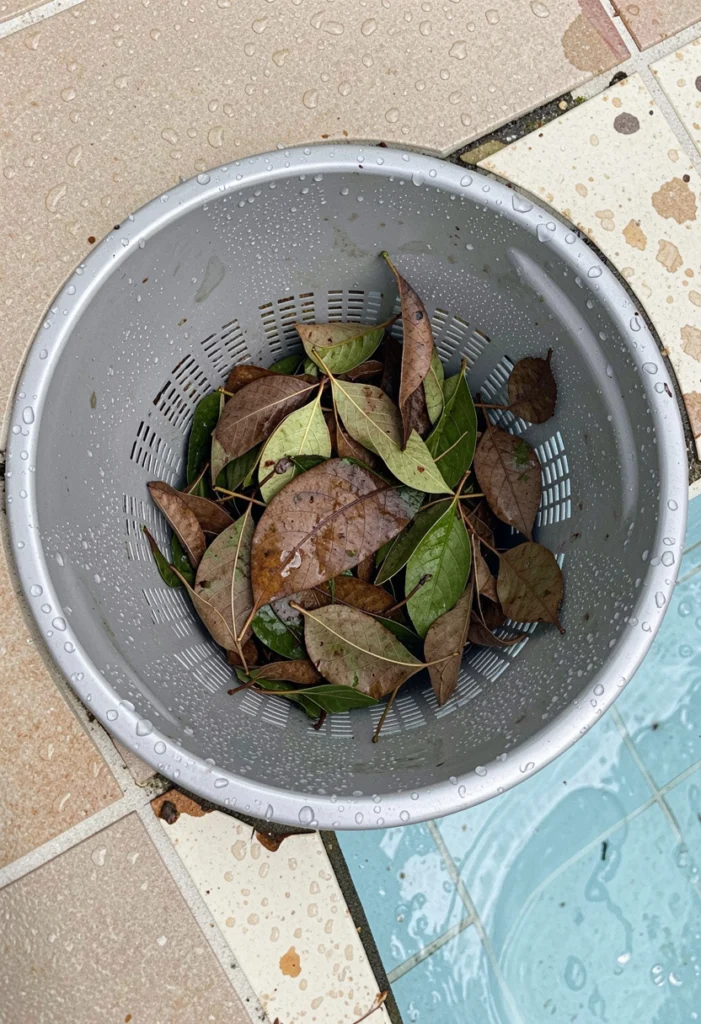
Skimmer and pump baskets collect debris before it reaches the filter. Empty them regularly to maintain proper water flow.
Clogged baskets can strain the pump and reduce efficiency. Check them at least once a week or more often during heavy use. Keeping baskets clean supports the entire filtration system.
9. Use a Pool Cover
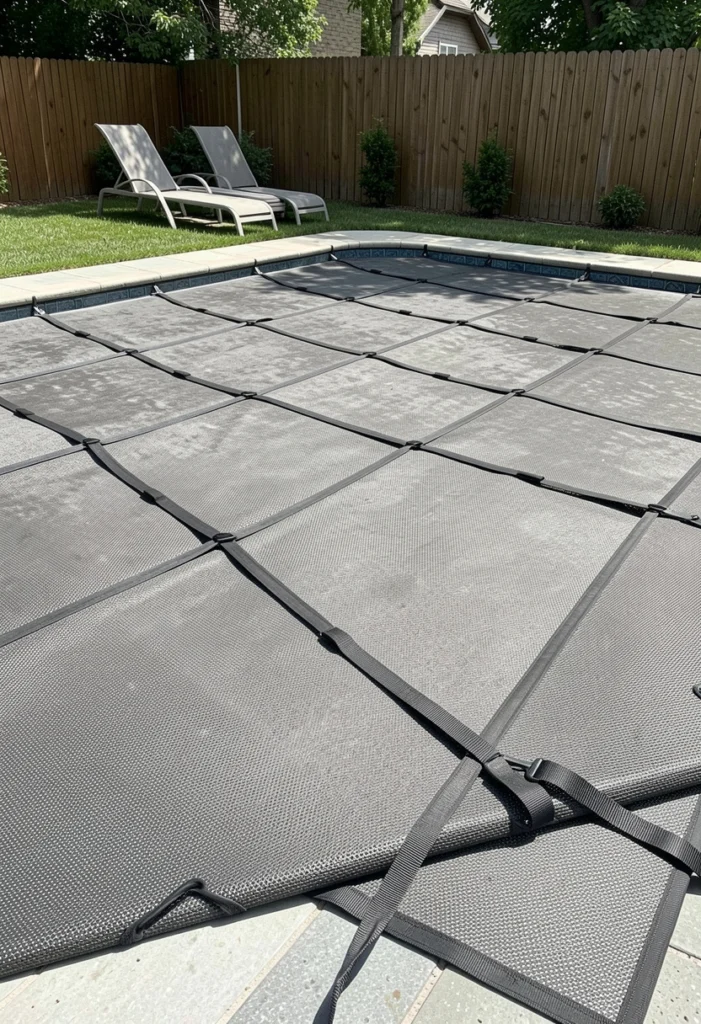
A pool cover helps keep debris out and reduces evaporation. It also maintains water temperature and reduces chemical usage.
Cover your pool when not in use, especially overnight. This simple step saves time and effort in cleaning. A pool cover is a practical investment for maintenance.
10. Monitor Algae Growth
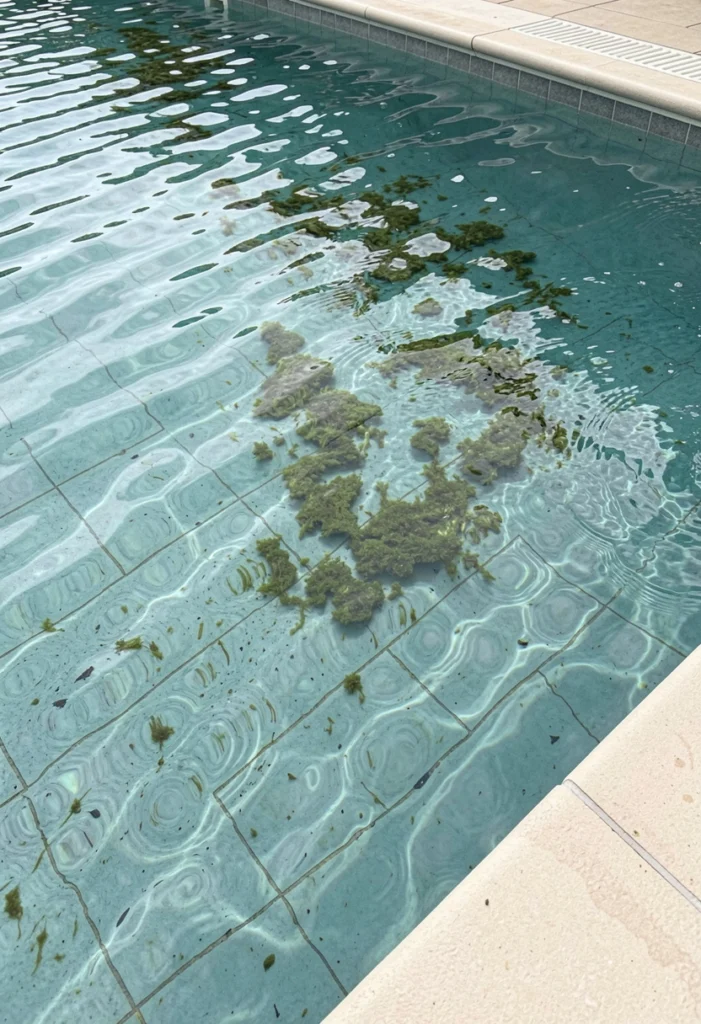
Algae can quickly turn your pool water green if not addressed. Regularly check for early signs like discoloration or slippery surfaces.
Use algaecides and maintain proper chemical balance to prevent growth. Quick action helps avoid more intensive cleaning later. Monitoring algae ensures your pool stays clear and safe.
11. Keep Surrounding Area Clean
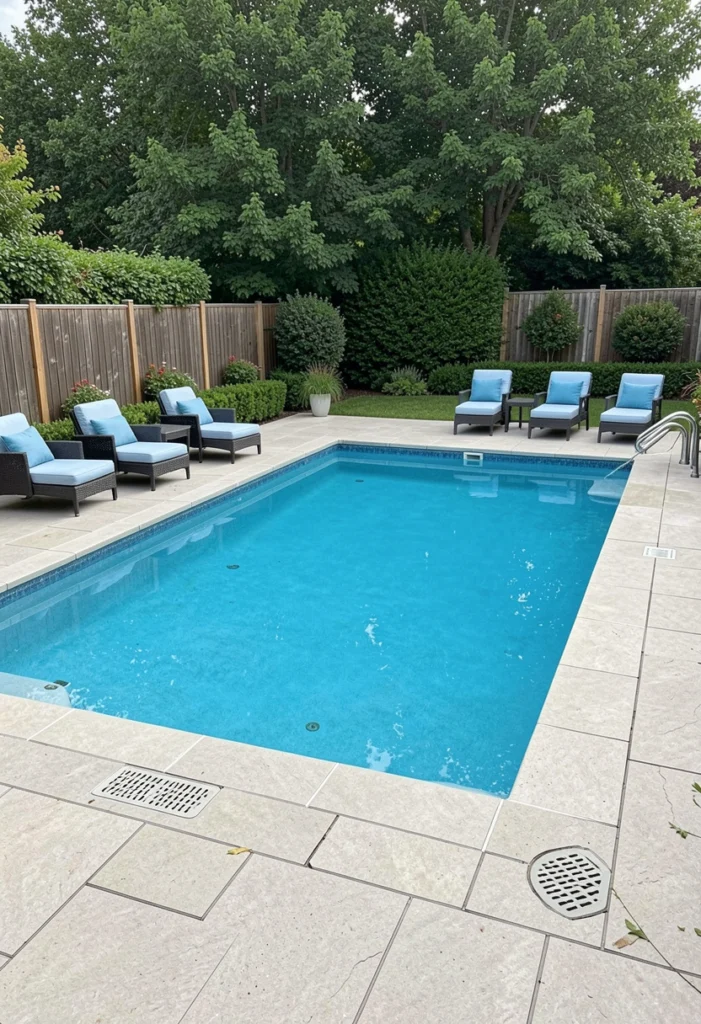
Maintaining the area around your pool reduces debris entering the water. Sweep or rinse patios and remove leaves regularly.
Trim nearby plants to minimize shedding. A clean environment supports overall pool cleanliness. This step reduces the workload of pool maintenance.
12. Run the Pool Pump Daily
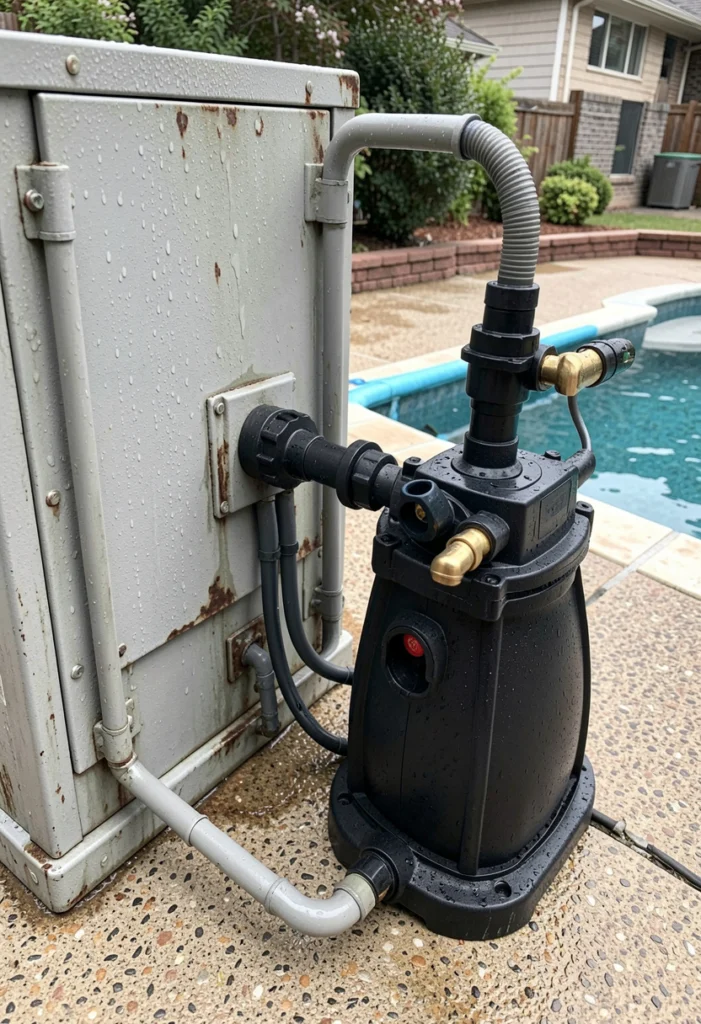
Running your pool pump ensures proper water circulation and filtration. Aim for at least 8–12 hours per day, depending on usage.
Good circulation helps distribute chemicals evenly and prevents stagnation. Adjust pump time based on weather and pool activity. This routine is essential for maintaining water quality.
13. Check for Equipment Issues
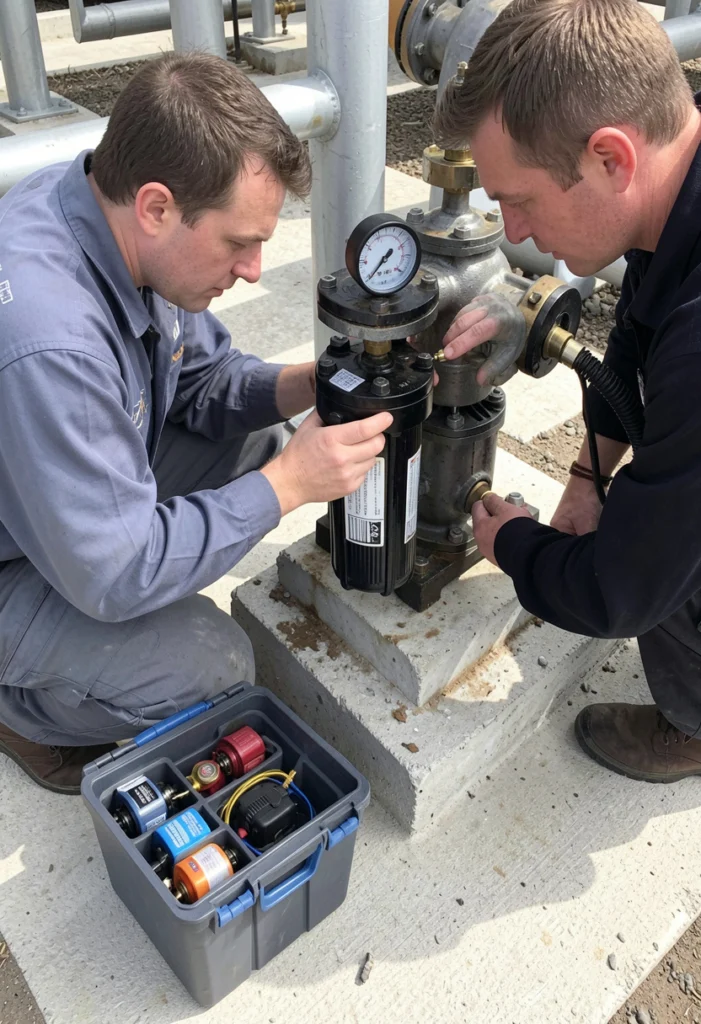
Regularly inspect your pool equipment for leaks, unusual noises, or wear. Early detection prevents costly repairs.
Check hoses, pumps, and filters for proper operation. Routine maintenance keeps everything running smoothly. Addressing issues promptly ensures long-term efficiency.
14. Balance Chemicals After Rain
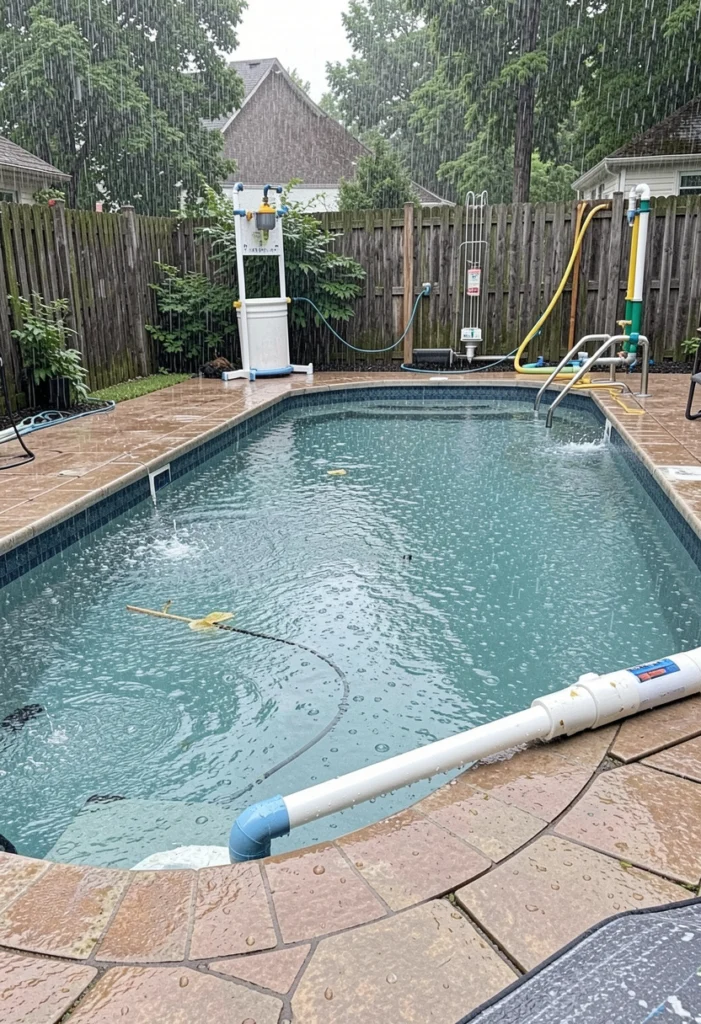
Rainwater can dilute chemicals and introduce contaminants. After heavy rain, test and adjust your pool’s chemical levels.
This helps maintain water clarity and safety. Remove excess debris brought in by rain. Quick adjustments keep your pool in optimal condition.
15. Schedule Professional Maintenance
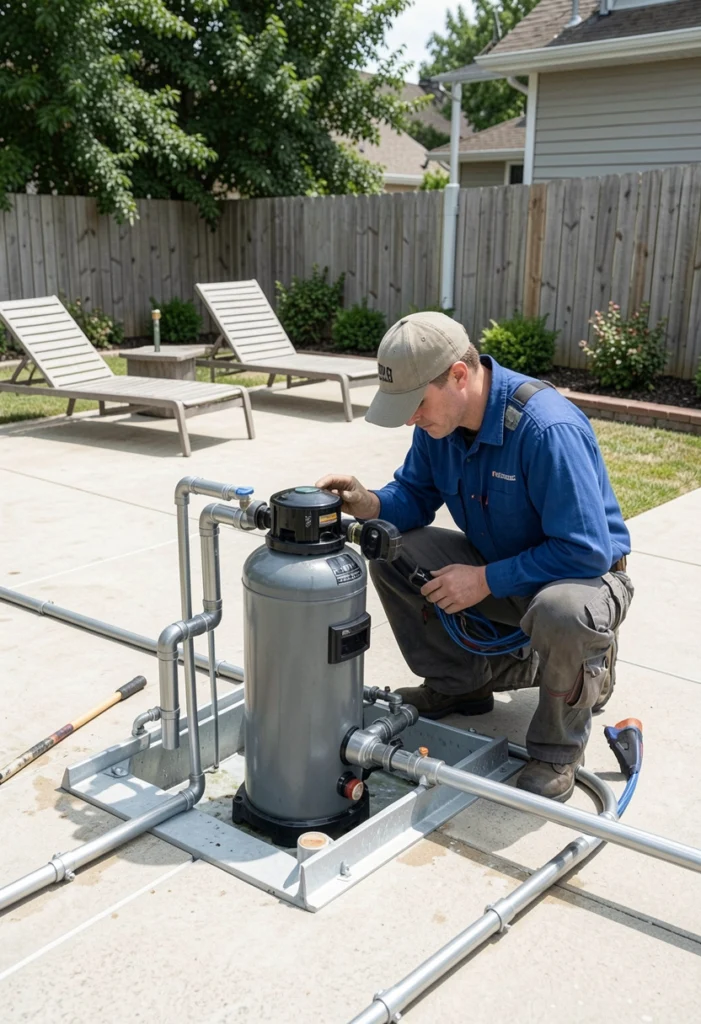
Even with regular care, professional maintenance can help keep your pool in top condition. Experts can perform deep cleaning and inspections.
Schedule periodic check-ups to ensure everything functions properly. Professional services complement your routine efforts. This ensures your pool remains safe and efficient.
Final Words
Maintaining a backyard pool doesn’t have to be overwhelming. With consistent care and simple routines, you can keep your pool clean, safe, and ready to enjoy all summer long. These tips help you stay ahead of common issues while preserving the beauty and functionality of your pool. A well-maintained pool ensures endless relaxation and fun for you and your family.