16 DIY Soundproofing Tips to Keep Your Home Cool & Quiet

Keeping your home cool and quiet during the summer can feel like a challenge, especially when outside noise and rising temperatures disrupt your comfort. Whether it’s traffic, neighbors, or general outdoor activity, unwanted noise can affect relaxation, sleep, and productivity. At the same time, heat can build up quickly indoors, making your space feel stuffy and uncomfortable.
The good news is that you can tackle both issues with simple DIY soundproofing and cooling techniques. By using smart materials, soft furnishings, and strategic design choices, you can reduce noise levels while also improving insulation and airflow. Many of these solutions are budget-friendly, easy to implement, and stylish enough to enhance your home’s overall look. In this guide, you’ll discover 16 DIY soundproofing tips to keep your home cool & quiet, helping you create a calm, peaceful, and refreshing environment all summer long.
1. Use Thick Curtains or Blackout Drapes

One of the easiest DIY ways to reduce noise and heat is by installing thick curtains or blackout drapes. These heavy fabrics act as a barrier, absorbing outside noise while also blocking sunlight that heats up your room.
Choose multi-layered curtains made from dense materials like velvet or thermal-lined cotton. They are particularly effective for windows facing busy streets or direct sunlight. During the day, keeping them closed can significantly reduce both sound and heat transfer.
2. Add Weatherstripping to Doors and Windows
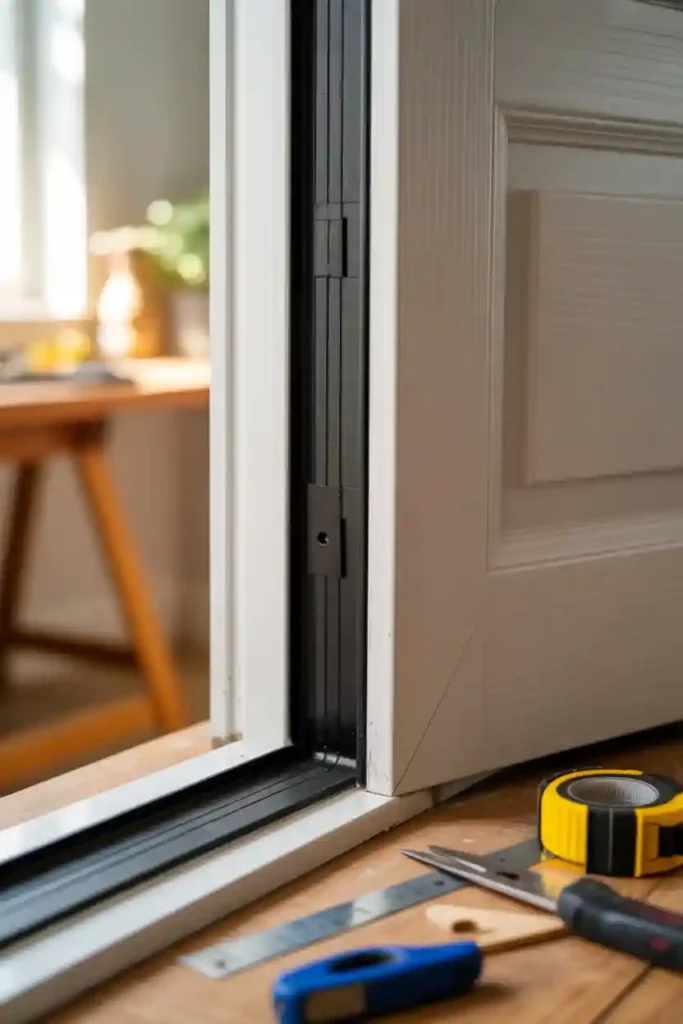
Small gaps around doors and windows are major sources of both noise and heat infiltration. Adding weatherstripping is a simple DIY fix that seals these openings.
Use adhesive foam strips or rubber seals along the edges of doors and windows. This prevents outside noise from leaking in while also improving insulation, keeping cool air inside.
3. Use Rugs and Carpets to Absorb Sound
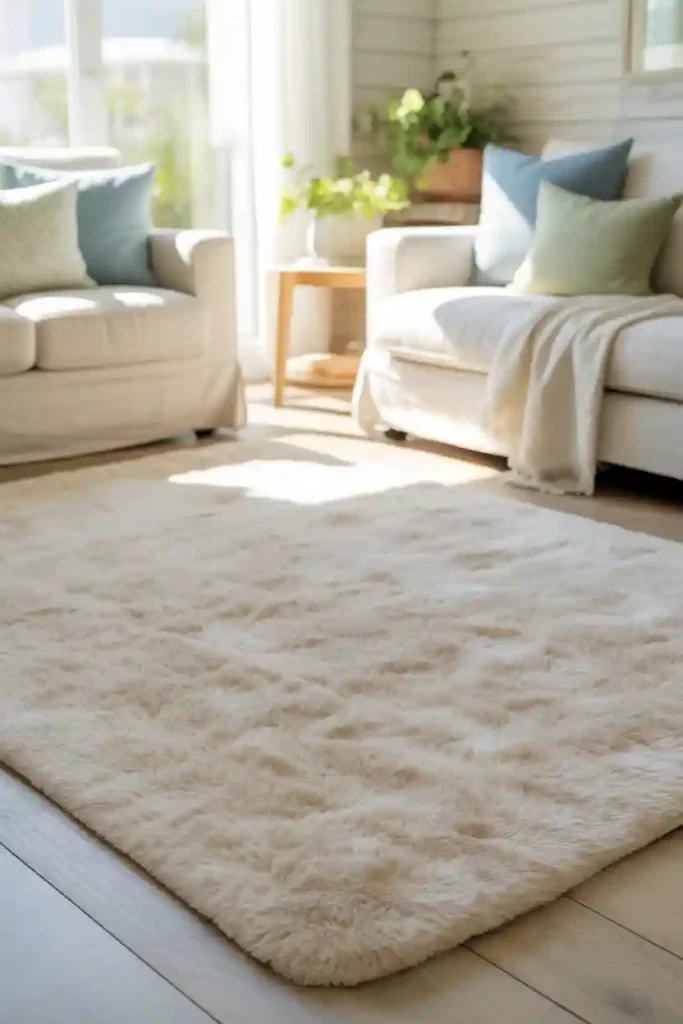
Hard flooring surfaces like tile or wood can amplify noise. Adding rugs or carpets helps absorb sound and reduce echoes within your home.
Choose thick rugs or layered carpets for better sound absorption. Natural fibers like wool are particularly effective. Placing rugs in high-traffic areas or under furniture enhances their impact. Rugs also act as insulation, preventing heat from rising and keeping floors cooler underfoot. This adds both comfort and functionality.
4. Install Door Draft Stopper
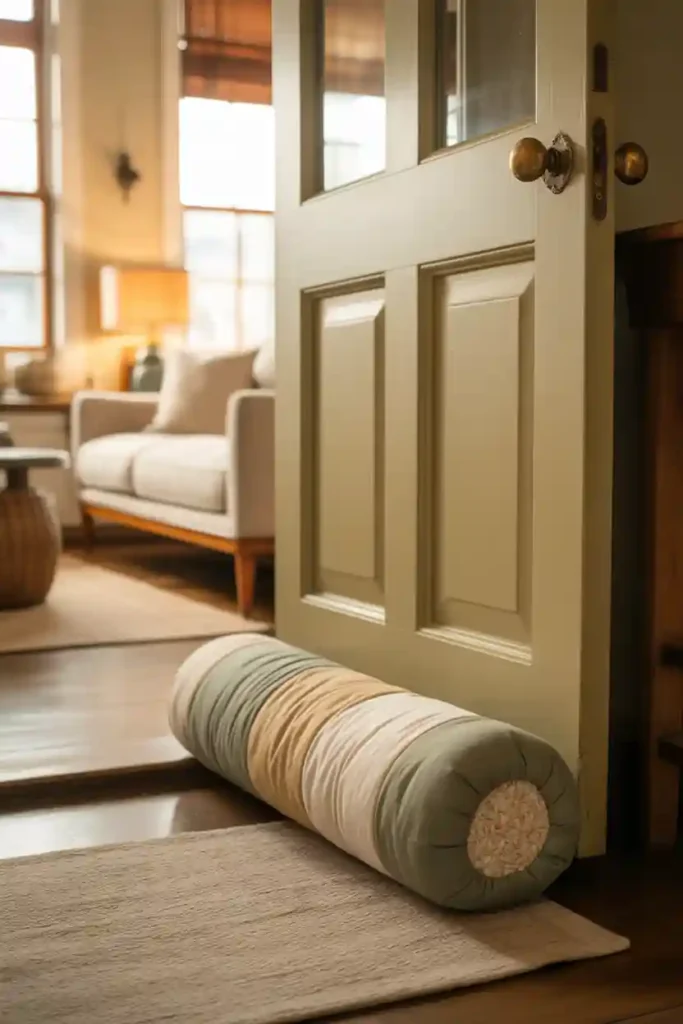
Draft stoppers are a simple yet effective way to block noise and heat from entering through door gaps. These can be store-bought or easily made at home using fabric and filling materials.
Place them along the bottom edge of doors to prevent sound leakage and airflow. They are especially useful for bedrooms and home offices. Draft stoppers also help maintain indoor temperature by keeping cool air inside. This budget-friendly solution is easy to install and highly practical.
5. Hang Acoustic Panels or DIY Foam Boards
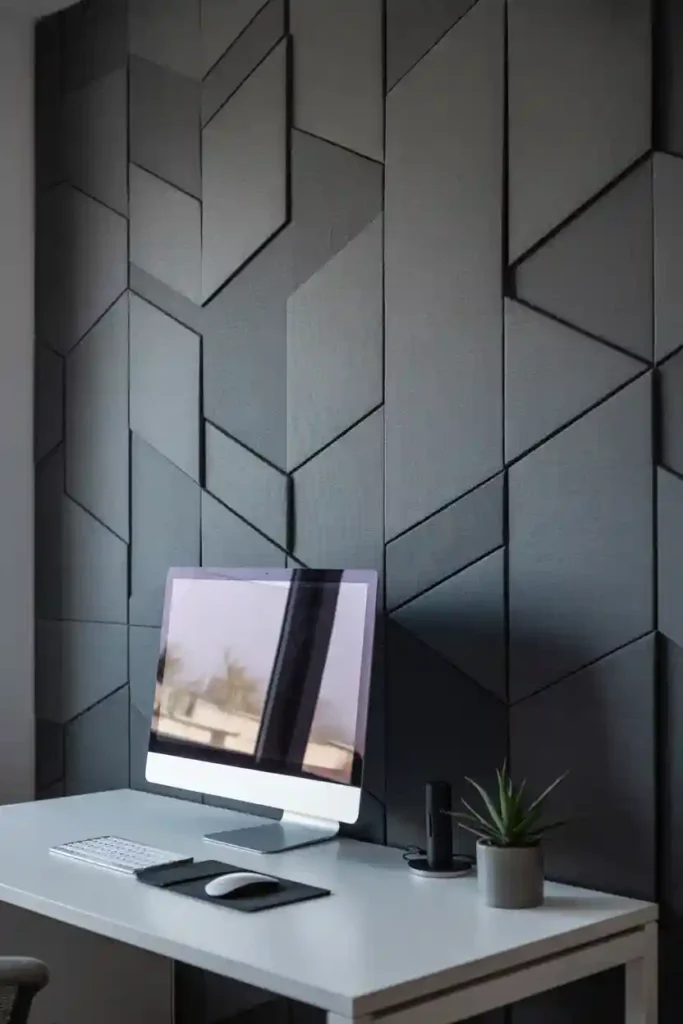
Acoustic panels are designed to absorb sound and reduce echo. You can create DIY panels using foam, fabric, or even cork boards.
Mount them on walls where noise reflection is strongest, such as behind desks or near entertainment areas. Covering them with decorative fabric allows them to blend with your decor. These panels also add a layer of insulation, helping maintain a cooler indoor environment. They are perfect for home offices, studios, or living rooms.
See Also: 12 Energy-Efficient Decor Ideas to Cut Summer Utility Bills
6. Use Bookshelves as Sound Barriers

Bookshelves filled with books act as natural sound absorbers. Placing them against shared walls can significantly reduce noise transmission.
The dense materials help block sound while adding insulation. Floor-to-ceiling shelves provide the best results. This solution combines functionality with aesthetics, making it ideal for living rooms or study areas. Bookshelves also add warmth and personality to your space.
7. Add Wall Hangings or Tapestries

Soft wall decor like tapestries or fabric art helps absorb sound and reduce echo. These items also prevent walls from radiating heat.
Choose thick, textured fabrics for maximum effectiveness. Hanging them on large wall surfaces improves acoustics and adds visual interest. This is a simple way to enhance both comfort and style.
8. Seal Gaps with Caulk
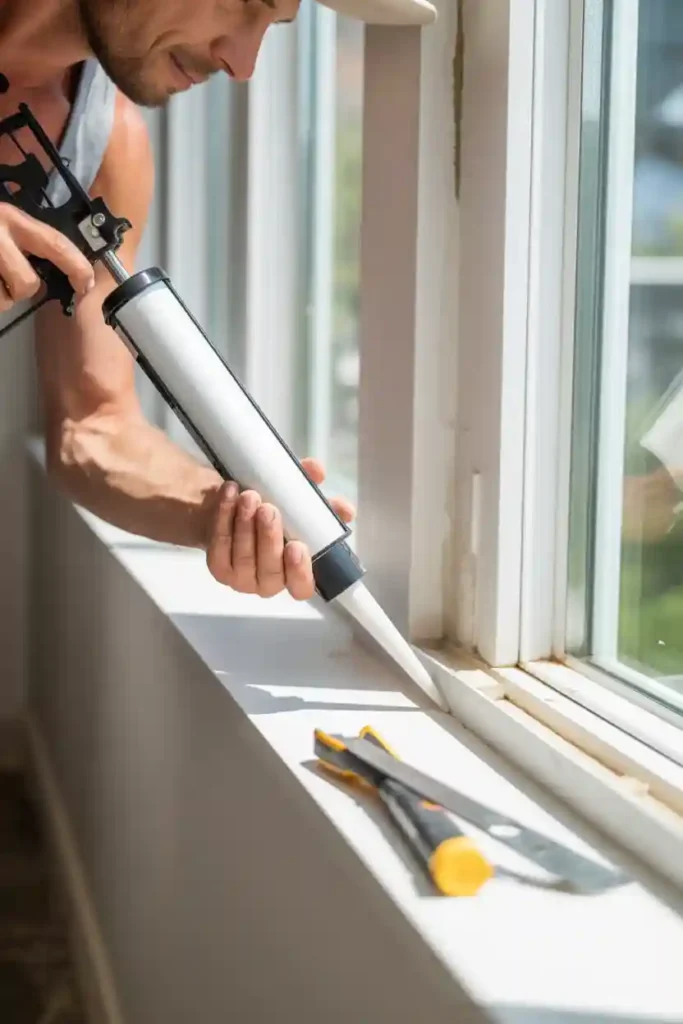
Cracks and gaps in walls can allow noise and hot air to enter. Sealing them with caulk is a quick and effective solution.
Focus on areas around windows, doors, and baseboards. This improves insulation and reduces sound leakage. Caulking is inexpensive and easy to apply, making it a great DIY option.
9. Use Heavy Furniture Strategically
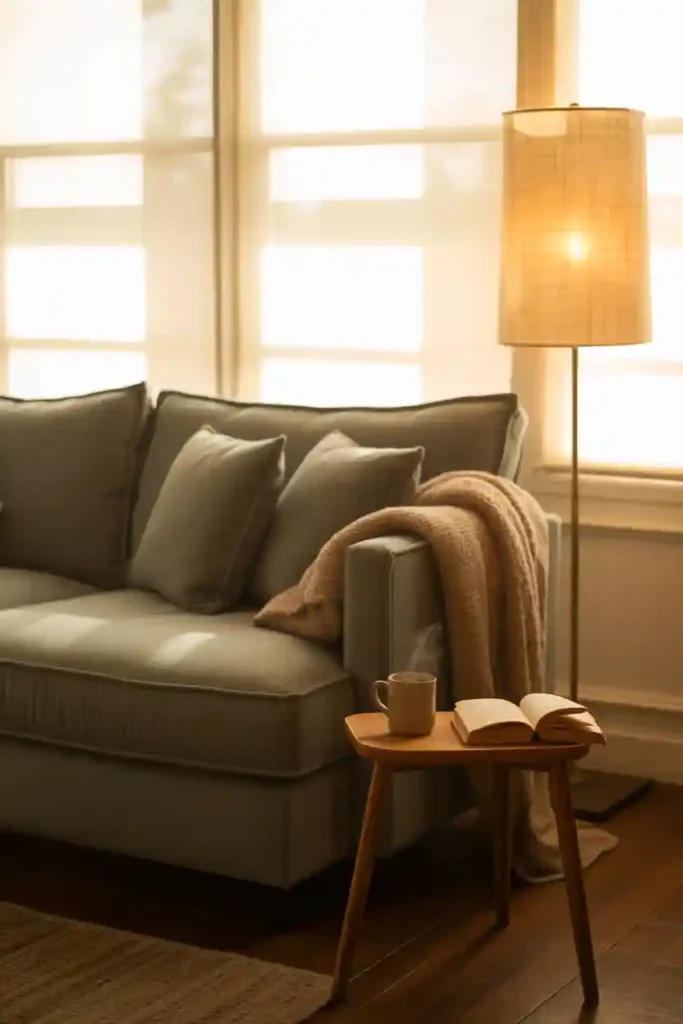
Placing heavy furniture like sofas or cabinets against shared walls can help block noise. These items act as physical barriers that absorb sound.
They also reduce heat transfer through walls, keeping your home cooler. This method requires no additional cost and works well in apartments or shared spaces.
10. Install Door Sweeps
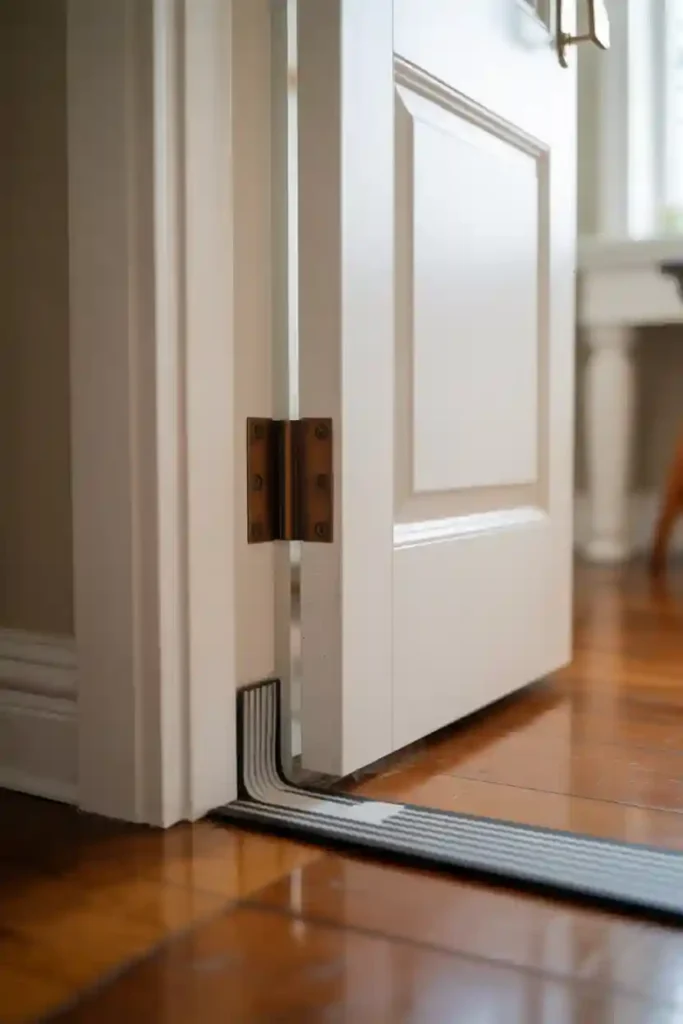
Door sweeps are attached to the bottom of doors to seal gaps. They block both noise and airflow effectively.
They are easy to install and work well in combination with weatherstripping. Door sweeps improve insulation and soundproofing at the same time.
11. Use Double-Layer Curtains
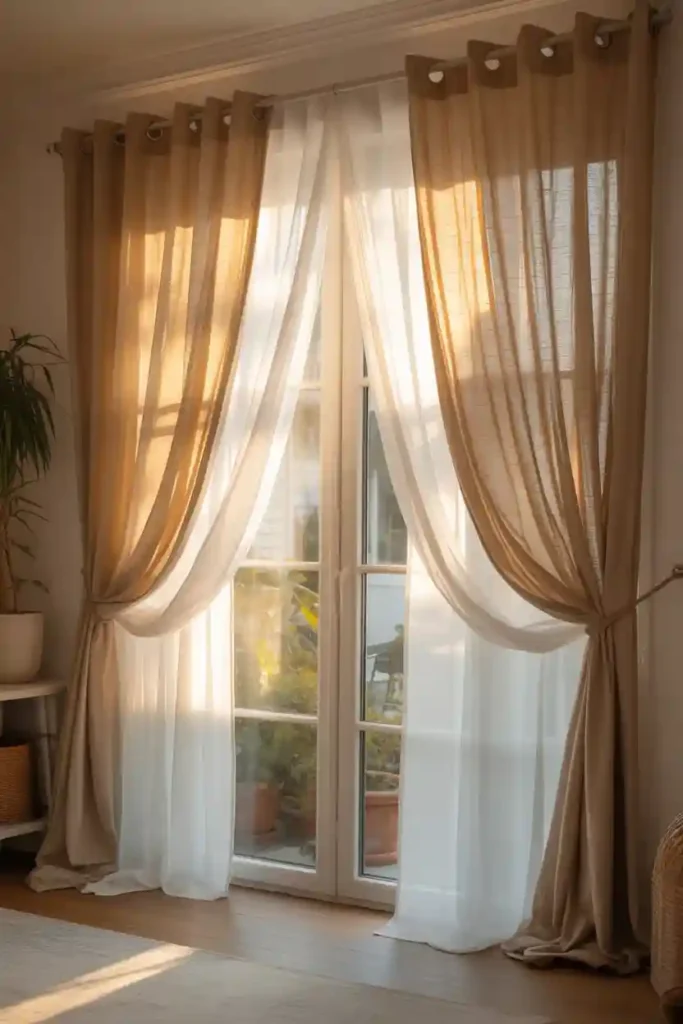
Layering curtains adds extra sound and heat insulation. Combine sheer curtains with thicker blackout layers for flexibility.
This setup allows you to control light, noise, and temperature throughout the day. Layered curtains enhance both function and style.
12. Add Upholstered Furniture

Soft furniture like sofas, chairs, and cushions absorb sound and improve acoustics.
They also create a cozy environment that feels cooler and more inviting. Adding more upholstered elements enhances comfort and reduces noise.
13. Use Window Inserts or DIY Panels
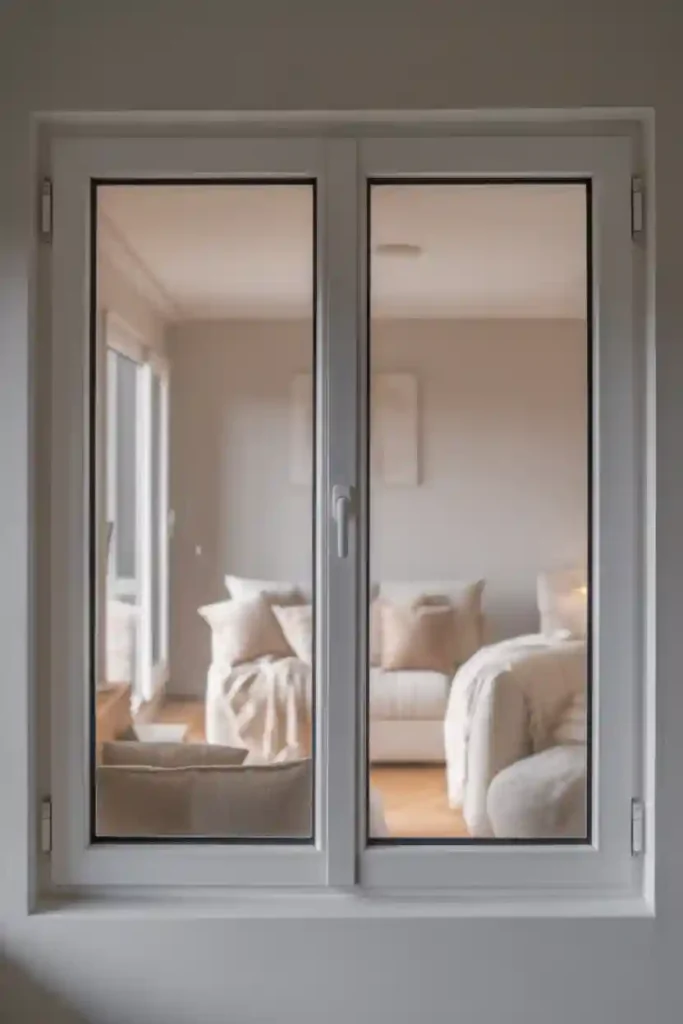
Window inserts add an extra layer of insulation and soundproofing. DIY versions can be made using acrylic sheets.
They reduce outside noise and heat transfer effectively. This solution is ideal for noisy or hot environments.
14. Hang Thick Blankets on Walls
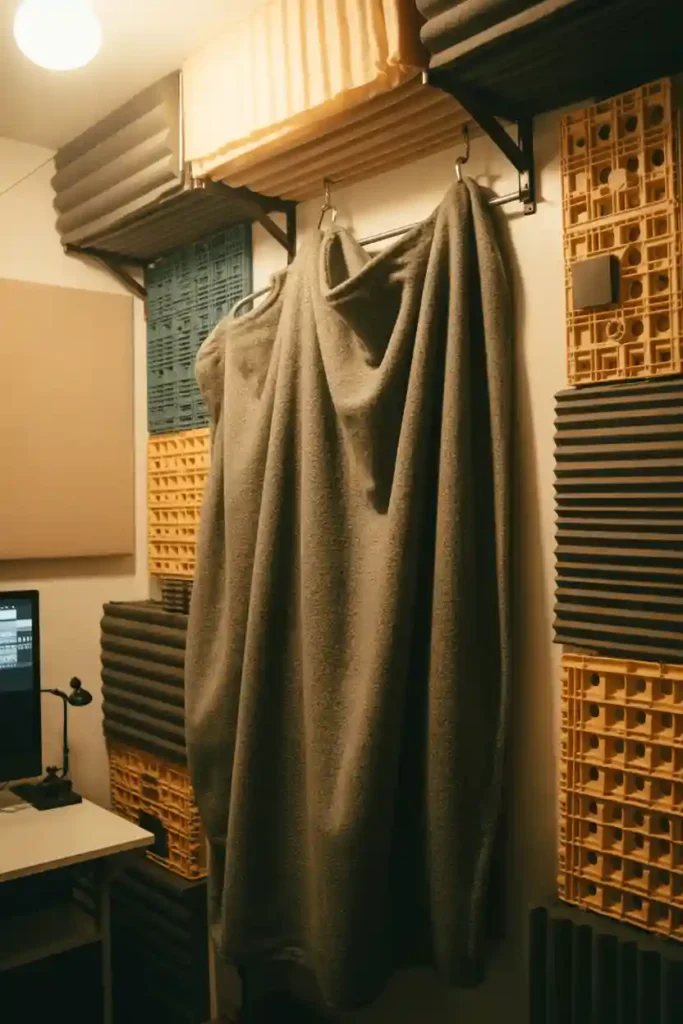
Using thick blankets as temporary soundproofing is an easy DIY hack. They absorb sound and reduce echo.
This works well in rental spaces where permanent changes aren’t possible. It’s a quick and flexible solution.
15. Add Plants for Natural Sound Absorption

Plants help absorb sound and improve air quality. Large leafy plants are especially effective.
They also create a cooler and fresher indoor environment. This natural solution enhances both comfort and decor.
16. Rearrange Layout for Better Acoustics

Furniture layout affects how sound travels. Rearranging your space can reduce noise and improve airflow.
Avoid empty, echo-prone areas and create balanced arrangements. This simple change enhances both comfort and functionality.
Conclusion
Creating a peaceful and comfortable space is easier than you think with these 16 DIY Soundproofing Tips to Keep Your Home Cool & Quiet. By combining simple sound-absorbing materials with smart insulation techniques, you can significantly reduce unwanted noise while also keeping indoor temperatures more stable during the summer months.