15 Easy Ways to Create Shade in Your Garden This Summer
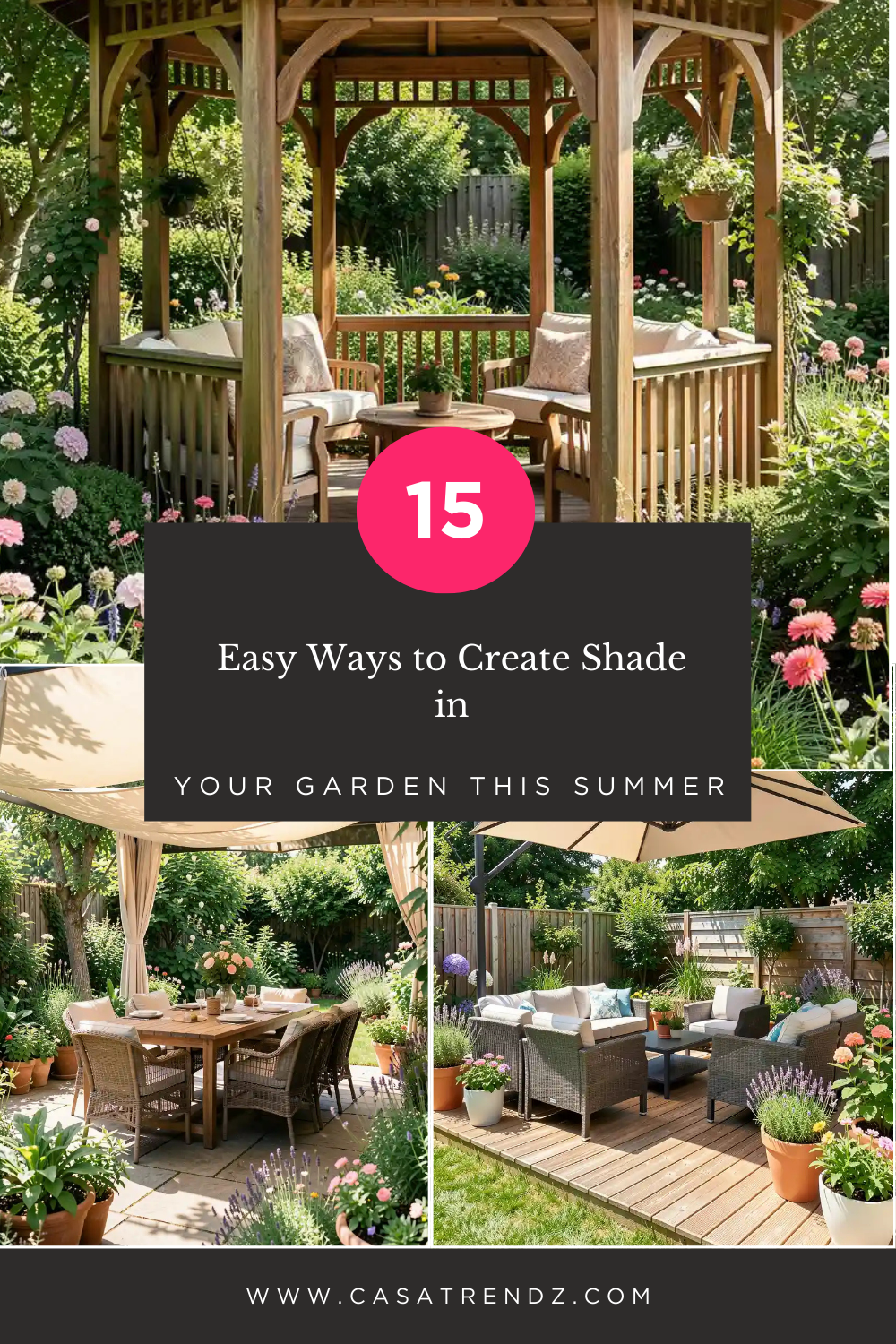
Summer brings long sunny days that make spending time in the garden enjoyable, but too much direct sunlight can quickly turn outdoor spaces into uncomfortable hot zones. Creating shaded areas in your garden allows you to relax, entertain guests, and enjoy nature without overheating. Shade also helps protect delicate plants, keeps seating areas cooler, and can even reduce glare around patios and decks. Fortunately, you don’t need a major landscaping project to add shade to your outdoor space. Simple structures, natural elements, and creative design solutions can transform bright areas into refreshing garden retreats.
From elegant pergolas and stylish shade sails to fast-growing plants and portable umbrellas, there are many ways to introduce shade while enhancing the overall beauty of your garden. The key is choosing solutions that match your space, style, and budget. In this guide, you’ll discover 15 Easy Ways to Create Shade in Your Garden This Summer, helping you design a cooler, more comfortable backyard where you can relax all season long.
1. Install a Classic Wooden Pergola
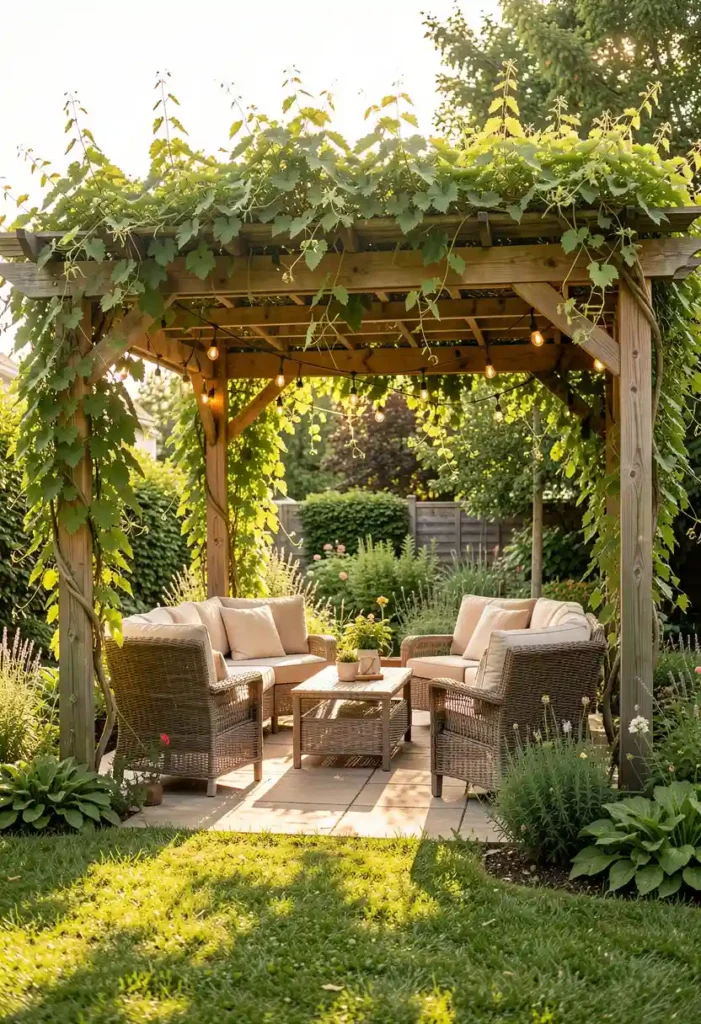
A wooden pergola is one of the most attractive and practical ways to introduce shade into your garden. This open-roof structure consists of vertical posts supporting cross beams that create partial shade while still allowing filtered sunlight to pass through. Pergolas work beautifully over patios, outdoor dining spaces, or garden seating areas.
You can enhance the shade by adding retractable fabric covers, bamboo panels, or climbing plants across the top beams. Over time, vines such as jasmine, grapevine, or wisteria grow over the structure and form a lush green canopy. This natural shade makes the space feel cooler and more inviting.
2. Use a Large Patio Umbrella
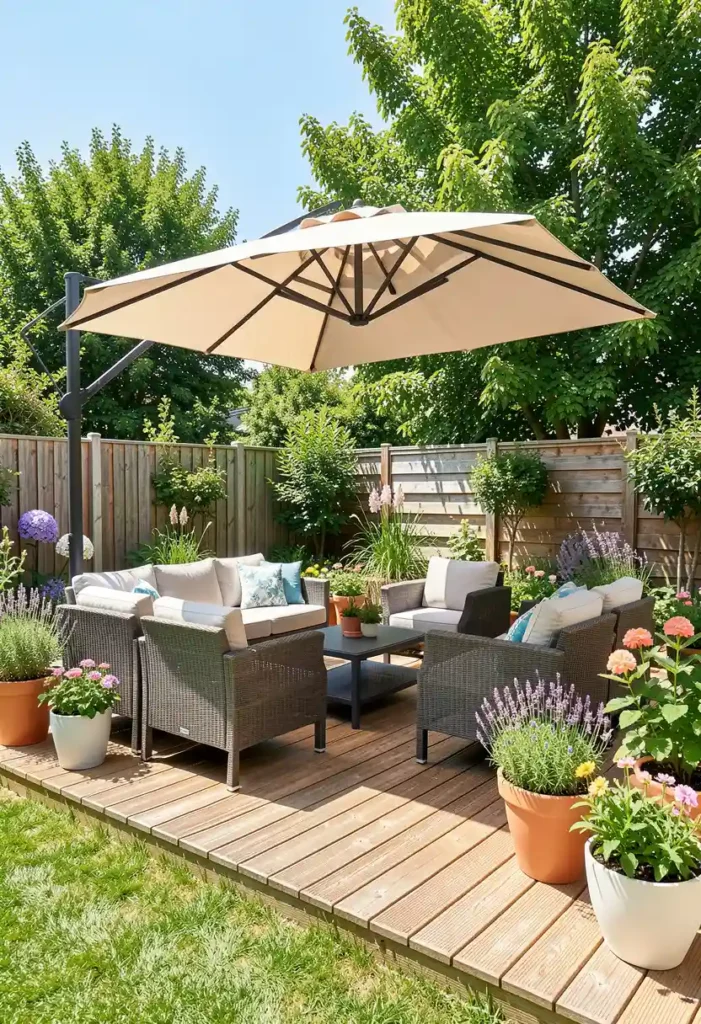
A patio umbrella is one of the quickest and most affordable ways to create shade in your garden. These umbrellas are designed specifically for outdoor spaces and can easily be placed over dining tables, lounge chairs, or garden seating areas.
Large cantilever umbrellas are especially popular because they extend outward without a center pole blocking the space beneath. Many models also feature adjustable tilt systems that allow you to reposition the umbrella as the sun moves throughout the day.
3. Install a Modern Shade Sail
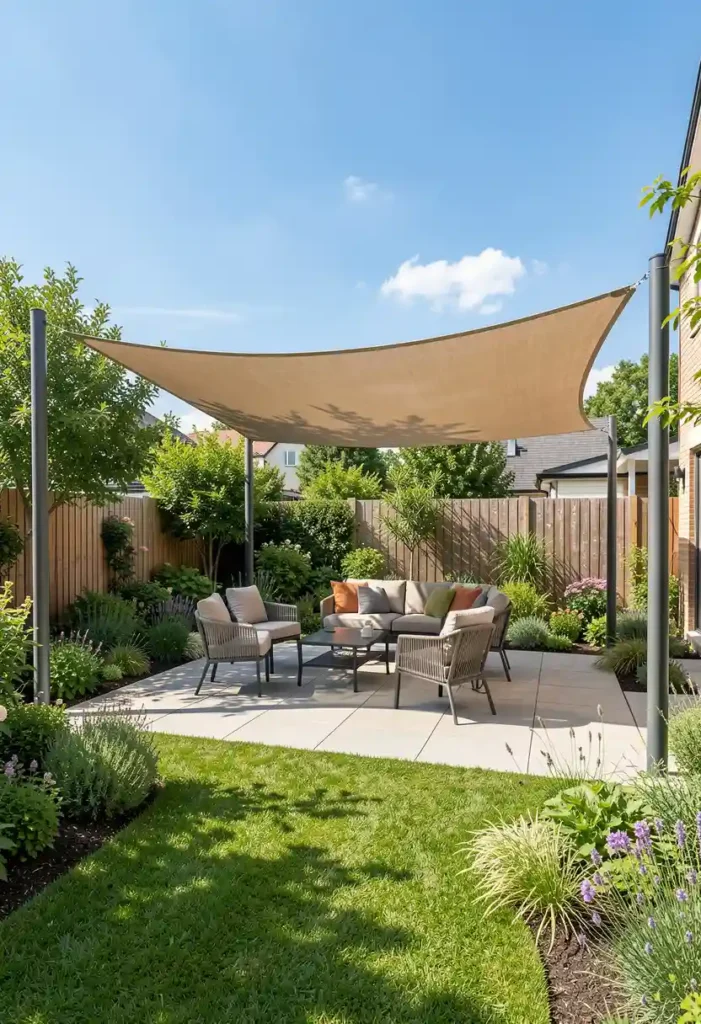
Shade sails are stylish fabric canopies stretched between poles, trees, or buildings to create large shaded areas. Their sleek triangular or rectangular shapes give gardens a modern architectural look while providing excellent sun protection.
The fabric used in shade sails is designed to block harmful UV rays while still allowing airflow. This makes the area underneath feel cooler and comfortable even on very hot days. Shade sails are ideal for covering patios, outdoor kitchens, children’s play areas, or poolside lounges. One of the biggest advantages of shade sails is their flexibility. You can install multiple sails at different heights and angles to create layered shade patterns that look visually striking. Neutral colors like beige, gray, or white blend well with most garden designs.
See Also: 13 Summer Home Scents That Make Every Room Feel Fresh Daily
4. Grow Climbing Plants on Trellises
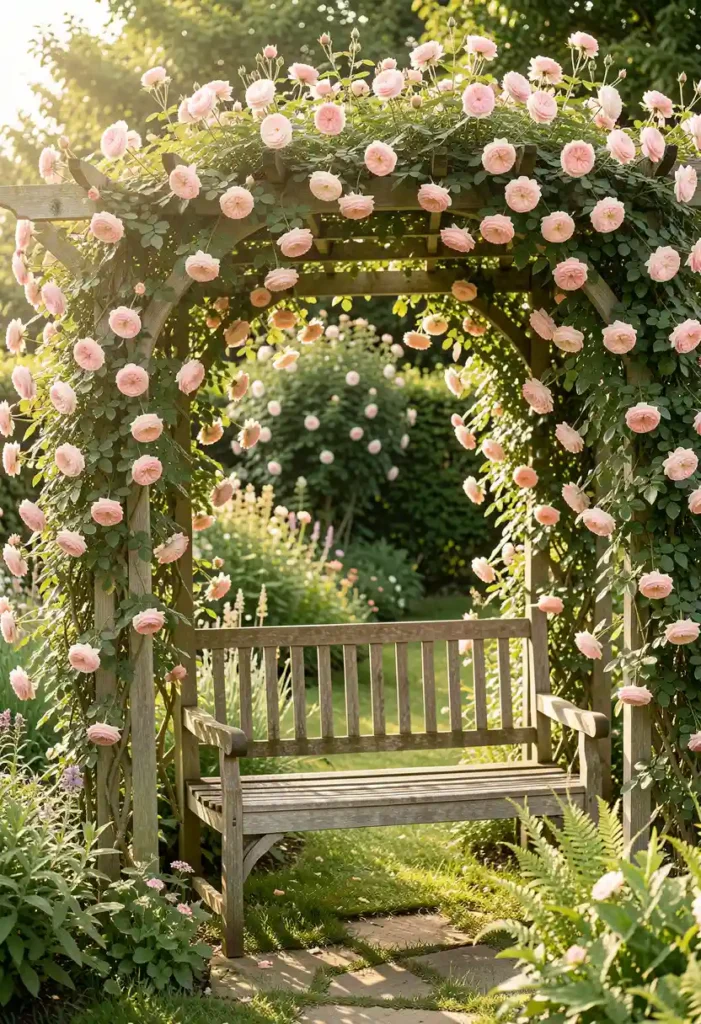
Climbing plants can naturally create shade while adding lush greenery to your garden. By installing trellises or vertical frames, you encourage vines to grow upward and form leafy walls or overhead canopies.
Plants like climbing roses, ivy, jasmine, and honeysuckle grow quickly and provide beautiful shade once established. Their dense foliage filters sunlight while also cooling the surrounding air. Trellises can be placed beside garden benches, patios, or pathways to create shaded corners perfect for relaxing. Over time, the plants become thicker and more effective at blocking harsh sunlight.
5. Plant Fast-Growing Shade Trees
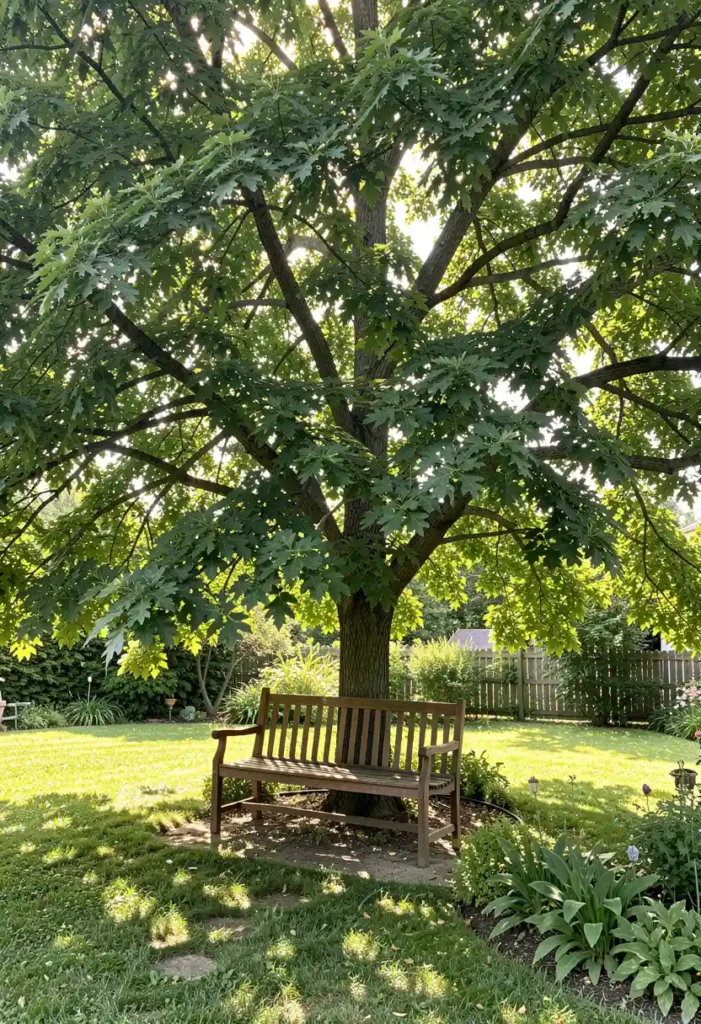
Trees are one of the most natural and long-term ways to add shade to a garden. Fast-growing species such as maple, willow, or birch can quickly provide a wide canopy that protects outdoor spaces from intense sunlight.
Planting trees near patios, seating areas, or lawns helps reduce heat while also improving air quality. Mature trees create beautiful dappled shade where sunlight gently filters through the leaves. Beyond shade, trees bring seasonal beauty, attract birds and wildlife, and make your garden feel more established and serene. Choosing species suited to your local climate ensures healthy growth and lasting shade.
6. Add a Charming Garden Gazebo
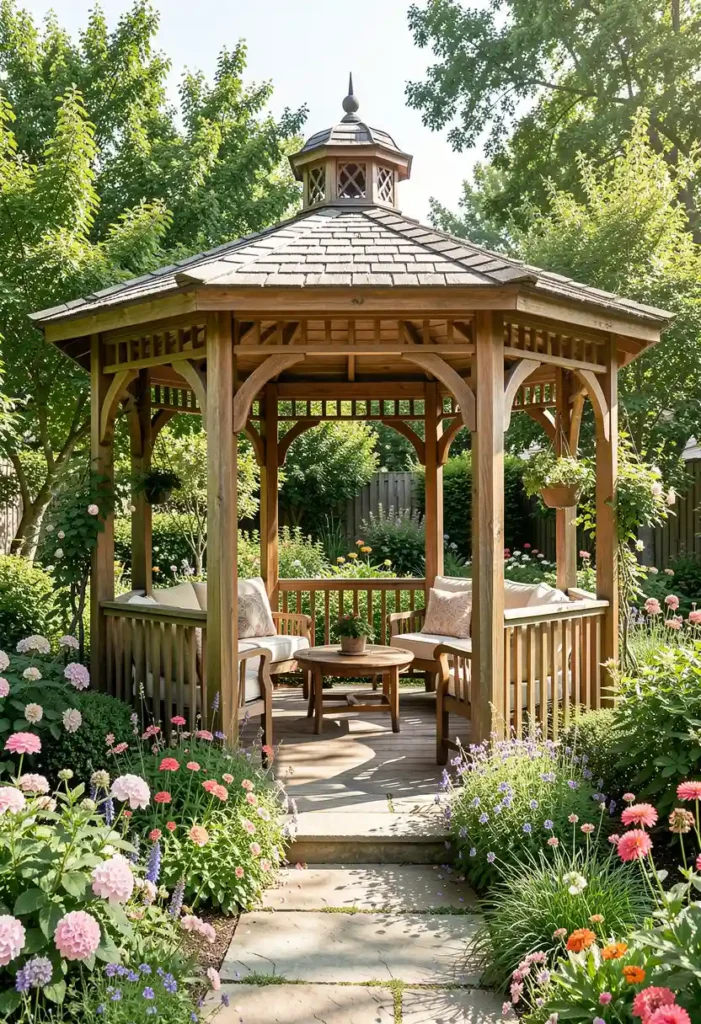
A gazebo provides full shade and becomes a focal point in the garden. Unlike pergolas, gazebos usually have solid roofs that block direct sunlight completely, making them perfect for relaxing during hot afternoons.
You can use a gazebo as an outdoor dining area, reading nook, or entertainment space. Adding comfortable chairs, cushions, and a table transforms it into a cozy outdoor living room. Decorating with climbing plants, curtains, or lanterns can enhance the atmosphere and create a charming garden retreat.
7. Create a Covered Garden Seating Area
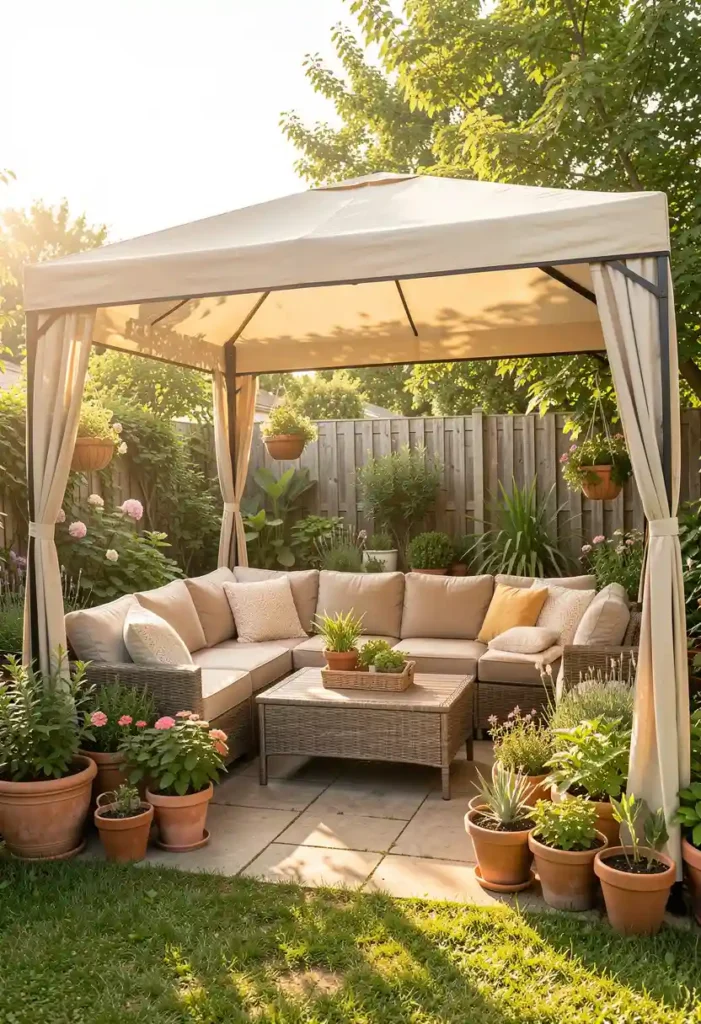
A covered seating area is perfect for relaxing outdoors while staying protected from the sun. This can be achieved with a simple canopy structure, wooden frame, or metal pavilion placed over your patio furniture.
Adding sofas, lounge chairs, and a coffee table underneath makes the space ideal for gatherings or quiet afternoons with a book.
8. Hang Flowing Outdoor Curtains
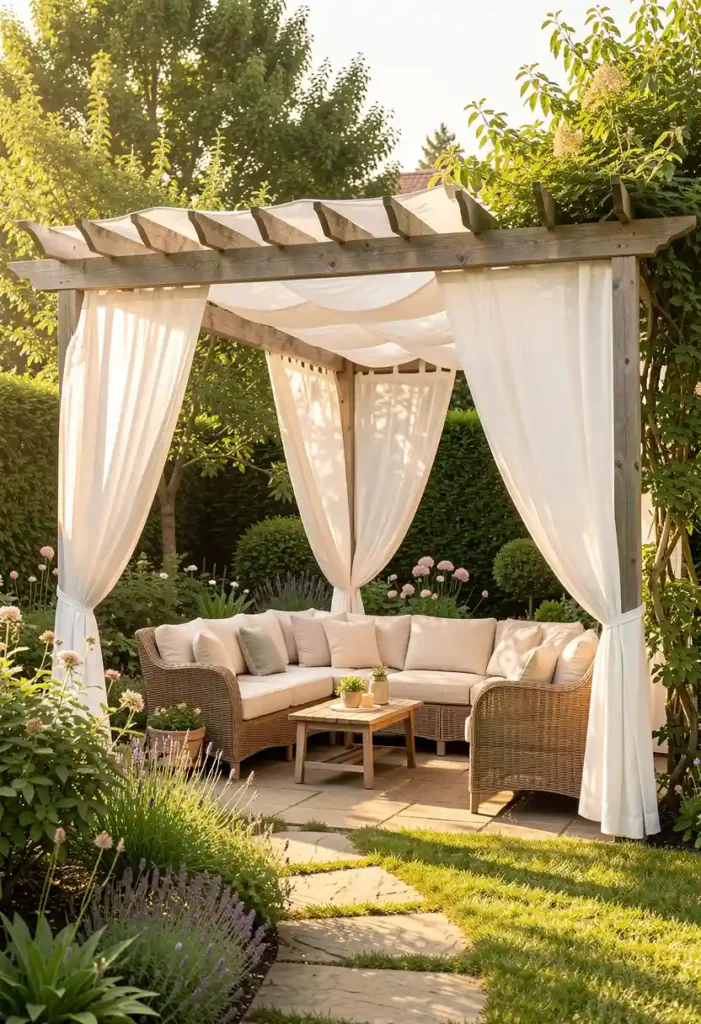
Outdoor curtains are a stylish and flexible way to create shade while adding softness and elegance to your garden. These lightweight, weather-resistant curtains can be installed around pergolas, gazebos, patios, or covered seating areas to filter sunlight and create a cool, comfortable environment. Unlike permanent shade structures, curtains allow you to adjust the amount of shade easily by opening or closing them depending on the time of day.
For a bright summer look, many homeowners choose white or neutral-colored curtains that reflect sunlight and keep the space feeling airy. However, you can also select soft earth tones or patterned fabrics to match your garden’s style. Outdoor curtain fabrics are typically made from durable materials designed to resist fading, moisture, and mildew.
9. Install Bamboo or Reed Screens
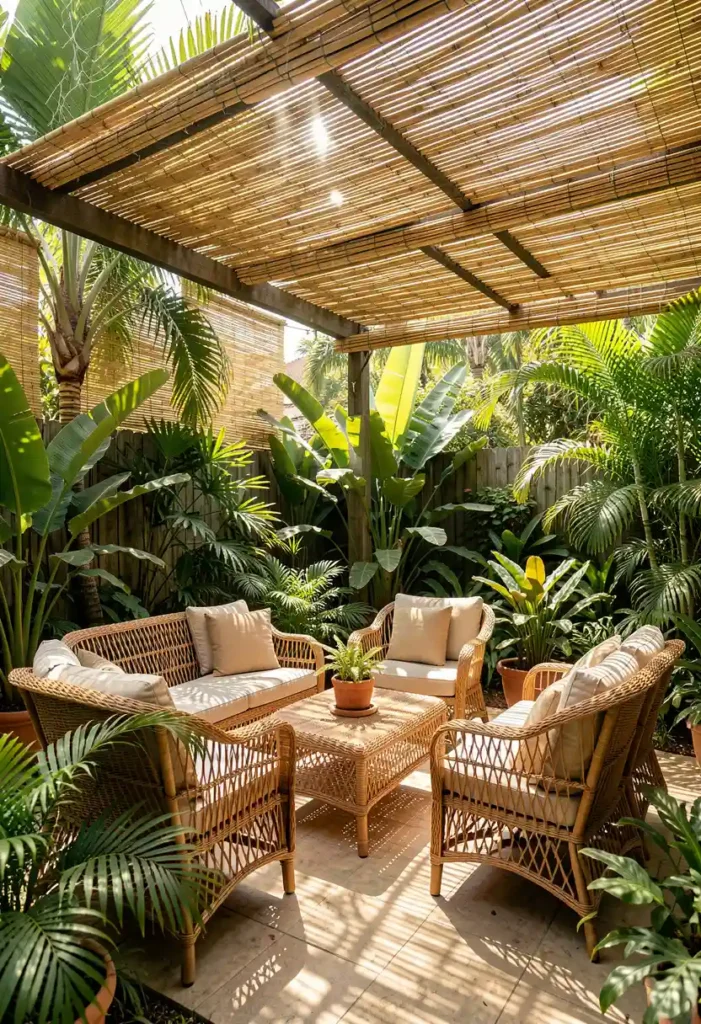
Bamboo or reed screens are a natural and eco-friendly solution for adding shade to your garden. These screens are made from lightweight plant materials that filter sunlight beautifully while still allowing fresh air to circulate. Because of their organic texture, bamboo screens blend perfectly with outdoor landscapes and create a relaxed, tropical atmosphere.
You can attach bamboo screens to pergolas, fences, patios, or balcony railings to block harsh afternoon sunlight. They work especially well in areas where the sun hits from the side, such as west-facing patios. When sunlight passes through the bamboo slats, it creates soft patterns of light and shadow that make the space feel calm and visually interesting.
10. Use a Retractable Awning
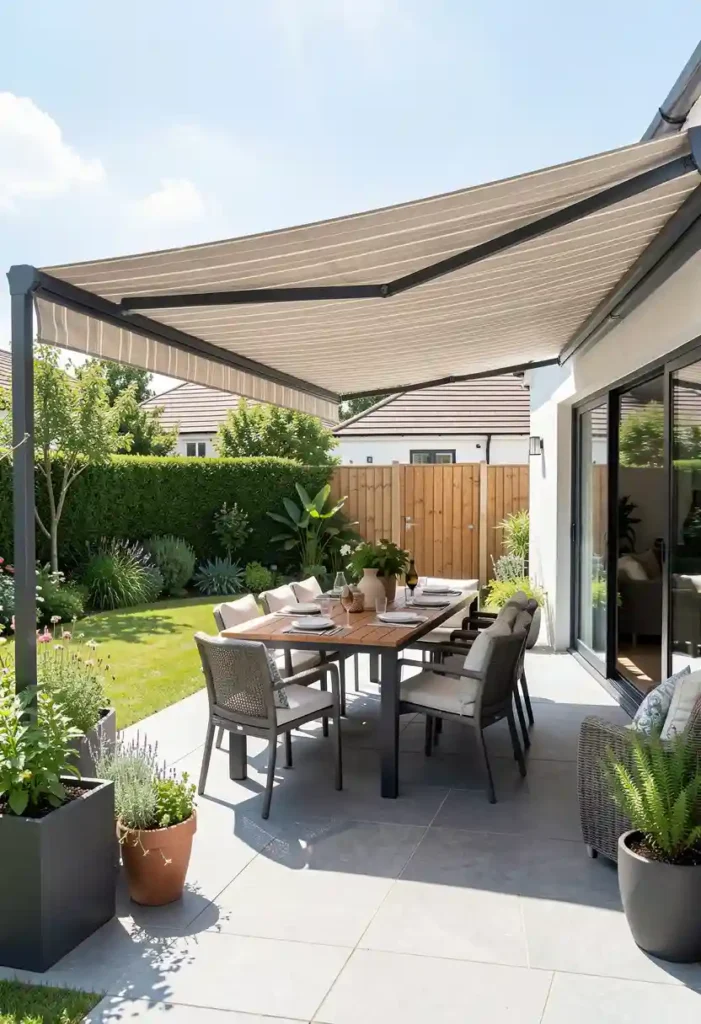
A retractable awning is a highly practical shading solution that allows you to control how much sun reaches your outdoor space. These awnings are typically mounted on the exterior wall of a home and extend outward over patios, decks, or garden seating areas. When you want shade, simply extend the awning; when you want sunlight, retract it back.
This flexibility makes retractable awnings ideal for homeowners who want both open sunlight and cool shade throughout the day. Many modern awnings even include motorized systems that allow you to open or close them with a remote control.
11. Add Tall Ornamental Plants
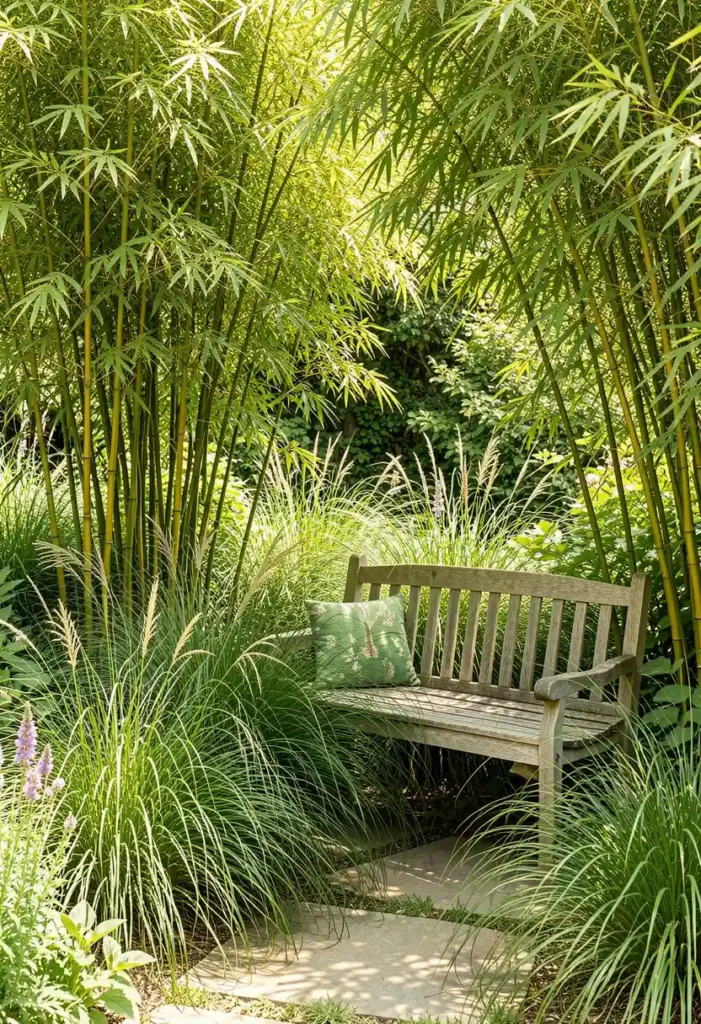
Tall ornamental plants are a natural and visually beautiful way to create partial shade in your garden. Plants such as bamboo, tall grasses, sunflowers, and ornamental reeds can grow several feet high and help soften strong sunlight around seating areas or pathways.
When planted strategically, these tall plants act as living shade screens that reduce heat while still allowing gentle sunlight to filter through. Unlike artificial shade structures, living plants add texture, movement, and seasonal beauty to the landscape. As the wind moves through the leaves, the plants create a calming natural atmosphere.
12. Build a Wooden Garden Arbor
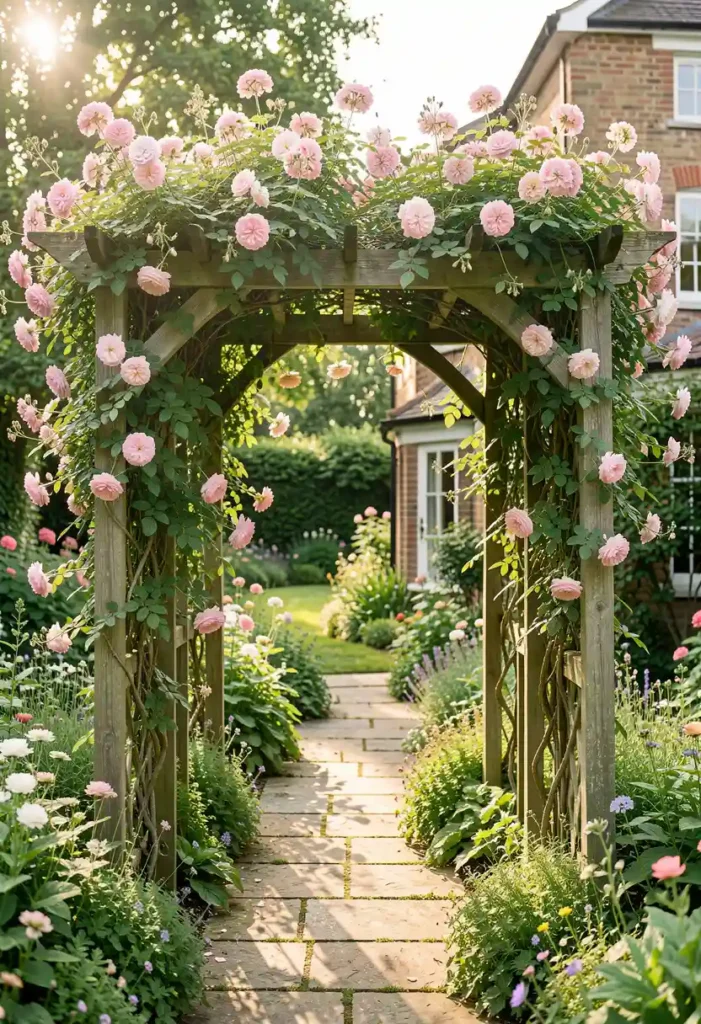
A wooden garden arbor is a charming way to introduce shade while adding structure and beauty to your outdoor space. Arbors are typically smaller than pergolas but still provide a lovely architectural feature that can frame pathways, entrances, or cozy seating areas. When placed strategically in the garden, an arbor can create a partially shaded nook that feels peaceful and inviting.
One of the best ways to enhance the shade from an arbor is by growing climbing plants over it. Vines such as climbing roses, clematis, ivy, or jasmine can quickly cover the structure, forming a leafy canopy that filters sunlight naturally. Over time, the thick greenery helps cool the area underneath while also adding fragrance and color.
13. Install a Fabric Garden Canopy
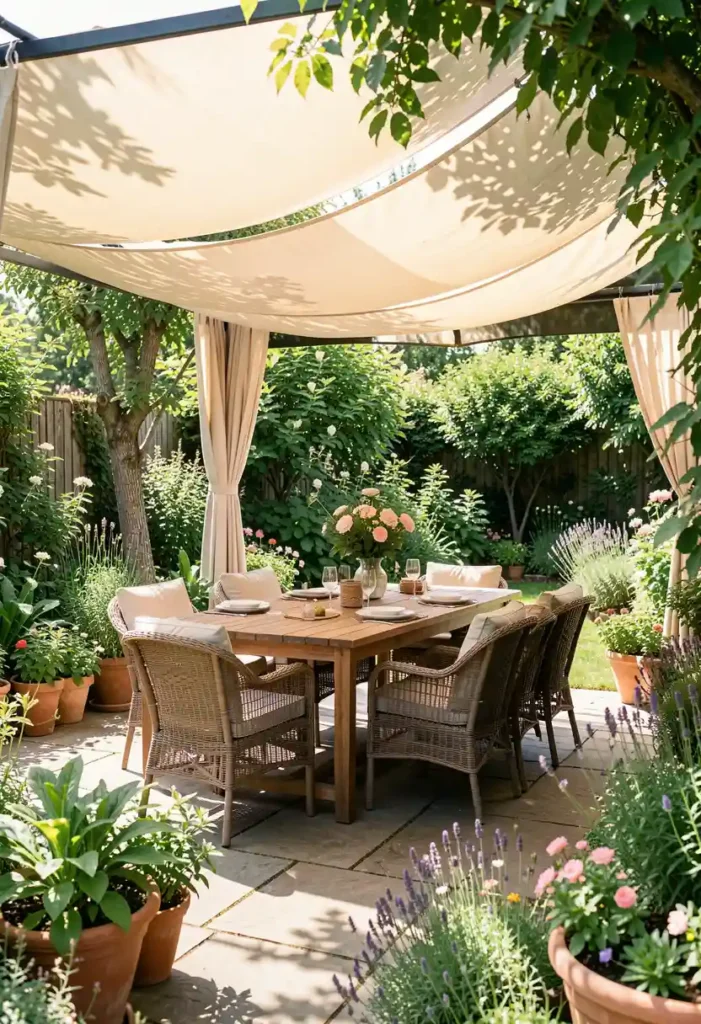
A fabric garden canopy is an easy and stylish way to create a large shaded area without major construction. These canopies usually consist of a lightweight frame with stretched outdoor fabric that blocks direct sunlight while still allowing airflow. Because they come in many sizes and designs, they work well for patios, decks, or open lawn spaces.
Fabric canopies are especially useful for outdoor dining areas where people gather during the day. The overhead fabric keeps the space cooler and prevents direct sun exposure, making meals and conversations more comfortable. Many canopies are also designed to be removable or adjustable, which means you can take them down during colder seasons.
14. Place Decorative Garden Parasols
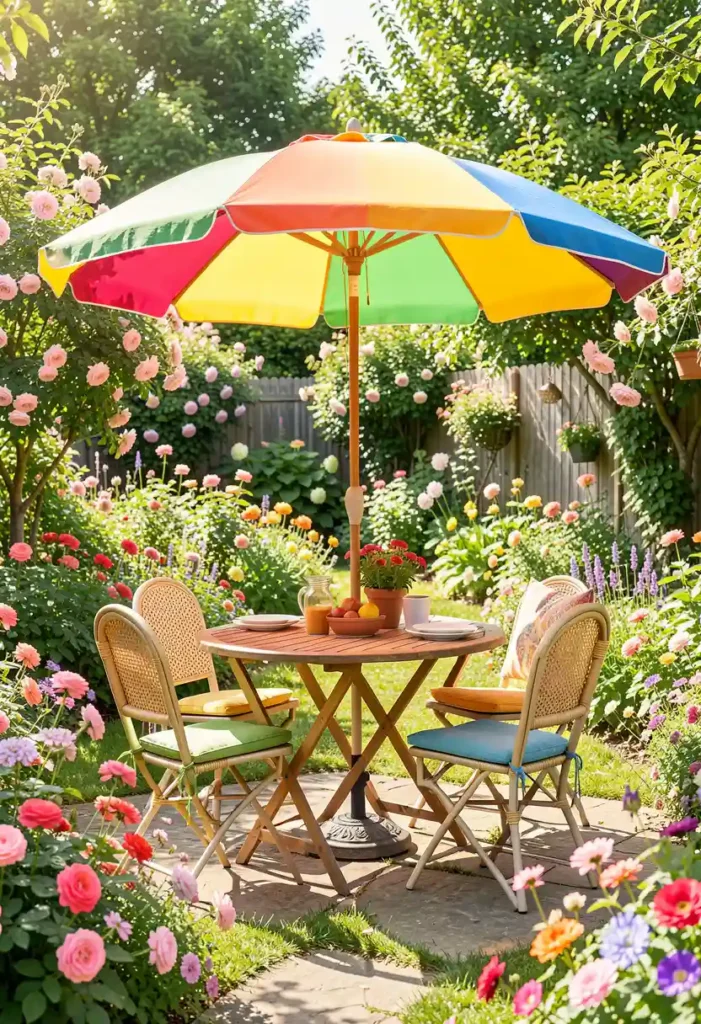
Garden parasols are a stylish and practical way to introduce movable shade into your outdoor space. Similar to patio umbrellas but often more decorative, parasols can add personality and charm while protecting seating areas from the sun. They are especially useful for small gardens, balconies, or compact patios where permanent shade structures may not fit.
Parasols come in a variety of colors, patterns, and materials. Bright fabrics can add a cheerful summer vibe, while neutral tones create a more elegant and relaxed environment. Because they are lightweight and portable, parasols can easily be repositioned depending on where shade is needed throughout the day.
15. Create a Slatted Wooden Shade Structure
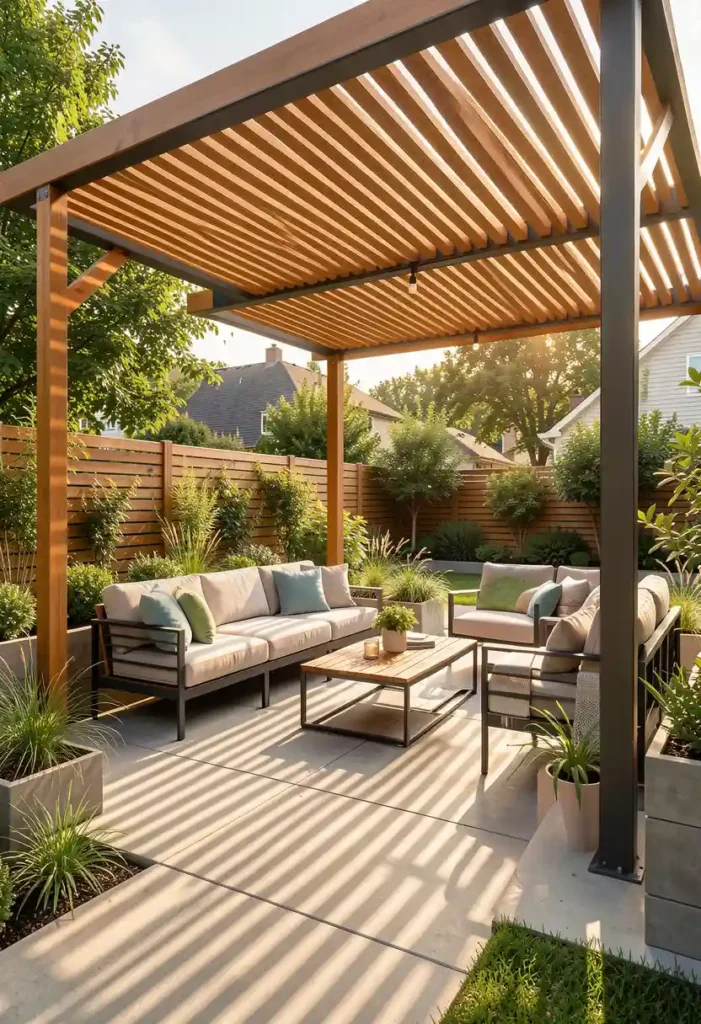
A slatted wooden shade structure is a modern and elegant way to reduce sunlight while still allowing natural light to filter through. These structures are built with evenly spaced wooden slats on the roof, creating beautiful shadow patterns across the ground and furniture below.
Unlike solid roofs that block all sunlight, slatted structures provide partial shade that keeps the area cooler without making it feel dark. This makes them perfect for patios, decks, and outdoor lounge areas where you still want to enjoy the brightness of the garden.
Final Words
Creating shade in your garden doesn’t have to be complicated or expensive. With the right mix of natural elements and simple structures, you can easily transform sunny outdoor areas into cool and relaxing retreats. Whether you choose a stylish pergola, a modern shade sail, flowing outdoor curtains, or even fast-growing trees and tall plants, each option helps make your garden more comfortable during the hottest summer days.