11 Butterfly-Friendly Garden Ideas: A Complete How-To Guide
Creating a vibrant outdoor space that attracts butterflies is both rewarding and environmentally beneficial. This 11 Butterfly-Friendly Garden Ideas: A Complete How-To Guide will help you design a garden that supports pollinators while enhancing your landscape’s beauty. Butterflies are drawn to specific plants, colors, and habitats that provide nectar, shelter, and breeding grounds. By selecting the right flowers, incorporating native species, and creating protective spaces, you can transform your yard into a lively haven filled with movement and color.
A butterfly-friendly garden is not only visually stunning but also contributes to biodiversity and a healthier ecosystem. With thoughtful planning, proper plant placement, and seasonal care, even small gardens can become thriving habitats. Whether you have a large backyard or a compact patio, these practical ideas will guide you step by step toward building a flourishing butterfly sanctuary that blooms throughout the seasons.
1. Choose Native Nectar-Rich Plants
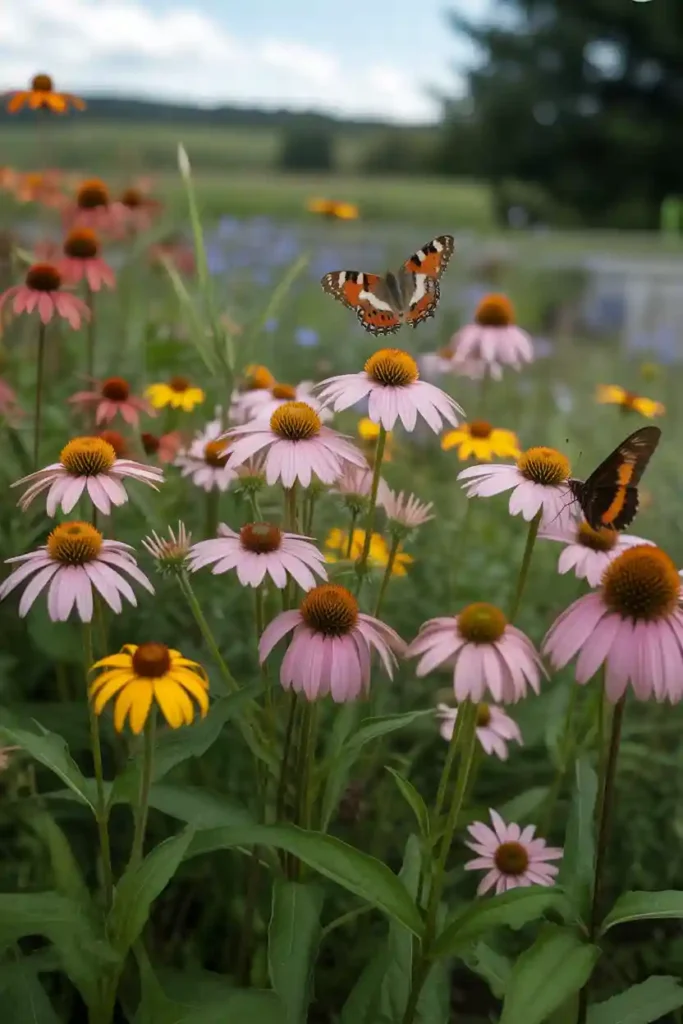
The foundation of any butterfly-friendly garden begins with selecting native nectar-rich plants. Native flowers are adapted to your region’s climate and soil, making them easier to maintain and more attractive to local butterfly species. Plants such as coneflowers, milkweed, black-eyed Susans, and lantana are excellent choices because they provide abundant nectar.
Plant a diverse selection to attract different butterfly varieties throughout the growing season. Avoid hybrid flowers bred solely for appearance, as they may produce less nectar. Position nectar plants in sunny areas, as butterflies rely on warmth to remain active. Proper spacing ensures airflow and reduces plant disease. By prioritizing native, nectar-producing flowers, you create a sustainable habitat that supports butterflies and other pollinators year after year.
2. Plant in Color Clusters
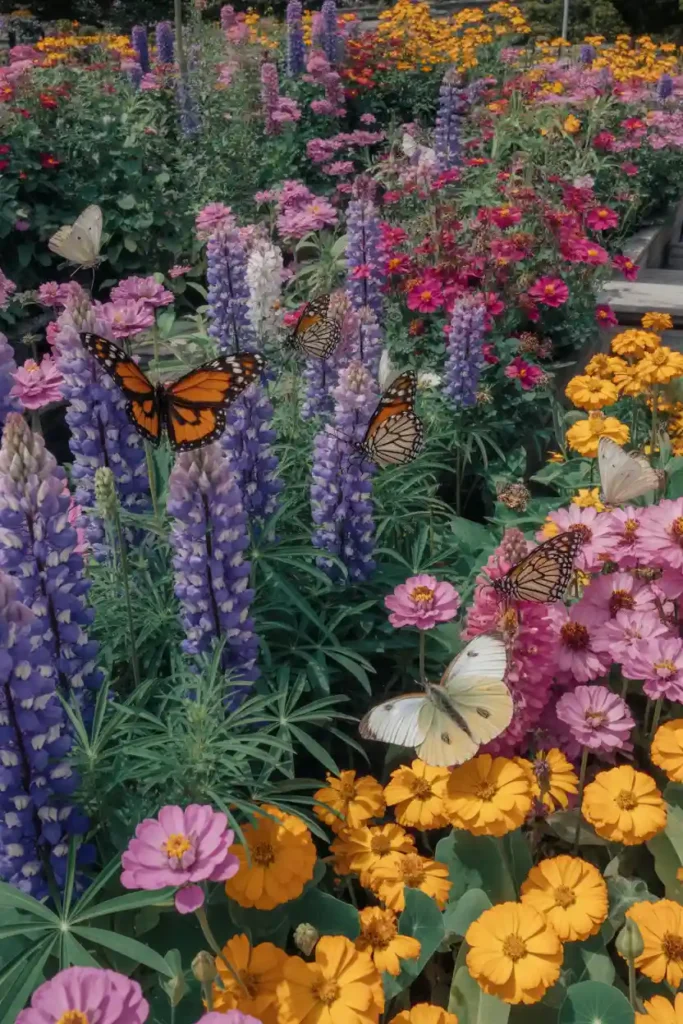
Butterflies are highly attracted to bold, vibrant colors such as purple, pink, yellow, red, and orange. Planting flowers in clusters rather than single scattered plants makes them easier for butterflies to spot. Large groupings create visual impact and provide a concentrated nectar source.
Arrange flowers of similar heights together for a cohesive look. Position taller plants toward the back and shorter blooms at the front. This layered approach improves accessibility and aesthetics. Repeating color clusters throughout the garden ensures butterflies can easily navigate between feeding areas. A thoughtfully arranged garden not only enhances pollinator activity but also creates a striking, professionally designed landscape.
Read Also: 15 Outdoor Storage Ideas to Keep Your Backyard Organized
3. Create a Sunny Open Space
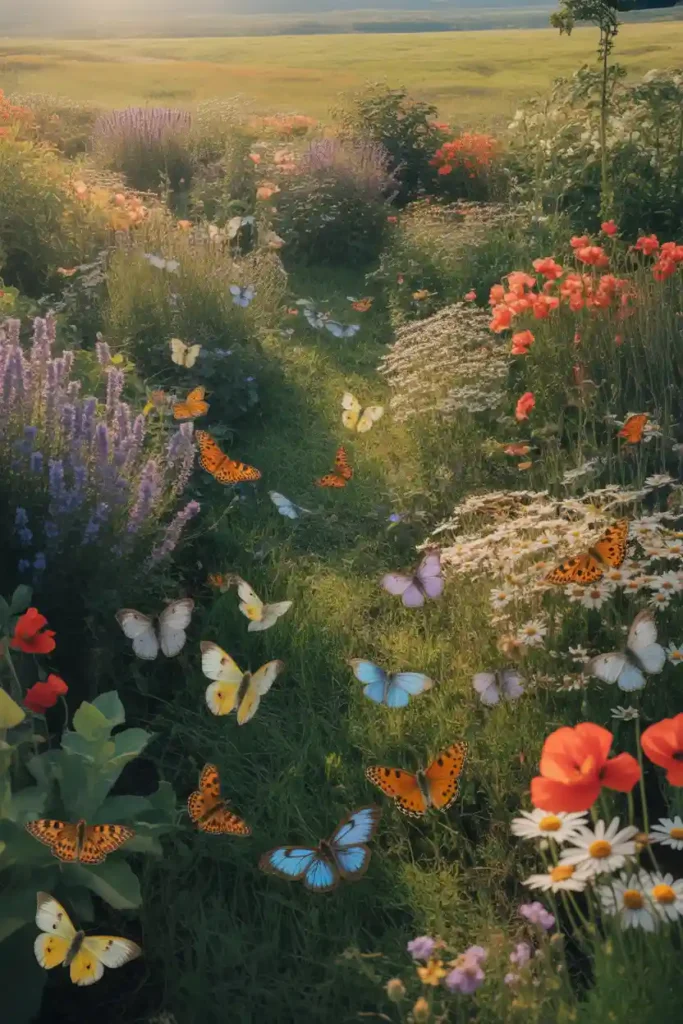
Butterflies are cold-blooded insects that rely on sunlight to warm their bodies. A sunny open space is essential for attracting and sustaining them. Choose a garden area that receives at least six hours of direct sunlight daily.
Avoid overcrowding the space with dense shade plants. Maintain open areas where butterflies can move freely and feed comfortably. Prune surrounding trees or shrubs if necessary to allow more light penetration. Combining sun exposure with nectar-rich flowers ensures your garden becomes a welcoming environment for these delicate pollinators. A bright, sunlit garden also enhances flower growth and overall visual appeal.
4. Add Host Plants for Caterpillars
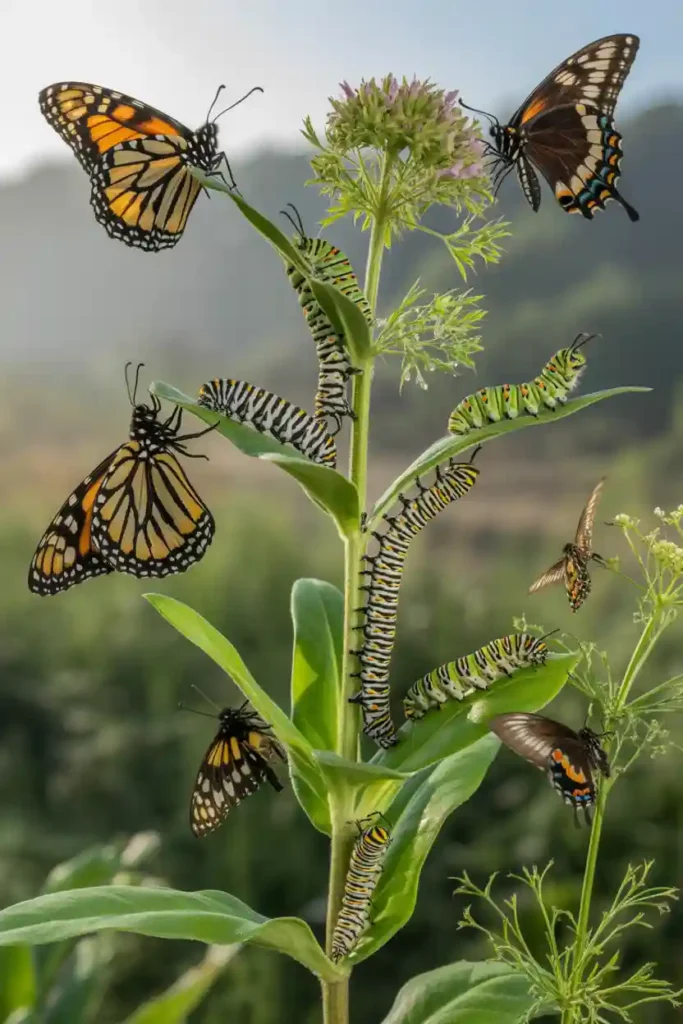
To truly support butterfly life cycles, include host plants where butterflies can lay eggs. Host plants serve as food sources for caterpillars once they hatch. For example, milkweed supports monarch butterflies, while parsley and dill attract swallowtails.
Expect some leaf damage this is a natural part of the process. Avoid removing caterpillars or using pesticides. By incorporating host plants, you create a complete habitat that nurtures butterflies from egg to adult. This approach strengthens your garden’s ecological value while ensuring future butterfly populations thrive in your yard.
5. Incorporate a Butterfly Water Station
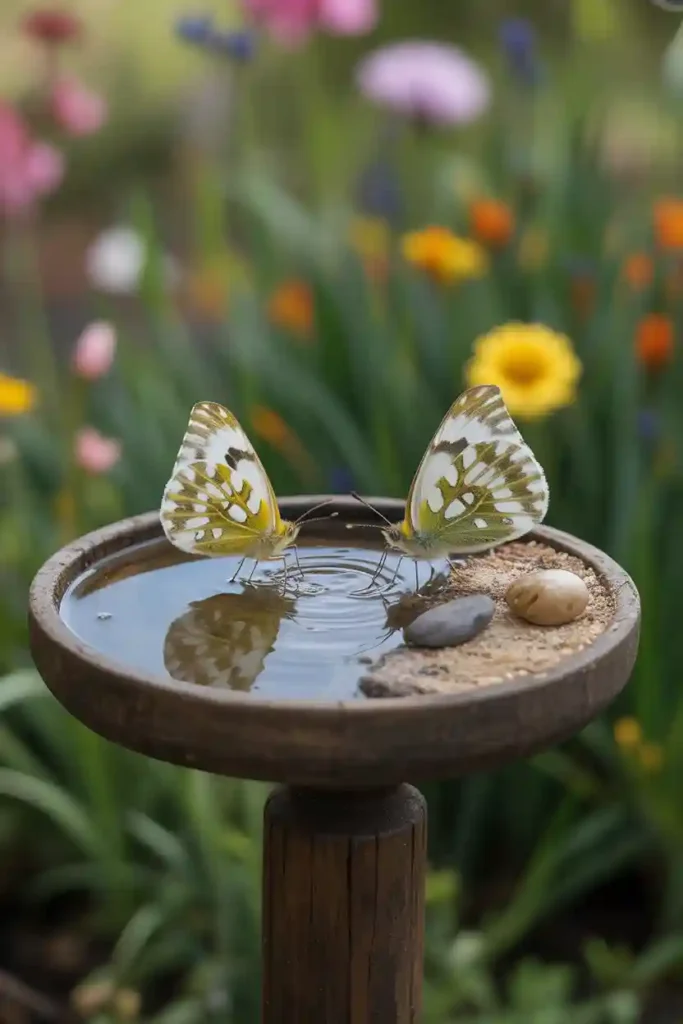
Butterflies require shallow water sources to stay hydrated. Create a simple water station using a shallow dish filled with sand and small stones. Keep the sand moist but not flooded.
Position the water source in a sunny, sheltered spot near flowers. The stones provide landing areas for butterflies to rest while drinking. Regularly refresh the water to prevent stagnation. A dedicated water station enhances your garden’s appeal and supports pollinators during hot, dry weather.
6. Use Organic Gardening Practices
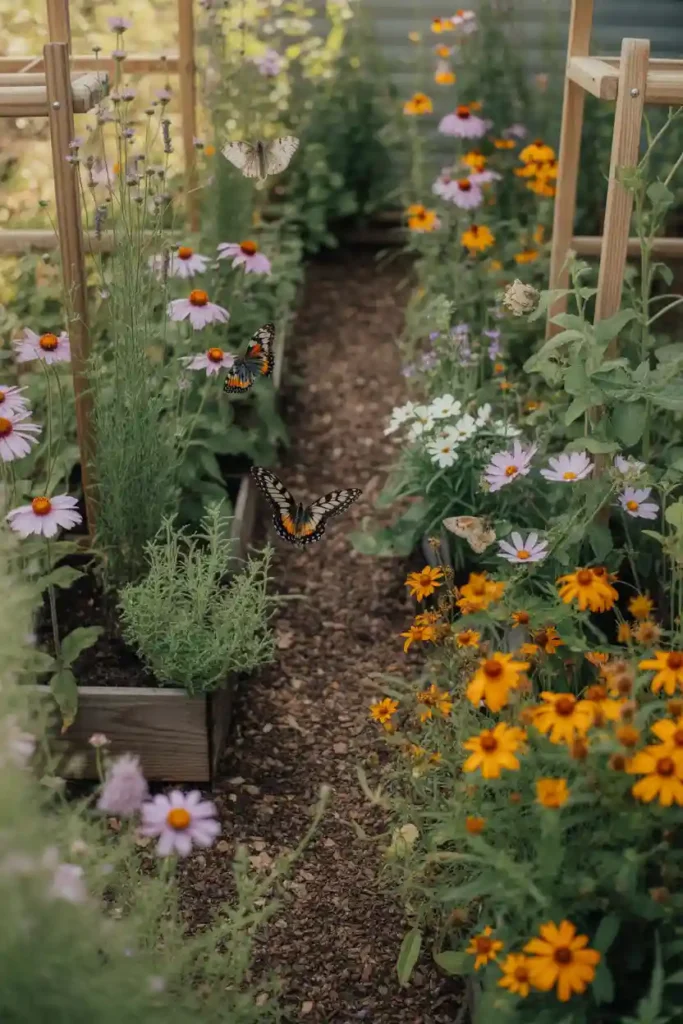
Avoiding chemical pesticides and synthetic fertilizers is essential for maintaining a butterfly-friendly garden. Many common garden chemicals can harm butterflies at every stage of their life cycle, from eggs to adults. Instead, use organic compost, natural pest control methods, and companion planting to keep your garden healthy.
Encourage beneficial insects such as ladybugs and lacewings that naturally control harmful pests. Hand-remove invasive insects when necessary and use neem oil or insecticidal soap sparingly and only when absolutely needed. Healthy soil enriched with compost promotes strong plant growth, which in turn supports pollinators. By adopting organic practices, you create a safe and sustainable environment that allows butterflies and other wildlife to flourish naturally.
7. Provide Shelter from Wind
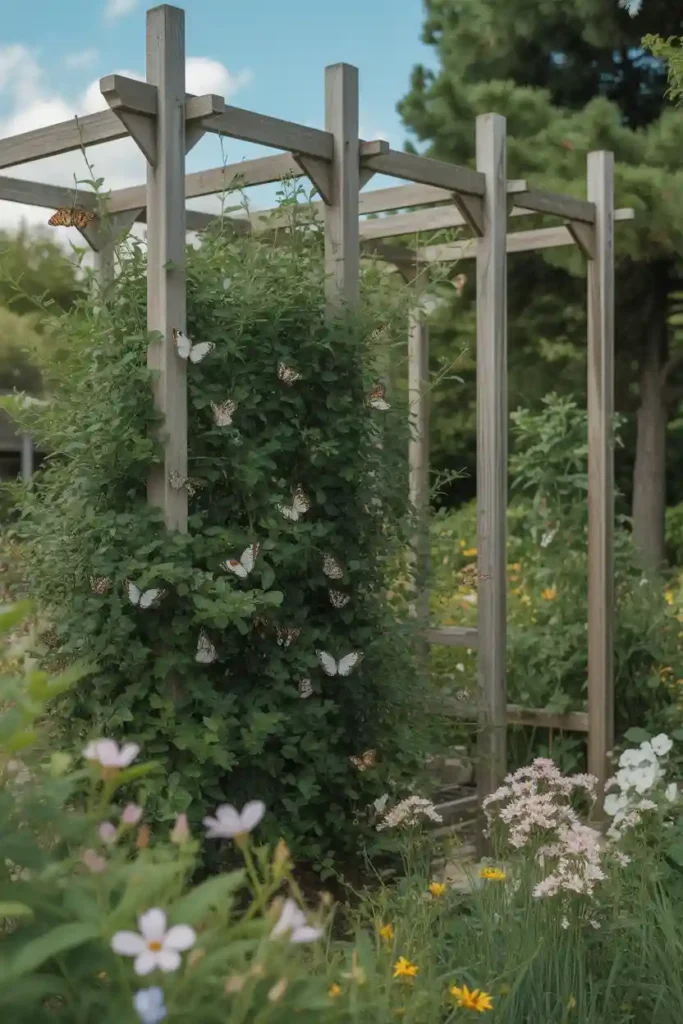
Butterflies prefer calm environments where they can feed and rest without strong wind interference. Incorporate shrubs, hedges, decorative fencing, or small trees to act as windbreaks. These natural barriers protect delicate wings and create microclimates within your garden.
Plant dense greenery along the edges of your yard to reduce airflow. Trellises with climbing vines also provide shelter while adding vertical interest. Ensure shelter areas are still exposed to sunlight, as butterflies need warmth to remain active. A protected garden environment not only attracts more butterflies but also enhances plant growth and overall garden comfort.
8. Include Continuous Blooming Plants
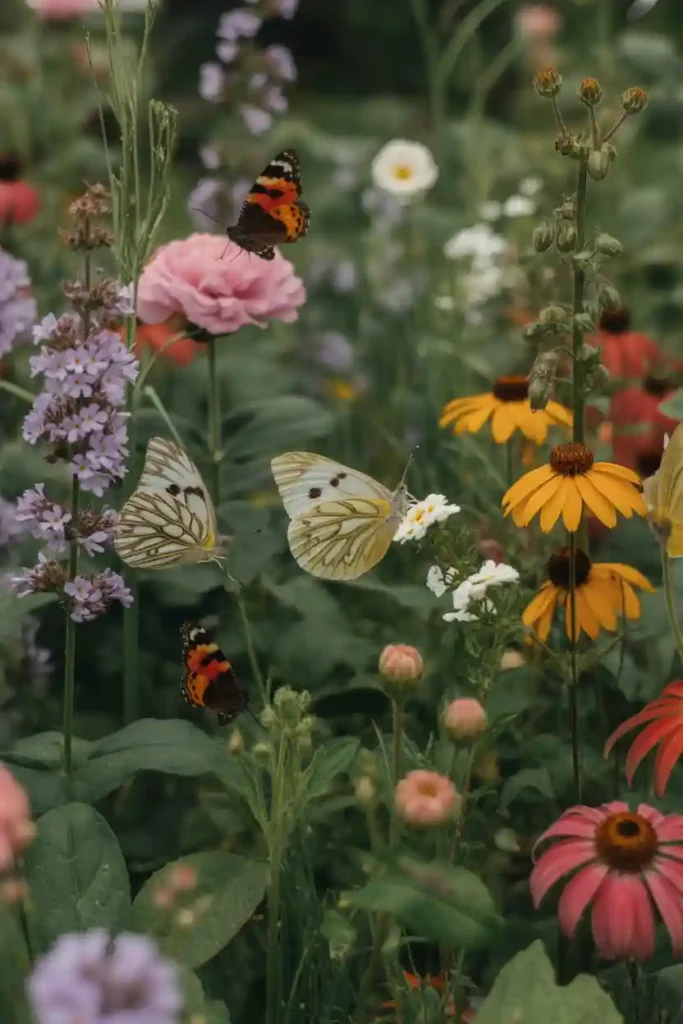
To keep butterflies visiting throughout the growing season, select plants that bloom at different times. Early spring flowers provide nectar when butterflies first emerge, while summer and fall blooms sustain them later in the year.
Combine annuals and perennials to ensure consistent color and nectar supply. Plan your garden layout so that when one plant finishes blooming, another takes its place. This staggered blooming strategy supports a steady butterfly population and keeps your garden visually appealing across seasons. Continuous flowering creates a dynamic landscape filled with movement and vibrant color from spring through autumn.
9. Add Flat Stones for Basking
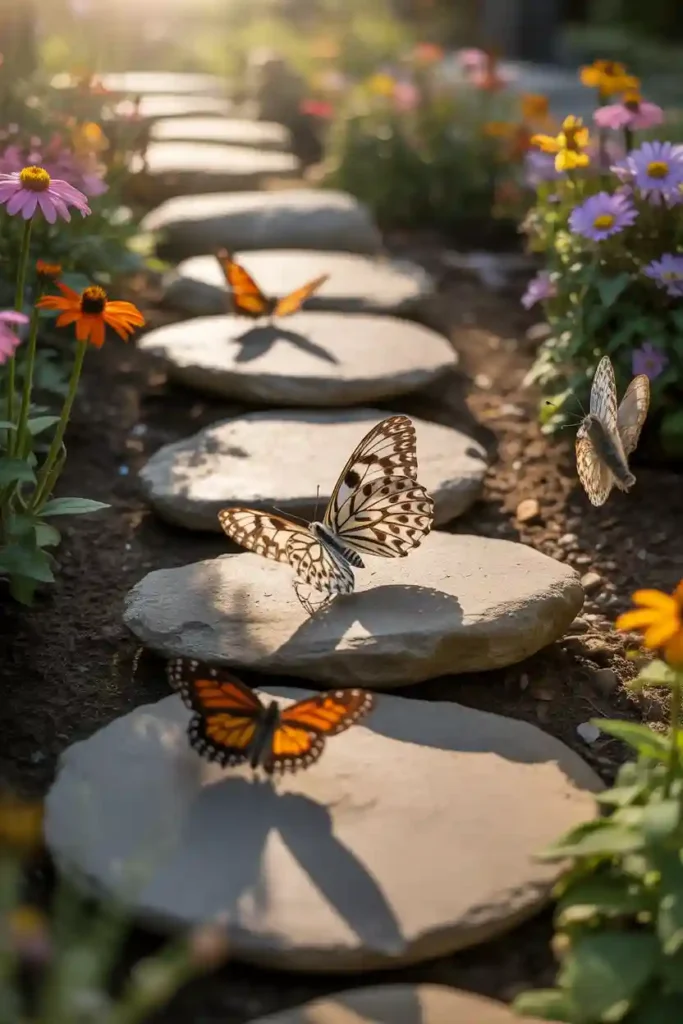
Butterflies often rest on warm surfaces to regulate their body temperature. Adding flat stones in sunny spots provides ideal basking areas. Arrange stones near nectar plants so butterflies can easily alternate between feeding and warming themselves.
Choose natural-looking stones that blend seamlessly into your landscape design. Place them in areas receiving direct sunlight for most of the day. This simple addition enhances the functionality of your butterfly garden while adding rustic charm. Basking spots encourage butterflies to stay longer, increasing the liveliness and beauty of your outdoor space.
10. Create Layered Garden Heights
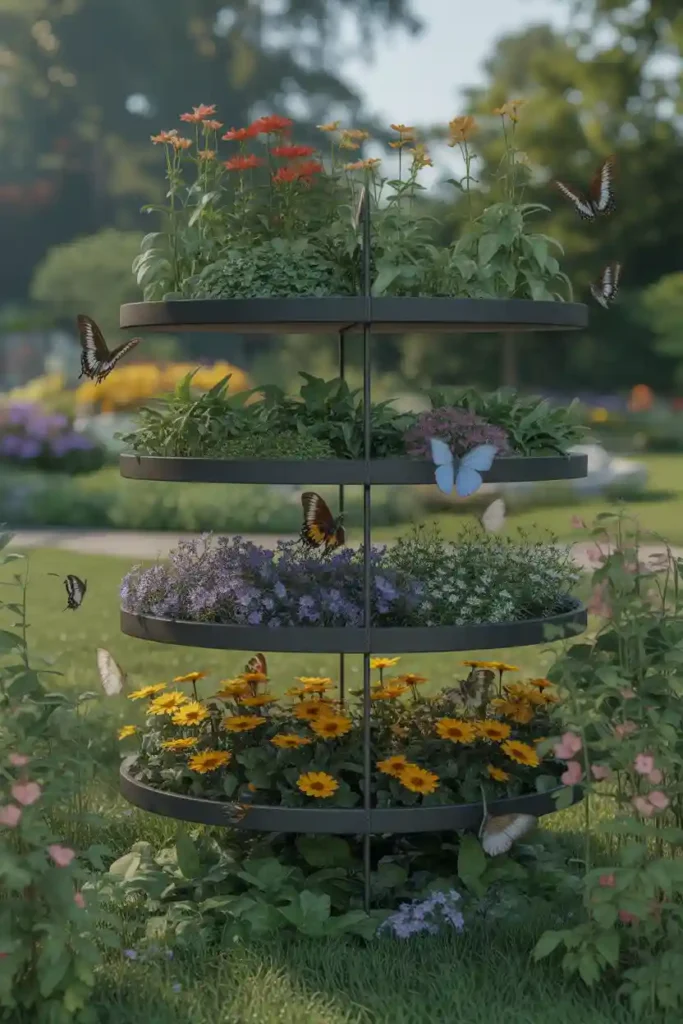
Designing your garden with varied plant heights adds both visual appeal and habitat diversity. Tall flowering plants, medium shrubs, and low-growing ground covers create depth and dimension.
Layered heights provide multiple feeding and resting zones for butterflies. Taller plants offer wind protection, while shorter blooms make nectar easily accessible. This naturalistic design approach mimics wild habitats, making butterflies feel more at home. A layered garden also appears fuller and more professionally landscaped, enhancing curb appeal while supporting pollinator health.
11. Design a Butterfly-Friendly Container Garden
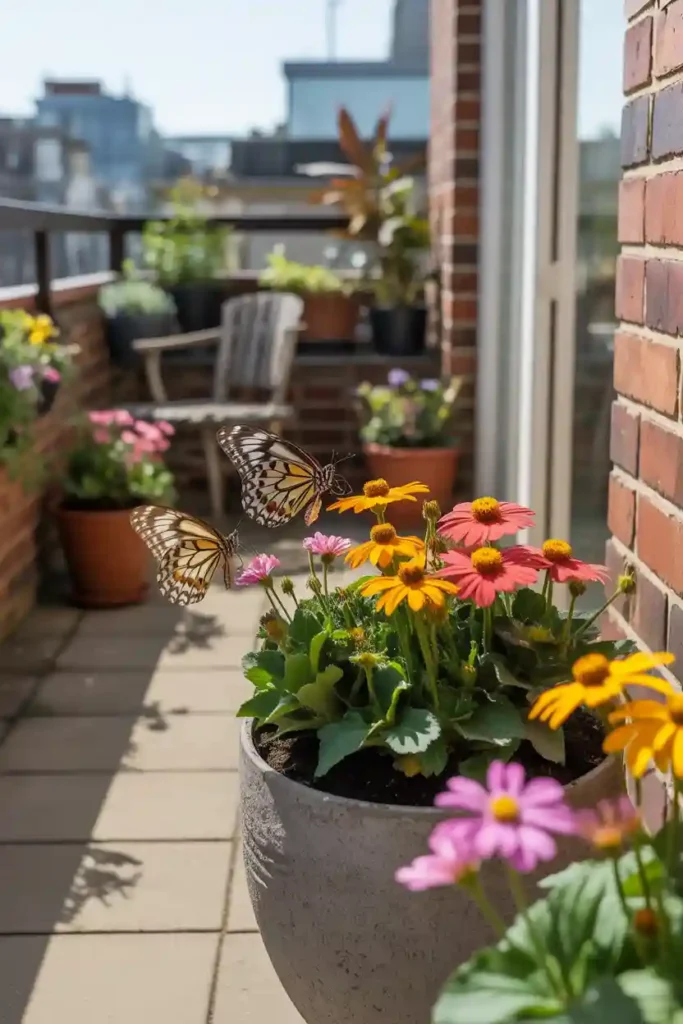
Even small patios or balconies can support butterflies with container gardening. Use large pots filled with nectar-rich flowers such as lantana, verbena, or zinnias. Group containers together to create visible color clusters.
Ensure containers receive plenty of sunlight and proper drainage. Use high-quality potting soil and organic fertilizer to promote healthy growth. Adding a small water dish and flat stones can further enhance your setup. A container butterfly garden allows urban homeowners or apartment dwellers to enjoy pollinator activity in limited spaces while contributing to biodiversity.
Final Words
These 11 Butterfly-Friendly Garden Ideas: A Complete How-To Guide show that creating a thriving pollinator habitat is both achievable and deeply rewarding. By choosing native nectar-rich plants, incorporating host species, ensuring continuous blooms, and providing water, shelter, and sunlit spaces, you can build a garden that supports butterflies at every stage of their life cycle. Even small additions like flat basking stones or container gardens can make a meaningful difference.