13 Ways to Stay Cool Without AC – Genius Home Decor Hacks
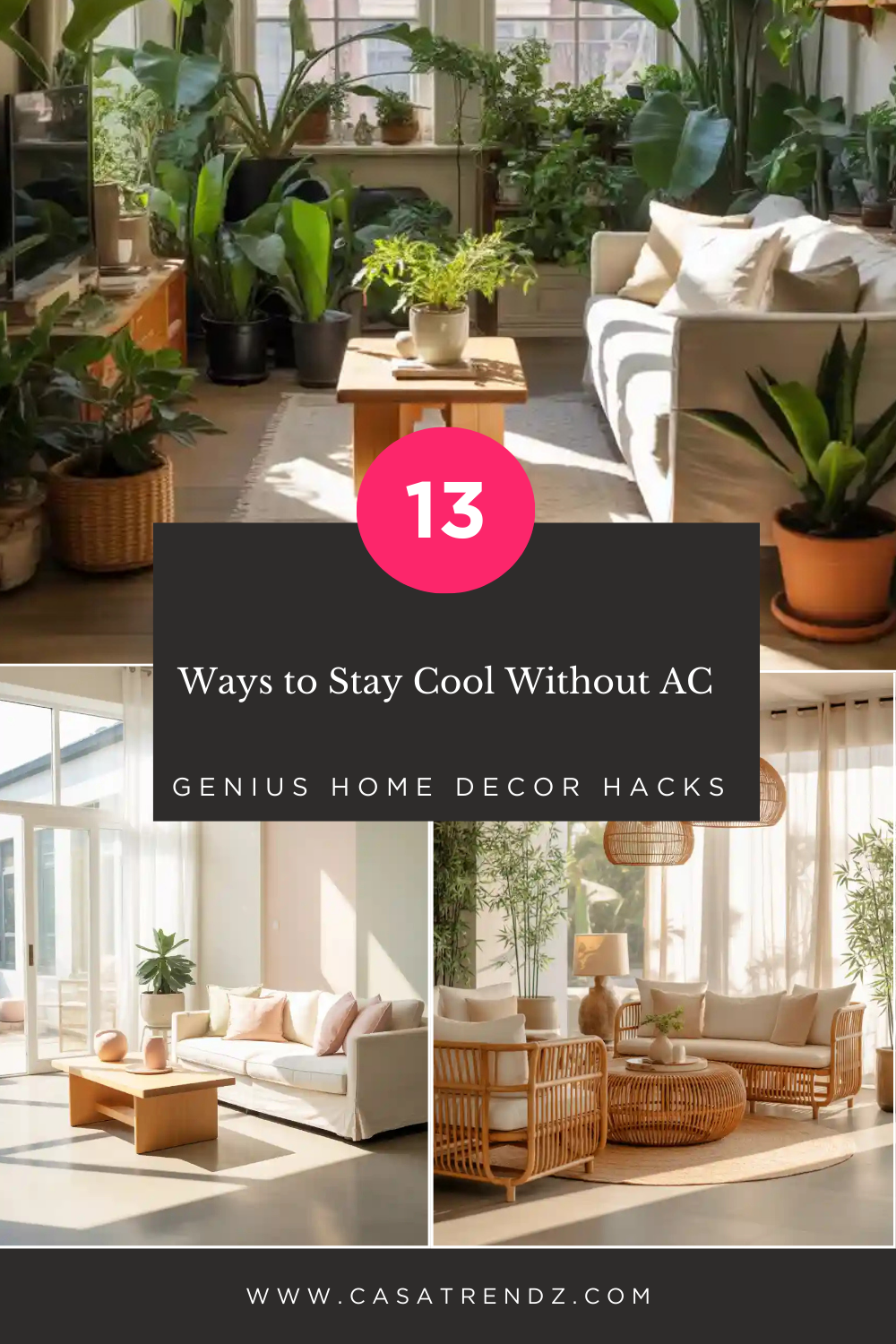
When summer temperatures soar, not everyone has access to air conditioning or wants to rely on it all the time. The good news is that you can keep your home cool and comfortable with smart decor choices and simple adjustments. From lightweight fabrics to clever airflow techniques, there are many ways to reduce heat naturally while enhancing your home’s style. These genius home decor hacks focus on creating a breathable, light-filled environment that minimizes heat buildup and maximizes comfort.
By using natural materials, optimizing ventilation, and making small design changes, you can transform your living space into a refreshing summer retreat. These ideas are not only energy-efficient but also budget-friendly, making them perfect for any home. Whether you live in a small apartment or a large house, these practical tips will help you beat the heat and enjoy a cooler, more relaxing indoor environment all summer long.
1. Switch to Light, Breathable Fabrics
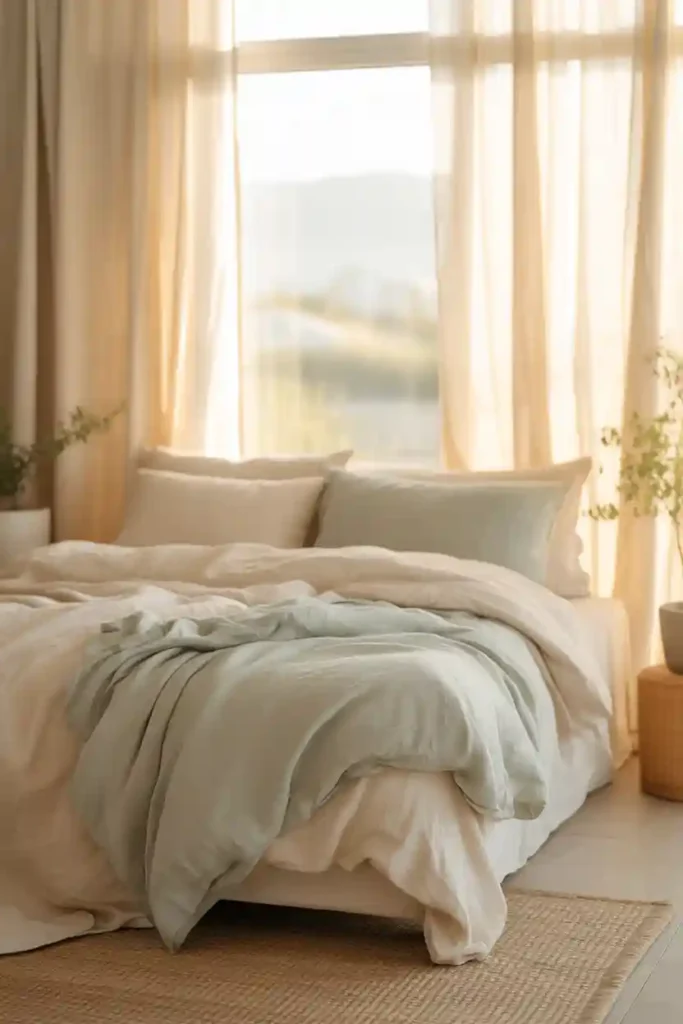
One of the easiest ways to cool your home without AC is by replacing heavy fabrics with lightweight, breathable materials. Thick curtains, velvet cushions, and heavy bedding tend to trap heat, making rooms feel warmer. Instead, opt for fabrics like cotton, linen, or muslin, which allow air to circulate freely.
Light-colored fabrics are especially effective because they reflect sunlight rather than absorbing it. Sheer curtains, cotton throws, and linen bedding instantly create a cooler and more relaxed atmosphere. These materials also feel softer and more comfortable against the skin during hot weather.
2. Use Light Color Palettes
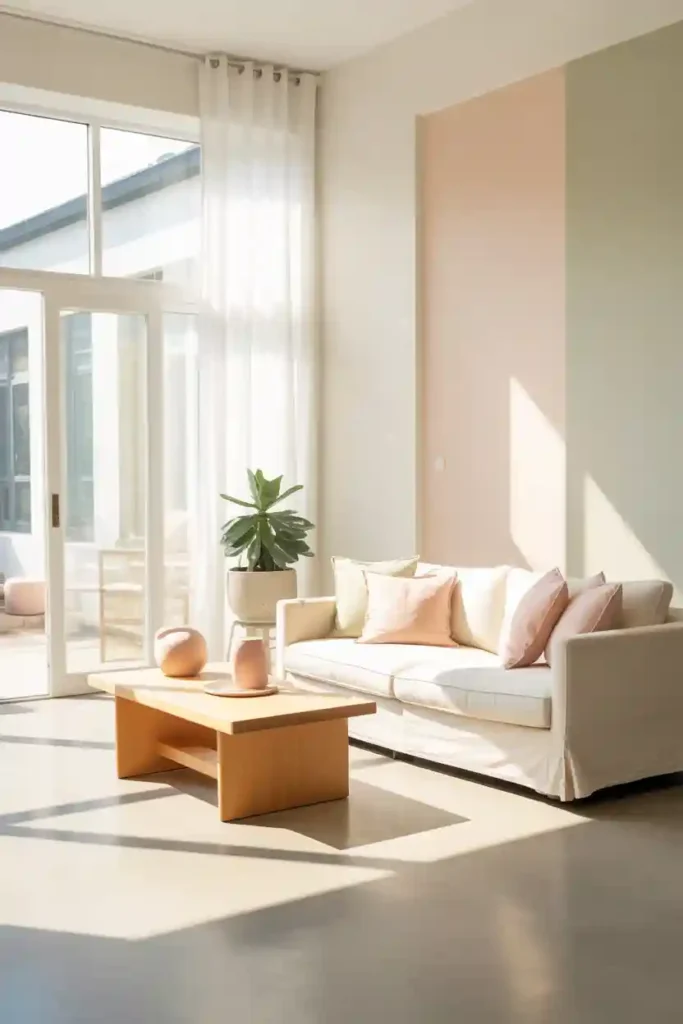
Color plays a significant role in how warm or cool a room feels. Dark colors absorb heat, while light shades reflect it. Switching to a light color palette can instantly make your home feel cooler.
Whites, creams, pastels, and soft neutrals create a fresh and open look. Painting walls or updating decor items like cushions and rugs with lighter tones can have a noticeable effect. Light colors also enhance natural light, making rooms feel more spacious and less stuffy. This visual brightness contributes to a psychological sense of coolness.
3. Maximize Cross Ventilation
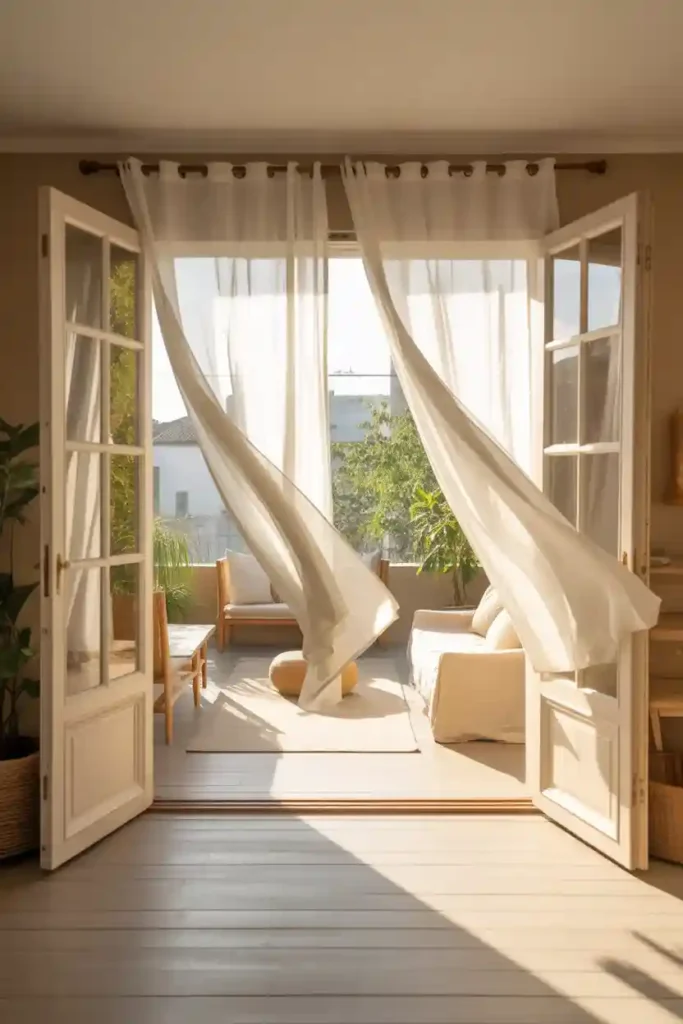
Proper airflow is essential for keeping indoor spaces cool. Cross ventilation allows fresh air to move through your home, pushing out warm air and reducing indoor temperatures.
Open windows on opposite sides of the room to create a natural breeze. Adding fans near windows can help direct airflow more effectively. Keeping interior doors open also helps air circulate freely between rooms. Using light curtains instead of heavy drapes ensures air isn’t blocked.
4. Add Indoor Plants for Cooling Effect
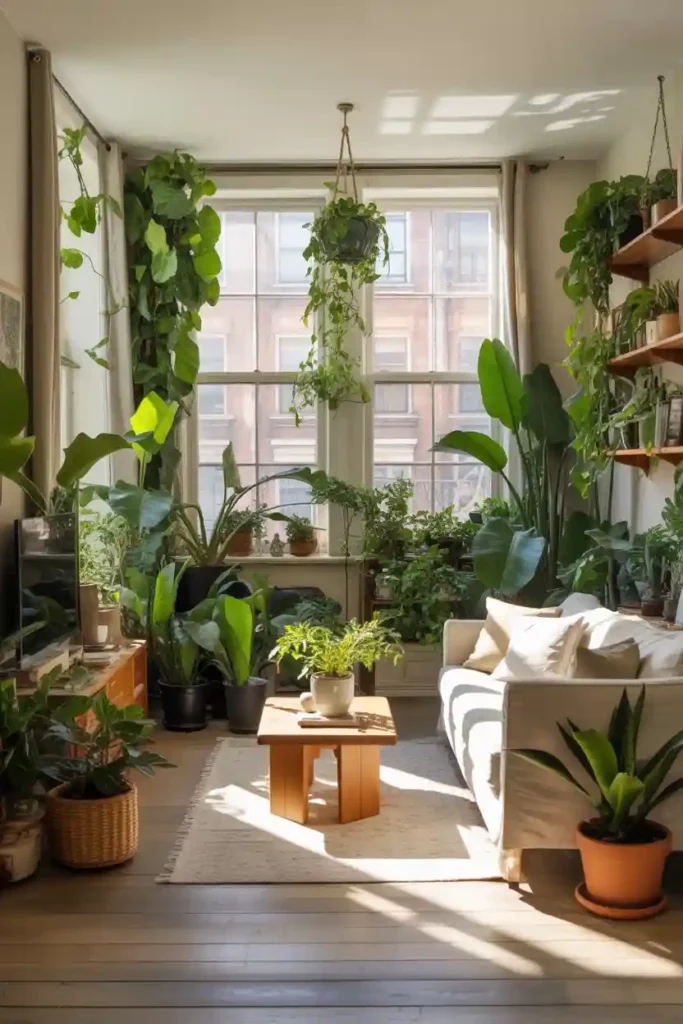
Indoor plants not only improve air quality but also help cool the environment through a process called transpiration. As plants release moisture into the air, they create a refreshing and slightly cooler atmosphere.
Large leafy plants like palms or ferns are especially effective. Placing plants near windows or in sunny areas enhances their cooling benefits. Plants also add a natural aesthetic that makes your home feel calm and relaxing. Combining greenery with light decor creates a perfect summer vibe.
See Also: 12 Pet-Friendly Home Design Ideas for Beating the Summer Heat
5. Use Bamboo or Rattan Furniture
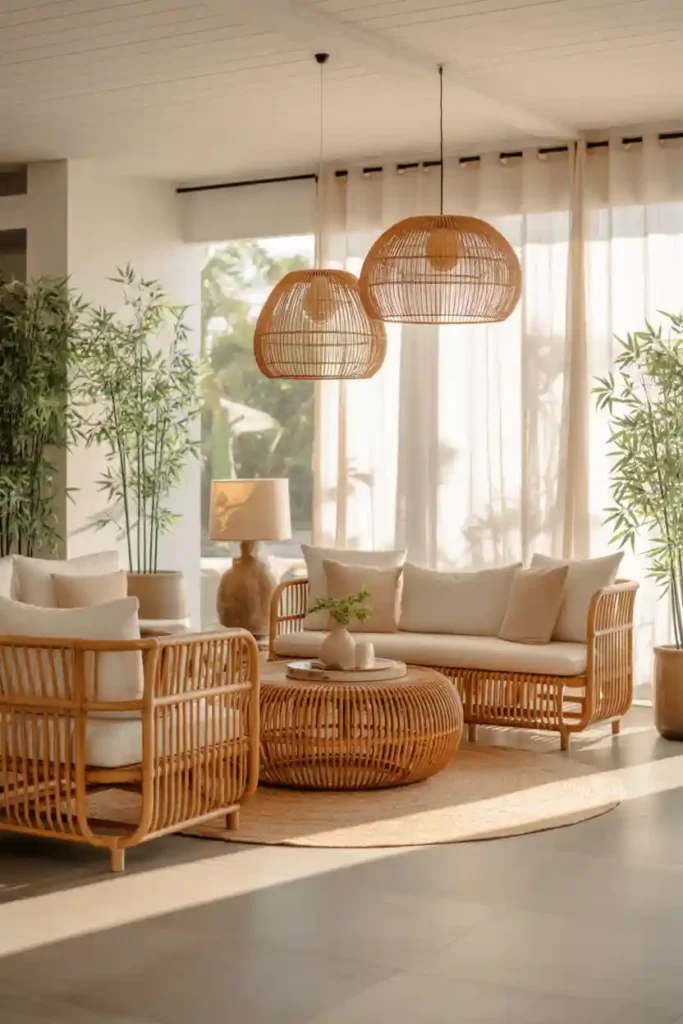
Natural materials like bamboo and rattan are ideal for summer decor because they don’t retain as much heat as heavy materials. These lightweight materials create a breezy, tropical feel.
Replacing bulky furniture with lighter alternatives can improve airflow and reduce heat buildup. Even small changes like adding a rattan chair or bamboo decor accents can make a difference. These materials also pair well with neutral color palettes and indoor plants, enhancing the overall summer aesthetic.
6. Hang Wet Curtains or Sheets
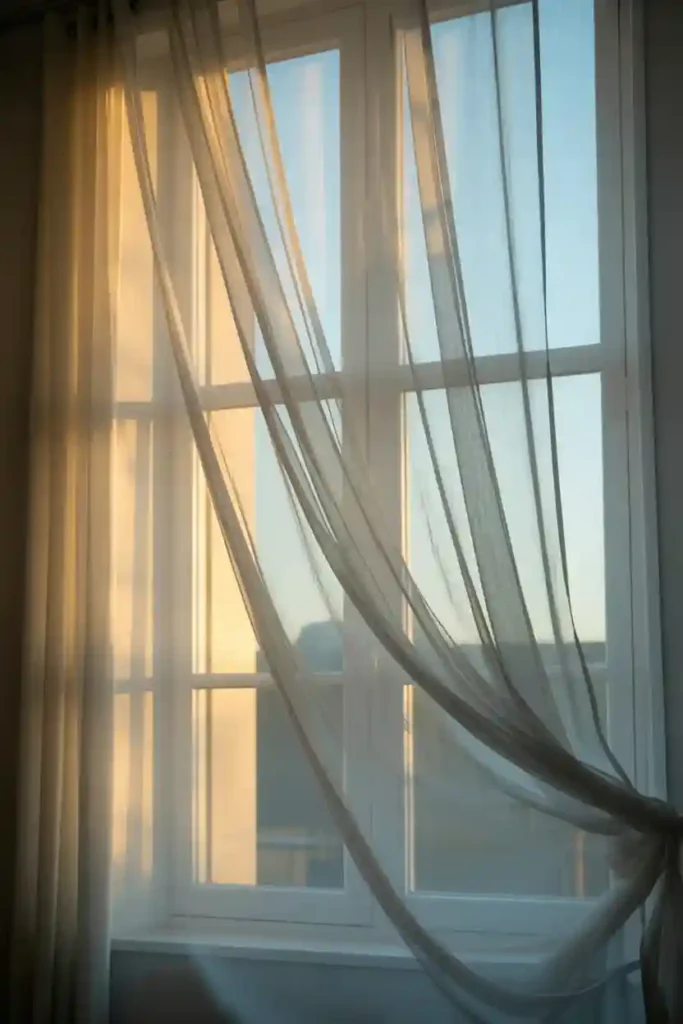
A traditional yet effective trick for cooling a room is hanging damp curtains or sheets near open windows. As air passes through the damp fabric, it cools down, creating a natural cooling effect.
This method works best in dry climates and during breezy conditions. Use lightweight fabrics for better airflow and faster evaporation. While simple, this technique can significantly lower indoor temperatures without electricity.
7. Block Direct Sunlight
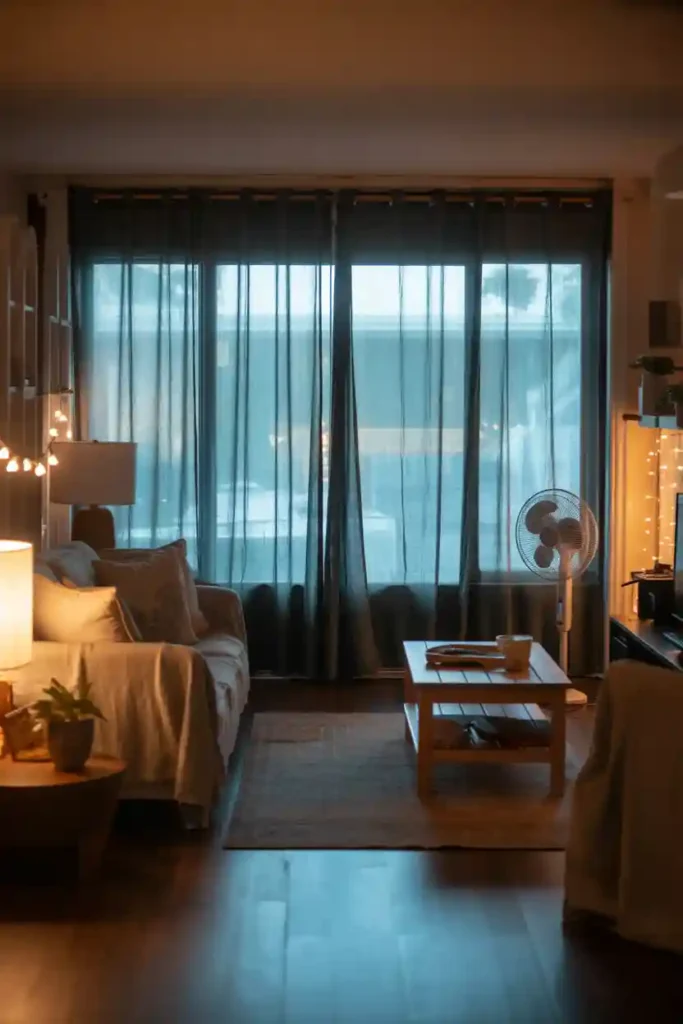
Preventing direct sunlight from entering your home is key to reducing indoor heat. Sunlight through windows can quickly raise room temperatures.
Use blinds, shades, or reflective window films to block heat during peak hours. Blackout curtains are also effective for keeping rooms cooler. Closing curtains during the hottest part of the day helps maintain a comfortable indoor environment.
8. Switch to LED Lighting
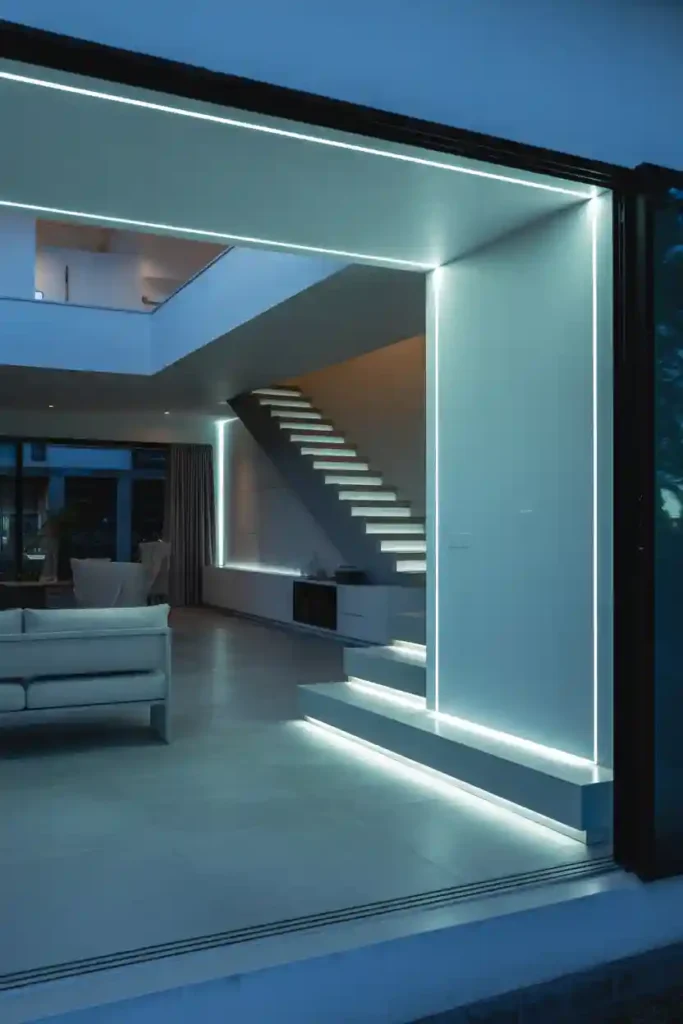
Traditional incandescent bulbs produce heat, which can add to indoor warmth. Switching to LED lights reduces heat output while saving energy.
LED bulbs stay cool and are more efficient, making them ideal for summer use. They also last longer and consume less electricity. Replacing old lighting with LEDs is a small change that contributes to a cooler home. It’s a smart and energy-efficient decor upgrade.
9. Use Lightweight Rugs or No Rugs
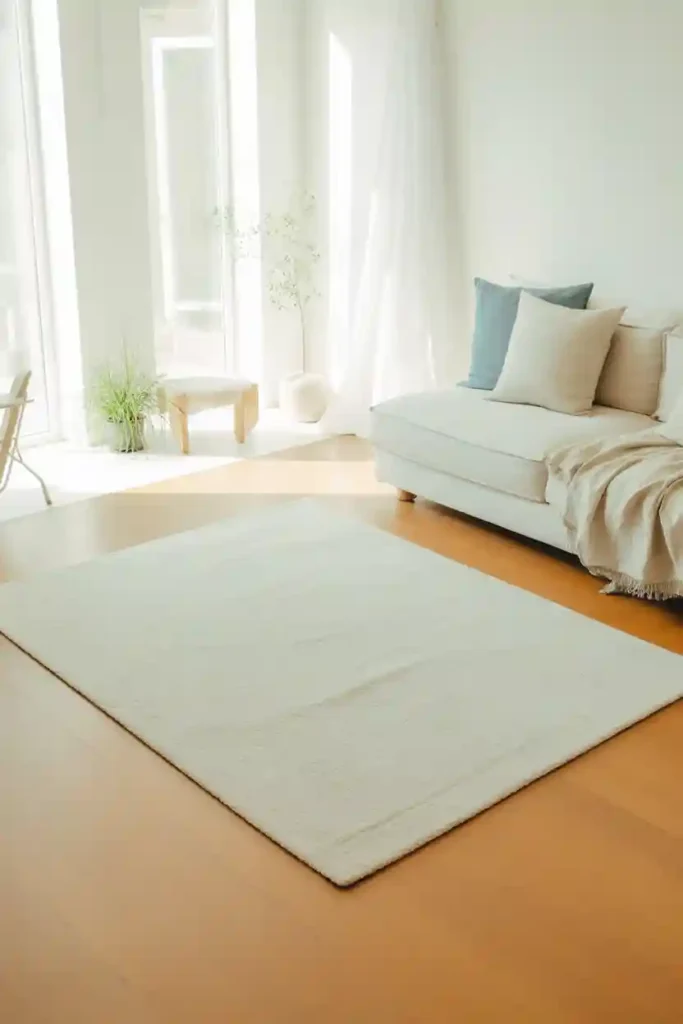
Heavy rugs trap heat and make floors warmer. Replacing them with lightweight rugs or removing them altogether can help keep your home cooler.
Natural fiber rugs like cotton or jute are better options for summer. Bare floors such as tile or wood feel cooler underfoot. This change also makes cleaning easier and enhances the minimalist summer look. Light flooring contributes to a fresher indoor environment.
10. Create a Cooling Sleep Setup
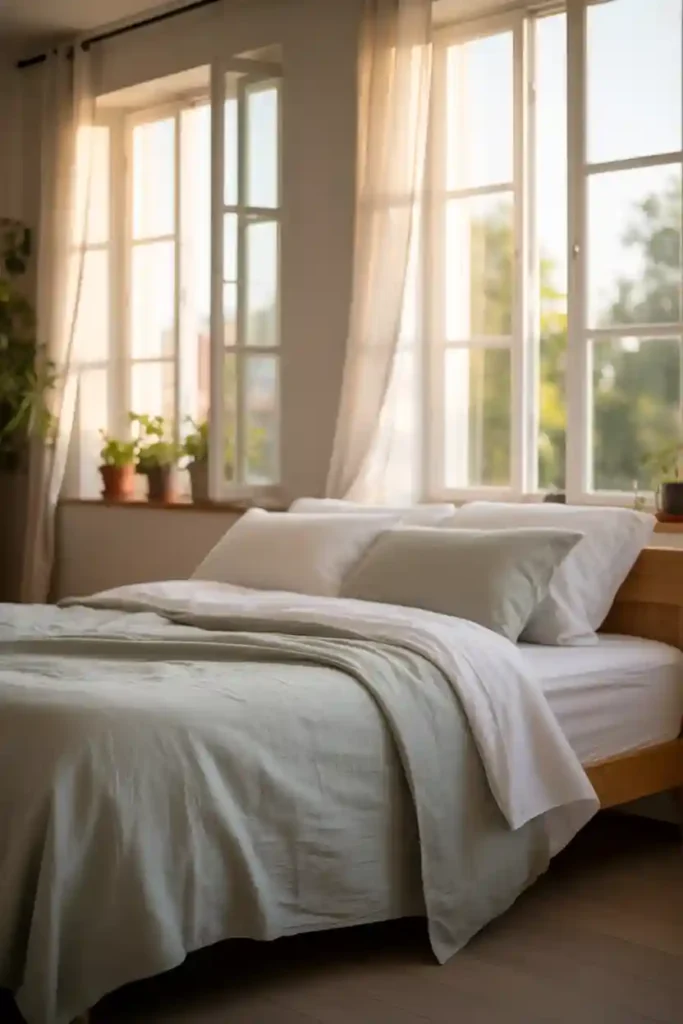
Bedrooms can become especially hot at night. Creating a cooling sleep setup helps improve comfort without AC.
Use breathable bedding, keep windows open for airflow, and position fans strategically. Cooling pillows or mattress toppers can also help regulate body temperature.= Keeping the bedroom uncluttered improves air circulation and reduces heat retention.
11. Install Reflective Window Films
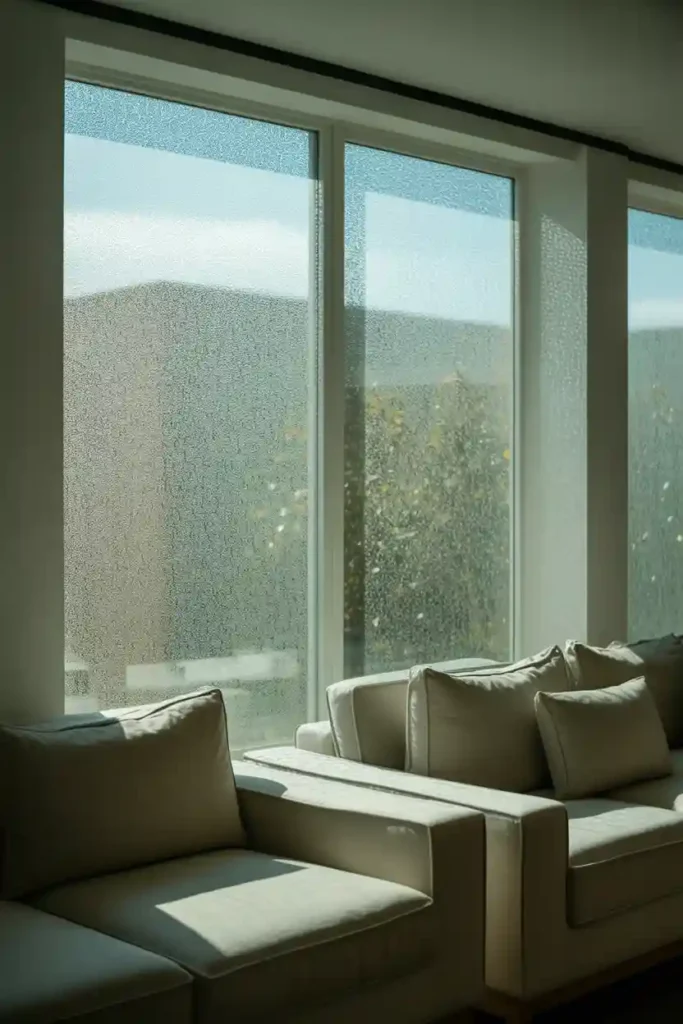
Reflective window films reduce heat by blocking sunlight and UV rays. These films can significantly lower indoor temperatures without darkening the room completely.
They are easy to install and work well in rooms with large windows or direct sunlight exposure. This modern solution improves energy efficiency and comfort. Reflective films are a practical addition to any summer-ready home.
12. Keep Indoor Spaces Clutter-Free
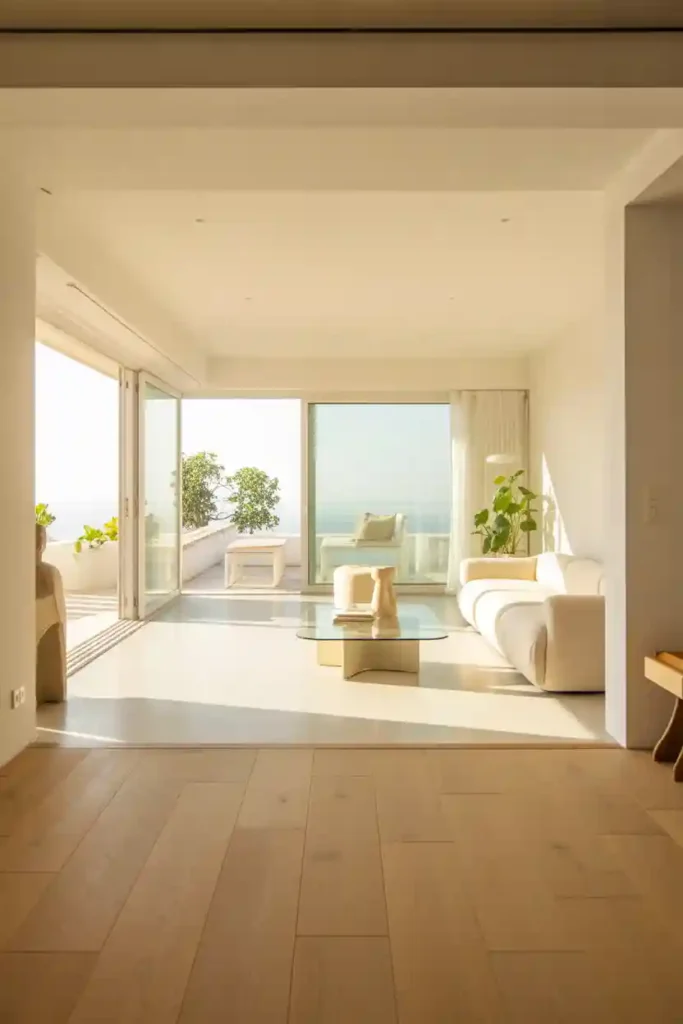
Clutter can trap heat and block airflow, making rooms feel warmer. Keeping spaces organized and minimal helps maintain better air circulation.
Removing unnecessary items and arranging furniture thoughtfully creates a more open and breathable environment. Minimalist design not only looks modern but also improves comfort during hot weather. A clean, uncluttered home feels cooler and more relaxing.
13. Use Natural Cooling Scents
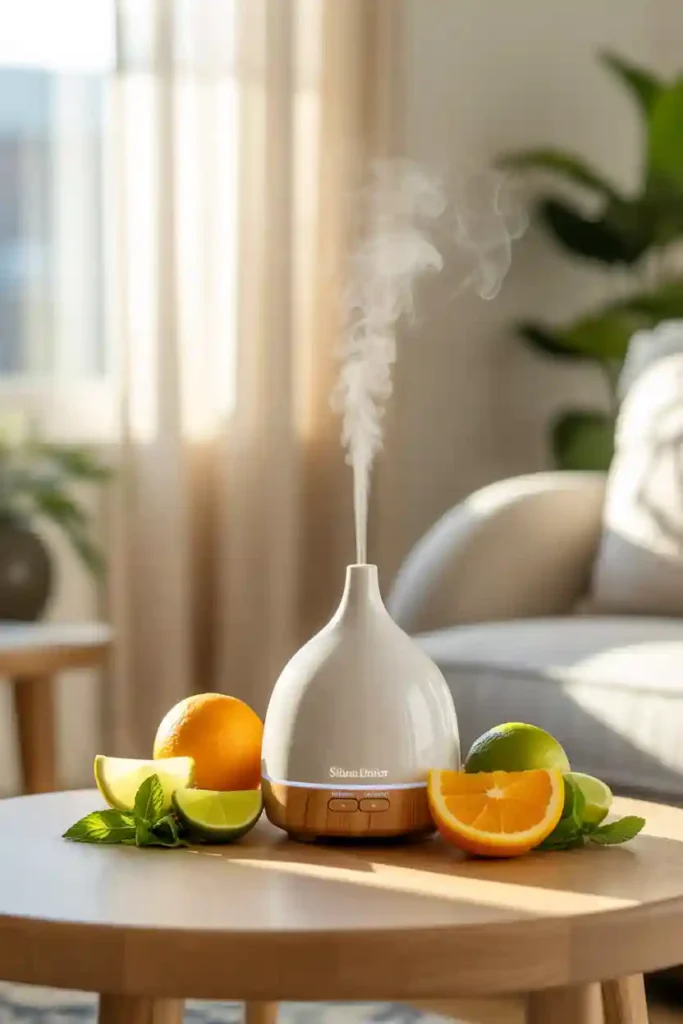
Scents can influence how we perceive temperature. Fresh fragrances like mint, eucalyptus, and citrus create a cooling sensation.
Using essential oil diffusers or natural sprays can make your home feel more refreshing. These scents enhance the summer atmosphere while contributing to a relaxing environment. It’s a subtle yet effective way to make your home feel cooler.
Conclusion
Staying comfortable during hot summer days doesn’t always require air conditioning. With these 13 Ways to Stay Cool Without AC – Genius Home Decor Hacks, you can transform your home into a cooler, more breathable space using simple and stylish solutions. From switching to lightweight fabrics and light color palettes to improving airflow and blocking direct sunlight, each idea works together to reduce heat naturally.