14 Ways to Prepare Your Home Exterior for Severe Summer Weather

Severe summer weather can take a serious toll on your home’s exterior, from intense heat and UV rays to heavy storms, strong winds, and unexpected downpours. Without proper preparation, these conditions can lead to damage like cracked paint, roof issues, clogged gutters, and weakened structures. The good news is that with a few proactive steps, you can protect your home while maintaining its curb appeal and durability.
Preparing your exterior isn’t just about preventing damage it’s about extending the life of your materials, improving energy efficiency, and ensuring your home stays safe and comfortable all season long. From reinforcing your roof and sealing surfaces to managing drainage and securing outdoor items, small upgrades can make a big difference. In this guide, you’ll discover 14 ways to prepare your home exterior for severe summer weather, helping you stay ahead of the elements with confidence and style.
1. Inspect and Repair Your Roof
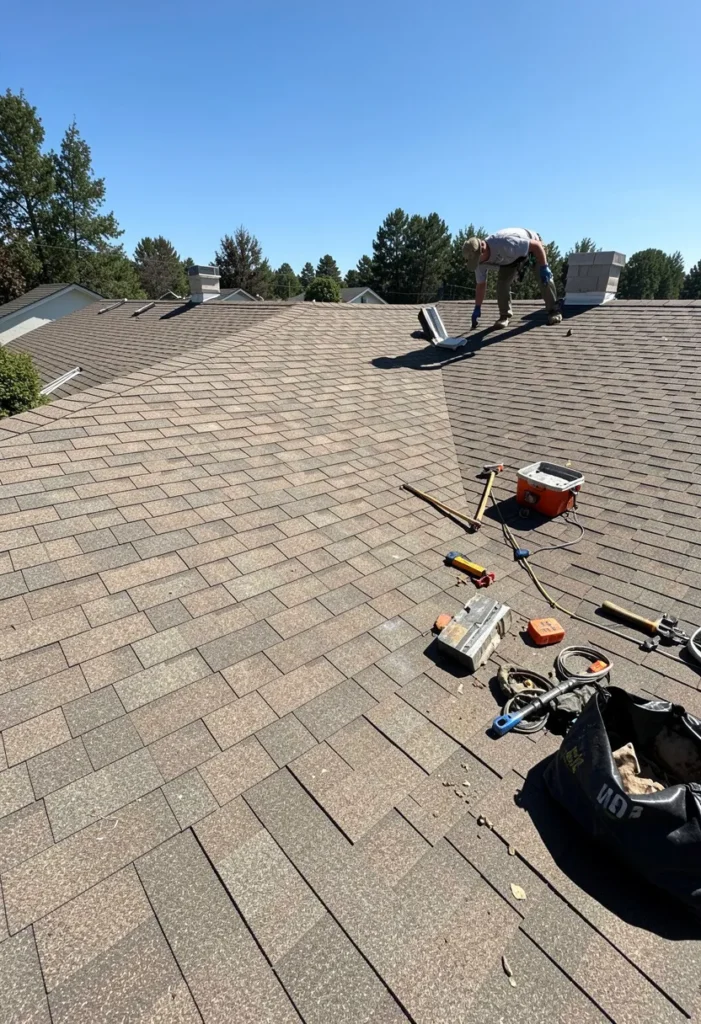
Your roof is your home’s first line of defense against severe summer weather. High heat, heavy rain, and strong winds can weaken shingles, cause leaks, or worsen existing damage. Start by inspecting your roof for cracked, curled, or missing shingles. Even small issues can quickly escalate during a storm.
Pay close attention to flashing around chimneys and vents, as these areas are prone to leaks. If you notice signs of wear, it’s best to repair them before extreme weather hits. Regular maintenance not only prevents costly damage but also extends the lifespan of your roof.
2. Clean and Secure Gutters
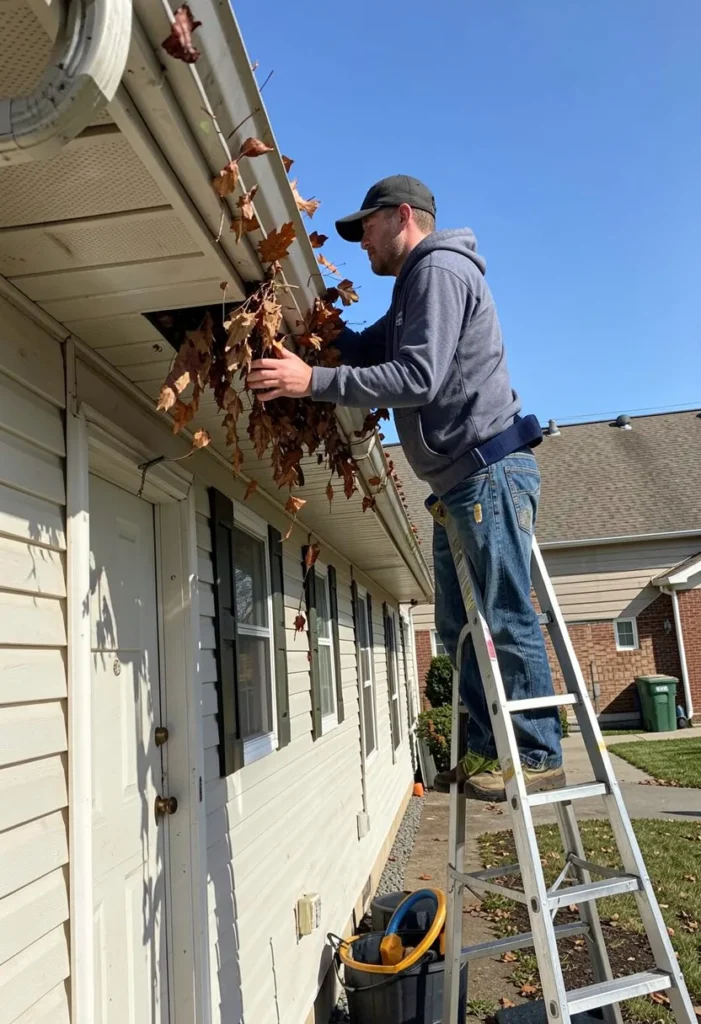
Clogged gutters can lead to water overflow, damaging your siding, foundation, and landscaping. Before severe weather arrives, clean out leaves, dirt, and debris from your gutters and downspouts.
Make sure gutters are securely attached and properly aligned to direct water away from your home. Installing gutter guards can help reduce future buildup and maintenance. Proper drainage is essential during heavy summer rains. Well-maintained gutters protect your home from water damage and erosion, keeping your exterior in top condition.
See Also: 12 Smart Home Exterior Lighting Ideas for Summer Security & Style
3. Seal Cracks and Gaps
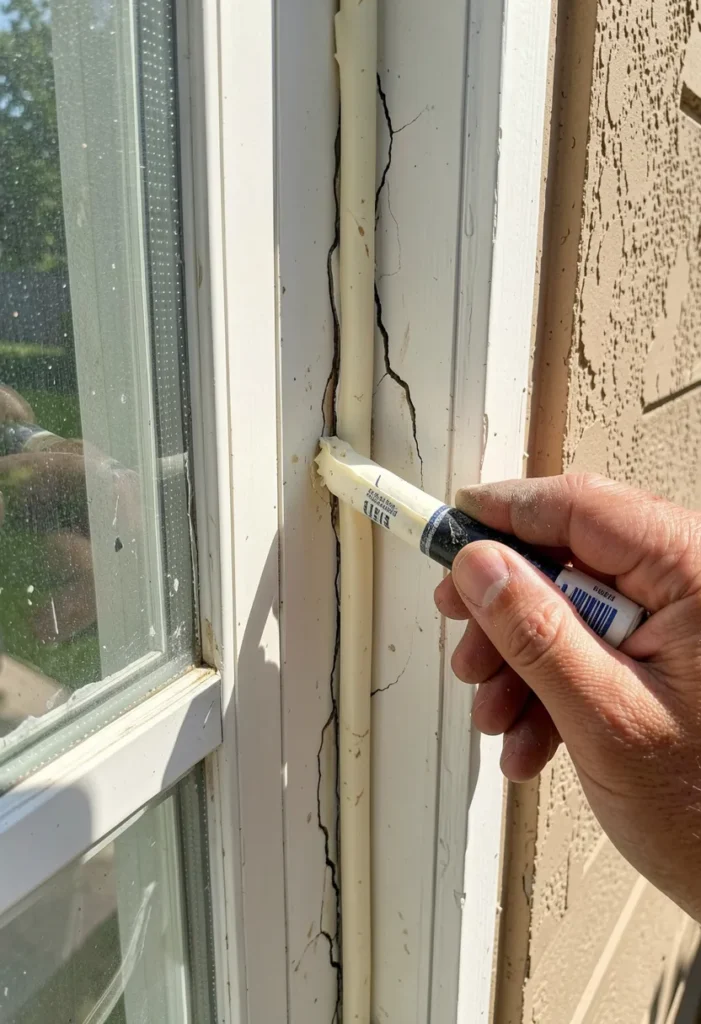
Cracks and gaps in your home’s exterior can allow water, heat, and pests to enter. Inspect areas around windows, doors, and walls for any openings.
Use weatherproof caulk or sealant to fill these gaps and create a tight barrier. This not only protects against moisture but also improves energy efficiency by keeping cool air inside. Sealing your home is a simple yet effective way to prepare for unpredictable summer conditions.
4. Reinforce Doors and Windows
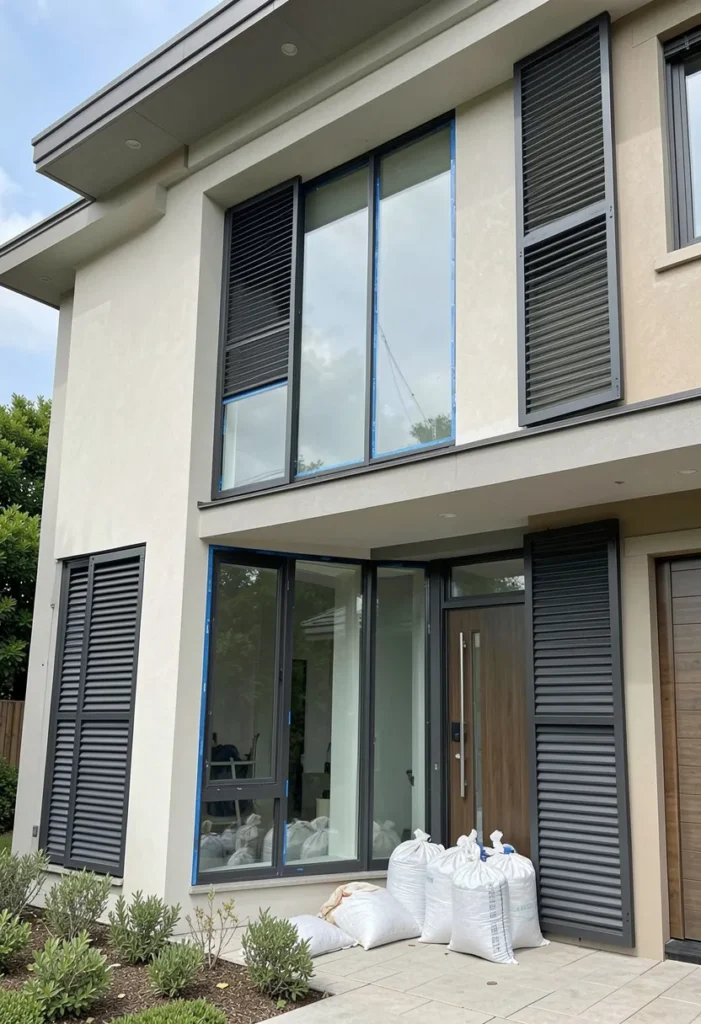
Strong winds and storms can put pressure on doors and windows. Ensure all frames are secure and in good condition. Installing storm shutters or impact-resistant glass adds extra protection.
Check locks and hinges to make sure everything is functioning properly. Reinforced openings help prevent damage and keep your home safe during extreme weather. This upgrade also improves security and insulation.
5. Trim Trees and Branches
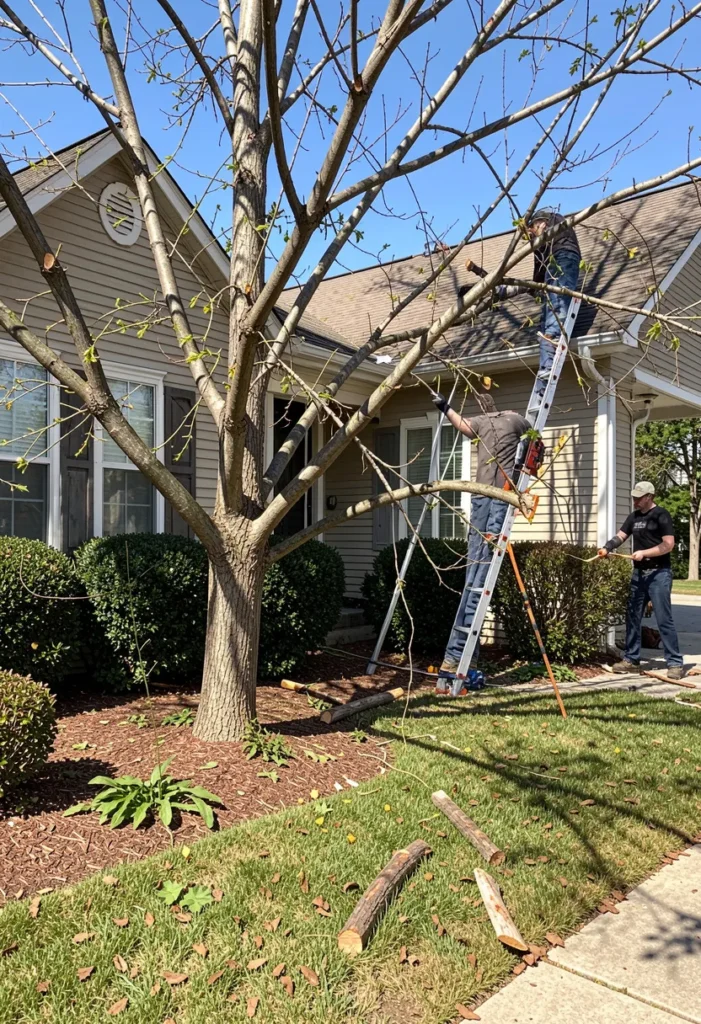
Overgrown trees and loose branches can become dangerous during storms. Strong winds can break branches, causing damage to your roof, windows, or vehicles.
Trim branches that hang too close to your home and remove any dead or weak limbs. Keeping trees well-maintained reduces the risk of storm-related damage. This also improves the overall appearance of your yard.
6. Secure Outdoor Furniture
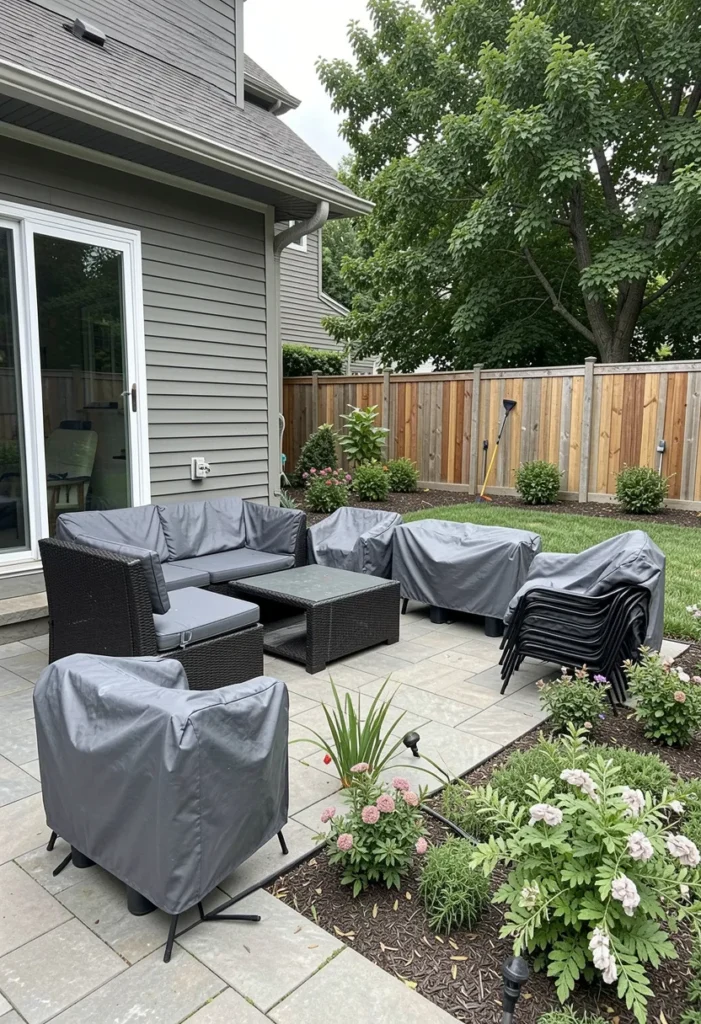
Outdoor furniture, decor, and equipment can become projectiles during strong winds. Secure or store these items when severe weather is expected.
Use anchors, covers, or storage solutions to keep everything in place. This prevents damage to both your belongings and your home. A tidy and secure outdoor space is safer and more resilient.
7. Check Exterior Paint and Finishes
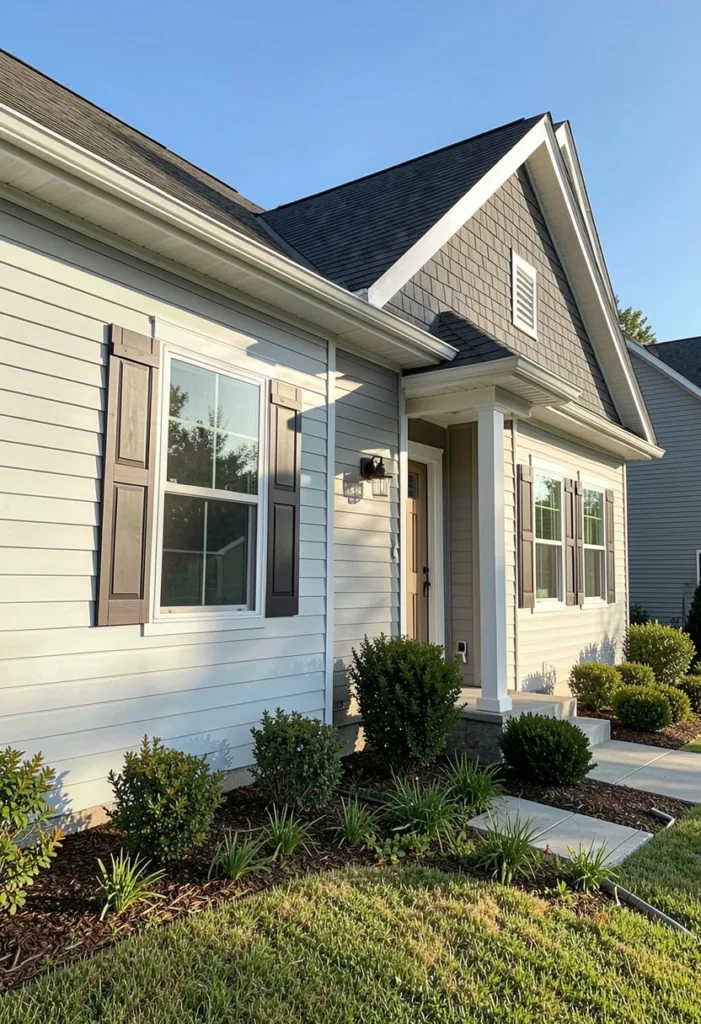
Paint and finishes protect your home from UV rays and moisture. Inspect your exterior for peeling, fading, or cracking paint.
Repainting or touching up damaged areas adds a protective layer and improves appearance. Choose weather-resistant paints for better durability. Maintaining your exterior finish helps prevent long-term damage.
8. Improve Drainage Around the Home
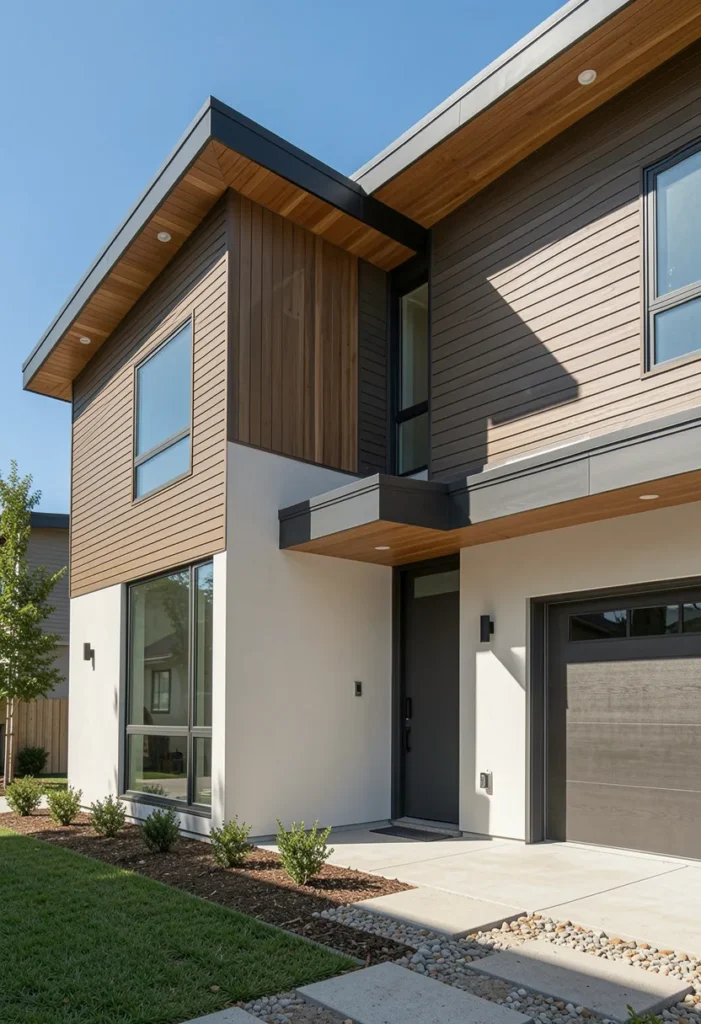
Poor drainage can lead to water pooling around your foundation. Ensure your yard slopes away from your home to direct water outward.
Installing French drains or extending downspouts can improve water flow. This prevents flooding and structural damage. Good drainage is essential during heavy summer rains.
9. Install Storm-Resistant Siding
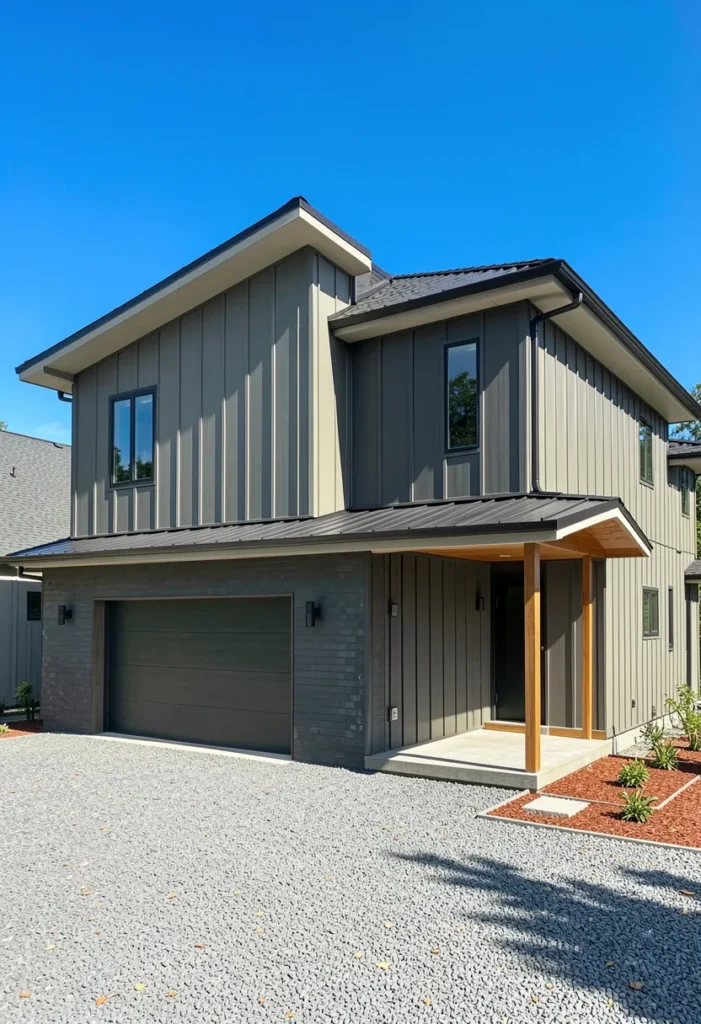
Upgrading to storm-resistant siding adds an extra layer of protection against wind and debris. Materials like fiber cement or engineered wood are durable and weather-resistant.
These options also enhance your home’s appearance while reducing maintenance needs. It’s a smart long-term investment for severe weather protection.
10. Protect Outdoor Electrical Systems
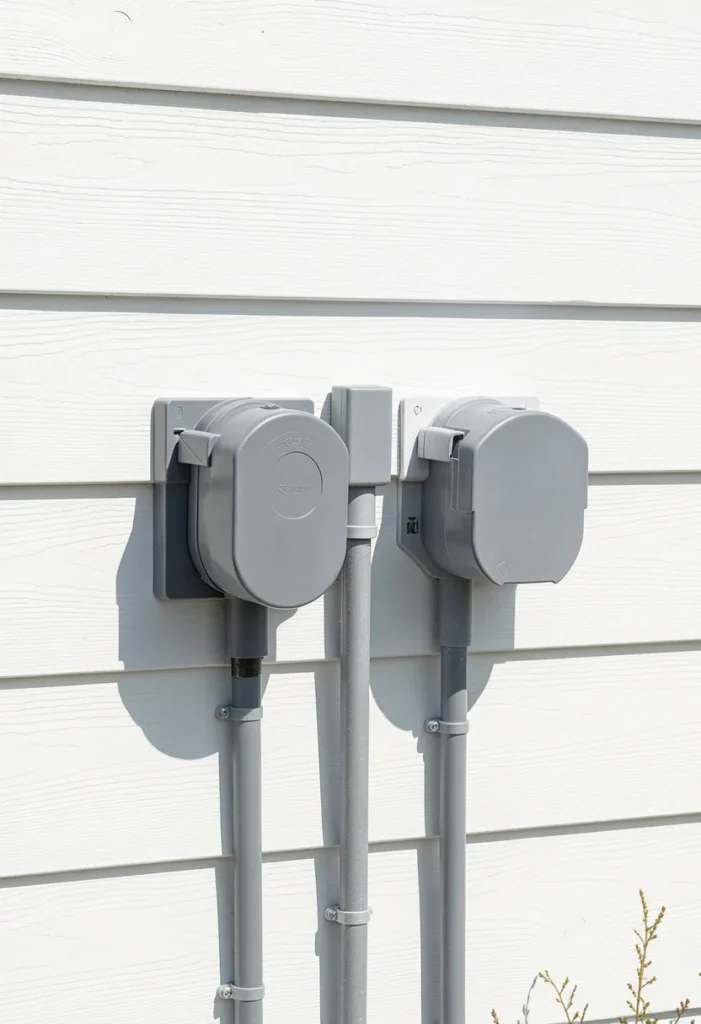
Outdoor lighting and electrical outlets should be weatherproofed to prevent damage. Use protective covers and ensure all wiring is secure.
This reduces the risk of electrical issues during storms. Safety is key when dealing with electricity and water.
11. Install a Backup Power Source
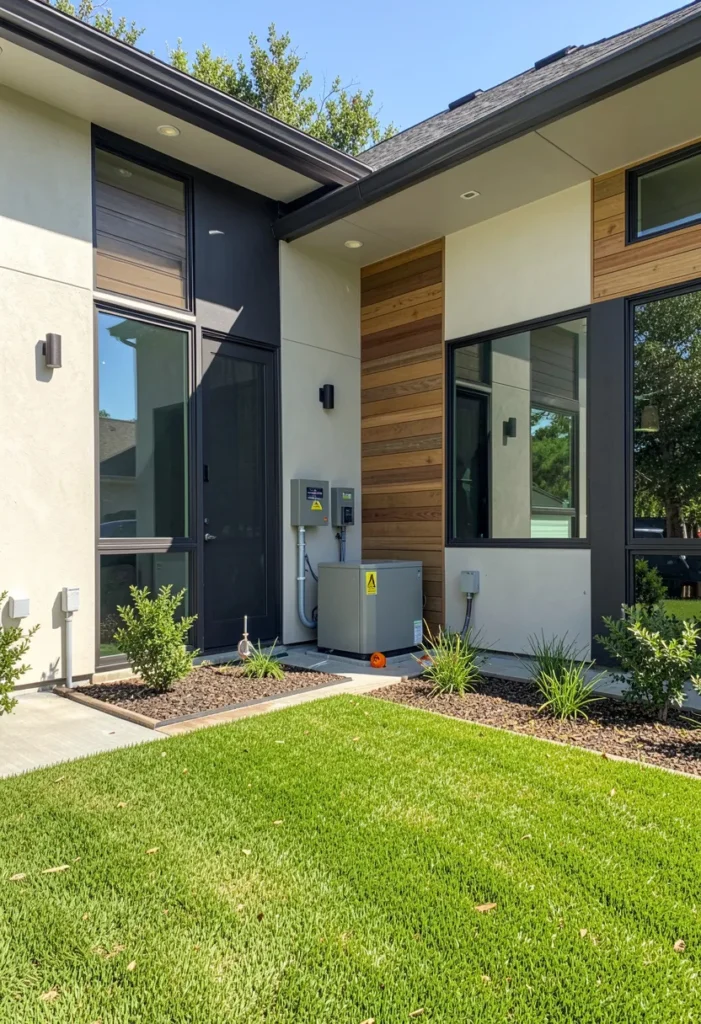
Power outages are common during severe weather. Having a backup generator ensures your home remains functional.
This is especially important for maintaining cooling systems and essential appliances. A reliable power source adds convenience and peace of mind.
12. Secure Fencing and Gates
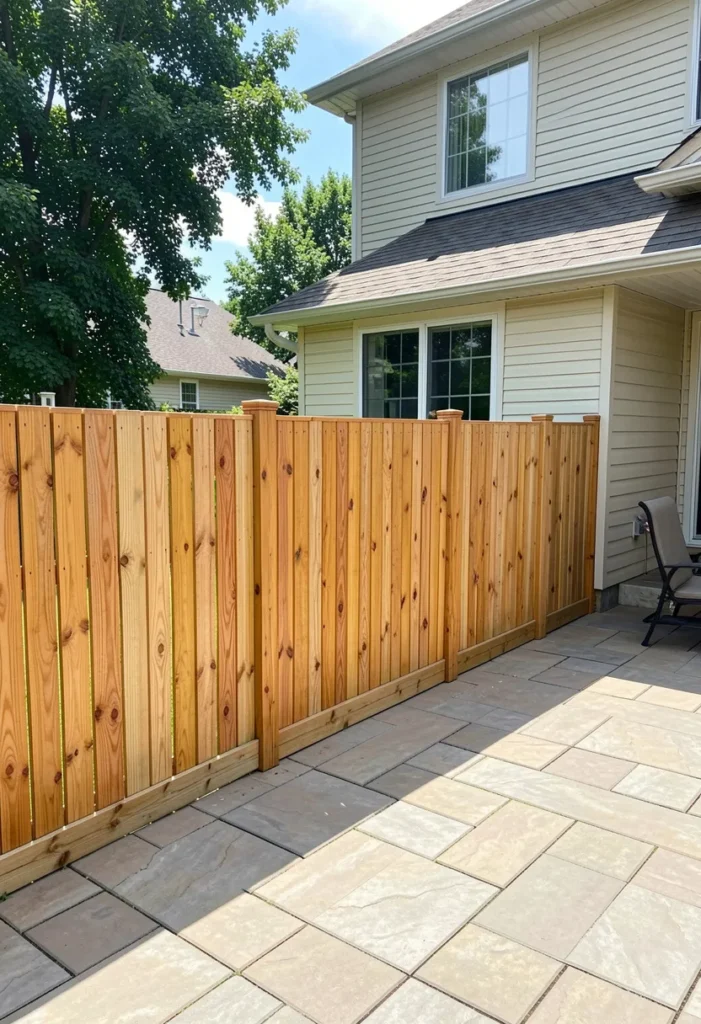
Loose fences and gates can be damaged or blown over during strong winds. Inspect them for stability and repair any weak points.
Reinforcing posts and hinges ensures they stay in place during storms. This protects both your property and your neighbors.
13. Add Protective Landscaping Features

Strategic landscaping can help shield your home from wind and debris. Planting shrubs or installing barriers can reduce impact from strong gusts.
Using gravel or stone also helps prevent soil erosion during heavy rain. This approach combines safety with aesthetic appeal.
14. Inspect Outdoor Plumbing
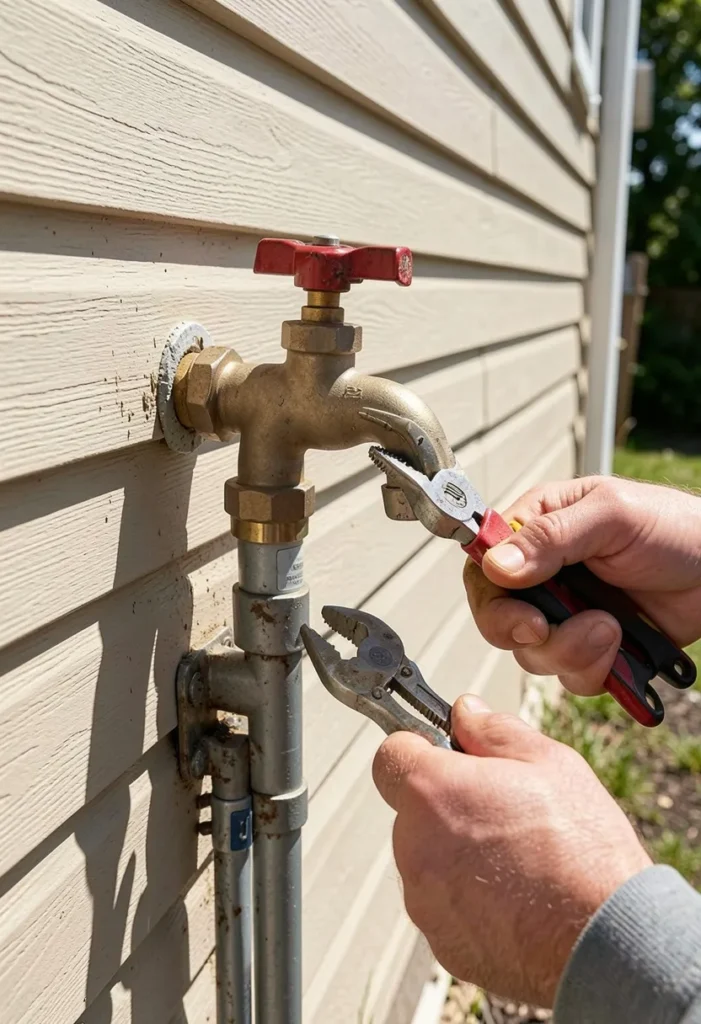
Outdoor pipes and faucets can be affected by heat and pressure changes. Check for leaks or damage and repair them promptly.
Proper maintenance ensures your water system functions smoothly during summer. This prevents unexpected issues during extreme weather.
Final Words
Preparing your home exterior for severe summer weather is all about staying proactive and protecting what matters most. From inspecting your roof and sealing gaps to improving drainage and securing outdoor items, each step plays a crucial role in minimizing damage and maintaining your home’s durability. These small yet impactful actions not only safeguard your property against storms, heat, and heavy rain but also help preserve its appearance and value.