11 Water Conservation Gardening Hacks
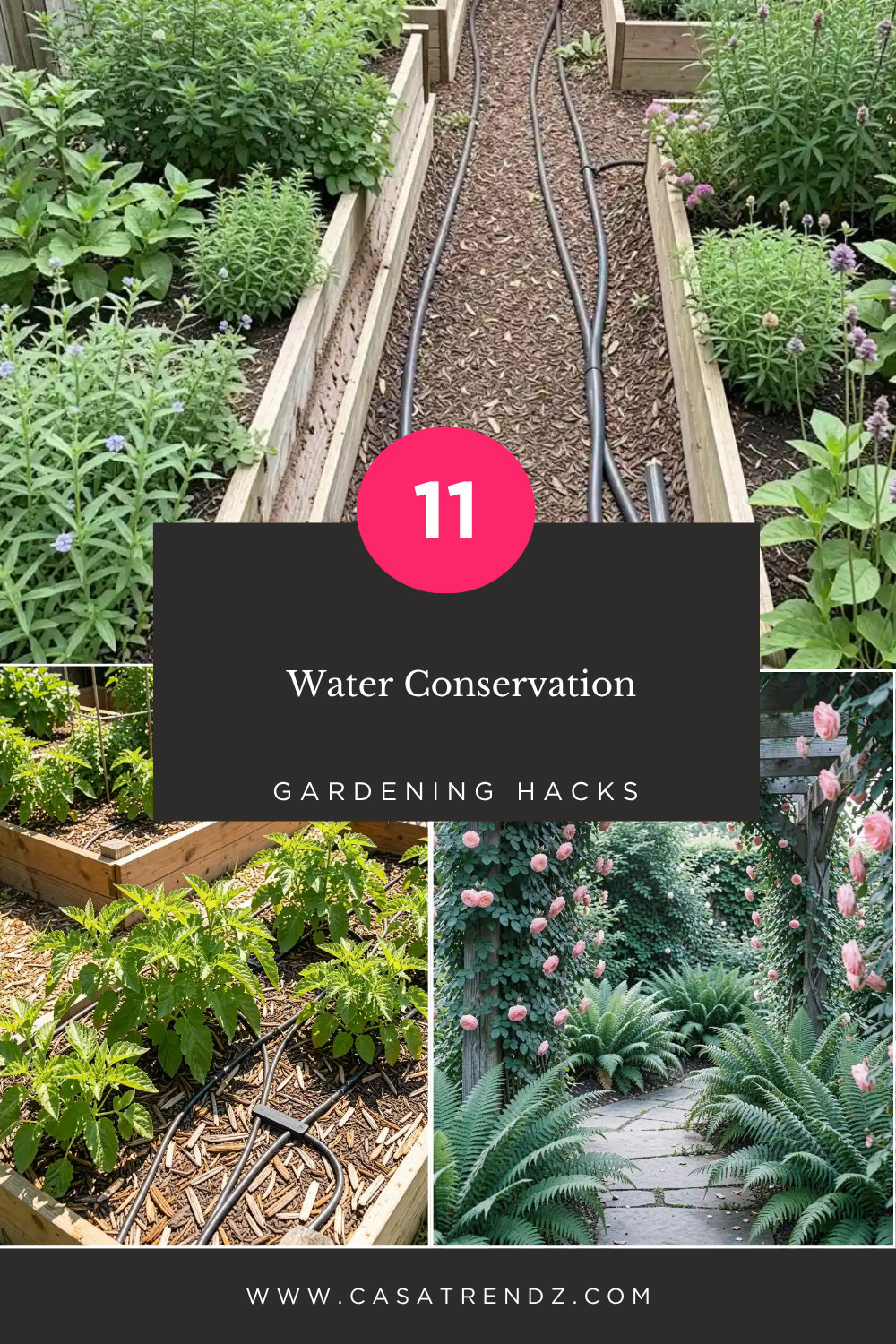
Water conservation is becoming increasingly important, especially during hot summer months when gardens require more hydration to stay healthy. The good news is that maintaining a lush, thriving garden doesn’t have to mean excessive water use. With the right strategies, you can reduce water waste while still supporting strong plant growth and vibrant blooms. Smart gardening techniques focus on improving soil health, minimizing evaporation, and delivering water more efficiently to plant roots.
From choosing drought-tolerant plants to using mulch and optimizing watering schedules, small changes can lead to significant savings. These methods not only help conserve water but also reduce maintenance and lower utility costs. Whether you’re caring for a small backyard garden or a larger landscape, adopting water-wise practices creates a more sustainable and resilient outdoor space. In this guide, you’ll discover 11 water conservation gardening hacks that help you grow a healthier garden while using less water.
1. Use Mulch to Retain Soil Moisture
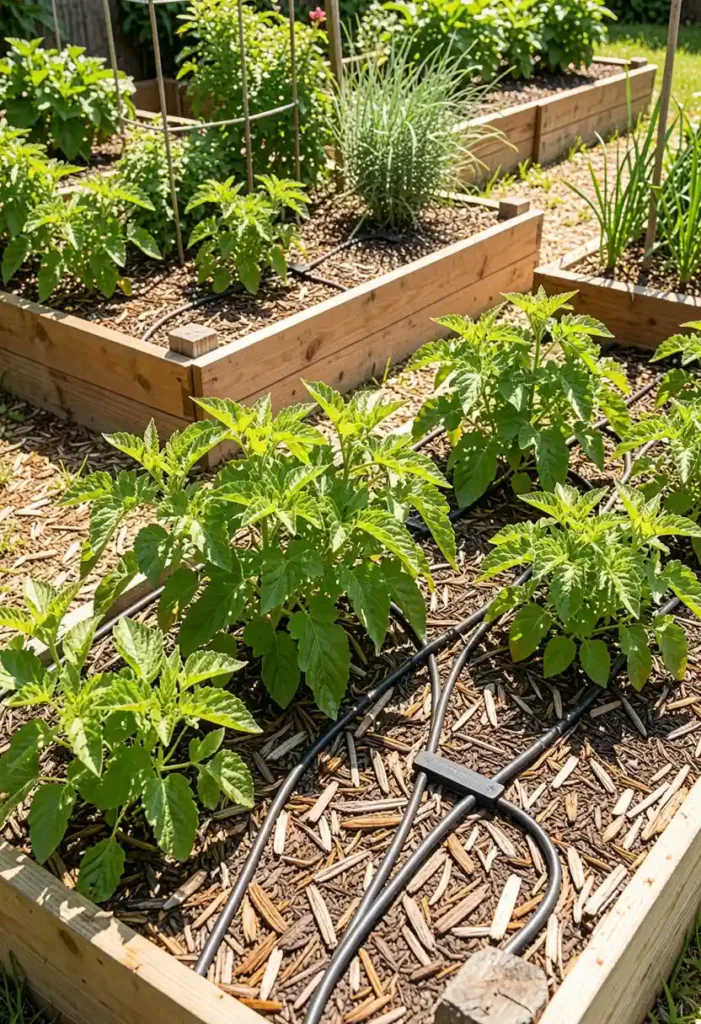
Mulching is one of the most effective ways to conserve water in your garden. By covering the soil with organic materials like straw, wood chips, or compost, you create a protective barrier that reduces evaporation and keeps moisture locked in.
Mulch also regulates soil temperature, keeping roots cooler during hot summer days. This reduces stress on plants and helps them retain water more efficiently. Over time, organic mulch breaks down and improves soil structure, allowing it to hold even more moisture.
2. Water Early in the Morning
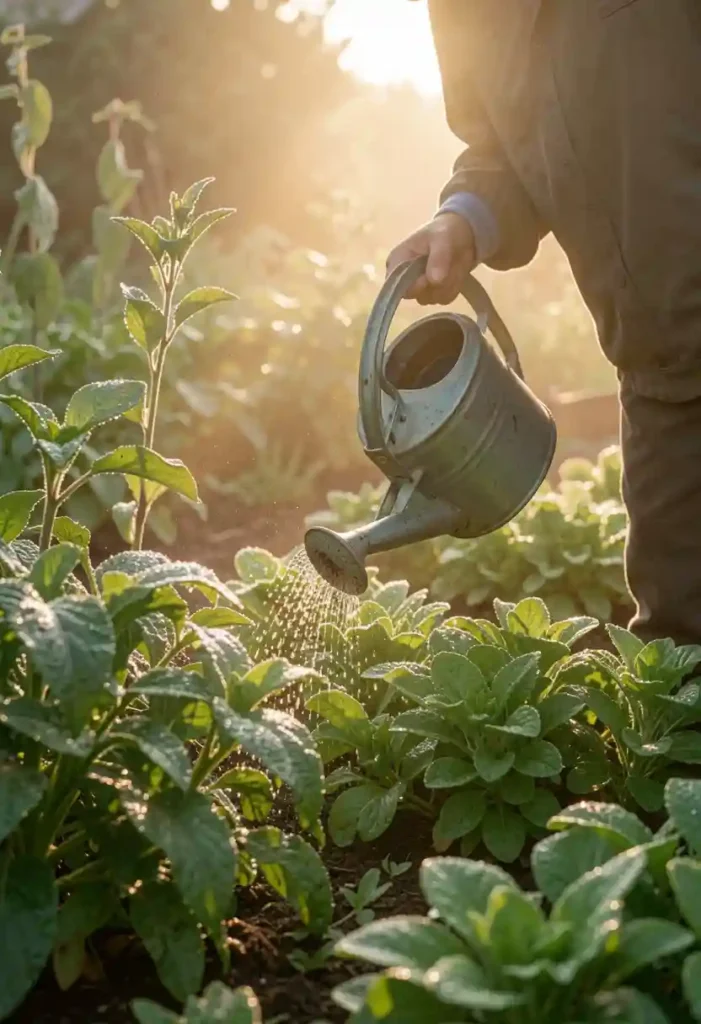
Timing your watering routine can make a big difference in water conservation. Watering early in the morning allows moisture to soak into the soil before the sun’s heat causes evaporation.
Morning watering also gives plants time to absorb water before temperatures rise, reducing stress and promoting healthy growth. In contrast, watering during midday leads to significant water loss, while evening watering can increase the risk of fungal diseases.
See Also: 14 Modern Rustic Window Trim Ideas for a Beautiful Home Exterior
3. Install a Drip Irrigation System
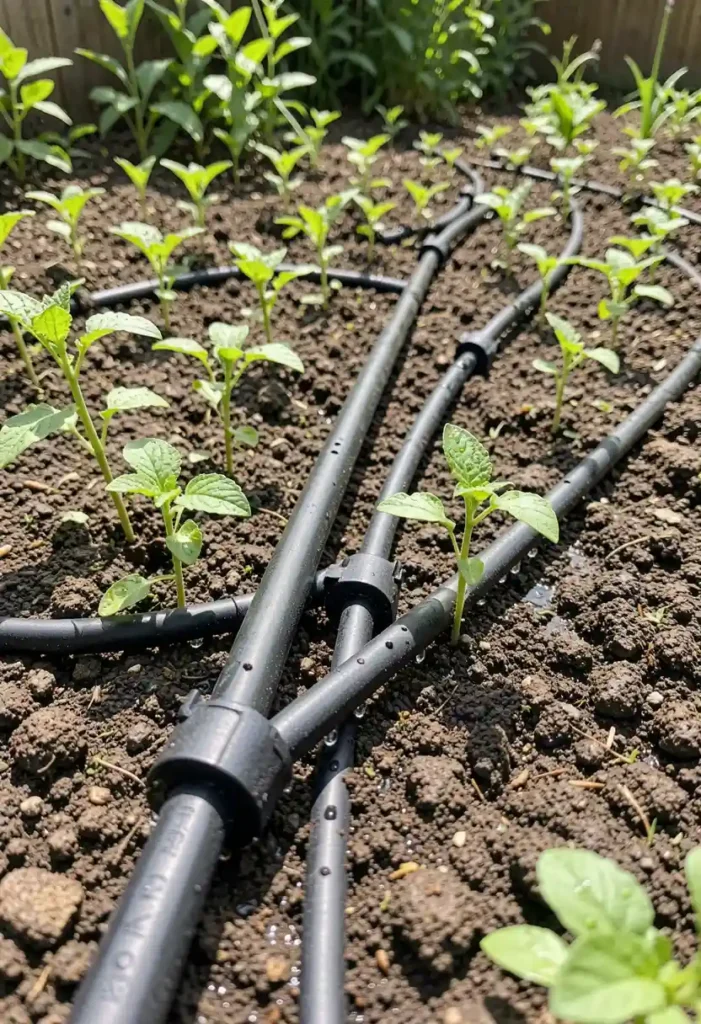
Drip irrigation is a highly efficient watering method that delivers water directly to the roots of plants. Unlike traditional sprinklers, it minimizes evaporation and runoff, ensuring that water is used precisely where it’s needed.
This system consists of tubes and emitters that slowly release water into the soil. It’s ideal for vegetable gardens, flower beds, and even container plants.
4. Choose Drought-Tolerant Plants
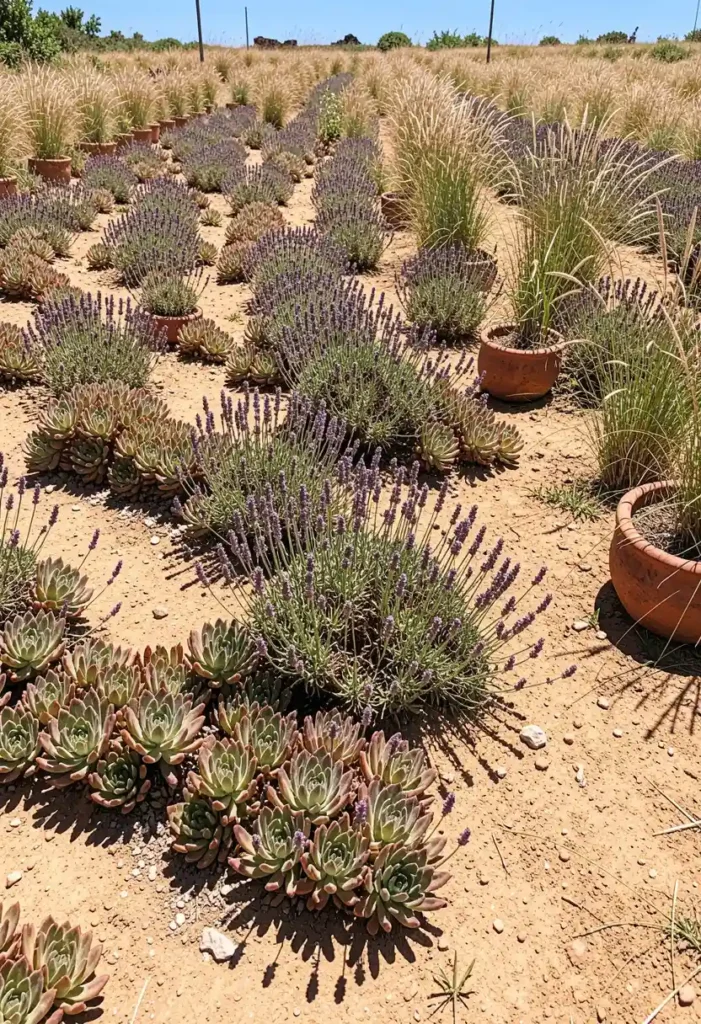
Selecting plants that naturally require less water is one of the easiest ways to conserve resources. Drought-tolerant plants are adapted to survive in dry conditions and need minimal watering once established.
Examples include succulents, lavender, and native plants suited to your climate. These plants often have deep root systems or water-storing leaves that help them thrive with limited moisture. Grouping plants with similar water needs also improves efficiency, ensuring that you don’t overwater certain areas.
5. Collect Rainwater for Reuse
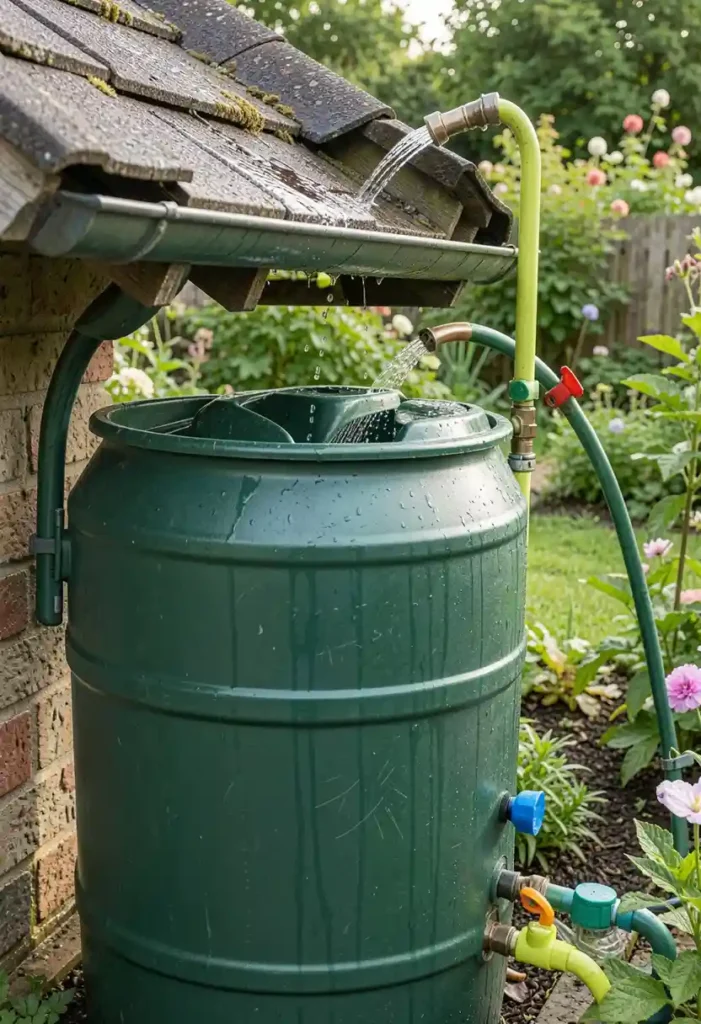
Rainwater harvesting is an eco-friendly way to water your garden without relying on tap water. Installing a rain barrel under your downspout allows you to collect and store rainwater for later use.
This water is free, chemical-free, and beneficial for plants. It can be used during dry periods to keep your garden hydrated. Rainwater collection reduces water bills and supports sustainable gardening practices. It’s a simple and effective way to make the most of natural resources.
6. Improve Soil Quality with Compost
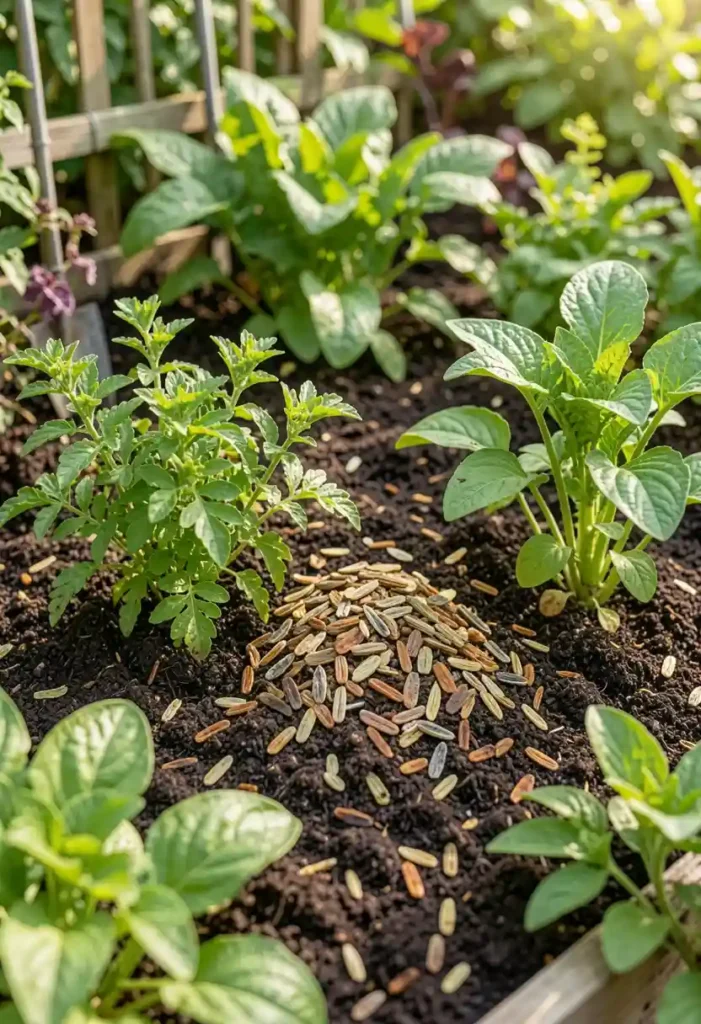
Healthy soil retains water more effectively. Adding compost improves soil structure, allowing it to hold moisture while providing essential nutrients to plants.
Compost increases the soil’s ability to absorb and store water, reducing the need for frequent watering. It also supports beneficial microorganisms that enhance plant growth. Mix compost into your soil regularly to maintain its quality.
7. Use Shade to Reduce Evaporation
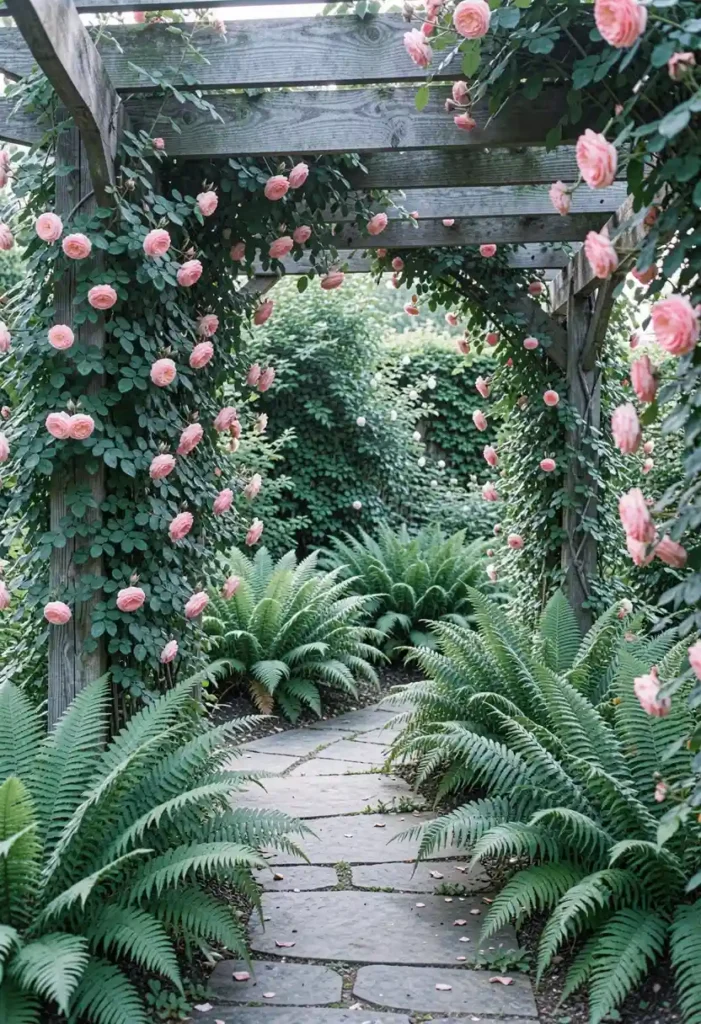
Providing shade helps protect plants from intense sunlight and reduces water loss. Shade structures, such as pergolas or shade cloths, create a cooler environment.
Planting taller plants or trees can also provide natural shade for smaller plants. This reduces the need for frequent watering and helps plants retain moisture. Shaded gardens are more comfortable and water-efficient.
8. Group Plants by Water Needs
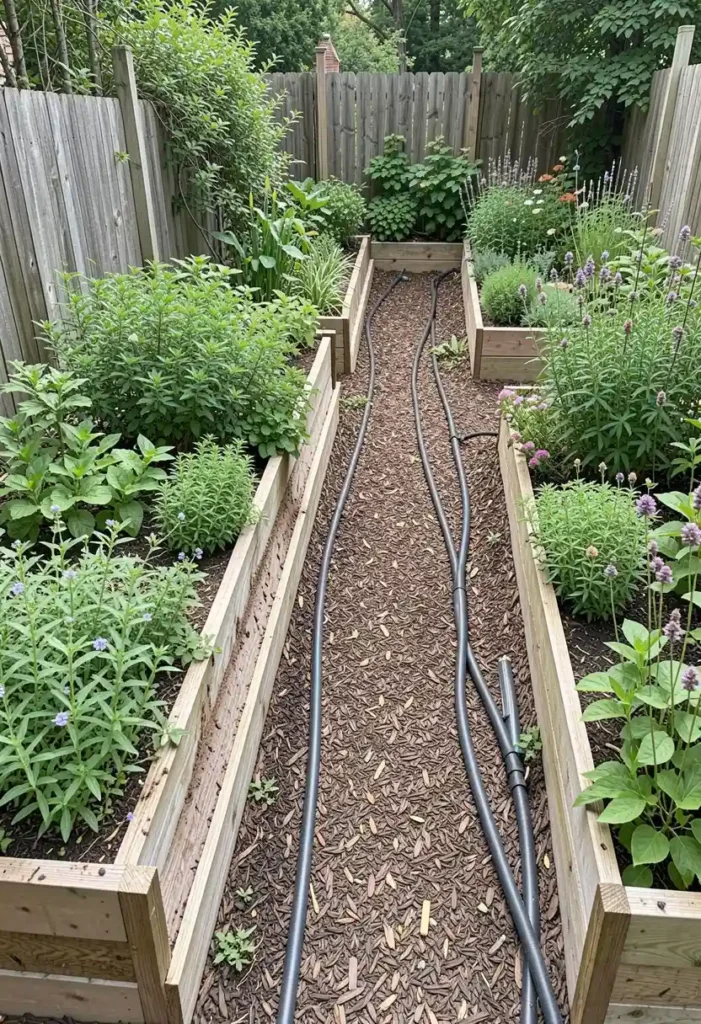
Grouping plants with similar watering requirements ensures efficient use of water. This method, known as hydro zoning, prevents overwatering and underwatering.
Place high-water plants together and drought-tolerant plants in separate areas. This allows you to tailor watering schedules for each zone. Hydro zoning improves water efficiency and plant health.
9. Use Soaker Hoses Instead of Sprinklers
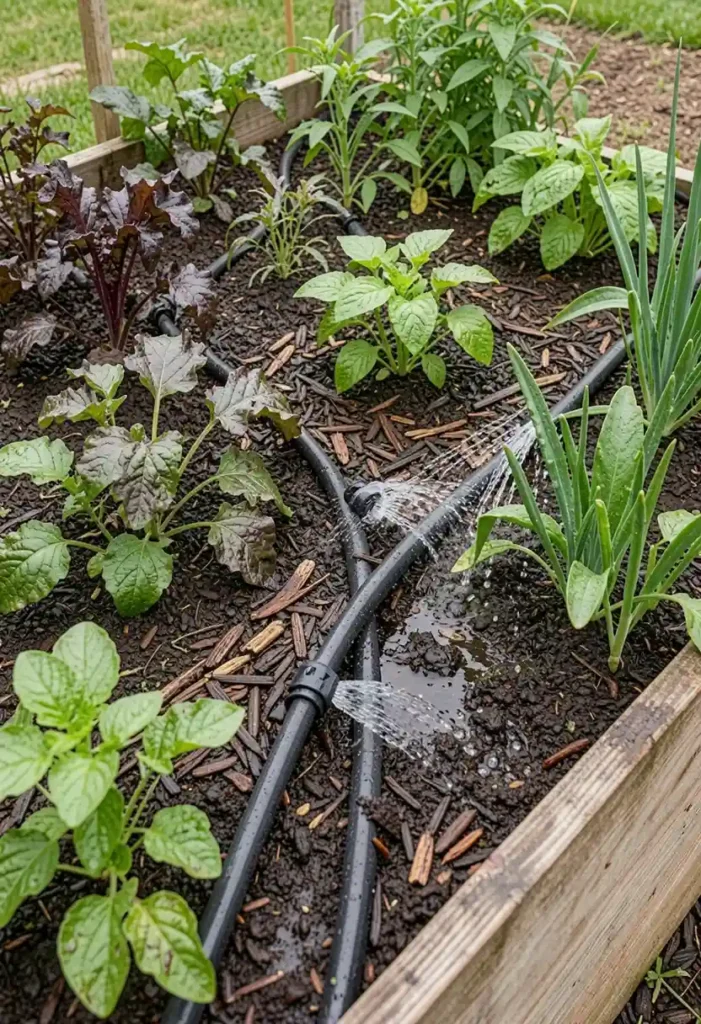
Soaker hoses deliver water directly to the soil, reducing evaporation and waste. They release water slowly along their length, ensuring deep and even watering.
Unlike sprinklers, they don’t spray water into the air, which can be lost to wind and heat. Soaker hoses are easy to install and ideal for garden beds. They are a practical and efficient watering solution.
10. Reduce Lawn Areas
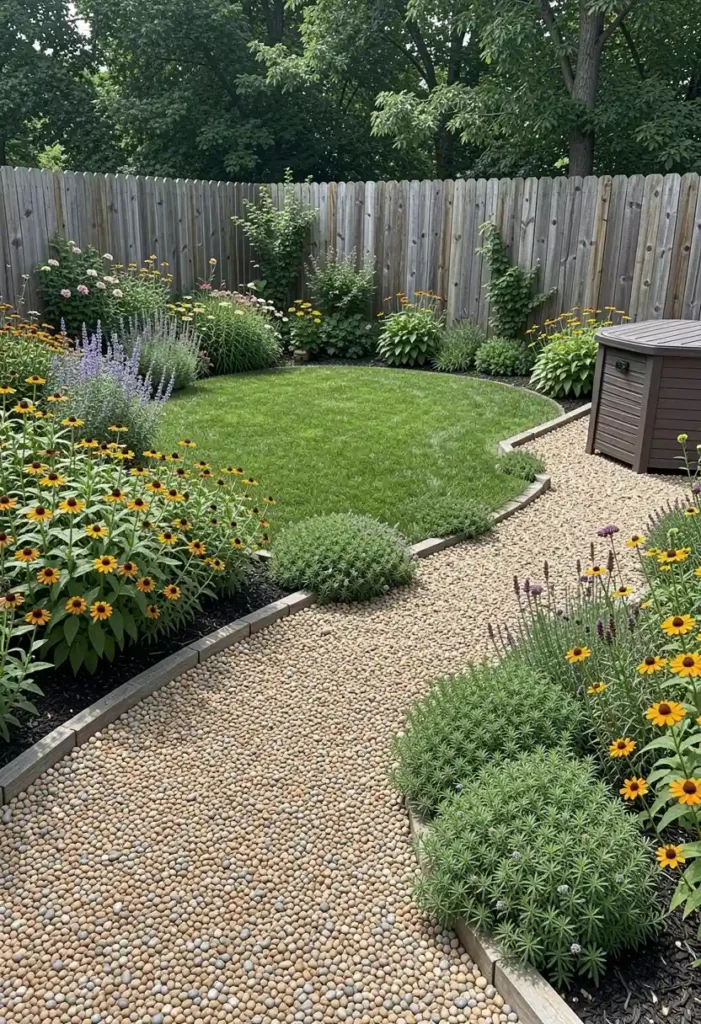
Lawns require a significant amount of water to stay green. Reducing lawn space and replacing it with garden beds or hardscaping can save water.
Use drought-tolerant plants, gravel, or mulch to create attractive alternatives. This reduces maintenance and water consumption. A smaller lawn is more sustainable and eco-friendly.
11. Add Organic Ground Cover Plants
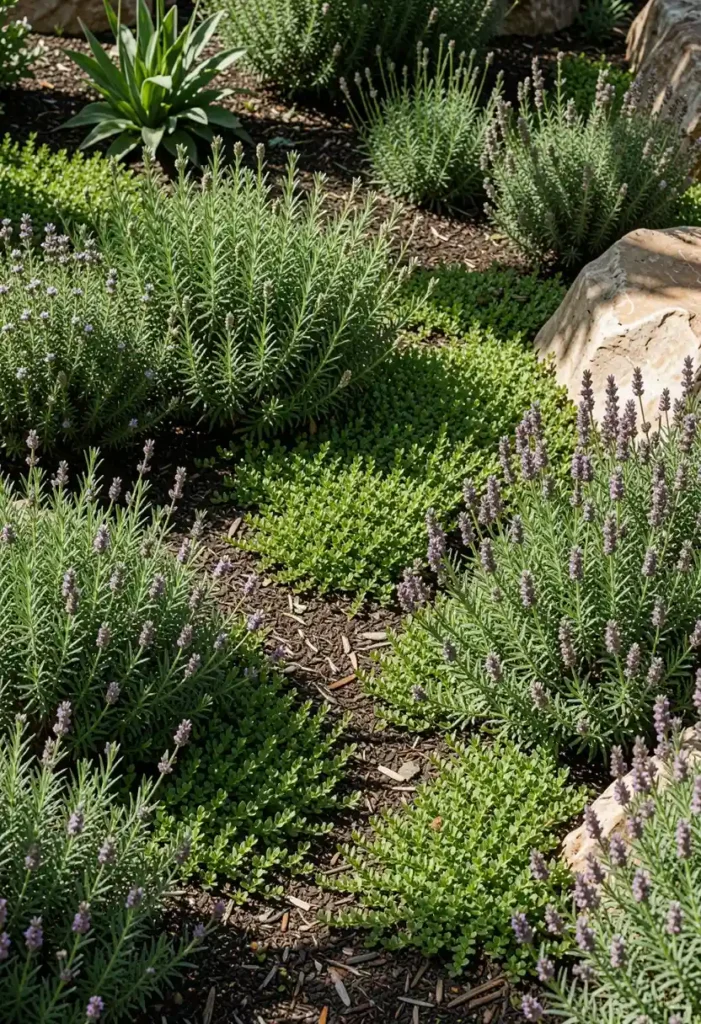
Ground cover plants help protect soil from direct sunlight, reducing evaporation. They spread across the ground, creating a natural barrier.
These plants also suppress weeds and improve soil health. Choose low-growing, drought-tolerant varieties for best results. Ground covers enhance both aesthetics and efficiency.
Conclusion
Adopting these 11 Water Conservation Gardening Hacks is a smart and sustainable way to maintain a healthy, thriving garden while reducing water usage. By making simple changes like using mulch, improving soil quality, and choosing drought-tolerant plants you can significantly cut down on water waste without sacrificing beauty or productivity.