15 Summer Backyard Safety Tips for Kids & Pets (Must-Know Guide)
Summer is the perfect time for kids and pets to enjoy the backyard, but it also comes with hidden safety risks that many homeowners overlook. From slippery pool areas to toxic plants and overheating dangers, a fun outdoor space can quickly become hazardous without proper precautions. Creating a safe backyard doesn’t mean sacrificing enjoyment it simply requires thoughtful planning and a few smart adjustments.
By focusing on safety, you can give children the freedom to play and pets the space to explore without constant worry. Whether you have a large lawn, a compact patio, or a poolside setup, these safety tips will help you minimize risks while maximizing fun. In this must-know guide, you’ll discover 15 practical and effective ways to make your backyard a secure haven for both kids and pets all summer long.
1. Install Secure Fencing Around the Yard
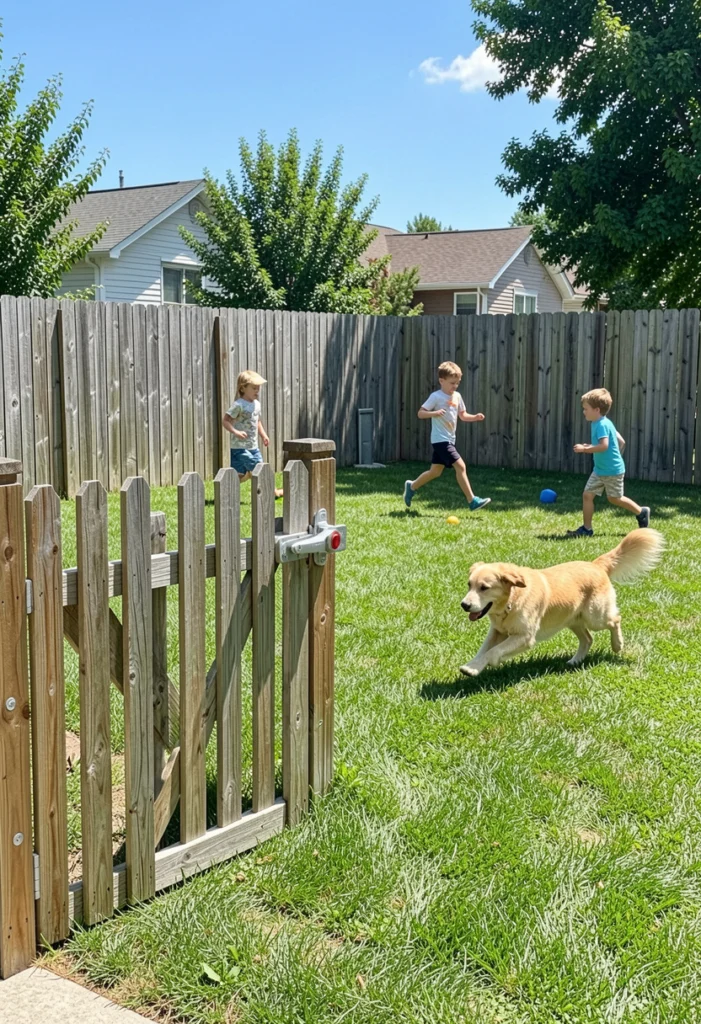
A strong, well-installed fence is one of the most important safety features for any backyard. It creates a clear boundary that prevents kids and pets from wandering off and keeps unwanted animals or strangers from entering your space. Choose a fence that is tall enough to prevent climbing or jumping, and ensure there are no gaps where small pets could slip through.
Gates should have childproof latches placed out of reach of younger children. Self-closing and self-latching mechanisms add an extra layer of protection, especially in busy households. Regularly inspect your fence for damage, loose boards, or rusted sections that could compromise safety.
2. Create a Shaded Play Area
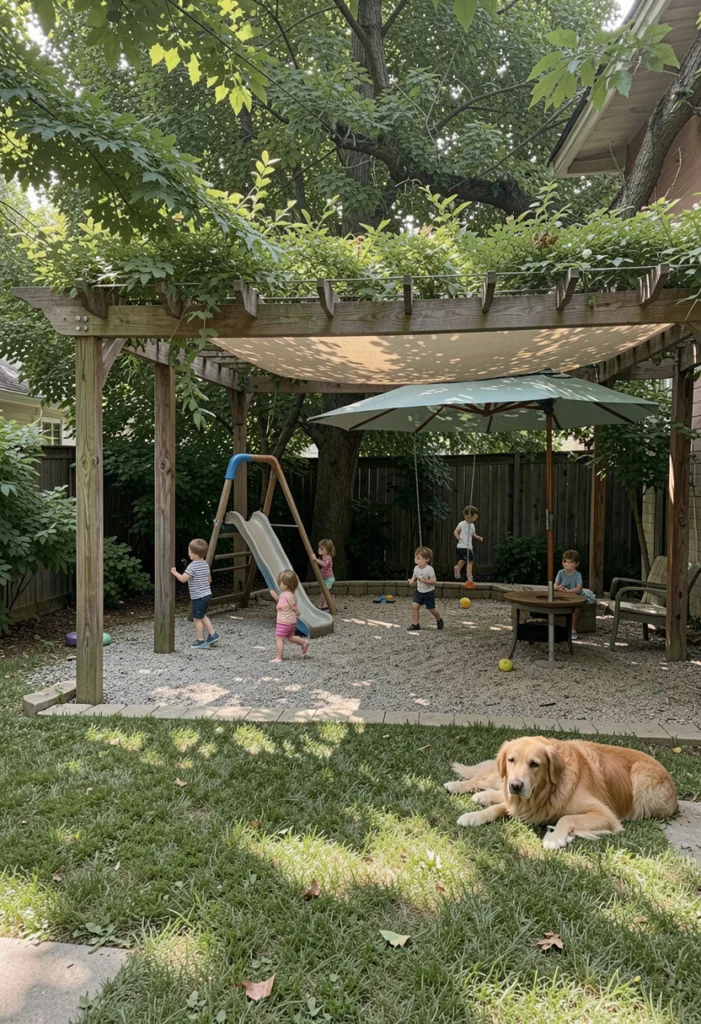
Excessive sun exposure can lead to heat exhaustion or sunburn for both kids and pets. Creating a shaded area in your backyard is essential for keeping everyone cool and comfortable during hot summer days. You can use pergolas, umbrellas, shade sails, or even large trees to provide protection from direct sunlight.
Place seating, play zones, or pet resting areas under shade to encourage regular breaks from the sun. For pets, especially dogs, ensure there is always a cool, shaded spot where they can relax. Avoid metal or plastic surfaces that can become hot and cause burns.
3. Keep a Constant Water Supply Available
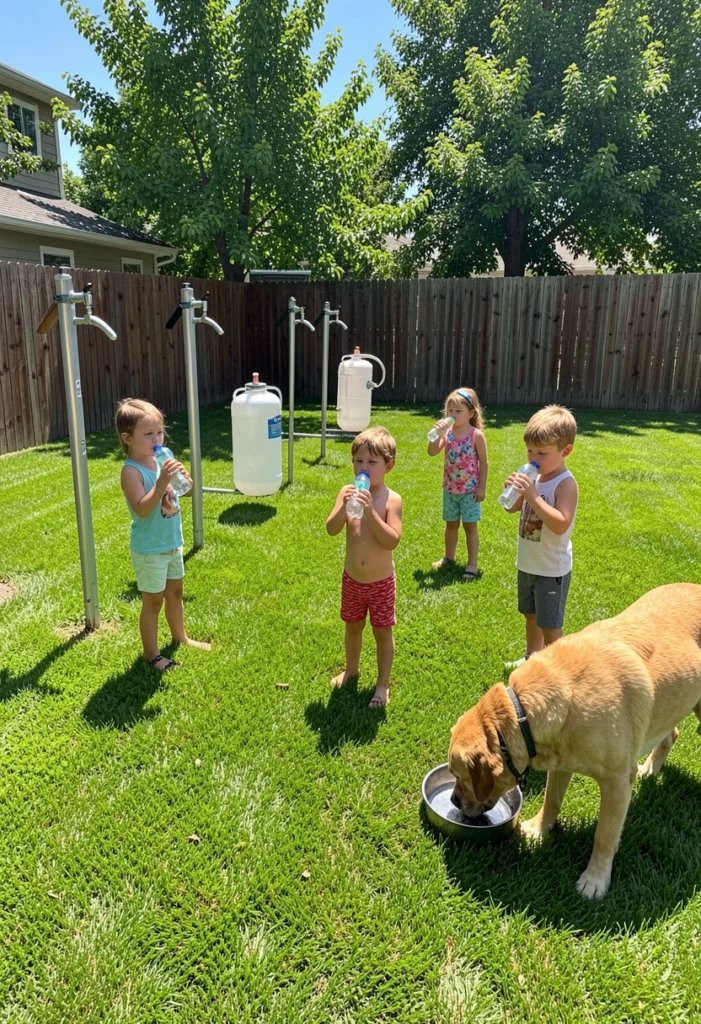
Hydration is critical during summer, especially for active kids and pets. Always provide easy access to clean, fresh water in your backyard. For children, keep reusable water bottles nearby, and for pets, use sturdy water bowls that won’t tip over easily.
Consider placing multiple water stations around the yard so they’re always within reach. For pets, automatic water dispensers can be a great addition, ensuring a constant supply even when you’re not actively monitoring.
See Also: 13 Trending Gray & Green Exterior Paint Colors
4. Install Pool Safety Barriers
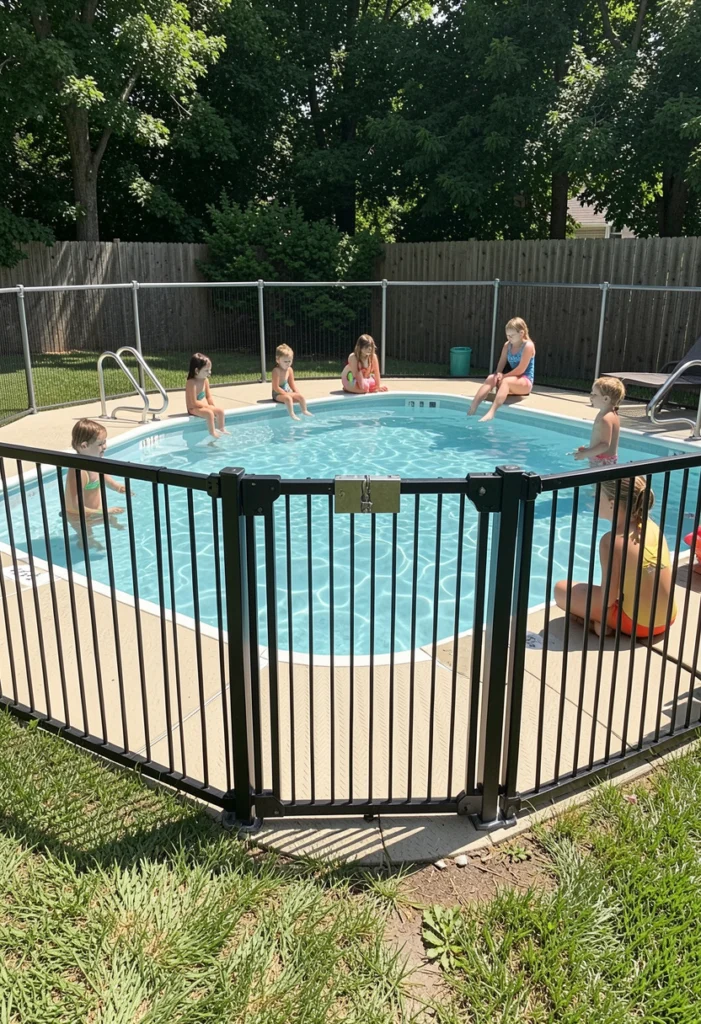
If you have a pool, safety barriers are non-negotiable. Install a fence or barrier around the pool area with a self-closing, self-latching gate to prevent unsupervised access. This is especially important for young children and curious pets.
Pool covers can provide an additional layer of protection when the pool is not in use. Choose a sturdy, safety-rated cover that can support weight and prevent accidental falls. Teach kids basic pool safety rules, such as no running near the pool and always swimming with supervision. For pets, consider training them to stay away from the pool unless supervised.
5. Remove Toxic Plants and Chemicals
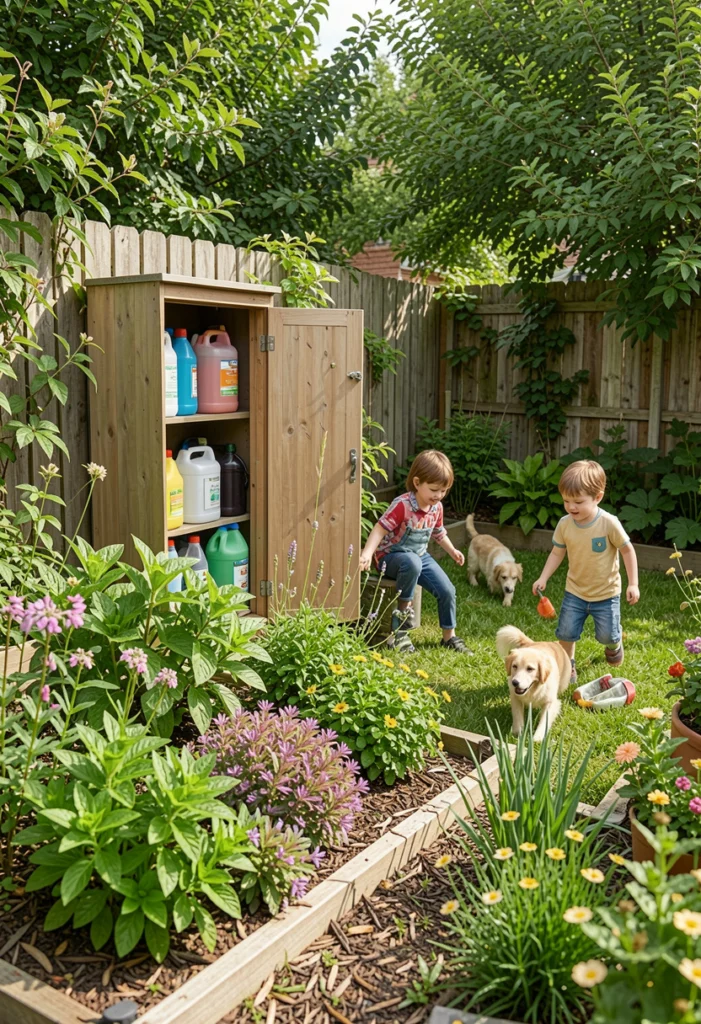
Many common garden plants can be toxic to both kids and pets if ingested. It’s important to identify and remove any harmful plants from your backyard. Research pet-safe and child-safe plant options to replace them.
Store gardening chemicals, fertilizers, and pesticides in locked cabinets or sheds, out of reach of children and animals. Even small amounts can be dangerous if accidentally consumed. Label all containers clearly and avoid leaving tools or chemicals unattended. Opt for natural or non-toxic alternatives whenever possible.
6. Use Non-Slip Surfaces for Walkways
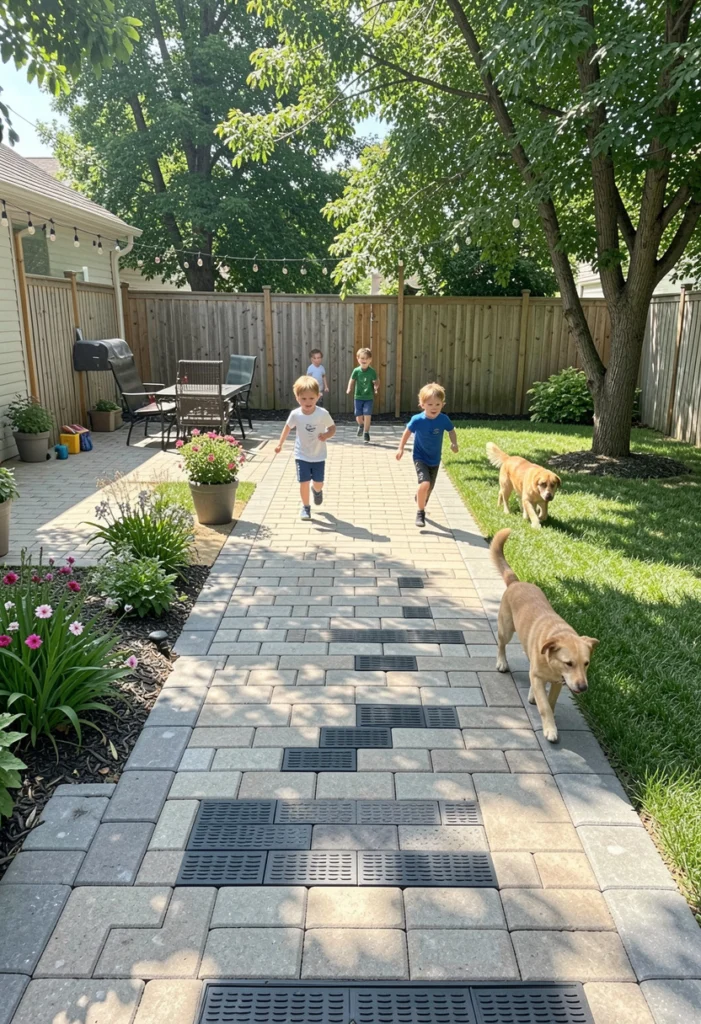
Slippery surfaces can lead to falls and injuries, especially around pools, patios, or after watering the lawn. Installing non-slip materials for walkways and play areas can greatly improve safety.
Consider textured pavers, rubber mats, or anti-slip coatings for decks and patios. These surfaces provide better traction and reduce the risk of slipping. Regularly clean walkways to remove algae, dirt, or debris that can make surfaces slippery. Pay special attention to shaded or damp areas where moisture tends to accumulate.
7. Secure Outdoor Furniture and Equipment
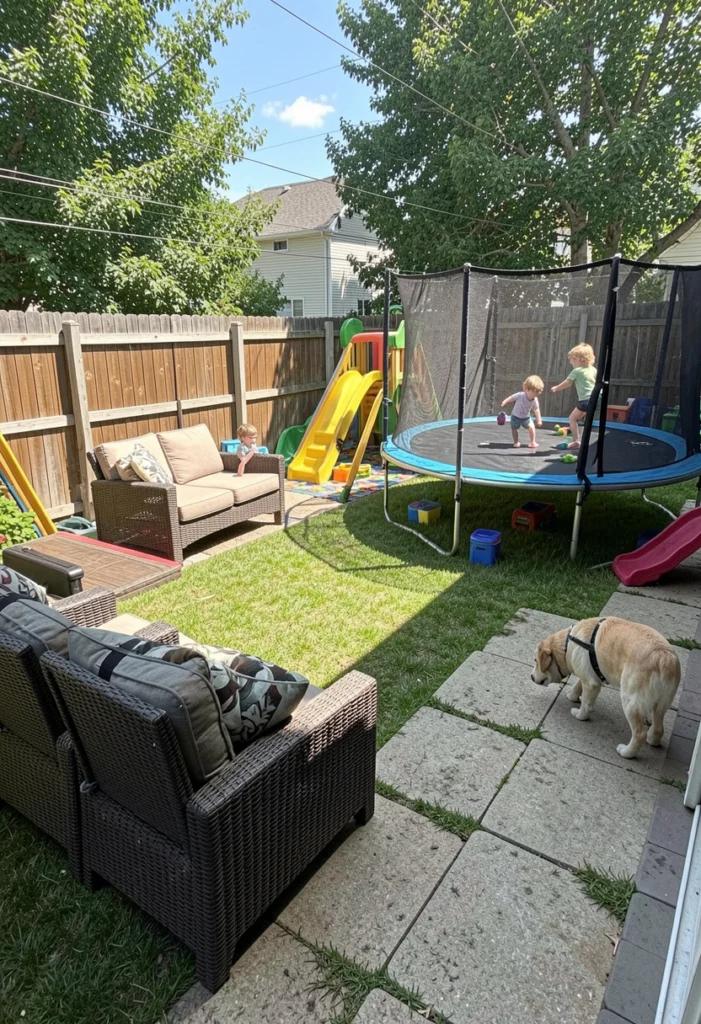
Outdoor furniture and play equipment can pose risks if not properly secured. Lightweight chairs, tables, and toys can tip over or become hazards during windy conditions.
Anchor larger items like trampolines, playsets, and umbrellas to prevent movement. Regularly check for loose bolts or damaged parts that could cause injuries. Store unused equipment in a safe place and keep the yard clutter-free to reduce tripping hazards. Ensure that all play structures are age-appropriate and in good condition.
8. Set Up a Pet-Safe Zone
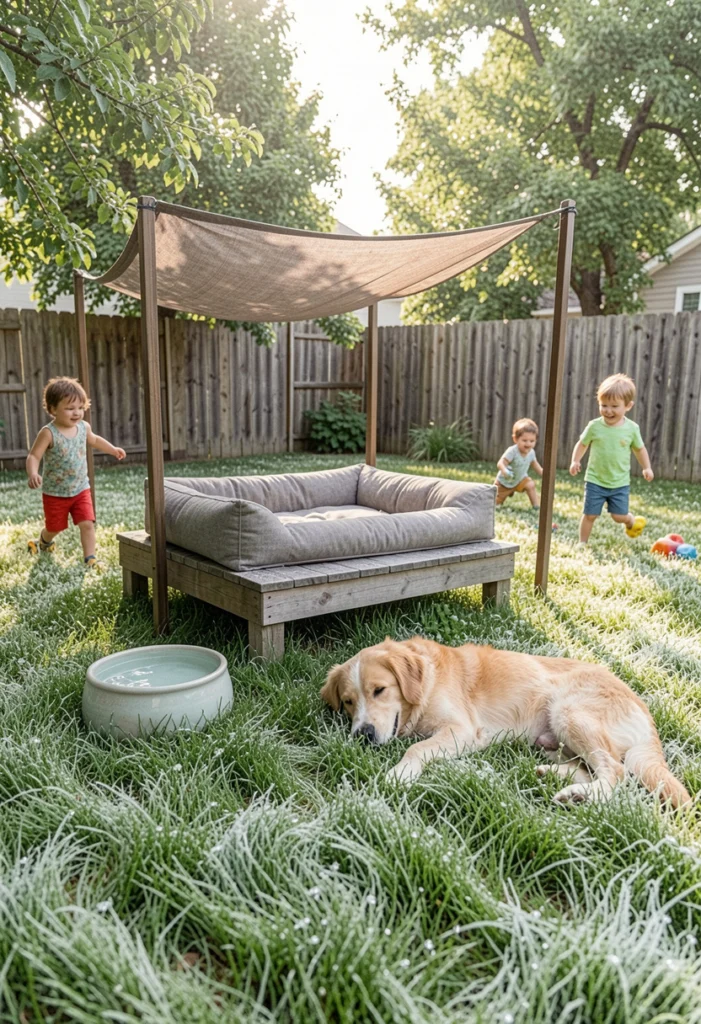
Creating a designated area for pets helps keep them safe and comfortable. This zone should include shade, water, and a secure space where they can relax away from active play areas.
Use soft ground materials like grass or pet-friendly turf to prevent injuries. Avoid sharp objects or rough surfaces that could harm paws. Keep toys and bedding in this area to encourage pets to stay within their safe zone. This setup also helps reduce interactions that could lead to accidental injuries between kids and pets.
9. Install Proper Outdoor Lighting
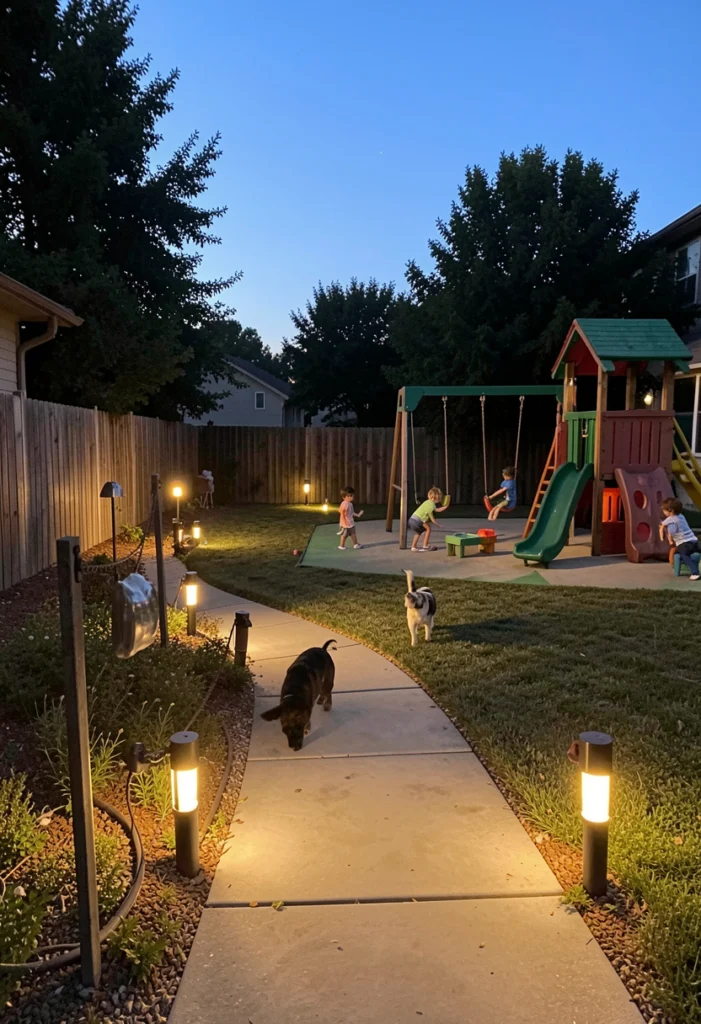
Good lighting is essential for backyard safety, especially during evening playtime. Install pathway lights, motion sensors, and overhead lighting to improve visibility.
Well-lit areas reduce the risk of trips, falls, and unwanted intrusions. Solar-powered lights are an energy-efficient option that works well for outdoor spaces. Focus on illuminating key areas such as walkways, stairs, and play zones. Motion sensor lights can also alert you to movement, adding an extra layer of security.
10. Supervise Water Play Activities
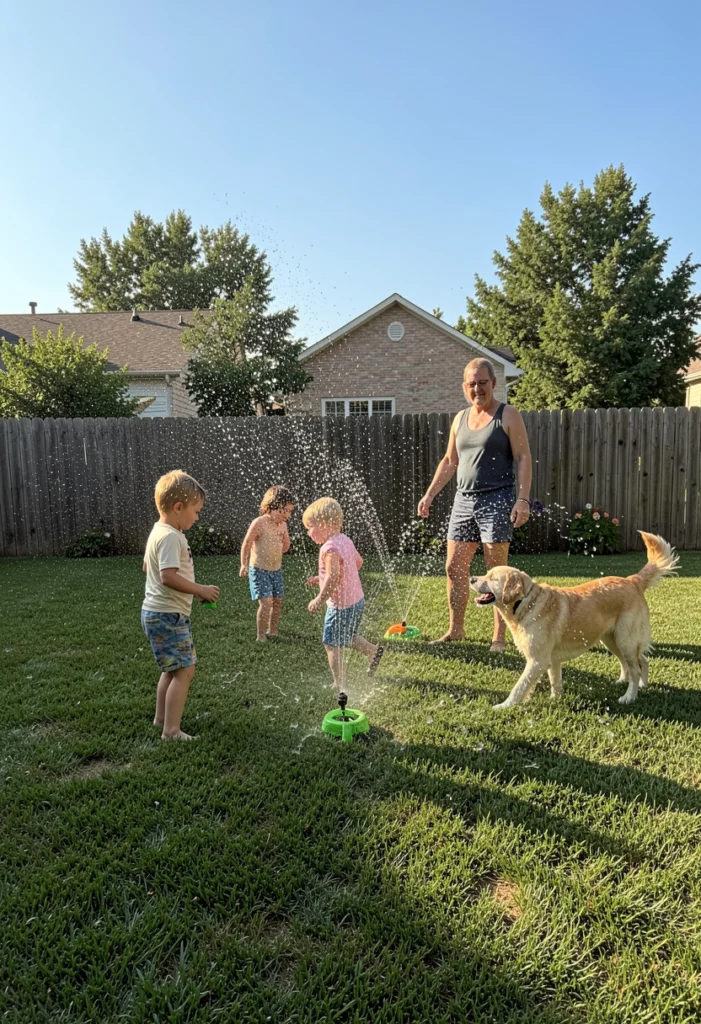
Water play is a favorite summer activity, but it requires constant supervision. Whether it’s a small kiddie pool, sprinkler, or water slide, always keep an eye on kids and pets.
Never leave children unattended near water, even for a short time. For pets, ensure they are comfortable and safe around water features. Use age-appropriate toys and avoid overcrowding the play area. Dry surfaces regularly to prevent slipping.
11. Keep Tools and Sharp Objects Stored
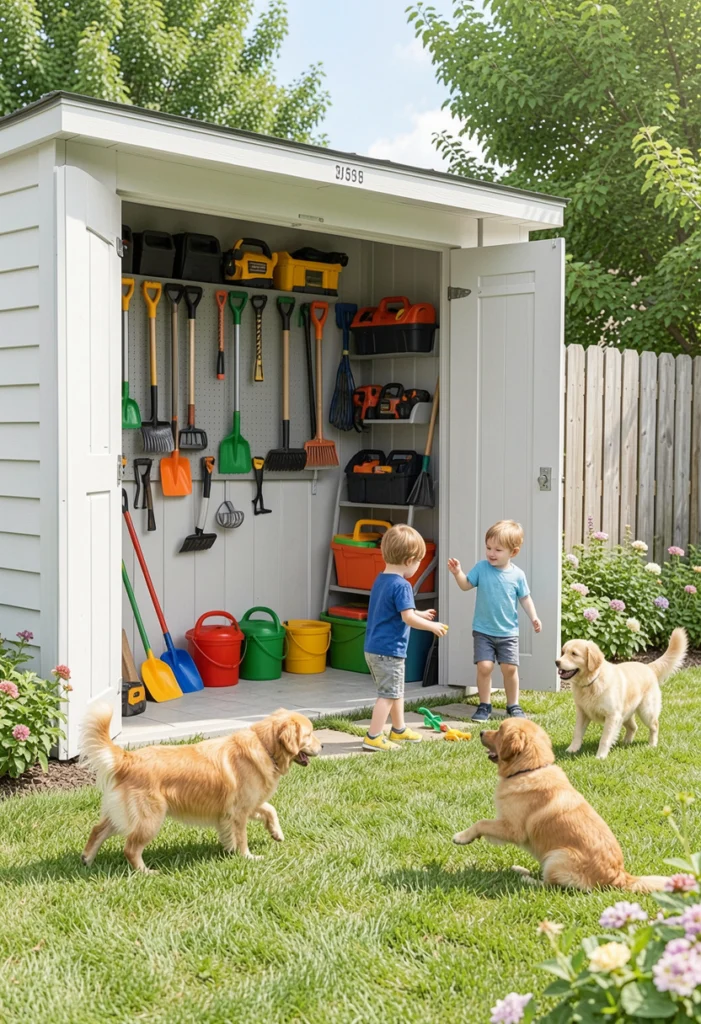
Gardening tools, grills, and sharp objects should always be stored safely when not in use. Leaving them out can pose serious risks to curious kids and pets.
Use locked storage boxes or sheds to keep tools out of reach. Ensure that sharp edges are covered or secured. After using equipment, return it to its designated storage area immediately. This habit helps maintain a safe and organized backyard.
12. Check for Allergens and Pests
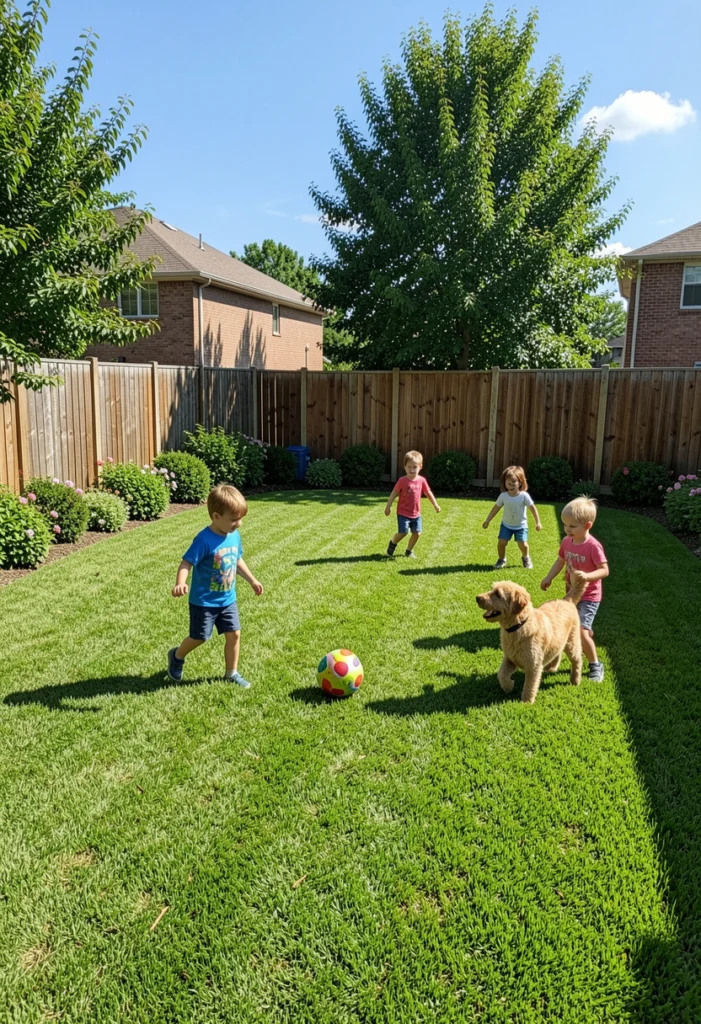
Backyards can attract insects, pollen, and other allergens that may affect kids and pets. Regularly inspect your yard for signs of pests like bees, ants, or ticks.
Use safe pest control methods to minimize risks. Keep grass trimmed and remove standing water to prevent mosquito breeding. Be aware of any allergic reactions and keep necessary medications accessible. Creating a clean and well-maintained yard helps reduce exposure to allergens.
13. Use Child- and Pet-Friendly Materials
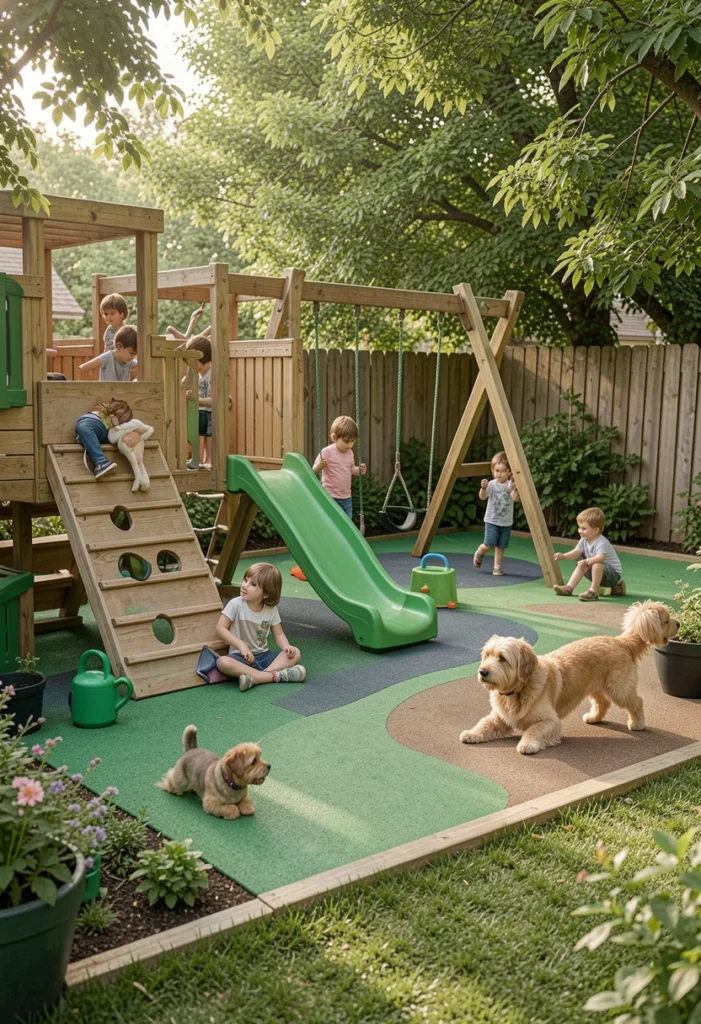
When designing your backyard, choose materials that are safe for both kids and pets. Avoid toxic paints, treated wood, or sharp-edged structures.
Opt for eco-friendly and non-toxic materials for decks, furniture, and play equipment. Soft surfaces like rubber mulch or grass are ideal for play areas. These choices not only improve safety but also create a more comfortable and enjoyable environment.
14. Establish Clear Backyard Rules
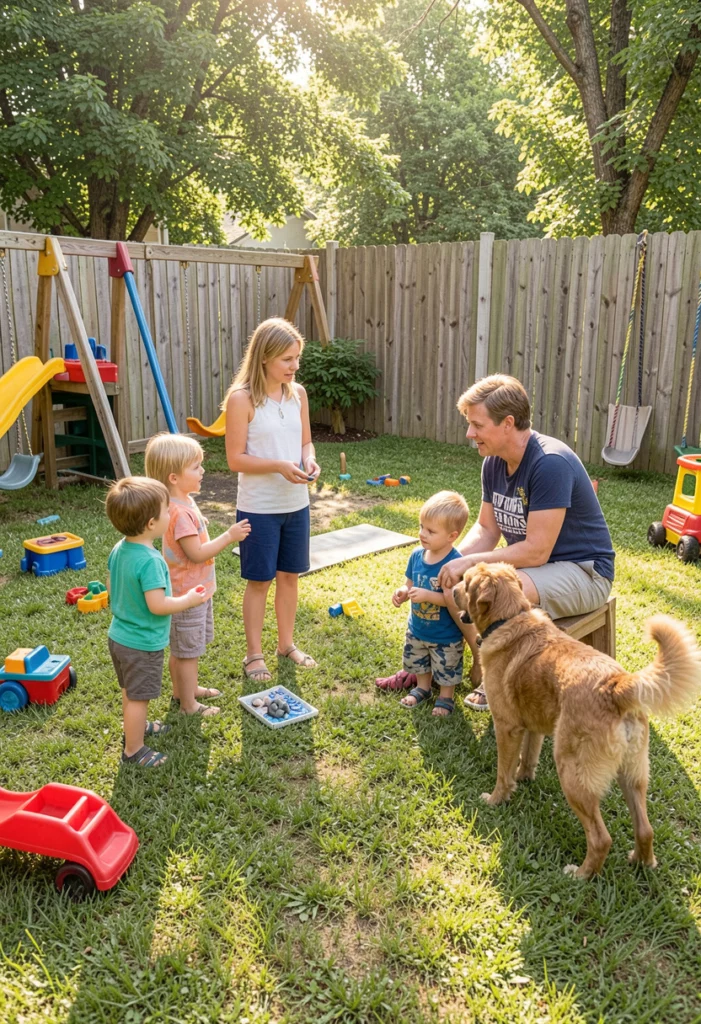
Setting clear rules helps children understand how to stay safe while playing outside. Teach them boundaries, such as staying within fenced areas and avoiding certain zones like the pool or garden beds.
Explain how to interact safely with pets and emphasize gentle behavior. Consistent reminders and supervision reinforce these habits. Rules create structure and reduce the likelihood of accidents. They also help kids develop responsibility and awareness.
15. Regularly Inspect and Maintain the Backyard
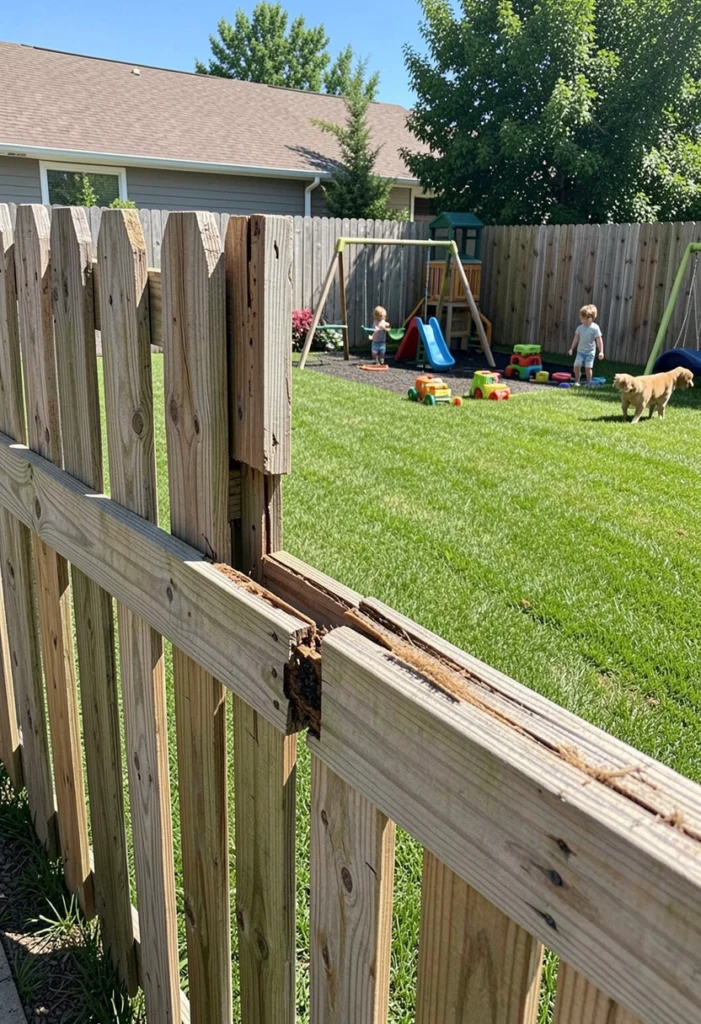
Routine maintenance is key to keeping your backyard safe. Regularly check for hazards such as broken fences, loose boards, or damaged equipment.
Repair issues promptly to prevent accidents. Keep the lawn trimmed and remove debris that could cause trips or injuries. Seasonal inspections help ensure that your backyard remains in top condition throughout the summer. This ongoing effort creates a safe and enjoyable environment for kids and pets.
Final Words
Creating a safe backyard for kids and pets doesn’t require a complete overhaul just thoughtful planning and consistent care. By making small but impactful changes like securing your space, providing shade and hydration, and removing potential hazards, you can turn your backyard into a worry-free zone for summer fun. The goal is to strike the perfect balance between safety and enjoyment, allowing children to play freely and pets to explore comfortably.