13 Safety Guidelines for Summer Fire Pits: Cozy Nights Made Safe
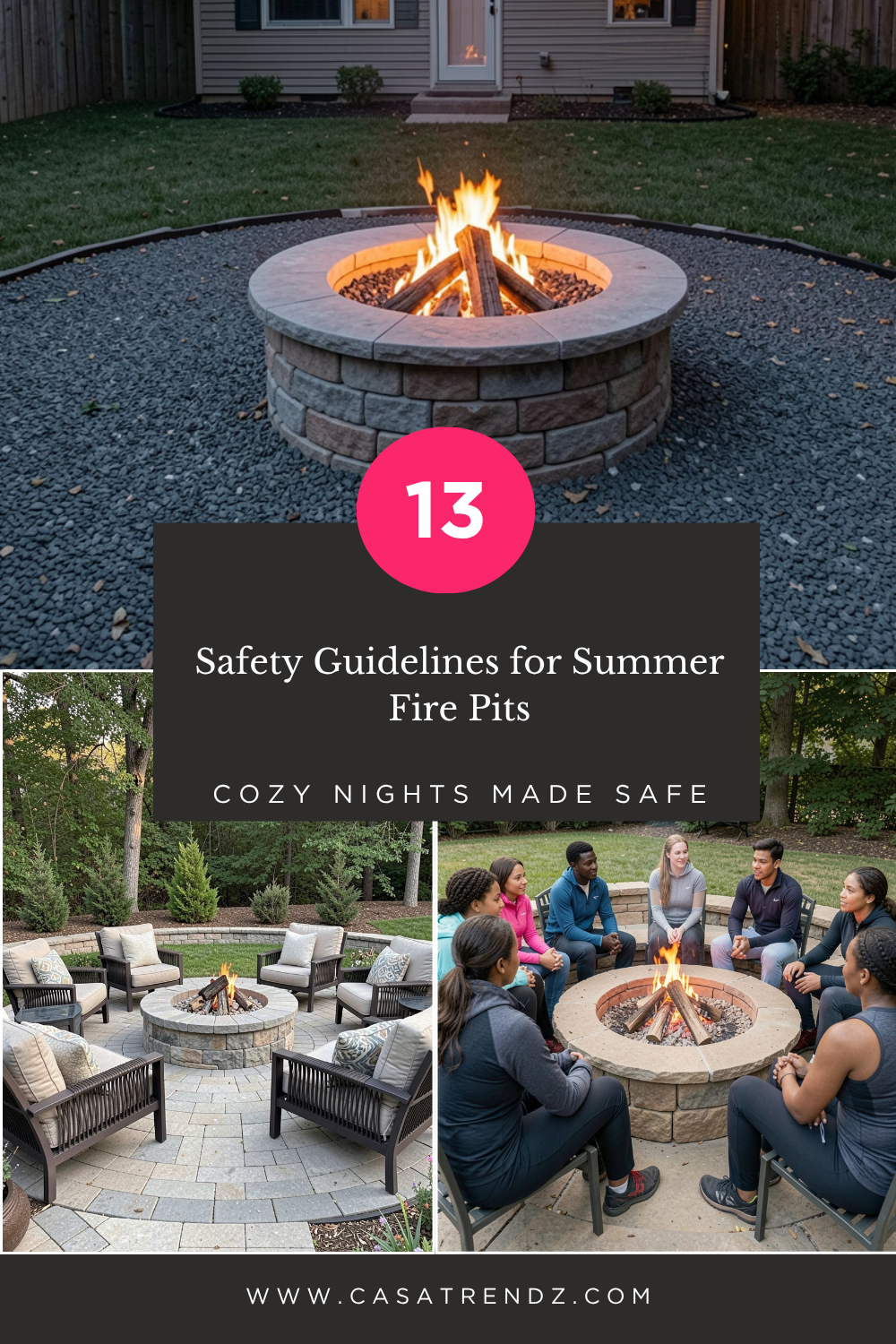
Summer fire pits create the perfect setting for cozy evenings, bringing warmth, ambiance, and a natural gathering spot to your outdoor space. Whether you’re roasting marshmallows, enjoying conversations, or simply relaxing under the stars, a fire pit adds charm and comfort to any backyard. However, with open flames comes responsibility, and following proper safety guidelines is essential to ensure everyone enjoys the experience without risk.
These 13 Safety Guidelines for Summer Fire Pits: Cozy Nights Made Safe will help you use your fire pit responsibly while maintaining a fun and relaxing atmosphere. From proper placement and fuel choices to supervision and fire control, each tip focuses on minimizing hazards and maximizing enjoyment. Whether you’re a first-time user or an experienced host, these practical strategies will help you create safe, memorable summer nights around the fire. With the right precautions, you can enjoy the warmth and beauty of a fire pit with complete peace of mind.
1. Choose a Safe Location
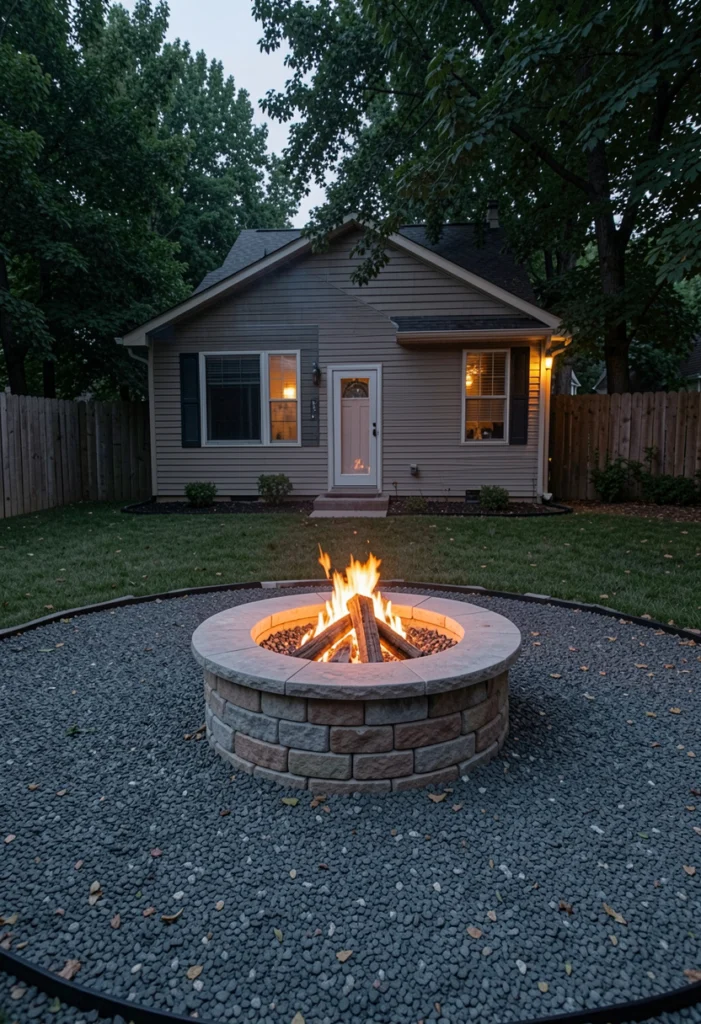
The placement of your fire pit is one of the most important safety considerations. Always position it on a flat, stable, and non-flammable surface such as stone, gravel, or concrete. Avoid placing it directly on grass, wooden decks, or uneven ground, as this can increase the risk of fire spreading.
Keep your fire pit at least 10–20 feet away from your home, fences, trees, and other structures. Overhanging branches can catch fire quickly, especially during dry summer conditions. Also, consider wind direction when choosing a location. Strong breezes can carry sparks to nearby areas, creating unexpected hazards.
2. Use the Right Fuel
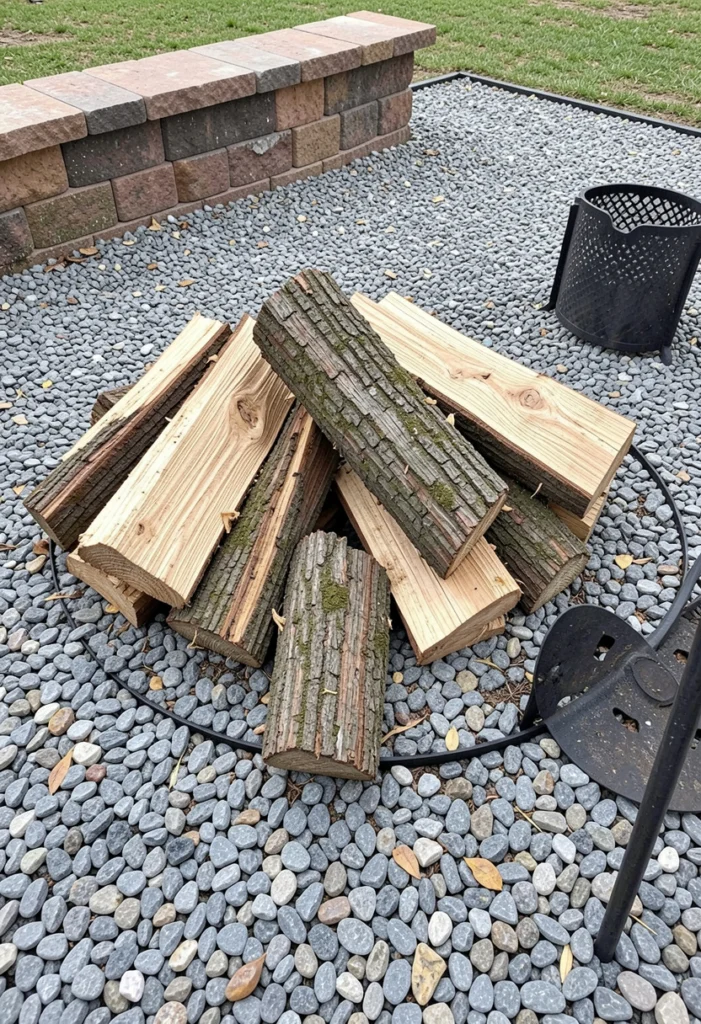
Using the correct type of fuel is essential for maintaining a safe fire. Stick to dry, seasoned firewood for wood-burning fire pits, as it burns more cleanly and produces less smoke.
Avoid using treated wood, painted materials, or trash, as these can release harmful chemicals and create unpredictable flames. For gas fire pits, ensure you use the recommended fuel type and follow manufacturer guidelines.
See Also: 12 Tiny Bathroom Ideas with Smart Bathtub Layouts
3. Keep a Fire Extinguisher Nearby
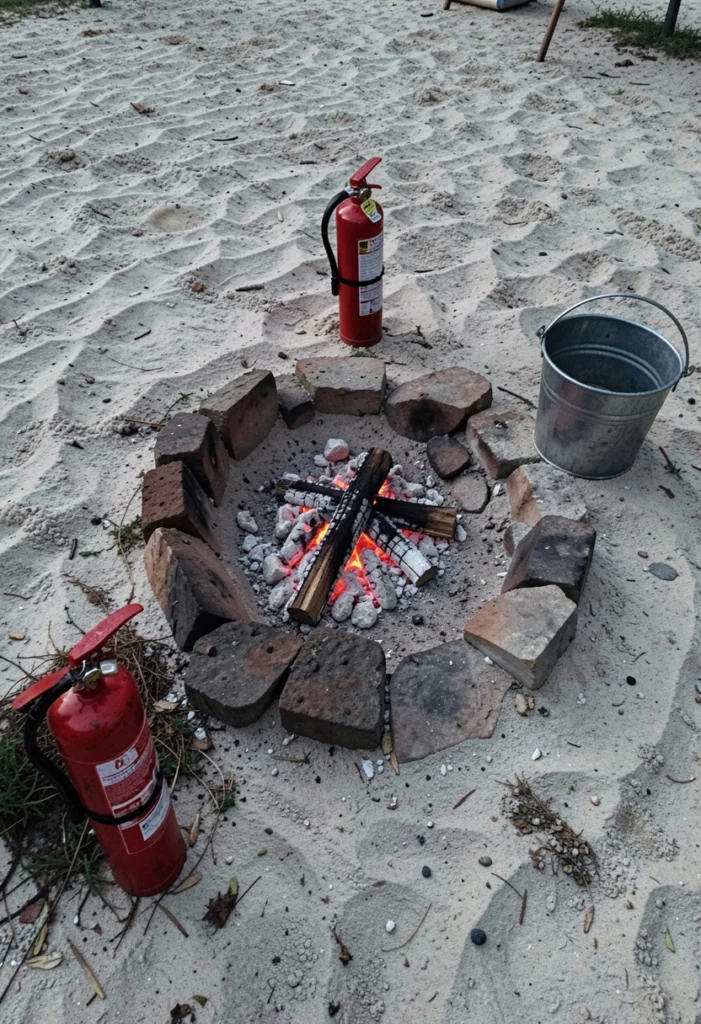
Always have a fire extinguisher, bucket of water, or garden hose within reach when using a fire pit. Quick access to these tools can prevent small issues from becoming major hazards.
Even a well-controlled fire can become unpredictable, especially with changing weather conditions. Make sure everyone present knows where the safety equipment is located and how to use it. Being prepared ensures you can respond quickly in case of emergencies.
4. Never Leave the Fire Unattended
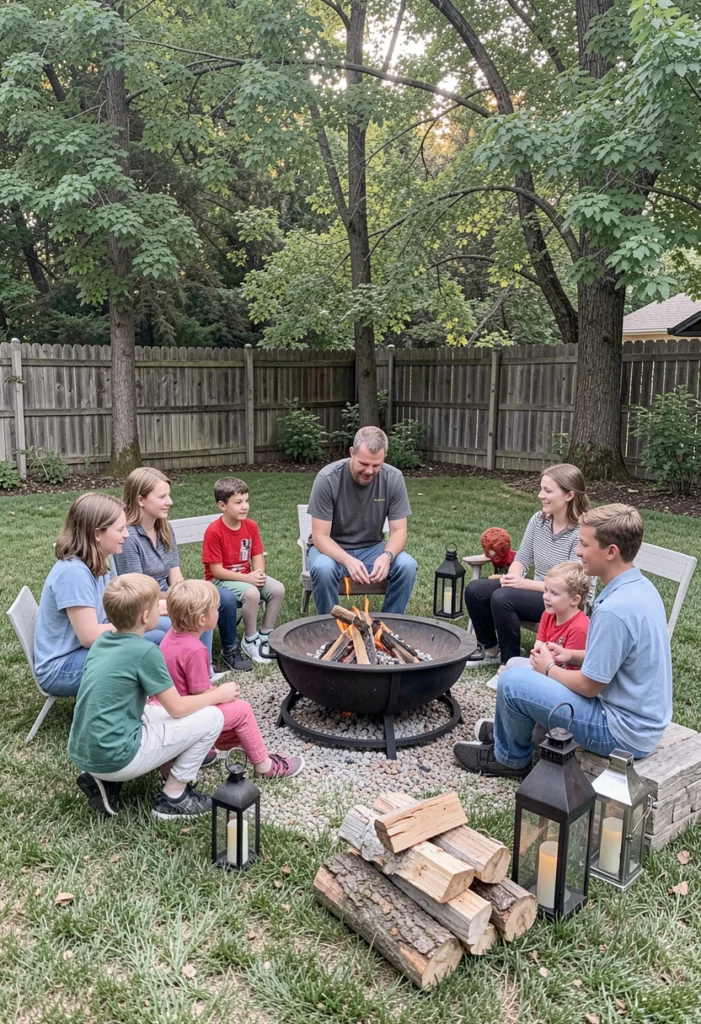
A fire pit should always be supervised while in use. Even a small flame can grow quickly if left unattended.
Assign a responsible adult to monitor the fire at all times, especially when children or pets are nearby. Before leaving the area, ensure the fire is completely extinguished. Constant supervision is key to preventing accidents and maintaining safety.
5. Keep a Safe Distance
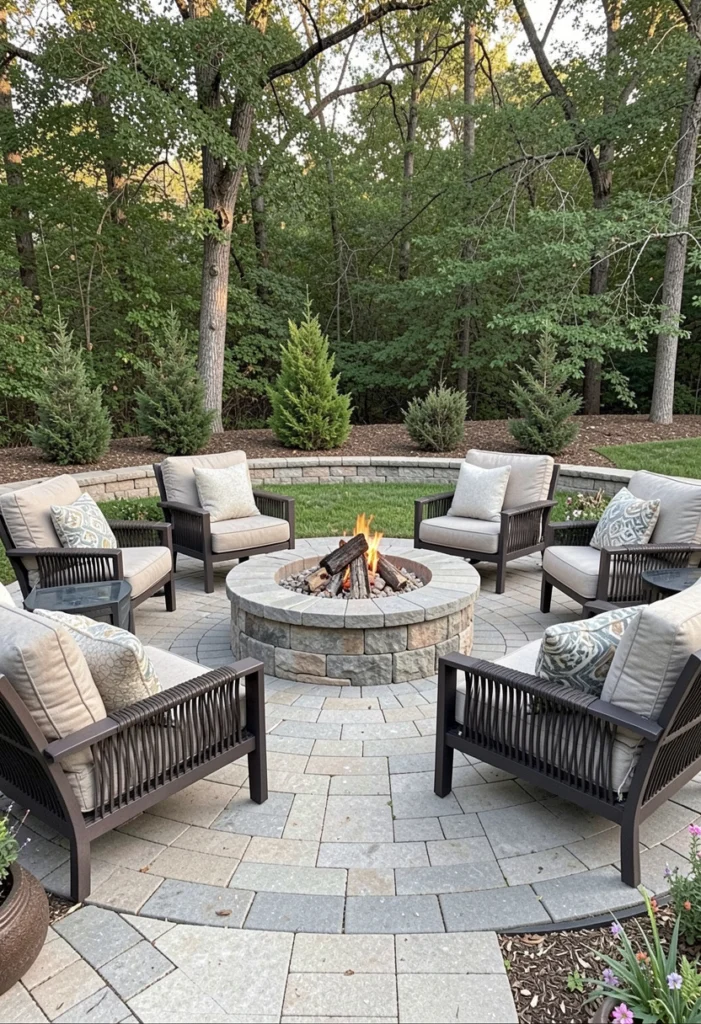
Encourage guests to maintain a safe distance from the fire pit. Arrange seating at least a few feet away to prevent accidental contact with flames or hot surfaces.
Children and pets should be closely monitored to ensure they don’t get too close. Using a fire pit screen can add an extra layer of protection by containing sparks. Maintaining distance reduces the risk of burns and injuries.
6. Avoid Using Flammable Liquids
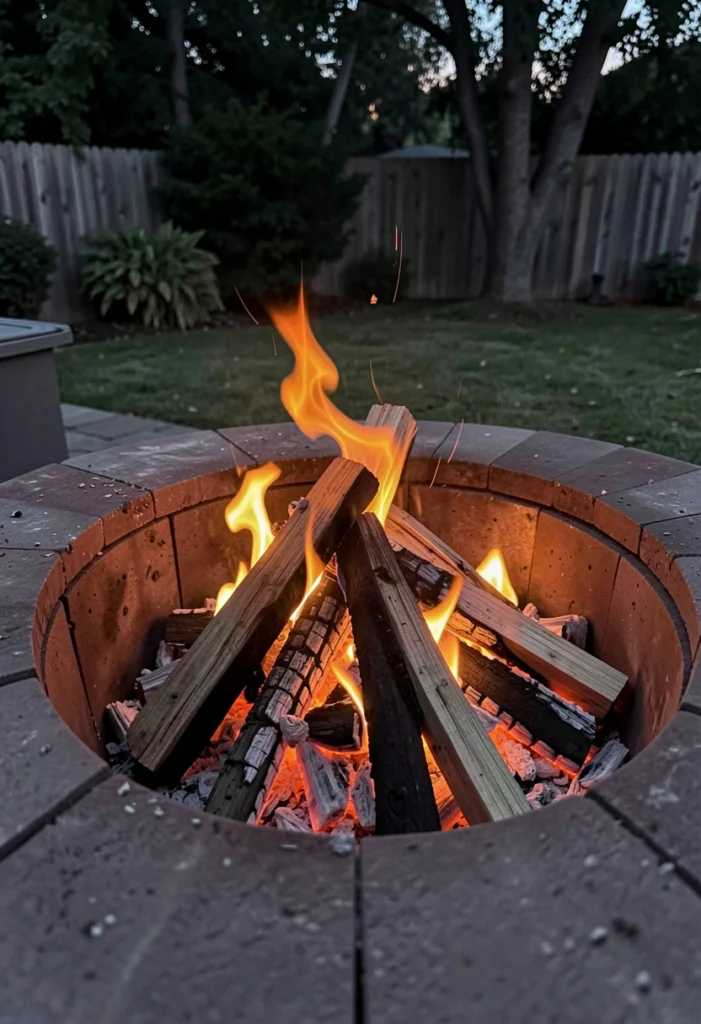
Never use gasoline, lighter fluid, or other flammable liquids to start or maintain a fire. These substances can cause sudden flare-ups and dangerous explosions.
Instead, use kindling, fire starters, or natural materials to ignite the fire safely. Building the fire gradually allows for better control and stability. Safe ignition methods are essential for preventing accidents.
7. Monitor Weather Conditions
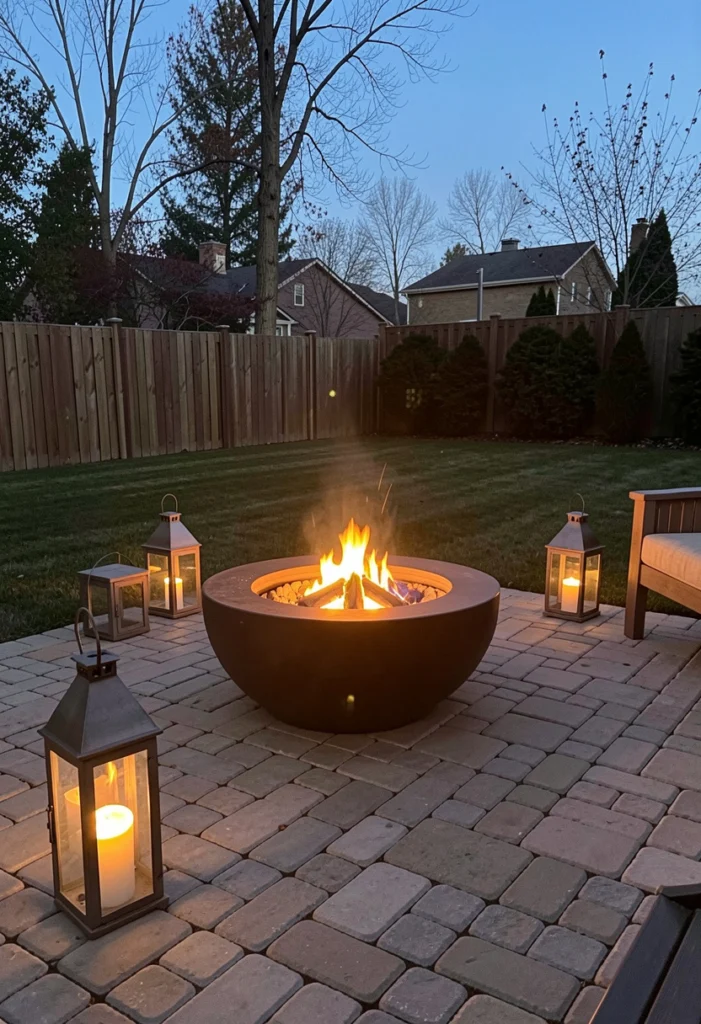
Weather plays a significant role in fire safety. Avoid using a fire pit on windy days, as strong gusts can spread sparks and embers.
Dry conditions also increase the risk of fire spreading, so take extra precautions during heatwaves. Check local regulations or fire bans before lighting a fire. Staying aware of weather conditions helps prevent dangerous situations.
8. Use a Fire Pit Screen
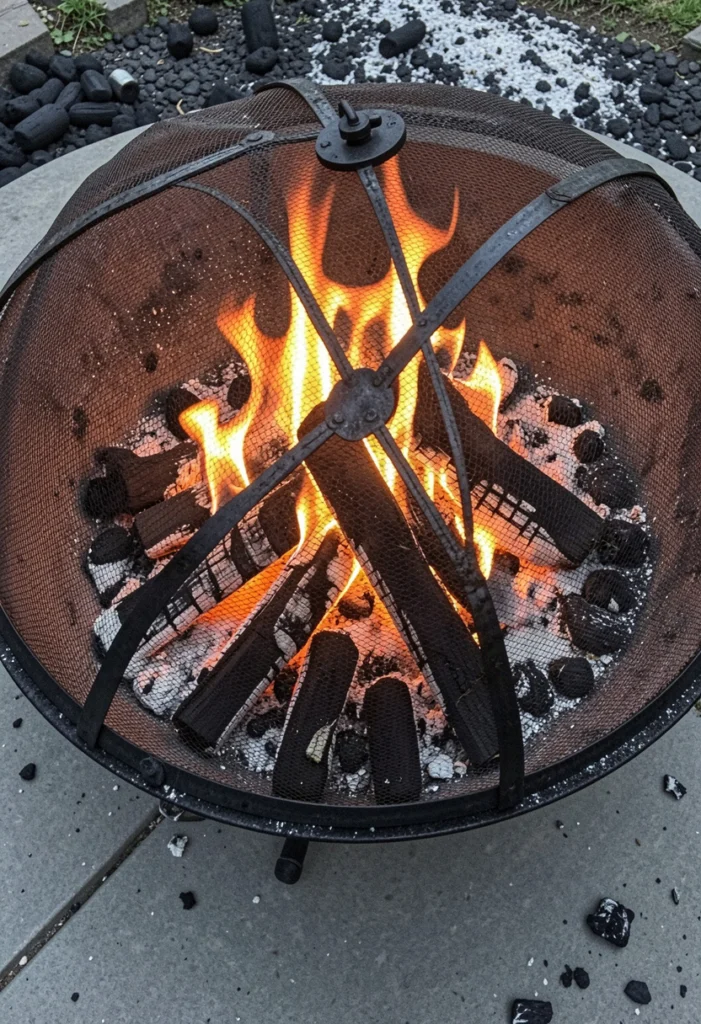
A fire pit screen helps contain sparks and embers, reducing the risk of them escaping and causing fires.
Screens are especially useful when burning wood, as they provide a protective barrier without blocking the view of the flames. Choose a durable, well-fitting screen designed for your fire pit. This simple addition enhances safety without compromising the cozy atmosphere.
9. Keep the Fire Manageable
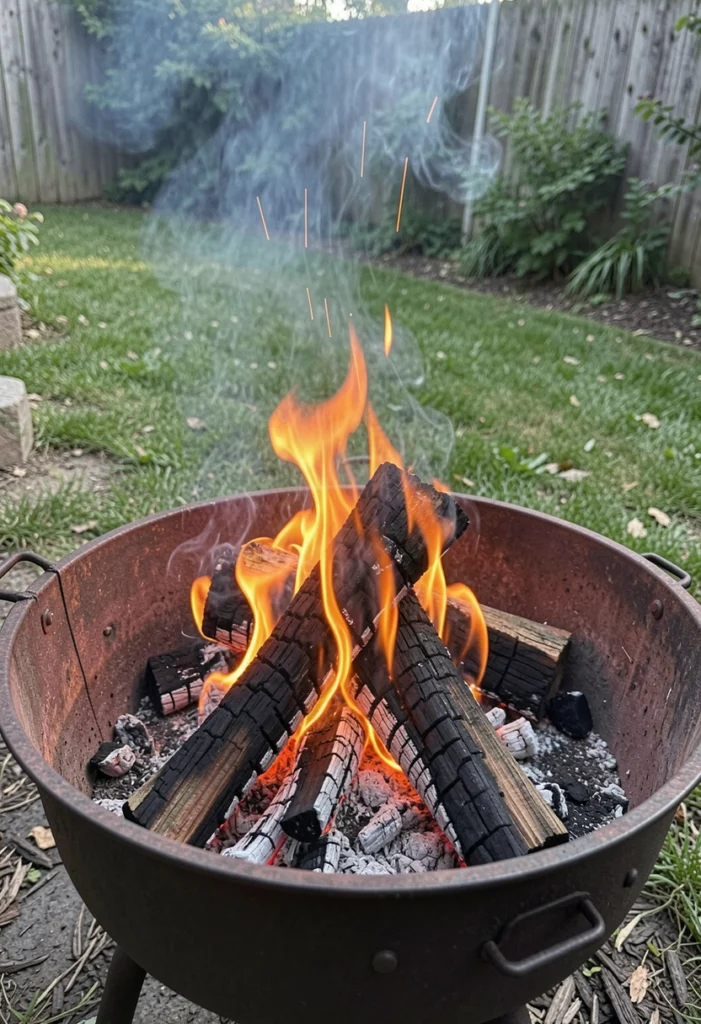
Avoid building large or overly intense fires. A small, controlled flame is safer and easier to manage. Add wood gradually rather than all at once to maintain a steady burn.
Keeping the fire at a reasonable size reduces the risk of sparks and flare-ups. A manageable fire ensures a safer and more enjoyable experience.
10. Fully Extinguish the Fire
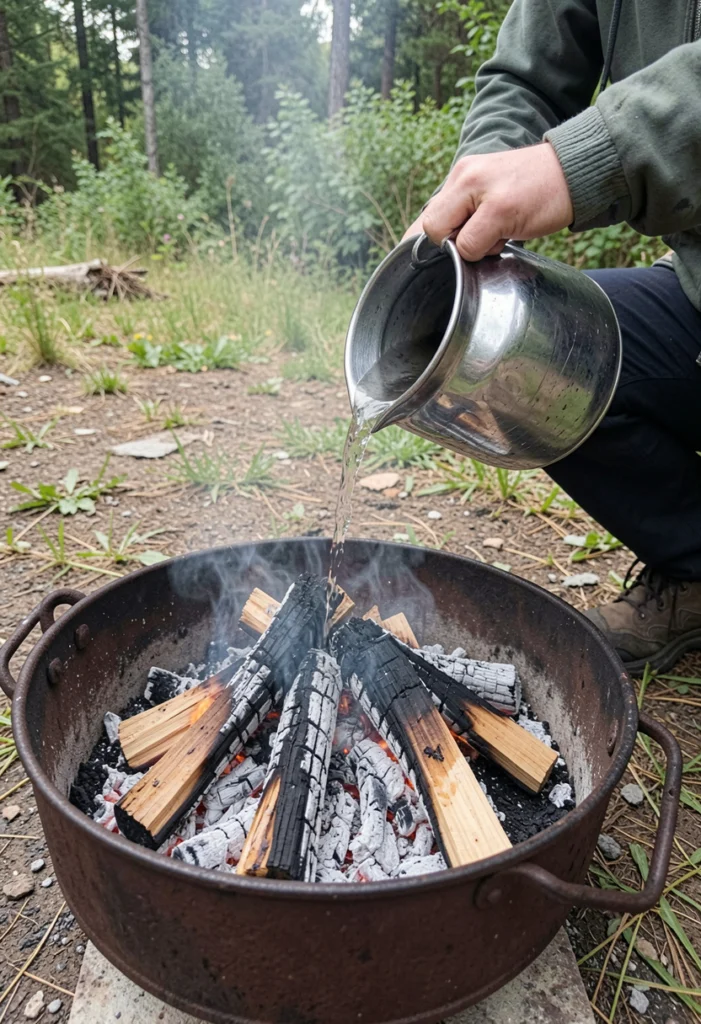
Before leaving the fire pit unattended, make sure the fire is completely out. Pour water over the embers and stir them to ensure no heat remains.
Continue adding water until you no longer hear hissing sounds. Never assume a fire is out just because the flames are gone. Properly extinguishing the fire prevents accidental reignition.
11. Avoid Loose Clothing Near Flames

Loose or flowing clothing can easily catch fire if it comes too close to the flames. Encourage guests to wear fitted clothing when around the fire pit.
Be especially cautious with scarves, long sleeves, or synthetic fabrics. Awareness of clothing choices helps prevent accidental burns. This simple precaution can significantly improve safety.
12. Keep the Area Clear of Debris

Remove dry leaves, paper, and other flammable materials from around the fire pit. These items can easily catch fire if exposed to sparks.
Maintain a clean, clutter-free area to reduce fire hazards. Regularly check the surroundings before lighting a fire. A clear space ensures a safer environment.
13. Follow Local Fire Regulations

Always follow local laws and guidelines regarding fire pit use. Some areas have restrictions during certain seasons or weather conditions.
Check for permits or regulations before using your fire pit. Compliance ensures both safety and legal peace of mind. Staying informed helps you enjoy your fire pit responsibly.
Final Words
Enjoying a summer fire pit is all about creating warm, memorable moments but safety should always come first. By following these simple guidelines, you can ensure a secure and relaxing environment for everyone. With proper preparation and awareness, your fire pit can become a safe and enjoyable centerpiece for summer nights filled with comfort and connection.