14 Low-Maintenance Summer Garden Ideas: Step-by-Step Inspiration
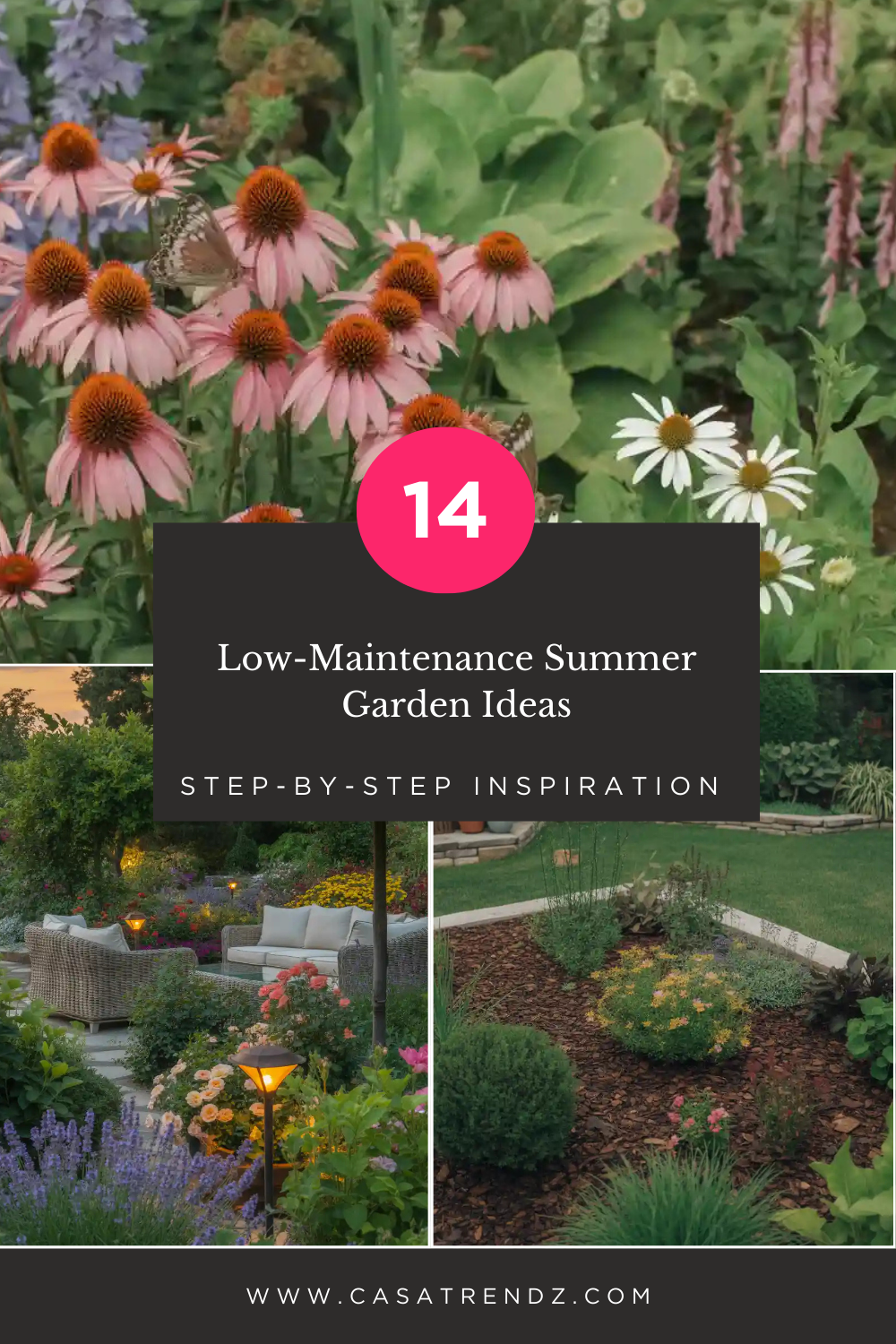
Creating a beautiful summer garden doesn’t have to mean hours of daily work. With the right planning and a few smart design choices, you can enjoy a lush outdoor space that practically takes care of itself. Low-maintenance summer gardens focus on easy-to-grow plants, simple layouts, and practical features that reduce watering, weeding, and constant upkeep. Whether you have a small backyard, patio, or a larger landscape, there are plenty of ways to design a garden that looks stunning without requiring endless effort.
From drought-tolerant plants to gravel beds and container gardens, these ideas are perfect for busy homeowners who still want a relaxing outdoor retreat. By choosing hardy plants and incorporating efficient gardening techniques, you can create a vibrant space that thrives throughout the summer months. In this guide, you’ll discover 14 low-maintenance summer garden ideas that are simple to set up and easy to maintain, helping you spend less time working in the garden and more time enjoying it.
1. Create a Drought-Tolerant Plant Garden
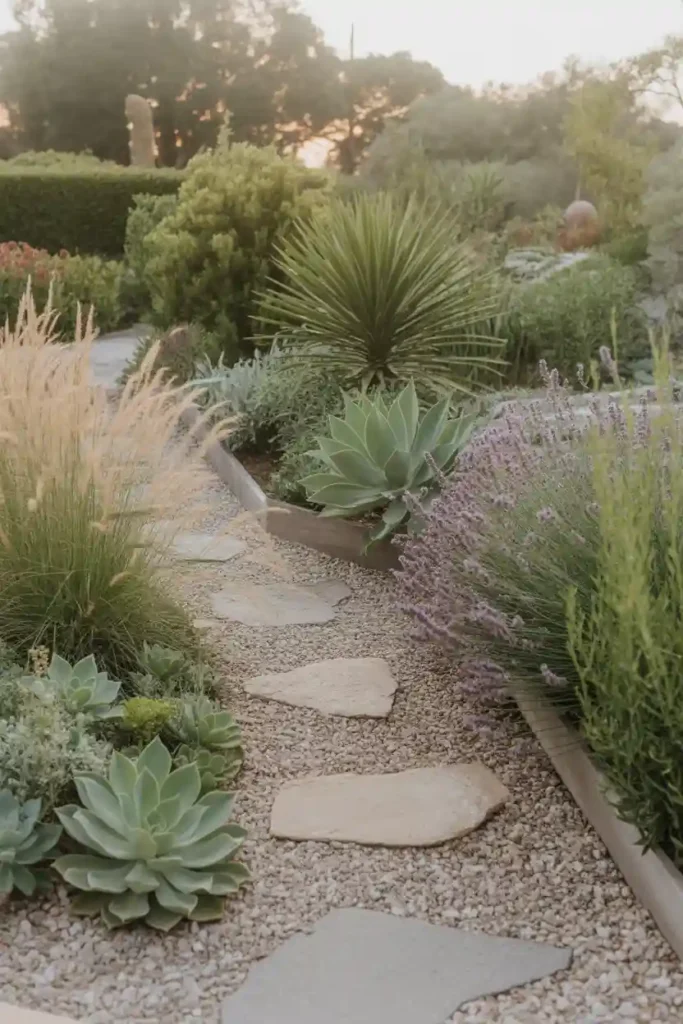
One of the easiest ways to maintain a summer garden is by choosing plants that naturally thrive in warm and dry conditions. Drought-tolerant plants require minimal watering and still provide beautiful color and texture throughout the season. Plants like lavender, succulents, ornamental grasses, and coneflowers are excellent choices for this type of garden.
Start by selecting a sunny area in your yard. Prepare the soil by mixing in sand or gravel to improve drainage, which helps drought-tolerant plants grow stronger roots. Next, group plants with similar watering needs together so you don’t have to constantly adjust your watering schedule. Once planted, add a layer of mulch or gravel to retain moisture and prevent weeds from growing.
2. Install a Mulched Garden Bed
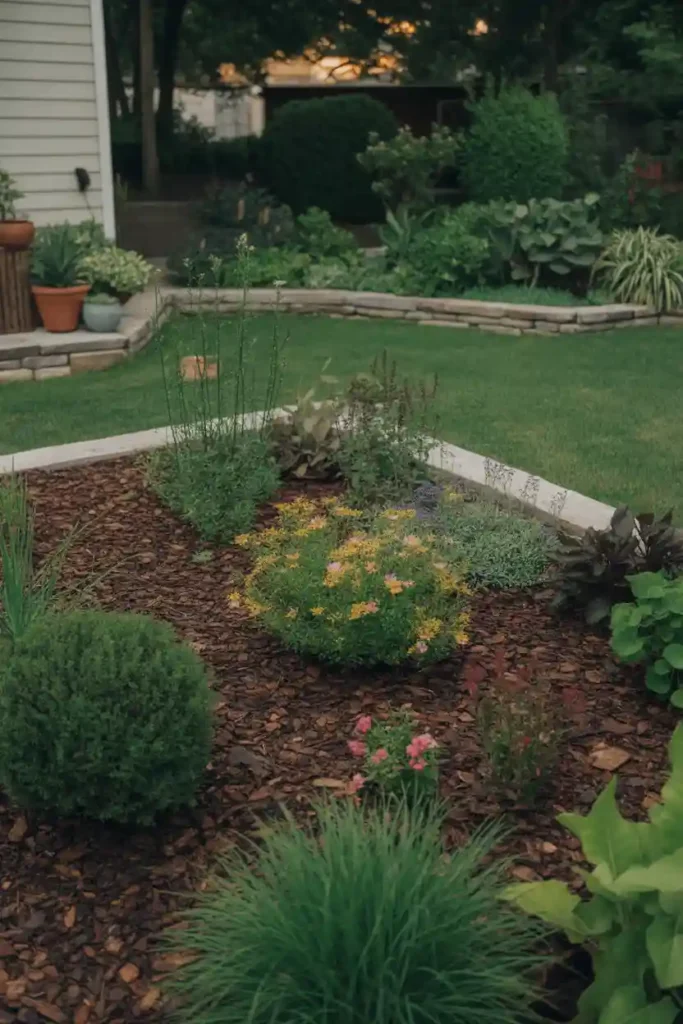
Mulch is one of the simplest tools for creating a low-maintenance garden. It helps retain soil moisture, prevents weeds, regulates soil temperature, and improves the overall appearance of your garden beds.
To create a mulched garden bed, begin by clearing the area of weeds and grass. Loosen the soil slightly and add compost for nutrients. Plant hardy perennials such as hostas, daylilies, or black-eyed Susans that return every year. After planting, spread a thick layer of mulch about 2 to 3 inches around the plants.
3. Use Raised Garden Beds
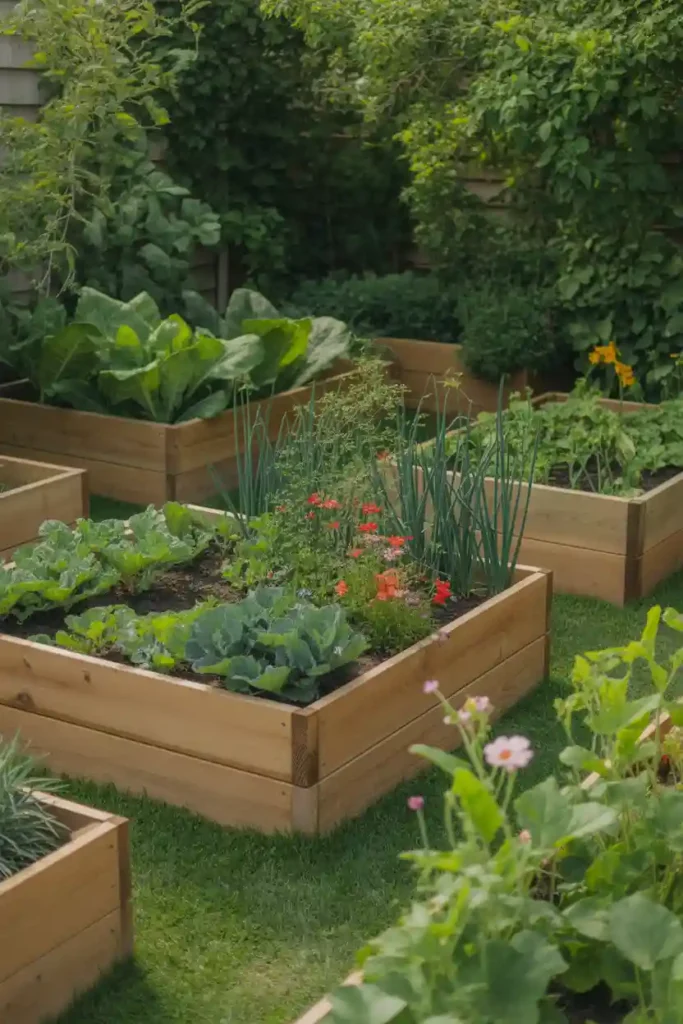
Raised beds make gardening easier, more organized, and significantly lower maintenance. Because the soil is contained within a defined area, weeds are easier to control and the soil quality can be customized for healthier plants.
Begin by building or buying raised beds made from wood, metal, or stone. Place them in a location that receives plenty of sunlight. Fill the beds with a mix of garden soil, compost, and organic matter to create a nutrient-rich growing environment.
See Also: 15 Best Vegetables to Grow in Your Summer Garden
4. Plant Hardy Perennials
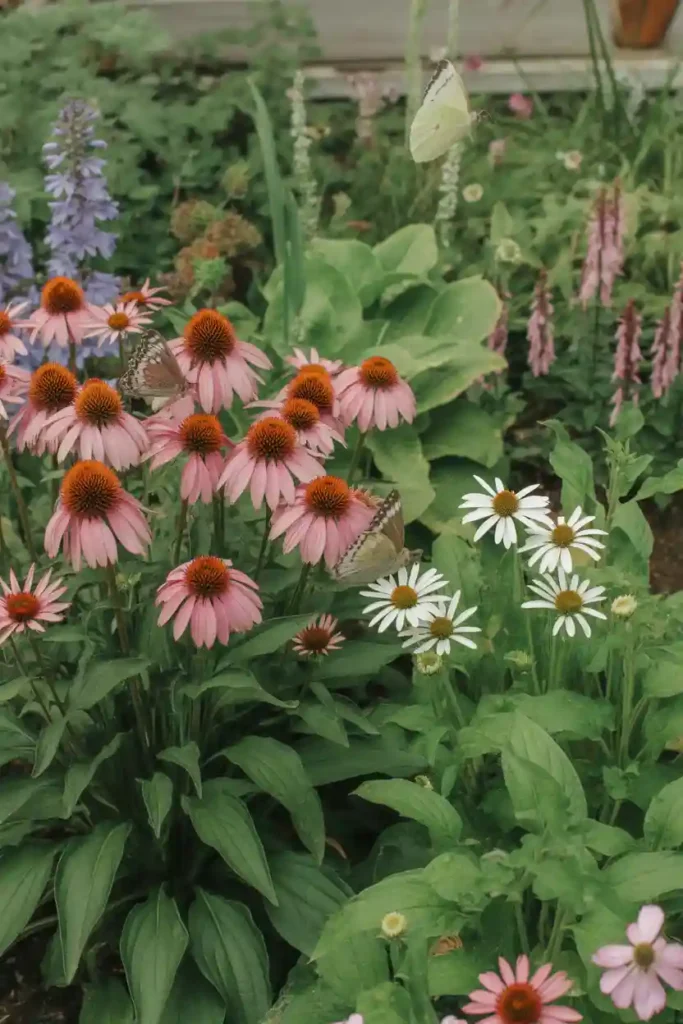
Perennials are a gardener’s best friend when it comes to low-maintenance landscaping. Unlike annual plants that must be replanted every year, perennials return season after season with minimal care.
Start by selecting hardy varieties suited to your climate. Plants like echinacea, salvia, hostas, and coreopsis thrive during summer and require very little attention once established. Plant them in groups for a fuller, more natural look in your garden beds.
5. Add a Gravel Garden
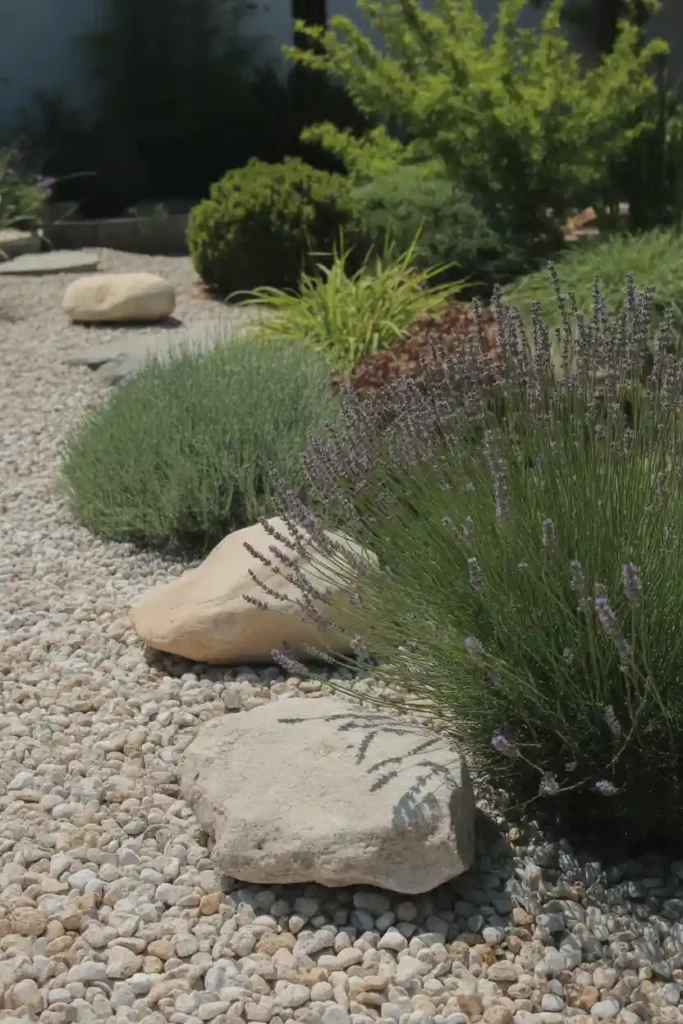
Gravel gardens are gaining popularity because they look stylish while requiring very little maintenance. Instead of traditional grass or dense planting, these gardens rely on decorative gravel combined with drought-resistant plants.
Start by clearing and leveling the garden area. Install landscape fabric to prevent weeds from growing through the gravel. Then spread a layer of decorative stones or pea gravel across the surface. Next, add plants like sedum, lavender, ornamental grasses, and yucca that thrive in dry conditions. These plants require minimal watering and look beautiful against the textured gravel background.
6. Grow Plants in Large Containers
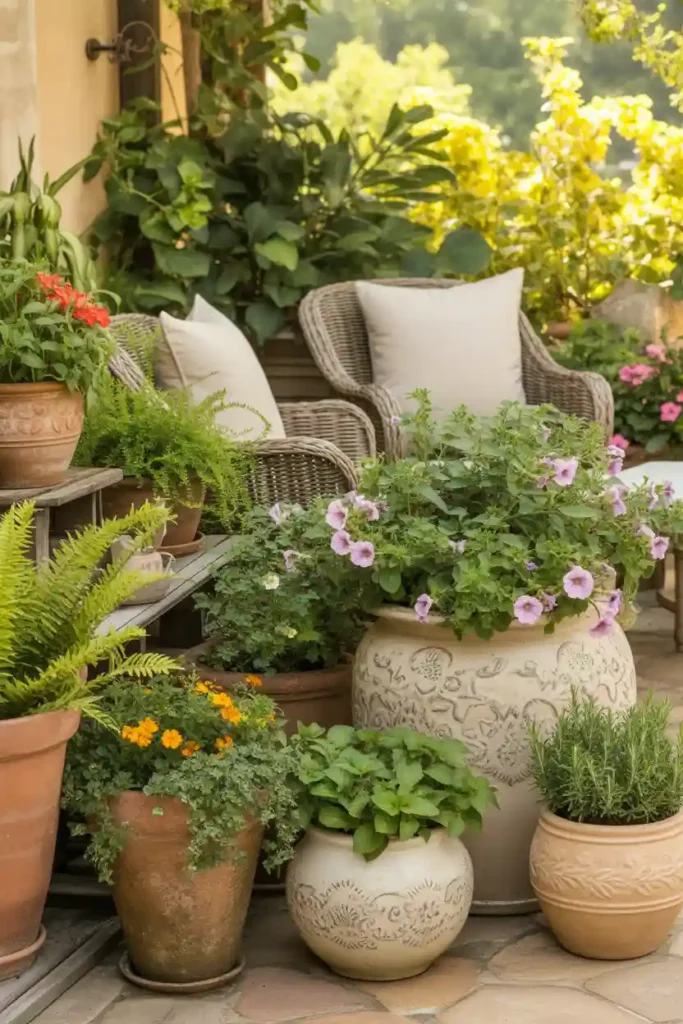
Container gardening is perfect for homeowners who want flexibility and minimal upkeep. Large containers can hold flowers, herbs, or even small vegetables while keeping your garden organized and manageable.
Choose sturdy containers with good drainage holes and fill them with high-quality potting soil. Select low-maintenance plants like petunias, geraniums, basil, or rosemary that thrive during summer. Place the containers near patios, walkways, or seating areas where they can enhance the overall garden design. Grouping containers together can create a mini garden without requiring large planting beds.
7. Install Drip Irrigation
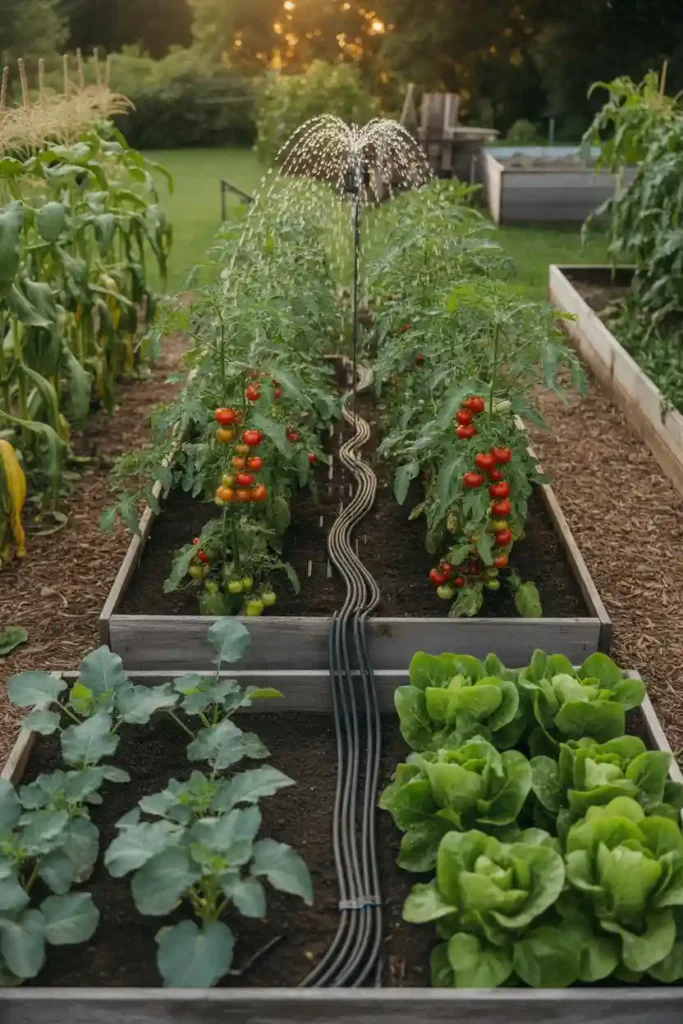
Watering plants can quickly become time-consuming during hot summer days. Installing a drip irrigation system is one of the most effective ways to create a low-maintenance garden.
Drip irrigation delivers water slowly and directly to plant roots through a network of small tubes and emitters. This method reduces water waste and ensures plants receive consistent moisture. To install a simple system, connect drip tubing to your outdoor faucet and run the lines along garden beds or raised beds. Place emitters near the base of each plant to provide steady hydration.
8. Create a Native Plant Garden
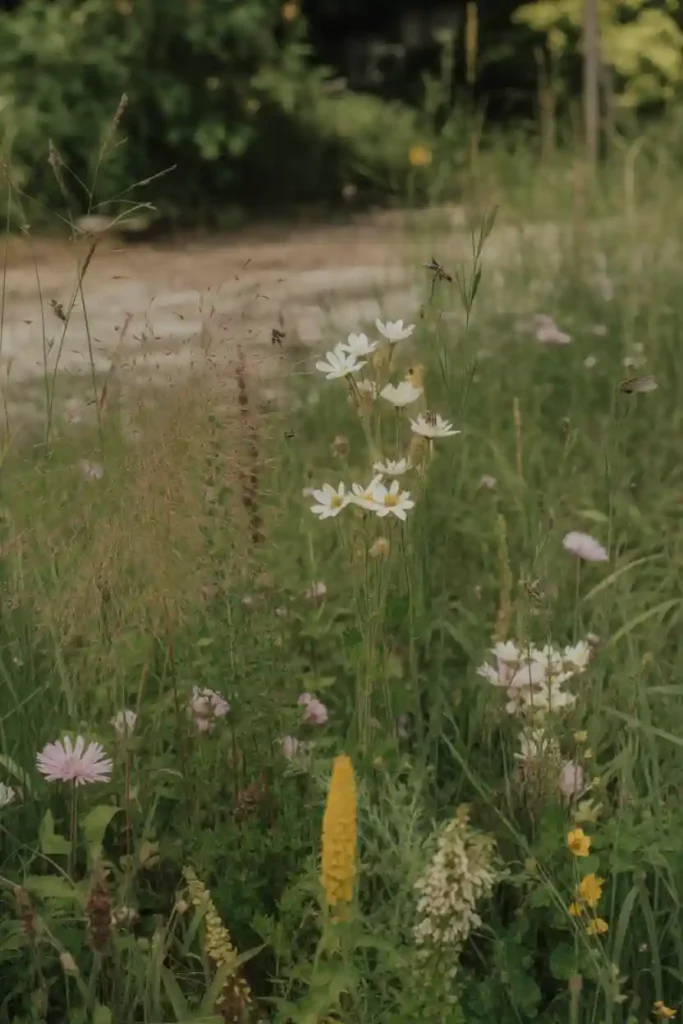
Native plants are naturally adapted to your local climate, which makes them extremely easy to care for. They typically require less water, fertilizer, and maintenance compared to non-native species.
Start by researching plants that grow naturally in your region. Many native flowers, grasses, and shrubs are drought tolerant and resilient during summer heat. Prepare the soil by removing weeds and adding organic matter if needed. Then plant native varieties in clusters to mimic how they grow in nature.
9. Design a Rock Garden
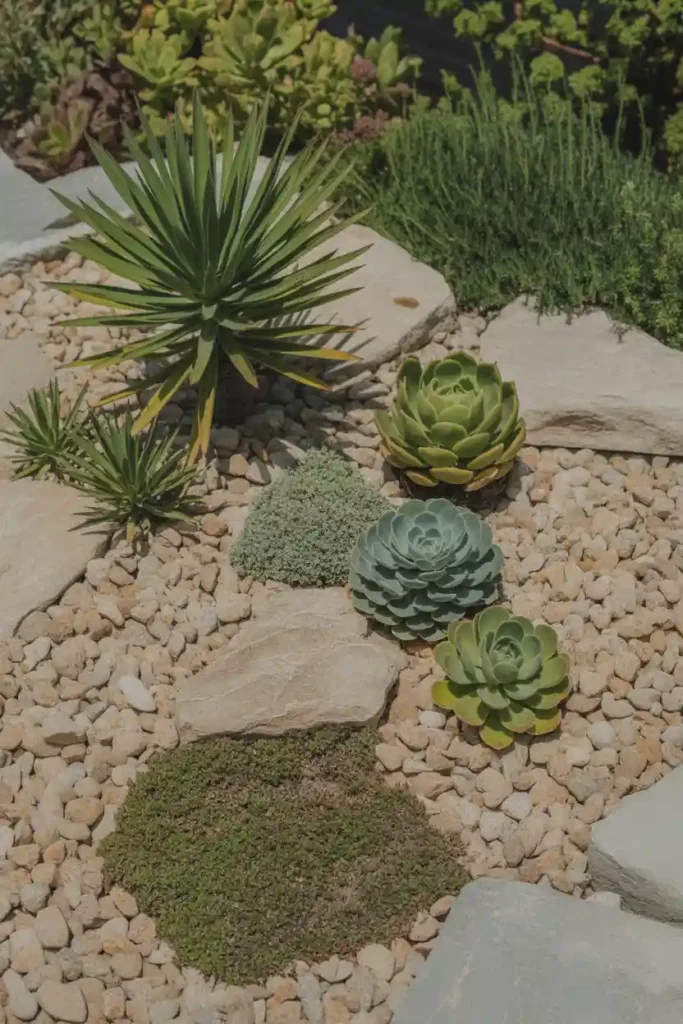
Rock gardens combine natural stone with hardy plants to create a visually interesting and low-maintenance outdoor feature. These gardens work especially well in sunny areas with well-drained soil.
Start by arranging different sizes of rocks to create layers and visual structure. Leave spaces between stones where plants can grow. Choose plants that thrive in rocky environments such as sedum, alpine plants, and creeping thyme. The rocks help retain heat and reduce soil erosion while creating an eye-catching landscape design. Because many rock garden plants are drought tolerant, watering needs remain minimal.
10. Use Ground Cover Plants
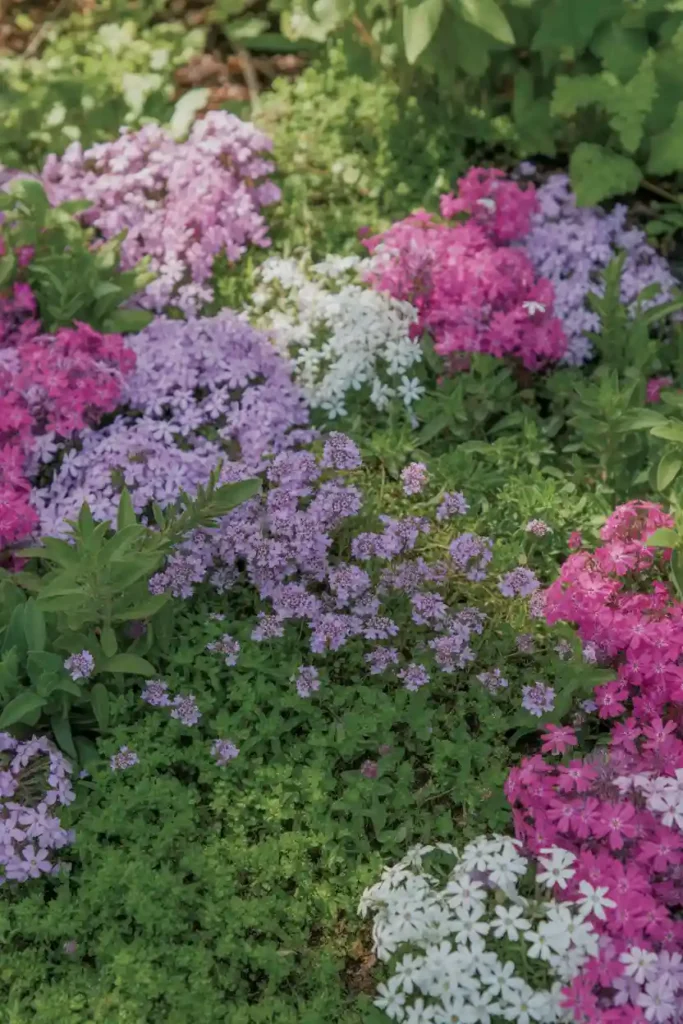
Ground cover plants are excellent for filling empty spaces in your garden while reducing weeds and soil erosion. Instead of leaving bare soil that requires constant weeding, ground covers spread naturally to form a dense green carpet.
Popular options include creeping thyme, moss phlox, and sweet woodruff. These plants grow quickly and require very little maintenance once established. Plant them in areas where grass struggles to grow, such as slopes, pathways, or shaded corners of your garden. Over time, they will spread and create a lush layer of greenery.
11. Build a Simple Garden Path
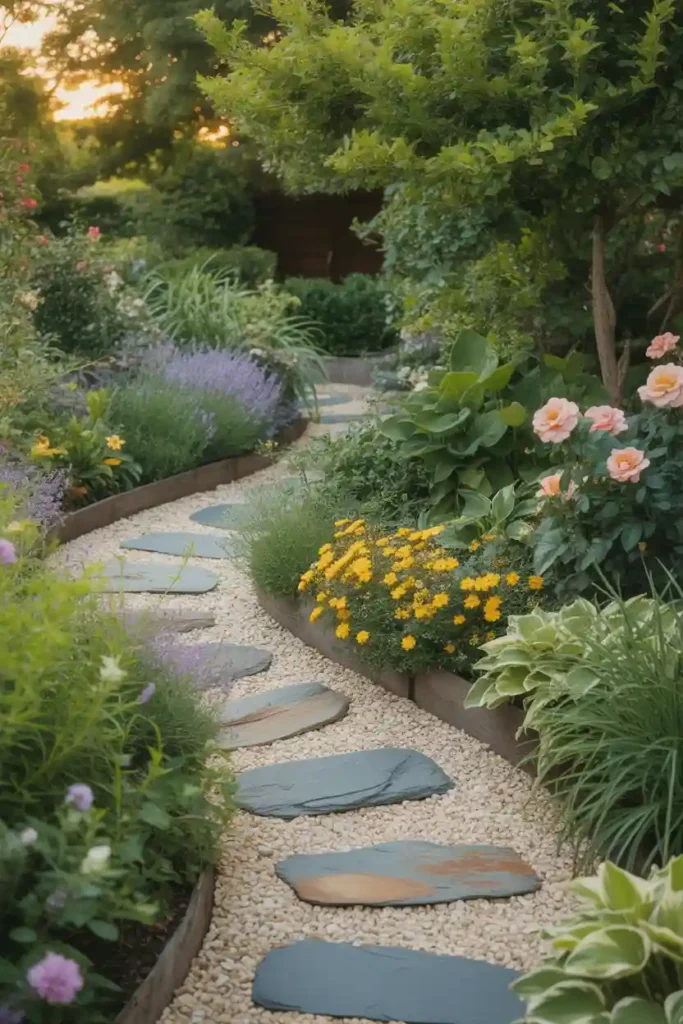
Garden paths add structure and beauty to outdoor spaces while also reducing maintenance. By creating designated walkways, you prevent soil compaction and reduce areas where weeds can grow. To build a path, start by marking the route through your garden. Remove grass and level the ground before laying landscape fabric. Then add materials such as gravel, stepping stones, or bricks.
Paths not only improve accessibility but also guide visitors through your garden design. They create a more organized and visually appealing landscape. Using gravel or stone pathways also reduces the need for mowing and trimming grass along garden beds. This makes the overall garden easier to maintain.
12. Add Automatic Garden Lighting
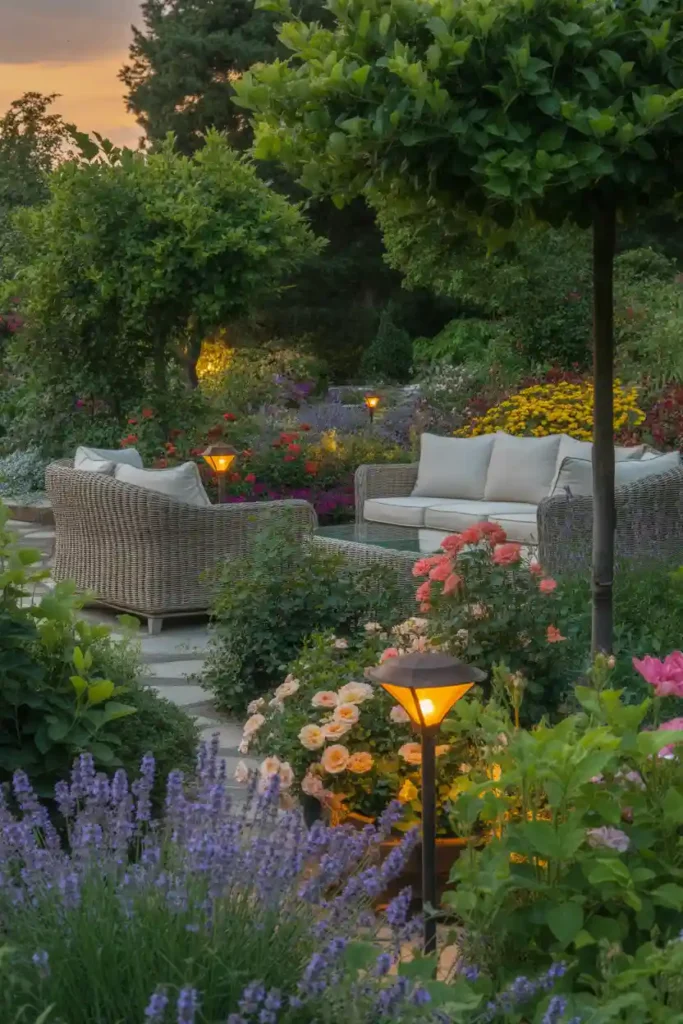
Outdoor lighting can enhance your garden’s beauty while requiring almost no maintenance. Solar-powered lights are particularly convenient because they charge during the day and illuminate your garden at night.
Place solar lights along pathways, around flower beds, or near seating areas to create a warm evening atmosphere. Many modern designs blend seamlessly with landscaping elements. Automatic lighting improves safety by illuminating walkways while also highlighting plants and garden features. It turns your garden into a relaxing nighttime retreat.
13. Plant Ornamental Grasses
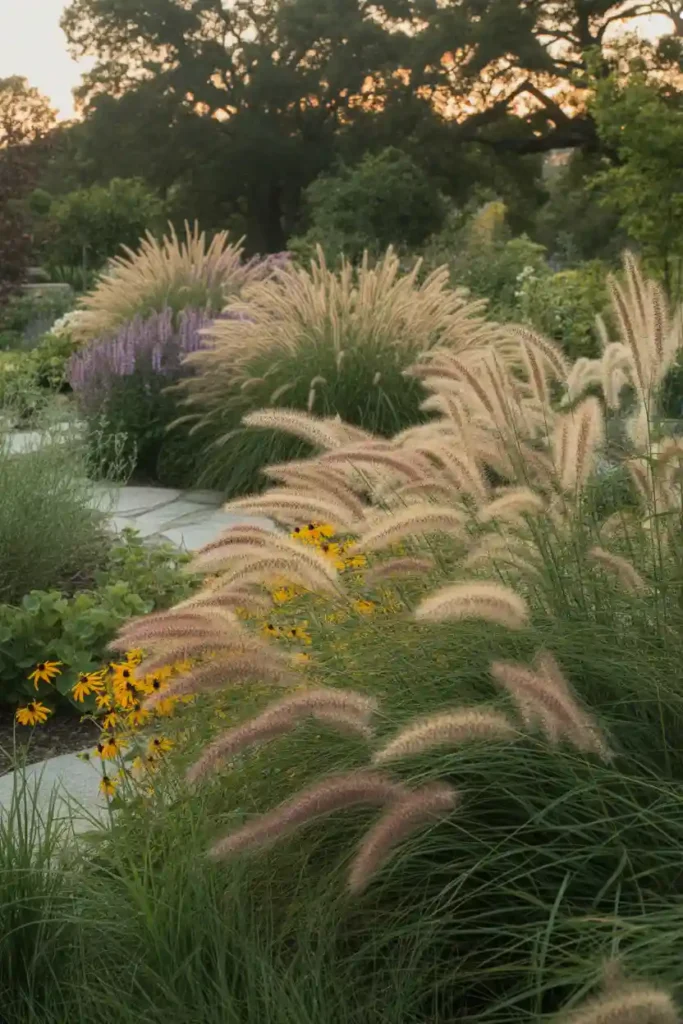
Ornamental grasses are among the easiest plants to grow in a summer garden. They are hardy, drought tolerant, and require very little care while adding movement and texture to the landscape. Popular varieties include fountain grass, blue fescue, and feather reed grass. These plants thrive in sunny areas and grow well in poor soil conditions.
Plant grasses in clusters or along borders to create soft, flowing shapes in your garden. Their tall stems sway gently in the breeze, creating a calming natural effect. Most ornamental grasses only need trimming once or twice a year, making them incredibly low maintenance. They also resist pests and diseases, reducing the need for treatments.
14. Create a Relaxing Garden Seating Area
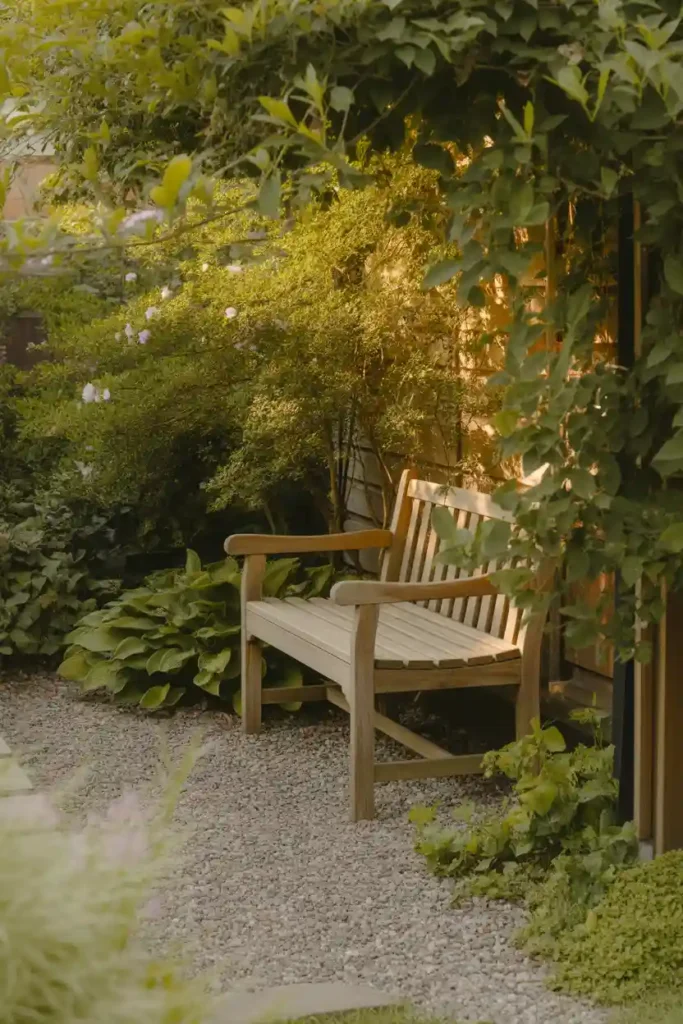
A garden should be a place to relax and enjoy nature, not just a space for planting. Creating a comfortable seating area allows you to fully appreciate your low-maintenance garden. Choose a quiet corner of your yard and add simple outdoor furniture such as a bench, hammock, or small patio set. Surround the seating area with easy-care plants or containers to create a cozy atmosphere.
Use gravel, stone, or wooden decking for the flooring to reduce maintenance compared to grass. Add shade with a pergola, umbrella, or climbing plants if needed. This setup transforms your garden into a peaceful retreat where you can read, relax, or entertain guests during summer evenings.
Final Words
Designing a summer garden doesn’t have to mean endless watering, weeding, and maintenance. By choosing hardy plants, simple layouts, and smart gardening techniques, you can create an outdoor space that stays beautiful with minimal effort. From drought-tolerant plants and gravel gardens to raised beds and container displays, each idea in this guide is designed to help you spend less time maintaining your yard and more time enjoying it.