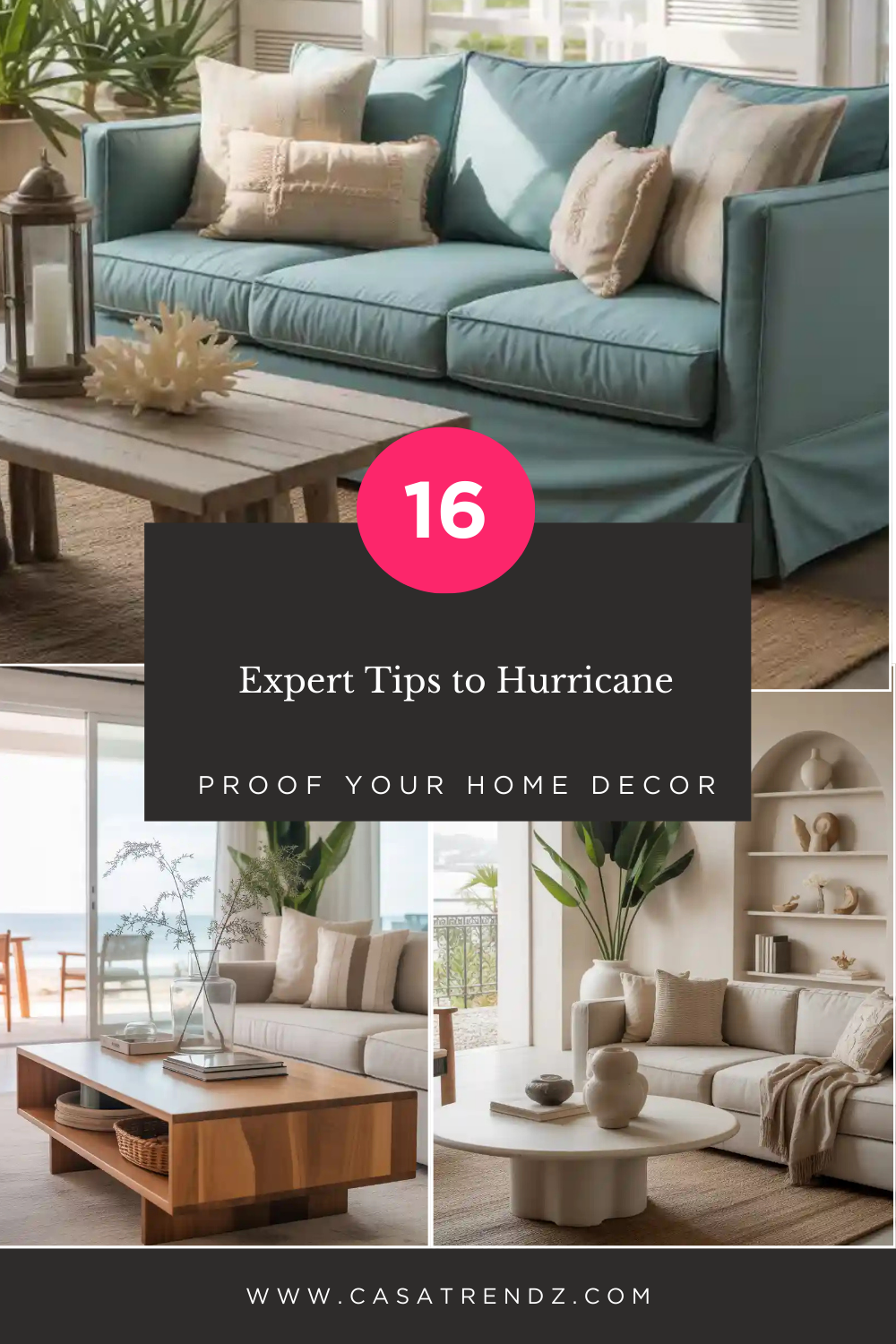
16 Expert Tips to Hurricane-Proof Your Home Decor
When hurricane season approaches, most homeowners focus on structural upgrades like reinforced roofing and storm windows. But protecting your interiors is just as important. Flying debris, intense pressure changes, flooding, and prolonged humidity can quickly destroy furniture, decor, and sentimental pieces. The good news? You don’t have to sacrifice style to create a safer space. With smart material choices, secure installations, and a proactive design strategy, your home can remain both beautiful and resilient.
Whether you live along the coast or in a storm-prone region, these practical yet stylish solutions will help reduce damage and stress when severe weather hits. In this guide, you’ll discover 16 Expert Tips to Hurricane-Proof Your Home Decor, each designed to blend safety, functionality, and aesthetics seamlessly. From anchoring furniture to selecting moisture-resistant fabrics, these expert-backed ideas will help you storm-proof your interiors with confidence.
1. Anchor Tall and Heavy Furniture Securely
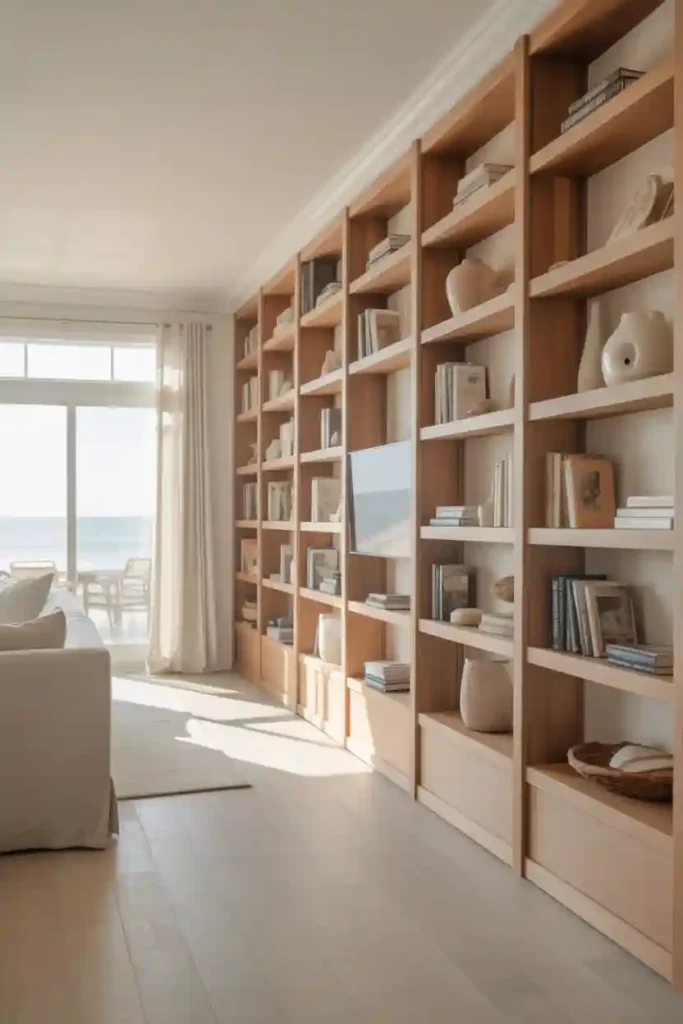
Tall bookcases, armoires, and display cabinets can easily tip during high winds, pressure shifts, or sudden vibrations caused by a hurricane. Securing large furniture pieces to wall studs with anti-tip brackets or heavy-duty straps is one of the most effective safety upgrades you can make. This prevents dangerous falls and protects both your family and your decor.
Choose brackets that can be painted to match your wall color for a seamless look. Many modern anti-tip systems are discreet and won’t interfere with your design aesthetic. It’s also wise to distribute weight evenly across shelves and avoid placing heavy objects at the very top. Stable furniture not only improves hurricane safety but also enhances everyday home security.
2. Invest in Solid Wood and Heavy Materials
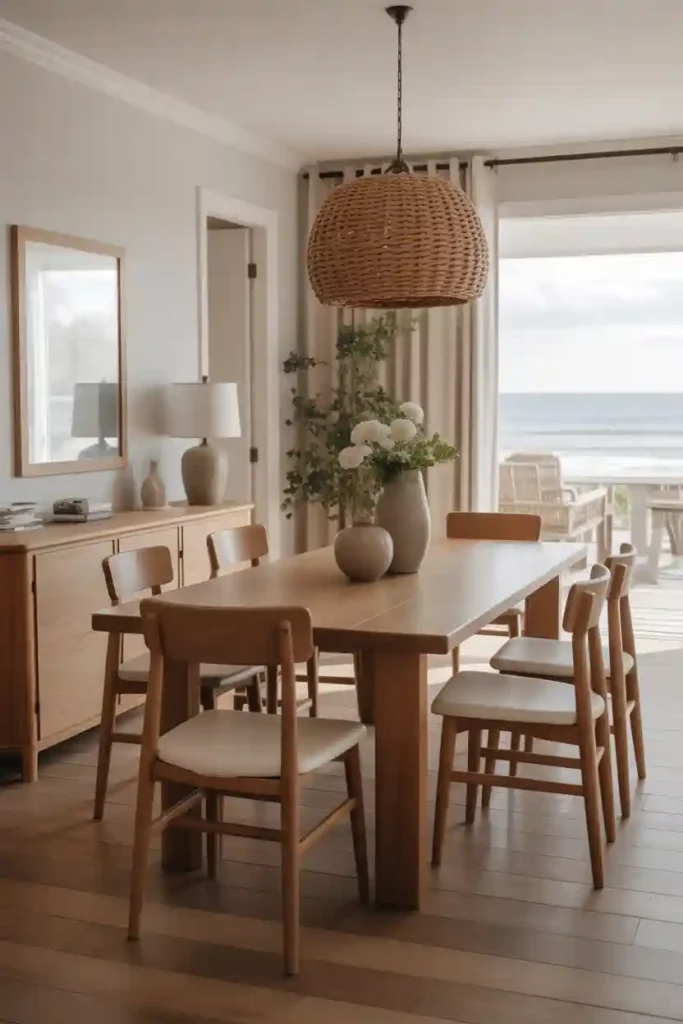
Lightweight, flat-pack furniture may be affordable, but it’s far more vulnerable during strong storms. Opting for solid wood, metal, or high-quality composite materials adds both durability and weight stability. Hardwood pieces like oak, teak, or maple are less likely to shift or topple under pressure changes.
Heavier furniture naturally resists movement, reducing interior damage during intense wind events. Pair these pieces with felt pads or floor grips to minimize sliding while protecting your flooring. Beyond safety, solid wood adds timeless warmth and value to your home. Choosing quality materials ensures your decor withstands not only hurricanes but years of daily use.
Read Also: 13 Brown Couch Living Room Ideas Perfect for Apartments
3. Upgrade to Impact-Resistant Window Treatments
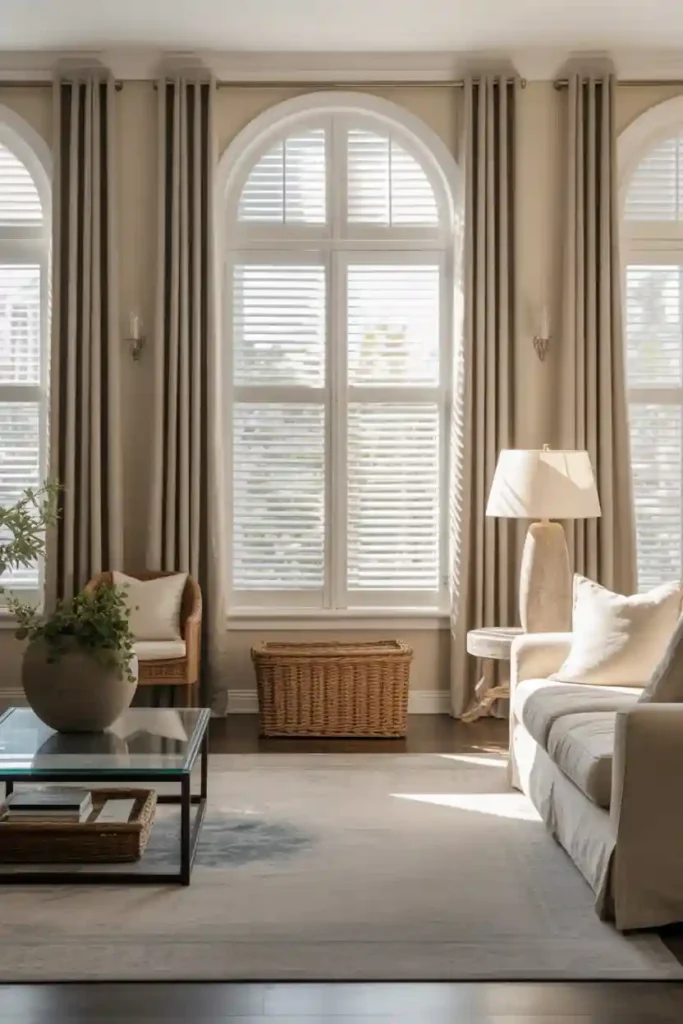
Windows are one of the most vulnerable areas during hurricanes. Installing impact-resistant shutters, reinforced blinds, or storm panels adds a critical layer of protection. Interior plantation shutters can combine style and function, helping shield glass from flying debris.
Layering thick, moisture-resistant curtains behind shutters adds extra insulation and reduces the spread of shattered glass if breakage occurs. Choose mildew-resistant fabrics that can handle high humidity without developing mold. Proper window treatments not only enhance safety but also improve energy efficiency and privacy year-round.
4. Choose Water-Resistant Upholstery Fabrics
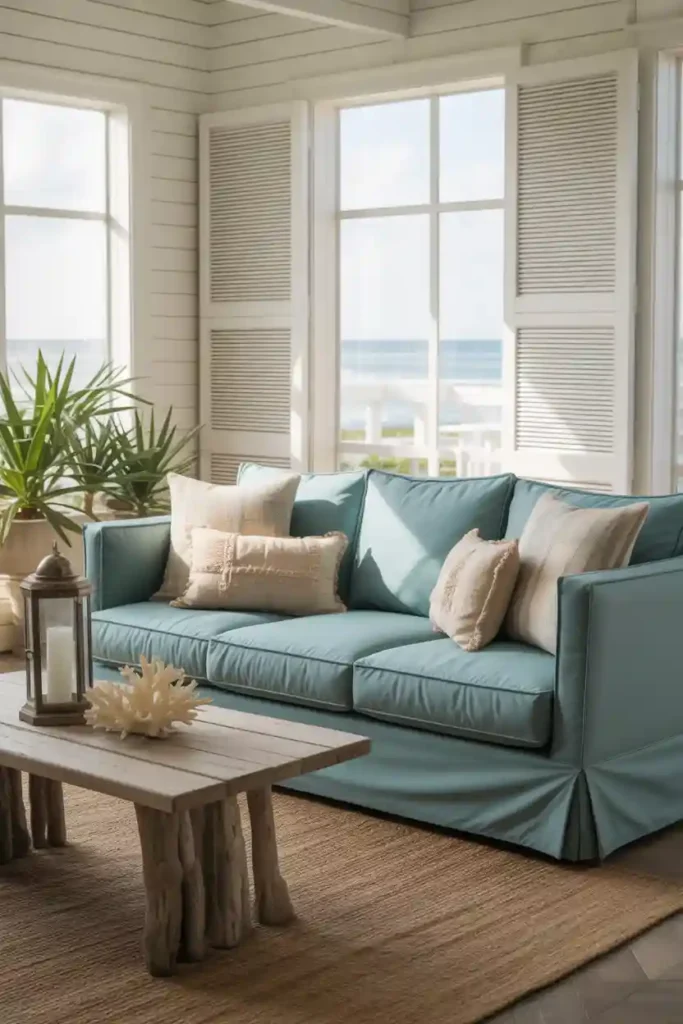
Flooding and humidity are common hurricane side effects. Traditional cotton or silk upholstery can absorb moisture quickly, leading to mildew, staining, and unpleasant odors. Switching to performance fabrics like treated polyester, acrylic blends, or outdoor-rated textiles can dramatically reduce damage.
Slipcovers are another smart option. They can be removed, washed, or replaced easily after a storm. Opt for fabrics labeled stain-resistant and mold-resistant for added protection. Water-resistant upholstery allows your living room or bedroom to maintain its style while staying practical during severe weather.
5. Elevate Electronics and Valuables
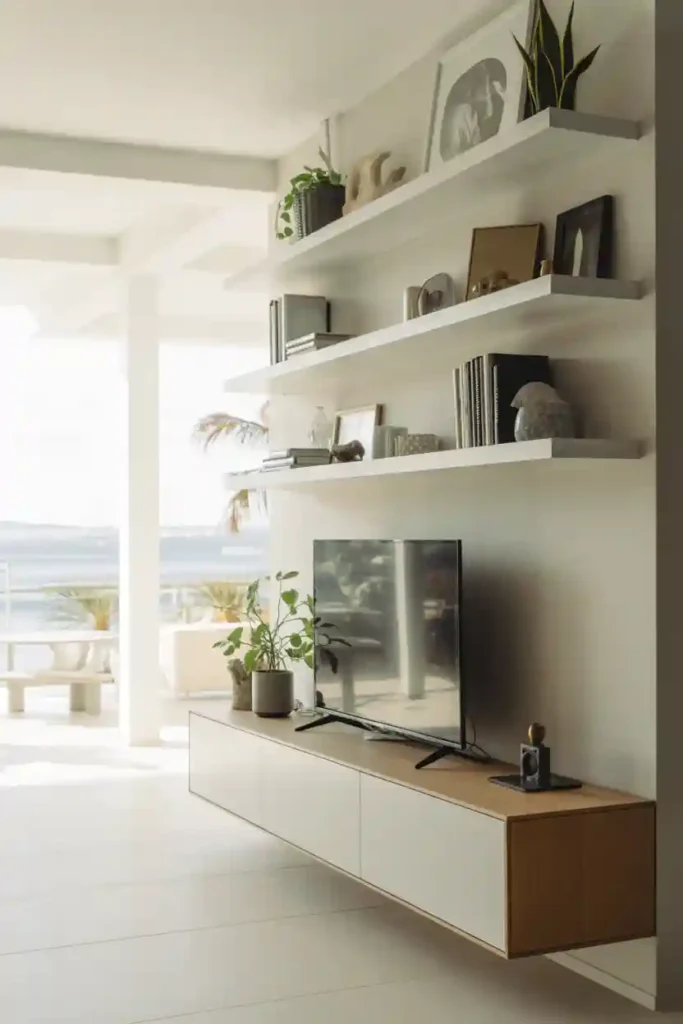
Even minor indoor flooding can ruin electronics, artwork, and sentimental decor. Elevate important items using floating shelves, tall cabinets, or wall-mounted units. Avoid placing irreplaceable pieces directly on the floor.
Wall-mounted media consoles are both modern and practical, keeping electronics safely above potential water levels. Decorative baskets placed on higher shelves can also store small valuables securely. Designing with elevation in mind reduces storm-related loss while maintaining a clean, contemporary aesthetic.
6. Secure Wall Art with Heavy-Duty Anchors
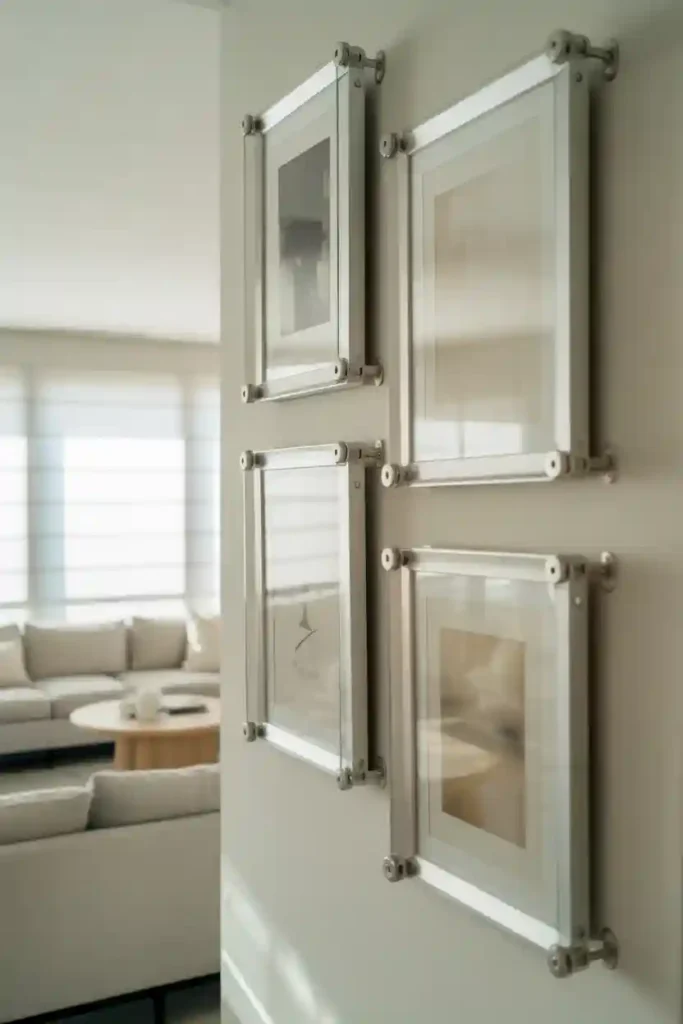
Standard nails are often insufficient for securing mirrors and artwork in storm-prone regions. Use heavy-duty wall anchors or screws drilled directly into studs for maximum support.
Consider replacing glass frames with acrylic alternatives to minimize shattering hazards. Distribute weight evenly when creating gallery walls and avoid hanging heavy mirrors above beds or sofas. Properly secured art keeps your decor intact and reduces injury risks during extreme weather.
7. Opt for Low-Profile Decor Pieces
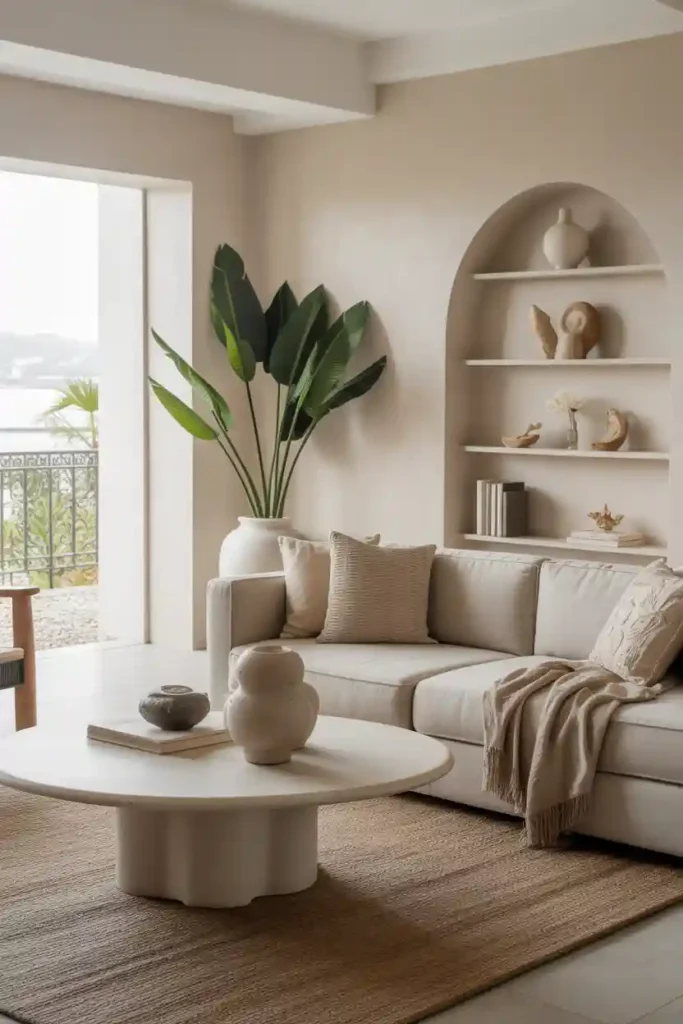
Tall, narrow decorative items are more likely to tip during vibrations or pressure changes. Choose low-profile lamps, wide-base vases, and sturdy sculptures instead.
Minimalist styling also reduces clutter, making it easier to secure items quickly before a storm. Stability should guide decor choices in hurricane-prone homes. Wide and balanced decor not only enhances safety but also creates a grounded, cohesive interior look.
8. Secure Rugs with Non-Slip Pads
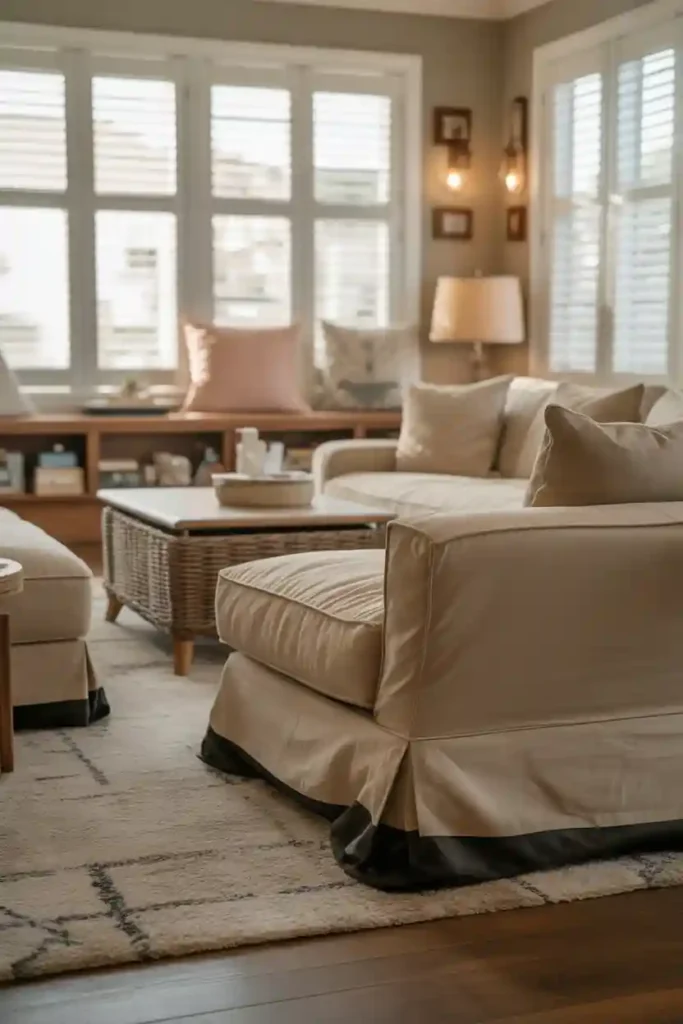
Loose rugs can become tripping hazards during emergency evacuations or power outages. Install high-quality non-slip pads underneath area rugs to keep them firmly in place.
Heavier woven rugs are less likely to shift during vibrations. Washable rugs are especially practical in flood-prone regions. Stability at floor level improves safety while preserving comfort and style.
9. Use Mold-Resistant Paint Finishes
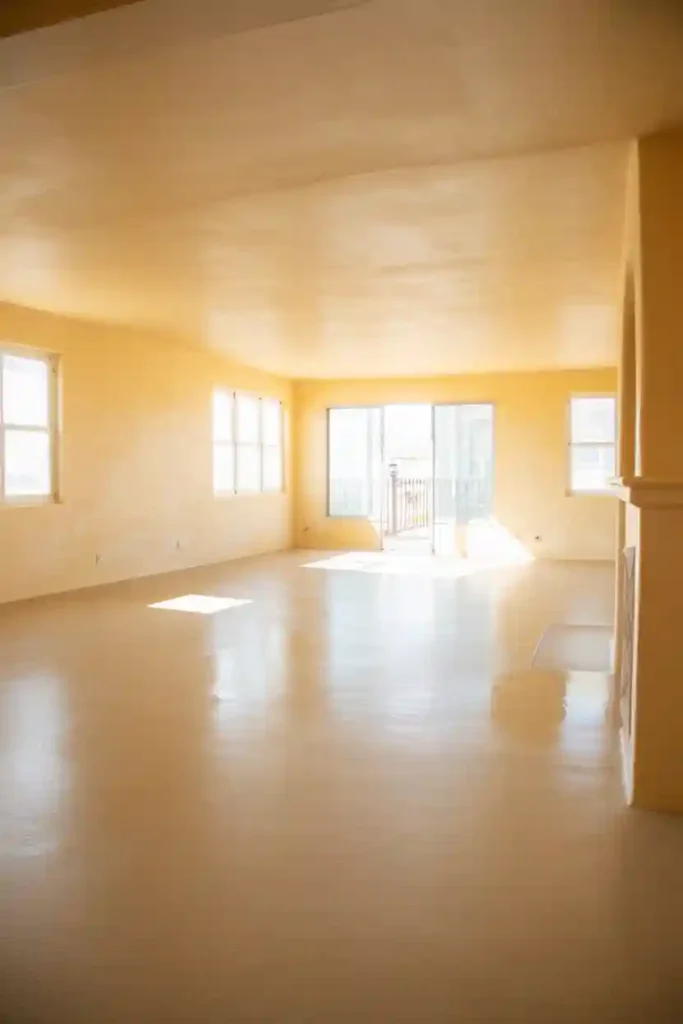
Humidity levels often spike during hurricanes. Mold-resistant or mildew-resistant paint helps prevent long-term wall damage. Satin or semi-gloss finishes are easier to wipe clean after exposure to moisture.
Light, airy colors also make water stains easier to spot early. Investing in protective paint ensures healthier indoor air quality and longer-lasting interiors. This subtle design upgrade provides major long-term benefits.
10. Install Closed Storage Cabinets
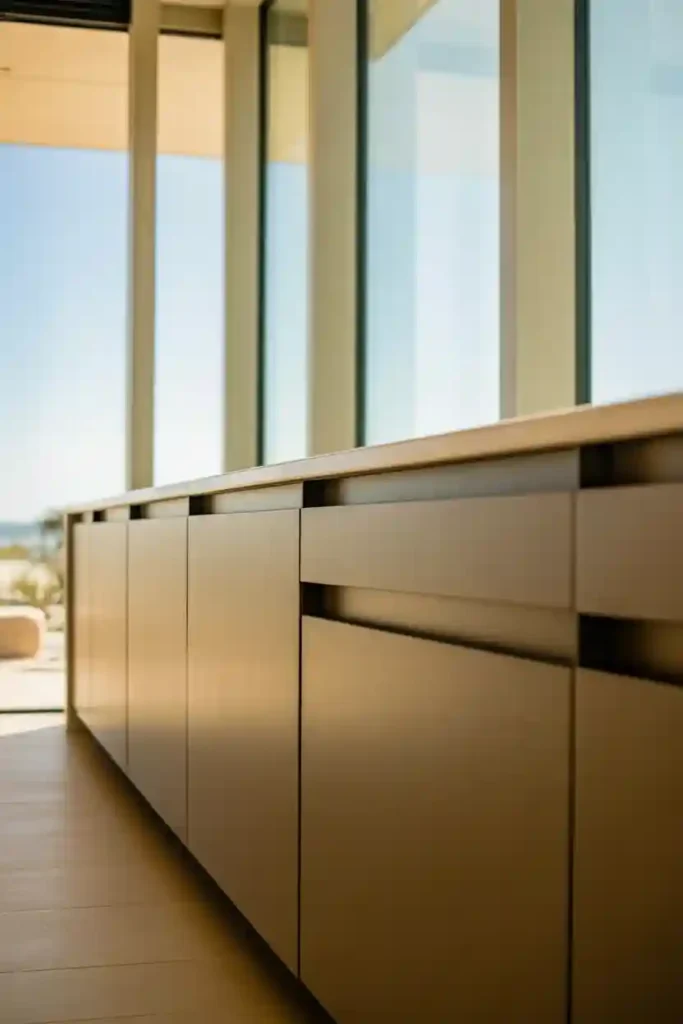
Open shelving exposes decor to debris and humidity. Closed cabinets protect items from airborne dust and moisture.
Built-in cabinetry offers both elegance and practical storm defense. Choose sealed wood finishes or moisture-resistant laminates for durability. Concealed storage reduces cleanup efforts after severe weather.
11. Reinforce Entryway Furniture
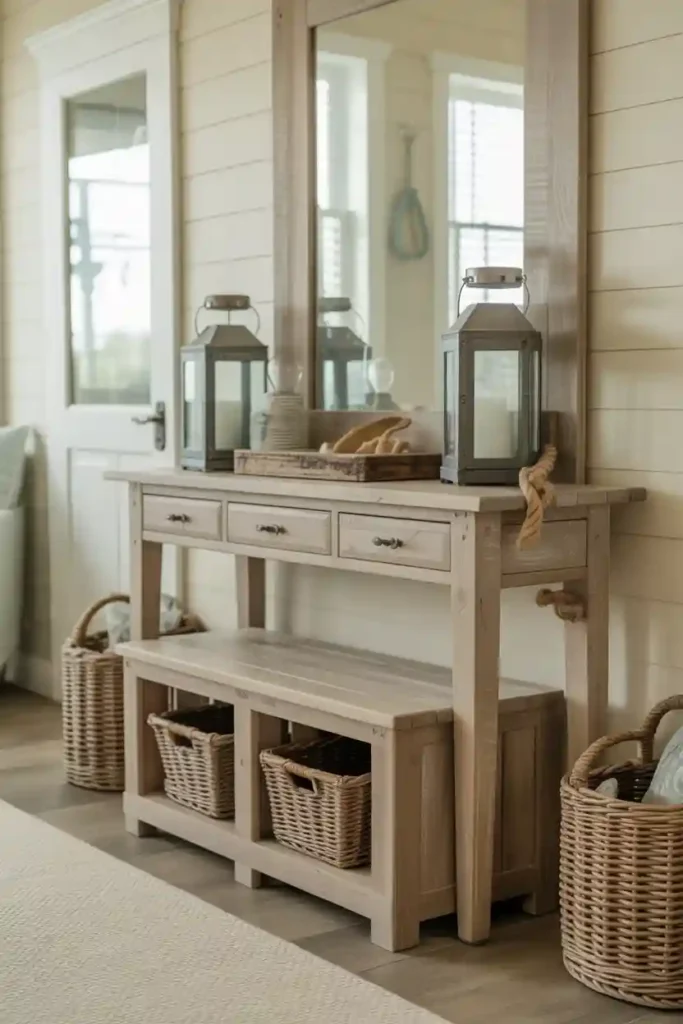
Entryways experience heavy pressure shifts during storms. Secure console tables and replace fragile decor with sturdy benches or storage units.
Install coat hooks directly into wall studs for extra strength. Remove delicate accents before landfall to reduce breakage risk. A reinforced entryway sets the tone for a safer home.
12. Incorporate Battery-Operated Lighting
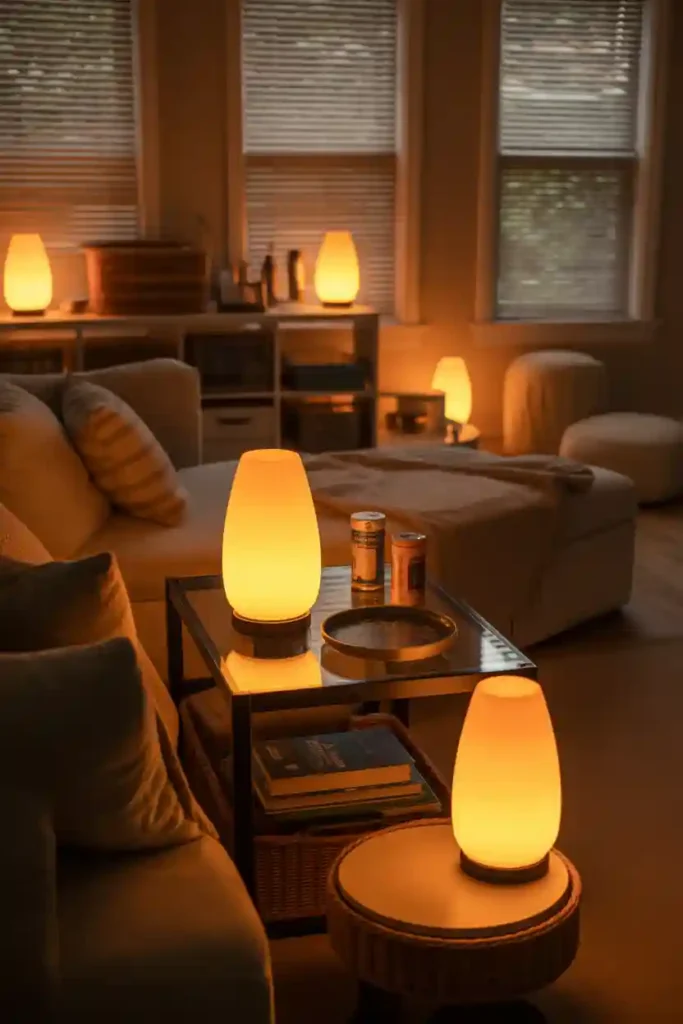
Power outages are common during hurricanes. Decorative battery-powered lamps and LED lanterns provide both ambiance and emergency functionality.
Store extra batteries in waterproof containers. Choose rechargeable lighting options for sustainability and convenience. Prepared lighting enhances safety and comfort during extended outages.
13. Replace Fragile Glass Furniture
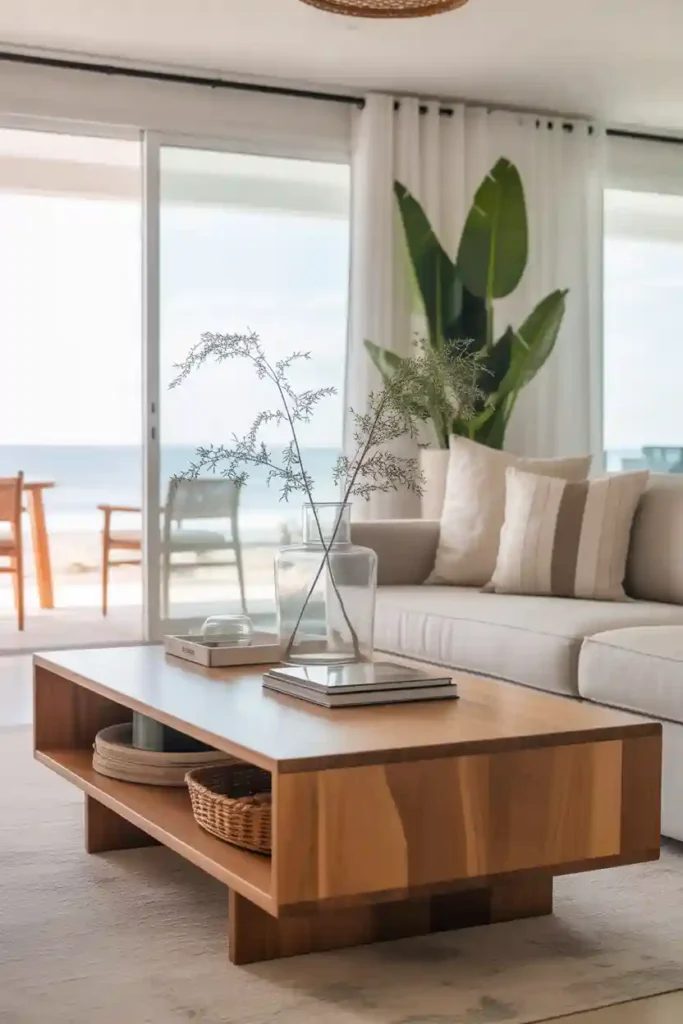
Glass coffee tables and delicate decor can shatter easily during strong vibrations. Swap them for solid wood, metal, or acrylic alternatives.
Acrylic mimics glass visually but offers greater impact resistance. Reducing fragile elements lowers cleanup hazards and injury risks. Durable materials can still maintain a modern aesthetic.
14. Install Stylish Storm Shutters
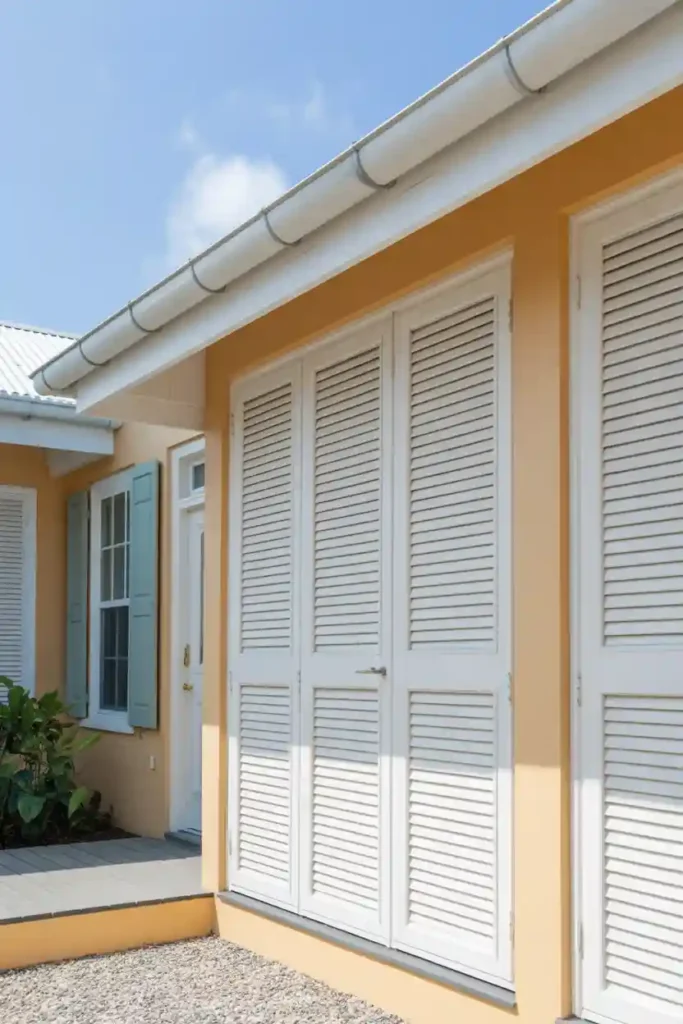
Exterior storm shutters protect windows while enhancing curb appeal. Choose decorative styles that complement your home’s exterior color scheme.
Modern hurricane shutters come in various finishes, blending function with design. Well-installed shutters add resale value and peace of mind. Protection doesn’t have to compromise beauty.
15. Keep Decor Easy to Store Before Storms
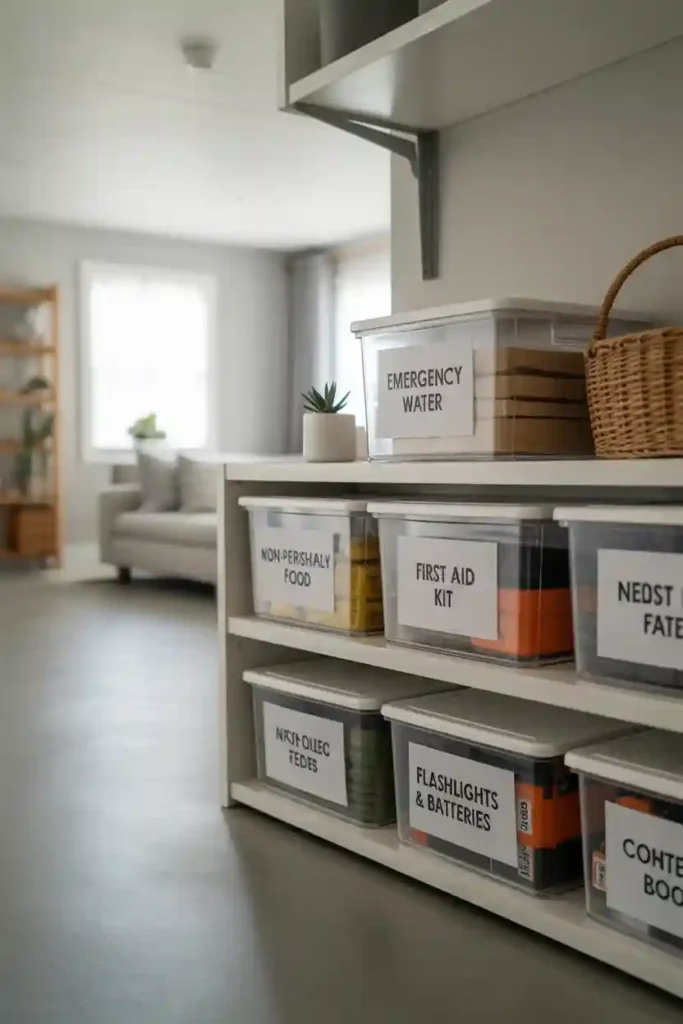
Some lightweight decor items should be stored away before severe weather. Use labeled bins to quickly pack fragile accessories.
Choose modular decor that can be rearranged easily. Having a storage system ready reduces stress when storm warnings are issued. Preparation makes hurricane-proofing efficient and manageable.
16. Create a Hurricane Decor Safety Checklist
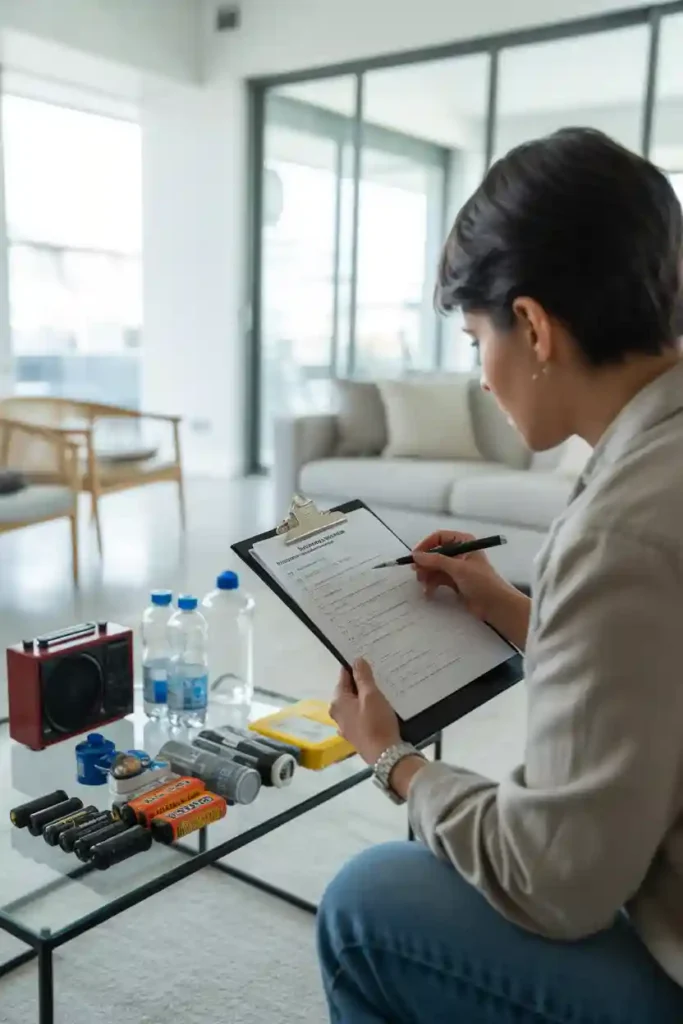
Preparation is your strongest defense. Develop a checklist outlining which decor items need securing, elevating, or storing when a storm approaches.
Practice your plan before hurricane season begins so everyone in your household understands their responsibilities. Regular inspections of anchors, shutters, and storage solutions ensure everything remains functional year-round. A well-prepared home protects both your belongings and your peace of mind.
Final Words
Hurricane preparedness doesn’t stop at structural reinforcements your interior design choices matter just as much. By applying these 16 Expert Tips to Hurricane-Proof Your Home Decor, you create a space that is not only beautiful but also resilient and thoughtfully protected. Small upgrades like anchoring furniture, choosing water-resistant fabrics, installing secure window treatments, and preparing a decor safety checklist can dramatically reduce damage and stress when severe weather strikes.