15 Fireproof Landscaping Ideas for a Safer Yard
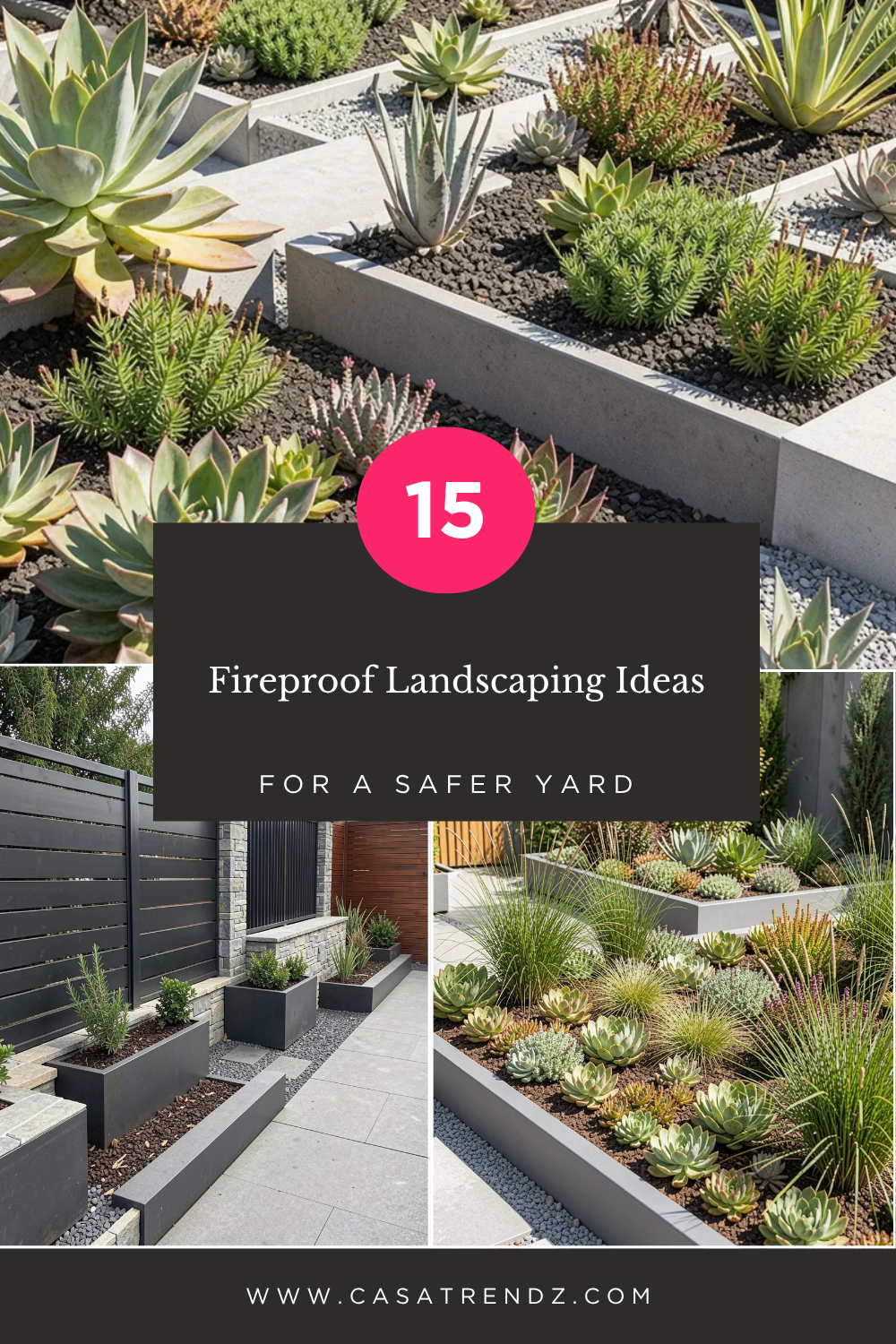
Creating a beautiful yard is important, but ensuring it’s safe especially in fire-prone areas is essential. Fireproof landscaping, also known as fire-resistant or defensible landscaping, focuses on reducing the risk of fire spreading to your home by using smart design choices, strategic plant selection, and non-flammable materials. With rising temperatures and increasing wildfire risks in many regions, homeowners are now prioritizing safety alongside aesthetics.
The good news is that you don’t have to sacrifice style to protect your property. From gravel pathways and stone features to fire-resistant plants and well-planned spacing, there are many ways to design a yard that looks stunning while helping slow down or prevent fire spread. In this guide, you’ll discover 15 fireproof landscaping ideas for a safer yard each combining functionality, beauty, and peace of mind to help you create an outdoor space that’s both secure and visually appealing.
1. Create a Defensible Space Zone
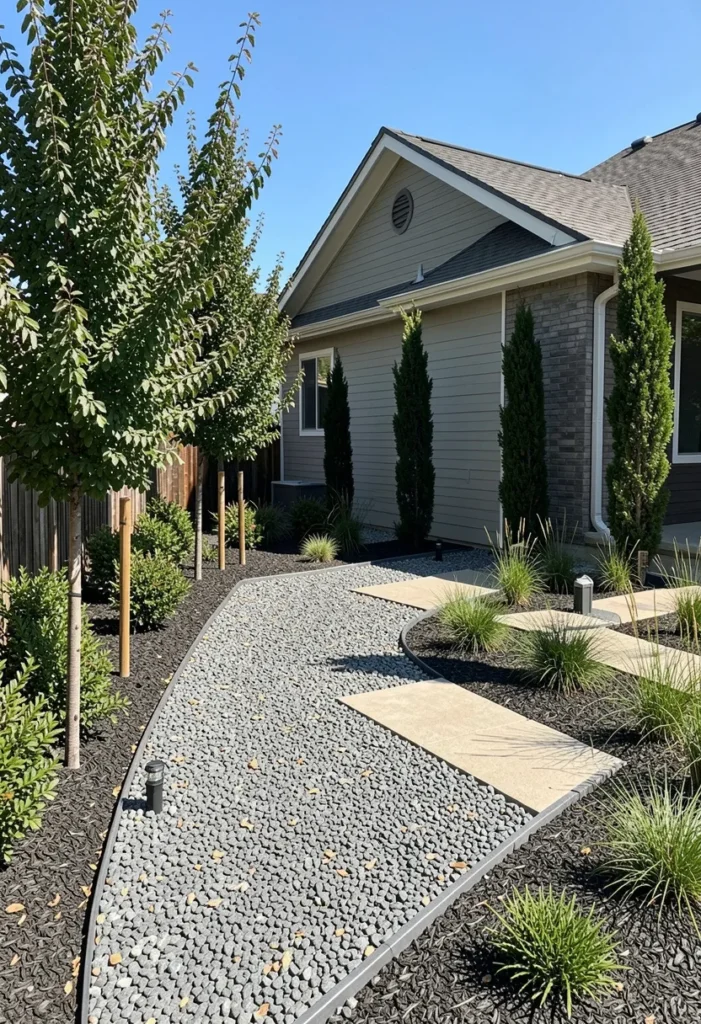
One of the most important fireproof landscaping strategies is creating a defensible space around your home. This means establishing a buffer zone where flammable materials are minimized to reduce the risk of fire reaching your structure. Typically, this zone extends 30 to 100 feet from your home, depending on local conditions.
Within this space, keep the area clean and well-maintained. Remove dry leaves, dead plants, and debris regularly, as they can easily ignite. Trim tree branches so they don’t hang over your roof, and maintain proper spacing between plants to prevent fire from spreading quickly.
2. Use Gravel Instead of Mulch
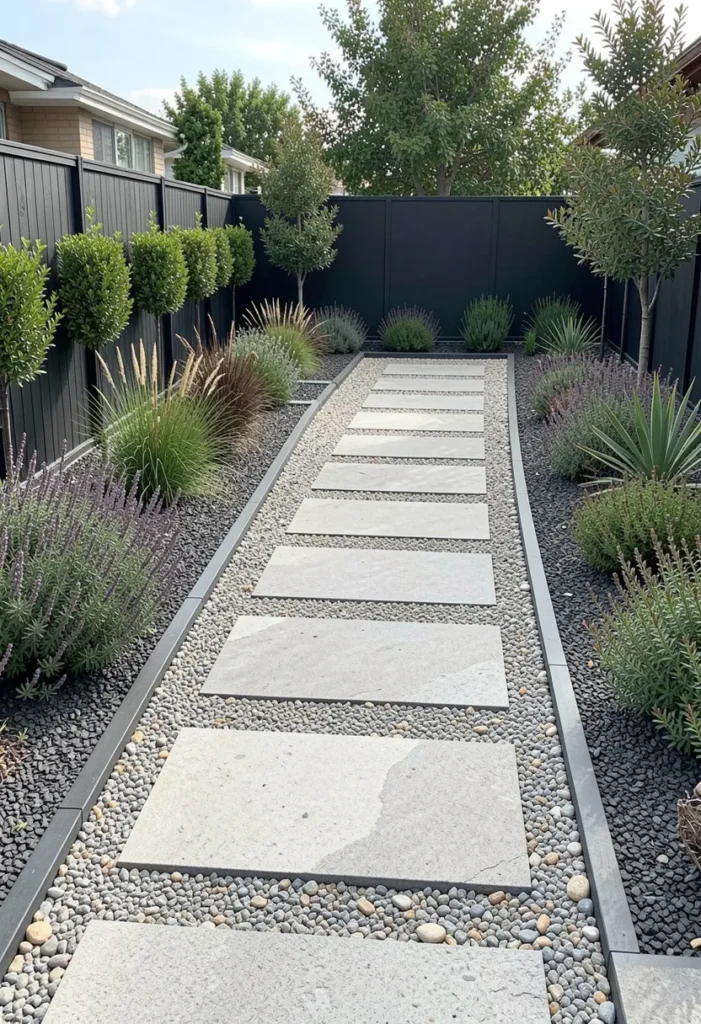
Traditional organic mulches like wood chips can be highly flammable, making them risky in fire-prone areas. Replacing them with gravel, decomposed granite, or stone is a safer alternative.
Gravel not only reduces fire risk but also adds texture and a modern aesthetic to your landscape. It works well in pathways, garden beds, and around plants. Choosing neutral tones like gray, beige, or white keeps the design cohesive and stylish. This low-maintenance option also helps with drainage and weed control, making it both practical and visually appealing.
See Also: 13 Reasons Why Window Boxes Are the Perfect Summer Decor
3. Choose Fire-Resistant Plants
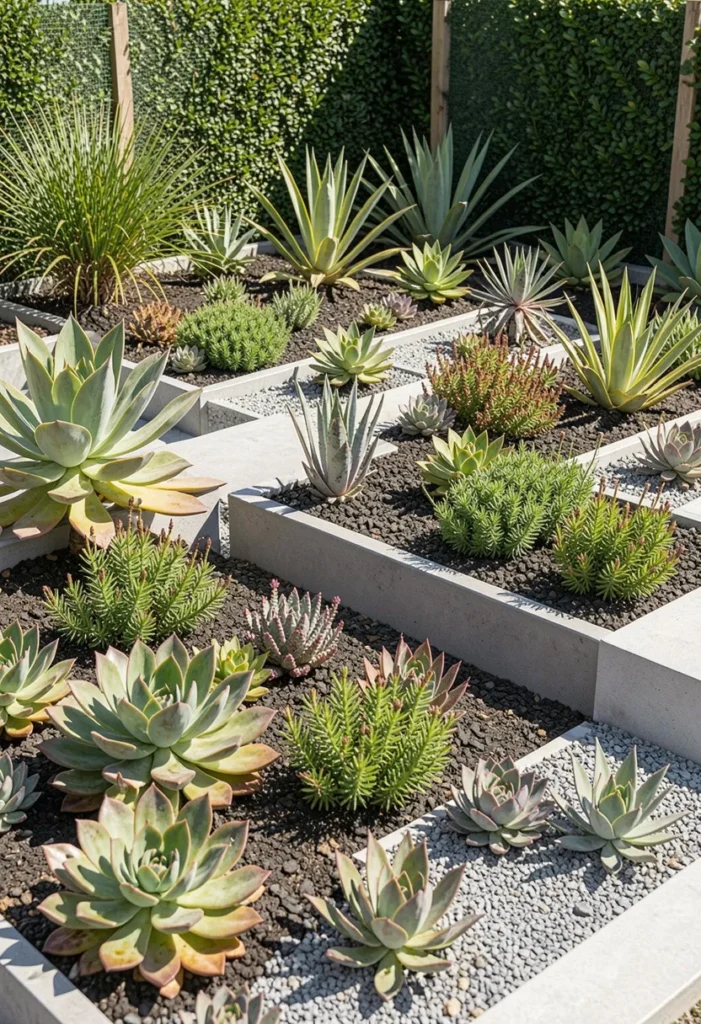
Not all plants burn easily. Fire-resistant plants typically have high moisture content and low resin levels, making them less likely to ignite. Examples include succulents, lavender, and certain grasses.
Incorporating these plants into your landscape reduces the overall fire risk while still providing greenery and beauty. Grouping them strategically and maintaining proper spacing enhances their effectiveness. Regular watering and pruning keep these plants healthy and less flammable. This approach allows you to enjoy a lush yard without compromising safety.
4. Install Stone Pathways
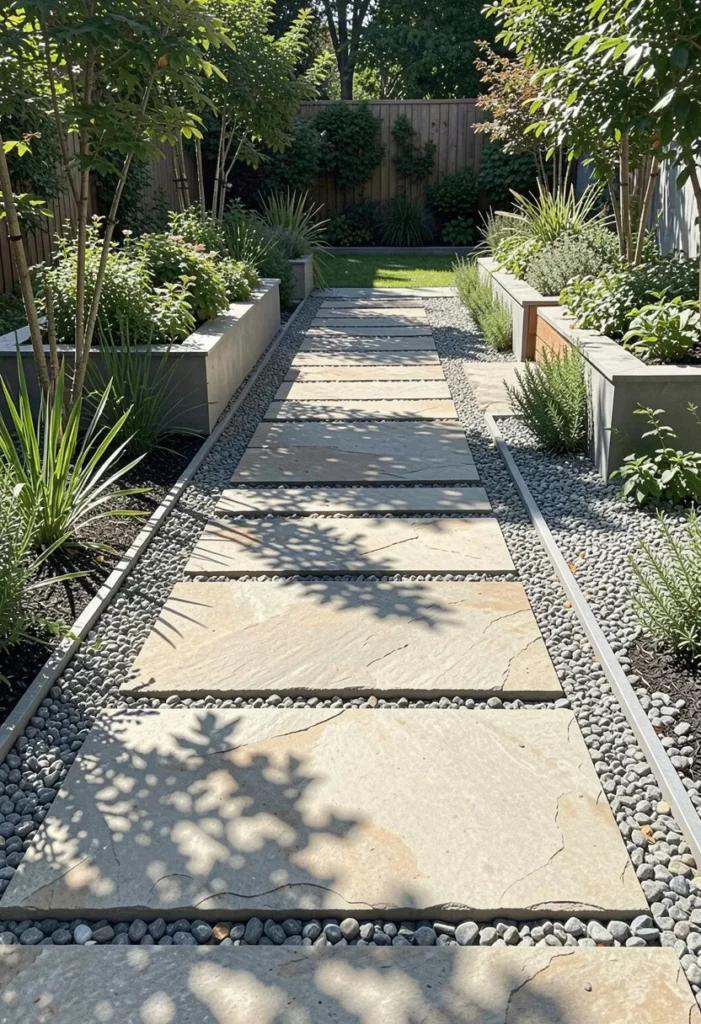
Stone pathways act as natural firebreaks, slowing or stopping the spread of flames. Materials like flagstone, pavers, or concrete are non-combustible and highly durable.
These pathways also improve accessibility and structure within your yard. They can connect different areas while enhancing the overall design. Using curved or geometric layouts adds visual interest, making your yard both functional and attractive.
5. Space Plants Strategically
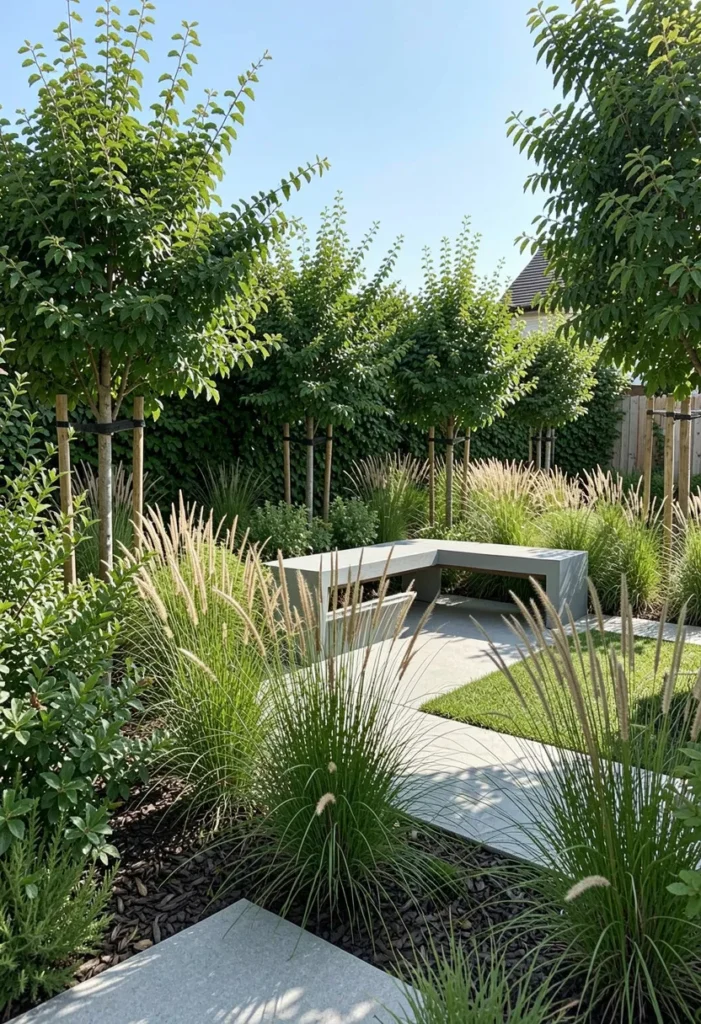
Proper spacing between plants is essential in fireproof landscaping. Dense vegetation can allow fire to spread quickly, so keeping plants separated helps reduce this risk.
Create clear gaps between shrubs and trees, and avoid layering plants too closely. This approach improves airflow and reduces fuel for potential fires. It also makes your landscape look more organized and intentional.
6. Use Non-Combustible Hardscaping
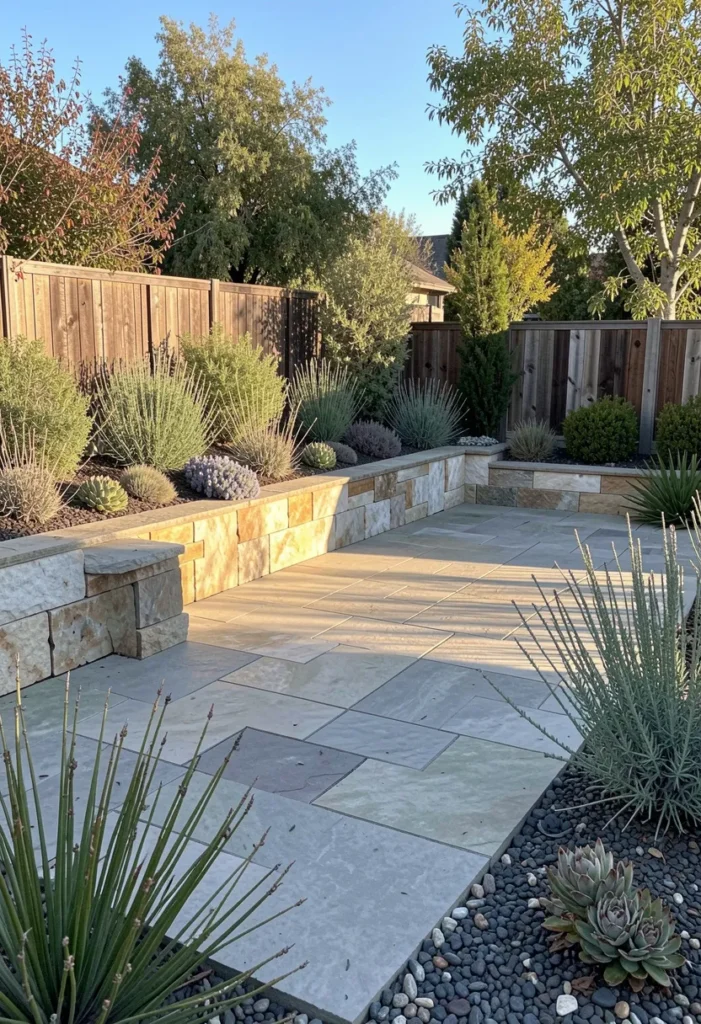
Hardscaping elements like patios, retaining walls, and decorative stones are excellent for fire-resistant design. Materials such as concrete, brick, and stone do not burn, making them safe choices.
Incorporating these features creates functional outdoor spaces while adding structure and style. They can also serve as barriers that slow fire spread. This idea blends safety with modern design seamlessly.
7. Maintain a Clean Yard
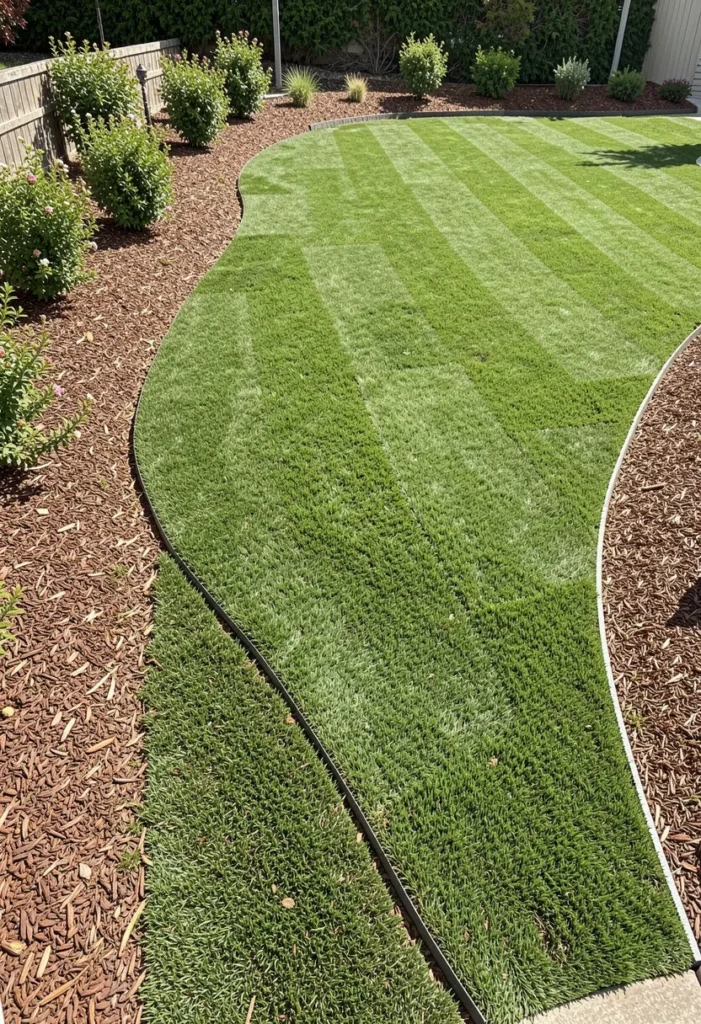
Regular maintenance is key to keeping your yard fire-safe. Remove dead leaves, branches, and other debris that can act as fuel.
Keeping grass trimmed and plants healthy reduces flammability. This simple habit can significantly lower fire risk. A clean yard also looks more polished and inviting.
8. Install a Drip Irrigation System
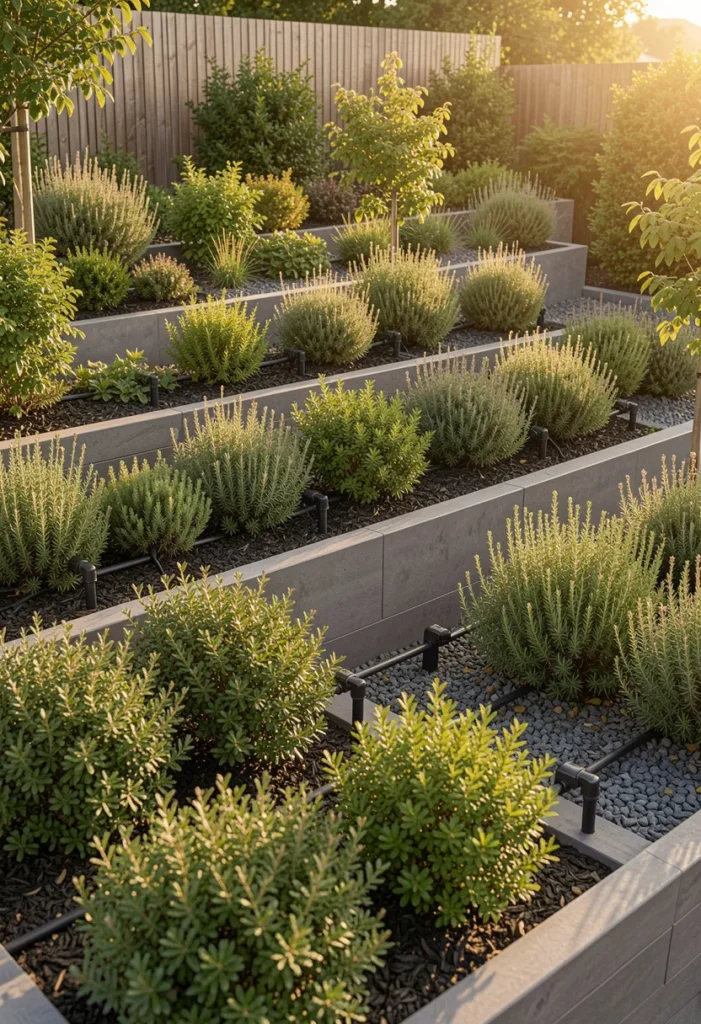
Keeping plants hydrated reduces their flammability. A drip irrigation system delivers water directly to plant roots, ensuring consistent moisture.
This system is efficient and conserves water while maintaining plant health. It’s especially useful in dry climates. Healthy plants are less likely to ignite, making this a smart safety measure.
9. Use Fire-Resistant Ground Covers
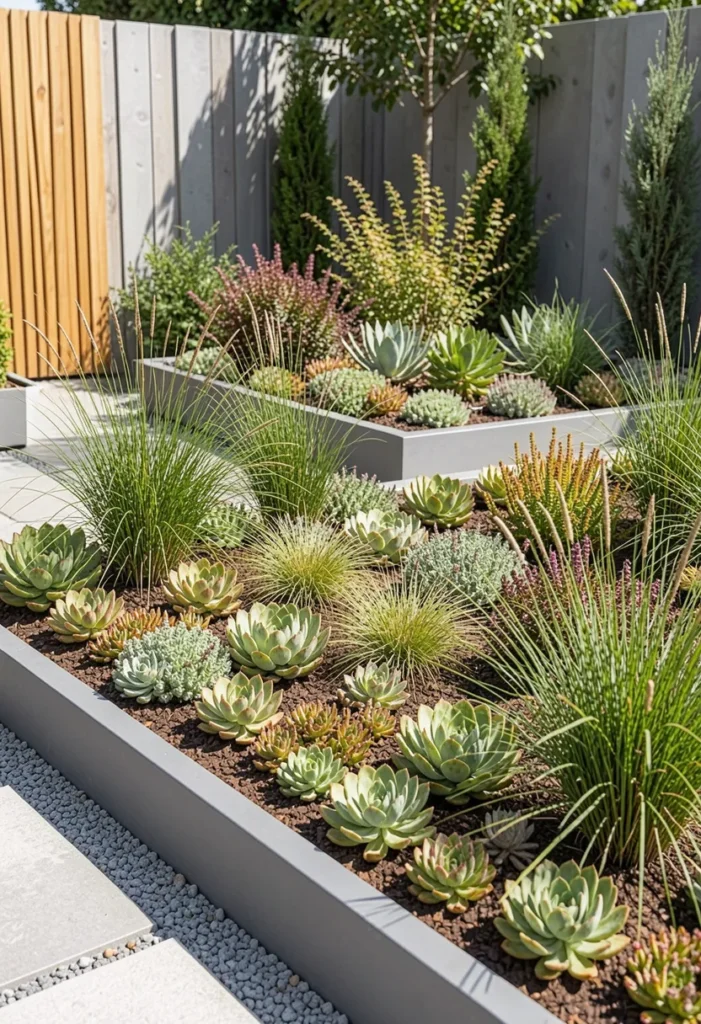
Ground covers like succulents or low-growing plants can replace flammable grass or mulch. These plants retain moisture and are less likely to burn.
They create a lush, green look while improving safety. This approach is both eco-friendly and visually appealing.
10. Keep Trees Trimmed and Elevated
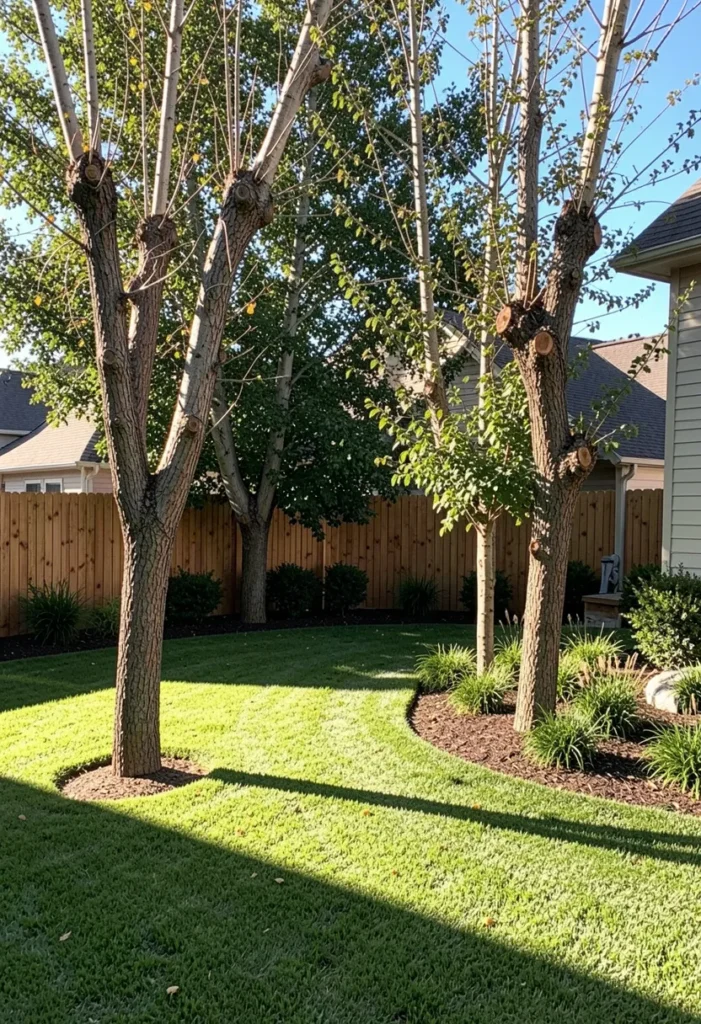
Tree maintenance is essential for fire safety. Trim branches so they’re at least 6–10 feet above the ground to prevent fire from climbing upward.
Also, remove dead or weak branches regularly. This reduces fuel and keeps trees healthy. Well-maintained trees enhance both safety and aesthetics.
11. Add Metal or Stone Fencing
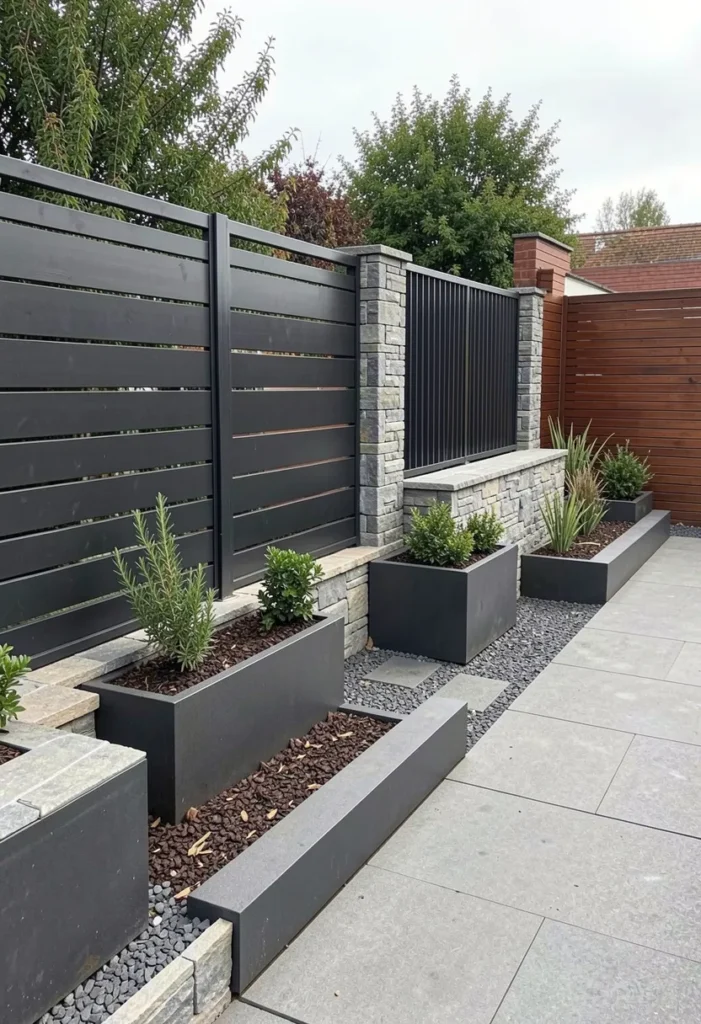
Wooden fences can easily catch fire, so replacing them with metal or stone options is a safer choice. These materials are durable and stylish, adding a modern touch to your yard while improving safety.
12. Create Firebreak Zones with Sand or Gravel
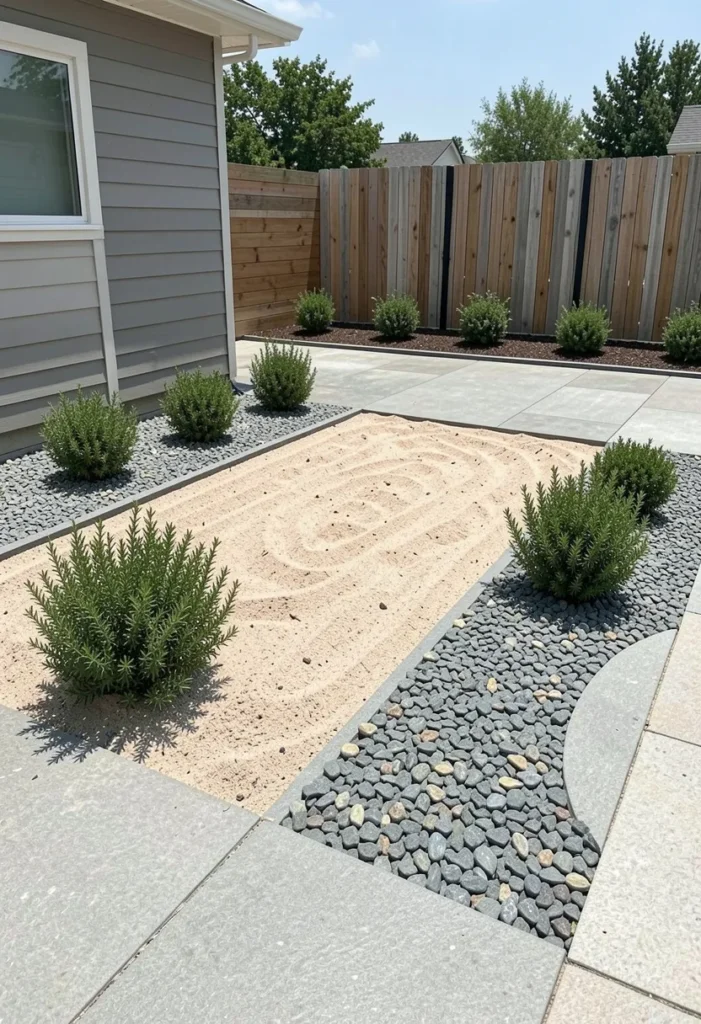
Firebreak zones use non-flammable materials to stop fire spread. Sand or gravel areas act as barriers, especially near structures.
These zones can double as decorative features, adding texture and contrast.
13. Avoid Resinous Plants Near the Home
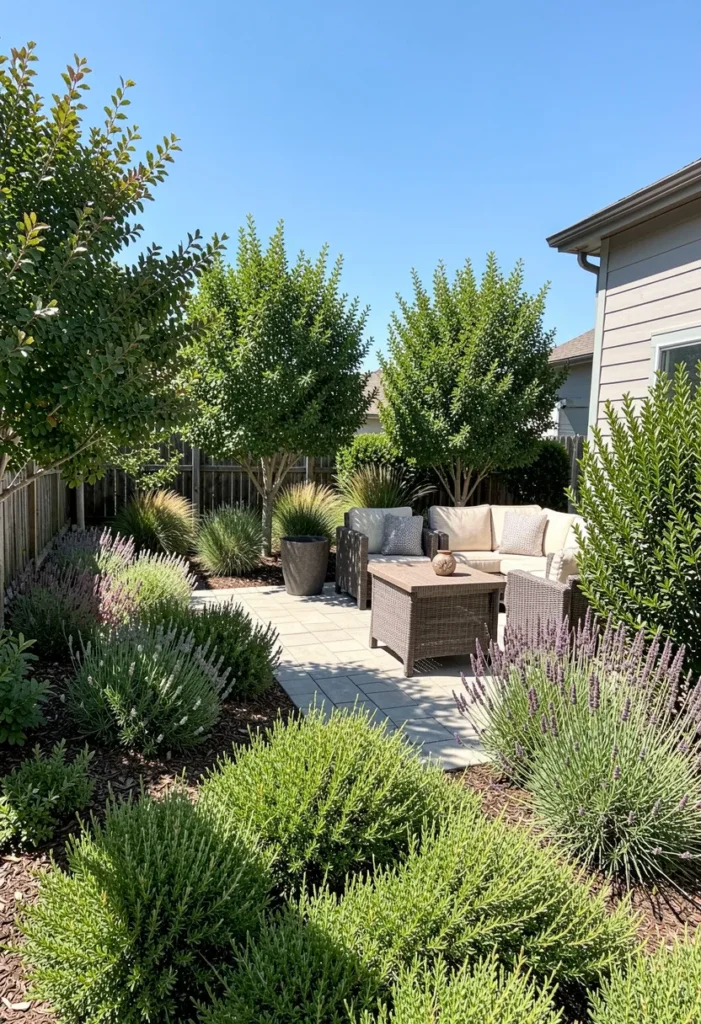
Plants like pine or eucalyptus contain oils that make them highly flammable. Avoid placing them close to your home.
Instead, choose low-resin plants for safer landscaping.
14. Install Outdoor Lighting Carefully
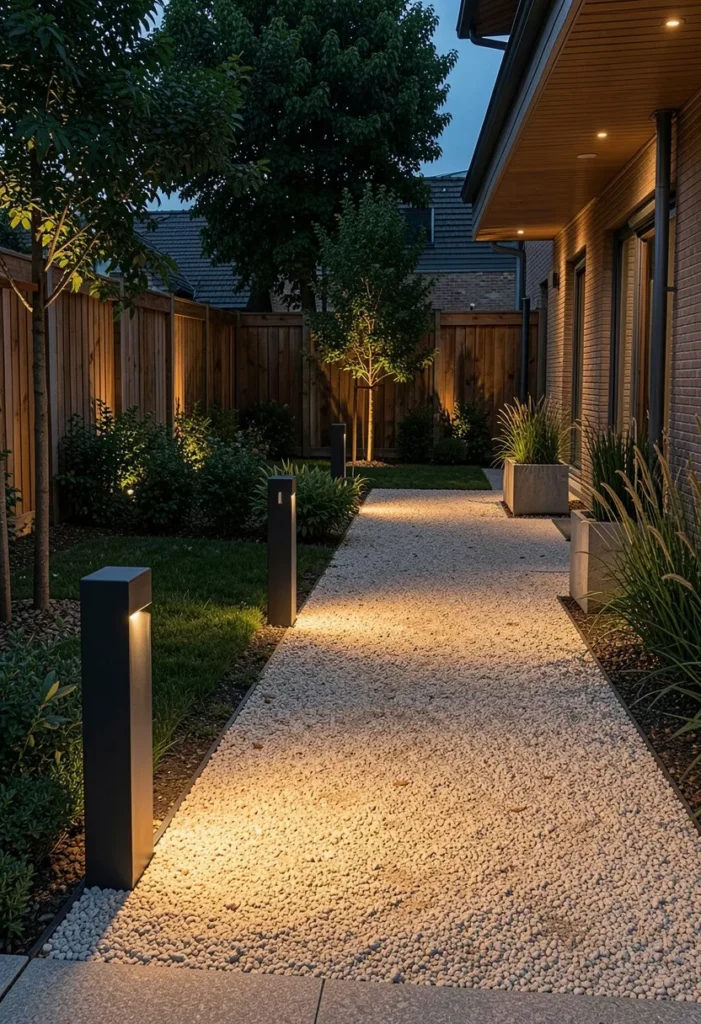
Lighting should be installed safely, avoiding dry vegetation. LED lights are a good option as they produce less heat.
Proper placement enhances both safety and ambiance.
15. Use Raised Garden Beds with Stone or Metal
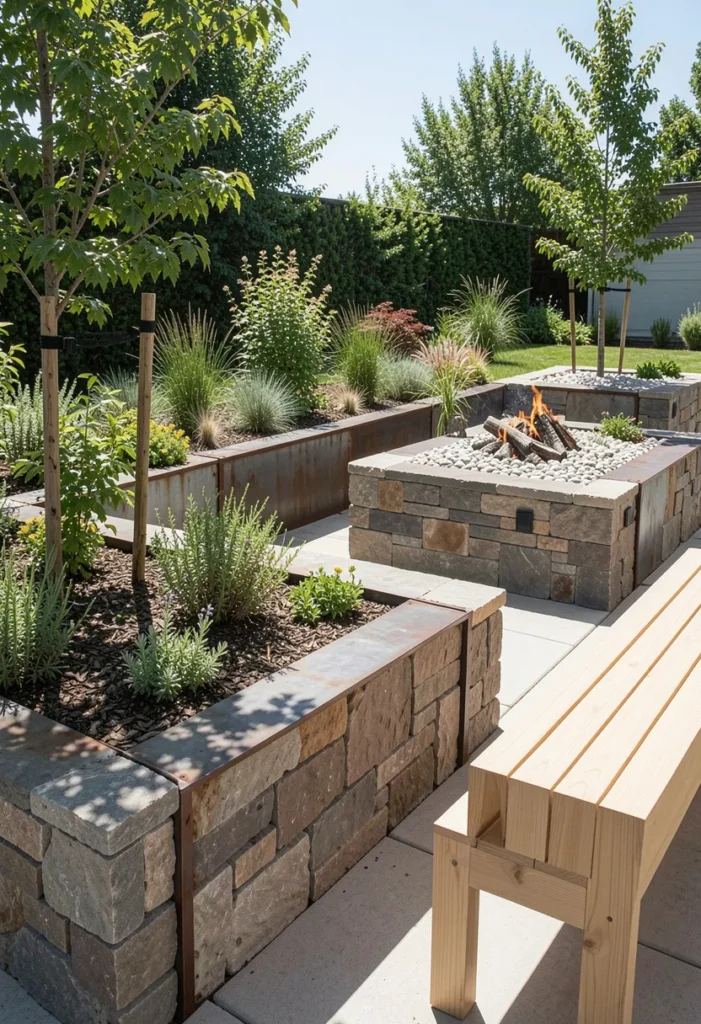
Raised beds made from non-combustible materials like stone or metal are safer than wooden ones. They also improve organization and accessibility in your garden.
This idea combines safety with functionality and style.
Final Words
Designing a fireproof landscape doesn’t mean sacrificing beauty it’s about making smart, intentional choices that protect your home while enhancing its appearance. By incorporating fire-resistant plants, non-combustible materials, and thoughtful spacing, you can significantly reduce fire risks and create a safer outdoor environment.