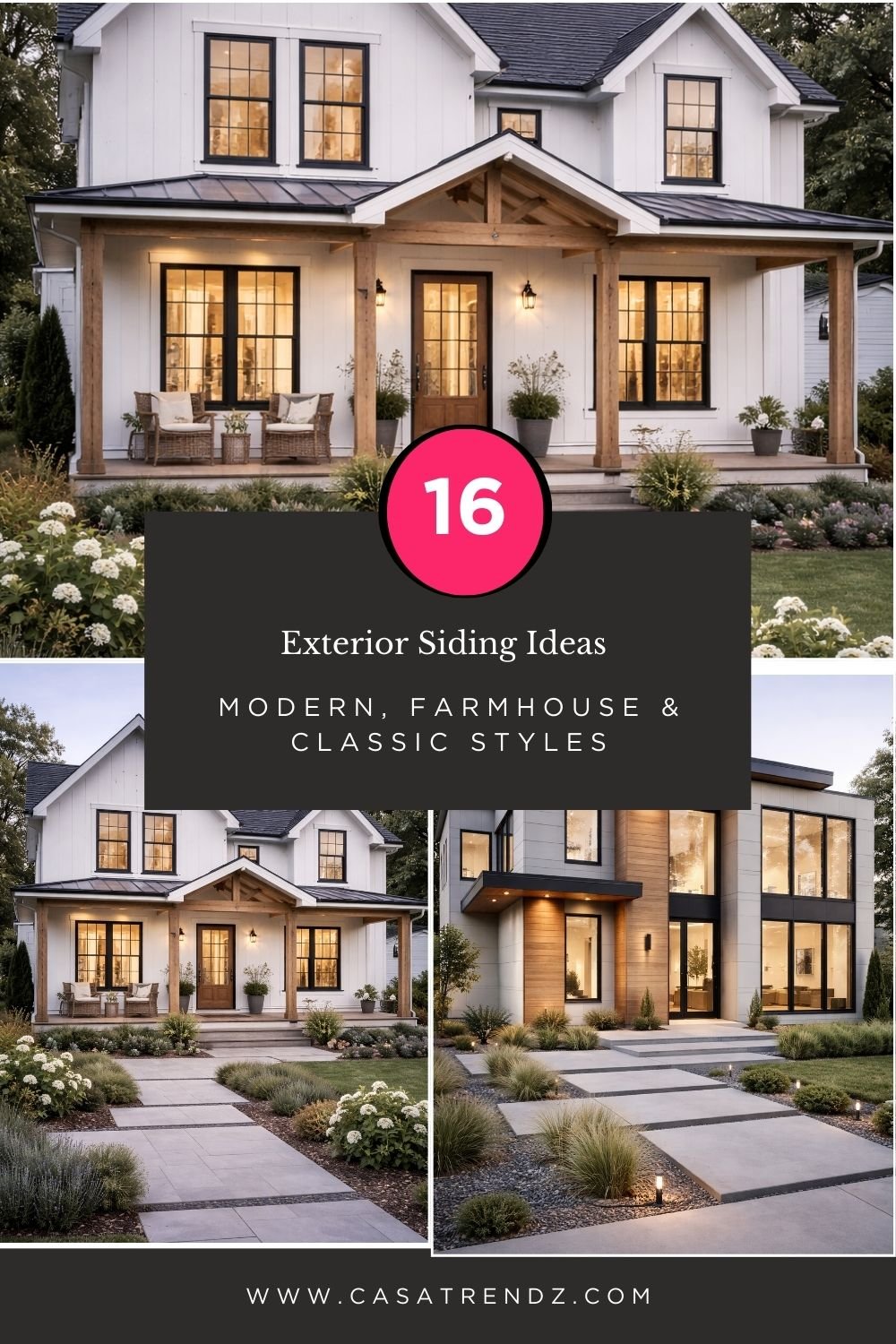
16 Exterior Siding Ideas: Modern, Farmhouse & Classic Styles

Choosing the right siding is one of the biggest decisions you will make for the outside of your home. Siding is the first thing people see, and it also does the hard work of keeping rain, wind, sun, and pests away from the structure underneath. A good choice can raise curb appeal, cut maintenance, and even help with energy bills, while a poor choice can mean peeling paint, trapped moisture, and expensive repairs within a few years.
This guide walks through 16 exterior siding ideas that cover modern, farmhouse, and classic styles. For each idea you will find the material, the look it creates, a realistic cost range, and the maintenance it actually needs, so you can compare options side by side instead of guessing from photos alone. Whether you are building a new home or giving an older one a fresh face, these ideas will help you pick siding that looks great and lasts.
Before you settle on a material, think about your climate, your budget, and how much upkeep you are willing to do. A siding that thrives in a dry climate can struggle in a wet one, and a low cost material can turn expensive if it needs repainting every few years. If you are still deciding on the overall palette, start with our guide to exterior house color ideas, then match the siding style below to the colors you love.
1. Modern Horizontal Wood Siding
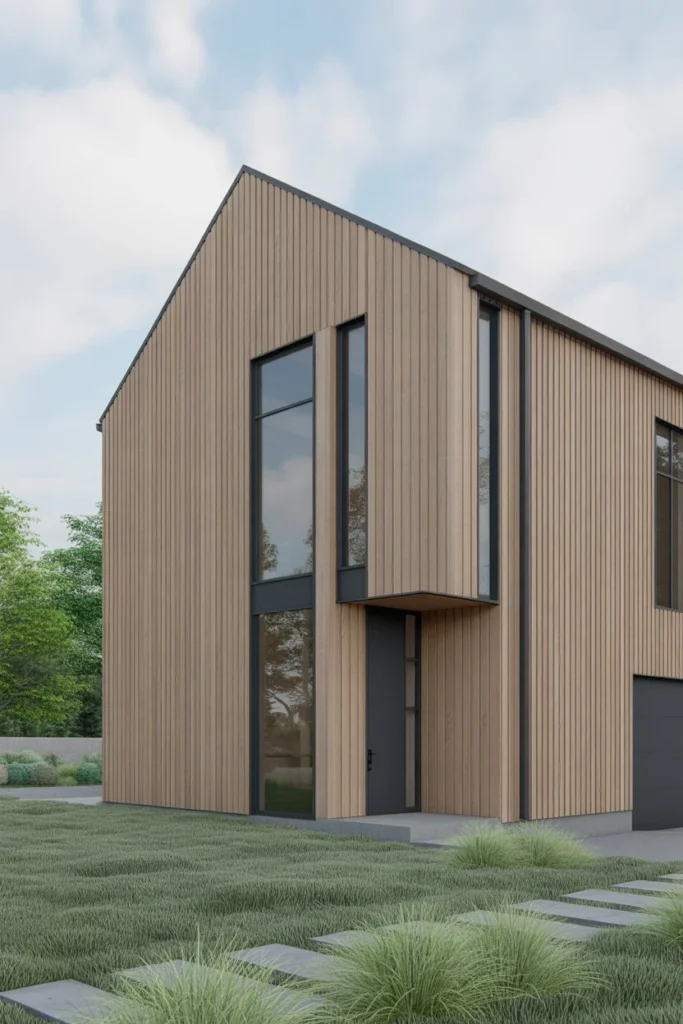
Horizontal wood siding is a favorite in modern home design because of its clean lines and natural texture. Long, uninterrupted planks create a sleek and contemporary look while keeping the warmth that only real wood can give. Cedar, redwood, and thermally modified pine are the most popular choices because they resist moisture and age gracefully, developing a soft silver gray tone if left unstained. Planks are usually 6 to 8 inches wide, and wider boards give a calmer, more architectural feel on large walls.
Good installation matters as much as the wood itself. Leave a small rain screen gap behind the boards so any water that gets in can drain and dry, and seal all six sides of each board before it goes up, including the cut ends. A clear sealer or semi transparent stain shows off the grain and needs refreshing every 3 to 5 years, while a solid stain lasts a little longer but hides more of the wood. Always keep the bottom course at least 6 inches above the ground to prevent splash back and rot.
This style works especially well on minimalist homes and urban residences. Pair horizontal wood siding with black framed windows, metal accents, or concrete features to sharpen the modern look, or soften it with warm lighting and a wood front door. Expect to pay around 7 to 12 dollars per square foot installed, depending on the species and your region. It is a strong choice if you love natural materials and do not mind a little regular care.
2. Classic White Vinyl Siding
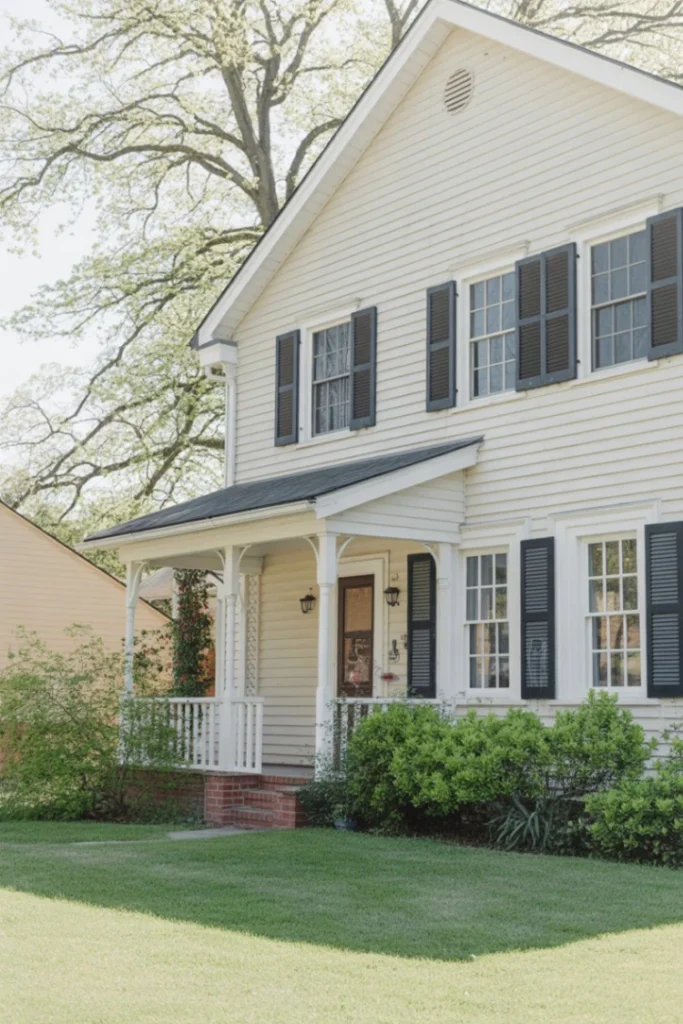
White vinyl siding remains one of the most timeless exterior siding ideas for homeowners who want durability and affordability. Its crisp, clean look suits almost every architectural style, from colonial to suburban traditional, and it never needs painting. Vinyl resists moisture, pests, and fading, which makes it a low maintenance option that can last 20 to 40 years with basic care. Installed cost usually runs 3 to 7 dollars per square foot, making it one of the most budget friendly choices on this list.
Not all vinyl is the same, so check the thickness before you buy. Panels around 0.042 to 0.048 inch thick hold their shape better and resist denting and warping in heat. Insulated vinyl adds a foam backing that improves energy efficiency and makes the wall feel more solid. Dutch lap and clapboard profiles are the classic looks, and a matte finish reads more like painted wood than the shiny panels of older vinyl.
Beyond looks, white vinyl reflects sunlight, which helps keep homes cooler in warm climates. It pairs beautifully with dark shutters, a stone foundation, or a colorful front door for a pop of personality. Cleaning is simple: wash it once a year with a garden hose and mild soap, and avoid pressure washing at close range, which can force water behind the panels. For homeowners who want a polished appearance without frequent upkeep or high installation costs, white vinyl is hard to beat.
3. Board and Batten Farmhouse Siding
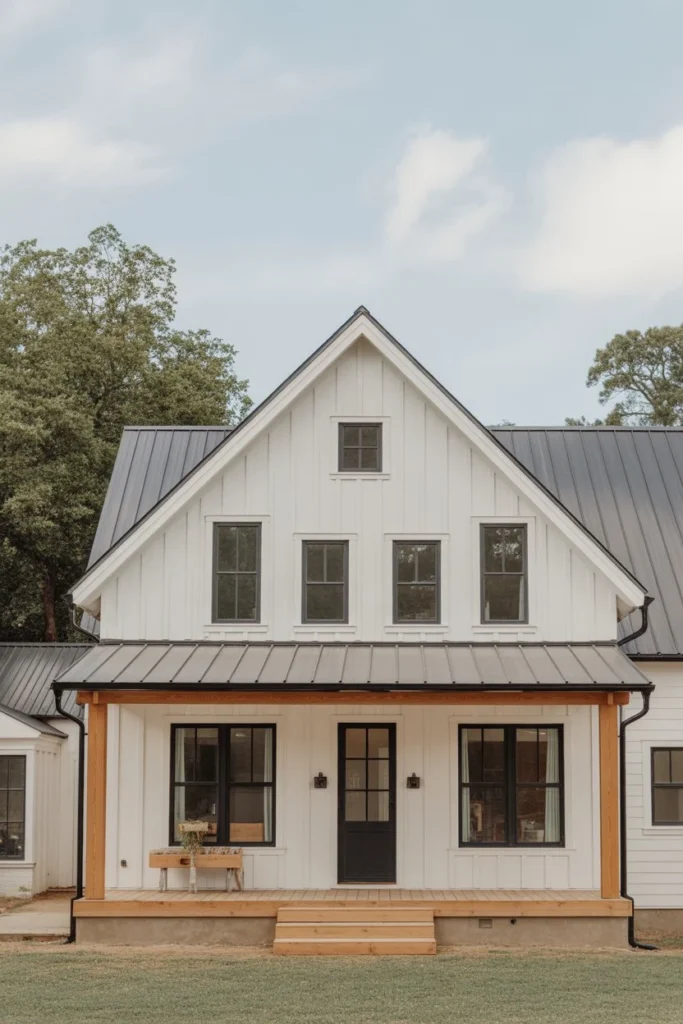
Board and batten siding is a defining feature of modern farmhouse design. Wide vertical boards, usually 10 to 12 inches across, are joined with narrow battens 2 to 3 inches wide that cover the seams. The vertical lines add height and rhythm to the exterior, which makes this style especially effective on single story or compact houses. It creates depth and shadow that flat siding cannot match, and it looks great from the street even on a simple box shaped home.
This siding comes in real wood, fiber cement, and engineered wood, so you can match the material to your budget and climate. Wood gives the most authentic farmhouse feel but needs regular sealing, while fiber cement and engineered wood hold paint longer and resist rot and insects. Neutral colors like white, cream, or soft gray are the classic choices, and they pair well with black window frames for a modern farmhouse look. For more inspiration, see our modern farmhouse exterior ideas to plan the full facade around this siding.
Finish the look with a metal roof, exposed wood beams, and rustic lantern style lighting to complete the farmhouse charm. Board and batten typically costs 6 to 13 dollars per square foot installed, depending on the material. Keep the battens sealed at the joints and repaint every 7 to 10 years if you use wood. The result is a welcoming, timeless exterior that feels both fresh and familiar.
4. Fiber Cement Lap Siding

Fiber cement lap siding gives you the look of wood with far better durability. It is made from a blend of cement, sand, and cellulose fibers, and it is fire resistant, insect proof, and able to stand up to harsh weather. The horizontal plank design provides a classic look that suits traditional, transitional, and modern homes alike. Unlike wood, it will not rot, warp, or feed termites, which is a big reason builders recommend it in humid and wildfire prone areas.
Standard lap boards come with a 6 to 8 inch exposure, and wider 10 to 12 inch exposures give a bolder, more modern profile. One of the biggest advantages is how well it holds paint: a quality paint job on fiber cement can last 10 to 15 years, roughly twice as long as on wood. Many brands also sell prefinished boards in a wide range of colors, which saves time on site and comes with a color warranty of up to 15 years.
Expect to pay around 6 to 12 dollars per square foot installed. Installation needs a little more care than vinyl or wood: cutting the boards creates silica dust, so installers should use special blades and dust collection. Once it is up, maintenance is light. Wash it once a year, touch up caulk at the joints, and repaint when the color starts to fade. For homeowners who love the charm of wood but want less maintenance, fiber cement is one of the smartest choices available.
5. Natural Stone Veneer Accents

Natural stone veneer adds texture, depth, and luxury to a home exterior. It is most often used as an accent rather than full coverage, around entryways, foundations, or chimney features, where a little stone makes a big impression. Limestone, slate, and stacked stone are popular choices, each with its own character: limestone feels soft and warm, slate looks cool and structured, and stacked stone gives a rugged, hand built feel.
Manufactured stone veneer is lighter, easier to install, and costs around 10 to 20 dollars per square foot installed, while real natural stone usually runs 20 to 35 dollars per square foot. Manufactured stone has improved a lot in recent years and is hard to tell from the real thing at a normal viewing distance. Real stone is heavier, so it needs proper structural support and a mason experienced with the material. Either way, ask for samples and view them in daylight against your other materials before committing.
Stone veneer pairs well with stucco, wood, or fiber cement for a balanced design, and it not only boosts curb appeal but also increases perceived property value. Proper installation is critical: flashing above the stone, a weep screed at the bottom, and a drainage plane behind it keep water out of the wall. Done right, a stone accent looks like it has always been part of the house and adds a sense of permanence and craftsmanship that never goes out of style.
6. Dark Painted Wood Siding

Dark painted wood siding is a bold exterior siding idea that has become very popular in modern architecture. Shades like charcoal, deep navy, and matte black create dramatic contrast against lawns, trees, and sky. This style emphasizes architectural lines and makes a home stand out without looking flashy. It works especially well on simple, box like forms where the color itself becomes the design feature.
Dark colors absorb more heat, so use a high quality exterior paint with UV protection to prevent fading and blistering. A premium acrylic paint with a satin or matte finish hides small imperfections and holds up better than cheap paint on dark surfaces. Proper sealing is essential, and south and west facing walls will need attention sooner than shaded sides. Plan on repainting every 5 to 7 years to keep the color rich and even.
Balance the dark siding with lighter trim or natural wood accents so the house does not feel too heavy. A warm wood front door, cedar soffits, or light colored stone at the base all soften the look. This siding idea suits contemporary homes, cabins, and minimalist designs that prioritize contrast and texture. The material cost is similar to other wood siding, with a small premium for the darker, higher grade paint.
7. Brick Exterior Siding
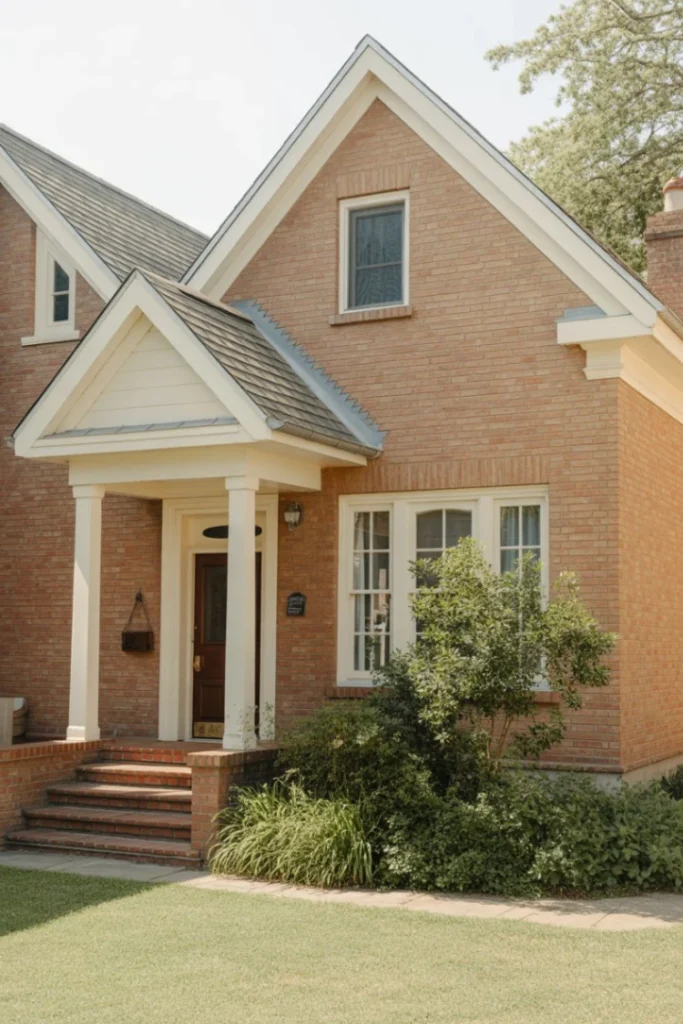
Brick siding is one of the most classic exterior siding ideas, known for its durability and timeless charm. A brick wall can last 100 years or more with little more than occasional cleaning, and it provides excellent insulation, fire resistance, and minimal maintenance. Its natural texture adds warmth and character that no flat material can copy, and it ages gracefully, developing a patina that many homeowners love.
Brick comes in many colors and patterns, so the same material can look traditional or modern depending on the design. Classic red brick suits colonial and craftsman homes, while whitewashed or gray brick feels fresh and contemporary. The bond pattern matters too: running bond is the standard, Flemish bond adds a decorative checkerboard effect, and the mortar color can shift the whole look. A light mortar softens red brick, while a dark mortar makes the brick color pop.
Installed cost usually runs 10 to 20 dollars per square foot, which is higher than vinyl or fiber cement, but the long life and low upkeep make it a solid long term investment. Pair brick with modern windows or metal accents to update its look while keeping its heritage appeal. The main maintenance task is repointing, which means replacing worn mortar joints every 25 to 30 years. Brick exteriors also tend to hold their value well, which helps at resale time.
8. Mixed Material Siding Design
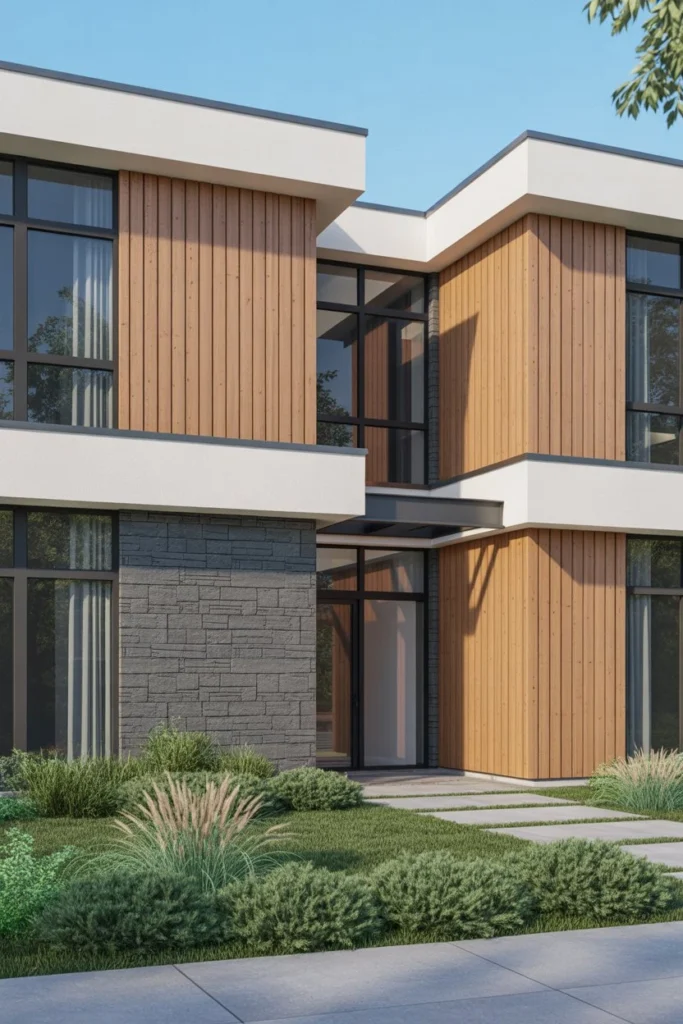
Combining multiple siding materials is a powerful way to create visual interest on a home exterior. Mixing wood, stone, fiber cement, or metal lets you highlight architectural features and break up large, flat wall surfaces. A two story wall that looks plain in a single material can come alive when the lower level is stone and the upper level is horizontal siding. This approach adds dimension and a custom built feel that reads as intentional rather than off the shelf.
The key rule is restraint: use two or three materials at most, and let one dominate about 60 to 70 percent of the facade. A proven formula is stone or brick at the base, horizontal siding above, and wood accents around the entry or gables. Keep the color palette tight by choosing materials that share the same undertone, warm with warm, cool with cool, so the combination feels cohesive. For more ways to layer textures on the outside of a house, see our exterior wall design ideas.
Because each material has its own cost and installation method, mixed material siding needs careful planning and a good contractor. Order physical samples of every material and lay them side by side in daylight before you order. Check that the transitions between materials are flashed properly so water cannot get in at the joints. Done well, a mixed material exterior looks like a high end custom home, even on a modest budget.
9. Stucco Siding for Mediterranean Style
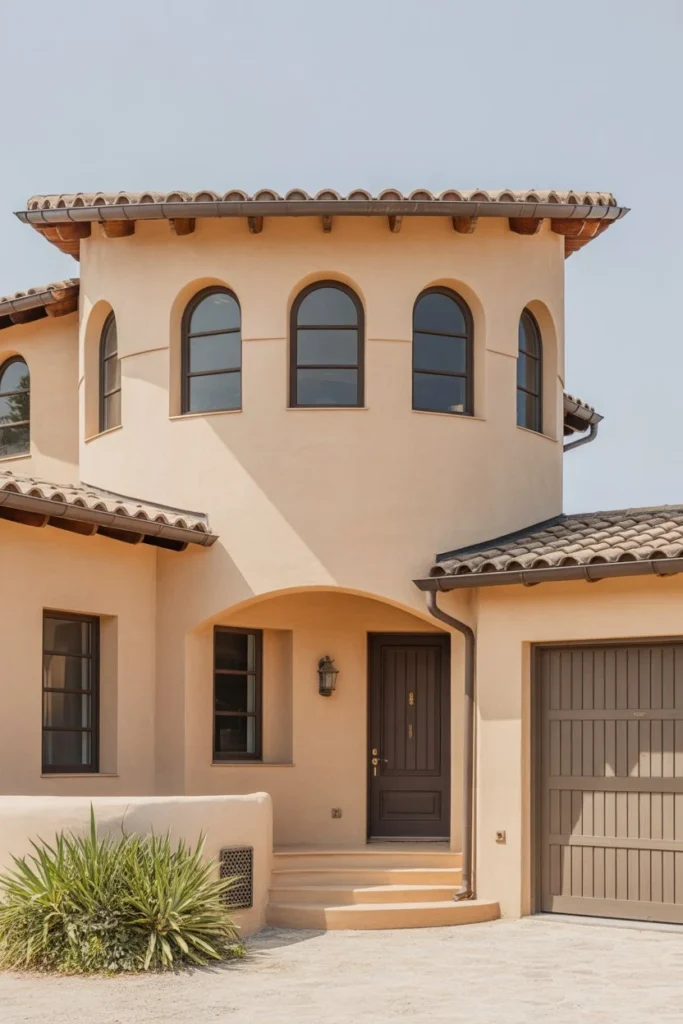
Stucco siding is a popular choice for Mediterranean, Spanish, and Southwestern homes. Its smooth or textured finish creates a seamless appearance that pairs beautifully with arched windows, clay tile roofs, and wrought iron details. Stucco is durable, fire resistant, and energy efficient when installed correctly, and it gives a home a sculpted, monolithic look that other sidings cannot match.
A traditional three coat stucco system is about 7/8 inch thick and is applied over lath on top of a water resistant barrier. This system performs best in dry climates, but it can work in wetter regions too if it is installed with a proper drainage plane behind it. Neutral tones like beige, cream, or warm gray enhance its elegance, and a sand finish hides small imperfections better than a perfectly smooth finish. Avoid dark colors in very hot climates, since stucco can show fading more than other materials.
Expect to pay around 8 to 15 dollars per square foot installed. Hairline cracks are normal as a house settles and can be filled with a flexible caulk or elastomeric paint, but larger cracks should be checked by a stucco professional. Keep sprinklers and soil away from the base of the wall, and repaint every 7 to 10 years with an elastomeric coating to keep the finish sealed. Stucco delivers a refined, cohesive look that emphasizes architectural curves and classic design elements.
10. Vertical Metal Panel Siding
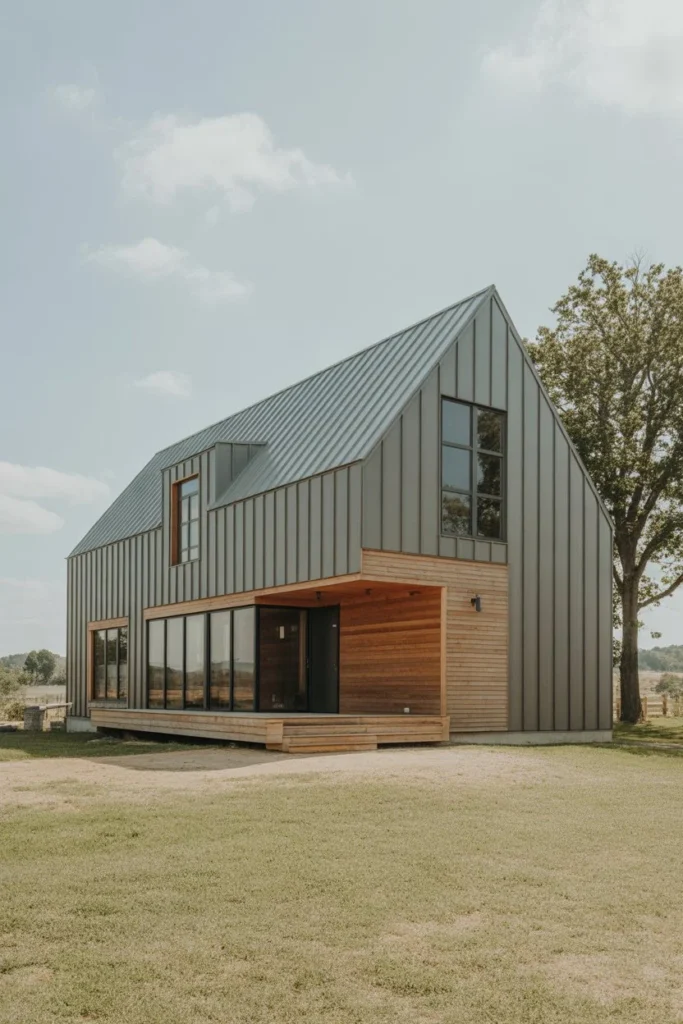
Metal panel siding offers a sleek, industrial inspired look that suits modern homes. Installed vertically, the panels emphasize height and create a clean, contemporary appearance with crisp shadow lines. Steel and aluminum are the most popular choices because of their durability and weather resistance, and standing seam panels with hidden fasteners give the neatest finish.
Panels are usually 12 to 18 inches wide, and the finish matters: a matte PVDF coating resists chalking and fading far better than basic polyester paint. Metal siding is low maintenance and recyclable, which makes it an eco friendly option, and it can last 40 to 70 years. It does not rot, crack, or attract insects, and it holds up well in snow and coastal air when the right alloy and coating are used. Aluminum is the safer choice near salt water because it will not rust.
To soften the industrial look, pair metal panels with warm wood accents around the entry, windows, or soffits. Installed cost runs about 8 to 16 dollars per square foot. Two things to plan for: large hail can dent thinner panels, so choose a heavier gauge if storms are common in your area, and solid sheathing behind the panels reduces the drumming sound in heavy rain. This siding style is ideal for modern farmhouses, urban homes, and minimalist architectural designs.
11. Cedar Shake Siding
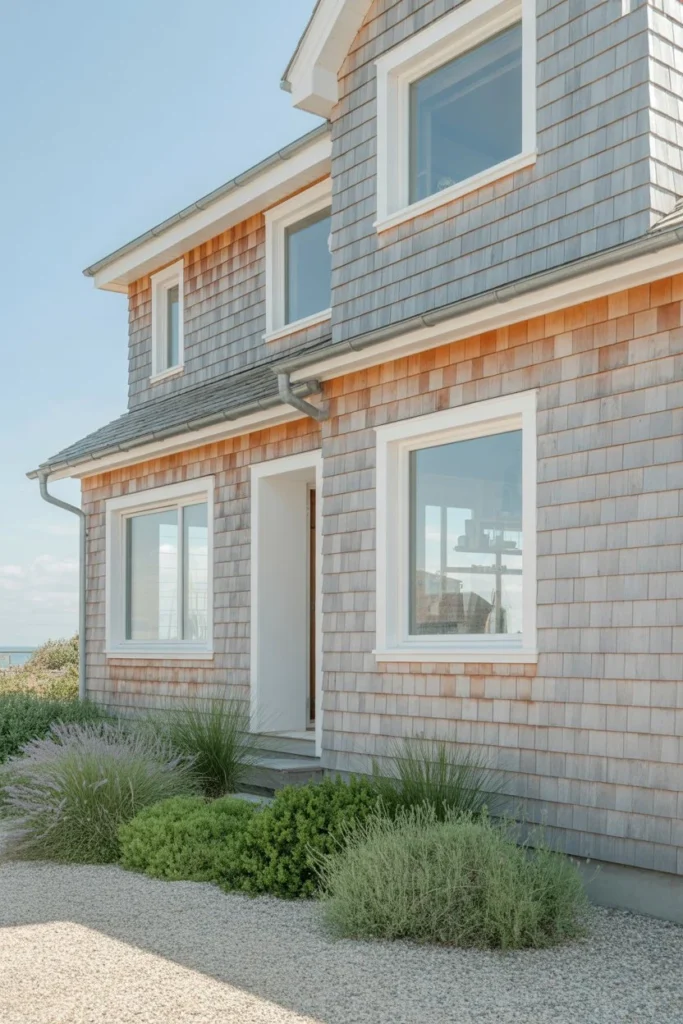
Cedar shake siding provides a rustic yet refined appearance that suits coastal and traditional homes. Its textured, irregular surface adds depth and natural charm that flat siding cannot copy. Cedar naturally resists insects and moisture, and each shake has its own grain pattern, so no two walls ever look exactly alike. It is the classic choice for beach cottages, mountain cabins, and shingle style homes.
Shakes are usually 18 to 24 inches long and are installed with a 7 to 10 inch exposure, which creates the layered, hand crafted look. You can leave cedar to weather naturally to a soft silver gray, or stain it to hold a warm brown or amber tone. A semi transparent stain in a natural cedar tone is the most popular finish because it protects the wood while showing the grain. This is also a great material for a woodland retreat, and it pairs well with the rustic looks in our cabin exterior ideas.
Cedar shake typically costs 10 to 18 dollars per square foot installed, and it needs more care than vinyl or fiber cement. Treat it every 3 to 5 years, keep shrubs trimmed back so air can circulate, and keep the bottom course at least 6 inches above the ground. Cedar shake pairs beautifully with stone, brick, or clapboard siding on different parts of the same house. While it asks for periodic maintenance, its unique character and warmth make it a timeless favorite.
12. Painted Brick Siding
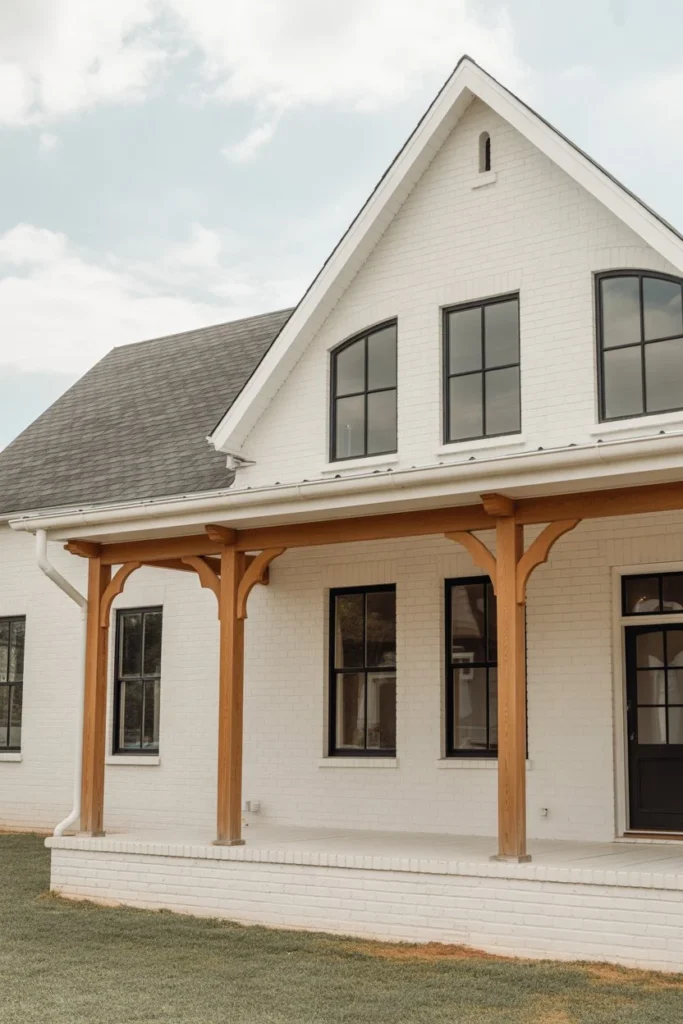
Painted brick offers a fresh take on traditional masonry siding. By applying paint, homeowners can modernize an older brick home or achieve a specific color palette without rebuilding anything. White, light gray, and black painted brick are especially popular in modern farmhouse designs, where the painted surface gives an old house a clean, updated look in a matter of days.
Preparation is everything with painted brick. The wall must be cleaned, loose mortar repaired, and a proper masonry primer applied before the topcoat. Use a breathable mineral paint or a high quality latex masonry paint so moisture can escape from the brick instead of getting trapped behind the paint film. Trapped moisture is the main cause of peeling paint on brick, so never use a non breathable coating or paint over damp brick.
A professional paint job on brick costs around 3 to 6 dollars per square foot and should last 7 to 10 years before it needs touch ups. Painted brick keeps the durability of brick while offering a customizable look, and it pairs beautifully with wood accents and metal fixtures for a balanced blend of classic and contemporary style. Keep in mind that painting brick is hard to reverse, so test your color on a small hidden section first and live with it for a few days before painting the whole house.
13. Engineered Wood Siding
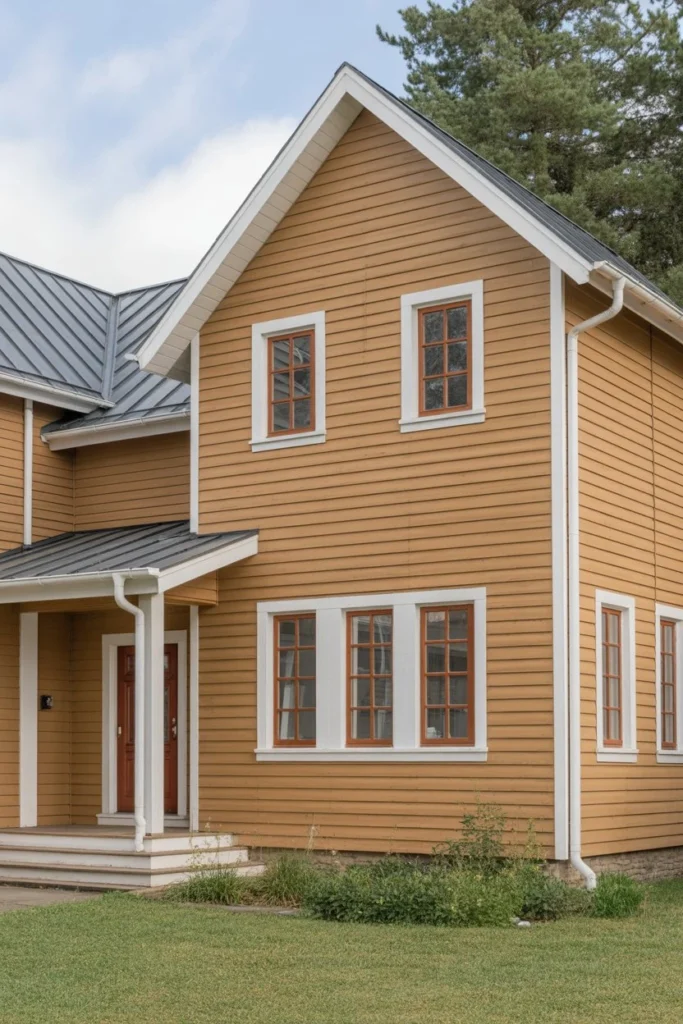
Engineered wood siding offers the look of real wood with better durability and a lower price. It is made from wood fibers and resins pressed into boards, and it resists moisture, pests, and warping better than traditional wood. It comes in lap, panel, and trim profiles, so it can copy the look of clapboard, board and batten, or shake without the same maintenance burden. Popular brands also offer it pre primed, ready for any paint color you choose.
One of the biggest advantages is easy installation. Engineered wood cuts and nails with standard woodworking tools, which keeps labor costs down compared with fiber cement. It also holds paint well and resists the cracking and splitting that can affect solid wood boards. Because the boards are manufactured, they are straighter and more consistent than natural wood, which means tighter joints and a cleaner finished wall.
Installed cost runs about 6 to 10 dollars per square foot, and many products carry a 50 year warranty. Keep the siding at least 6 inches above grade, inspect the caulk at joints once a year, and repaint every 8 to 10 years. With proper finishing, engineered wood siding can last for decades and complement both modern and traditional home designs. It is a practical middle ground for homeowners who want natural wood looks without high upkeep.
14. Shiplap Exterior Siding

Shiplap siding is known for its overlapping boards that create subtle texture and charm on home exteriors. The boards lock together with a small rabbet joint, which leaves a thin shadow line between each course. While shiplap is often associated with interiors, exterior shiplap creates clean lines and visual interest without looking busy. It works especially well in coastal and farmhouse style homes.
For exterior use, choose fiber cement or engineered wood shiplap rather than raw pine, since these materials handle rain and sun far better. Boards are usually 6 to 8 inches wide, and light neutral tones like white, pale gray, or soft blue enhance the crisp appearance. The shadow lines catch sunlight during the day, which gives the wall a gentle rhythm that flat siding lacks.
Proper installation and sealing are important to prevent moisture from getting behind the boards. Flash all horizontal joints, seal the ends, and keep the bottom course clear of soil and mulch. Installed cost is around 6 to 12 dollars per square foot depending on the material. Shiplap pairs beautifully with covered porches, metal roofs, and simple landscaping designs, and it gives a home a relaxed, coastal character that feels welcoming year round.
15. Concrete Panel Siding
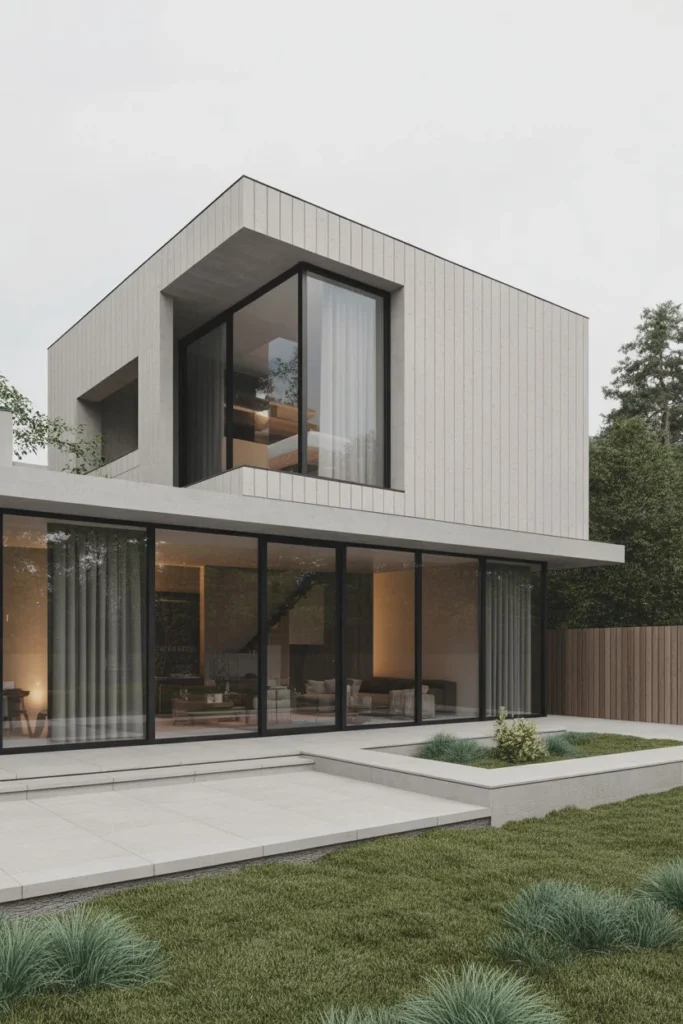
Concrete panel siding is a bold and modern exterior siding idea suited for contemporary architecture. Large concrete panels create a minimalist and industrial look while offering exceptional durability and fire resistance. This siding choice is often used in high end residential designs where the architect wants the wall itself to be the statement, with no ornament or trim to distract from it.
Panels can be up to 4 by 10 feet, and they are usually fiber cement panels or glass fiber reinforced concrete mounted on a rain screen system. The gaps between panels are part of the design, so they are planned as clean, even joints rather than hidden seams. Because the panels are heavy and the system is technical, this is a job for an experienced installer, and the structure must be checked to carry the extra weight.
Installed cost runs about 12 to 25 dollars per square foot, which is higher than most sidings, but the long lifespan and very low maintenance make it a worthwhile investment for the right home. Concrete panels pair well with glass, metal, and wood accents for a balanced look: a warm wood entry or a black steel window frame keeps the concrete from feeling cold. This siding style is ideal for homeowners seeking a unique, architectural statement that will still look modern decades from now.
16. Traditional Clapboard Siding

Clapboard siding is a classic exterior siding idea that has stood the test of time. It features horizontal wooden boards that overlap slightly, creating a clean, orderly appearance that enhances curb appeal. You will see it on colonial and traditional American homes, where its simple rhythm has looked right for centuries. It is the siding that most people picture when they think of a classic American house.
Today clapboard is available in wood, vinyl, and fiber cement, so you can keep the traditional look with modern performance. A 4 to 6 inch exposure is the classic proportion, and wider exposures give a slightly more modern feel. It can be painted in any color, from crisp white to deep navy, which makes it easy to update the look of a home without changing the siding. White with black shutters is the timeless combination, while soft gray or pale yellow give a gentler, cottage feel.
Cost depends on the material and runs about 4 to 12 dollars per square foot installed. Wood clapboard needs repainting every 5 to 7 years, vinyl needs almost no maintenance, and fiber cement sits in between with a repaint every 10 to 15 years. This timeless siding option provides charm, durability, and a sense of tradition that remains popular across generations, and it is one of the safest choices if resale value matters to you.
Final Thoughts
Selecting the right siding can dramatically transform your home appearance and value. These 16 exterior siding ideas showcase a wide range of styles, materials, and design possibilities to suit modern, farmhouse, and classic homes. By weighing durability, maintenance, climate, and visual impact together, you can choose a siding solution that enhances both beauty and performance instead of picking on looks alone.
Before you commit, order samples of your top two or three materials and view them on your actual house in morning and evening light. Check any HOA rules or local building codes, and get at least three quotes from licensed siding contractors so you can compare both price and installation method. Whether you prefer bold modern statements or timeless traditional charm, the right exterior siding will elevate your home curb appeal for years to come.
Frequently Asked Questions
What is the most durable exterior siding?
Brick and fiber cement are the most durable choices. Brick can last 100 years or more with basic care, while fiber cement typically lasts 50 years and resists fire, insects, and rot. Stone veneer is also extremely long lasting. Vinyl and engineered wood are durable too, but they usually need replacement sooner than brick or fiber cement.
What is the cheapest exterior siding option?
Vinyl siding is the cheapest option, at around 3 to 7 dollars per square foot installed. It is also one of the lowest maintenance materials. Engineered wood and fiber cement cost a little more, usually 6 to 12 dollars per square foot, but they offer a more premium look and longer paint life.
How long does exterior siding last?
It depends on the material. Vinyl lasts 20 to 40 years, wood lasts 20 to 40 years with regular maintenance, fiber cement lasts around 50 years, metal lasts 40 to 70 years, and brick can last a century or longer. Climate, installation quality, and maintenance have a big effect, so a well installed siding in a mild climate will outlast the same material installed poorly in harsh weather.
Can I install new siding over old siding?
In many cases yes, but only if the old siding is flat, sound, and dry. Vinyl and fiber cement can often go over old wood or vinyl, but you must first fix any rot, mold, or moisture damage underneath, because covering it up will only make it worse. Brick and stucco usually need to be removed or professionally assessed first. Always check local building codes, since some areas limit how many layers of siding a wall can have.
What color siding is best for resale value?
Neutral colors sell best: white, light gray, beige, and soft greige appeal to the widest range of buyers. Dark colors like charcoal and navy are trendy and can look striking, but they suit modern homes better than traditional ones. If resale is a priority, pair a neutral siding color with a colorful front door, which adds personality without limiting your buyer pool.