15 Eco-Friendly Cooling Tips to Naturally Keep Your Home Fresh

Keeping your home cool during the warmer months doesn’t always require blasting the air conditioner all day. In fact, there are many eco-friendly cooling techniques that can naturally lower indoor temperatures while reducing energy consumption and utility bills. These simple strategies rely on smart airflow, natural materials, shading, and thoughtful home design to maintain a comfortable environment even during hot summer days.
Sustainable cooling methods not only help protect the environment but also create a fresher, healthier indoor atmosphere. By improving ventilation, blocking excess sunlight, and incorporating natural elements like plants and breathable fabrics, you can make your home feel cooler without relying heavily on electricity. Many of these tips are affordable and easy to implement, making them perfect for both small apartments and larger homes.
1. Maximize Cross Ventilation
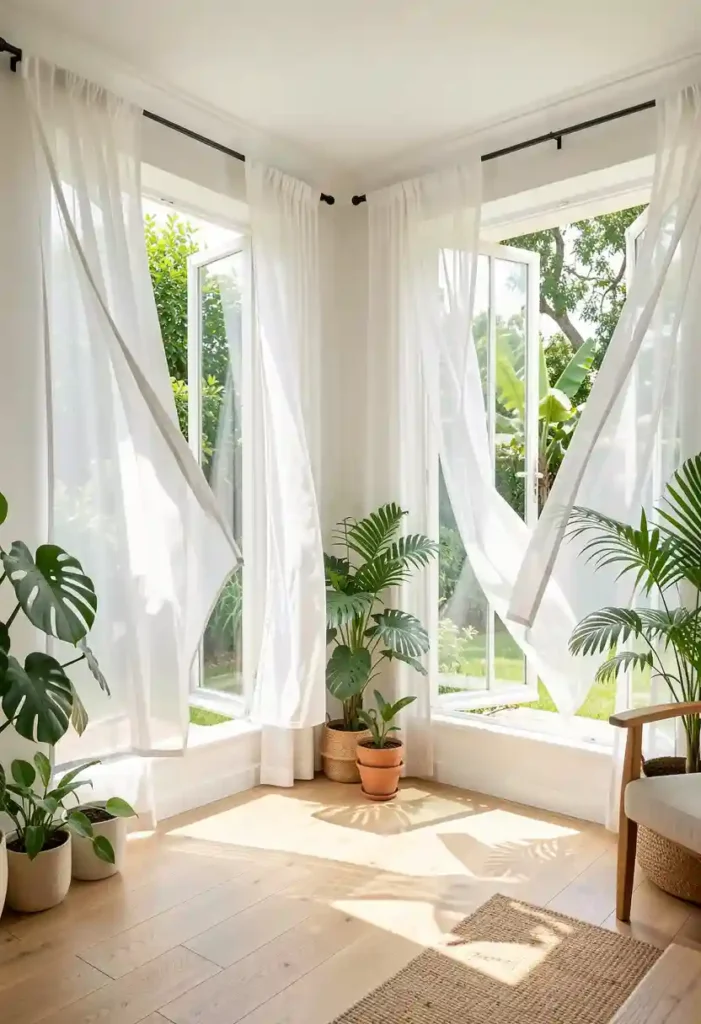
One of the most effective natural cooling techniques is cross ventilation, which allows fresh air to flow through your home and remove warm, stagnant air. This method works by opening windows or doors on opposite sides of the house so that air can travel across the interior space.
During cooler hours early morning and evening open windows to allow fresh outdoor air to circulate through your rooms. This airflow naturally cools the indoor environment and reduces the need for air conditioning. To improve cross ventilation, keep interior doors open and remove obstacles that block airflow. You can also place a fan near a window to help push hot air out while drawing cooler air inside.
2. Use Light-Colored Curtains and Blinds
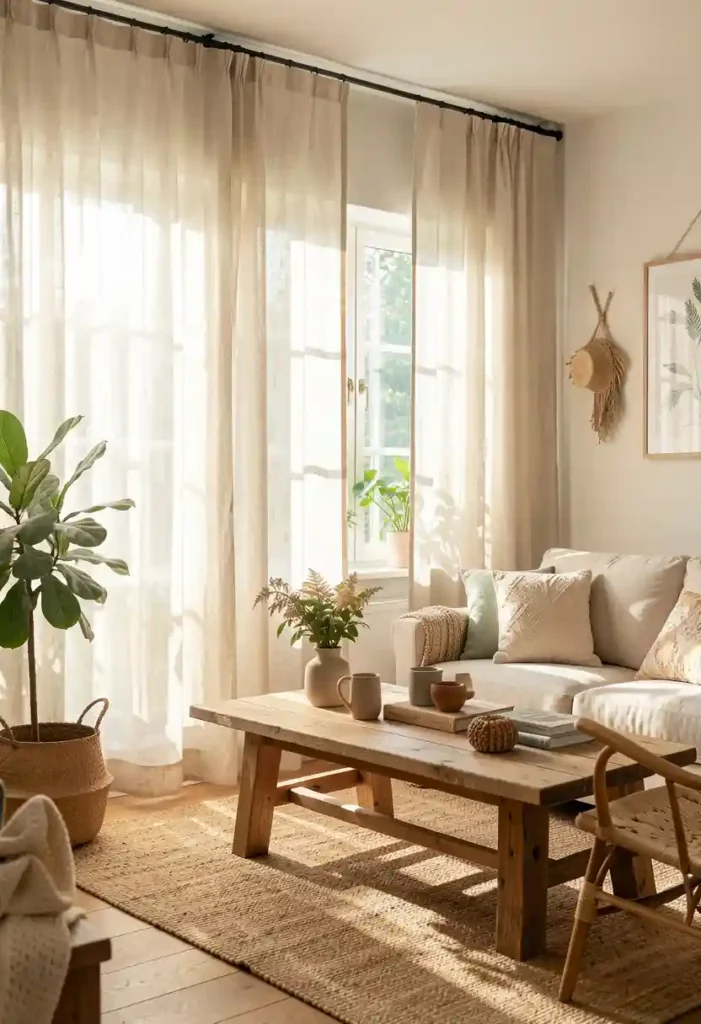
Sunlight streaming through windows can significantly increase indoor temperatures, especially during midday. One simple and eco-friendly solution is to use light-colored curtains or reflective blinds.
Light fabrics such as white, beige, or pastel shades reflect sunlight instead of absorbing heat. This helps keep rooms cooler while still allowing natural daylight to brighten the space. Thermal or blackout curtains are particularly effective in rooms that receive direct afternoon sun. Closing them during peak heat hours prevents the sun from warming your floors, furniture, and walls.
Read Also: 13 4th of July House Exterior Ideas Featuring the American Flag
3. Add Indoor Plants for Natural Cooling
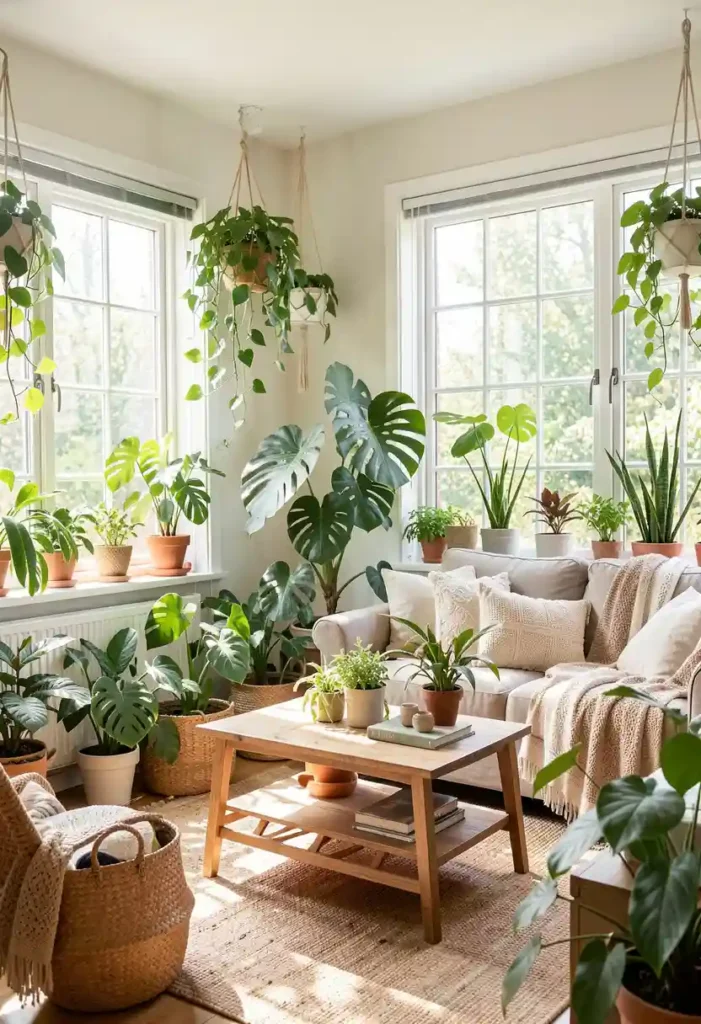
Indoor plants not only improve air quality but also help cool your home naturally. Through a process called transpiration, plants release moisture into the air, which can slightly reduce surrounding temperatures.
Large leafy plants like monstera, rubber plants, or peace lilies are especially effective because they release more moisture and provide gentle shading near windows. Positioning plants near sunny windows helps block some direct sunlight while creating a refreshing green environment indoors. Hanging plants or vertical plant shelves can also add cooling benefits without taking up floor space.
4. Switch to Breathable Bedding
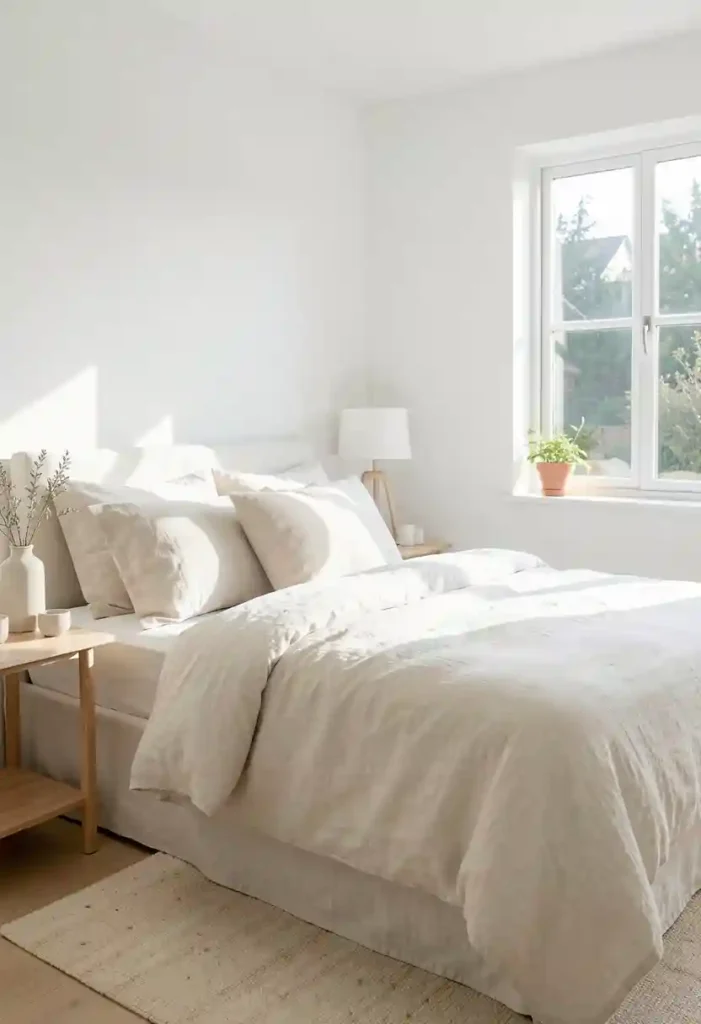
Heavy bedding materials can trap heat and make sleeping uncomfortable during warm nights. Switching to breathable fabrics like cotton, bamboo, or linen is an eco-friendly way to stay cool. These natural materials allow better air circulation and wick moisture away from the body, helping regulate temperature while you sleep.
Light-colored sheets are also helpful because they reflect heat rather than absorbing it. Removing heavy blankets and replacing them with lightweight throws keeps the bed comfortable during hot nights. Bamboo bedding is particularly popular for summer because it is naturally cooling, sustainable, and soft.
5. Install Outdoor Shade Solutions
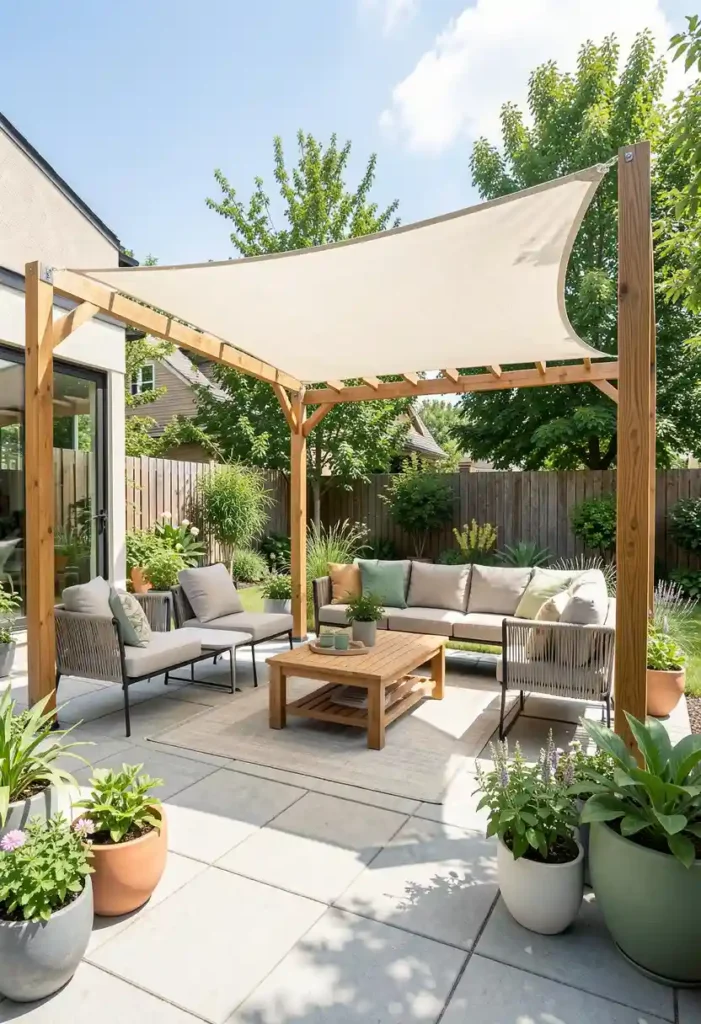
Blocking sunlight before it enters your home is one of the most effective cooling strategies. Installing outdoor shade solutions like awnings, pergolas, or shade sails can reduce indoor temperatures significantly.
These structures prevent direct sunlight from hitting windows and exterior walls, which keeps interior spaces cooler throughout the day. Shade sails and fabric canopies are particularly popular because they are affordable, easy to install, and visually appealing. Pergolas with climbing plants also add natural shade while enhancing your garden.
6. Cook Outside or Use Small Appliances
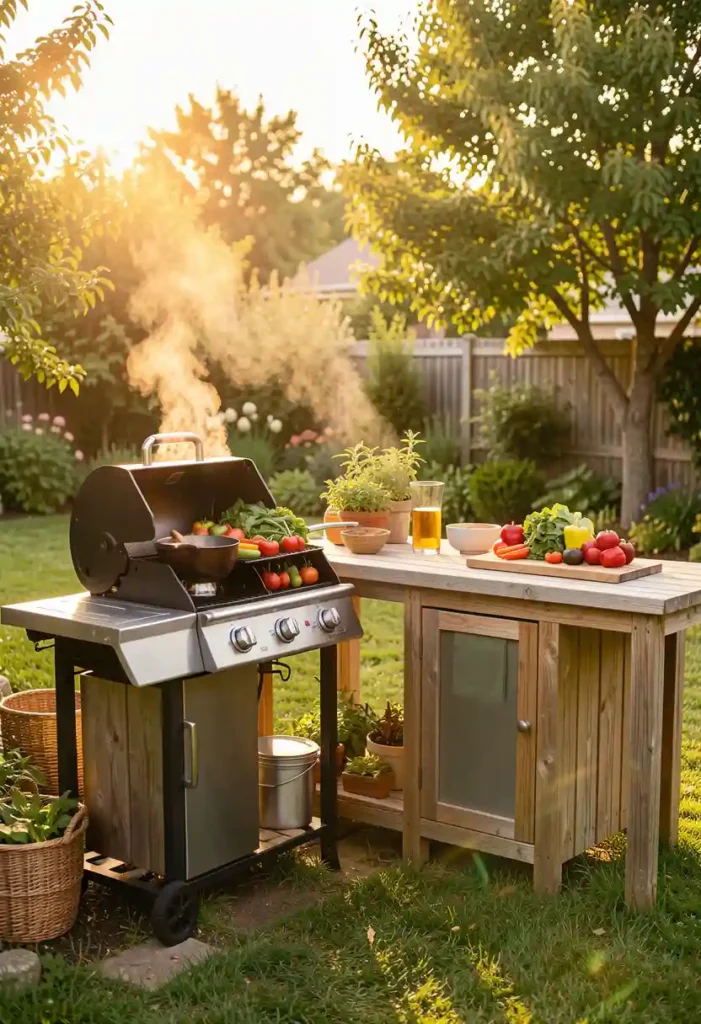
Cooking indoors during hot weather can quickly raise the temperature inside your home, especially when using ovens or stovetops for long periods. A simple eco-friendly solution is to cook outdoors or rely on smaller appliances that generate less heat. Grilling on a barbecue, using an outdoor kitchen setup, or preparing meals on a patio keeps heat outside instead of trapping it inside your house. This approach is especially popular during summer gatherings and family meals.
If outdoor cooking isn’t an option, consider switching to small appliances like air fryers, slow cookers, pressure cookers, or microwaves. These appliances use less energy and release far less heat than traditional ovens.
7. Use Ceiling Fans Efficiently
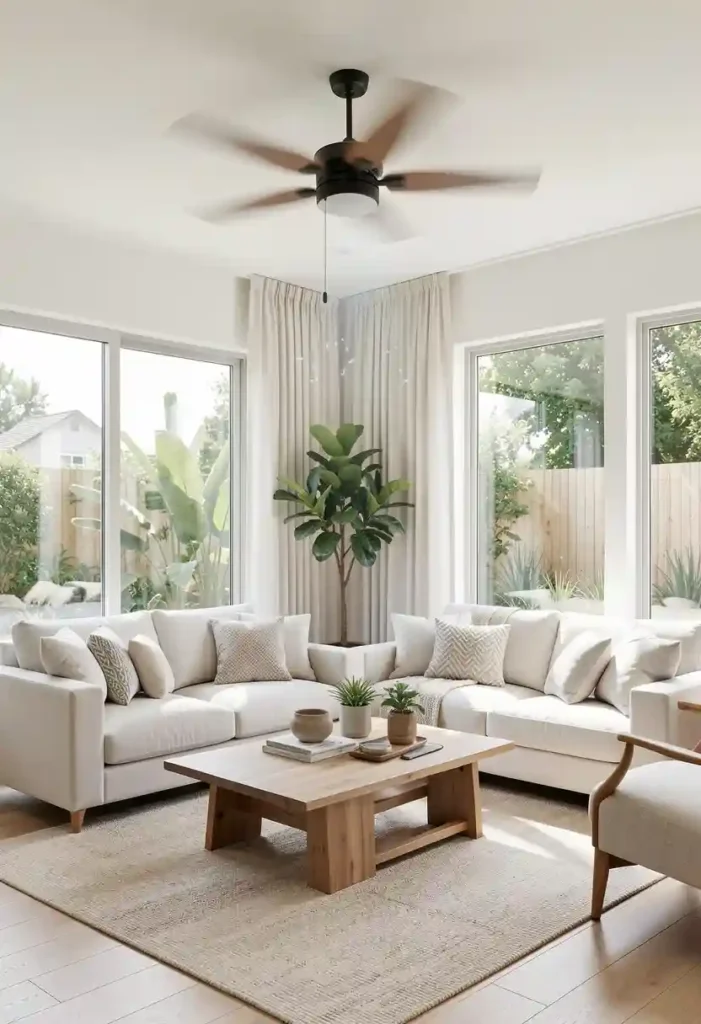
Ceiling fans are one of the most energy-efficient ways to cool a room. Unlike air conditioners, they use significantly less electricity while still making indoor spaces feel noticeably cooler.
Fans work by circulating air and creating a wind-chill effect that helps evaporate moisture from your skin, which makes the room feel cooler even if the actual temperature doesn’t change. During summer, ceiling fans should rotate counterclockwise to push air downward and create a refreshing breeze. This simple adjustment can improve comfort without increasing energy use.
8. Seal Windows and Doors
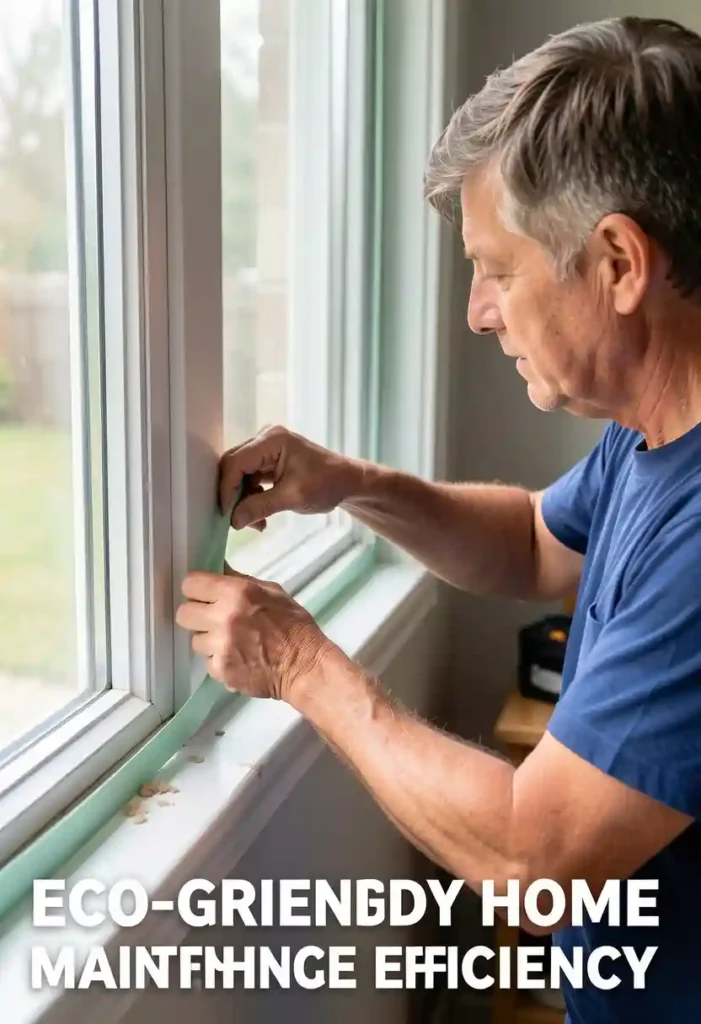
Tiny gaps around windows and doors can allow warm outdoor air to enter your home while letting cooler indoor air escape. Sealing these gaps is an easy eco-friendly improvement that helps maintain a comfortable indoor temperature.
Weatherstripping, door sweeps, and window sealants can block unwanted heat from entering during hot summer days. These materials are inexpensive and easy to install, making them a practical upgrade for many homes.
9. Create Natural Shade with Trees
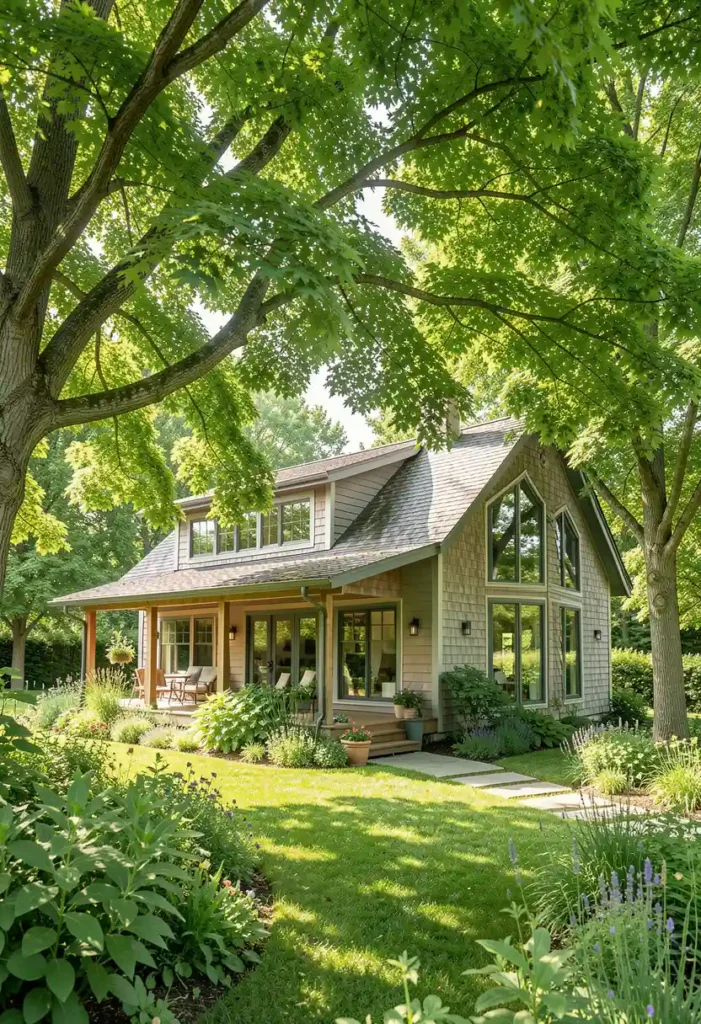
Planting trees around your home is one of the most sustainable ways to reduce indoor heat. Trees provide natural shade that blocks sunlight from reaching walls, windows, and roofs.
Strategically planted trees can lower surrounding temperatures and significantly reduce cooling costs. Deciduous trees are especially beneficial because they provide shade in summer while allowing sunlight through during winter.
10. Switch to LED Lighting
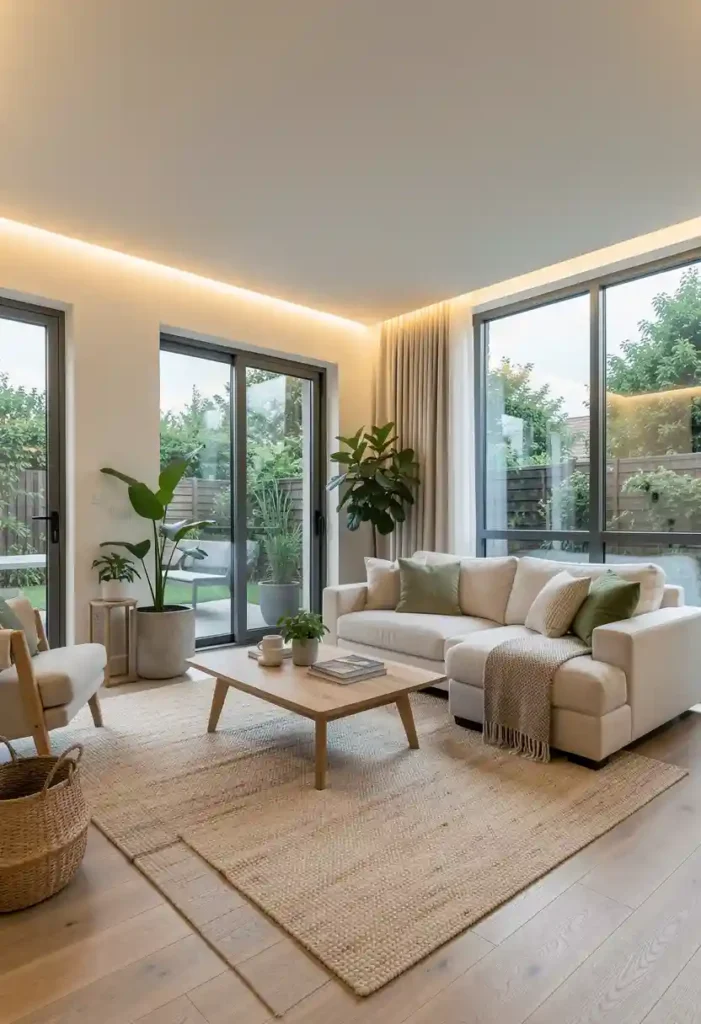
Traditional incandescent bulbs produce a surprising amount of heat, which can make indoor spaces warmer during summer months. Switching to LED lighting is a simple eco-friendly solution that helps keep your home cooler.
LED bulbs use significantly less electricity and emit very little heat compared to older lighting technologies. This makes them ideal for maintaining a comfortable indoor temperature while also reducing energy consumption. In addition to cooling benefits, LED lights last much longer than traditional bulbs, which means fewer replacements and less waste. They are available in a variety of brightness levels and color temperatures, allowing you to create comfortable lighting for every room in your home.
11. Use Natural Fiber Rugs
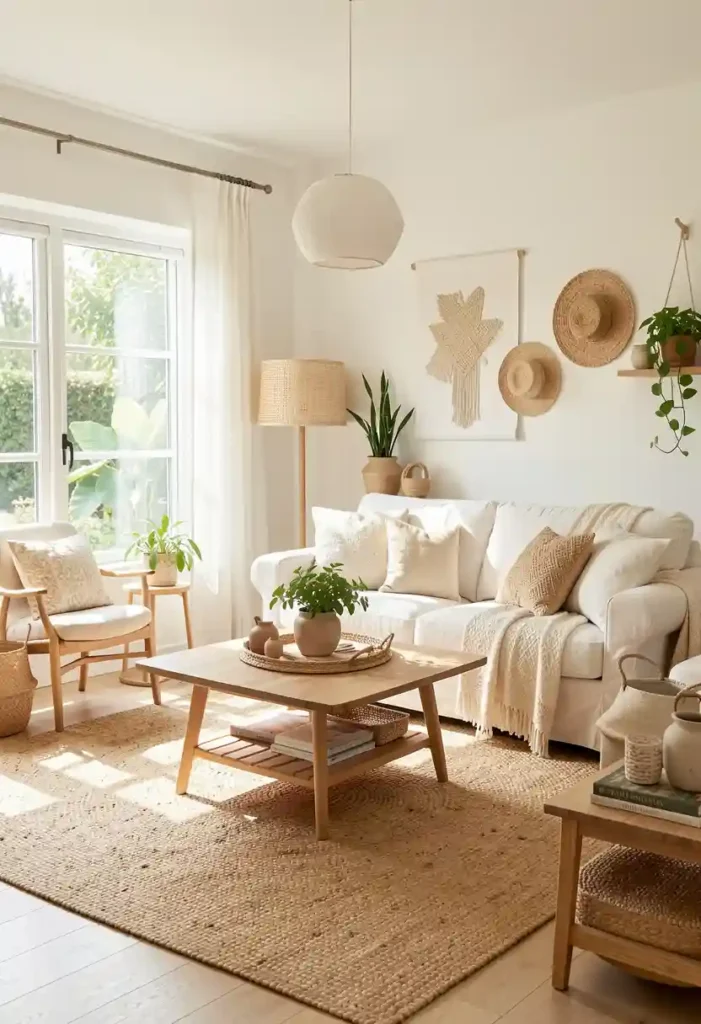
Flooring materials can influence how warm or cool your home feels during summer. Synthetic carpets tend to trap heat, while natural fiber rugs offer better breathability and temperature balance.
Rugs made from materials like jute, cotton, bamboo, or seagrass are excellent eco-friendly choices for warmer seasons. These materials allow better airflow and feel cooler underfoot compared to thick synthetic carpets. Lightweight cotton rugs are especially useful for bedrooms and living rooms, while jute and seagrass rugs work well in entryways or dining spaces.
12. Create a Cooling Night Routine
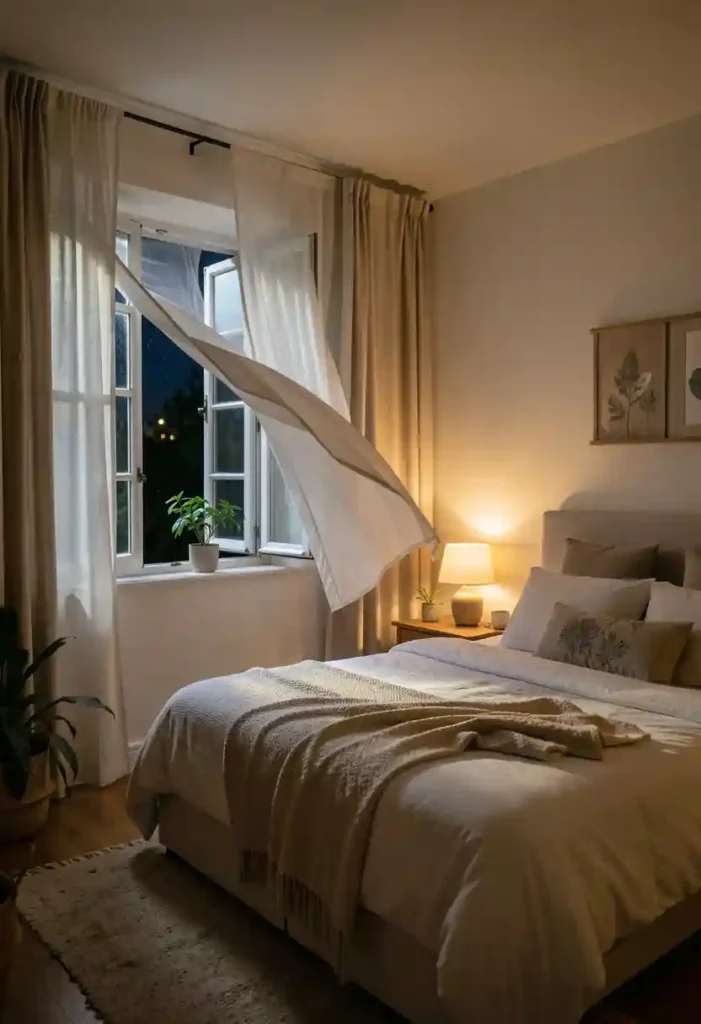
Nighttime temperatures are usually cooler than daytime temperatures, making evenings the ideal time to naturally cool your home. Open windows after sunset to allow fresh air to circulate throughout the house. This helps flush out heat that built up during the day.
Using fans near windows can help draw cool air inside while pushing warm air outside. Lightweight bedding, breathable pajamas, and minimal lighting also help maintain a comfortable sleeping environment. Closing curtains and windows again early in the morning helps trap the cooler air indoors before outdoor temperatures rise.
13. Use Reflective Window Film
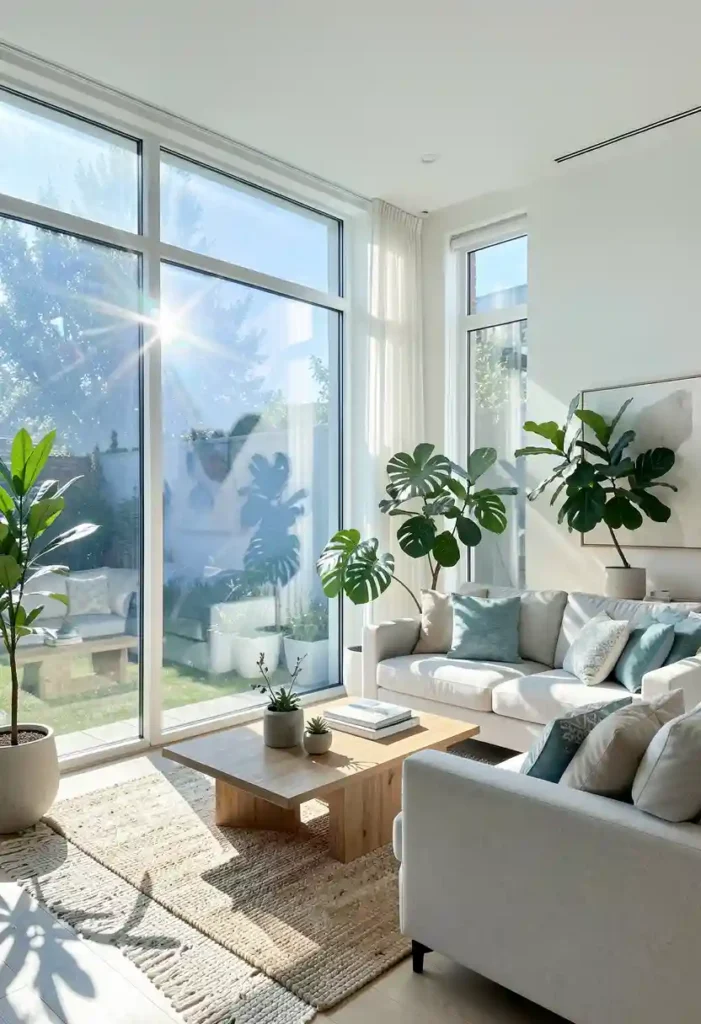
Reflective window film is a smart and eco-friendly solution for reducing indoor heat caused by direct sunlight. This thin, transparent layer is applied to the inside of windows and reflects a portion of the sun’s heat and UV rays away from the glass.
By reducing solar heat gain, reflective films help maintain cooler indoor temperatures without blocking natural daylight completely. Rooms that receive strong afternoon sun can benefit the most from this upgrade. Another advantage of window film is that it protects furniture, flooring, and fabrics from fading due to UV exposure. This helps extend the lifespan of your interior décor while improving comfort.
14. Choose Breathable Furniture Materials
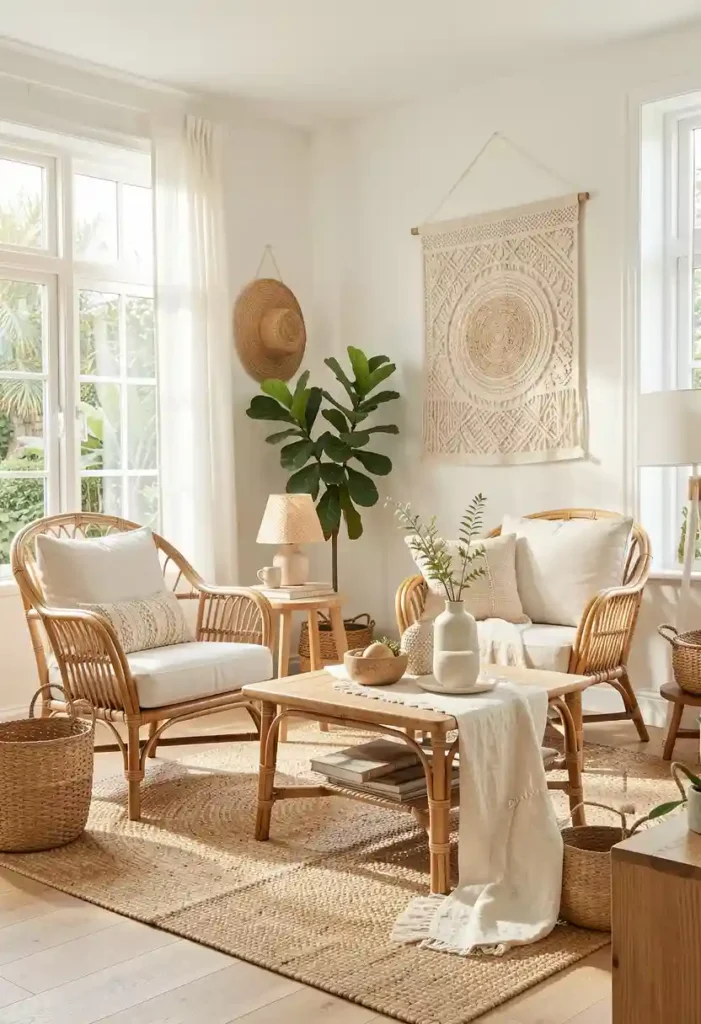
The materials used in furniture can influence how comfortable a room feels during hot weather. Heavy fabrics like velvet or synthetic upholstery tend to trap heat, while breathable materials create a cooler environment.
Switching to furniture with cotton, linen, rattan, or wicker elements can help improve airflow and comfort. These materials are lightweight and naturally suited for warm climates. Rattan chairs, woven baskets, and wooden furniture pieces also bring a relaxed summer aesthetic into your home. They reflect heat rather than absorbing it and make rooms feel more open and airy.
15. Create a Green Balcony or Patio
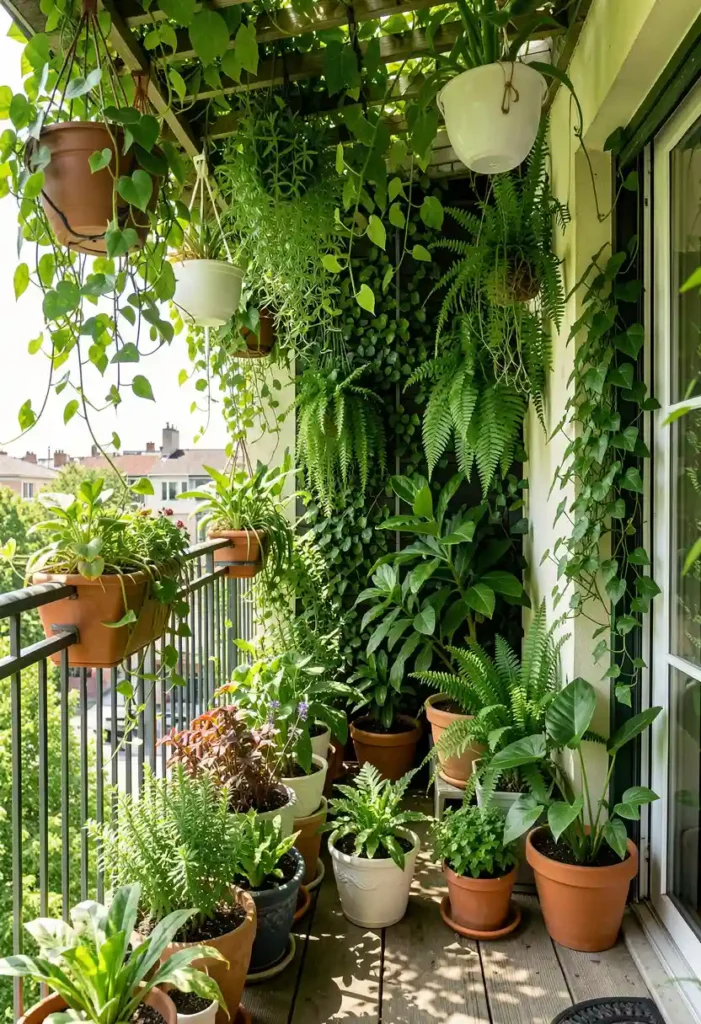
Outdoor greenery can significantly influence how cool your home feels. Balconies, patios, or terraces filled with plants help lower surrounding temperatures through natural shading and evaporation.
Large plants, climbing vines, and vertical gardens can block sunlight from hitting exterior walls and windows. This natural barrier reduces heat transfer into your home. Balcony gardens also create a relaxing outdoor retreat where you can enjoy fresh air during cooler mornings and evenings.
Final Words
Keeping your home cool during the summer doesn’t always require high energy use or expensive cooling systems. By incorporating simple eco-friendly cooling strategies, you can create a naturally comfortable living environment while reducing your environmental impact. Small changes like improving airflow, blocking excess sunlight, choosing breathable fabrics, and adding greenery can make a noticeable difference in how fresh and cool your home feels.