12 Easy Native Plants for Summer Gardening in the USA
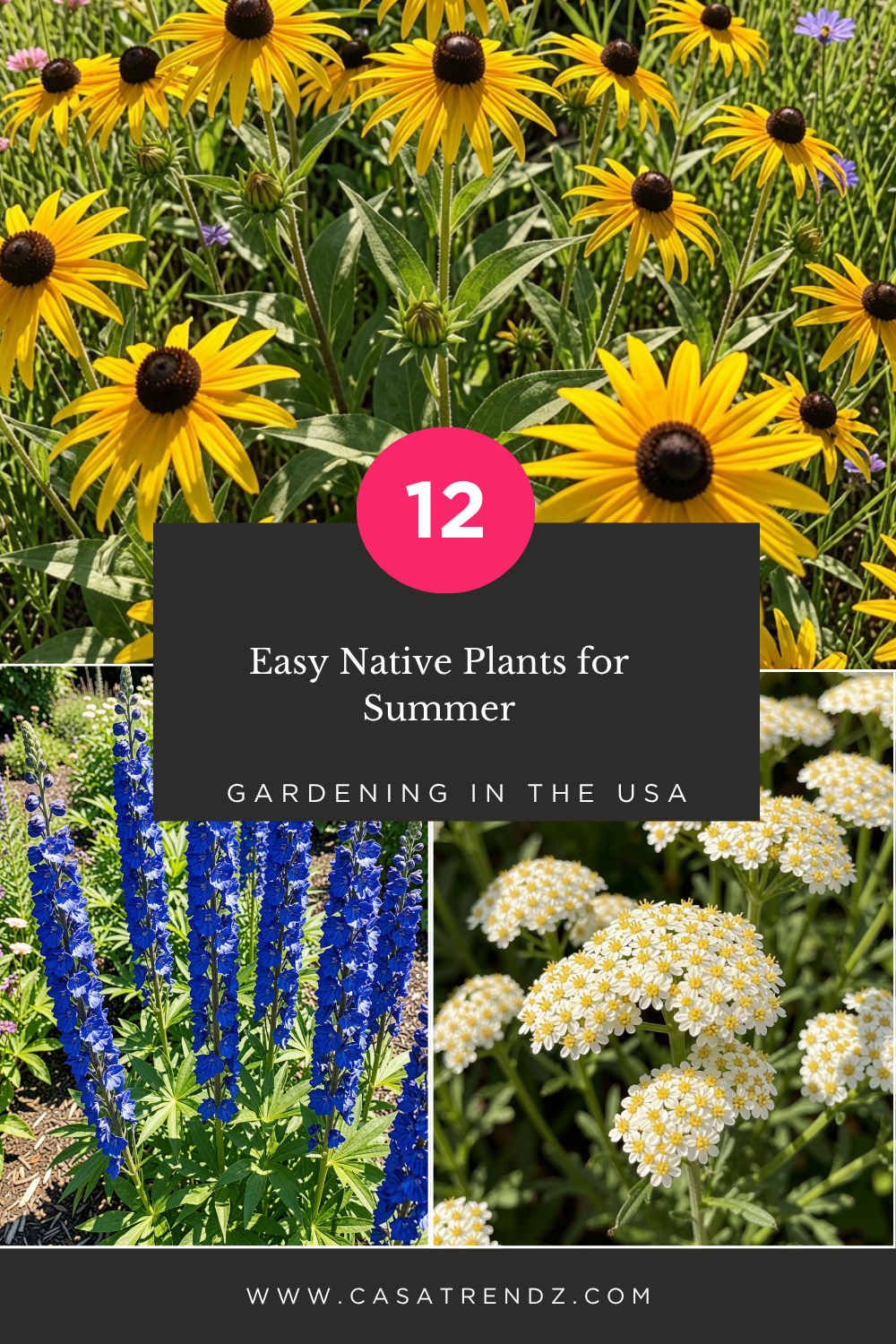
Creating a thriving summer garden doesn’t have to be complicated or high-maintenance. By choosing native plants, you can enjoy a beautiful landscape that naturally adapts to your local climate, requires less water, and supports pollinators like bees and butterflies. Native plants are already suited to the soil, rainfall, and temperature patterns of the USA, making them one of the easiest and most sustainable choices for gardeners of all skill levels.
Whether you have a large backyard or a small patio, incorporating native plants can instantly elevate your outdoor space while reducing the need for fertilizers and constant care. In this guide, you’ll discover 12 easy native plants perfect for summer gardening across the United States. Each option is beginner-friendly, visually appealing, and resilient helping you build a lush, eco-friendly garden that thrives even during the hottest months.
1. Black-Eyed Susan (Rudbeckia hirta)
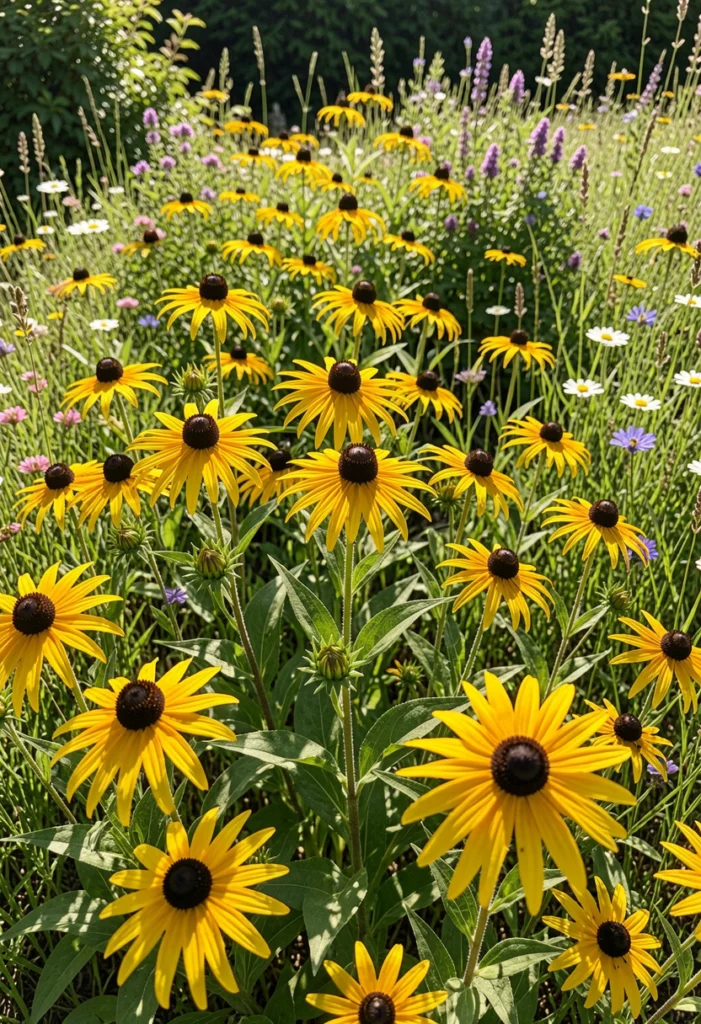
Black-Eyed Susans are one of the most recognizable native flowers in the USA, known for their bright yellow petals and dark brown centers. These cheerful blooms thrive in full sun and can tolerate poor soil, making them ideal for beginners who want instant color without extra effort. Once established, they are drought-tolerant and require minimal watering, which is perfect for hot summer conditions.
These flowers are also excellent for attracting pollinators like bees and butterflies, helping your garden become a lively ecosystem. They bloom continuously from early summer through fall, giving your garden long-lasting visual appeal. Deadheading spent flowers can encourage even more blooms, but it’s not strictly necessary for success.
2. Purple Coneflower (Echinacea purpurea)
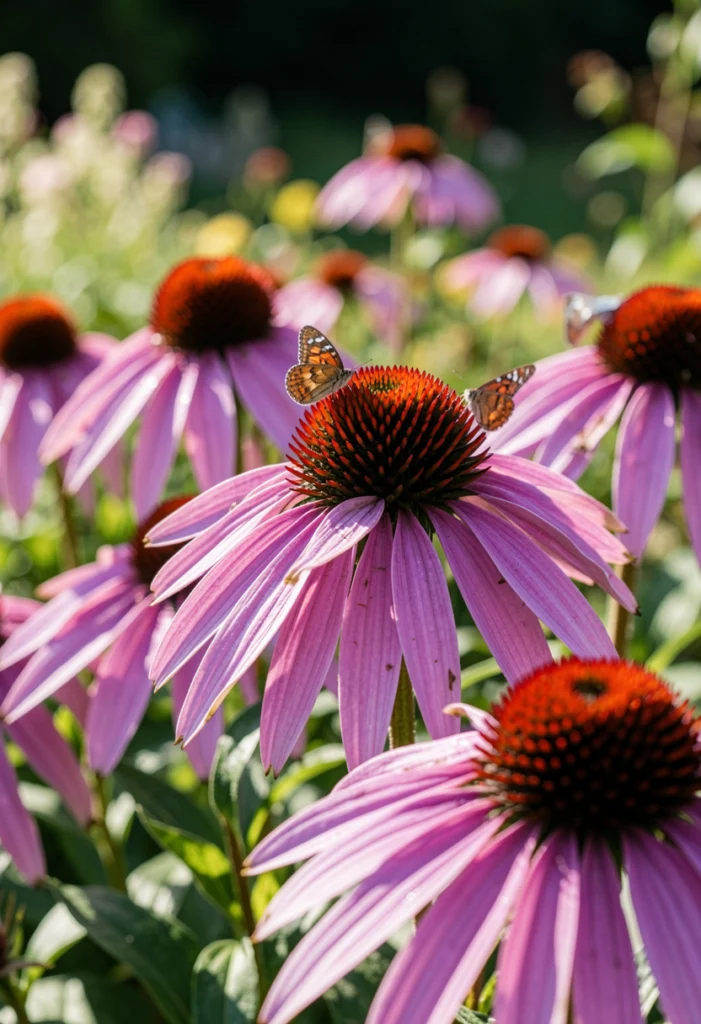
Purple Coneflower is a hardy and versatile native plant that adds a pop of soft purple hues to any summer garden. Known for its distinctive cone-shaped center, this plant thrives in sunny conditions and well-drained soil. It’s highly drought-resistant once established, making it a reliable option during intense summer heat.
One of the biggest advantages of coneflowers is their ability to attract beneficial wildlife. Butterflies love the nectar-rich blooms, while birds are drawn to the seeds in late summer and fall. This makes your garden not only beautiful but also ecologically beneficial.
3. Bee Balm (Monarda)
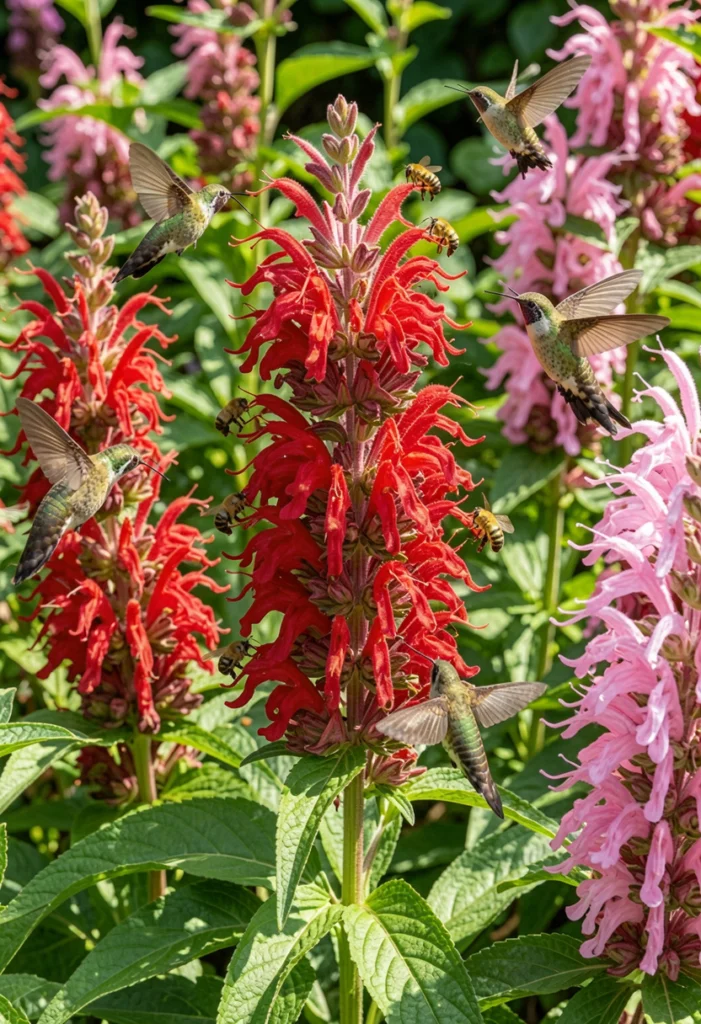
Bee Balm is a vibrant native plant that produces striking red, pink, or purple flowers that look like bursts of fireworks. It thrives in full sun to partial shade and prefers moist soil, making it a great option for gardeners who want something bold and eye-catching.
As the name suggests, Bee Balm is a magnet for pollinators. Bees, butterflies, and even hummingbirds flock to its nectar-rich blooms, turning your garden into a buzzing hub of activity. It also has a pleasant herbal fragrance, adding a sensory experience to your outdoor space.
See Also: 13 Trending Exterior House Color Ideas You’ll Love
4. Butterfly Weed (Asclepias tuberosa)
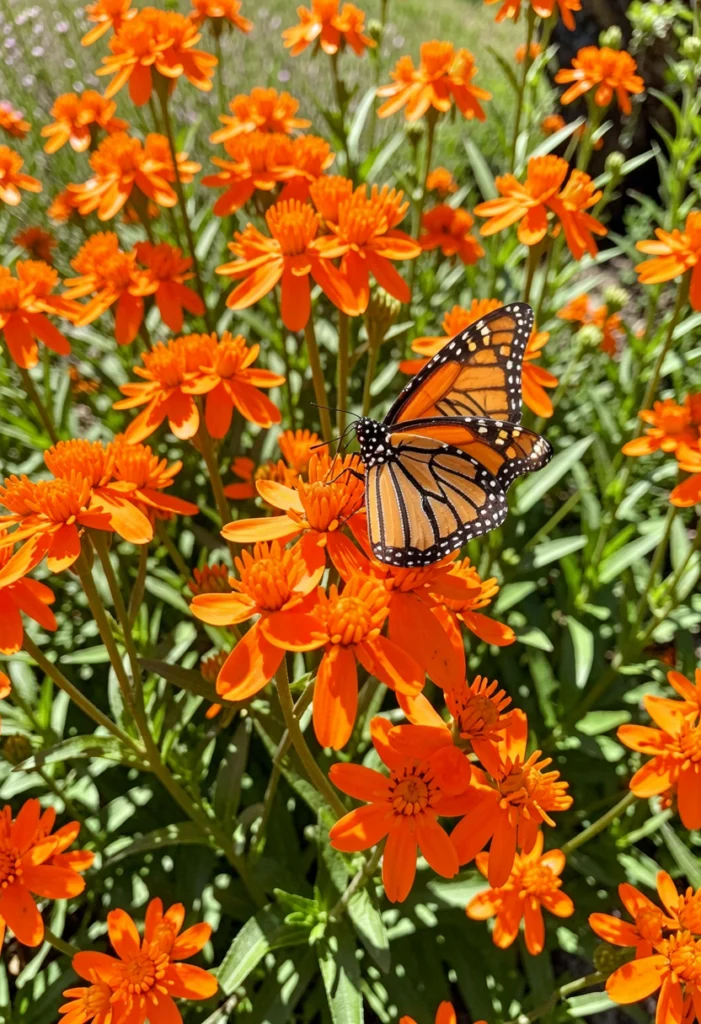
Butterfly Weed is a must-have native plant if you want to support pollinators, especially monarch butterflies. Its bright orange flowers stand out beautifully against green foliage and thrive in hot, sunny conditions.
This plant is incredibly drought-tolerant and prefers well-drained soil, making it perfect for low-maintenance gardens. Once established, it requires very little care and can survive even in tough conditions. Butterfly Weed is essential for monarch butterflies because it serves as a host plant for their larvae. By adding it to your garden, you’re directly contributing to the survival of this iconic species.
5. Coreopsis (Tickseed)
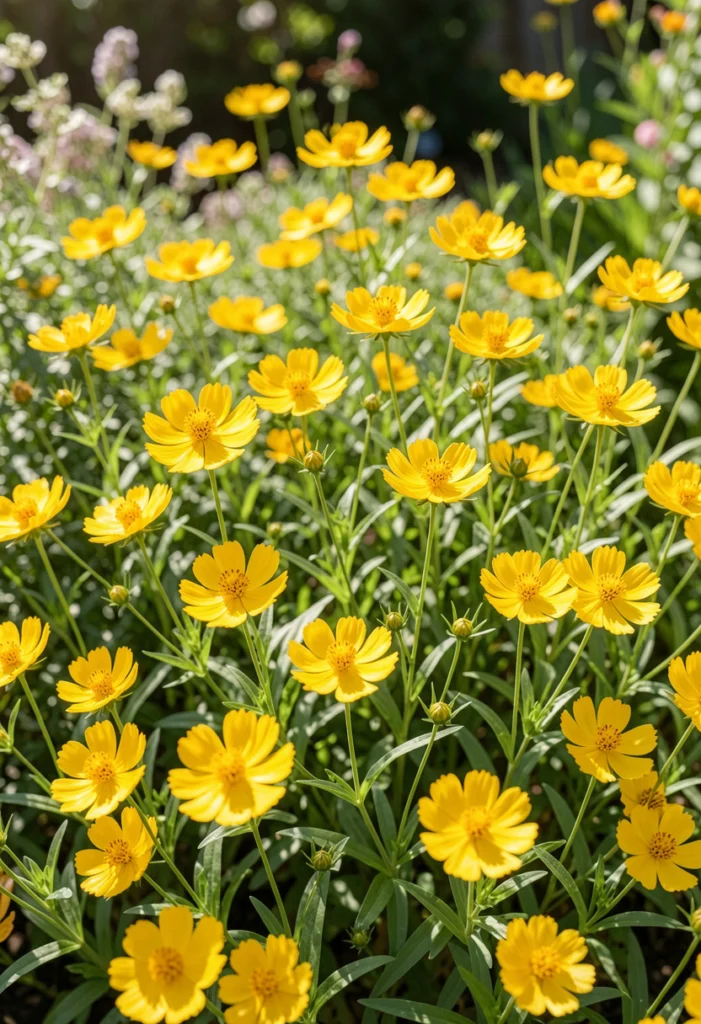
Coreopsis is a cheerful native plant known for its daisy-like yellow flowers. It thrives in full sun and poor soil conditions, making it an excellent choice for beginners or those looking for low-effort gardening options.
This plant blooms profusely throughout the summer, creating a carpet of color that brightens any landscape. It’s also drought-tolerant and requires minimal watering once established. Coreopsis attracts pollinators like bees and butterflies, making it both beautiful and functional. It’s perfect for borders, containers, or mass plantings where you want a bold visual impact.
6. Wild Bergamot
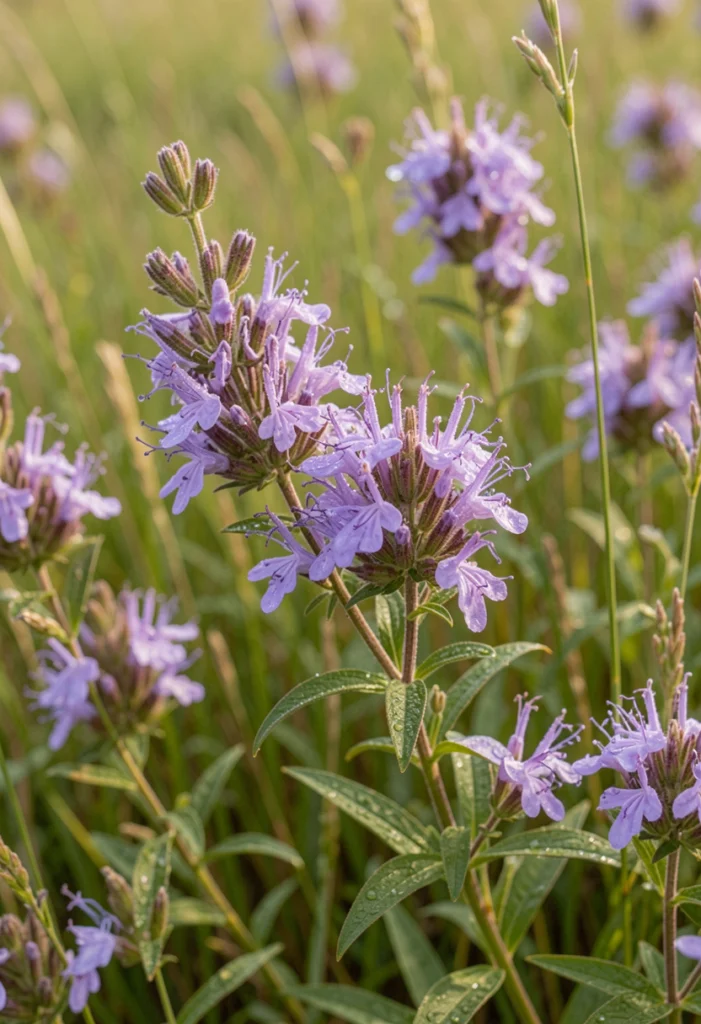
Wild Bergamot is a stunning native plant with lavender-colored blooms and a soft, airy appearance. It thrives in full sun and can tolerate a range of soil conditions, making it highly adaptable.
This plant is not only visually appealing but also aromatic, with leaves that release a pleasant scent when touched. It attracts bees, butterflies, and hummingbirds, enhancing your garden’s biodiversity. Wild Bergamot is relatively low-maintenance and drought-tolerant once established. It works well in naturalized landscapes and pairs beautifully with other native wildflowers.
7. Blue False Indigo (Baptisia australis)
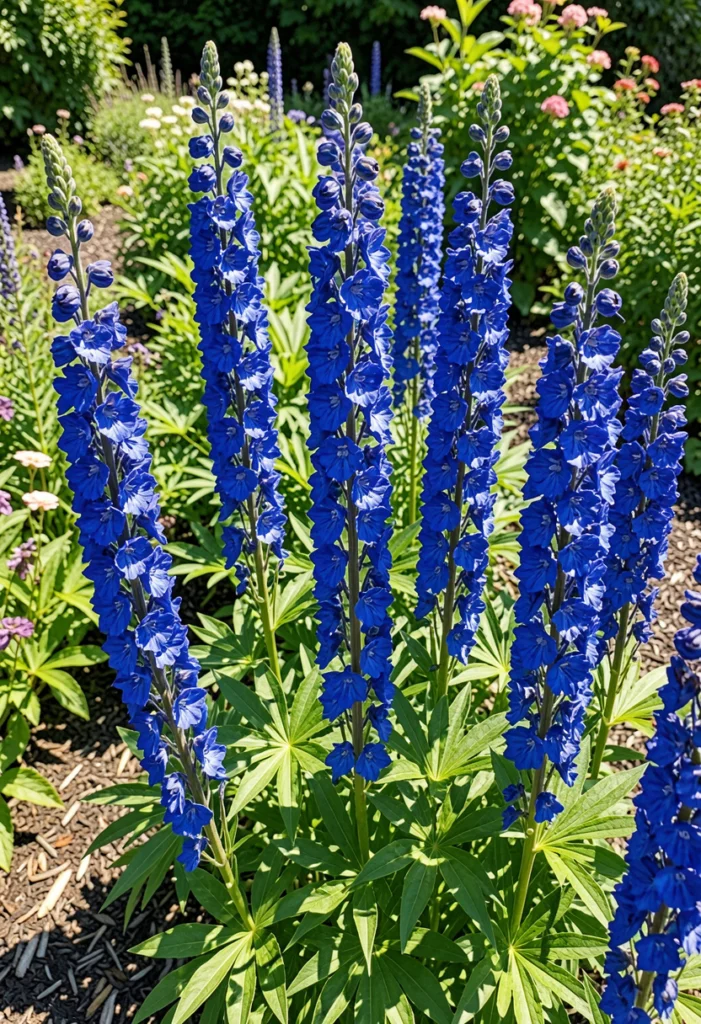
Blue False Indigo is a hardy perennial known for its tall spikes of deep blue flowers. It thrives in full sun and is incredibly drought-resistant once established, making it perfect for summer gardens.
This plant has a shrub-like structure, adding height and dimension to your landscape. It’s ideal for creating visual layers in garden beds. Blue False Indigo is also long-lived and requires very little maintenance. It doesn’t need frequent watering or fertilizing, making it a low-effort choice.
8. Blanket Flower (Gaillardia)
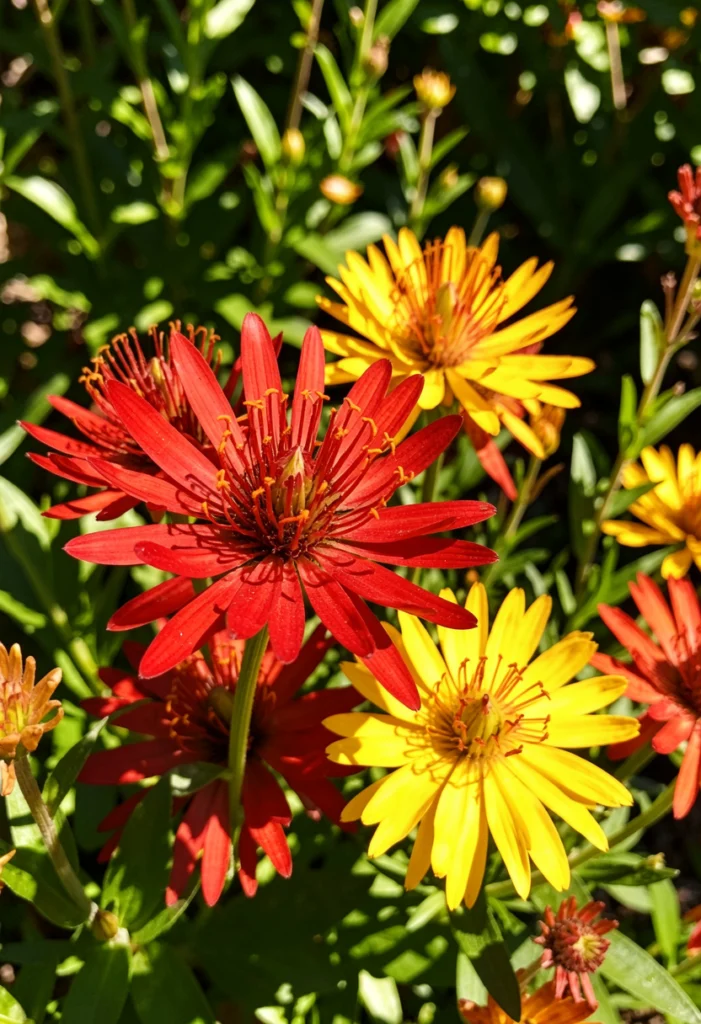
Blanket Flower is a vibrant native plant known for its red and yellow daisy-like blooms. It thrives in hot, dry conditions and poor soil, making it incredibly easy to grow.
This plant blooms continuously throughout summer, providing long-lasting color. It’s also drought-tolerant and requires minimal care, making it ideal for busy gardeners. Blanket Flowers attract pollinators and add a bold, warm palette to your garden. They work well in borders, containers, and wildflower gardens.
9. Goldenrod (Solidago)
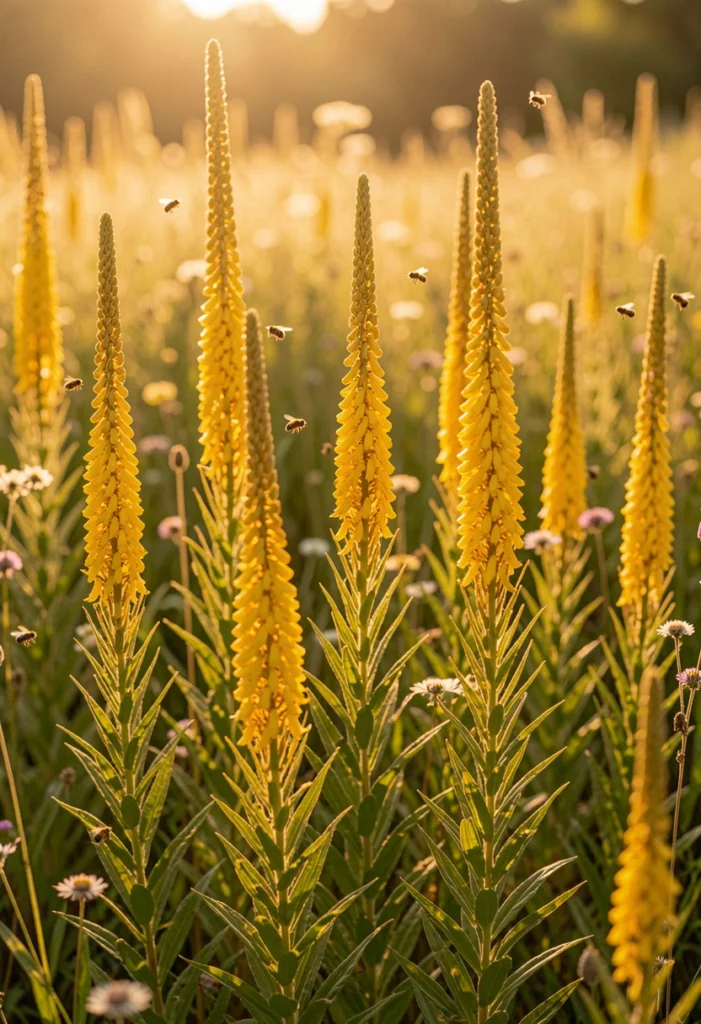
Goldenrod is often misunderstood but is actually a fantastic native plant for summer gardens. It produces bright yellow plumes that add height and drama to your landscape.
It thrives in full sun and a variety of soil conditions, making it highly adaptable. Goldenrod is also drought-tolerant and requires little maintenance. This plant is a favorite among pollinators, especially bees and butterflies. It plays an important role in supporting local ecosystems.
10. Joe-Pye Weed
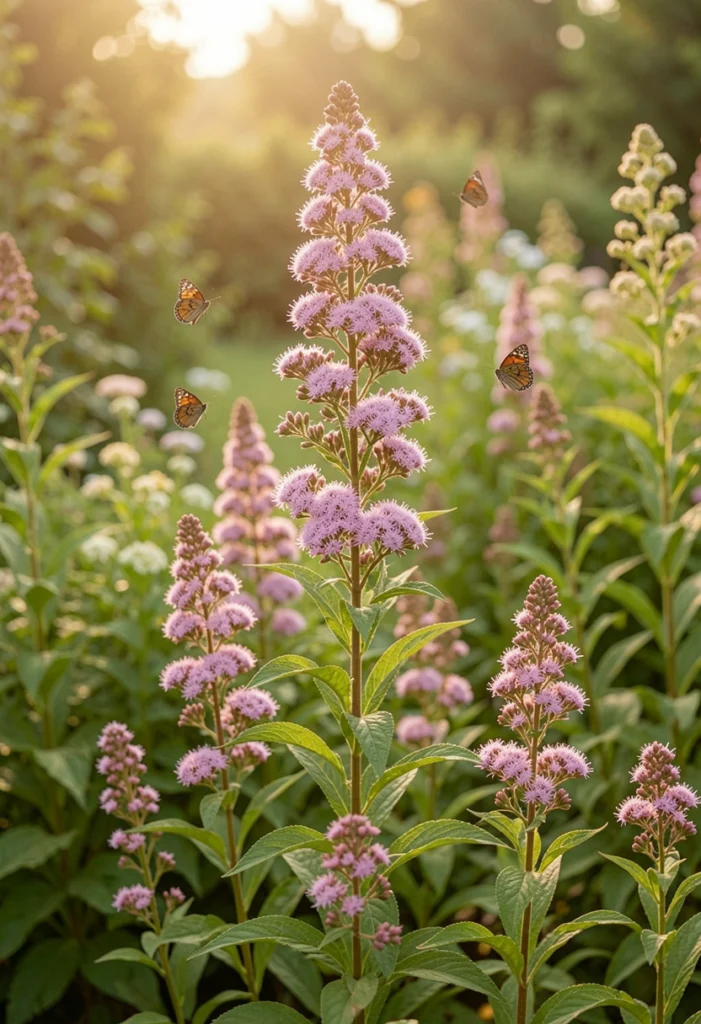
Joe-Pye Weed is a tall native plant known for its large clusters of pinkish-purple flowers. It thrives in full sun to partial shade and prefers moist soil.
This plant is perfect for adding height and structure to your garden. It can grow quite tall, making it ideal for the back of borders. Joe-Pye Weed is a magnet for butterflies, especially in late summer. It adds both beauty and ecological value to your landscape.
11. Yarrow (Achillea millefolium)
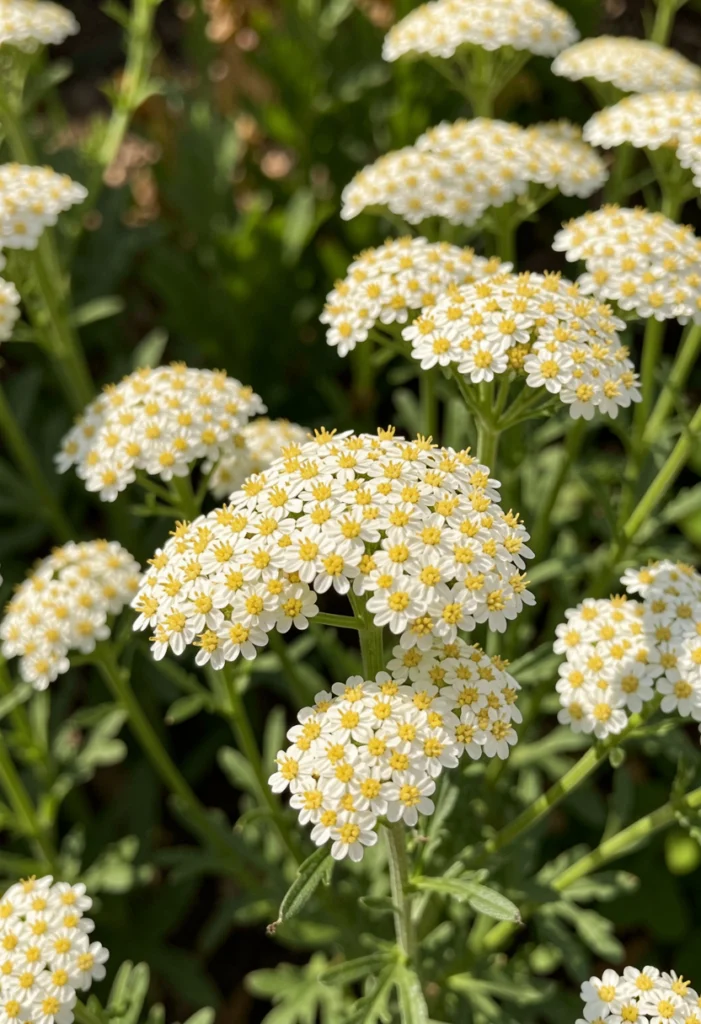
Yarrow is a hardy native plant known for its clusters of tiny flowers in shades of white, yellow, and pink. It thrives in full sun and well-drained soil.
This plant is extremely drought-tolerant and requires very little care. It’s perfect for gardeners looking for a low-maintenance option. Yarrow attracts beneficial insects and can even help improve soil health. It’s often used in herbal gardens as well.
12. Penstemon (Beardtongue)
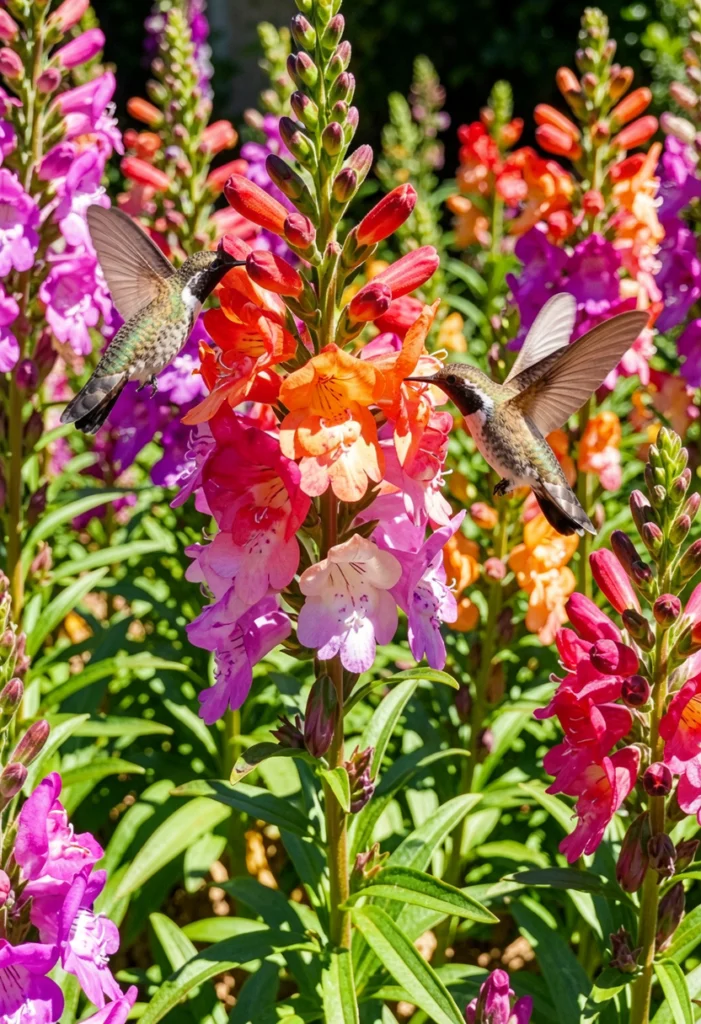
Penstemon is a beautiful native plant with tubular flowers that come in shades of pink, purple, red, and white. It thrives in full sun and well-drained soil.
This plant is particularly attractive to hummingbirds, making it a lively addition to your garden. Its unique flower shape adds visual interest and texture. Penstemon is drought-tolerant and easy to care for once established. It works well in rock gardens, borders, and natural landscapes.
Final Words
Designing a beautiful and low-maintenance summer garden becomes much easier when you work with nature instead of against it. Native plants are perfectly adapted to their environments, which means less watering, fewer chemicals, and more time to actually enjoy your outdoor space. From the cheerful blooms of Black-Eyed Susans to the pollinator-friendly charm of Bee Balm and Butterfly Weed, each plant on this list offers both visual appeal and ecological benefits.