12 Easy Composting Tips to Supercharge Your Summer Garden
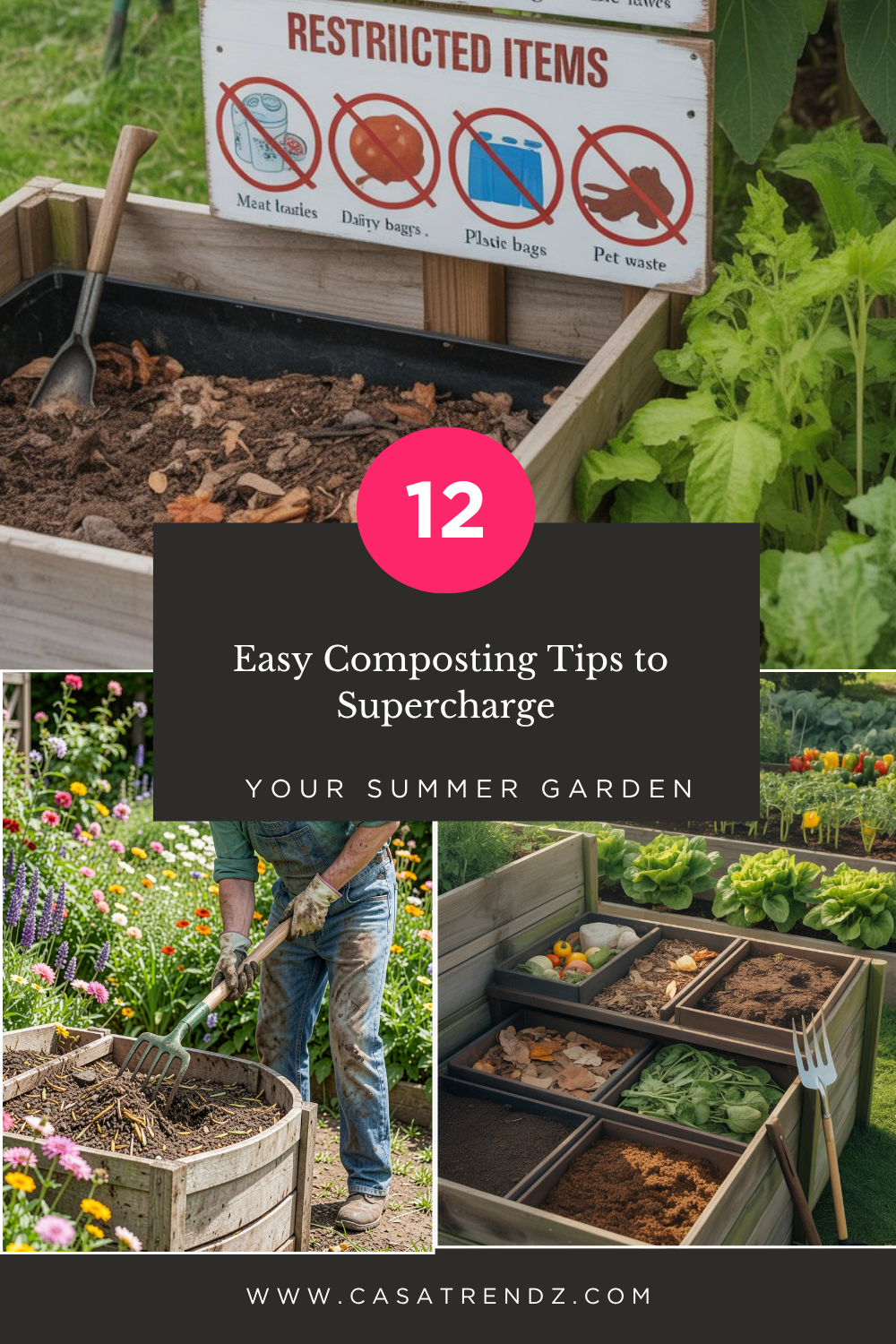
Composting is one of the simplest and most powerful ways to improve your garden’s health, especially during the summer growing season. By turning everyday kitchen scraps and yard waste into nutrient-rich compost, you can naturally enrich your soil, boost plant growth, and reduce waste at the same time. With warmer temperatures accelerating decomposition, summer is the perfect time to build and maintain an active compost system.
These 12 Easy Composting Tips to Supercharge Your Summer Garden will help you get the most out of your composting efforts. Whether you’re just starting out or looking to improve your existing setup, each tip is designed to make composting easier, faster, and more effective. From balancing materials to maintaining moisture, these practical ideas will help you create rich, healthy compost that supports a thriving, vibrant garden all summer long.
1. Balance Greens and Browns Properly
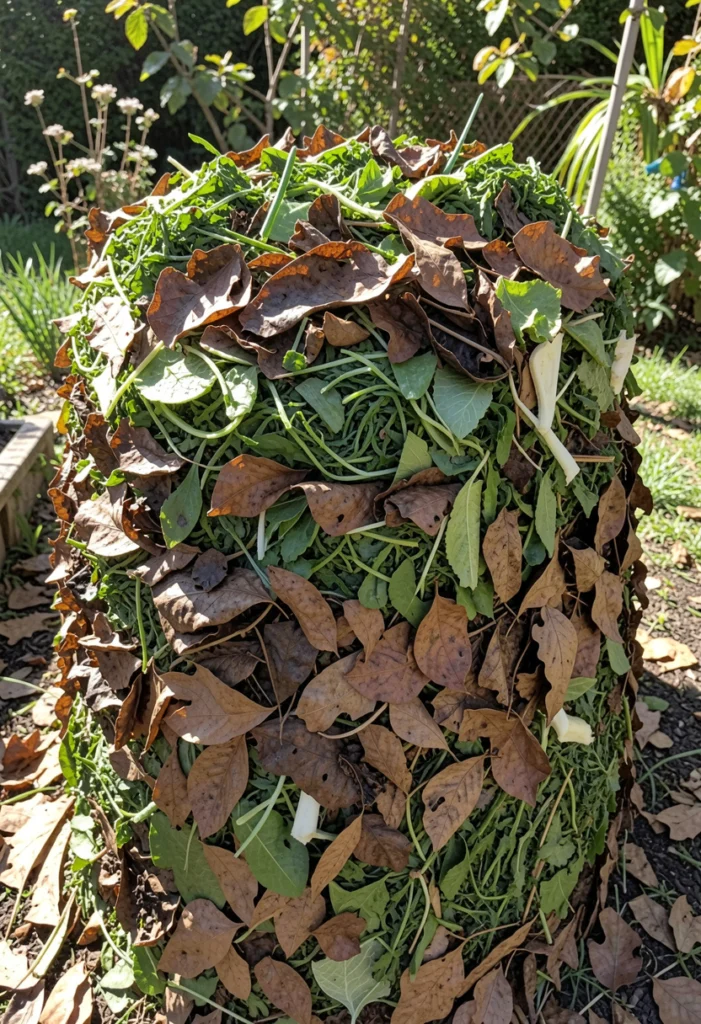
A successful compost pile starts with the right balance of “greens” and “browns.” Greens include nitrogen-rich materials like fruit scraps, vegetable peels, and grass clippings. Browns are carbon-rich materials such as dry leaves, cardboard, and straw.
Maintaining a proper ratio roughly 2:1 browns to greens helps your compost break down efficiently without becoming too wet or smelly. Too many greens can cause odor issues, while too many browns can slow decomposition.
2. Chop Materials into Smaller Pieces
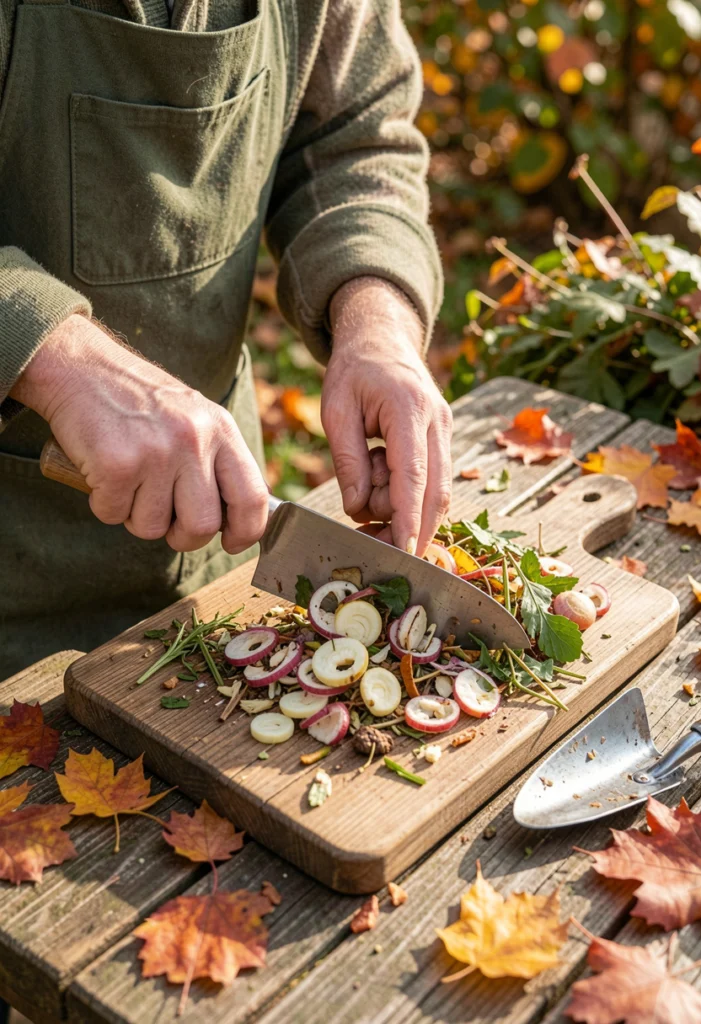
Breaking down compost materials into smaller pieces speeds up the decomposition process. Large chunks take longer to break down, especially during hot summer months when you want quick results.
Use a shovel, garden shears, or even a kitchen knife to chop food scraps and yard waste before adding them to your compost pile. Smaller pieces increase surface area, allowing microbes to work more efficiently.
3. Keep Your Compost Moist
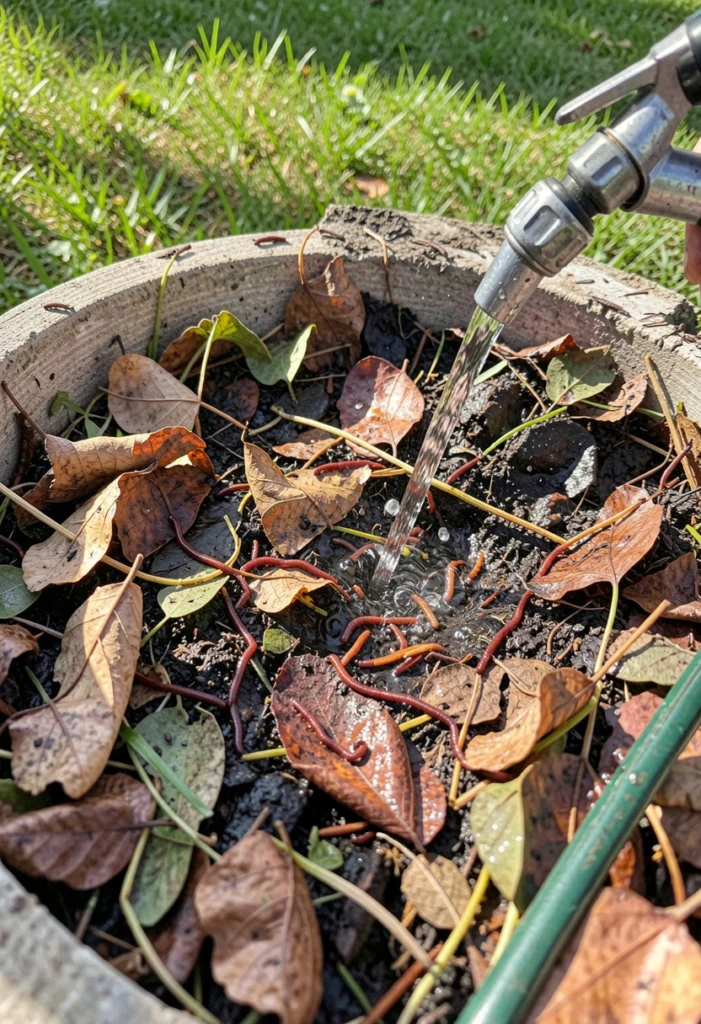
Moisture is essential for healthy composting. Your compost pile should feel like a damp sponge moist but not soaking wet.
During summer, heat can dry out your compost quickly, slowing down the decomposition process. Check moisture levels regularly and add water if needed. If your pile becomes too wet, mix in more dry materials like leaves or cardboard to restore balance. Covering your compost can also help retain moisture.
4. Turn Your Compost Regularly
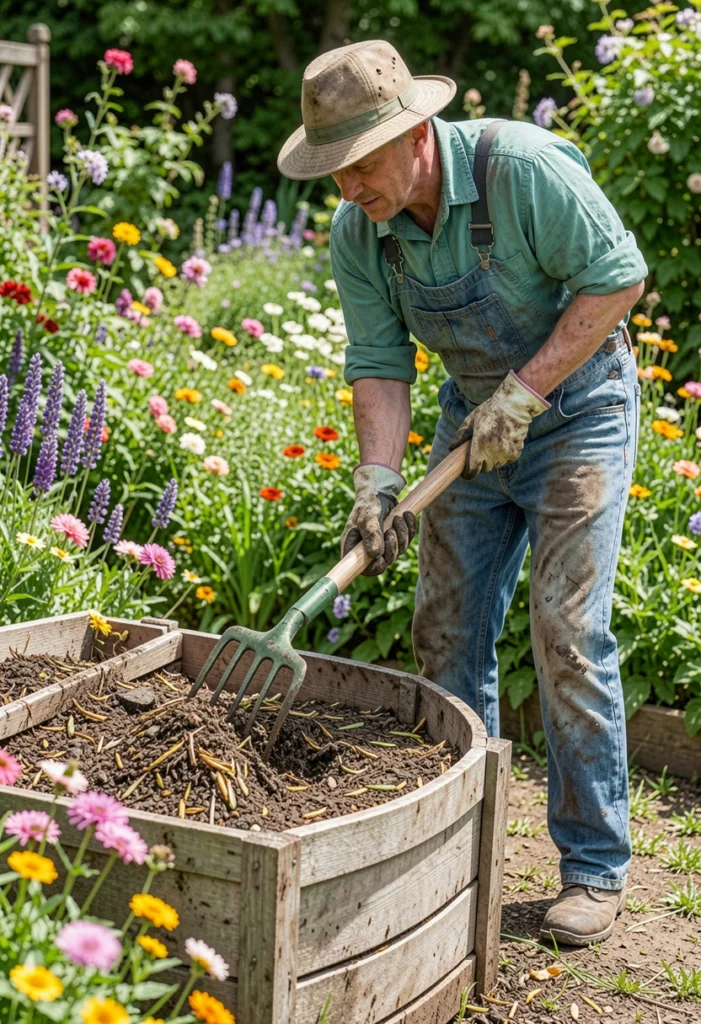
Turning your compost pile introduces oxygen, which is essential for aerobic decomposition. Without enough airflow, the pile can become compacted and develop unpleasant odors.
Use a pitchfork or shovel to turn your compost every 1–2 weeks. This helps distribute moisture and materials evenly, speeding up the breakdown process. In summer, when temperatures are higher, turning your pile more frequently can produce faster results. It also helps prevent overheating.
See Also; 15 Creative Vertical Gardening Ideas for Small Summer Spaces
5. Choose the Right Compost Location
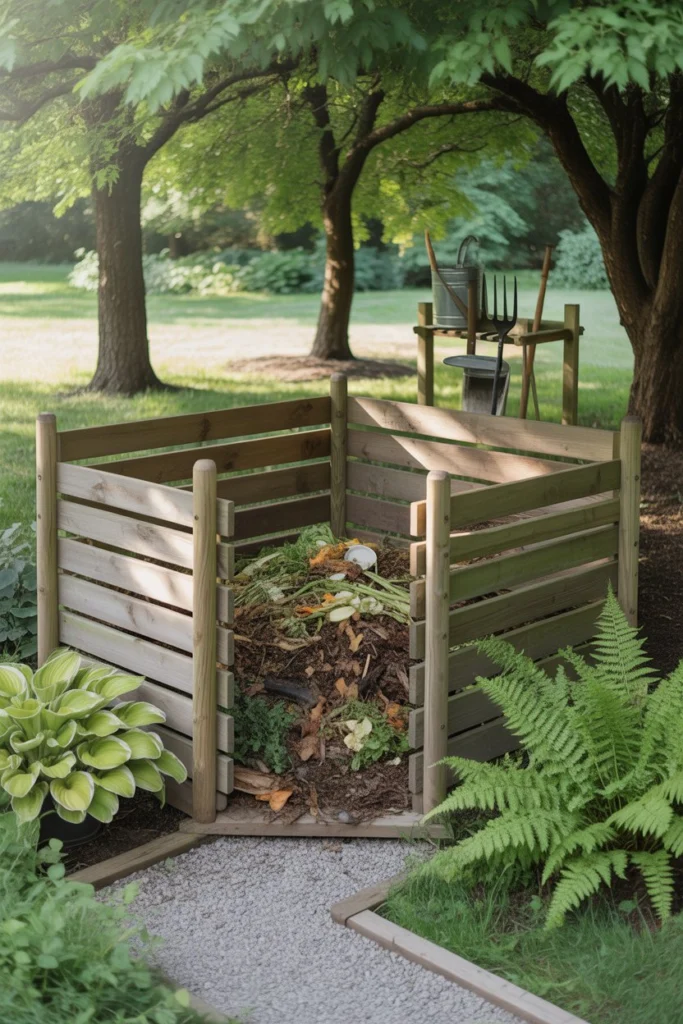
Where you place your compost pile can impact its performance. Choose a spot with partial shade to prevent excessive drying during hot summer days.
Ensure the location has good drainage to avoid water buildup. Accessibility is also important you’ll want easy access for adding materials and turning the pile. A well-chosen location supports consistent composting and makes maintenance easier.
6. Avoid Adding Problem Materials
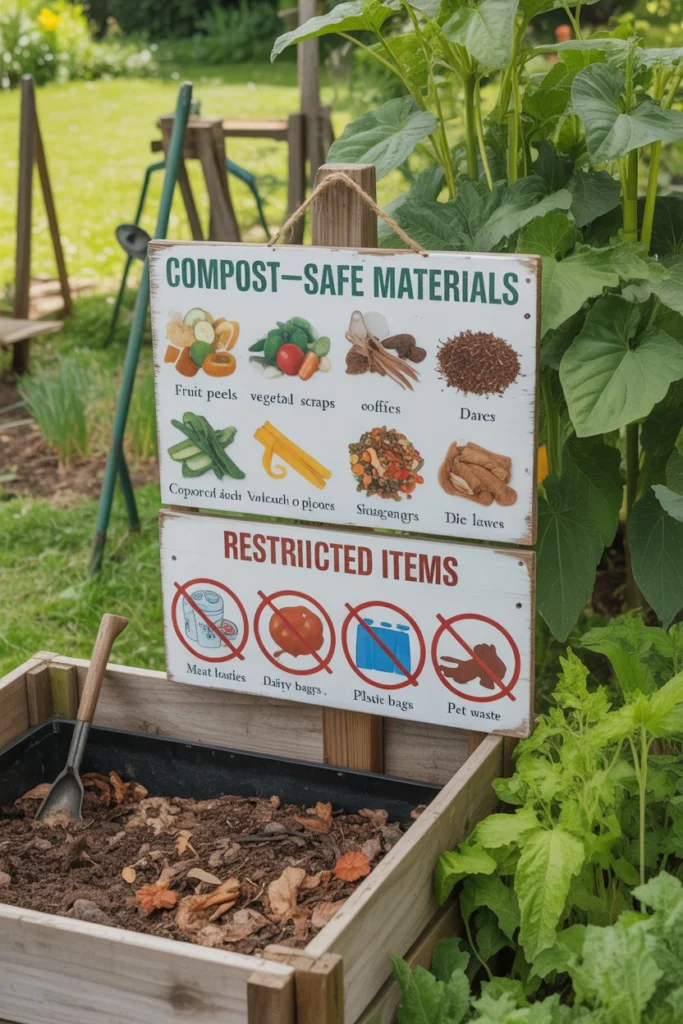
Not all waste belongs in your compost pile. Avoid adding meat, dairy, oily foods, or diseased plants, as these can attract pests and cause odors.
Stick to plant-based scraps, yard waste, and compost-friendly materials. This keeps your compost clean and effective. selective about what you add ensures a healthier and more efficient composting process.
7. Use a Compost Bin or Tumbler
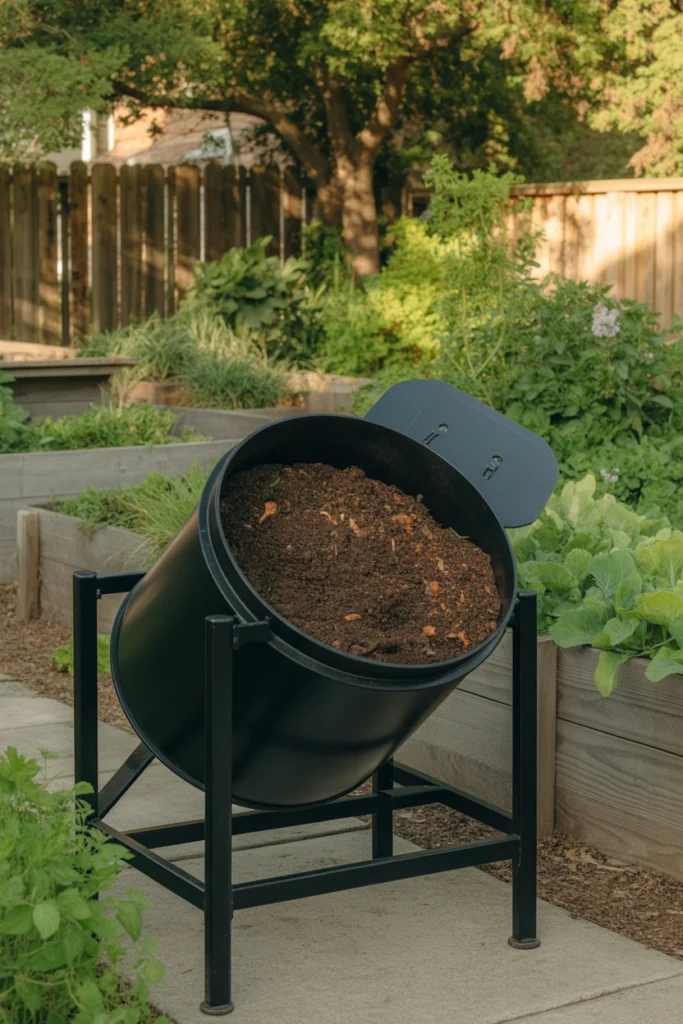
Using a compost bin or tumbler helps contain your materials and makes the process more efficient. Tumblers, in particular, make turning compost easier and faster.
Bins also help retain heat and moisture, which are essential for decomposition. They keep your compost organized and reduce the risk of pests. Choose a system that fits your space and needs. Even small gardens can benefit from compact compost bins.
8. Add Garden Soil or Compost Starter
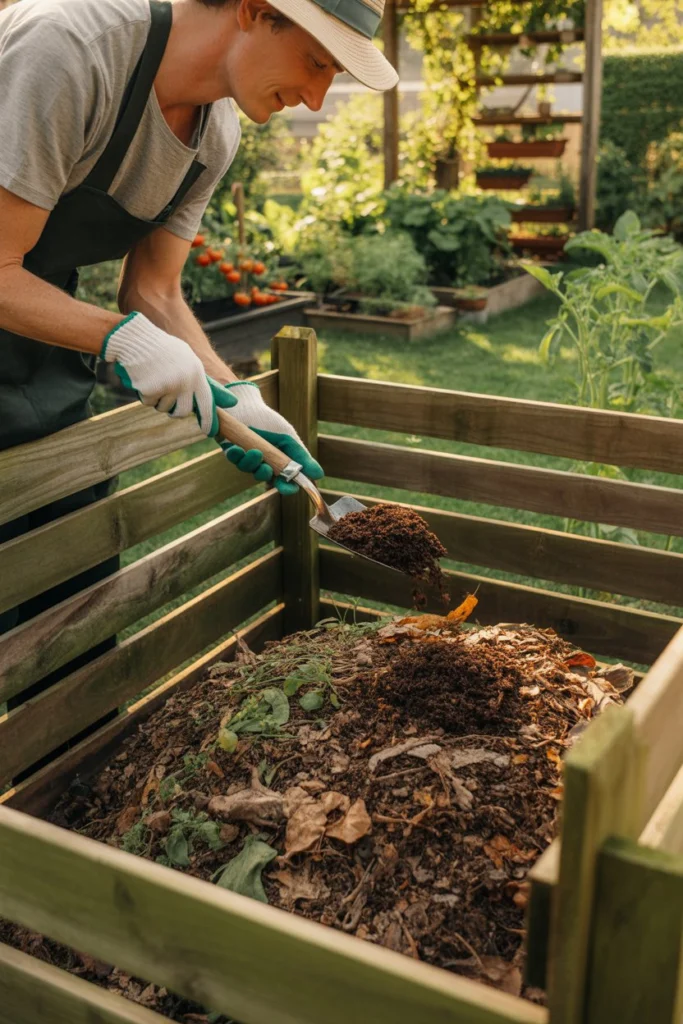
Introducing a small amount of garden soil or compost starter adds beneficial microbes to your pile. These microorganisms are responsible for breaking down organic matter.
This step can jumpstart the composting process, especially if you’re starting a new pile. It ensures faster and more efficient decomposition. You don’t need much just a few handfuls mixed into your compost layers.
9. Maintain Proper Airflow
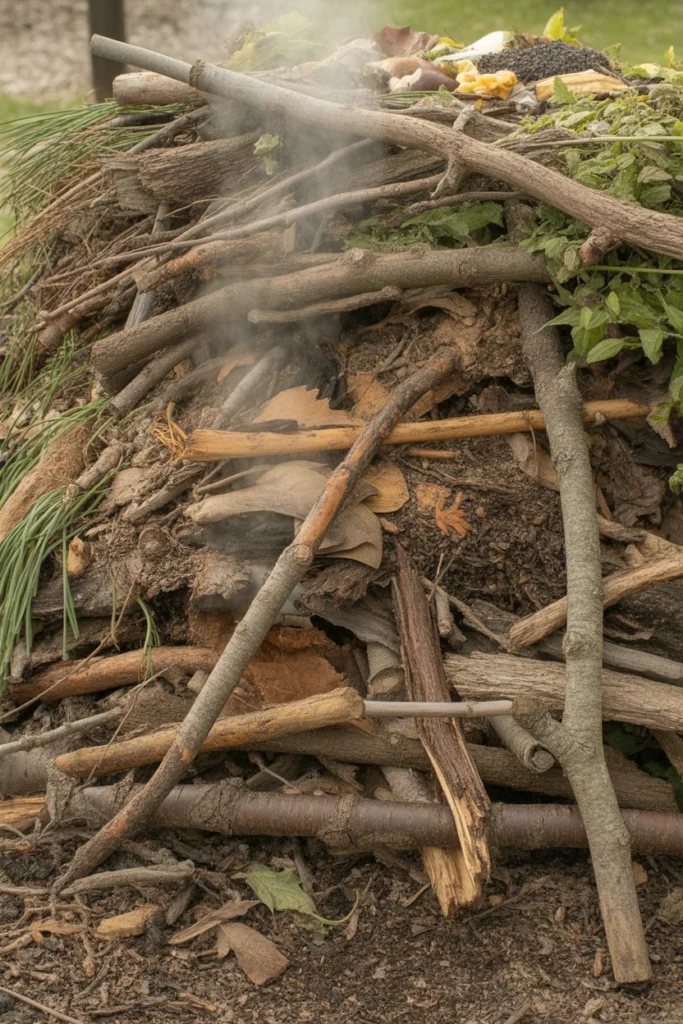
Good airflow is essential for compost health. Avoid compacting materials too tightly, as this restricts oxygen flow.
Use coarse materials like small branches or straw to create air pockets. Turning the pile also helps improve circulation. Proper airflow prevents unpleasant odors and supports efficient decomposition.
10. Monitor Temperature Levels
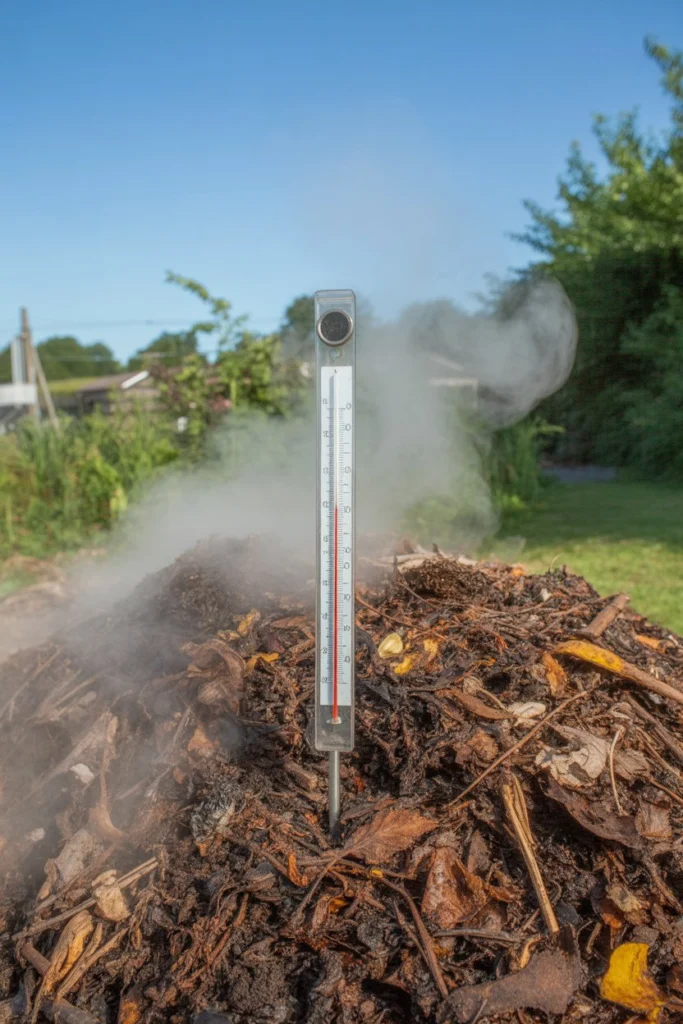
A healthy compost pile generates heat as materials break down. This heat helps speed up decomposition and kill harmful pathogens.
During summer, monitor your compost to ensure it doesn’t overheat. If it becomes too hot, turn the pile to release heat and add moisture if needed. Maintaining an optimal temperature keeps your compost active and productive.
11. Use Finished Compost Regularly
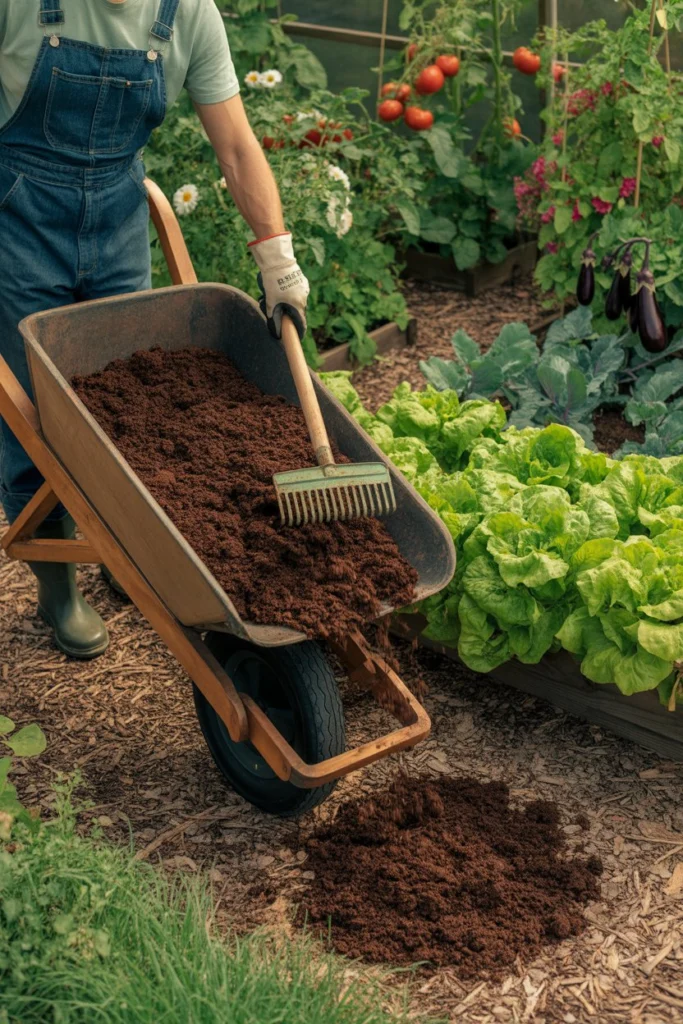
Once your compost is dark, crumbly, and earthy-smelling, it’s ready to use. Apply it to your garden beds, containers, or lawn to enrich the soil.
Regular use of compost improves soil structure, retains moisture, and provides essential nutrients to plants. This closes the loop, turning waste into valuable garden resources.
12. Stay Consistent with Your Routine
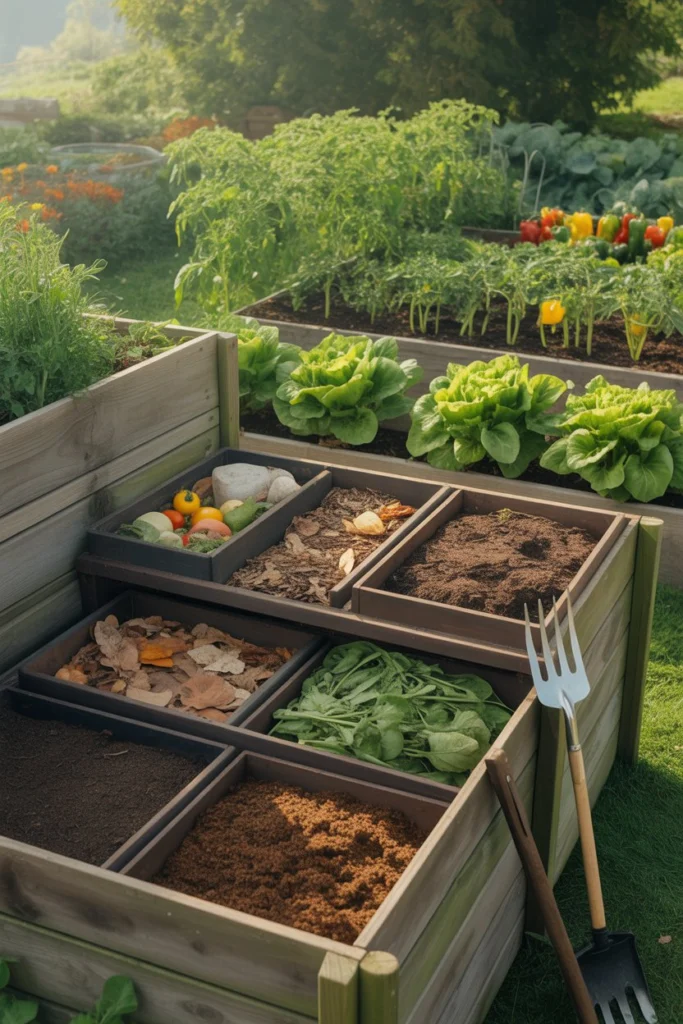
Consistency is key to successful composting. Regularly add materials, monitor conditions, and maintain your pile.
Even small efforts add up over time, resulting in rich, high-quality compost. Make composting part of your gardening routine for the best results. With consistent care, your compost system will thrive and support your garden all summer long.
Final Words
Composting is a simple yet powerful way to enhance your summer garden while reducing waste and supporting sustainability. By following these easy tips, you can create nutrient-rich compost that improves soil health and promotes stronger, more vibrant plants.