16 Cooling Techniques for Your Home Exterior
Keeping your home cool during hot weather starts from the outside. Your home’s exterior plays a major role in controlling how much heat enters your living space. With rising temperatures and stronger sun exposure, smart exterior cooling techniques can significantly improve comfort while reducing energy costs. From reflective materials to landscaping strategies, small changes can make a noticeable difference.
The right approach not only enhances cooling but also boosts curb appeal and sustainability. Whether you’re dealing with intense summer heat or simply looking to create a more comfortable environment, these ideas are practical and effective. In this guide, you’ll discover 16 cooling techniques for your home exterior that combine function and style. Each method is designed to help block heat, improve airflow, and create a cooler outdoor and indoor environment. These solutions are suitable for a variety of home styles and budgets, making it easier to find options that work for you.
1. Install Reflective Roofing Materials
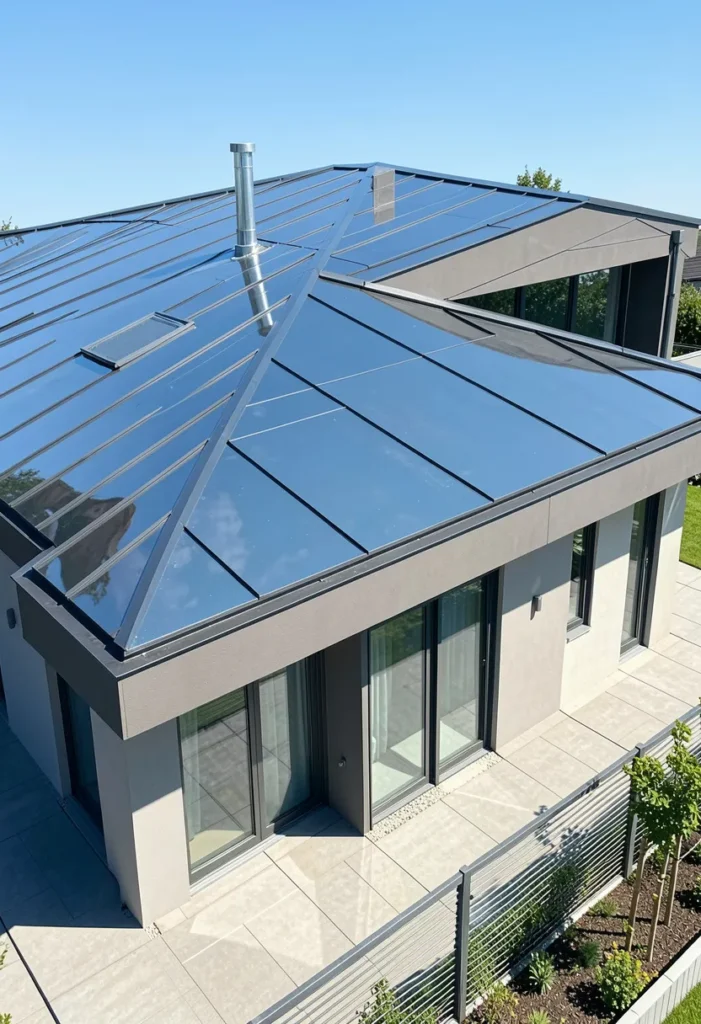
Reflective roofing is one of the most effective ways to reduce heat absorption. Traditional dark roofs absorb sunlight and transfer that heat into your home. By switching to reflective or “cool roof” materials, you can deflect sunlight and keep indoor temperatures lower.
These materials include specially coated shingles, metal roofing, or tiles designed to reflect more sunlight and absorb less heat. This significantly reduces the strain on your air conditioning system and lowers energy bills. Reflective roofs are especially useful in hot climates where sunlight is intense for long hours. In addition to performance, modern reflective roofing comes in a variety of styles and colors, so you don’t have to sacrifice aesthetics. Proper installation and ventilation further enhance its cooling benefits, making it a long-term investment in comfort.
2. Add Exterior Shade Structures
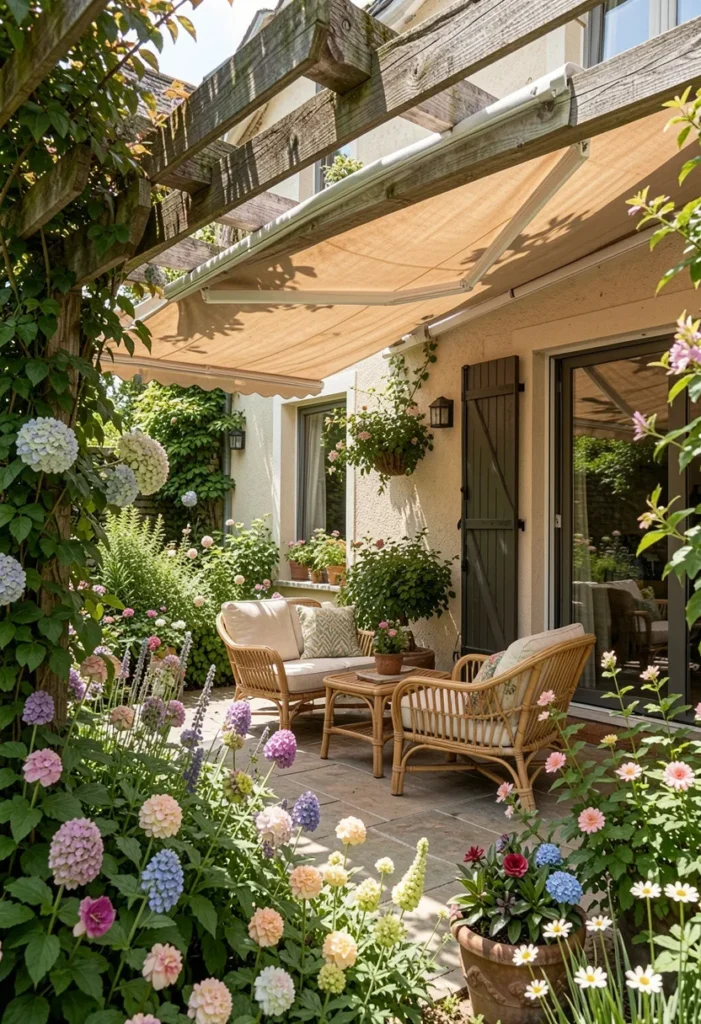
Shade structures like pergolas, awnings, and canopies are excellent for blocking direct sunlight from hitting your walls and windows. By reducing sun exposure, these structures help lower the temperature around your home.
Awnings over windows can reduce indoor heat gain by up to 60%, especially on south- and west-facing sides. Pergolas with climbing plants add both shade and natural cooling, creating a pleasant outdoor environment. These structures also extend your living space, making patios and decks more usable during hot weather. Materials such as wood, aluminum, or fabric can be chosen based on your style and climate needs.
3. Use Light-Colored Exterior Paint
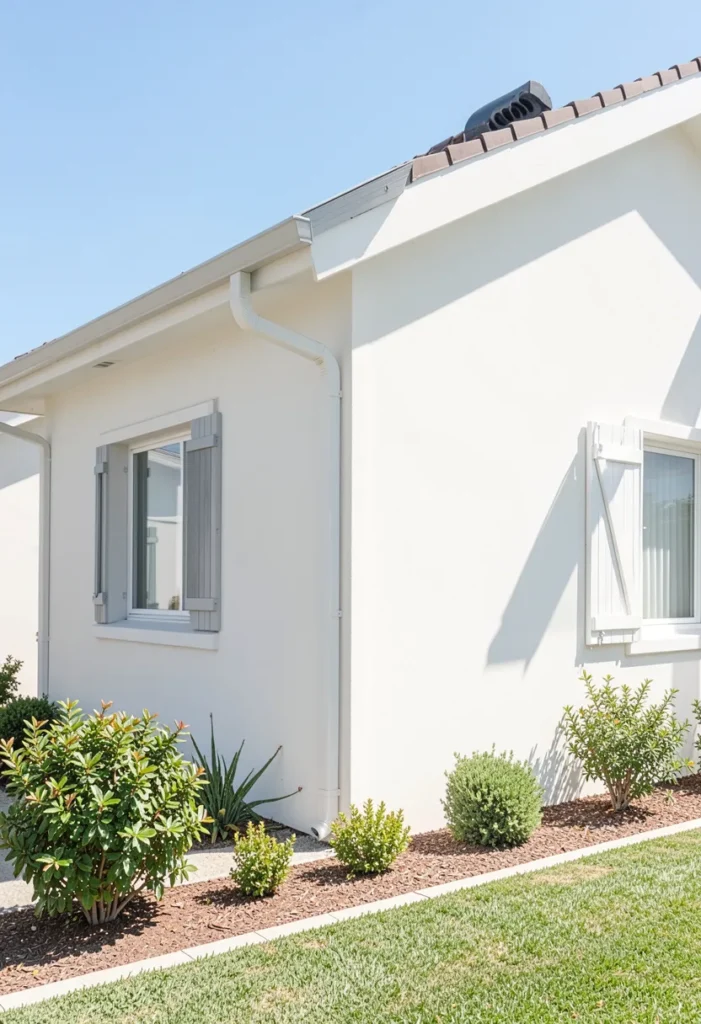
Dark colors absorb heat, while light colors reflect it. Painting your home exterior in lighter shades can significantly reduce heat absorption and keep walls cooler.
White, beige, and pastel tones are especially effective in reflecting sunlight. This simple upgrade can make a noticeable difference in indoor temperature without major renovations. Additionally, light-colored paint enhances curb appeal and gives your home a fresh, clean look. Choosing heat-reflective paint formulas further boosts efficiency, offering both style and function.
4. Plant Shade Trees Strategically
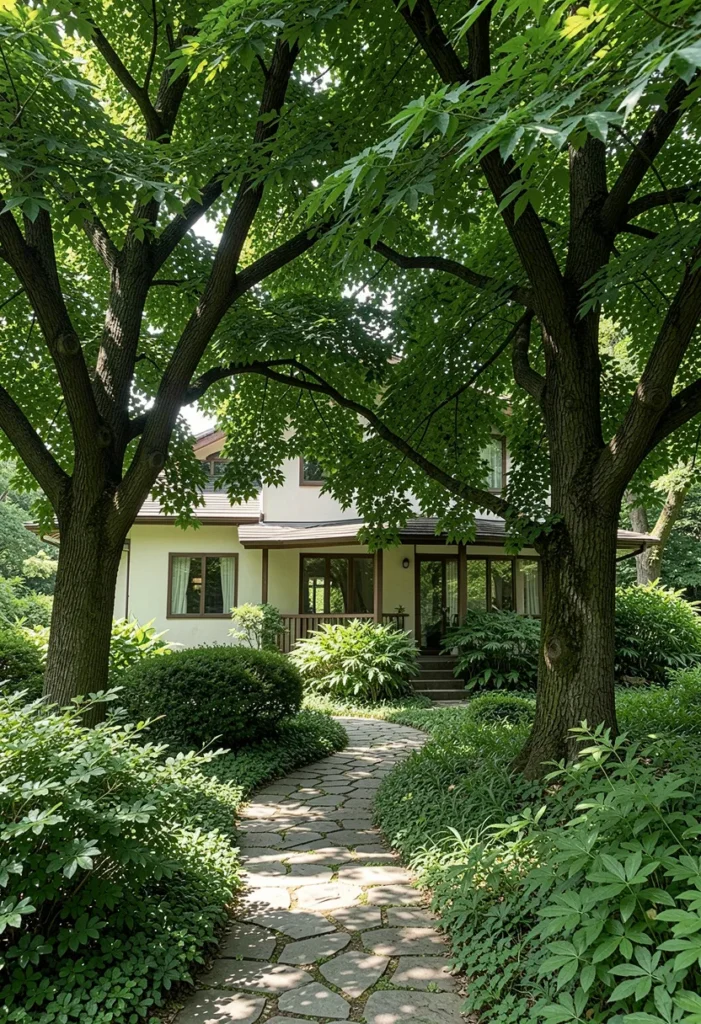
Trees provide natural cooling by blocking sunlight and releasing moisture into the air. Planting shade trees around your home can reduce surrounding temperatures significantly.
Position trees on the west and south sides to block the harshest sunlight. Deciduous trees are ideal because they provide shade in summer and allow sunlight in winter. Over time, mature trees can lower cooling costs and improve air quality. They also add beauty and increase property value, making them a smart long-term investment.
5. Install Exterior Window Shades or Screens
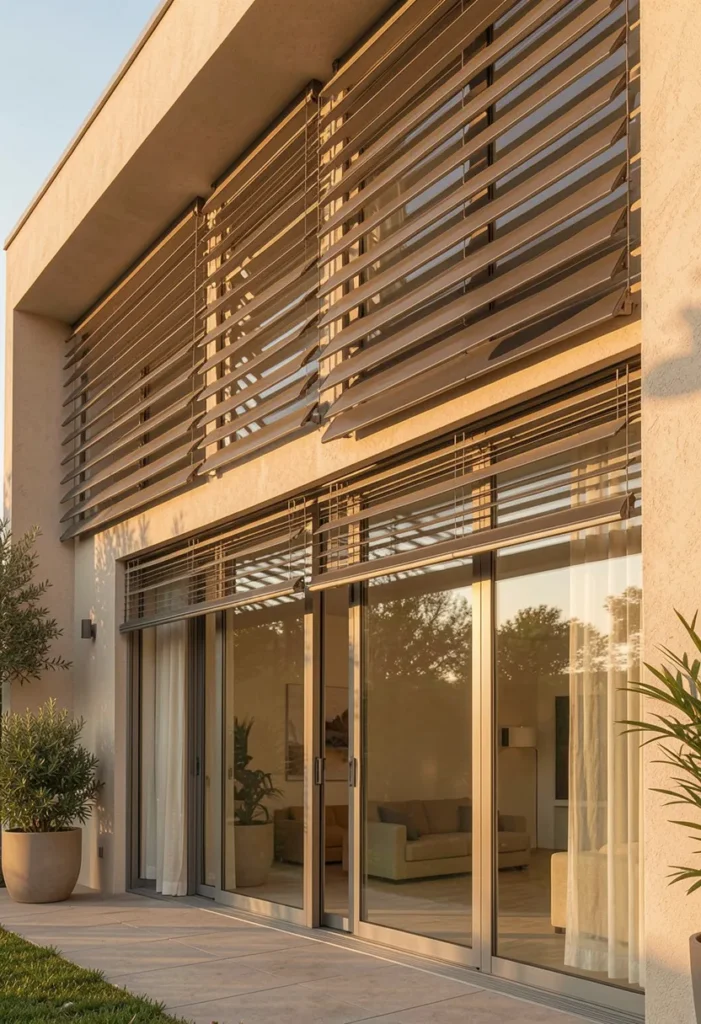
Exterior window shades or solar screens prevent sunlight from entering your home before it reaches the glass. This reduces heat gain more effectively than interior curtains.
These shades come in various materials and opacities, allowing you to control light while maintaining visibility. They are especially useful for large windows and glass doors. Easy to install and maintain, they offer a cost-effective solution for reducing indoor temperatures and glare.
See Also: 14 Ways to Prepare Your Home Exterior for Severe Summer Weather
6. Create a Green Roof or Living Wall
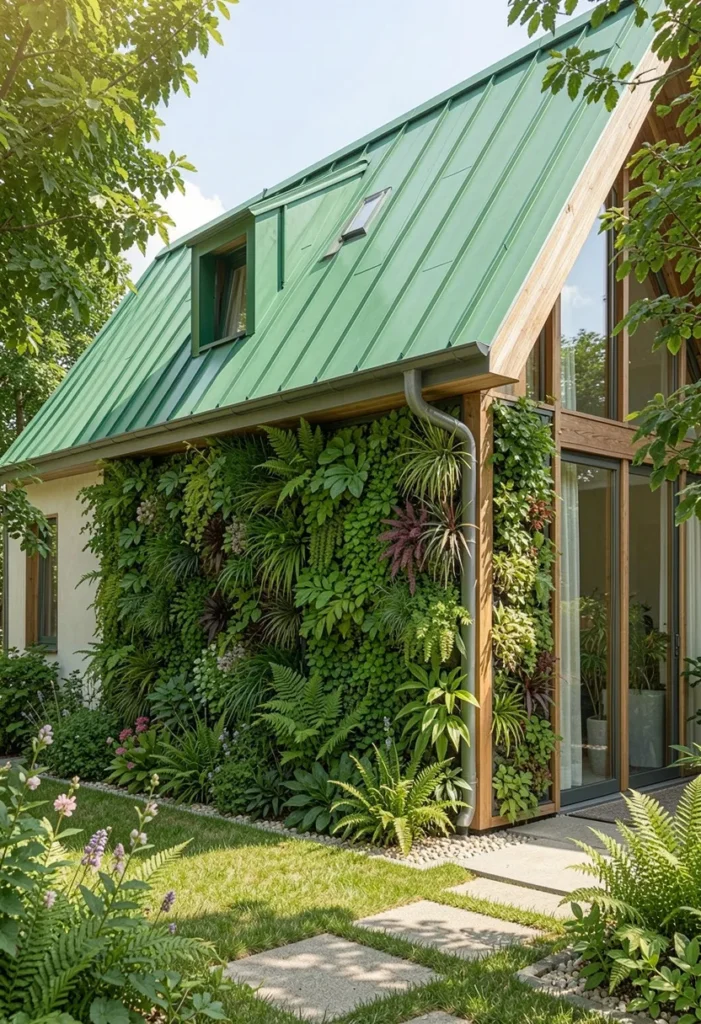
Green roofs and living walls add insulation and reduce heat absorption. Plants absorb sunlight and cool the air through evaporation.
These systems improve air quality, reduce urban heat, and enhance aesthetics. While installation requires planning, the benefits are long-lasting and environmentally friendly. They also provide a unique, modern look that stands out in residential design.
7. Improve Outdoor Ventilation
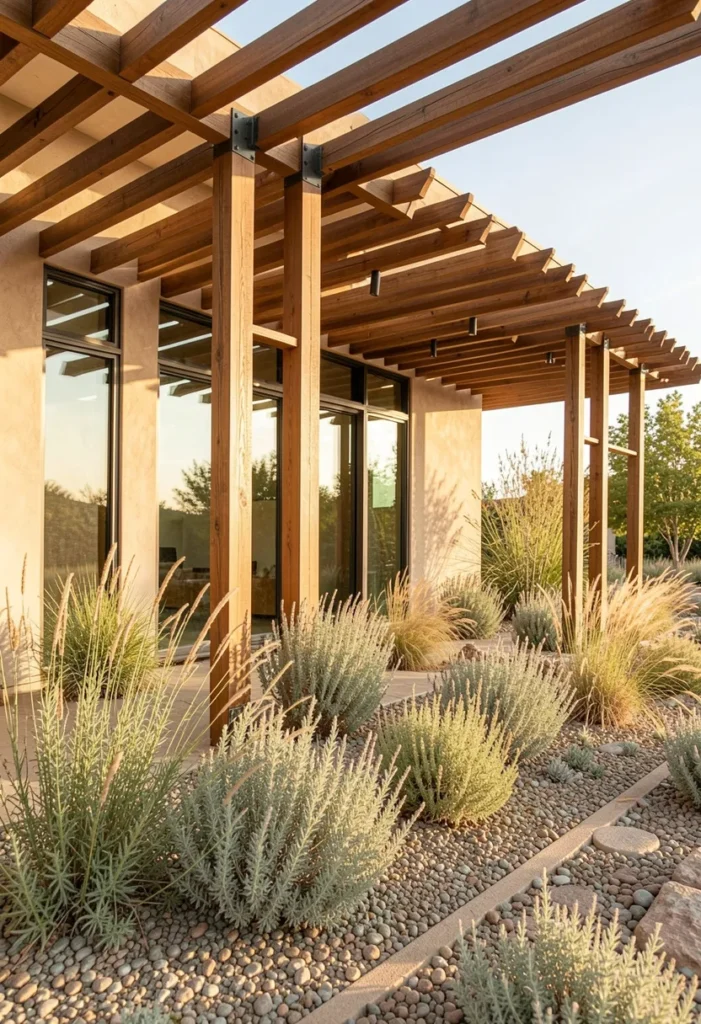
Proper airflow around your home helps dissipate heat. Avoid blocking natural wind paths with fences or dense structures.
Open layouts, lattice panels, and spaced landscaping allow air to circulate freely. This prevents heat from building up around your home. Combining ventilation with shade enhances overall cooling efficiency.
8. Install Cool Pavement Materials
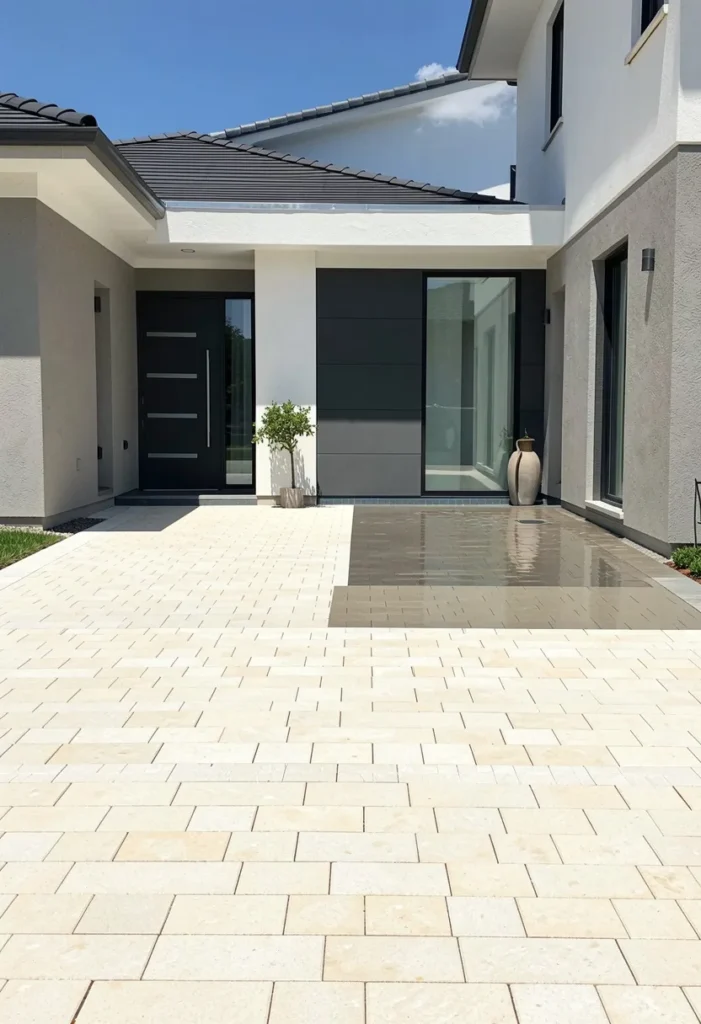
Traditional concrete and asphalt absorb heat and radiate it back into your home. Cool pavement materials reflect more sunlight and stay cooler.
Options include light-colored pavers, permeable surfaces, and coated concrete. These materials reduce surrounding temperatures and improve comfort. They also help manage rainwater and enhance sustainability.
9. Use Outdoor Water Features
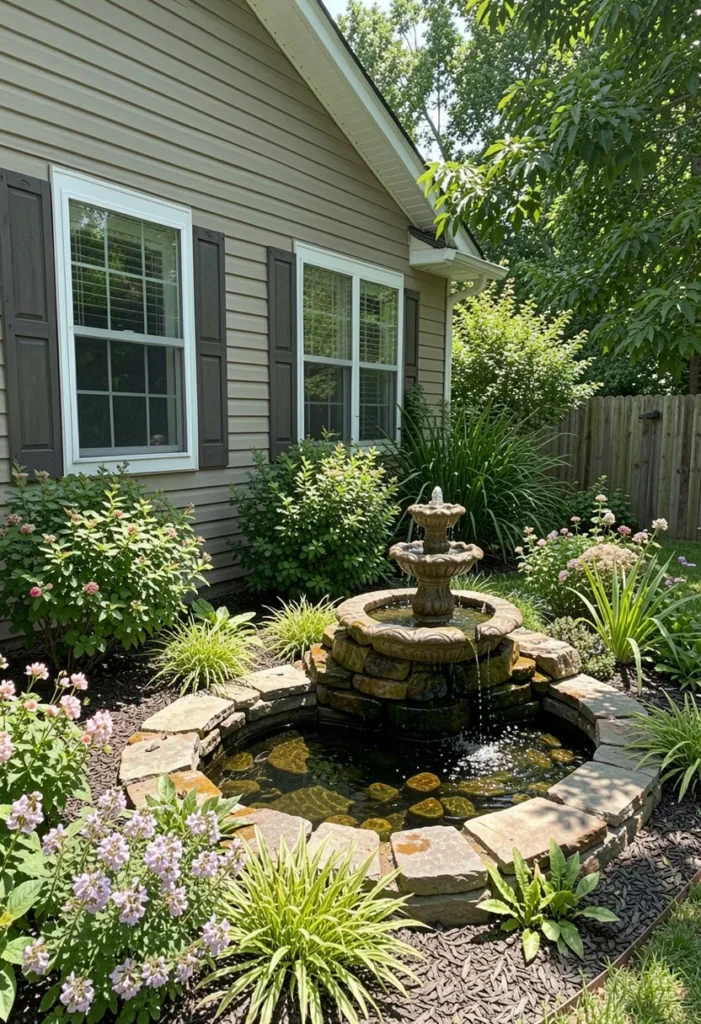
Water features like fountains and ponds cool the air through evaporation. They create a refreshing microclimate around your home.
Even small features can make a difference, especially in dry climates. The sound of water also adds a calming atmosphere. Strategically placing water features near seating areas enhances comfort.
10. Add Insulated Siding
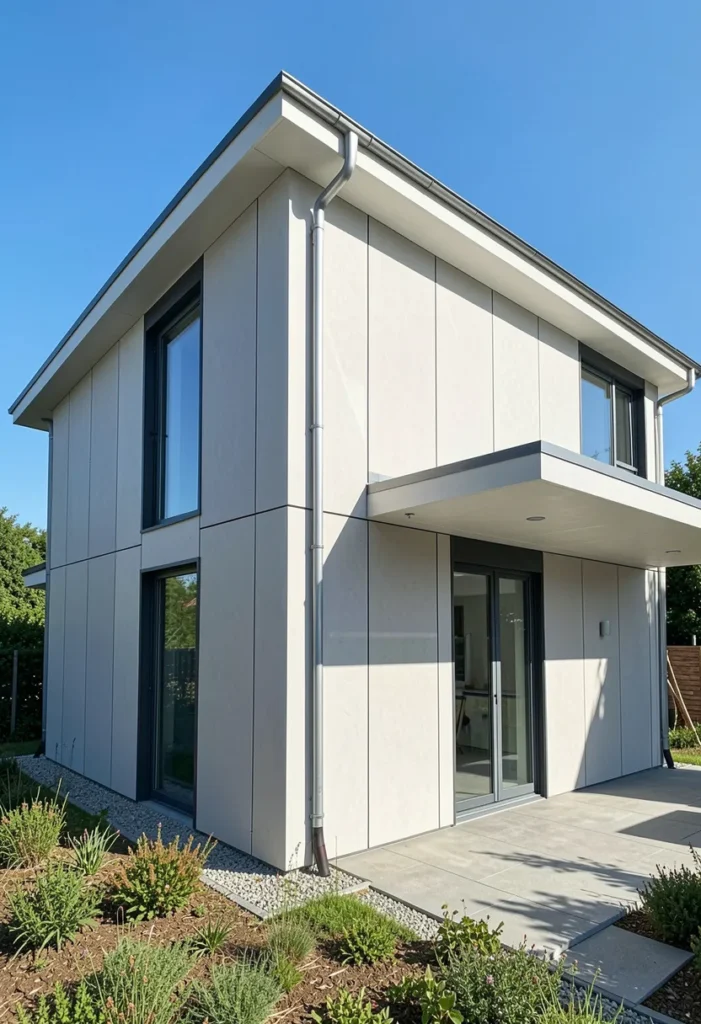
Insulated siding reduces heat transfer into your home. It acts as a barrier against external temperatures.
This upgrade improves energy efficiency and maintains consistent indoor comfort. It also enhances durability and reduces maintenance. Available in various styles, insulated siding combines performance with aesthetics.
11. Install Outdoor Curtains
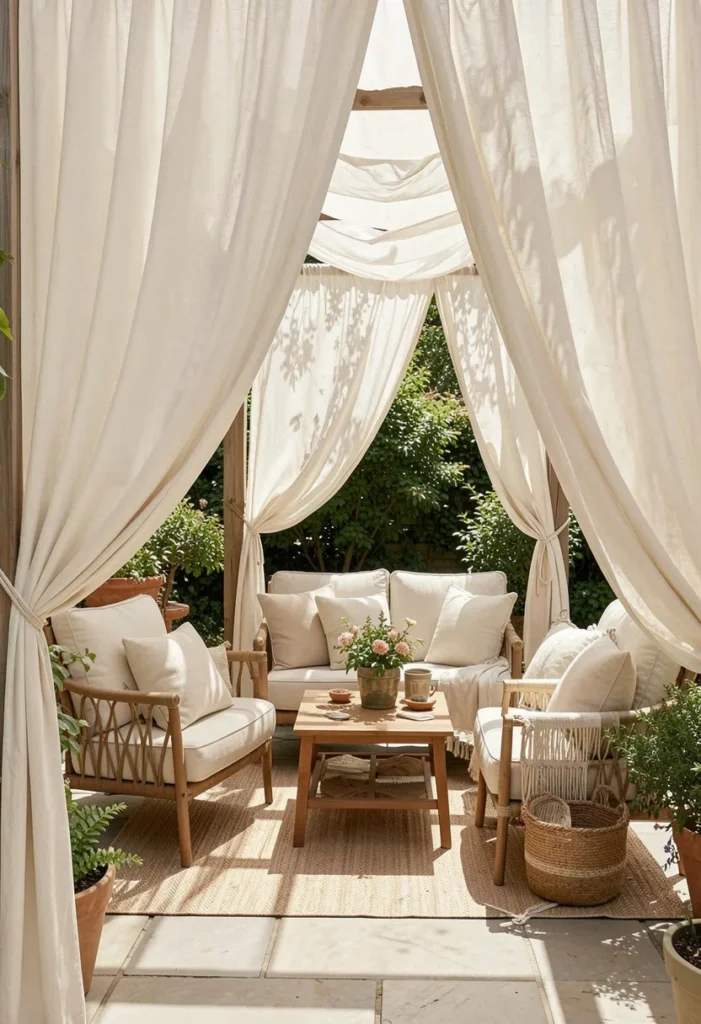
Outdoor curtains provide flexible shade and privacy. They can be drawn during peak sunlight hours to block heat.
Made from weather-resistant fabrics, they are ideal for patios and porches. Light-colored curtains reflect sunlight while adding elegance. They are easy to install and create a resort-like atmosphere.
12. Use Trellises with Climbing Plants
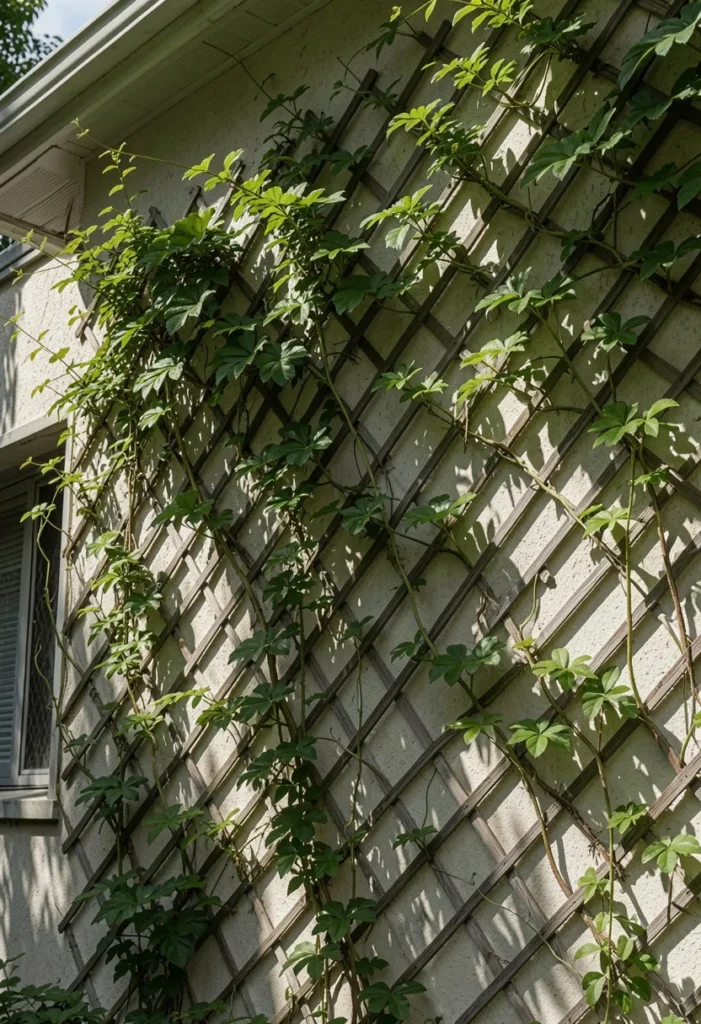
Trellises covered with vines provide natural shade and cooling. Plants absorb heat and create a protective layer over walls.
Fast-growing climbers like ivy or jasmine work well. They add greenery while reducing direct sun exposure. This method combines beauty with functionality.
13. Upgrade to Energy-Efficient Windows
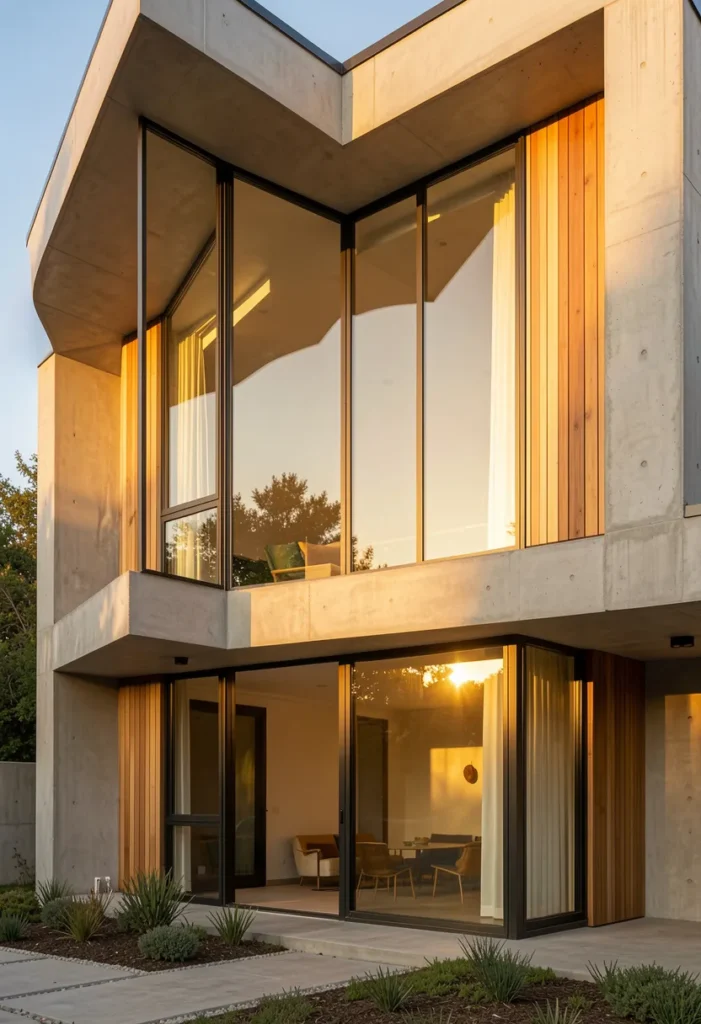
Energy-efficient windows reduce heat gain by reflecting infrared light. Double or triple glazing improves insulation.
Low-E coatings enhance performance without blocking natural light. This upgrade significantly improves indoor comfort. It’s a long-term investment that also reduces energy bills.
14. Install Roof Overhangs
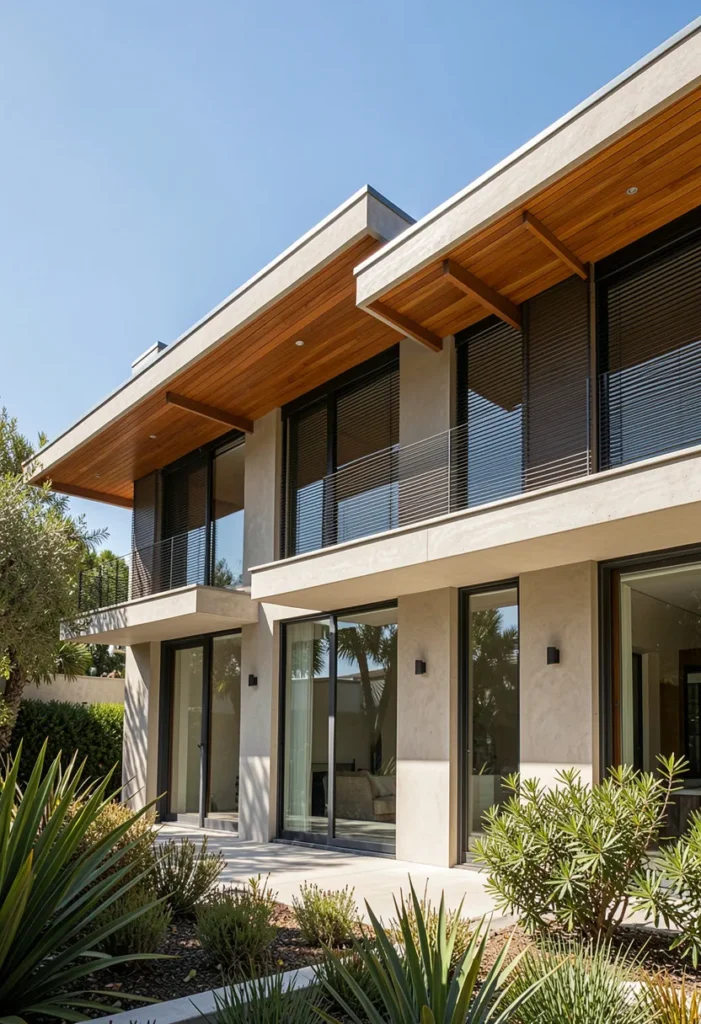
Roof overhangs block direct sunlight from hitting walls and windows. They provide passive cooling without energy use.
Properly designed overhangs allow winter sunlight while blocking summer heat. This balances seasonal temperature control. They also protect exterior surfaces from weather damage.
15. Use Gravel or Mulch Landscaping
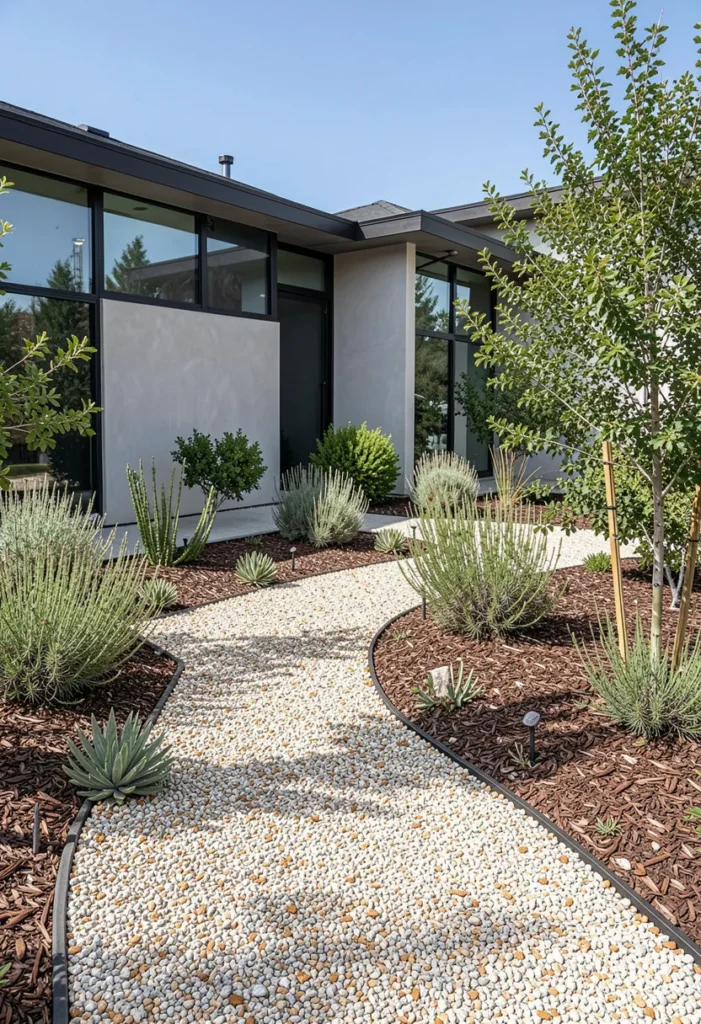
Gravel and mulch absorb less heat than hard surfaces. They also help retain soil moisture and reduce reflected heat.
These materials are low-maintenance and improve garden health. Light-colored gravel enhances cooling effects. They are ideal for pathways, garden beds, and around foundations.
16. Install Mist Cooling Systems
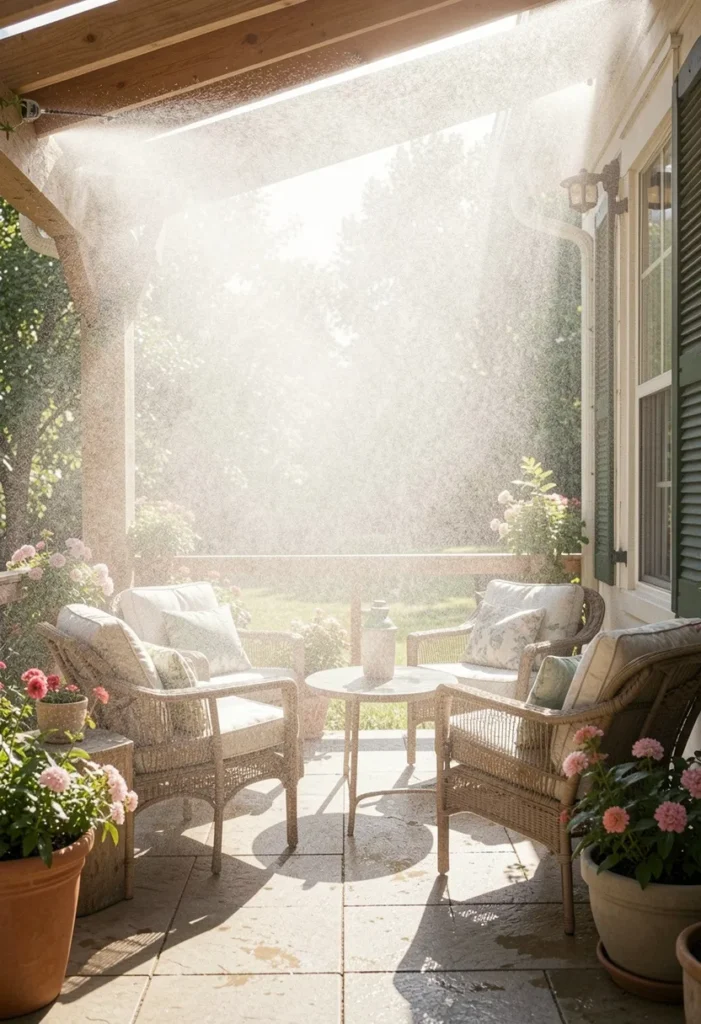
Outdoor misting systems release fine water droplets that cool the air instantly. They are perfect for patios and outdoor seating areas.
These systems are energy-efficient and easy to install. They create a noticeable drop in temperature during hot days. Ideal for entertaining, they enhance comfort without heavy energy use.
Final Words
Cooling your home doesn’t have to rely entirely on air conditioning. By focusing on your exterior, you can naturally reduce heat, improve comfort, and lower energy costs at the same time. These 16 cooling techniques for your home exterior offer a smart mix of practical upgrades and aesthetic improvements that work together to create a more livable environment.