11 Container Garden Secrets for Lush, Healthy Summer Plants
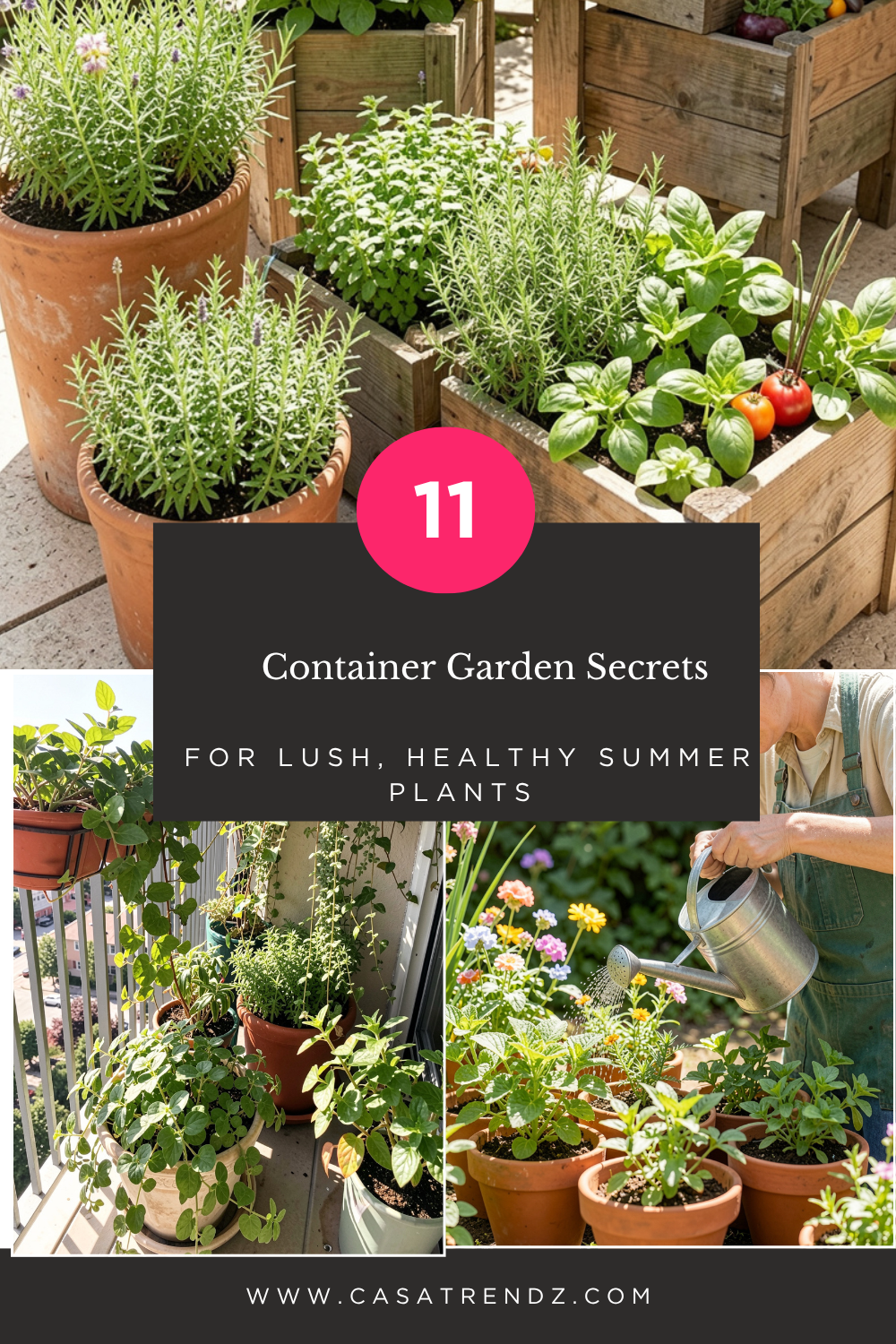
Container gardening is one of the easiest and most rewarding ways to grow lush, vibrant plants during the summer season. Whether you have a small balcony, patio, or a spacious backyard, containers give you the flexibility to create a thriving garden almost anywhere. However, growing healthy plants in pots requires a slightly different approach than traditional in-ground gardening. From choosing the right soil to managing water and sunlight, every detail plays a crucial role in your plants’ success.
These 11 Container Garden Secrets for Lush, Healthy Summer Plants will help you unlock the full potential of your potted garden. With the right techniques, you can enjoy abundant blooms, fresh herbs, and thriving greenery all season long. Each tip is designed to improve plant health, boost growth, and make maintenance easier so your container garden stays beautiful, productive, and stress-free throughout the summer months.
1. Choose the Right Container Size
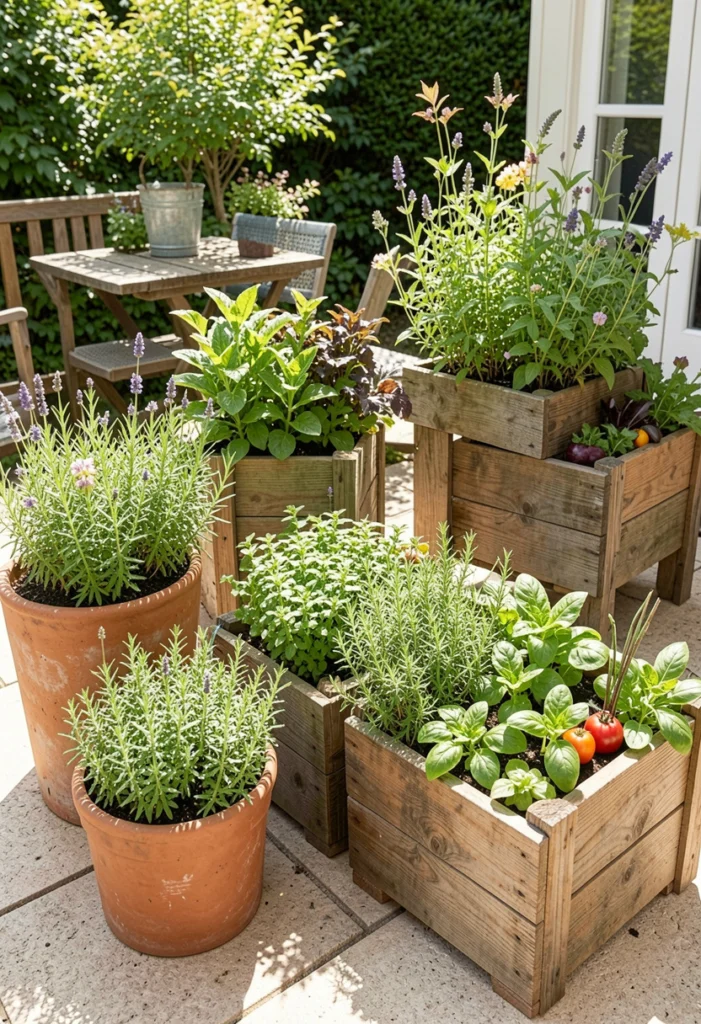
One of the most important secrets to a successful container garden is selecting the correct pot size. Many gardeners underestimate how much space roots need to grow, which can lead to stunted plants and poor health. A container that is too small dries out quickly and restricts root development, especially during hot summer days.
Larger containers retain moisture better and provide enough room for roots to expand, resulting in stronger, healthier plants. When choosing pots, consider the mature size of your plants rather than their current size. Vegetables like tomatoes or peppers, for example, require deep containers to thrive.
2. Use High-Quality Potting Mix
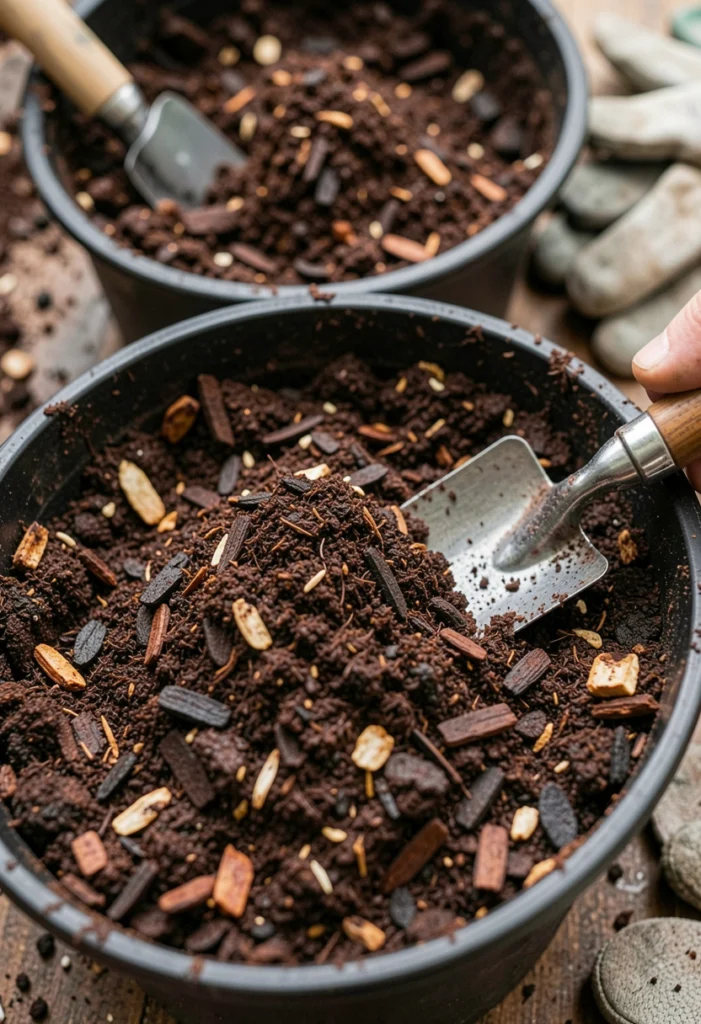
Garden soil is not suitable for containers. It tends to compact easily, restricting airflow and drainage, which can harm plant roots. Instead, invest in a high-quality potting mix specifically designed for container gardening. A good mix is lightweight, well-draining, and rich in nutrients. Look for blends that include materials like peat moss, coco coir, perlite, or vermiculite. These ingredients help retain moisture while allowing excess water to drain away.
You can also enhance your potting mix by adding compost or slow-release fertilizer to provide consistent nourishment. This is especially important during summer when plants grow rapidly and require more nutrients.
3. Master Proper Watering Techniques
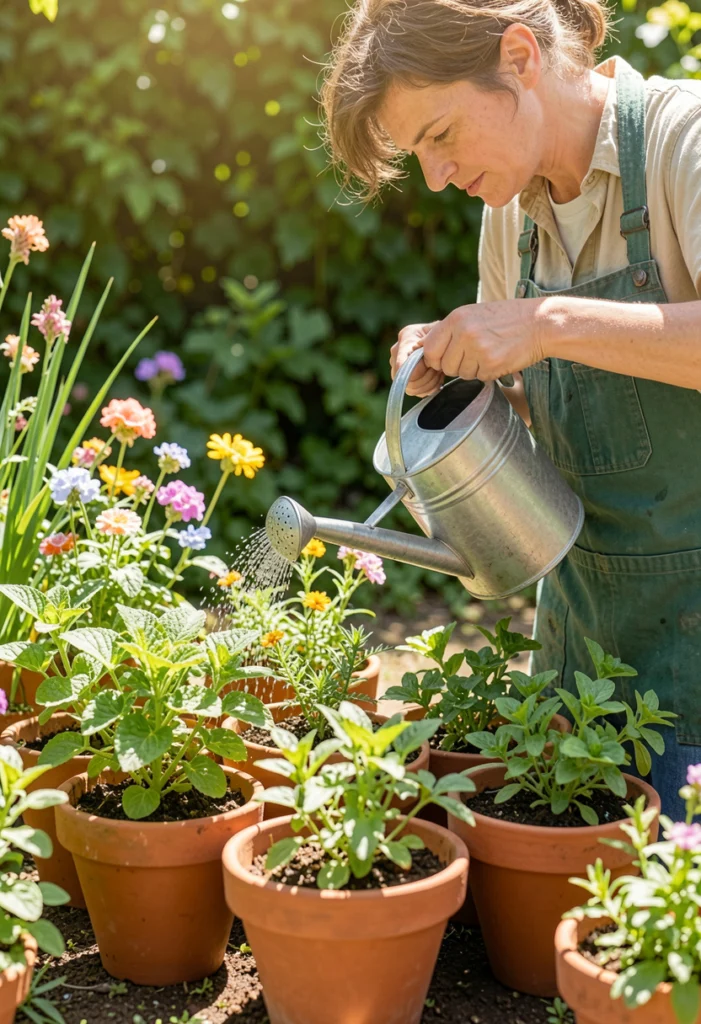
Watering is one of the most critical aspects of container gardening, especially in summer. Containers dry out faster than garden beds, meaning plants often need more frequent watering.
The key is consistency watering too little can stress plants, while overwatering can lead to root rot. Check the soil daily by inserting your finger about an inch deep. If it feels dry, it’s time to water. Water thoroughly until it drains from the bottom of the pot. This ensures the entire root system receives moisture. Early morning is the best time to water, as it reduces evaporation and prepares plants for the heat of the day.
4. Ensure Proper Drainage
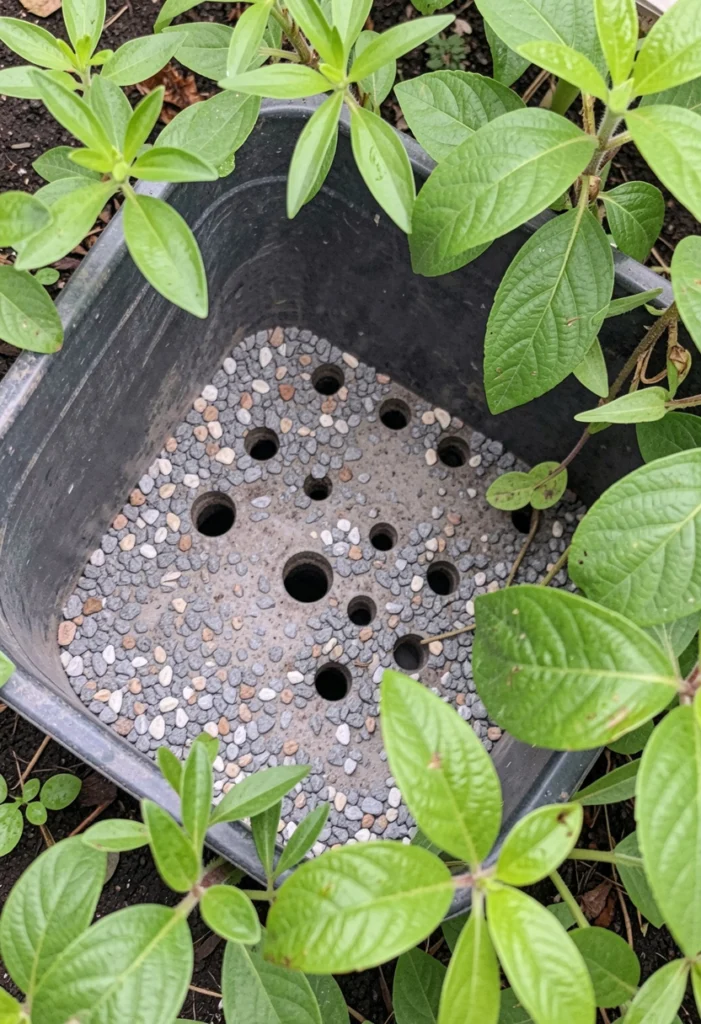
Good drainage is essential for container plants. Without it, excess water can accumulate at the bottom of the pot, leading to root rot and other issues. Always choose containers with drainage holes. If your favorite pot doesn’t have one, consider drilling holes or using it as a decorative outer layer with a proper inner pot.
Adding a layer of gravel or small stones at the bottom can help improve drainage, but the most important factor is using well-draining soil. Elevating pots slightly off the ground also allows water to escape more easily.
5. Provide Adequate Sunlight
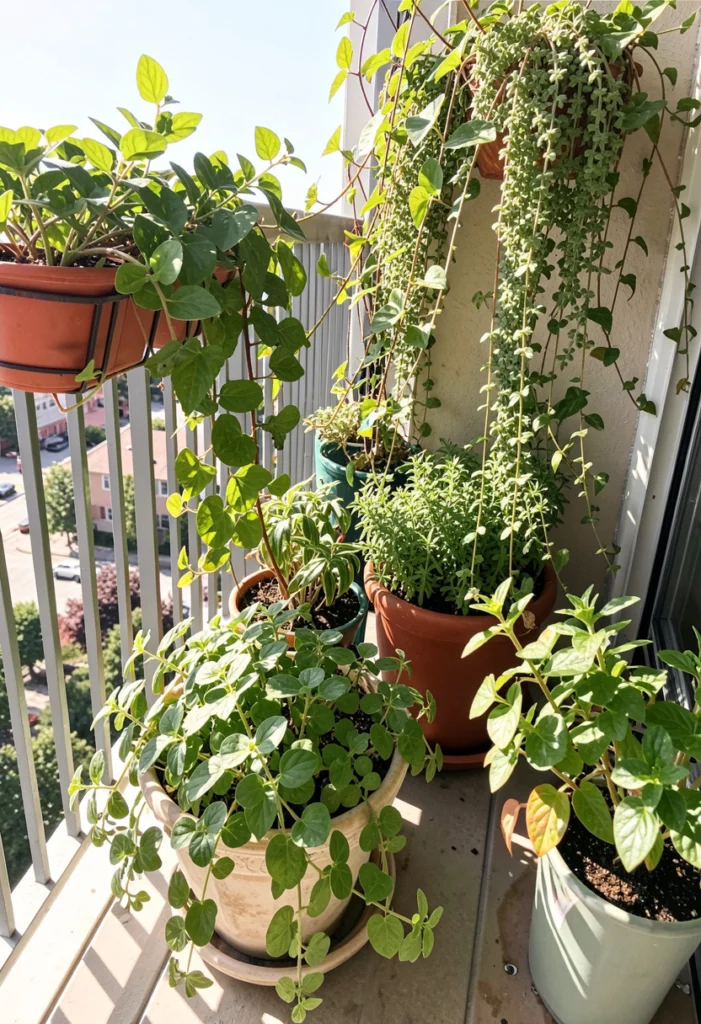
Most summer plants thrive in full sunlight, but the intensity can vary depending on your location. Understanding your plants’ light requirements is key to their success.
Place containers where they receive the appropriate amount of sunlight typically 6–8 hours for vegetables and flowering plants. If your space gets intense afternoon sun, consider providing partial shade to prevent scorching. One advantage of container gardening is mobility. You can easily move pots to adjust their light exposure throughout the day or season.
See Also: 16 Rainwater Harvesting Ideas for Summer Gardens
6. Feed Plants Regularly
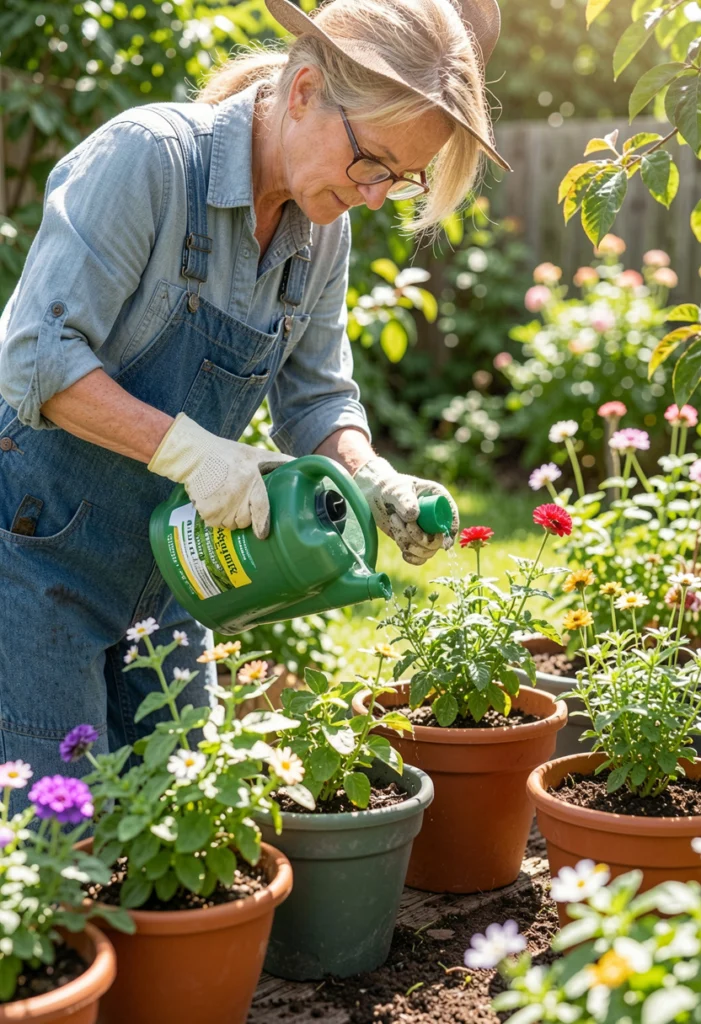
Container plants rely entirely on you for nutrients. Unlike garden soil, potting mix can lose nutrients quickly, especially with frequent watering.
Use a balanced liquid fertilizer every couple of weeks or incorporate slow-release fertilizers into the soil. This ensures a steady supply of essential nutrients. Pay attention to your plants’ needs flowering plants may require more phosphorus, while leafy greens benefit from nitrogen. Avoid over-fertilizing, as this can harm plants.
7. Group Plants with Similar Needs
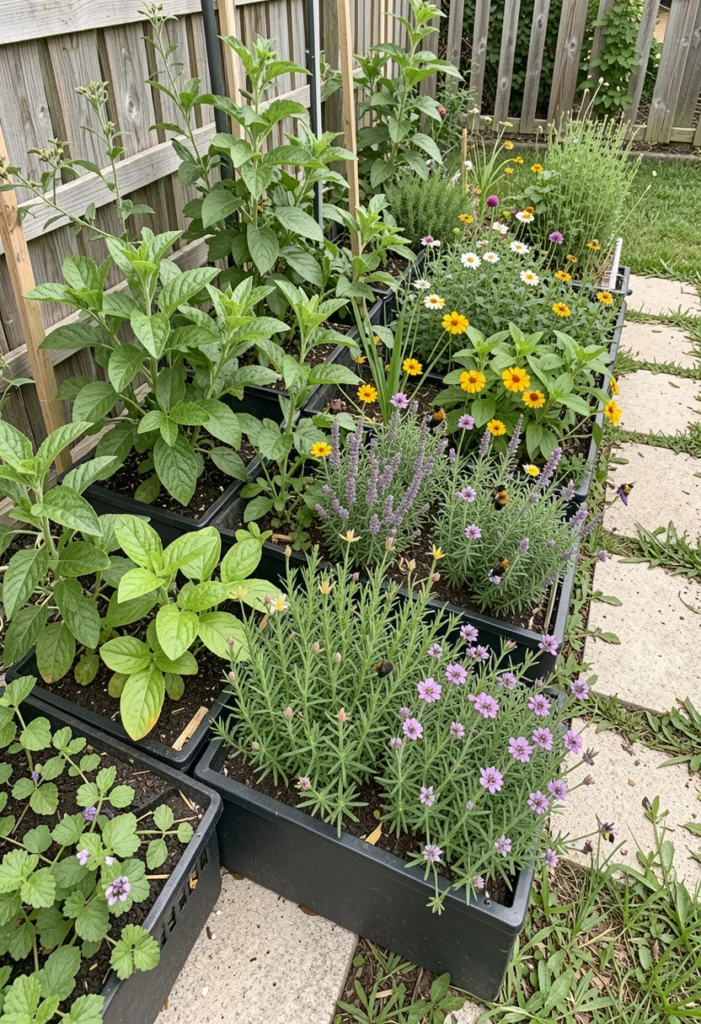
Grouping plants with similar water, light, and nutrient requirements makes maintenance easier and improves plant health. This approach prevents overwatering some plants while underwatering others.
For example, herbs like rosemary and thyme prefer drier conditions, while leafy greens need more moisture. Keeping them in separate containers ensures each plant gets the care it needs. This strategy also creates a more organized and visually appealing garden. Thoughtful grouping helps you manage your container garden efficiently while promoting healthier growth.
8. Use Mulch to Retain Moisture
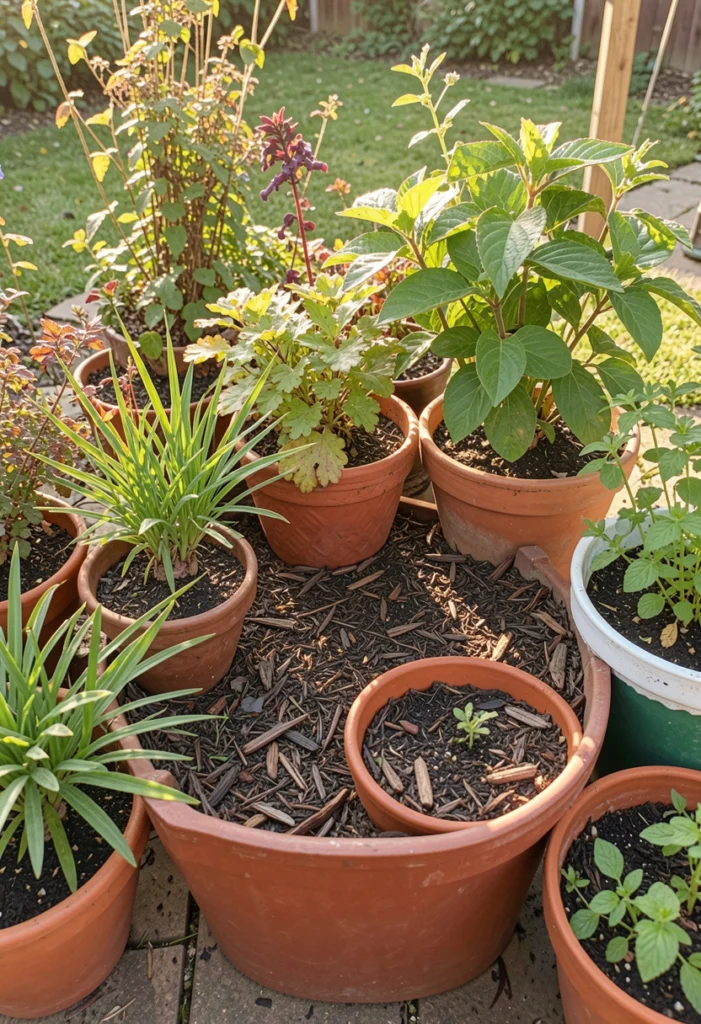
Mulching isn’t just for garden beds it works wonders in containers too. Adding a layer of organic mulch, such as bark, straw, or coco chips, helps retain moisture and regulate soil temperature.
This is especially beneficial during hot summer days when water evaporates quickly. Mulch also reduces weed growth and keeps the soil surface from hardening. By maintaining consistent moisture levels, mulch supports healthier roots and reduces the need for frequent watering.
9. Prune and Deadhead Regularly
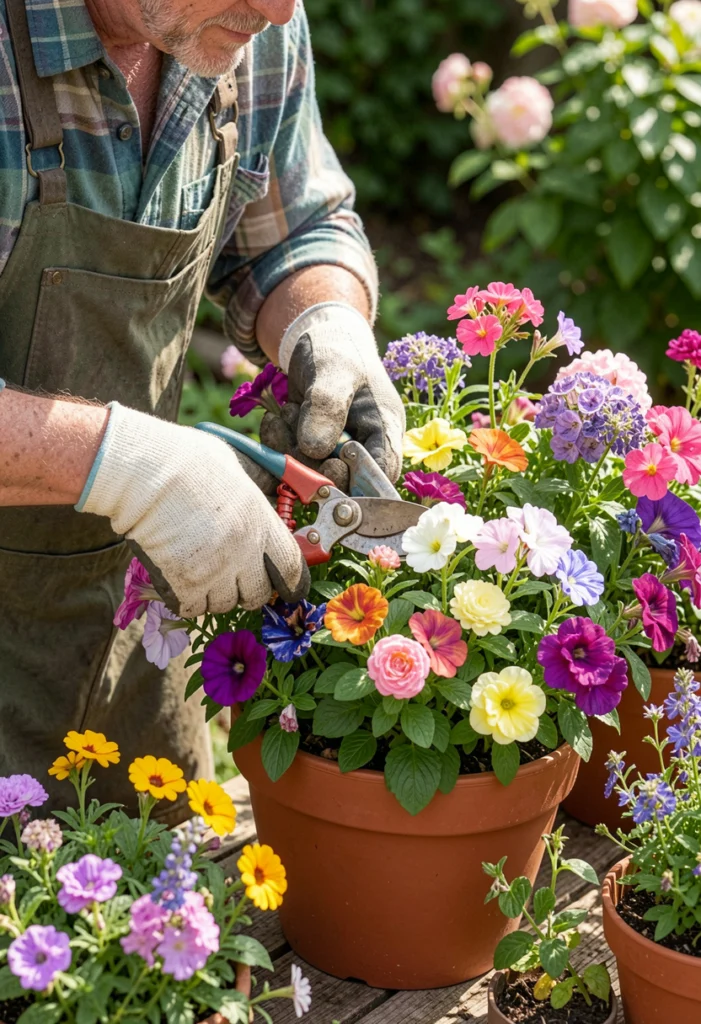
Regular pruning and deadheading encourage plants to produce more flowers and maintain a tidy appearance. Removing spent blooms prevents plants from putting energy into seed production.
Trim back overgrown stems to promote bushier growth and improve air circulation. This helps reduce the risk of pests and diseases. Consistent maintenance keeps your container garden looking fresh and vibrant throughout the season.
10. Protect Plants from Extreme Heat
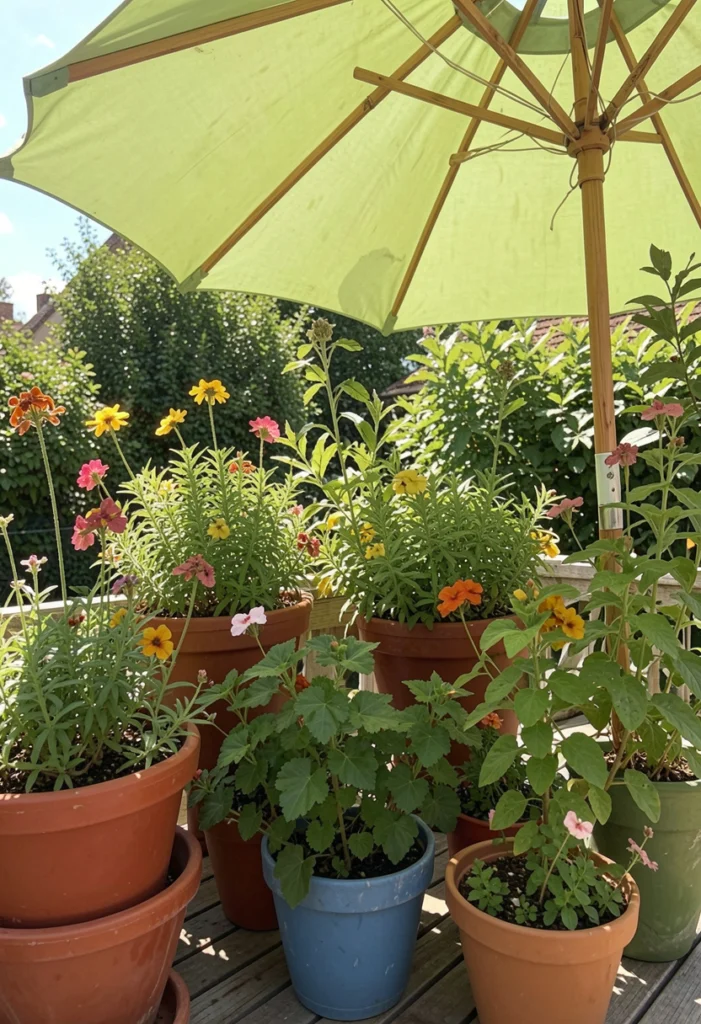
Summer heat can be intense, especially for container plants. Protect them by providing shade during the hottest part of the day or moving them to cooler spots.
Using light-colored containers can also help reflect heat, keeping roots cooler. Avoid placing pots on hot surfaces like concrete without insulation. Taking these precautions prevents stress and ensures your plants continue to thrive even during heatwaves.
11. Rotate and Refresh Plants
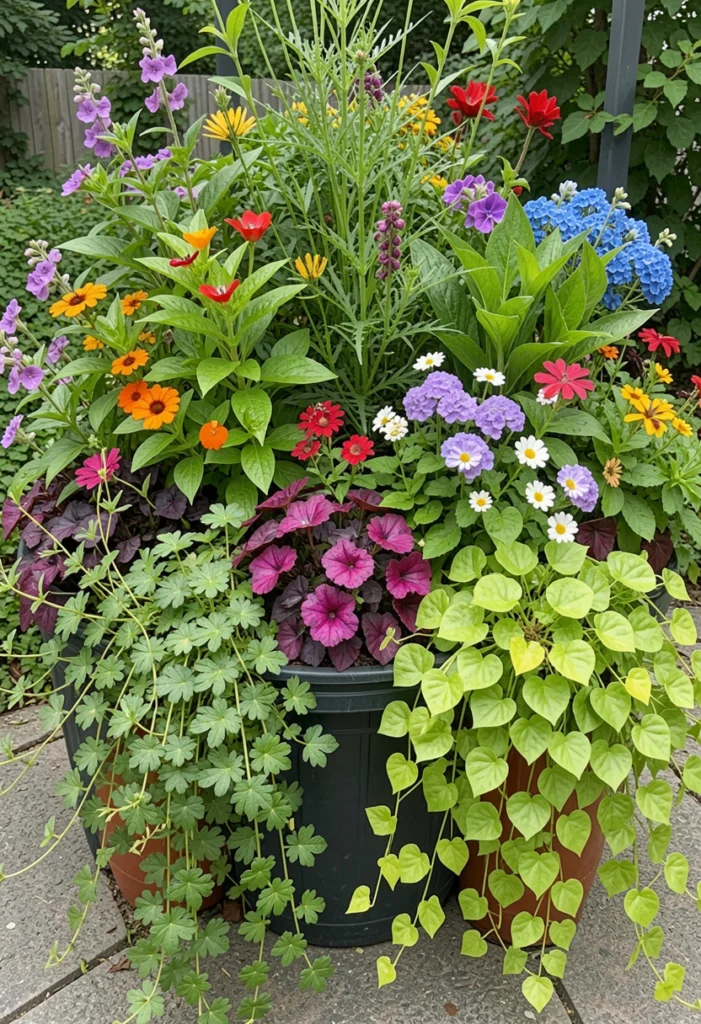
To keep your container garden looking its best, rotate plants regularly for even growth. This prevents one side from becoming leggy due to uneven sunlight.
Refreshing your containers by replacing tired plants or adding new ones keeps your garden vibrant. You can also change arrangements to maintain visual interest. This simple practice ensures your container garden stays lush, balanced, and visually appealing all summer long.
Final Words
Container gardening is a flexible and rewarding way to enjoy a lush summer garden, no matter how much space you have. By applying these simple yet effective secrets, you can create a thriving environment where your plants flourish with minimal stress. From choosing the right containers to maintaining proper care routines, every step contributes to healthier, more vibrant growth.