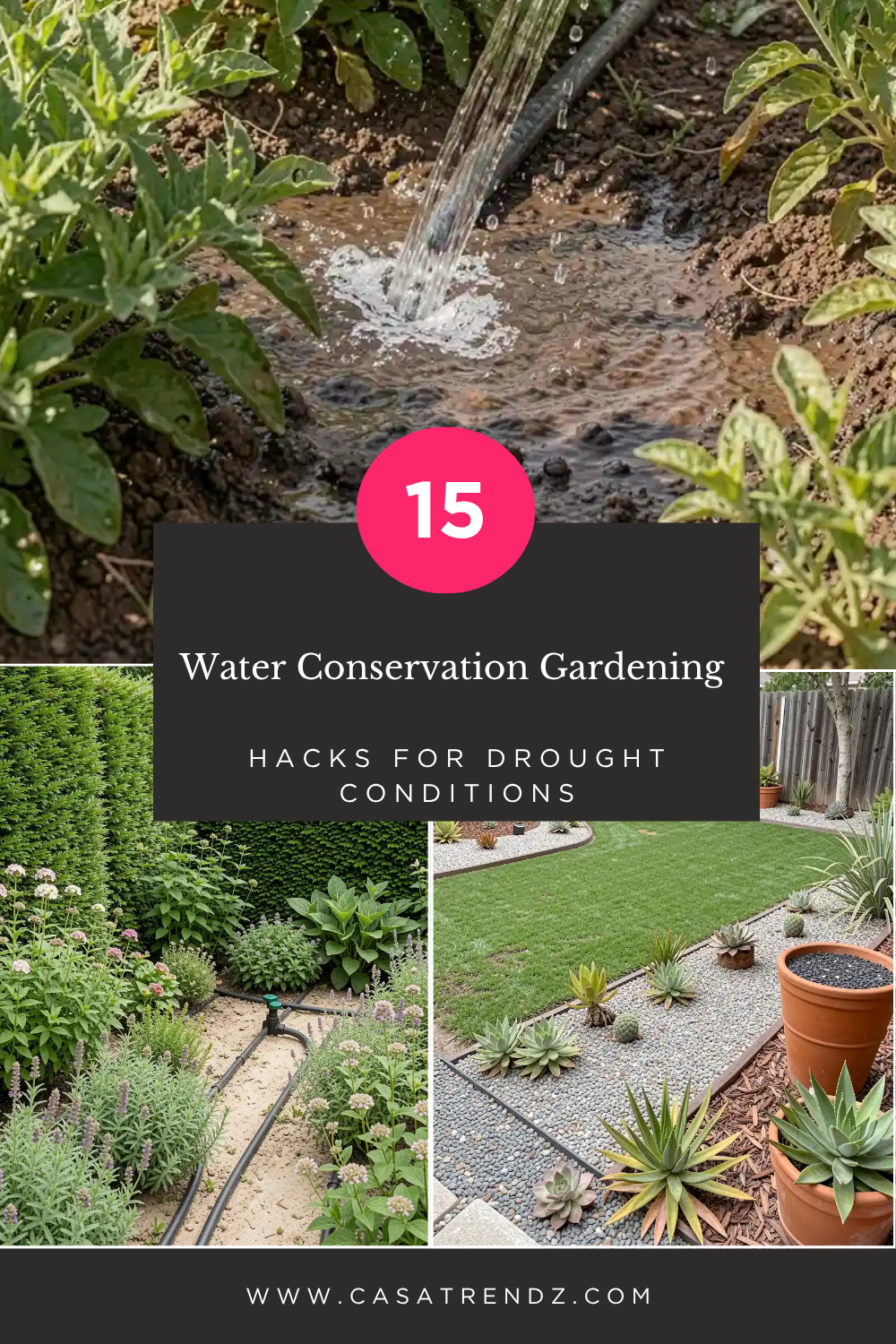
15 Water Conservation Gardening Hacks for Drought Conditions Introduction
Gardening during drought conditions can be challenging, but with the right strategies, it’s possible to maintain a healthy and beautiful outdoor space while using minimal water. As water becomes a more limited resource, adopting smart, efficient gardening techniques is essential for both sustainability and cost savings. Drought-friendly gardening focuses on reducing water loss, improving soil retention, and selecting plants that can thrive in dry conditions.
By making a few thoughtful changes such as adjusting watering habits, using mulch, and redesigning your garden layout you can significantly reduce water consumption without sacrificing plant health. These methods not only help your garden survive during dry spells but also create a more resilient and low-maintenance landscape for the long term. In this guide, you’ll discover 15 water conservation gardening hacks for drought conditions that will help you protect your plants, conserve water, and keep your garden thriving even in the hottest months.
1. Deep Watering Instead of Frequent Light Watering
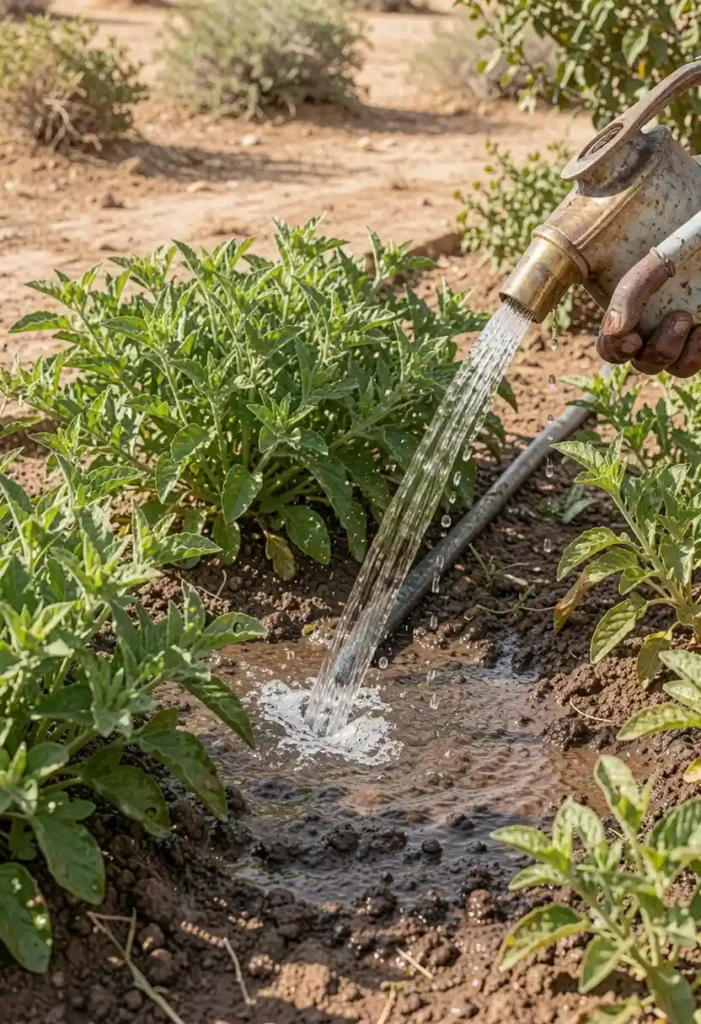
Deep watering encourages plants to develop strong, deep root systems that can access moisture stored deeper in the soil. Instead of watering lightly every day, water less often but more thoroughly so moisture reaches several inches below the surface.
This method reduces evaporation and ensures plants become more drought-resistant over time. Deep roots make plants less dependent on frequent watering and better able to survive dry conditions.
2. Apply Thick Organic Mulch Layers
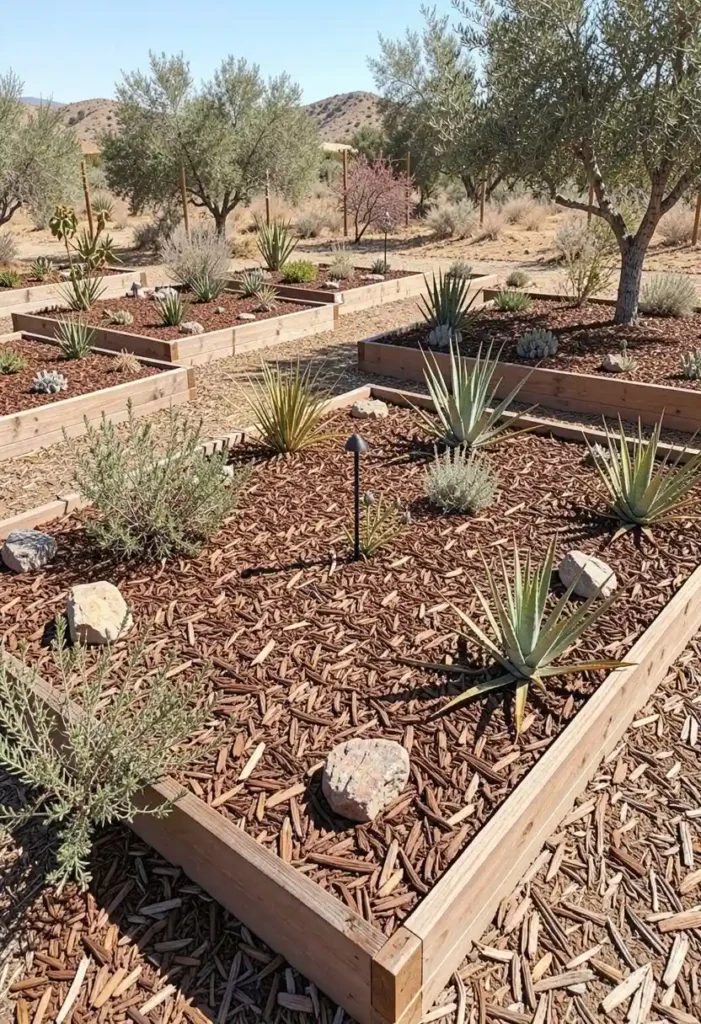
Mulch is one of the most powerful tools for drought gardening. A thick layer of organic mulch, such as bark, straw, or wood chips, helps retain soil moisture by reducing evaporation.
It also protects the soil from extreme temperatures, keeping roots cooler during hot days. Over time, mulch improves soil structure and water retention as it breaks down. Apply mulch around plants in a 3–4 inch layer, ensuring coverage across exposed soil.
3. Install Drip Irrigation Systems
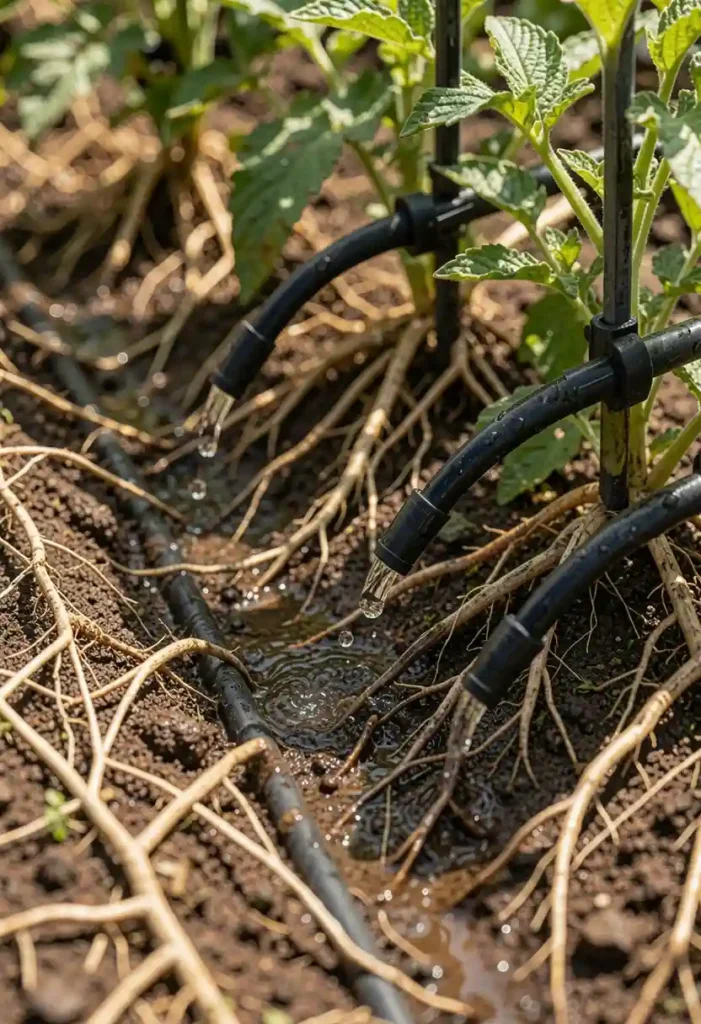
Drip irrigation delivers water directly to plant roots, minimizing waste. This targeted approach prevents evaporation and runoff, making it ideal for drought conditions.
The system can be automated to provide consistent watering at optimal times, such as early morning. It’s especially useful for vegetable gardens and flower beds. Drip systems also reduce weed growth by watering only specific areas.
4. Choose Native and Drought-Tolerant Plants
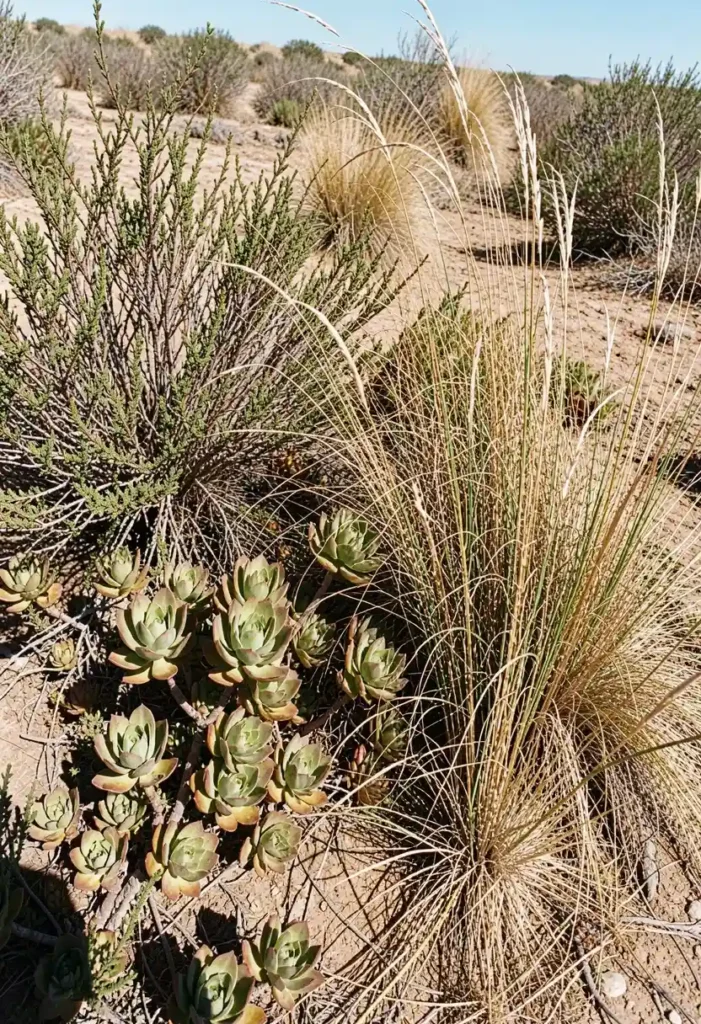
Native plants are adapted to local climates and typically require less water. Drought-tolerant plants, such as succulents and certain grasses, are designed to thrive with minimal moisture.
These plants often have features like deep roots or water-storing leaves that help them survive dry conditions. Selecting the right plants reduces maintenance and water usage significantly. This is one of the most sustainable gardening choices.
5. Use Shade Strategically
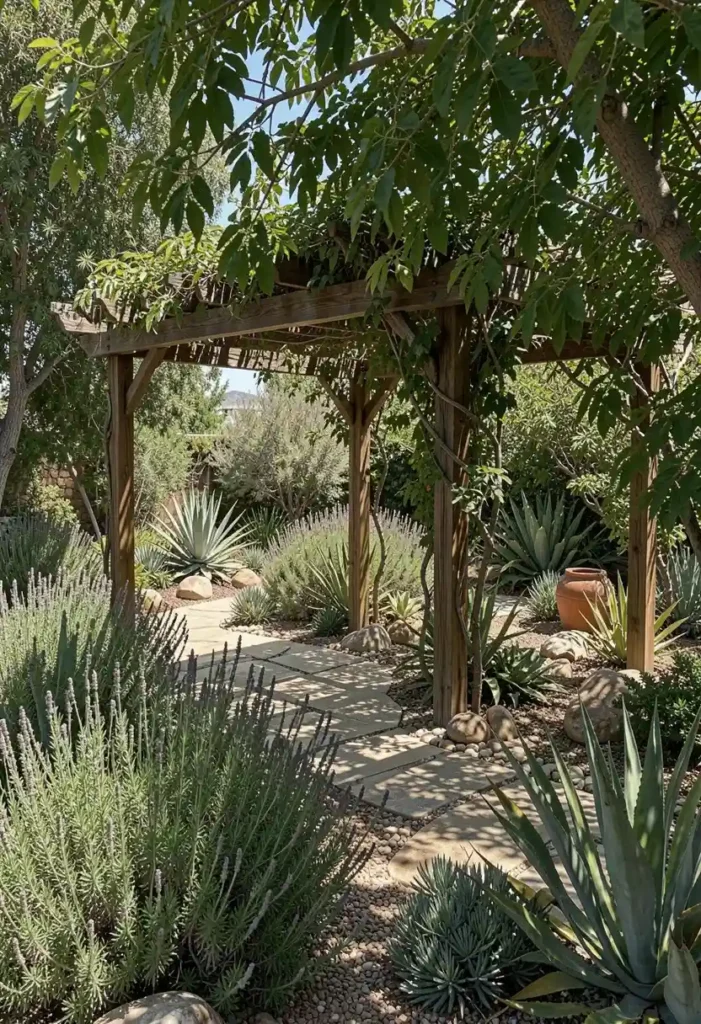
Providing shade reduces water loss by protecting plants from direct sunlight. Shade structures, trees, or taller plants can shield more delicate plants.
This lowers soil temperature and slows evaporation, helping moisture last longer. Shaded areas require less frequent watering and support healthier growth. Strategic shading is both practical and visually appealing.
6. Water Early in the Morning
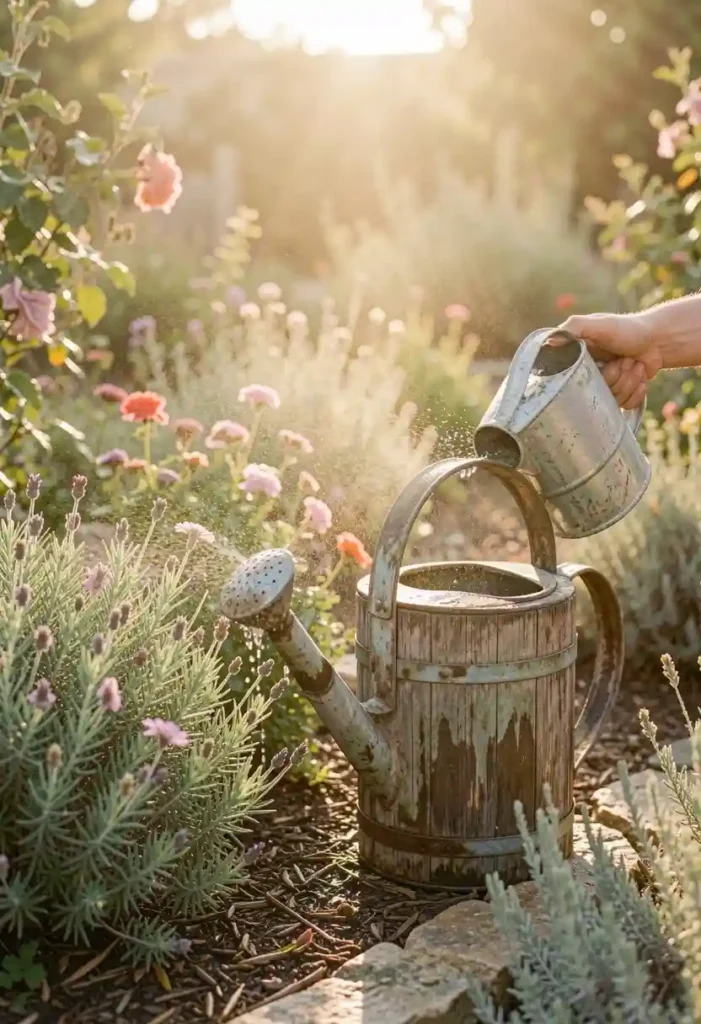
Watering early ensures that moisture reaches plant roots before the heat of the day causes evaporation. Morning watering also reduces the risk of fungal diseases compared to evening watering.
This timing maximizes water efficiency and keeps plants hydrated throughout the day. Consistency is key to maintaining healthy soil moisture levels. This simple habit can significantly reduce water waste.
7. Improve Soil with Compost
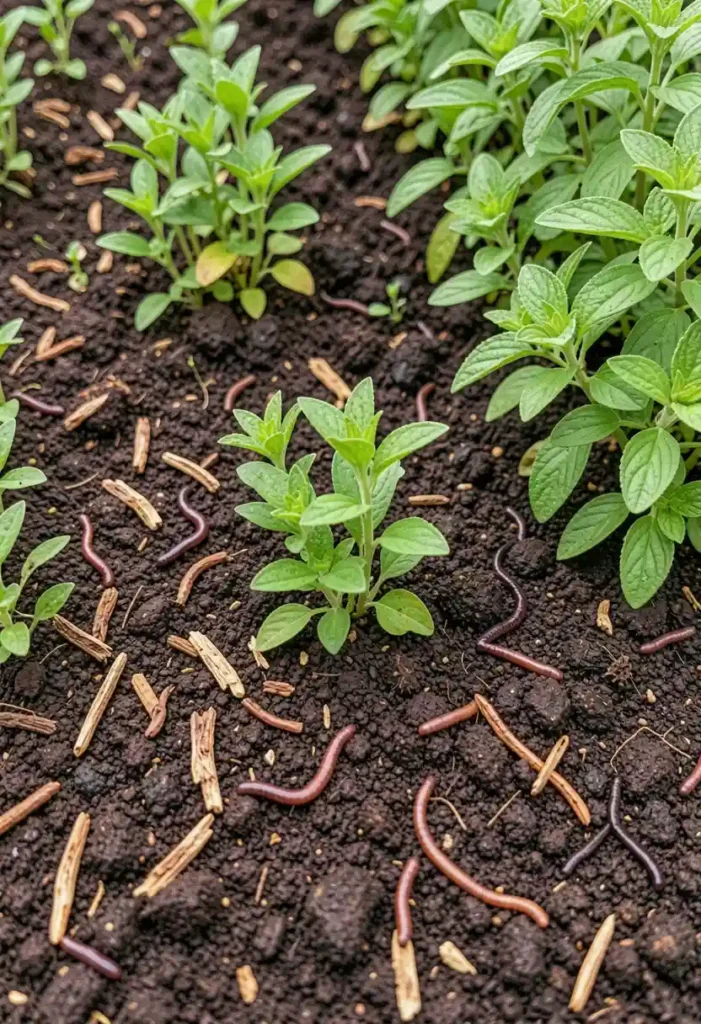
Compost enhances soil’s ability to retain water. It improves structure, allowing soil to absorb and hold moisture more effectively.
Healthy soil reduces the need for frequent watering and supports plant growth. Adding compost regularly keeps your garden fertile and resilient. This natural solution boosts both sustainability and productivity.
See Also: 11 Water Conservation Gardening Hacks
8. Use Soaker Hoses for Efficient Watering
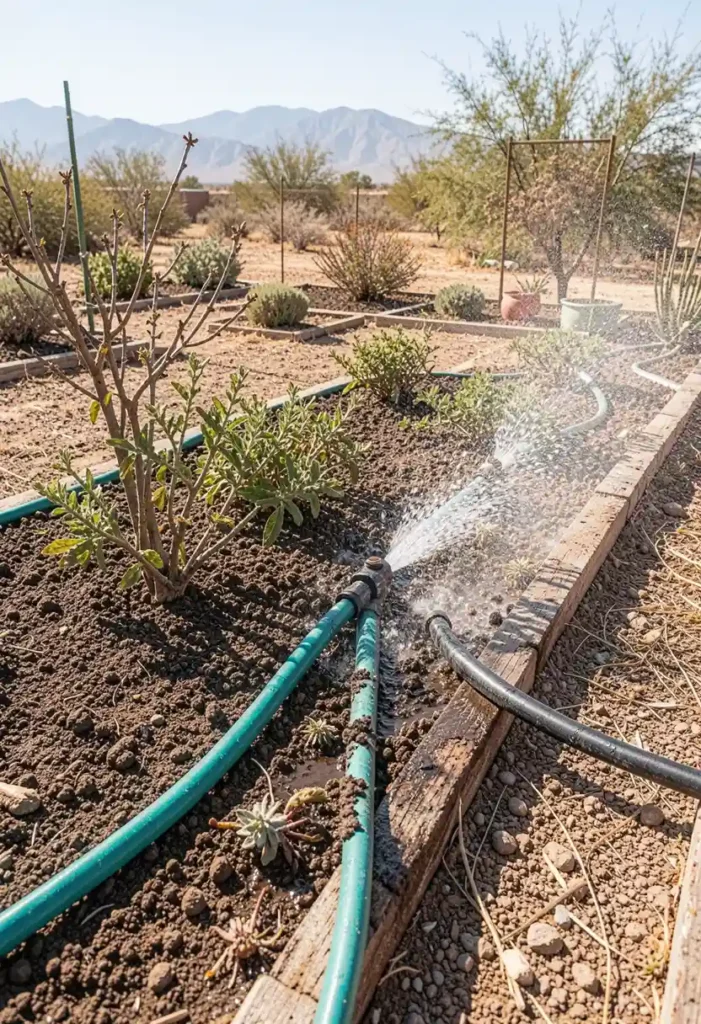
Soaker hoses release water slowly along their length, ensuring deep and even watering. They minimize evaporation and deliver water directly to the soil.
This method is ideal for garden beds and rows of plants. Soaker hoses are easy to install and highly efficient. They are a practical solution for drought conditions.
9. Group Plants by Water Needs
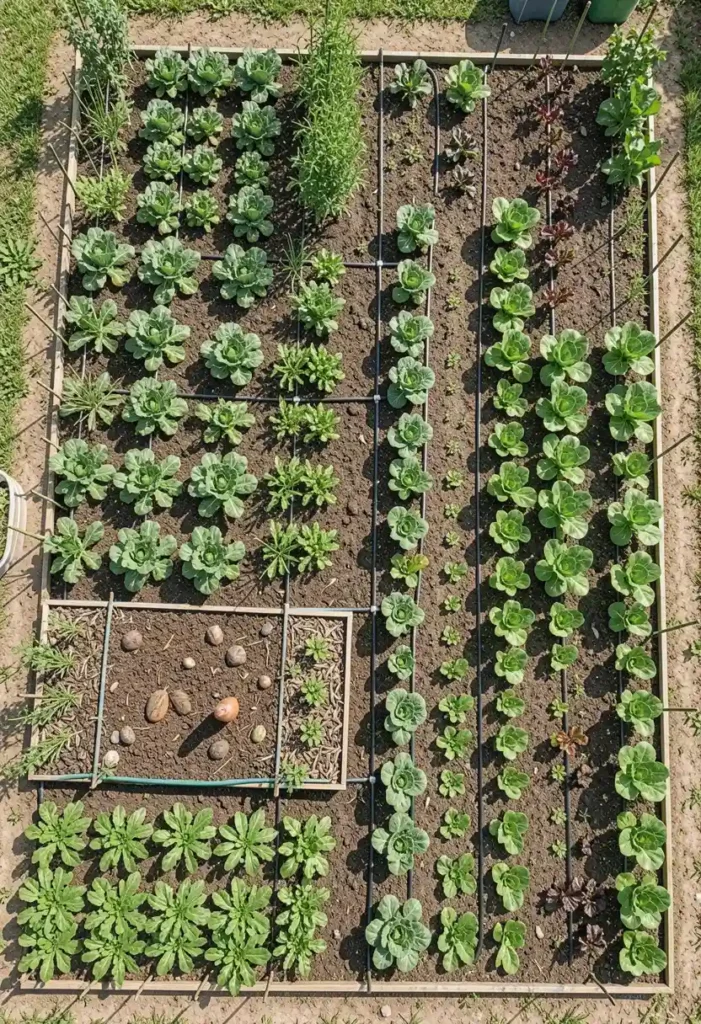
Hydrozoning involves grouping plants with similar water requirements. This ensures efficient watering and prevents overuse.
High-water plants can be placed together, while drought-tolerant plants are grouped separately. This approach simplifies watering schedules and reduces waste. It improves both plant health and water efficiency.
10. Reduce Lawn Space
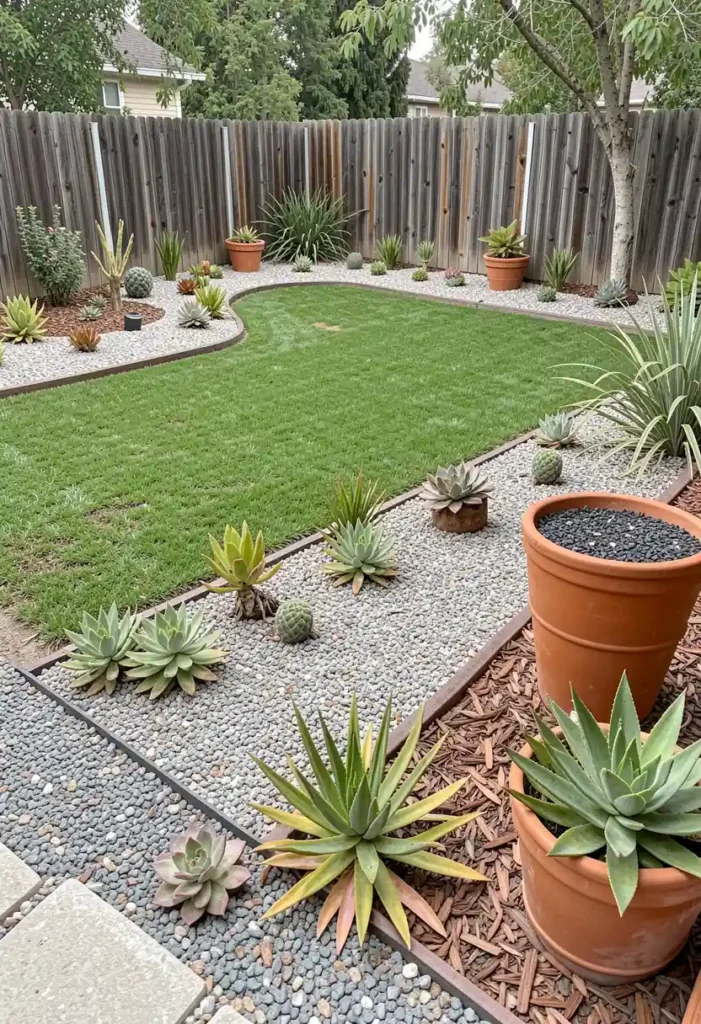
Lawns require a lot of water to stay green. Replacing parts of your lawn with drought-tolerant plants, gravel, or mulch reduces water consumption.
This also lowers maintenance and creates a more sustainable landscape. Alternative designs can be just as beautiful and functional. Reducing lawn areas is a smart long-term solution.
11. Collect and Reuse Rainwater
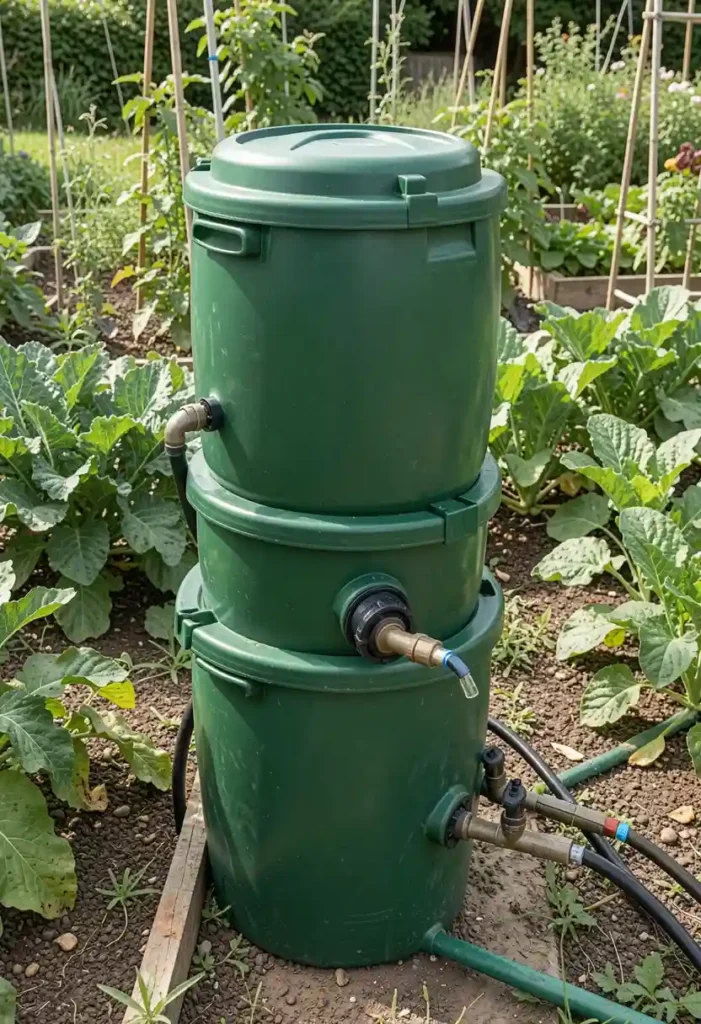
Rainwater harvesting provides a free and sustainable water source. Using barrels or tanks to collect rainwater allows you to store it for dry periods.
This water is ideal for plants and reduces reliance on tap water. It’s an eco-friendly and cost-effective solution. Rainwater reuse supports sustainable gardening.
12. Add Ground Cover Plants
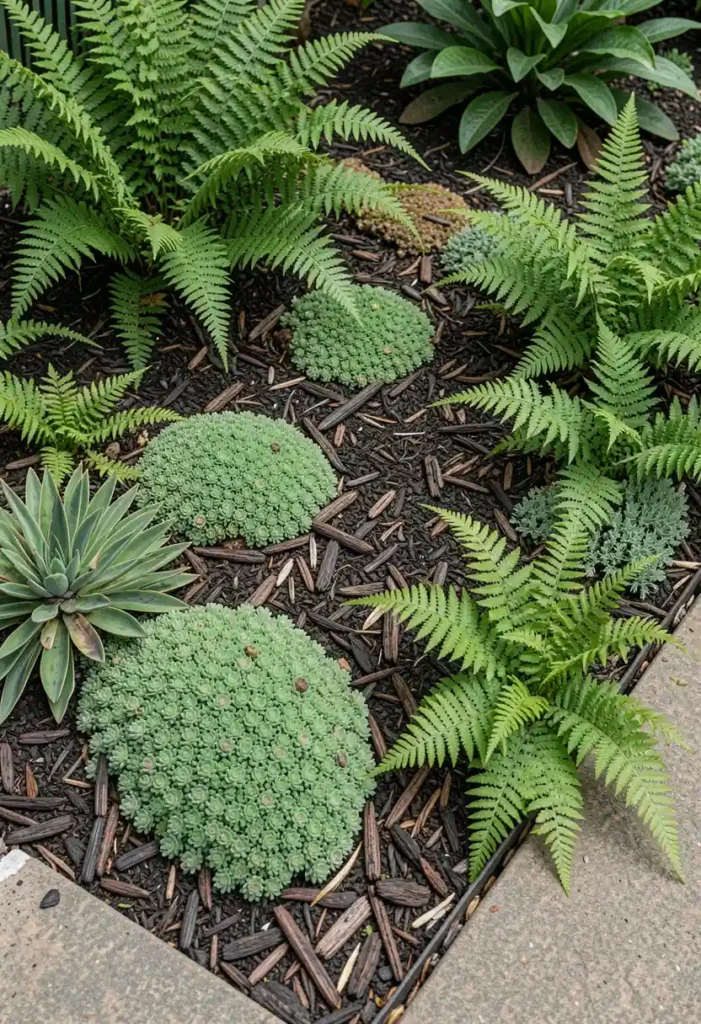
Ground covers help protect soil from direct sunlight and reduce evaporation. They create a natural barrier that retains moisture.
These plants also suppress weeds and improve soil health. Choose drought-tolerant varieties for best results. Ground covers enhance efficiency and aesthetics.
13. Avoid Overcrowding Plants
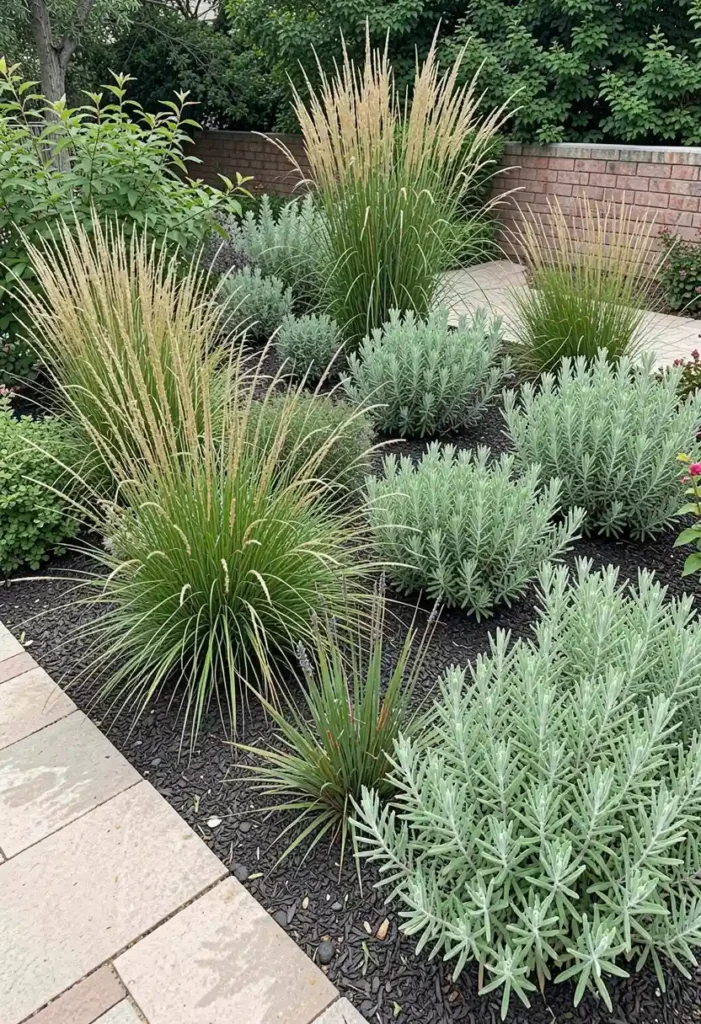
Overcrowded plants compete for water, leading to inefficient use. Proper spacing ensures each plant receives enough moisture and nutrients.
It also improves airflow, reducing disease risk. Planning your garden layout carefully enhances water efficiency. Balanced spacing supports healthier growth.
14. Use Windbreaks to Reduce Evaporation
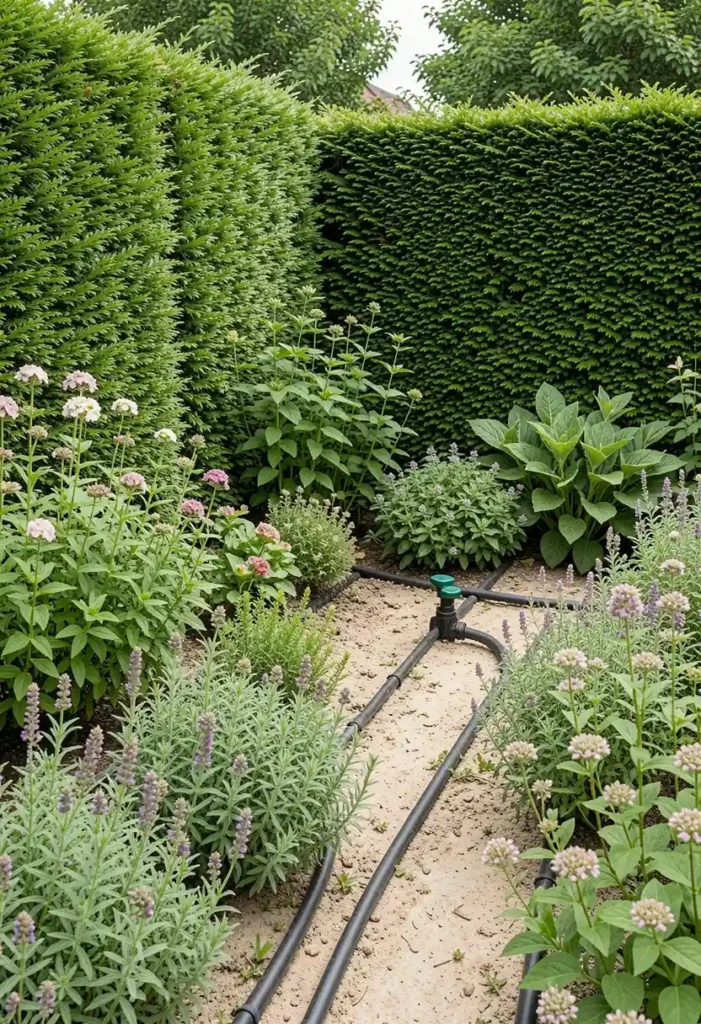
Wind increases evaporation, drying out soil quickly. Installing windbreaks like fences, hedges, or walls helps protect your garden.
This reduces moisture loss and keeps soil hydrated longer. Windbreaks also create a more stable growing environment. They are especially useful in exposed areas.
15. Monitor Soil Moisture Before Watering
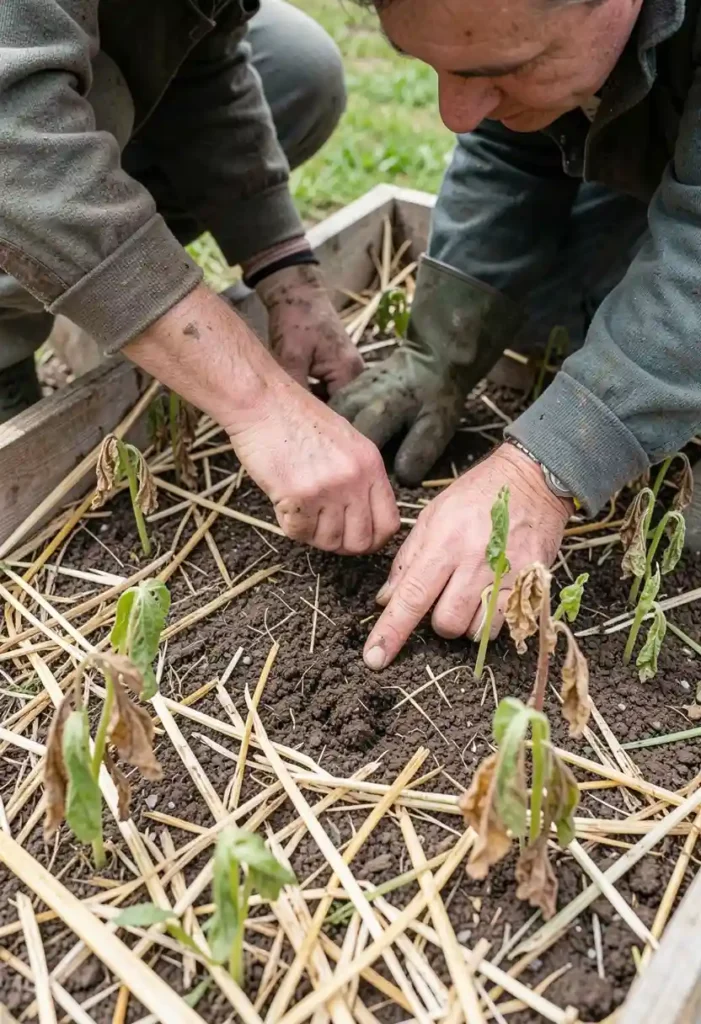
Checking soil moisture before watering prevents overwatering. Use your finger or a moisture meter to determine if plants actually need water.
This ensures water is used only when necessary. It helps maintain balanced soil conditions. Monitoring reduces waste and improves plant health.
Conclusion
Using these 15 Water Conservation Gardening Hacks for Drought Conditions, you can create a resilient, thriving garden even in the harshest summer climates. By focusing on smarter watering techniques, improving soil health, and choosing the right plants, you significantly reduce water waste while supporting strong, healthy growth.