12 Common Summer Gardening Mistakes (And How to Avoid Them!)
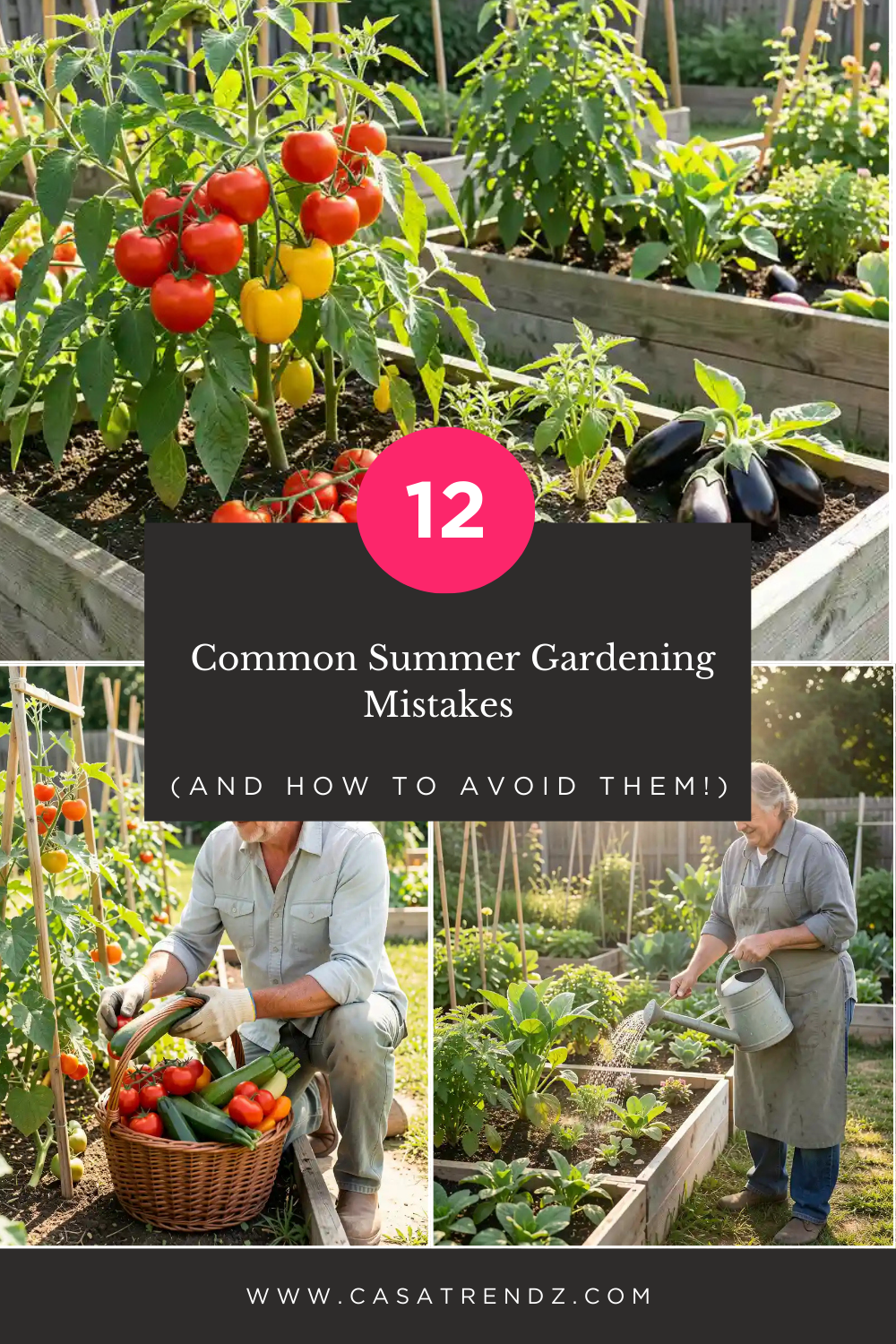
Summer is one of the most exciting seasons for gardeners. Plants grow quickly, flowers bloom beautifully, and vegetable gardens begin producing delicious harvests. However, the hot temperatures and intense sunlight of summer can also create challenges for plants and gardeners alike. Even experienced gardeners sometimes make small mistakes that can affect plant health, soil quality, and overall garden productivity. From overwatering and planting at the wrong time to ignoring pests or neglecting soil care, these common issues can prevent your garden from thriving during the warmest months of the year.
The good news is that most summer gardening problems are easy to prevent once you know what to watch for. With a few simple adjustments and better gardening habits, you can protect your plants and keep your garden healthy, vibrant, and productive all season long. In this guide, we’ll explore 12 Common Summer Gardening Mistakes (And How to Avoid Them!) so you can enjoy a flourishing garden even during the hottest days of summer.
1. Overwatering Your Plants
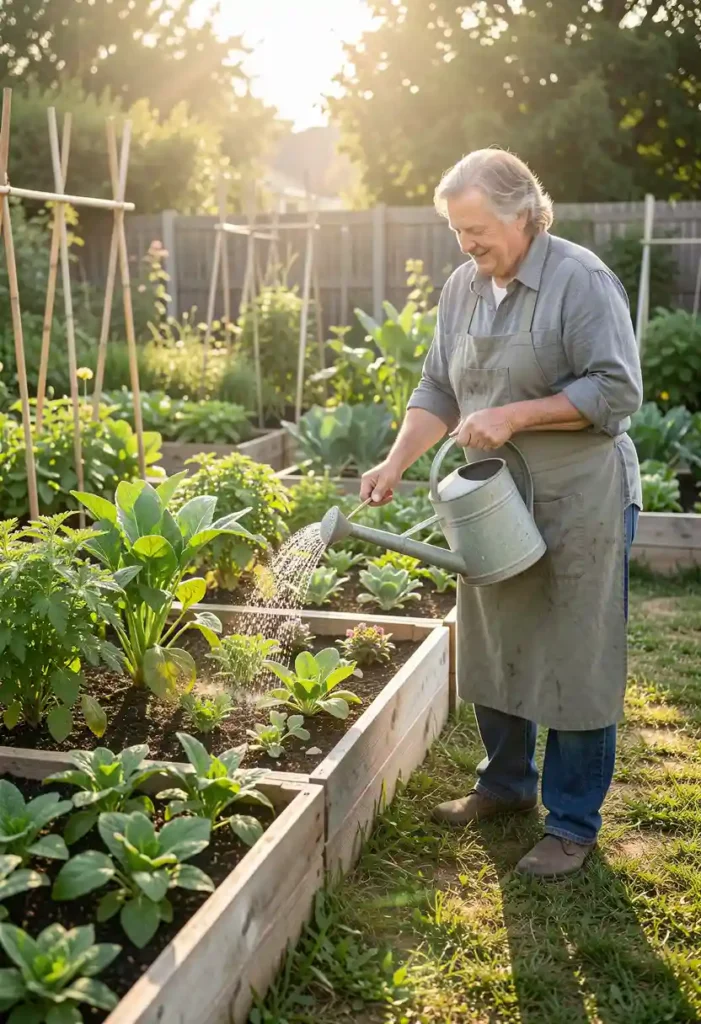
One of the most common summer gardening mistakes is overwatering. Because summer temperatures are high, many gardeners assume plants need constant watering. However, watering too frequently can actually harm plants by drowning their roots and reducing oxygen in the soil.
Overwatered soil often becomes soggy, which encourages root rot and fungal diseases. Plants with waterlogged roots struggle to absorb nutrients, leading to yellowing leaves, slow growth, and weak stems. Different plants have different watering needs, so it’s important to check the soil before adding more water.
2. Watering at the Wrong Time of Day
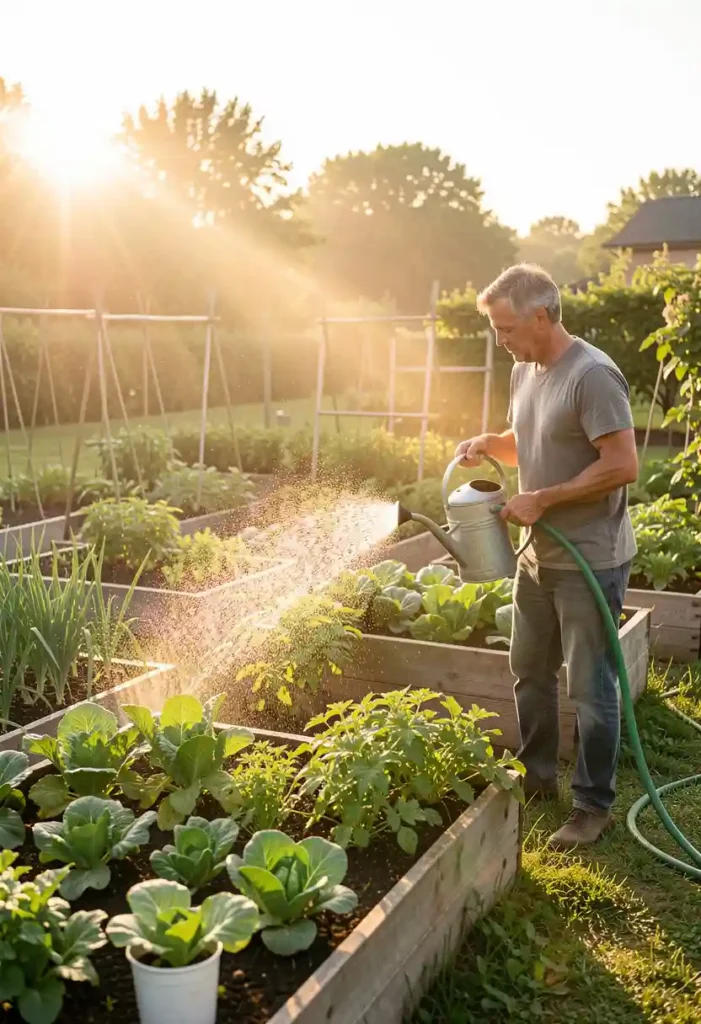
Timing plays a crucial role in effective watering. A common mistake many gardeners make is watering plants during the hottest part of the day. When water is applied in the afternoon heat, much of it evaporates before it can reach plant roots. Water droplets sitting on leaves during intense sunlight can also contribute to leaf scorch in some cases. More importantly, midday watering wastes water and doesn’t properly hydrate plants.
The best time to water your garden is early in the morning. Cooler temperatures allow water to soak deeply into the soil, giving plant roots time to absorb it before the sun becomes strong. Morning watering also helps plants stay hydrated during the hottest part of the day.
See Also: 15 Easy Ways to Create Shade in Your Garden This Summer
3. Ignoring Mulch
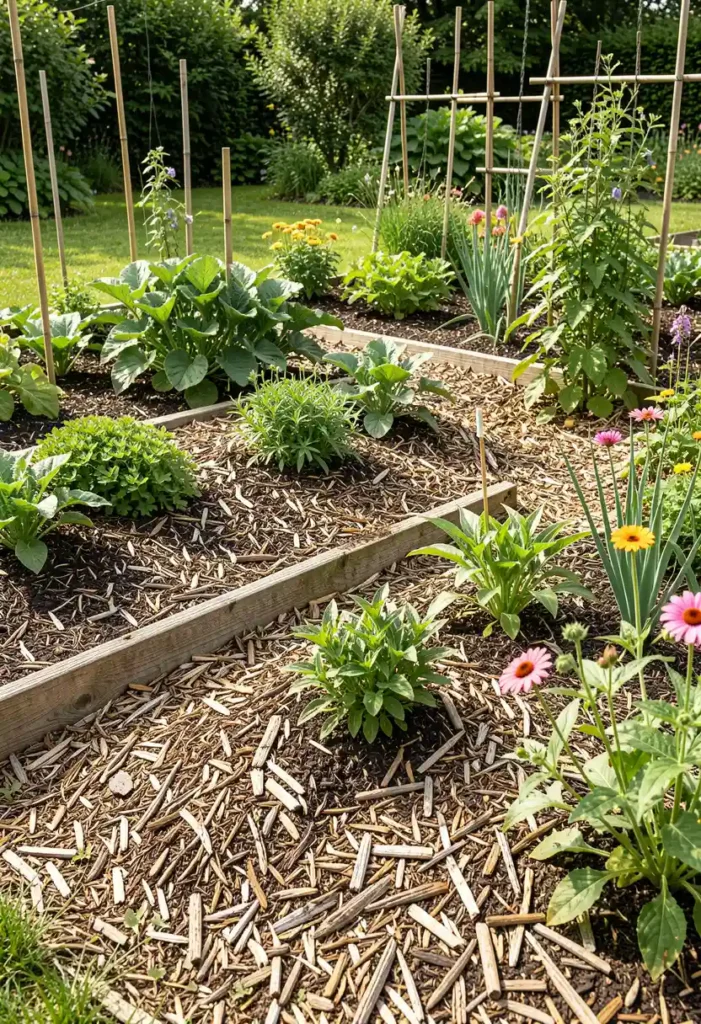
Skipping mulch is another common summer gardening mistake. Mulch plays a critical role in protecting soil during hot weather. Without it, soil dries out quickly, forcing plants to struggle for moisture. Mulch helps regulate soil temperature, keeping roots cooler during hot afternoons. It also reduces evaporation, allowing water to stay in the soil longer. Organic mulch such as straw, wood chips, shredded leaves, or compost slowly breaks down and improves soil health over time.
Applying a 2–3 inch layer of mulch around plants can make a huge difference in plant health during summer. However, it’s important not to pile mulch directly against plant stems or tree trunks, as this can encourage rot and pests.
4. Planting Heat-Sensitive Plants Too Late
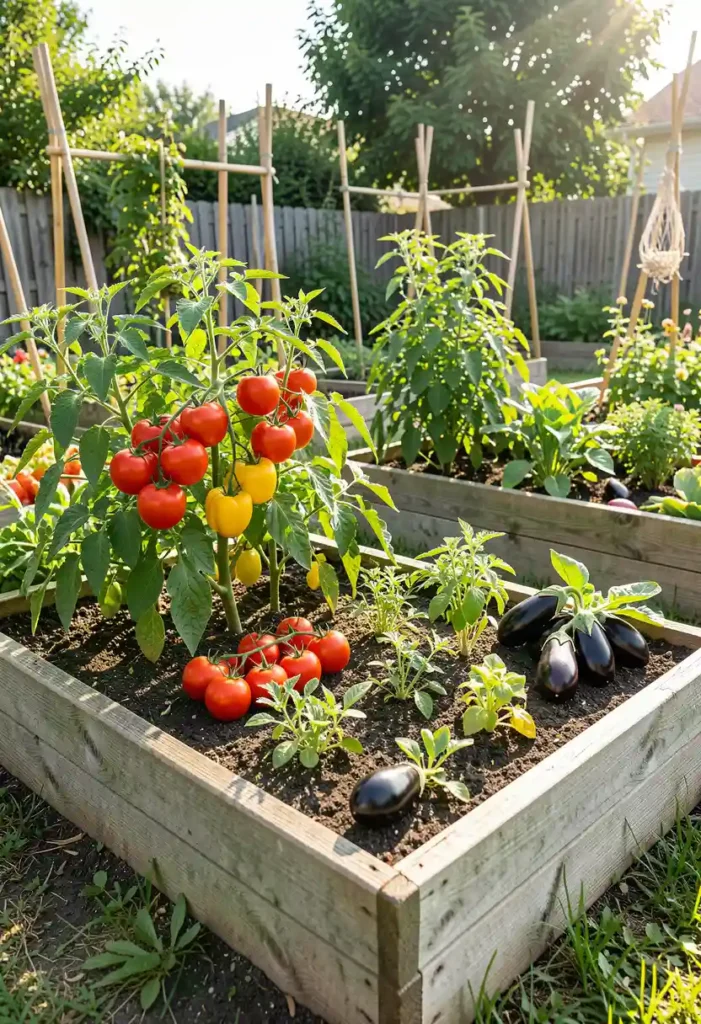
Another mistake many gardeners make is planting delicate plants too late in the season. Some flowers and vegetables thrive in spring but struggle once the intense heat of summer arrives. Cool-season crops like lettuce, spinach, and peas often bolt quickly when exposed to high temperatures. When planted too late, these plants may produce poor harvests or stop growing altogether.
To avoid this problem, research the ideal planting times for your region. Heat-tolerant plants such as tomatoes, peppers, eggplants, and okra perform much better during summer months. You can also provide shade for sensitive plants using shade cloth, taller plants, or garden structures. This helps extend their growing season and protects them from extreme sunlight.
5. Forgetting to Check for Pests
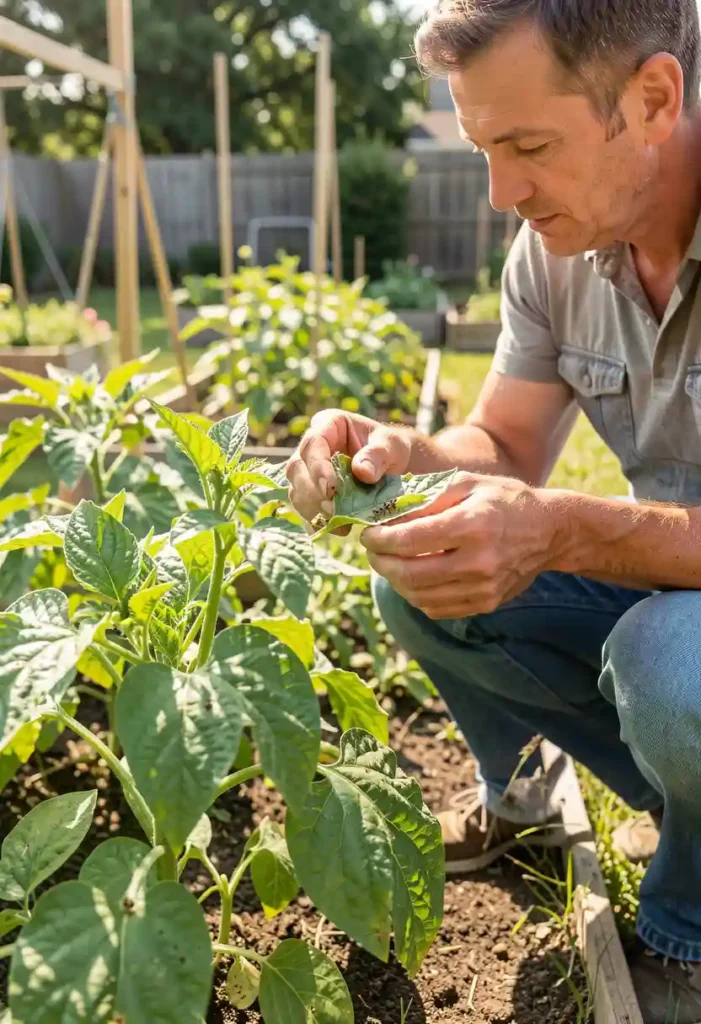
Warm summer weather creates perfect conditions for garden pests. Insects such as aphids, spider mites, caterpillars, and whiteflies can multiply quickly and damage plants if not noticed early. A common mistake is ignoring regular plant inspections. Small pest problems can quickly become large infestations if left unchecked.
Inspect plant leaves frequently, especially the undersides where pests often hide. Signs of infestation include holes in leaves, sticky residue, discolored spots, or curled foliage. Using natural pest control methods such as neem oil, insecticidal soap, or beneficial insects like ladybugs can help keep pest populations under control.
6. Overcrowding Plants
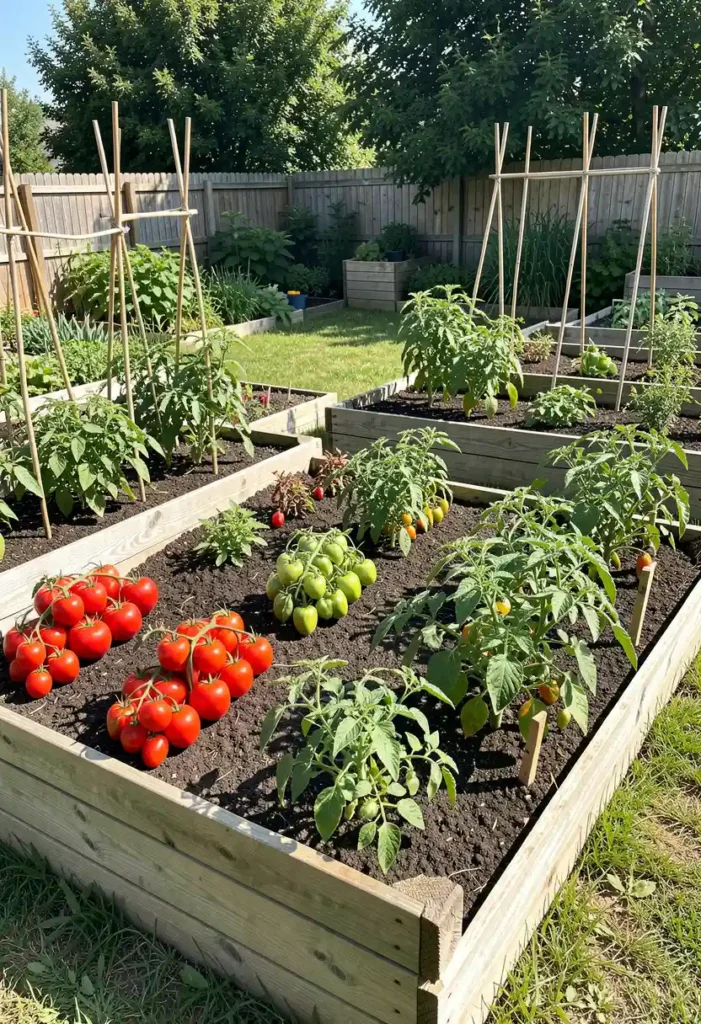
Planting too many plants close together is another common mistake during summer gardening. While it might seem like a good way to maximize space, overcrowding can actually harm plant growth. When plants are packed tightly together, they compete for sunlight, water, and nutrients. This competition weakens plants and can lead to slower growth and reduced harvests. Overcrowded plants also create poor air circulation, which increases the risk of fungal diseases like powdery mildew.
Proper spacing allows plants to grow to their full size without competing for resources. Each plant should have enough room for its roots and foliage to expand comfortably. Checking seed packets or plant labels can help determine the ideal spacing requirements.
7. Neglecting Soil Nutrition
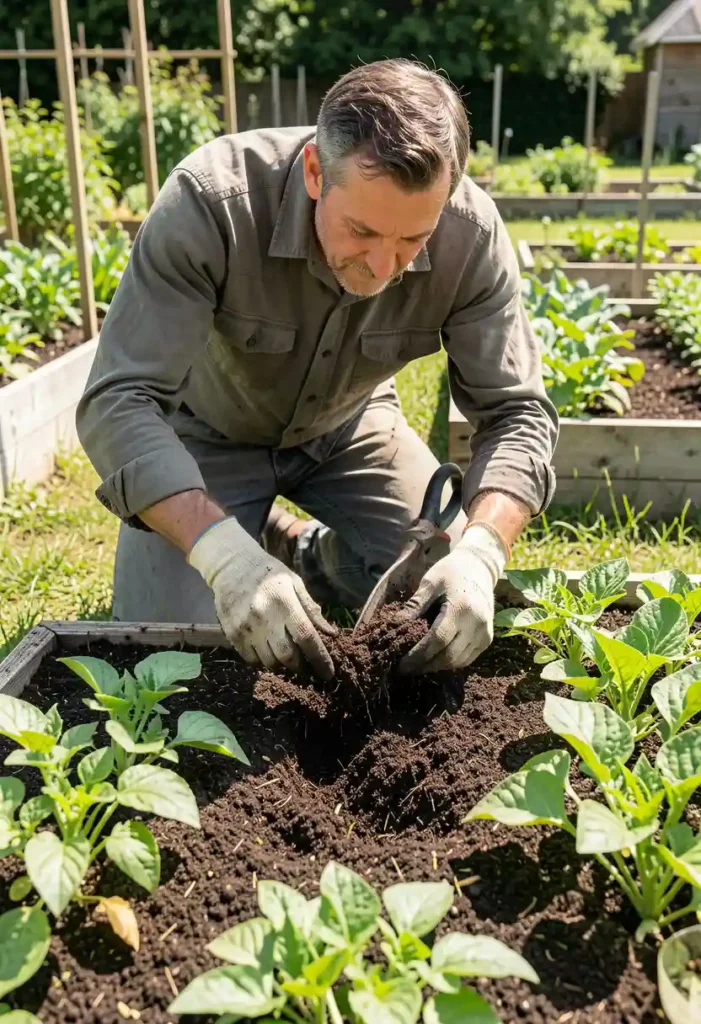
Plants grow rapidly during summer, which means they consume nutrients from the soil more quickly. A common mistake gardeners make is forgetting to replenish these nutrients throughout the growing season. Without proper nutrition, plants may develop yellow leaves, weak stems, or reduced flowering and fruit production.
Adding organic compost or balanced fertilizers can restore important nutrients such as nitrogen, phosphorus, and potassium. Compost improves soil structure and supports beneficial microorganisms that help plants absorb nutrients more efficiently.
8. Ignoring Weeds
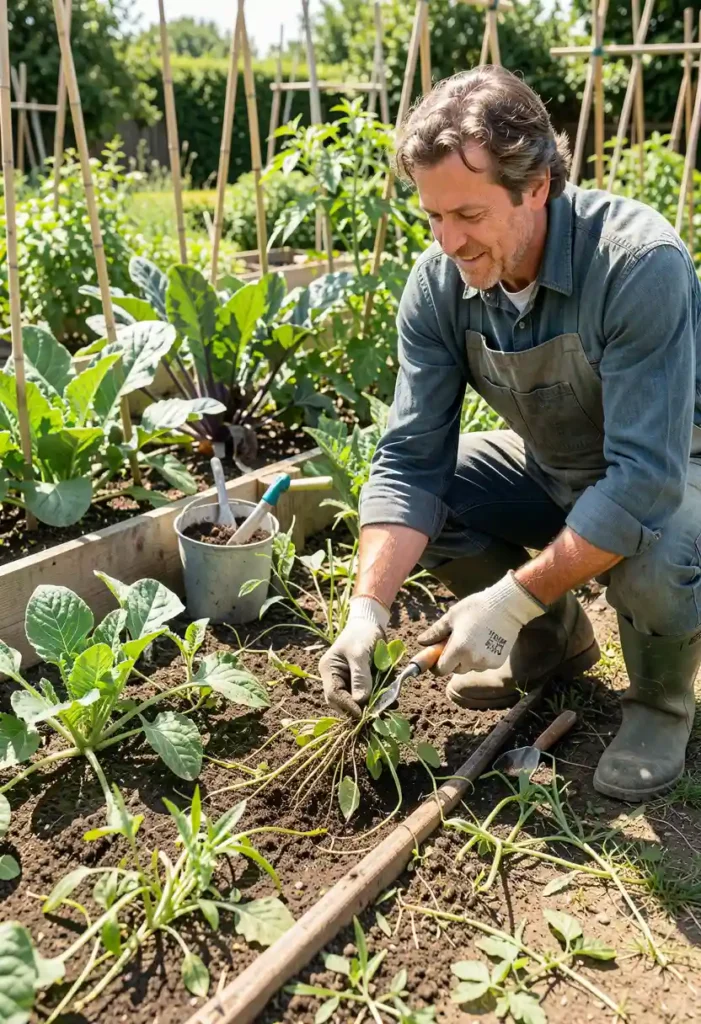
Weeds grow incredibly fast during summer, and ignoring them is a mistake that can quickly impact the health of your garden. These unwanted plants compete directly with your vegetables, flowers, and shrubs for water, sunlight, and nutrients in the soil.
If weeds are left uncontrolled, they can spread rapidly and take over garden beds. Some weeds also attract pests or create hiding spots for insects that damage plants. Removing weeds early prevents them from producing seeds that would lead to even more weeds later.
9. Not Providing Shade for Sensitive Plants
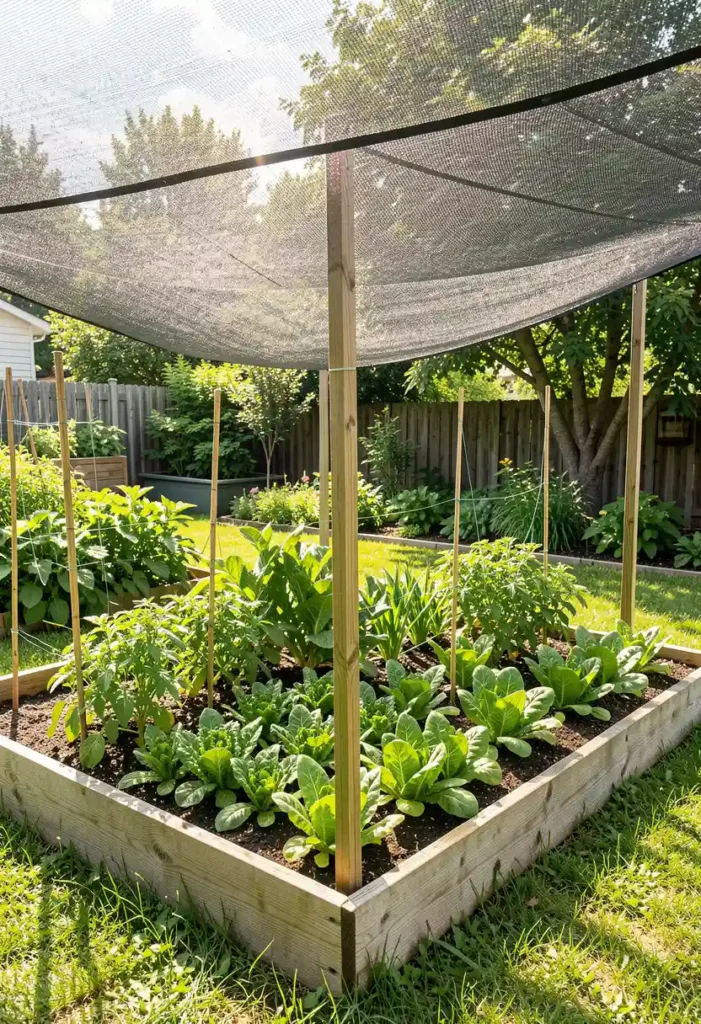
While many plants love sunlight, some varieties can struggle during extreme summer heat. A common mistake is exposing delicate plants to intense midday sun without any protection.
Leafy greens, young seedlings, and certain herbs can suffer from heat stress, which may cause wilting, leaf burn, or reduced growth. When temperatures rise too high, plants often stop producing flowers or vegetables as a survival response.
10. Skipping Regular Pruning
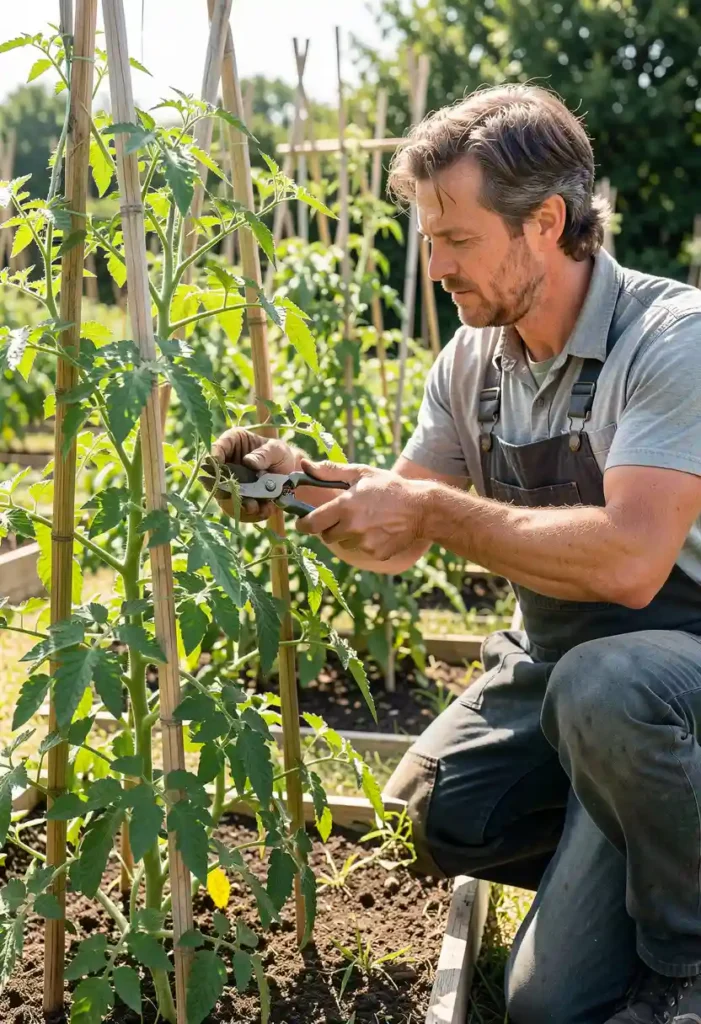
Many gardeners forget to prune their plants during summer, but regular pruning plays an important role in maintaining plant health. Removing dead leaves, damaged branches, or spent flowers encourages plants to redirect energy toward new growth.
For flowering plants, deadheading faded blooms can promote additional flowers throughout the season. Pruning also improves airflow around plants, reducing the risk of fungal diseases. Vegetable plants such as tomatoes often benefit from light pruning as well. Removing extra side shoots helps direct energy toward fruit production instead of excessive foliage growth.
11. Forgetting to Harvest Frequently
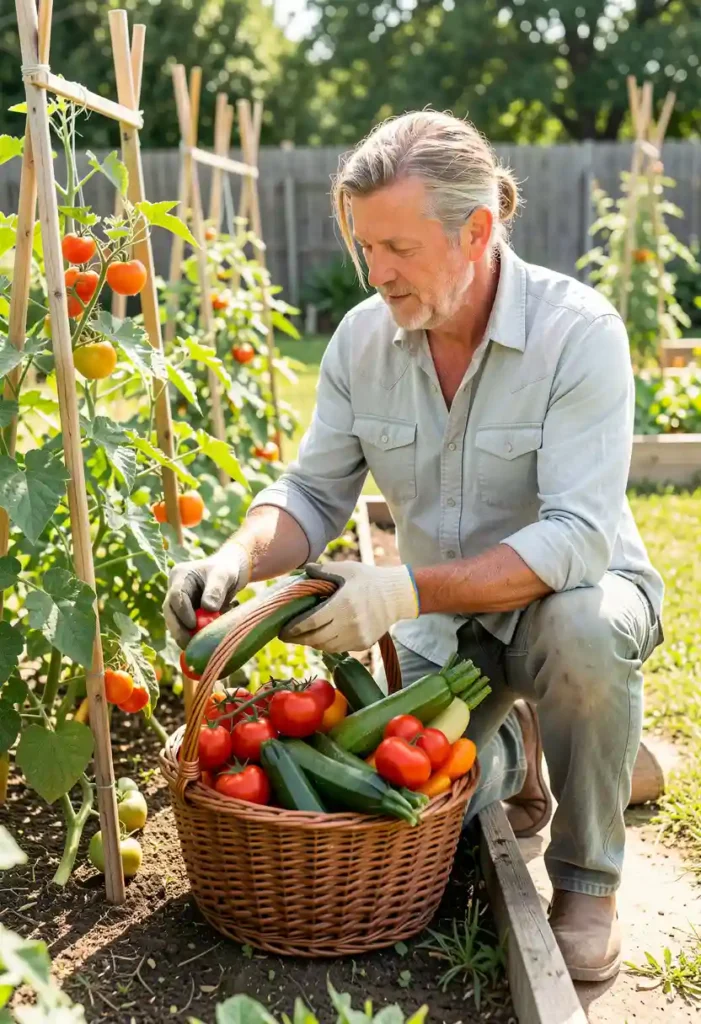
One of the most overlooked summer gardening mistakes is forgetting to harvest crops regularly. Many vegetables grow quickly during warm weather, and leaving them on the plant for too long can actually slow down future production.
Vegetables like zucchini, cucumbers, beans, and tomatoes produce more fruit when they are harvested frequently. When mature vegetables remain on the plant, the plant may stop producing new flowers and focus its energy on the existing fruit.
12. Ignoring Weather Changes
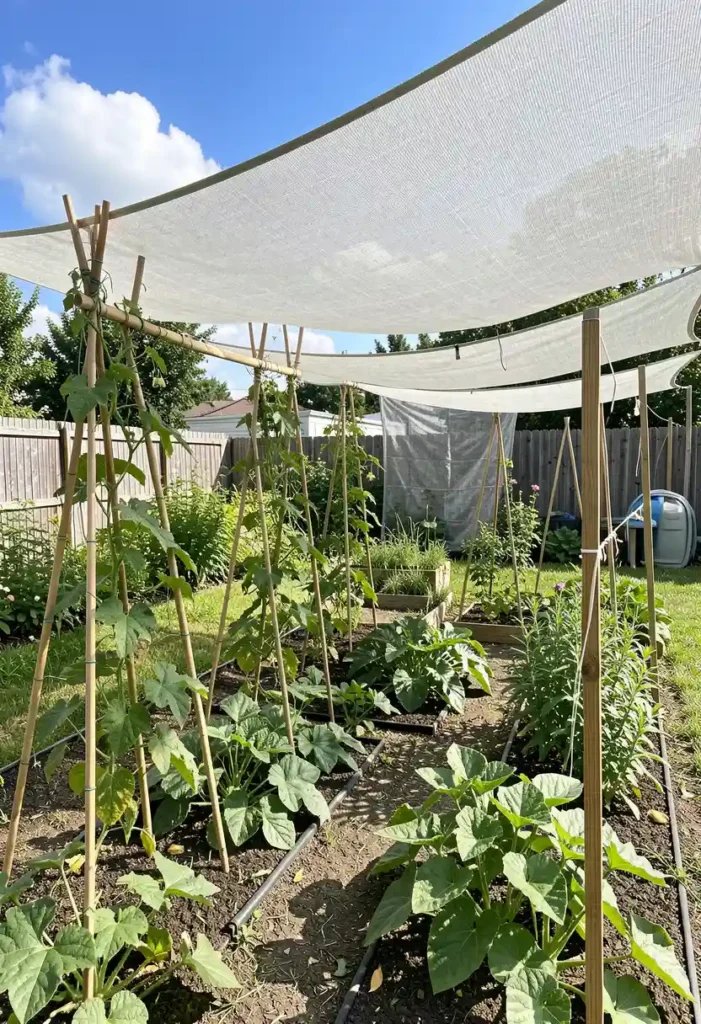
Summer weather can change quickly, and ignoring these changes is a mistake that can damage your garden. Heat waves, strong storms, and unexpected dry periods can all affect plant health if you’re not prepared. During heat waves, plants may need additional watering or temporary shade to prevent heat stress. Strong winds or storms can break plant stems or knock over garden structures, so securing trellises and supports is important.
Monitoring local weather forecasts allows you to adjust your gardening routine when necessary. For example, you might water plants more deeply before a heatwave or protect delicate plants before a storm arrives.
Final Words
Summer gardening can be incredibly rewarding, but it also comes with its own set of challenges. Small mistakes like overwatering, ignoring mulch, overcrowding plants, or forgetting to harvest regularly can slowly impact the health and productivity of your garden. The good news is that once you recognize these common issues, they’re usually very easy to fix with a few simple adjustments to your routine.