
15 Best Flowers to Plant for Vibrant Summer Blooms

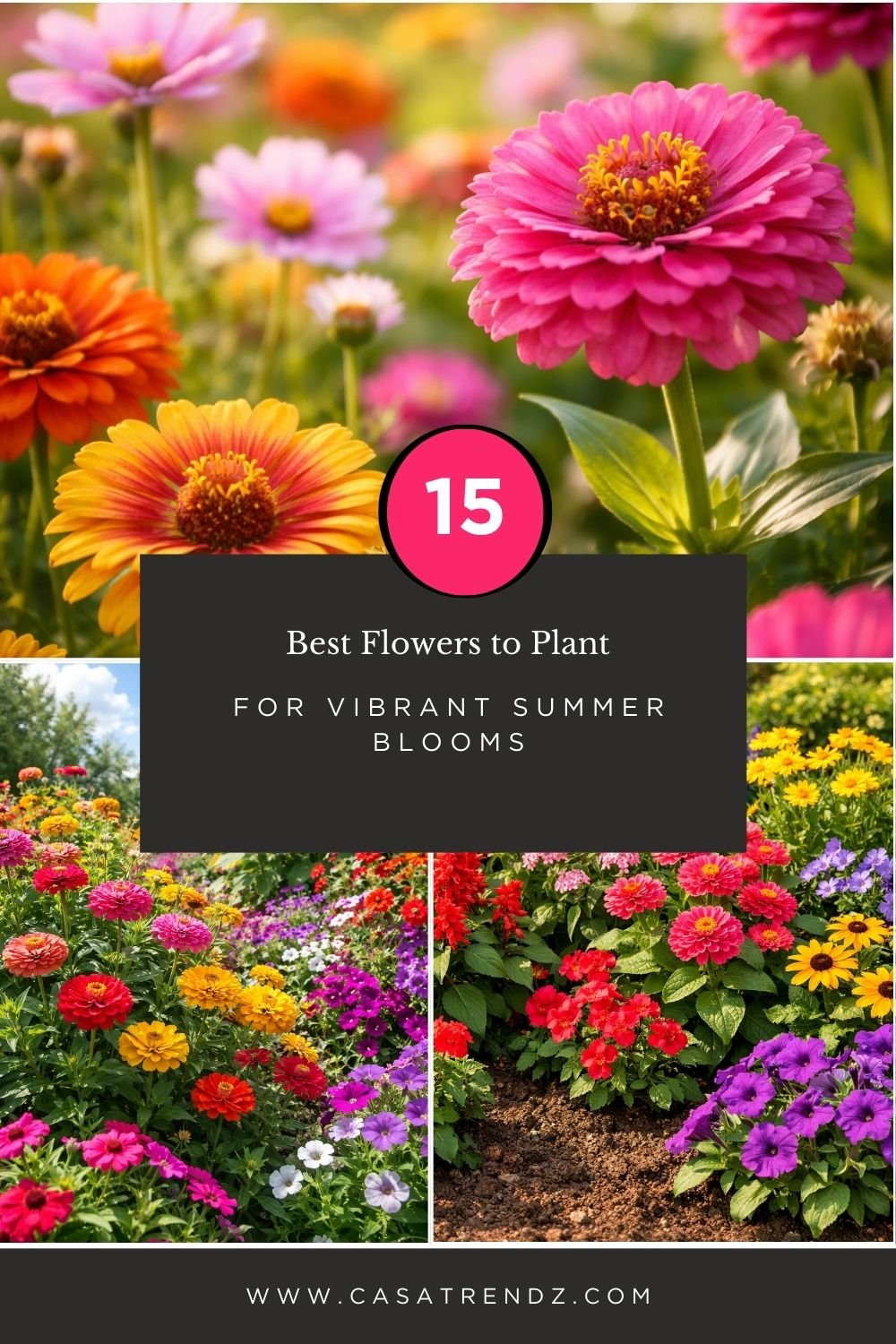
Summer is the season when a garden earns its keep. Warm days, long evenings, and steady sunshine turn even a small patch of soil into a stage for color, scent, and life. A garden filled with bright, blooming flowers does more than look good from the kitchen window. It lifts your mood when you step outside, draws bees and butterflies through the yard, and gives your home a finished, cared for look that neighbors notice.
Choosing the right flowers for summer is about more than picking pretty pictures from a catalog. The best summer flowers are the ones that match your light, your soil, and the amount of time you honestly have for watering and deadheading. A sun loving zinnia will sulk in shade, and a thirsty impatiens will wilt in a hot, dry bed no matter how much you love its color. In this guide, we share 15 flowers that bloom hard through the warm months, with honest detail on where to plant them, how far apart to space them, what soil they prefer, and how to keep them flowering instead of fading by midsummer.
Each flower below includes practical growing advice you can use right away, whether you are planting your first bed or refreshing a garden you have tended for years. Mix tall statement flowers at the back of a bed with low, spreading types at the front, repeat colors in at least three places so the bed feels planned rather than random, and leave room for the plants to grow to their full size. If you are working with a small space, our collection of small garden ideas show how to fit a surprising amount of color into a tiny plot, a balcony, or a few well placed containers.
1. Roses
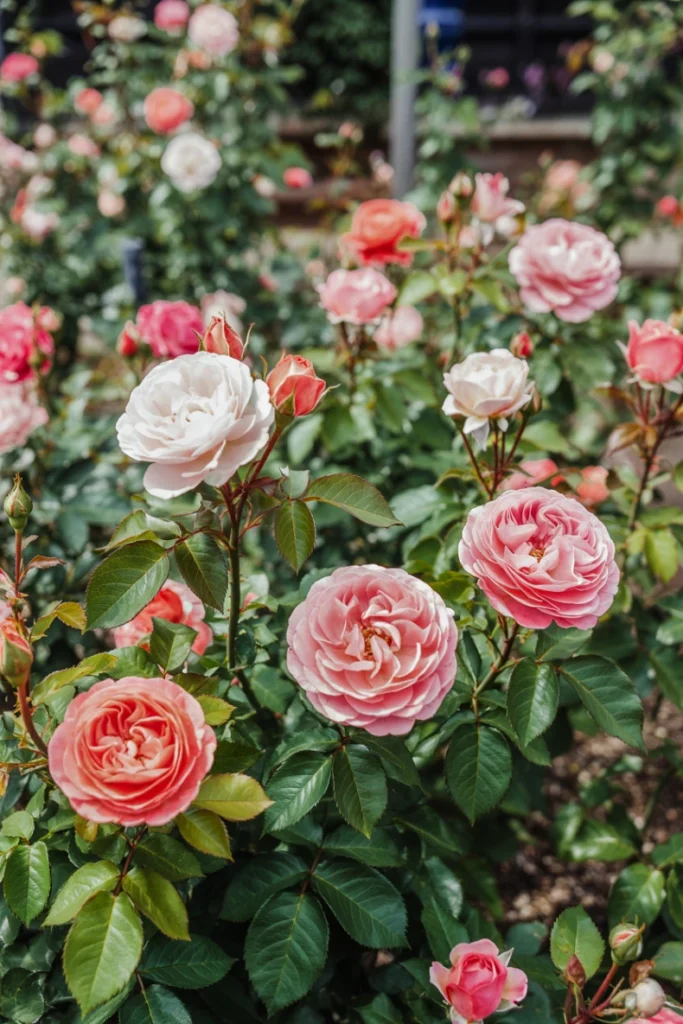
Roses remain the classic summer flower for a simple reason: no other plant offers the same range of color, fragrance, and form. Modern varieties bloom in repeat waves from late spring until the first frost, and disease resistant types such as Knock Out, Drift, and David Austin shrub roses need far less spraying than the fussy hybrid teas of the past. Choose a variety that fits your space, since shrub roses grow 3 to 4 feet tall and wide, while climbers can reach 8 to 12 feet on a trellis or fence.
Plant roses in a spot that gets at least 6 hours of direct sun a day, in soil that drains well and holds some organic matter. Dig the hole twice as wide as the pot, mix a bucket of compost into the backfill, and set the plant so the graft union sits about 2 inches below the soil surface in cold climates or at soil level in warm ones. Water deeply at the base, about 1 to 2 inches a week, and avoid wetting the leaves, which invites black spot. A 2 to 3 inch layer of mulch keeps roots cool and holds moisture through hot spells.
Keep roses blooming by deadheading spent flowers just above the first set of five leaflets, and feed them with a balanced rose fertilizer in spring and again in midsummer. Prune lightly in late winter to remove dead wood and open the center for airflow. Red roses suit a formal bed, soft pink and peach tones soften a cottage garden, and a white rose beside a dark green hedge looks crisp all summer. With this basic care, a healthy rose bush becomes the anchor of the garden year after year.
2. Sunflowers
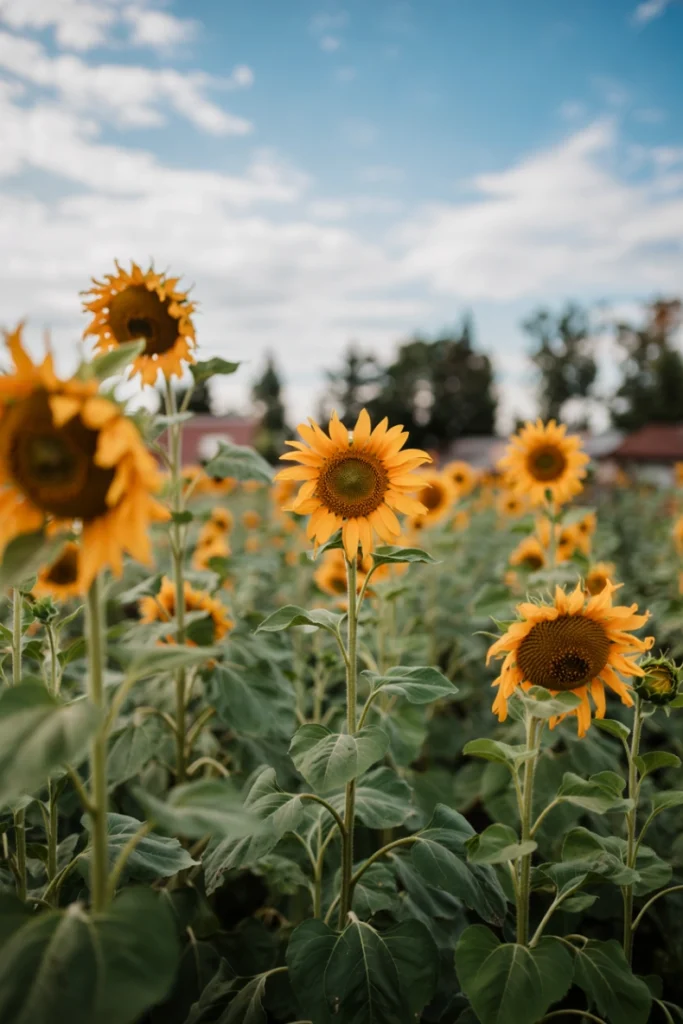
Sunflowers are the easiest way to add height and cheer to a summer garden. Their tall stems and wide yellow faces turn toward the sun, and even a single row along a fence creates a dramatic backdrop in a matter of weeks. Dwarf varieties such as Teddy Bear and Sunspot stay 1 to 2 feet tall and suit containers, while classic types like Mammoth reach 10 to 12 feet and make a living screen or a fun project for kids.
Sow sunflower seeds directly in the ground after the last frost, since they dislike transplanting. Push each seed about 1 inch deep and 6 inches apart, then thin seedlings to 12 to 18 inches apart for full size varieties or 8 to 10 inches for dwarfs. They need full sun, at least 6 to 8 hours a day, and average soil that drains freely. Water well while seedlings establish, then water deeply once a week in dry weather. Tall types need a stake or a sheltered spot, since a summer storm can snap an unprotected stem.
Sunflowers attract bees while they bloom and feed birds once the seeds ripen, so leave a few heads standing at the end of the season. For cut flowers, harvest in the morning when the petals have just opened and place stems in deep water right away. Plant a new row every two weeks through early summer and you will have fresh blooms from July into September. Their bold yellow pairs well with purple salvia or blue cornflowers planted at their feet.
3. Zinnias
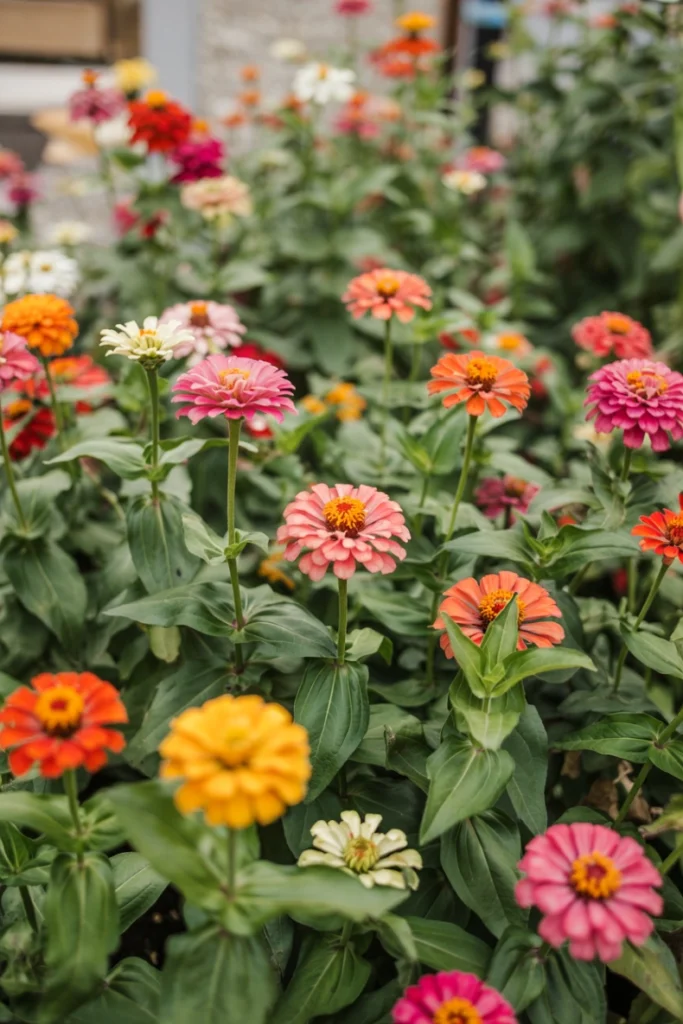
Zinnias are the workhorse of the summer cutting garden. They come in nearly every color except blue, bloom from early summer until frost, and ask for almost nothing in return. A packet of seed sown in May becomes a bed of flowers by July, and the more you cut them, the more they branch and bloom. Tall varieties reach 2 to 3 feet and suit the middle of a bed, while low growing types such as Profusion stay 12 to 15 inches tall and edge a path beautifully.
Start zinnias from seed after the soil warms, spacing plants 8 to 12 inches apart in full sun. They prefer well drained soil and good air circulation, so do not crowd them or water from above in the evening. Water at the base in the morning and let the soil dry slightly between waterings, since soggy leaves invite powdery mildew. Deadhead spent blooms every few days, or cut stems for the vase, and the plant will keep producing fresh flowers for months.
Zinnias are one of the best flowers for beginners because they forgive missed waterings and poor soil, yet they reward a little care with nonstop color. Use them in a cutting garden, a sunny border, or a large container on a patio. Red, orange, and pink zinnias create a hot, joyful bed, while white and soft yellow types calm a planting and look fresh in the evening light. Butterflies visit them constantly, so place a zinnia bed where you can watch it from a window or a garden chair.
4. Marigolds
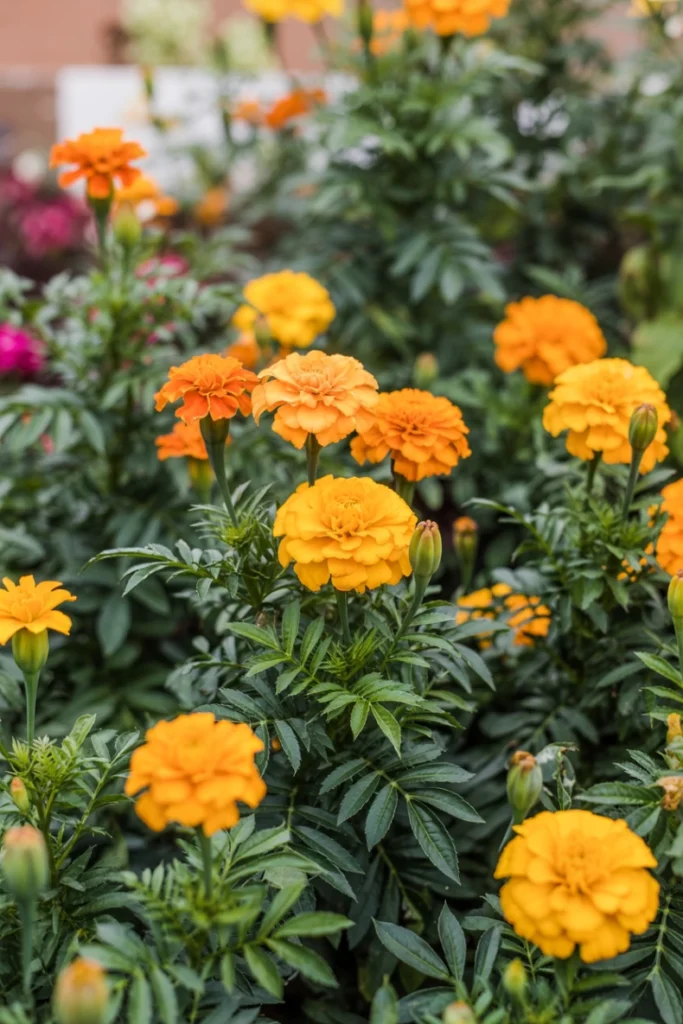
Marigolds earn their place in almost every summer garden. Their bold orange and gold blooms add warmth from June until frost, and their roots release compounds that help deter nematodes and some garden pests, which makes them a smart companion for tomatoes and vegetables. French marigolds grow 6 to 12 inches tall and suit edging and containers, while African marigolds reach 2 to 3 feet and make a strong statement in a bed.
Grow marigolds in full sun in average, well drained soil. Sow seed indoors 4 to 6 weeks before the last frost or direct sow after it, spacing plants 8 to 12 inches apart. They tolerate heat, dry spells, and poor soil better than most flowers, but they bloom best with regular watering during dry weeks. Deadhead faded flowers to keep new buds coming, and pinch young plants once to encourage bushy growth instead of a single tall stem.
Use marigolds to edge a vegetable bed, fill a sunny window box, or add a band of gold along a walkway. Their strong scent is part of their charm and part of their pest repelling value, so plant them near crops you want to protect. In containers, pair a low orange French marigold with trailing blue lobelia or white alyssum for a classic summer combination. Marigolds also make cheerful cut flowers for a kitchen table, and they last well in a vase.
5. Petunias
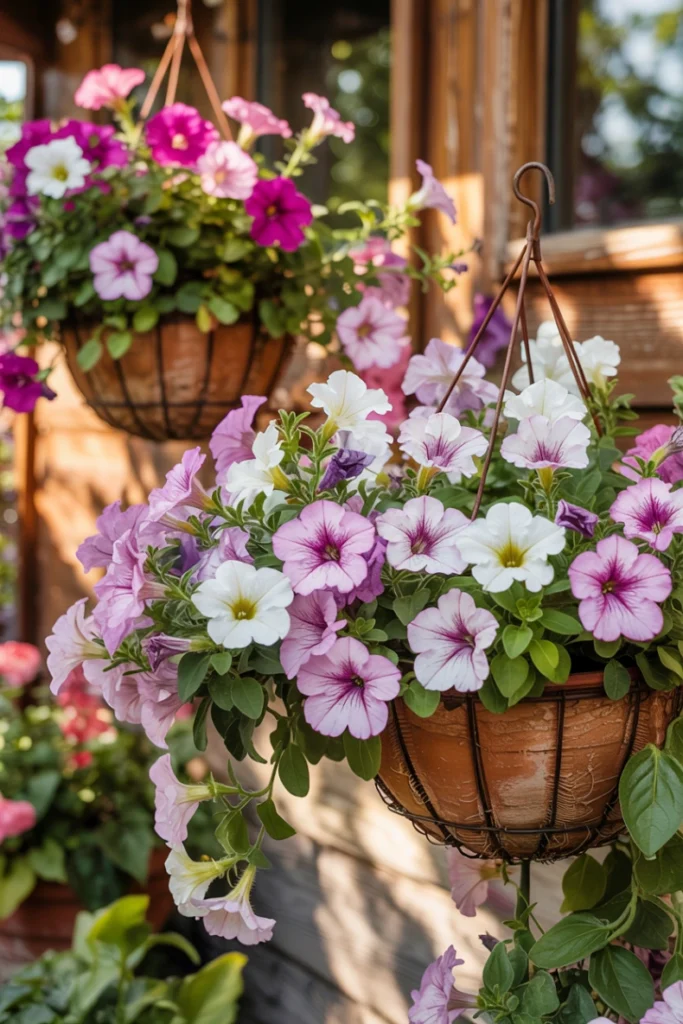
Petunias are the classic choice for hanging baskets, window boxes, and containers, and for good reason. Their trumpet shaped flowers come in solid colors, stripes, stars, and bicolors, and trailing types such as Wave and Supertunia can spill 2 to 3 feet over the edge of a basket. Upright types stay compact at 10 to 15 inches and fill a bed edge or a pot with steady color from late spring until frost.
Plant petunias in full sun in rich, well drained potting mix or garden soil. Space bedding types 10 to 12 inches apart and trailing types 12 to 18 inches apart, since they spread fast. Water containers daily in hot weather, because baskets dry out quickly, and feed every two weeks with a balanced liquid fertilizer to keep blooms coming. Old fashioned types need regular deadheading, while many modern varieties are self cleaning and drop their spent flowers on their own.
The trick to petunias that look good all summer is cutting them back by about a third in midsummer if they start to look leggy. They will regrow and flower again within two weeks. Purple and pink petunias look rich against a white fence, while a basket of mixed red, white, and blue types suits a front porch. Keep them away from deep shade, where they produce leaves and few flowers, and give them room to breathe so the foliage dries quickly after rain.
6. Lavender
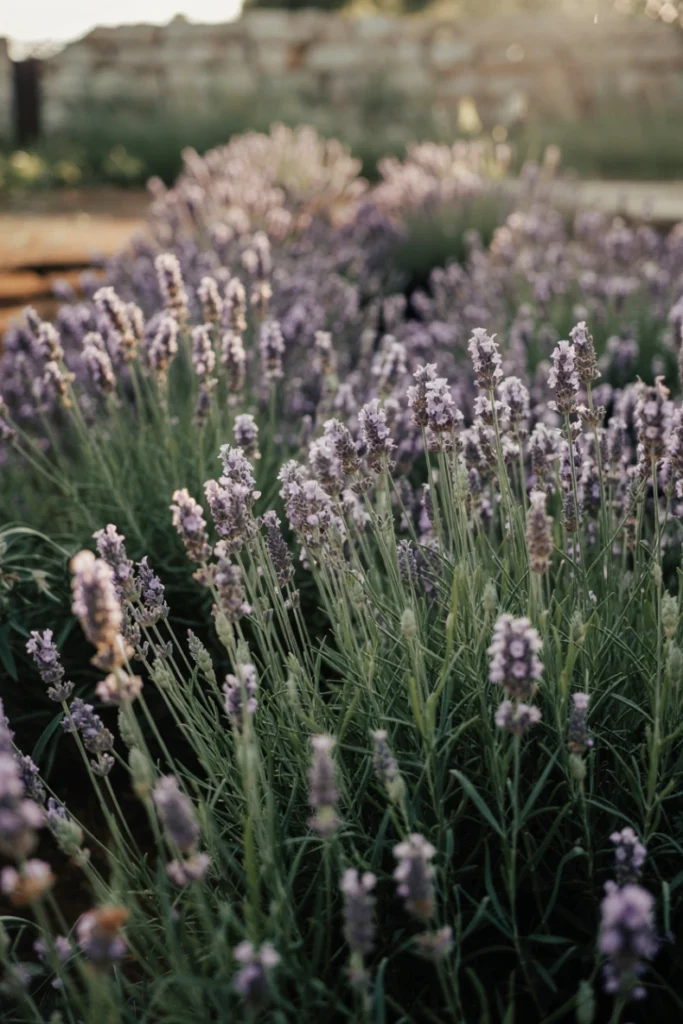
Lavender brings fragrance, soft purple color, and a calm, Mediterranean feel to a summer garden. Its slim flower spikes bloom for weeks, attract bees, and dry beautifully for sachets and bouquets. English lavender varieties such as Hidcote and Munstead stay compact at 1 to 2 feet and survive cold winters, while French and Spanish types grow larger and suit warm climates where winters stay mild.
Lavender demands full sun and sharp drainage. It hates wet feet, so plant it in sandy or gravelly soil, on a slope, or in a raised bed, and never let mulch pile against the crown. Space plants 12 to 18 inches apart so air moves freely between them. Water new plants until they establish, then water sparingly, since overwatering kills lavender faster than drought. A light trim after the first flush of flowers encourages a second, smaller bloom and keeps the plant from turning woody.
Use lavender to edge a sunny path, fill a hot, dry corner, or grow in a terracotta pot by a door where you brush past its scent. Harvest stems in the morning when about half the buds have opened, tie them in small bundles, and hang them upside down in a dark, airy place to dry. Pair lavender with roses, ornamental grasses, or silver leafed plants such as lambs ear for a classic, low water planting that looks good even when it is not in bloom.
7. Geraniums

Geraniums, properly called pelargoniums, are the reliable workhorse of summer containers and window boxes. Their round clusters of red, pink, white, or salmon flowers bloom nonstop from spring until frost, and their tidy, rounded habit looks neat with almost no effort. Zonal geraniums grow 12 to 18 inches tall and suit pots and beds, while ivy leaf types trail 2 to 3 feet and are made for hanging baskets.
Plant geraniums in full sun or light afternoon shade in well drained soil or potting mix. Space them 10 to 12 inches apart and water when the top inch of soil feels dry, since they prefer to dry slightly between waterings. Feed every two to three weeks with a balanced fertilizer, and snap off spent flower heads at the stem to encourage new buds. Good air circulation matters, so do not crowd pots or let foliage stay wet overnight.
Geraniums are easy to overwinter indoors in a bright window, which makes them a good value in colder climates. Bring pots inside before the first frost, cut plants back by about a third, and water sparingly through winter. In summer, a red geranium in a white pot is a classic porch look, while pink and white types soften a cottage style bed. They pair well with trailing sweet potato vine or dusty miller in a mixed container.
8. Coneflowers (Echinacea)
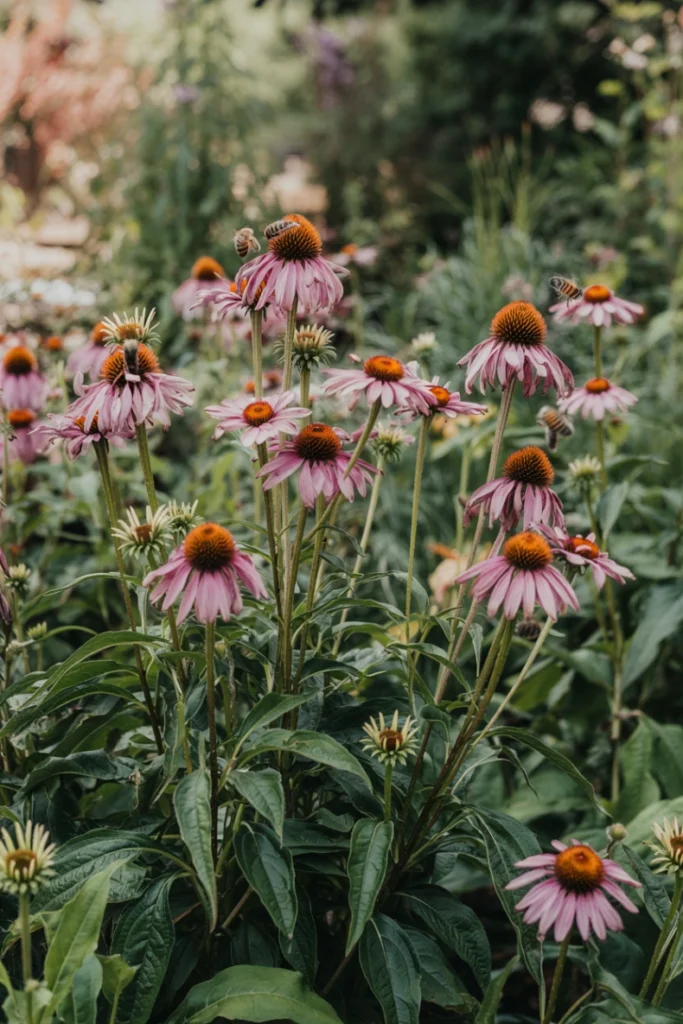
Coneflowers are hardy perennials that give a summer garden structure and staying power. Their daisy like flowers with raised orange centers bloom from midsummer into fall, and they return bigger and better every year. Purple coneflower is the classic, but modern varieties now come in pink, white, orange, yellow, and red, with single and double forms that suit both cottage beds and modern plantings.
Plant coneflowers in full sun in average, well drained soil. Space plants 12 to 18 inches apart and water them well in their first season, then leave them largely alone, since established plants tolerate drought and poor soil. They dislike wet winter soil, so avoid heavy clay or low spots that stay soggy. Deadhead to prolong blooming, or leave the seed heads standing in fall and winter, since goldfinches love the seeds and the dried heads look good dusted with frost.
Coneflowers are a magnet for bees and butterflies, and they are one of the easiest perennials for a beginner. Our pollinator garden ideas show how to combine them with other bee friendly plants for a bed that hums with life all summer. Mix coneflowers with ornamental grasses, black eyed Susans, and salvia for a natural, meadow style planting that needs little watering once established. Divide crowded clumps every three to four years in spring to keep them vigorous.
9. Cosmos
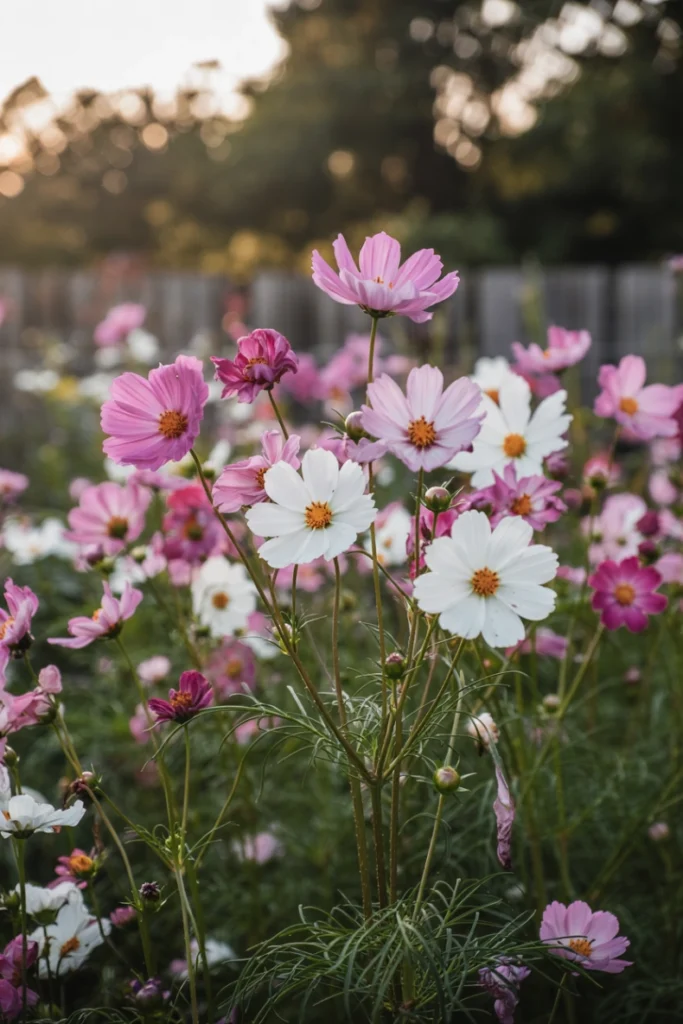
Cosmos are light, airy flowers that bring movement and a relaxed, wildflower feel to a summer garden. Their tall, slender stems carry daisy like blooms in pink, white, and orange above feathery foliage, and they sway gracefully in a breeze. Tall types reach 3 to 4 feet and suit the back of a border, while shorter varieties stay around 2 feet and fit a small bed or a large pot.
Sow cosmos seed directly in the ground after the last frost, since they dislike transplanting. They actually bloom best in poor to average soil, so skip the fertilizer, which produces lush leaves and few flowers. Space plants 12 to 18 inches apart in full sun, water while seedlings establish, then water only in dry spells. Deadhead regularly or cut stems for the vase, and the plants will flower until the first frost.
Cosmos are one of the easiest flowers to grow from seed, which makes them a great first flower for a new gardener or a fun project with kids. Plant them in a sunny wildflower bed, along a fence, or in a cutting garden where you can harvest stems often. Pink and white cosmos look soft and romantic, while orange types add a bright, cheerful note. They attract bees and butterflies, and their tall, open habit lets you see through the planting to the garden beyond.
10. Dahlias
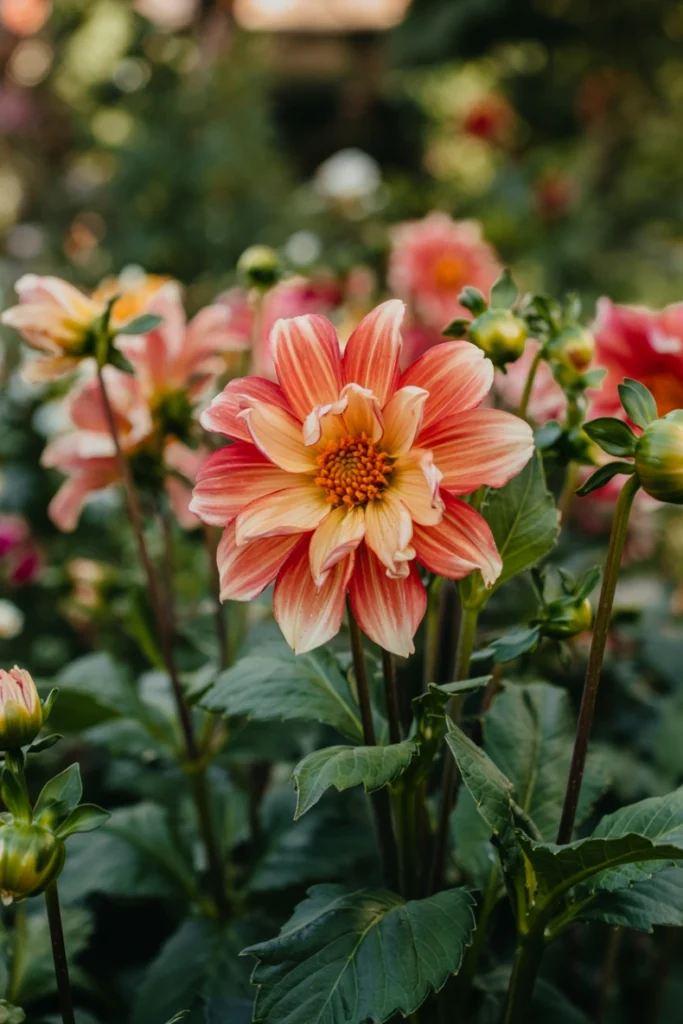
Dahlias are the drama queens of the summer garden, and they earn the title. Their blooms range from small pom pom balls to dinner plate flowers 10 inches across, in nearly every color except true blue. They flower from midsummer until frost, and a single plant can produce dozens of stems for cutting. Choose a size that fits your bed, since bedding dahlias stay 12 to 18 inches tall while tall types reach 3 to 5 feet.
Plant dahlia tubers in spring after the last frost, in rich, well drained soil in full sun. Set each tuber 4 to 6 inches deep with the eye facing up, and space plants 12 to 24 inches apart depending on the variety. Water lightly until shoots appear, then water deeply once or twice a week. Tall types need a sturdy stake set at planting time, before the roots grow. Feed monthly with a low nitrogen fertilizer, since too much nitrogen grows leaves at the expense of flowers.
Cut dahlias often, since regular cutting keeps new buds coming, and harvest in the morning when the blooms are almost fully open. In cold climates, dig tubers after the first frost blackens the foliage, let them dry for a day, and store them in a cool, dry place in peat moss or sawdust until spring. A dahlia bed in mixed colors looks lush and generous, while a single color, such as deep burgundy or soft peach, looks more designed and elegant. Pair them with ornamental grasses or dark foliage plants for contrast.
11. Begonias
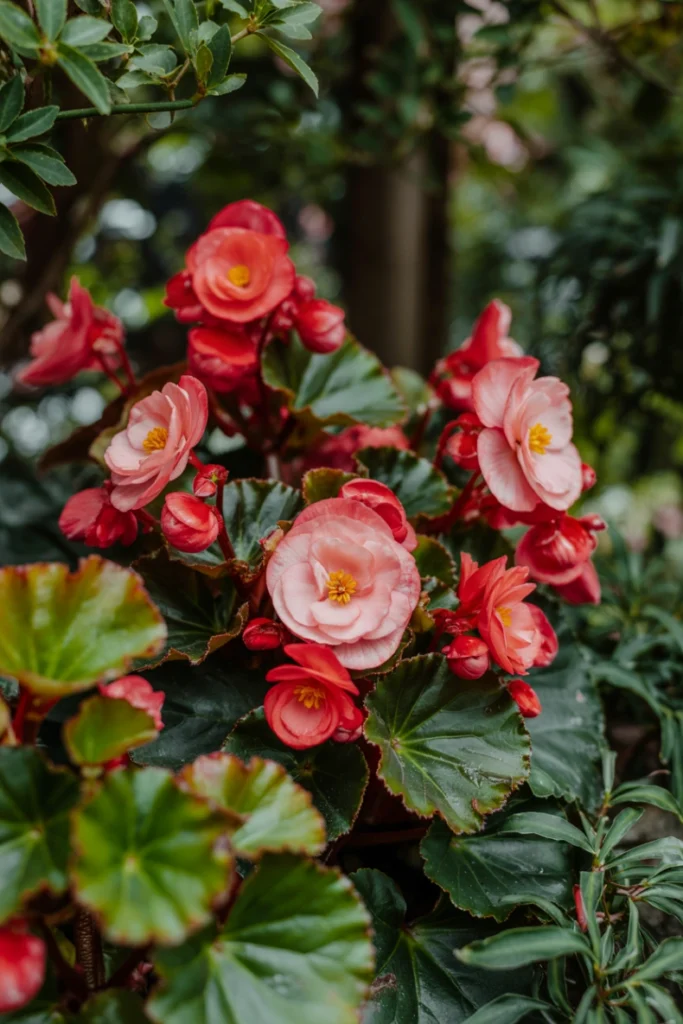
Begonias are the answer for shaded summer spots where sun lovers refuse to bloom. Their waxy flowers in red, pink, white, orange, and yellow appear nonstop from late spring until frost, and many types also offer attractive bronze or green foliage that looks good even before the flowers open. Wax begonias grow 6 to 12 inches tall and suit edging and containers, while tuberous begonias produce large, rose like blooms and hang beautifully from baskets.
Plant begonias in partial shade with rich, moist, well drained soil. Morning sun with afternoon shade is ideal, since hot midday sun scorches the leaves. Space wax begonias 6 to 8 inches apart and tuberous types 12 inches apart. Water consistently, keeping the soil evenly moist but never soggy, and feed every two to three weeks with a balanced liquid fertilizer. Remove faded flowers to keep plants tidy, and avoid wetting the foliage late in the day.
Use begonias to brighten a north facing bed, a shaded porch, or a container under a tree. Their steady color fills gaps where other flowers fade, and they look neat all season with very little work. In a container, combine a red wax begonia with a trailing ivy and a silver leafed plant for a classic, low maintenance arrangement. In warm climates, wax begonias can grow as perennials, while in cold areas they are easy to bring indoors before frost.
12. Salvia
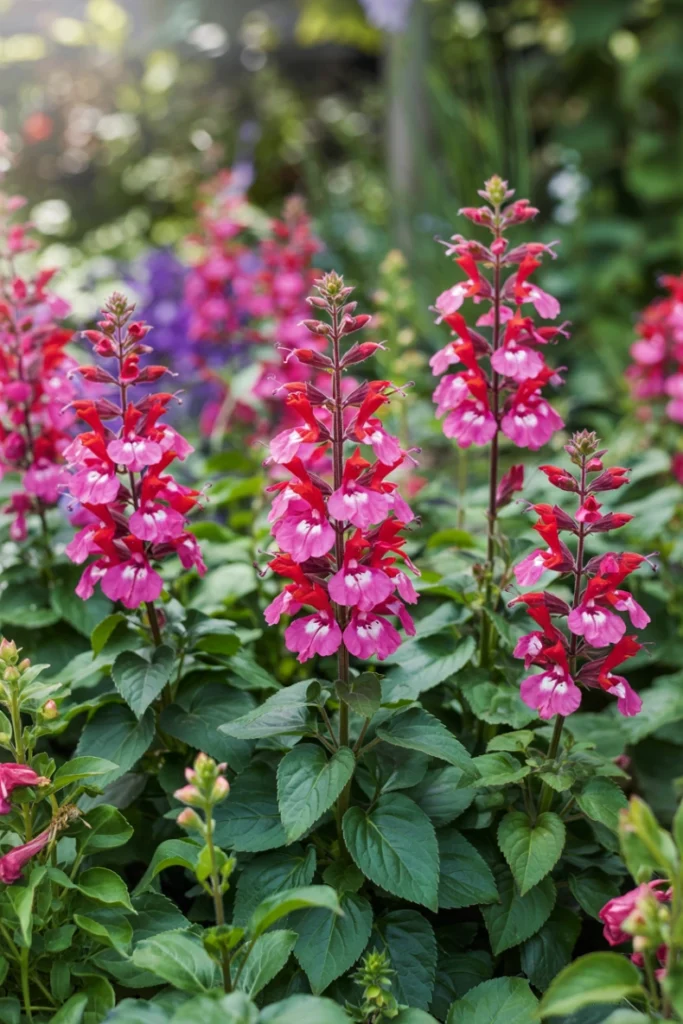
Salvia produces tall spikes of blue, purple, red, or pink flowers that add vertical lines and rich color to a summer bed. Annual salvias bloom all season and suit containers and edging, while perennial types such as Salvia nemorosa and Salvia greggii return every year and flower in waves from late spring into fall. Hummingbirds love the red types, and bees visit the blue and purple ones constantly.
Plant salvia in full sun in well drained soil, spacing plants 12 to 18 inches apart. Most types tolerate heat and drought once established, so water deeply but infrequently and avoid soggy soil. Shear perennial salvias back by about a third after the first flush of flowers, and they will bloom again within a few weeks. Annual types need little care beyond regular watering and deadheading to keep them tidy.
Use salvia to add height behind low flowers, to fill the middle of a border, or to create a bold band of color along a path. Blue salvia beside yellow marigolds or coreopsis makes a striking complementary pairing, while red salvia with white petunias suits a patriotic summer container. Salvia also works well in a butterfly garden, and our butterfly friendly garden ideas show how to combine it with milkweed, coneflowers, and zinnias for a bed that draws butterflies all season.
13. Black-Eyed Susans
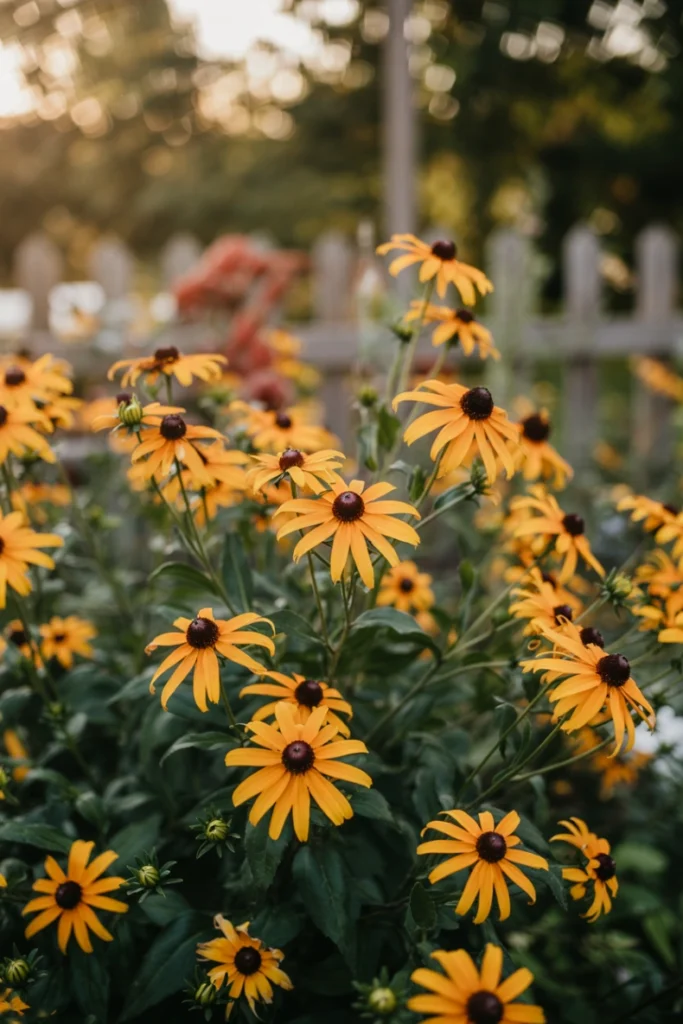
Black eyed Susans are cheerful, sun loving flowers with bright golden petals and dark brown centers. They bloom profusely from midsummer into fall, shrug off heat and drought, and spread gently to fill a bed with color. Most types grow 2 to 3 feet tall, which makes them a natural choice for the middle of a border, a wildflower meadow, or a sunny bank.
Grow black eyed Susans in full sun in average, well drained soil. Sow seed in spring or plant nursery starts after the last frost, spacing plants 12 to 18 inches apart. They need little fertilizer and little water once established, which makes them ideal for low maintenance and drought tolerant plantings. Deadhead to extend blooming, or leave some seed heads for goldfinches, which feed on them through fall and winter. Divide crowded clumps every three to four years in spring.
Black eyed Susans look at home in a natural, cottage style garden, and they pair beautifully with purple coneflowers, ornamental grasses, and salvia. Their gold color also works as a warm accent in a bed of cool blues and purples. Plant a drift of them along a fence or at the edge of a lawn, where their bright faces catch the sun and draw the eye across the yard. They also make long lasting cut flowers, holding well in a vase for a week or more.
14. Lantana
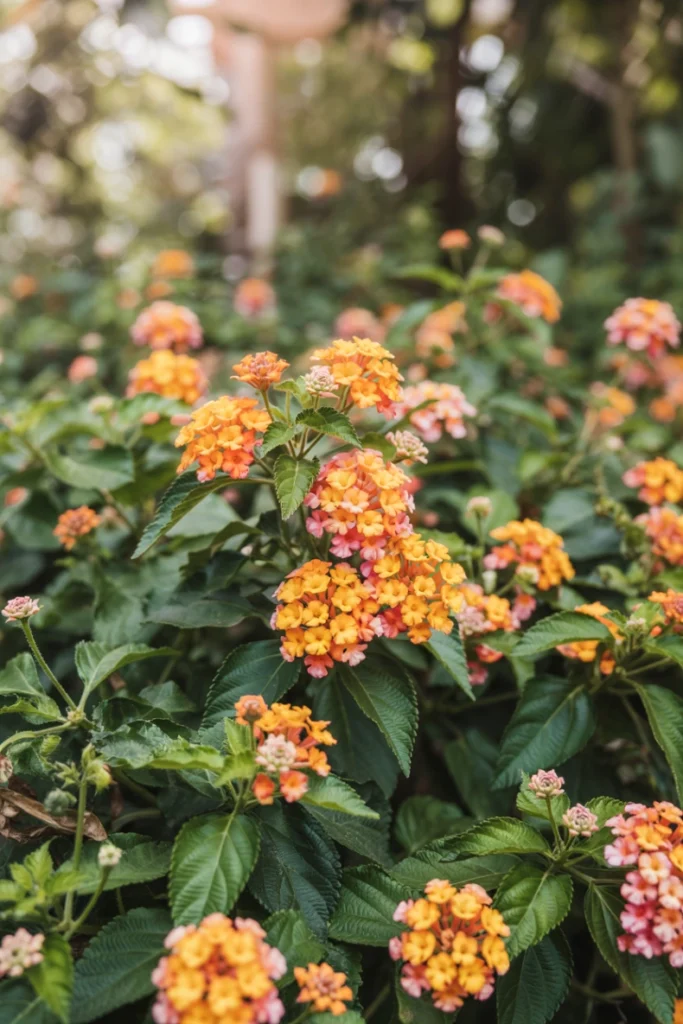
Lantana is a heat loving flower that blooms hardest when other plants wilt. Its clusters of tiny flowers open in one color and change as they age, so a single plant can carry yellow, orange, pink, and purple blooms at the same time. Trailing types spill 1 to 2 feet over a basket or wall, while shrub types grow 2 to 4 feet tall in warm climates and are often grown as annuals where winters are cold.
Plant lantana in full sun in well drained soil, spacing plants 12 to 18 inches apart. It tolerates heat, drought, and poor soil once established, but it needs good drainage and hates wet roots. Water new plants regularly, then water only in dry spells. Deadhead lightly to encourage more flowers, and cut plants back hard in spring in warm climates to keep them compact. In containers, lantana thrives in the heat of a sunny patio where other flowers fade by August.
Lantana is a butterfly magnet, and a sunny lantana bed is one of the busiest spots in a summer garden. Use it in a hot, exposed bed, a hanging basket, or a large container by a sunny door. Its multicolored clusters pair well with purple verbena or blue salvia, and its trailing habit softens the edge of a raised bed. In cold climates, treat it as an annual and enjoy its long season, or bring a potted plant indoors before frost and keep it in a bright window through winter.
15. Impatiens
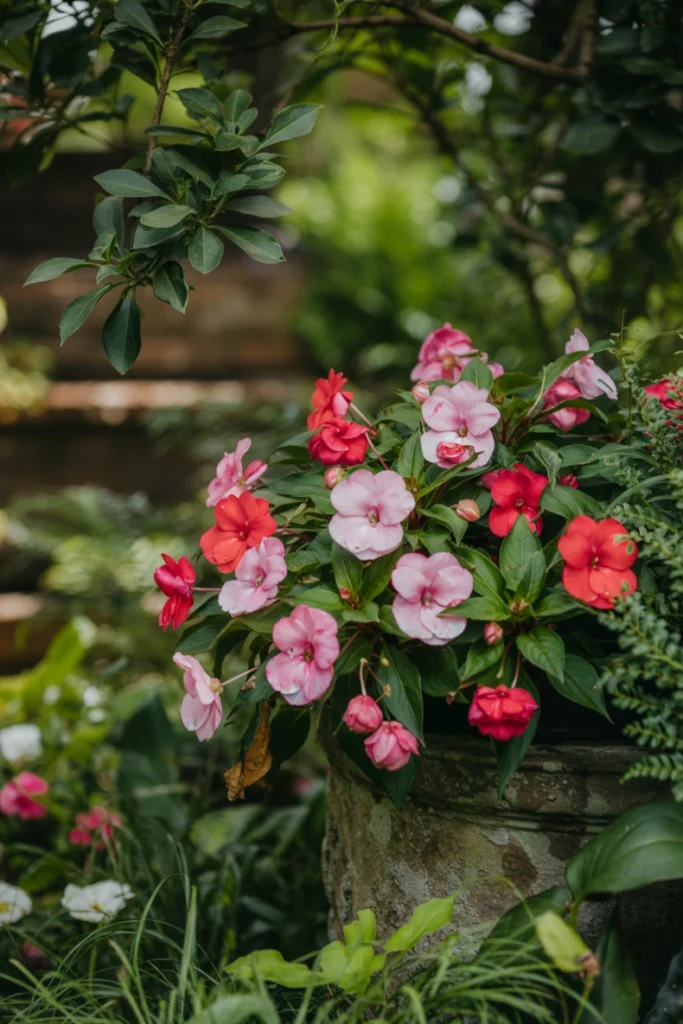
Impatiens are the classic flower for shady summer color. Their bright blooms in pink, red, white, purple, and orange appear nonstop from spring until frost in spots where sun lovers fail. Traditional impatiens grow 6 to 12 inches tall and suit beds, edging, and containers, while New Guinea impatiens grow larger, 12 to 18 inches, with bigger flowers and handsome dark foliage.
Plant impatiens in partial to full shade in rich, moist, well drained soil. They need steady moisture, so water when the top inch of soil feels dry and mulch to hold water through hot spells. Space plants 8 to 12 inches apart and feed every two to three weeks with a balanced fertilizer. Avoid planting traditional impatiens where downy mildew has been a problem, and choose resistant varieties or New Guinea types in those beds. Morning sun is fine, but hot afternoon sun will wilt them quickly.
Use impatiens to brighten a shaded porch, a bed under a tree, or a north facing window box. Their soft, rounded habit fills gaps neatly, and their steady color makes a shady corner feel intentional rather than forgotten. Pair pink impatiens with hostas and ferns for a lush, layered shade planting, or use white impatiens to light up a dark corner in the evening. In a container, combine them with a trailing ivy and a shade tolerant coleus for texture and color that lasts all season.
Final Thoughts
A vibrant summer garden is not about planting the most flowers. It is about planting the right flowers for your light, your soil, and your schedule, then giving them the basic care that keeps them blooming. Start with a few reliable types from this list, learn what thrives in your yard, and add a new variety each year. Mix tall and short plants, repeat colors, and leave space for everything to grow.
Whether you have a sunny border, a shady porch, or a few pots on a balcony, these 15 flowers give you color from early summer until frost. Plan your beds now, plant after the last frost, water deeply, deadhead often, and your garden will reward you with months of bright, living color. For more ways to plan the space around your flowers, see our summer garden trends and best plants for a beautiful backyard landscape for ideas that tie beds, paths, and seating into one inviting outdoor space.
Frequently Asked Questions
What are the easiest flowers to plant for a beginner?
Zinnias, marigolds, sunflowers, and cosmos are the easiest flowers for a beginner. All four grow quickly from seed, tolerate average soil, and bloom for months with basic watering and full sun. Start with these, and add roses or dahlias once you feel confident.
When should I plant summer flowers?
Plant summer flowers after the last frost in your area, when the soil has warmed and night temperatures stay above 50 degrees Fahrenheit. In most of the United States, that means late April through May. Warm season annuals planted too early will stall or rot in cold soil.
How much sun do summer flowers need?
Most summer flowers need at least 6 hours of direct sun a day to bloom well. Roses, sunflowers, zinnias, and marigolds all fall in this group. Shade tolerant types such as impatiens and begonias prefer partial shade, so match each flower to the light in your planting spot.
How often should I water summer flowers?
Water deeply once or twice a week rather than lightly every day, so roots grow down into the soil. Containers and hanging baskets dry out faster and may need daily watering in hot weather. Water in the morning at the base of the plant, and let the top inch of soil dry between waterings.
How do I keep summer flowers blooming all season?
Deadhead spent flowers regularly, feed every two to three weeks during the growing season, and cut back leggy plants by about a third in midsummer. Regular cutting for the vase also encourages new buds. Most flowers on this list will bloom from early summer until the first frost with this basic care.
More Ideas You Will Love
 13 Outdoor Patio Design Ideas to Elevate Your Backyard Style
 13 Easy Garden Care Tips for Hot Summer Weather
 11 Patio Chaise Lounge Ideas: Stylish & Comfortable Outdoor Seating
 15 Outdoor Halloween Decor Ideas You Must Try
 16 Cheap Backyard Ideas for Stunning DIY Outdoor Makeovers
 15 Summer Garden Trends: What’s Hot for Backyards This Year