12 Backyard Wildlife Coexistence Tips: Create a Native-Friendly Garden
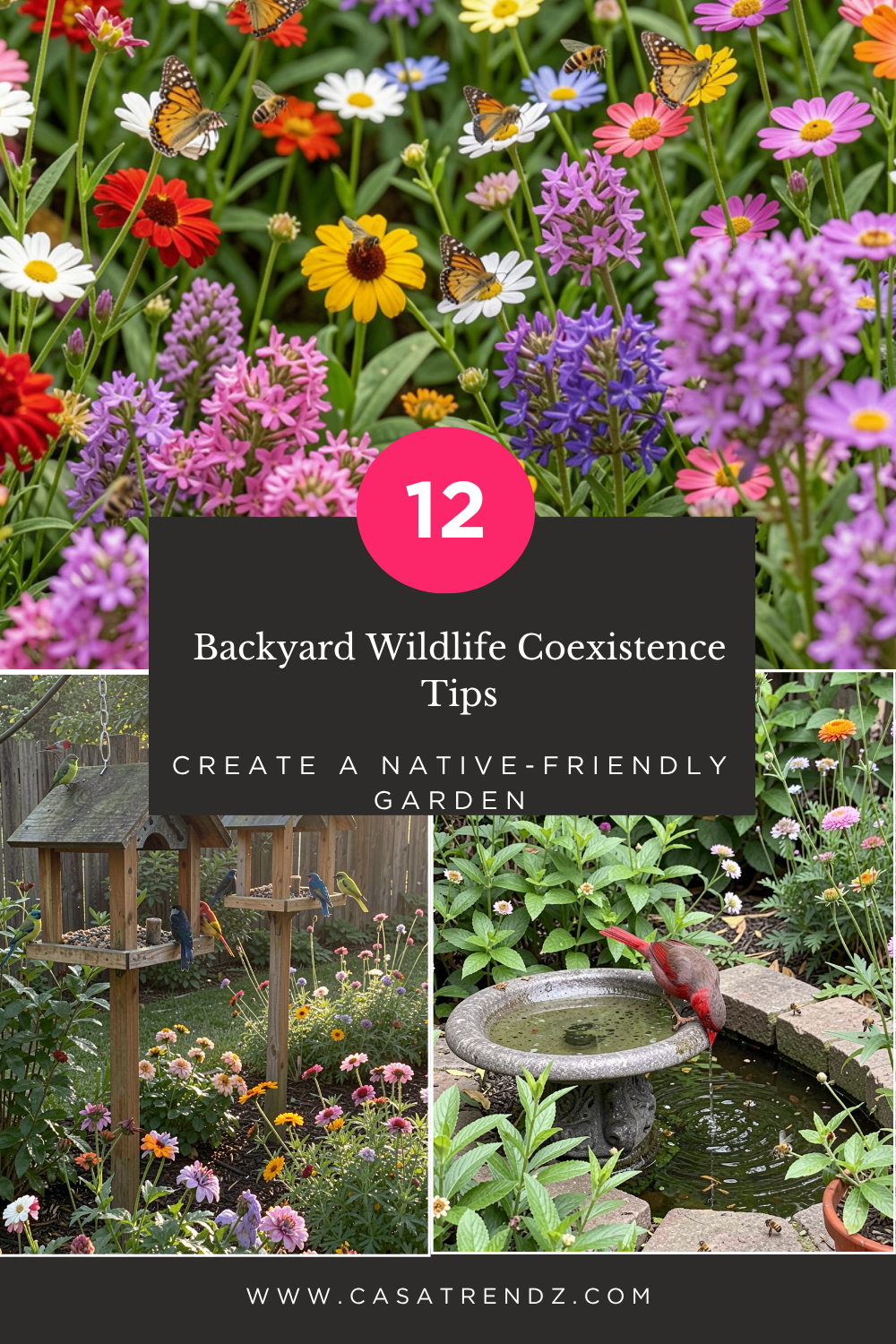
Creating a backyard that supports local wildlife is a rewarding way to connect with nature while promoting a healthier ecosystem. Instead of viewing wildlife as a nuisance, you can design your garden to coexist harmoniously with birds, pollinators, and beneficial insects. A native-friendly garden not only enhances biodiversity but also requires less maintenance, as local plants are naturally adapted to your environment.
These 12 Backyard Wildlife Coexistence Tips: Create a Native-Friendly Garden will help you transform your outdoor space into a safe and welcoming habitat. From choosing native plants to providing water sources and shelter, each idea focuses on supporting wildlife while maintaining a beautiful and functional garden. Whether you have a small yard or a larger landscape, these tips will guide you in creating a balanced environment where both you and nature can thrive. With thoughtful planning, your backyard can become a vibrant sanctuary full of life.
1. Plant Native Species for Natural Balance
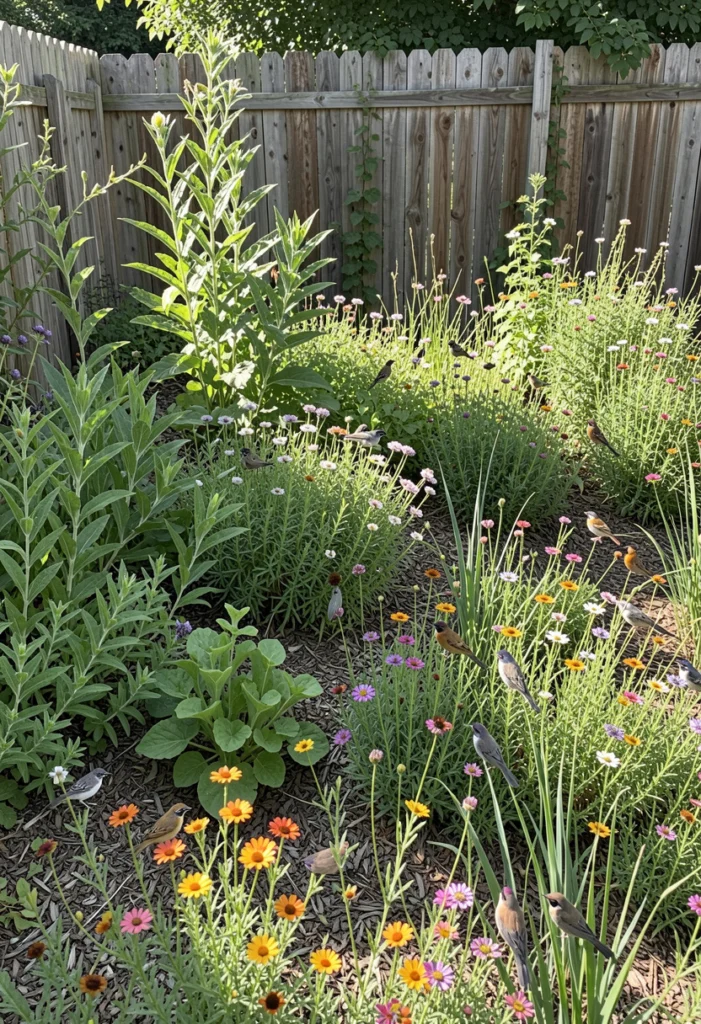
Using native plants is one of the most effective ways to support local wildlife. Native species are adapted to your region’s climate, soil, and ecosystem, making them easier to maintain and more beneficial for birds, insects, and pollinators.
These plants provide natural food sources such as nectar, seeds, and berries, helping wildlife thrive without additional intervention. They also require less water and fewer chemicals, making them environmentally friendly.
2. Provide Fresh Water Sources
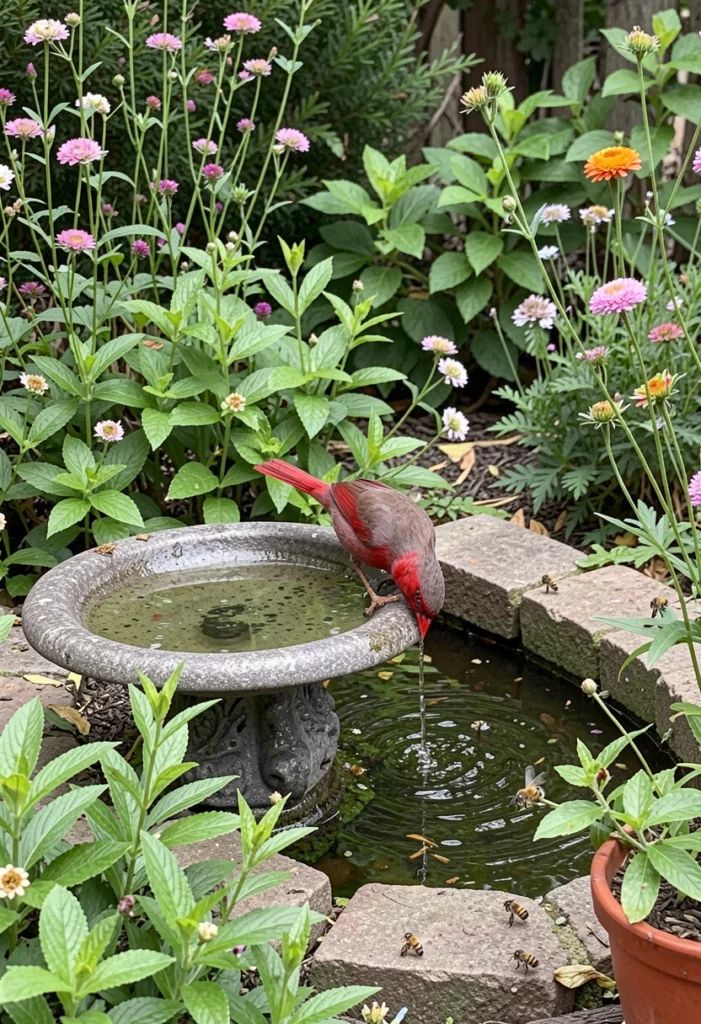
Water is essential for wildlife survival, especially during hot summer months. Adding a birdbath, small pond, or shallow water dish can attract a variety of species.
Ensure the water is clean and refreshed regularly to prevent contamination. Adding stones or shallow edges helps smaller creatures access the water safely. Water features also enhance the visual appeal of your garden while creating a calming atmosphere. Providing water supports both hydration and bathing needs for wildlife.
3. Create Shelter with Dense Planting
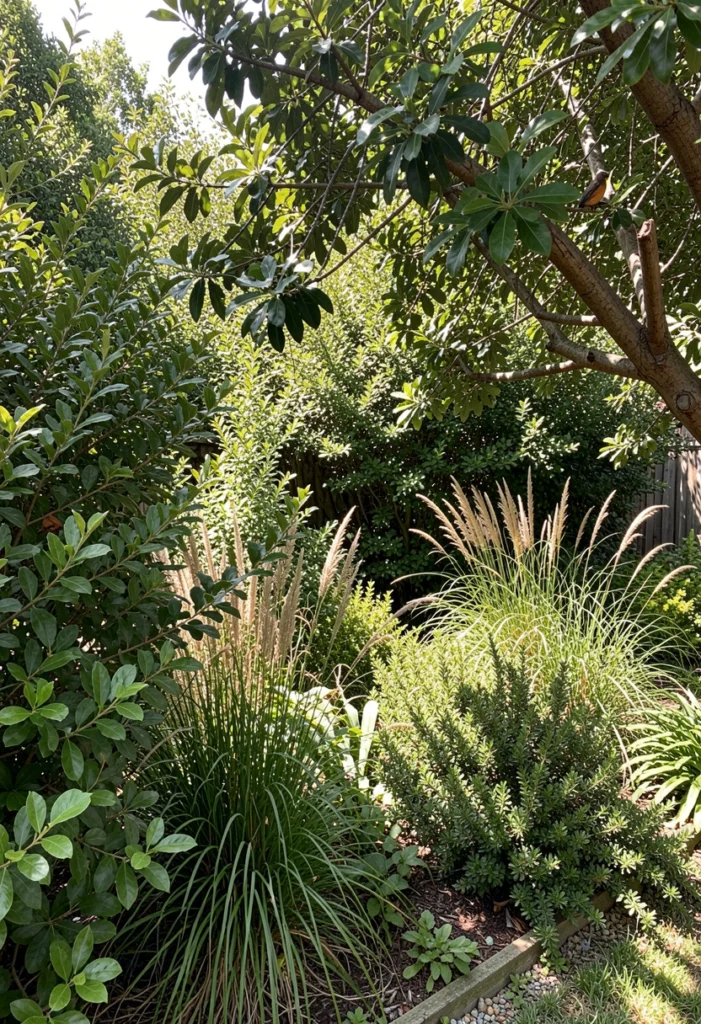
Wildlife needs safe spaces for nesting, hiding, and resting. Dense shrubs, hedges, and layered planting create natural shelter.
Use a mix of plants with varying heights to mimic natural habitats. This approach provides protection from predators and harsh weather. Avoid over-pruning, as slightly wild areas offer better shelter. Creating safe spaces encourages wildlife to stay and thrive in your garden.
4. Avoid Chemical Pesticides
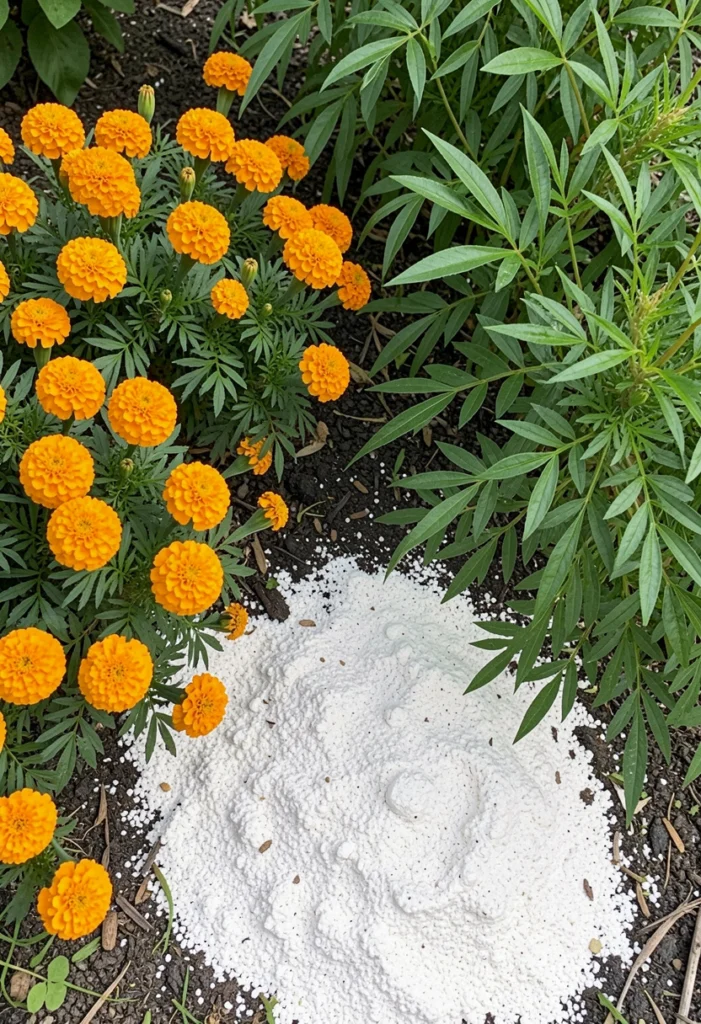
Chemical pesticides can harm beneficial insects, birds, and other wildlife. Instead, opt for natural pest control methods.
Introduce beneficial insects like ladybugs or use organic solutions such as neem oil. Maintaining a balanced ecosystem helps control pests naturally. Reducing chemical use creates a safer environment for all living creatures.
5. Add Bird Feeders Thoughtfully
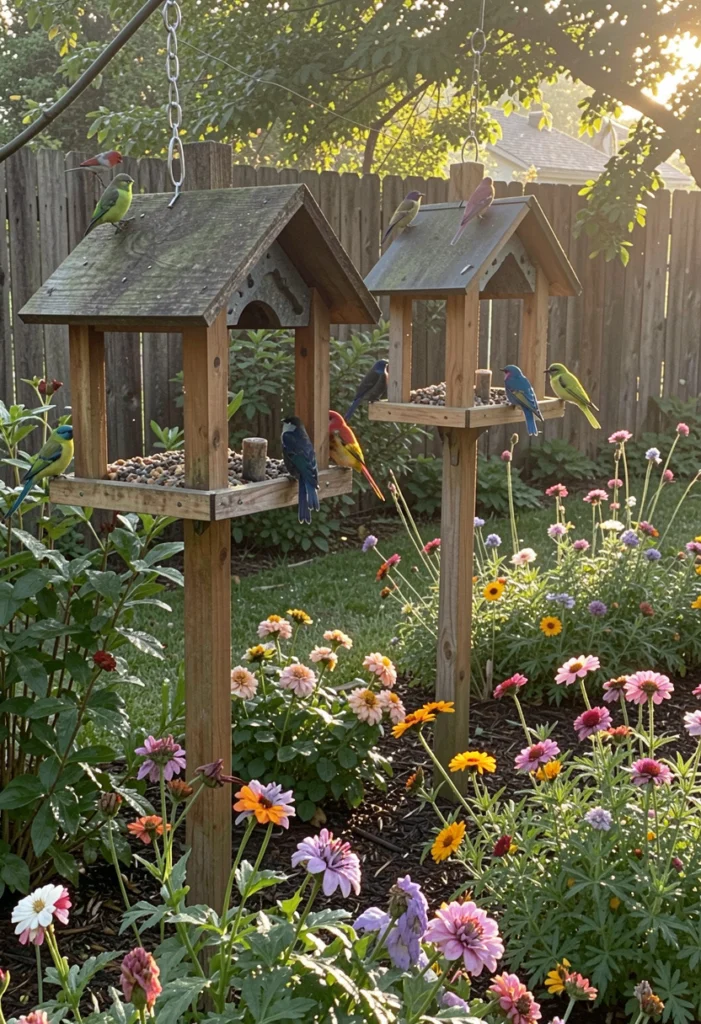
Bird feeders can attract a variety of species and provide supplemental food. Place feeders in safe locations away from predators.
Use appropriate feed types for local birds and clean feeders regularly to prevent disease. Avoid overcrowding feeders to reduce competition and stress among birds. Feeders enhance your garden’s activity while supporting bird populations.
6. Incorporate Pollinator-Friendly Flowers
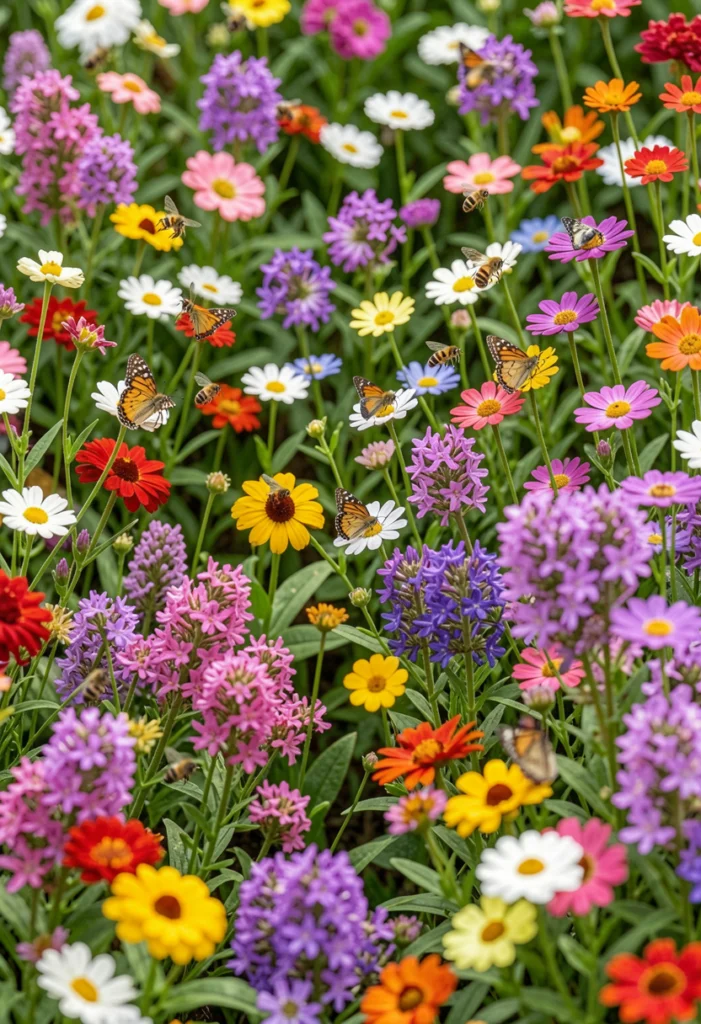
Pollinators like bees and butterflies play a crucial role in maintaining ecosystems. Planting flowers rich in nectar supports their survival.
Choose a variety of shapes and colors to attract different pollinators. Avoid hybrid plants that may lack sufficient nectar. A pollinator-friendly garden boosts biodiversity and plant health.
7. Leave Some Areas Wild
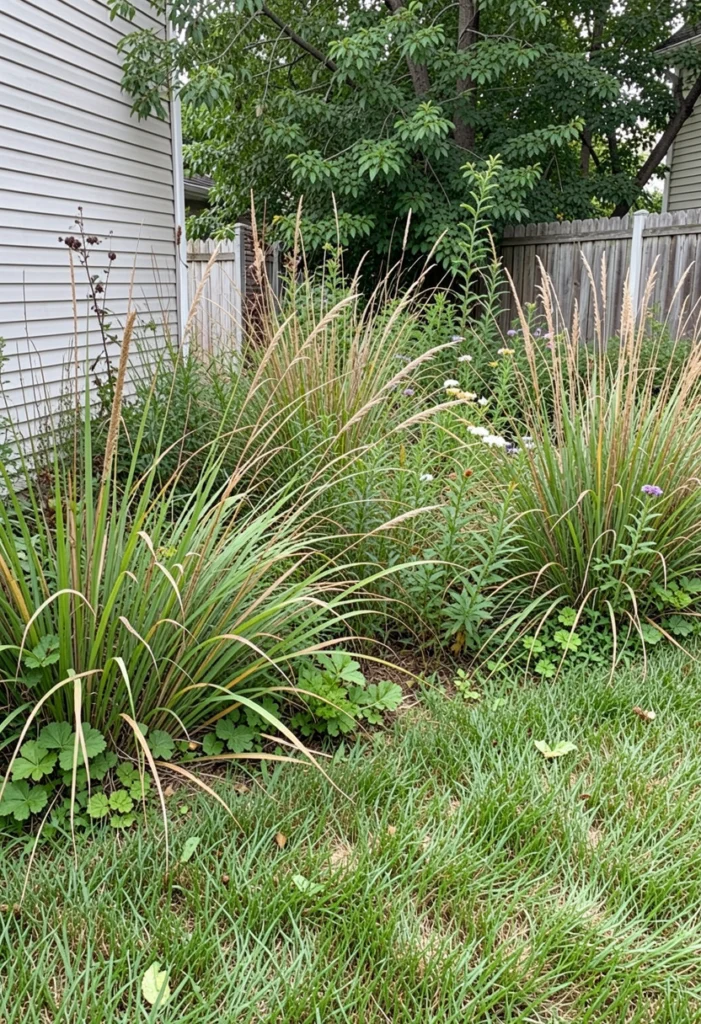
Allowing parts of your garden to grow naturally creates habitats for wildlife. Tall grasses, fallen leaves, and natural debris provide shelter and food.
Designate a small section where you minimize maintenance. This approach mimics natural ecosystems and supports a variety of species. A slightly untamed area adds character and ecological value.
See Also; 15 Gray Exterior House Color Combinations for Modern Homes
8. Install Nesting Boxes
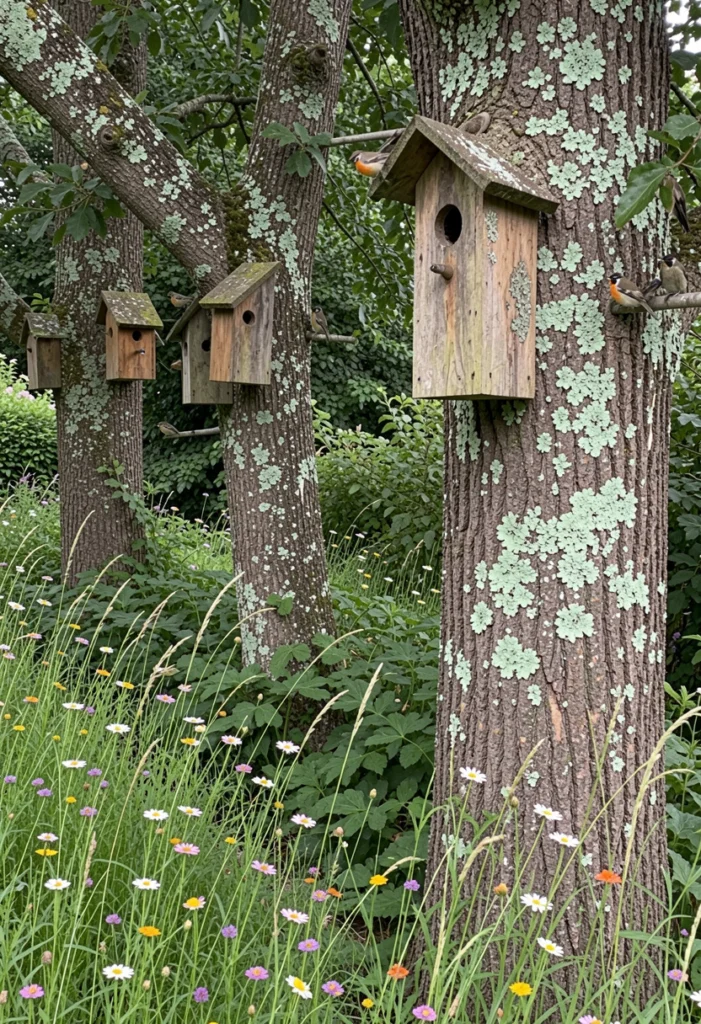
Nesting boxes provide safe spaces for birds and small animals to raise their young. Choose designs suited to local species.
Place boxes in quiet, sheltered areas away from direct sunlight and predators. Regular maintenance ensures they remain safe and usable. Nesting boxes encourage wildlife to settle in your garden.
9. Use Natural Materials in Landscaping
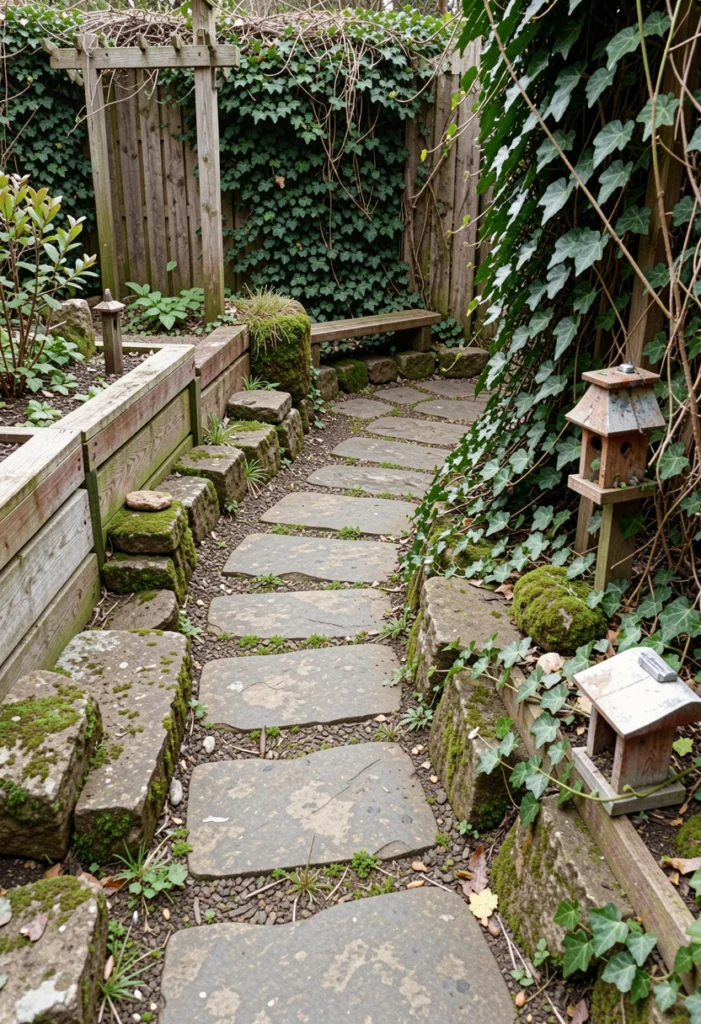
Incorporate materials like wood, stone, and mulch into your garden design. These elements create microhabitats for insects and small animals.
Logs and rocks can serve as hiding spots and breeding grounds. Natural materials also enhance the aesthetic appeal of your garden. This approach supports wildlife while maintaining a cohesive design.
10. Provide Shade and Protection
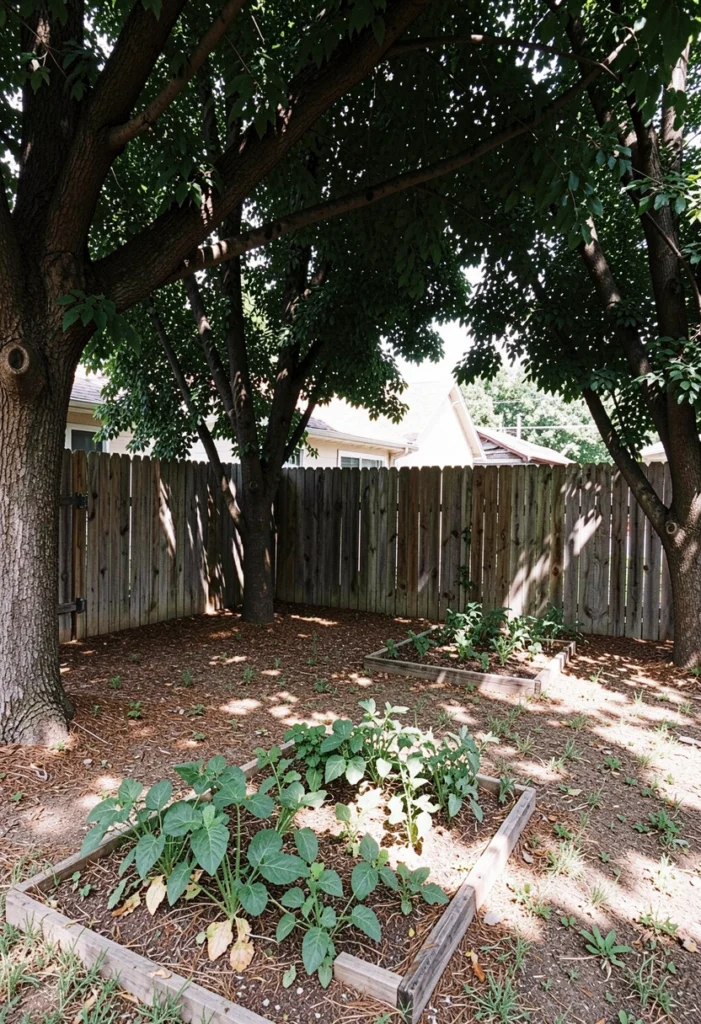
Shade is essential for protecting wildlife from extreme heat. Trees, pergolas, and large plants create cooler areas.
These shaded spots offer refuge during hot weather. Combine shade with water sources for maximum benefit. Providing protection ensures a comfortable environment for wildlife.
11. Minimize Lawn Space
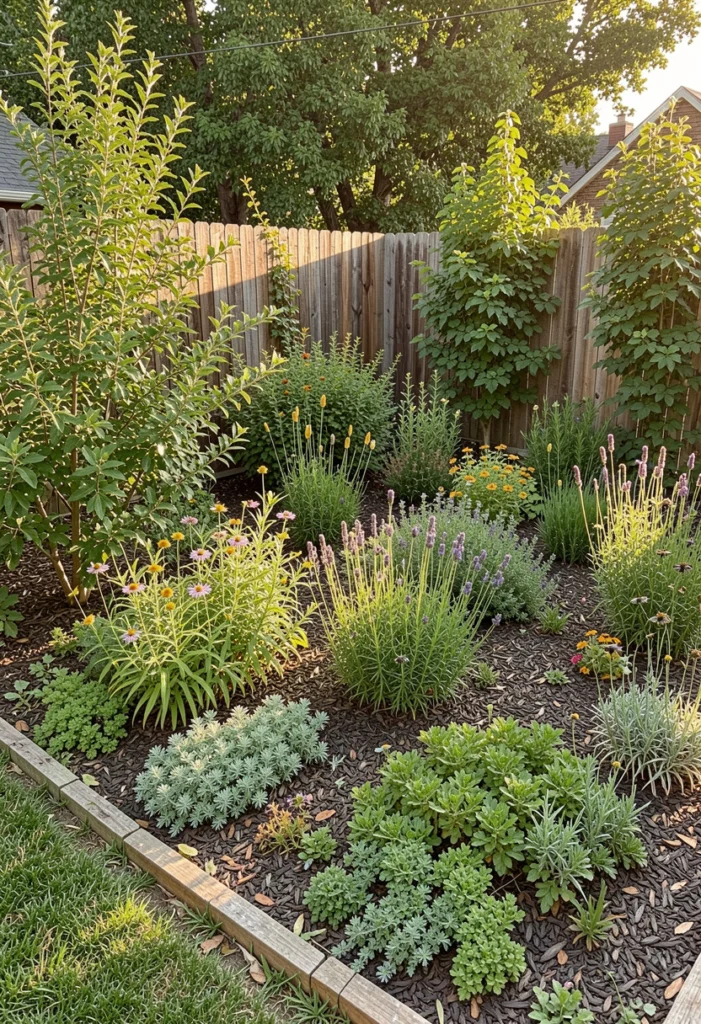
Traditional lawns offer limited benefits for wildlife. Reducing lawn areas and replacing them with diverse plantings increases biodiversity.
Use native grasses, flower beds, or ground covers instead. This change reduces maintenance and supports a healthier ecosystem. A diverse garden attracts more wildlife and requires fewer resources.
12. Maintain a Balanced Ecosystem
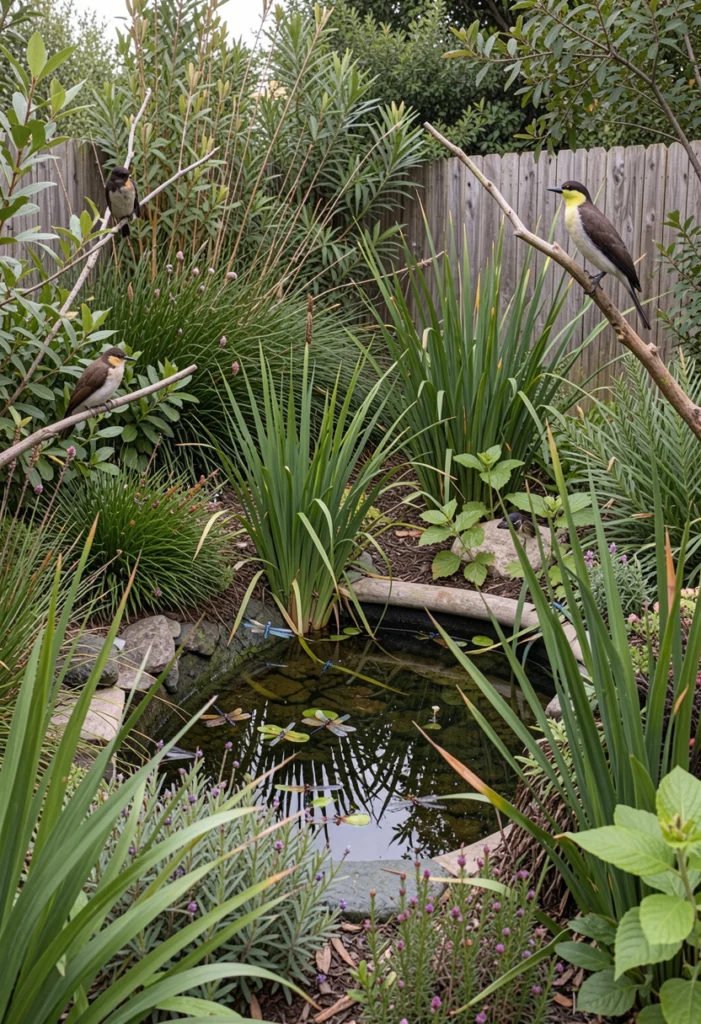
A successful wildlife-friendly garden relies on balance. Encourage natural predators and avoid over-intervention.
Observe your garden regularly to understand its ecosystem. Small adjustments can help maintain harmony without disrupting wildlife. A balanced approach ensures long-term sustainability.
Final Words
Creating a native-friendly garden is a meaningful way to support wildlife while enhancing your outdoor space. By making thoughtful choices and embracing natural processes, you can build a thriving ecosystem right in your backyard. These tips help you strike a balance between beauty and sustainability, allowing you to enjoy a vibrant garden filled with life and activity.