15 Summer Gardening Tips to Improve Soil Health
Healthy soil is the foundation of a thriving summer garden. No matter how much you water or fertilize, plants can only perform as well as the soil they grow in. During the hot summer months, soil can become dry, compacted, and depleted of essential nutrients, making it crucial to give it the care and attention it deserves. Improving soil health not only boosts plant growth but also enhances water retention, supports beneficial organisms, and increases overall garden resilience.
These 15 Summer Gardening Tips to Improve Soil Health will guide you through simple, effective ways to enrich and protect your soil throughout the season. From adding organic matter to maintaining proper moisture and structure, each tip is designed to create a balanced, nutrient-rich environment for your plants. Whether you’re growing vegetables, flowers, or herbs, these strategies will help you build healthier soil and enjoy a more productive and vibrant garden all summer long.
1. Add Compost Regularly
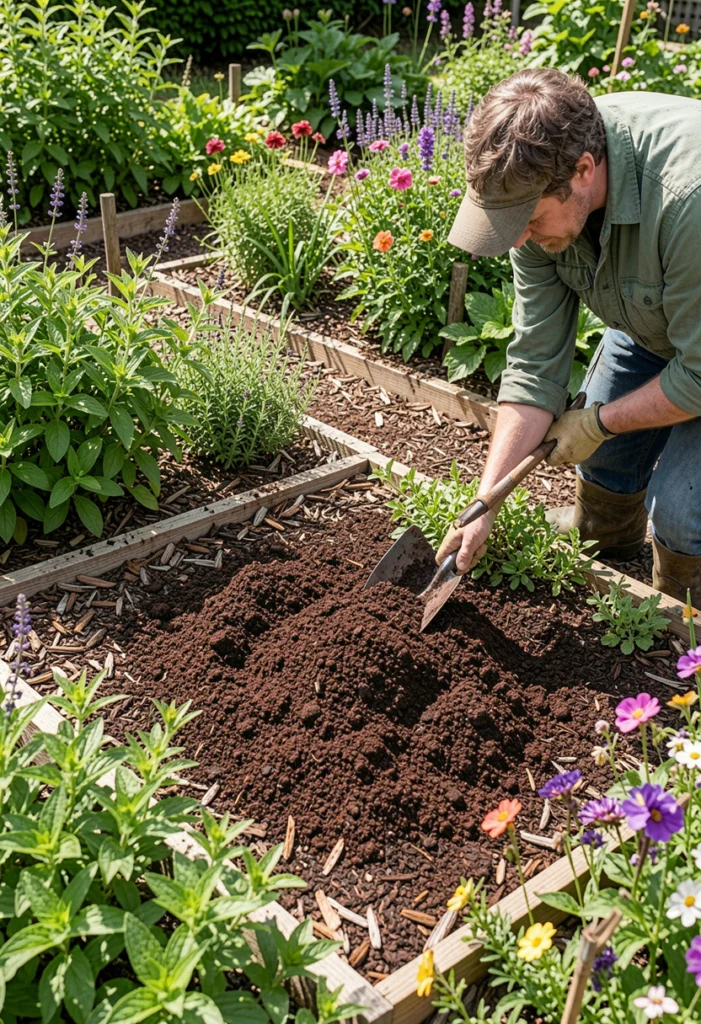
Compost is one of the best natural ways to improve soil health. It enriches the soil with essential nutrients while enhancing its structure and moisture retention. During summer, plants grow rapidly and use up nutrients quickly, so adding compost helps replenish what’s lost.
Spread a layer of compost over your garden beds and gently mix it into the topsoil. This encourages beneficial microorganisms that break down organic matter and release nutrients slowly.
2. Use Organic Mulch to Protect Soil
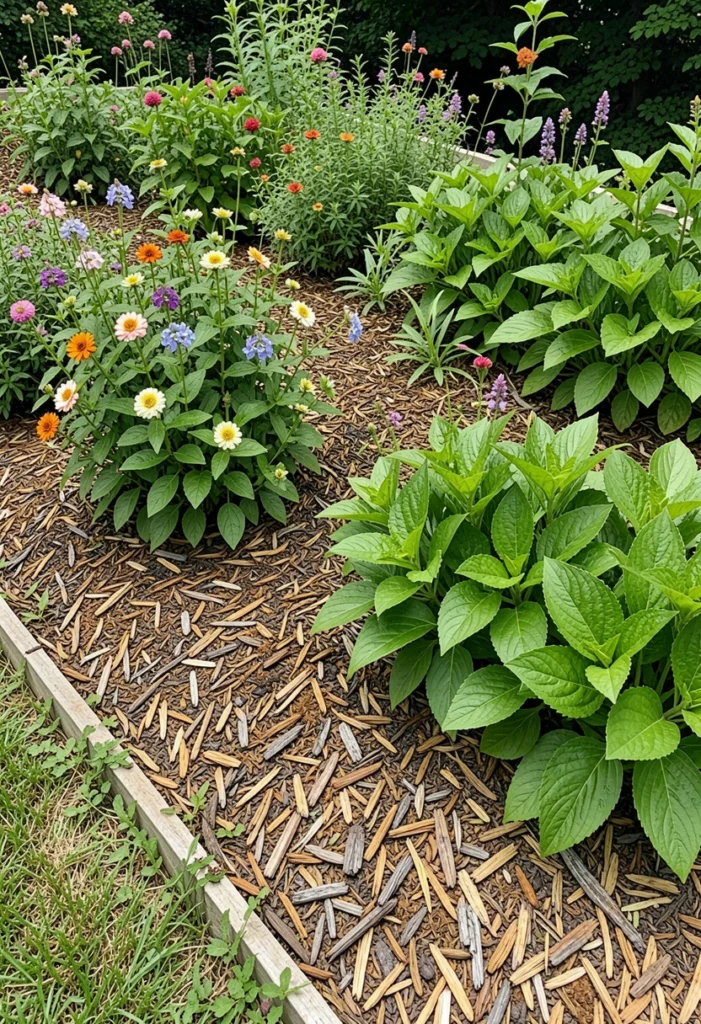
Mulching is essential during summer to protect soil from heat and moisture loss. Organic mulch, such as straw, bark, or dried leaves, acts as a barrier against the sun.
It helps retain moisture, regulate soil temperature, and reduce weed growth. As the mulch breaks down, it also adds nutrients back into the soil. Apply a 2–3 inch layer around plants, leaving space around stems to prevent rot. This simple step can significantly improve soil conditions.
3. Practice Crop Rotation
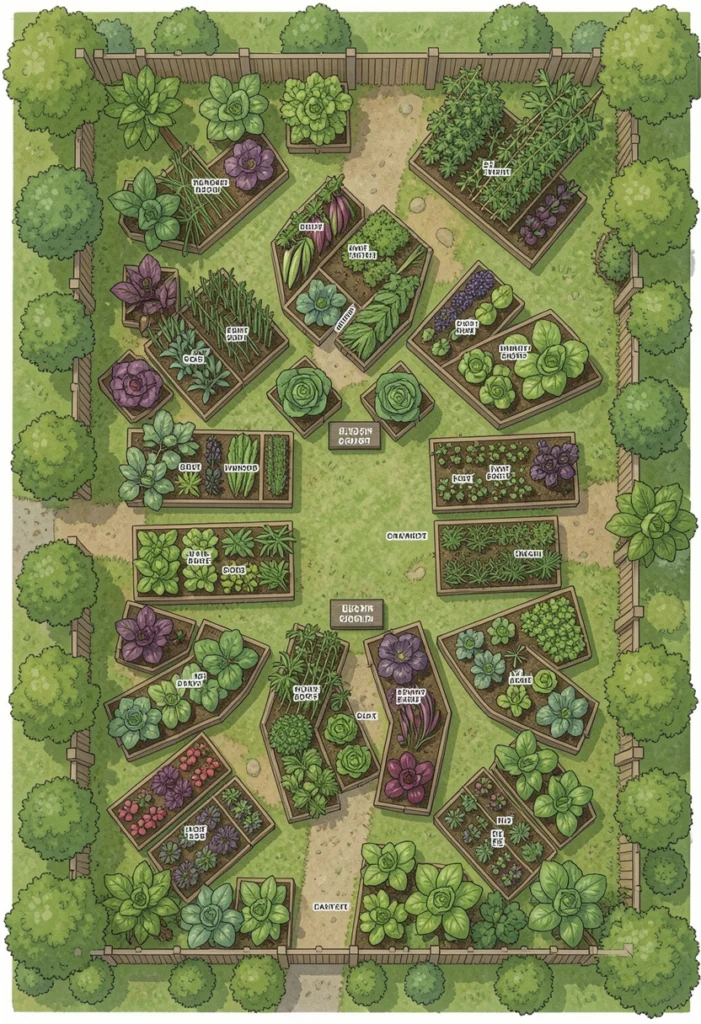
Growing the same plants in the same spot each year can deplete specific nutrients and increase pest problems. Crop rotation helps maintain balanced soil fertility.
By changing plant locations, you reduce the risk of nutrient depletion and improve soil health. For example, follow heavy feeders like tomatoes with nitrogen-fixing plants like beans. This method also helps break pest and disease cycles, creating a healthier garden environment.
4. Avoid Overwatering
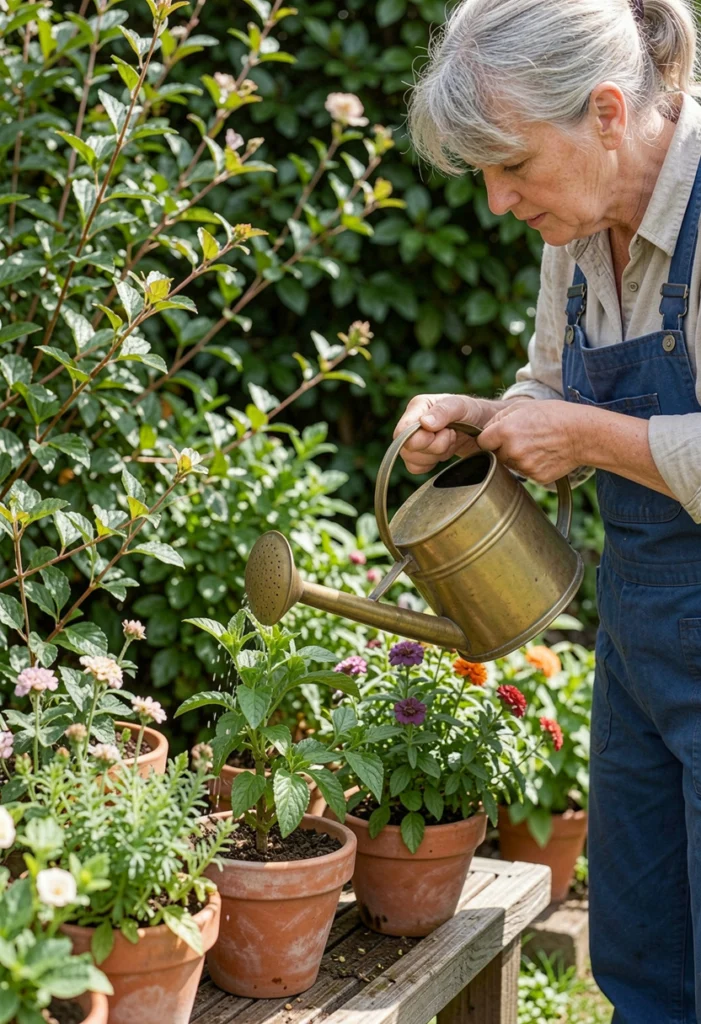
While watering is crucial in summer, too much water can harm soil health. Overwatering can wash away nutrients and lead to compacted, oxygen-poor soil.
Water deeply but less frequently to encourage strong root growth. This allows the soil to absorb moisture without becoming waterlogged. Proper watering techniques help maintain soil structure and prevent root issues.
See Also: 14 Modern House Exterior Design Trends You Can’t Miss
5. Aerate Compacted Soil
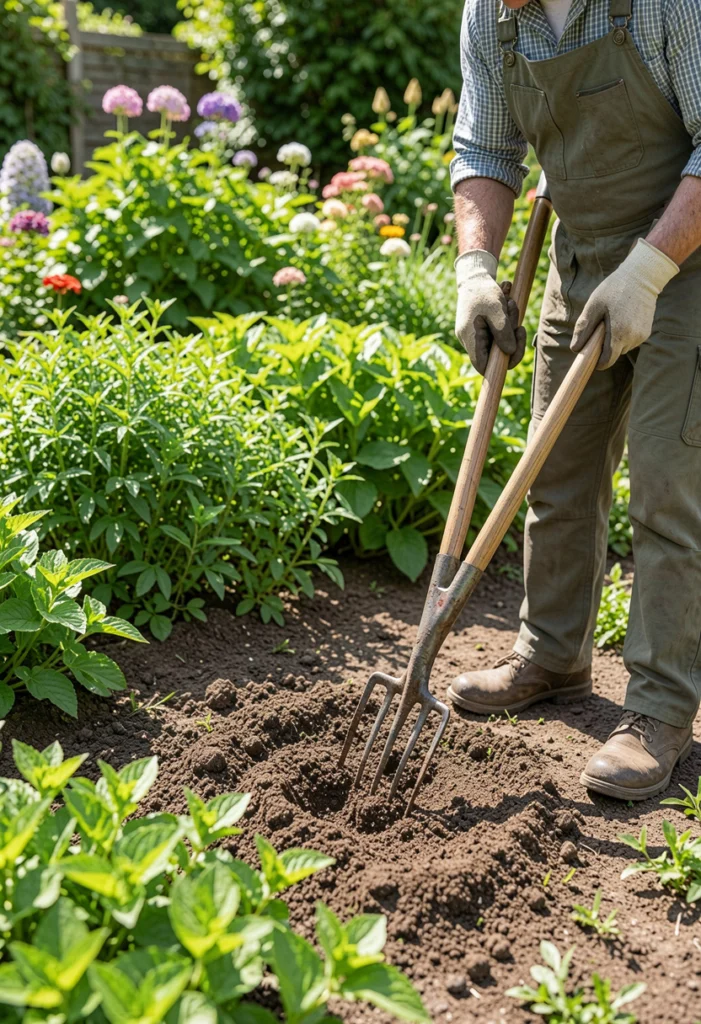
Compacted soil restricts airflow and water movement, making it difficult for roots to grow. Aerating the soil helps loosen it and improve its structure.
Use a garden fork or aerator to gently loosen the soil without disturbing plant roots. This allows oxygen and water to reach deeper layers. Aeration is especially important in high-traffic areas where soil becomes hard over time.
6. Add Organic Matter Frequently
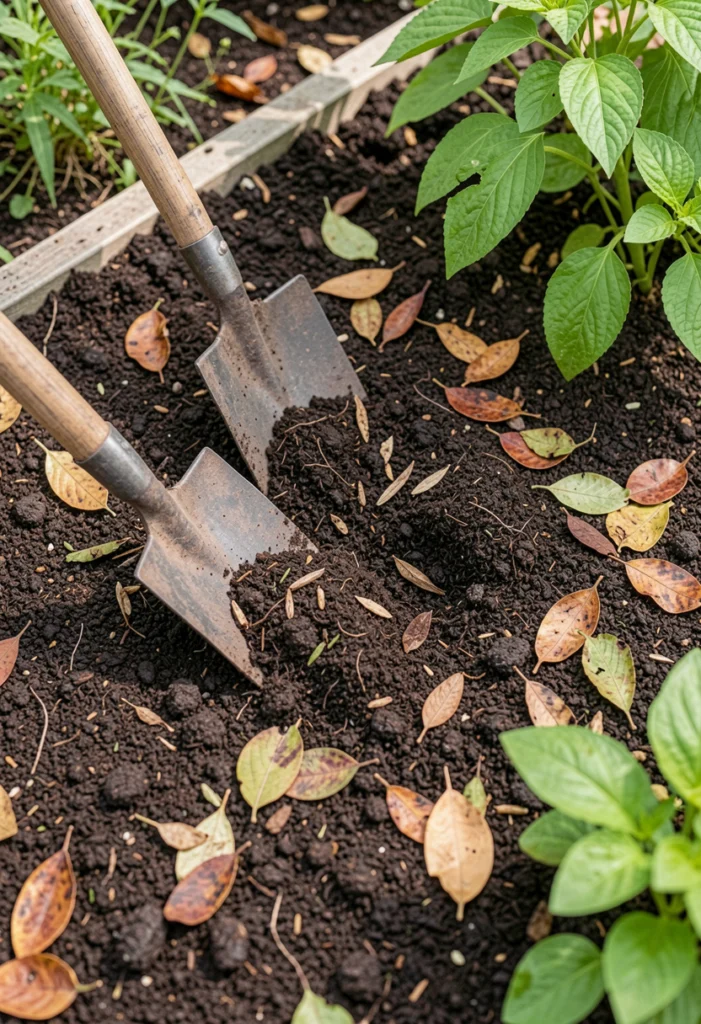
Incorporating organic matter like compost, manure, or leaf mold improves soil fertility and structure. It feeds beneficial microbes and enhances nutrient availability.
Regular additions keep the soil active and productive throughout the growing season. Organic matter also improves water retention, reducing the need for frequent watering. This practice is essential for building rich, healthy soil.
7. Use Cover Crops
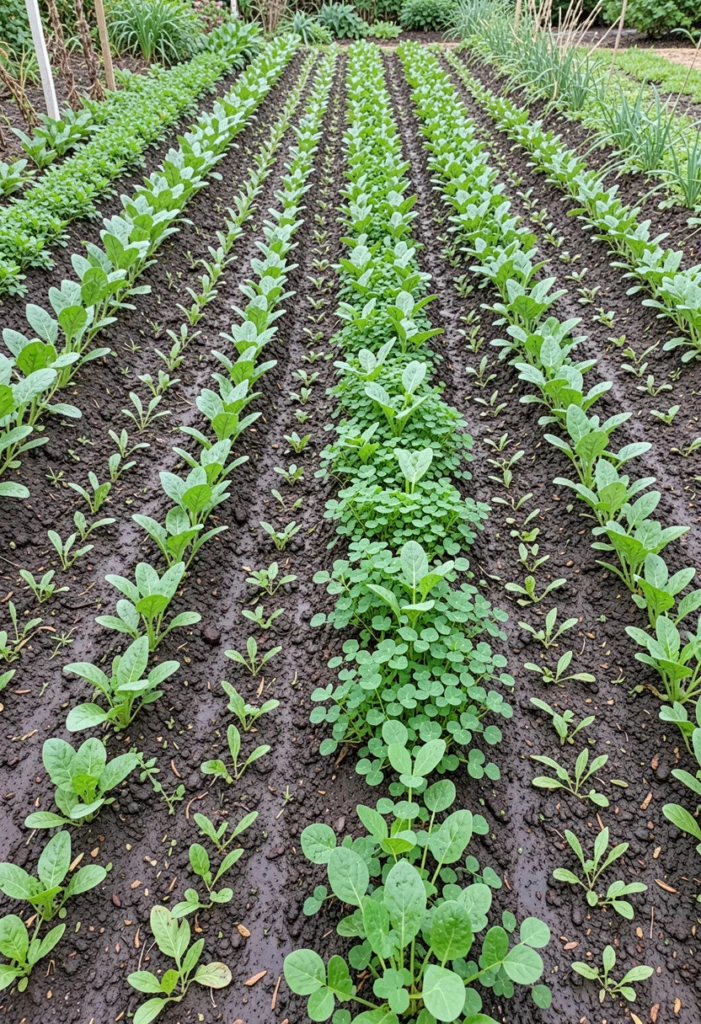
Cover crops, also known as green manure, protect and enrich soil during off-seasons. Even in summer, quick-growing cover crops can improve soil health.
Plants like clover or buckwheat add nutrients and prevent erosion. They also suppress weeds and improve soil structure. Once grown, they can be turned into the soil to add organic matter. Cover crops are a natural way to maintain soil fertility.
8. Maintain Proper pH Levels
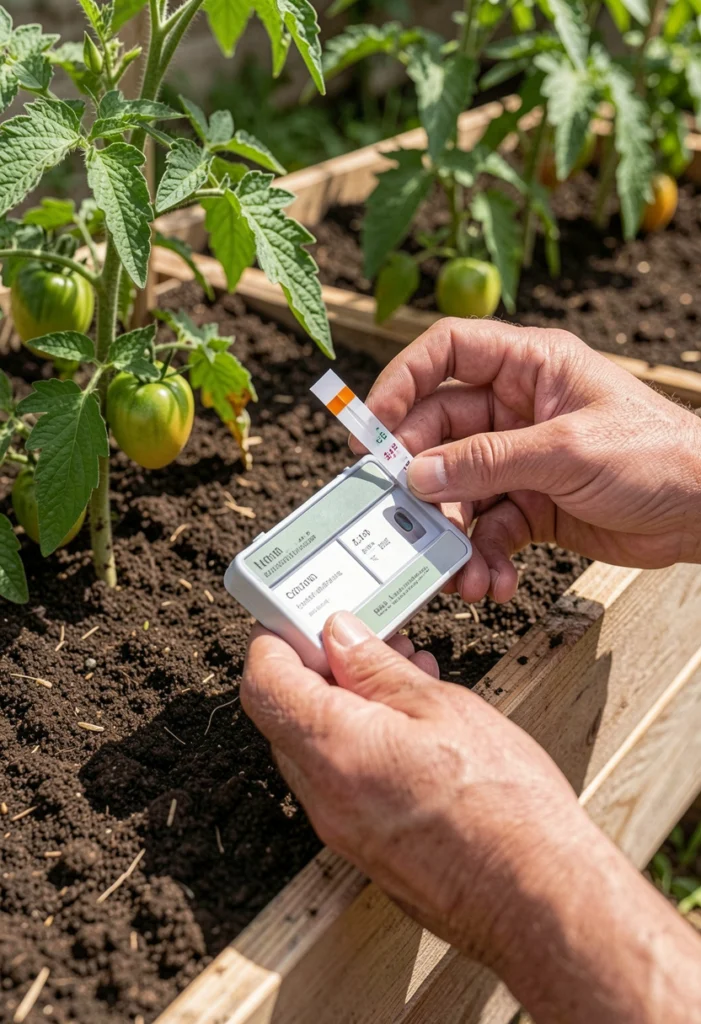
Soil pH affects how well plants absorb nutrients. Testing your soil helps you understand its condition and make necessary adjustments.
Add lime to raise pH or sulfur to lower it, depending on your needs. Balanced pH ensures optimal nutrient availability. Regular monitoring keeps your soil in the ideal range for plant growth. Healthy pH levels lead to stronger, more productive plants.
9. Reduce Chemical Use
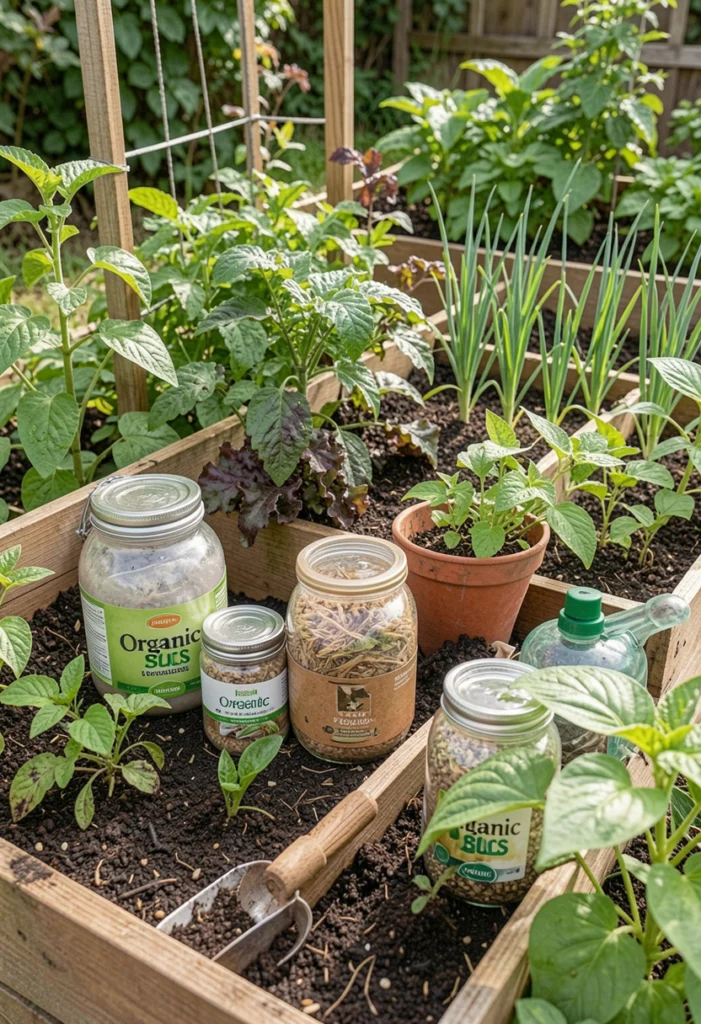
Excessive use of chemical fertilizers and pesticides can harm soil health by killing beneficial organisms. Switch to organic alternatives whenever possible. Natural solutions support a balanced ecosystem and improve soil quality.
Reducing chemicals helps maintain long-term soil fertility and sustainability. Healthy soil depends on a thriving community of microorganisms.
10. Encourage Earthworms
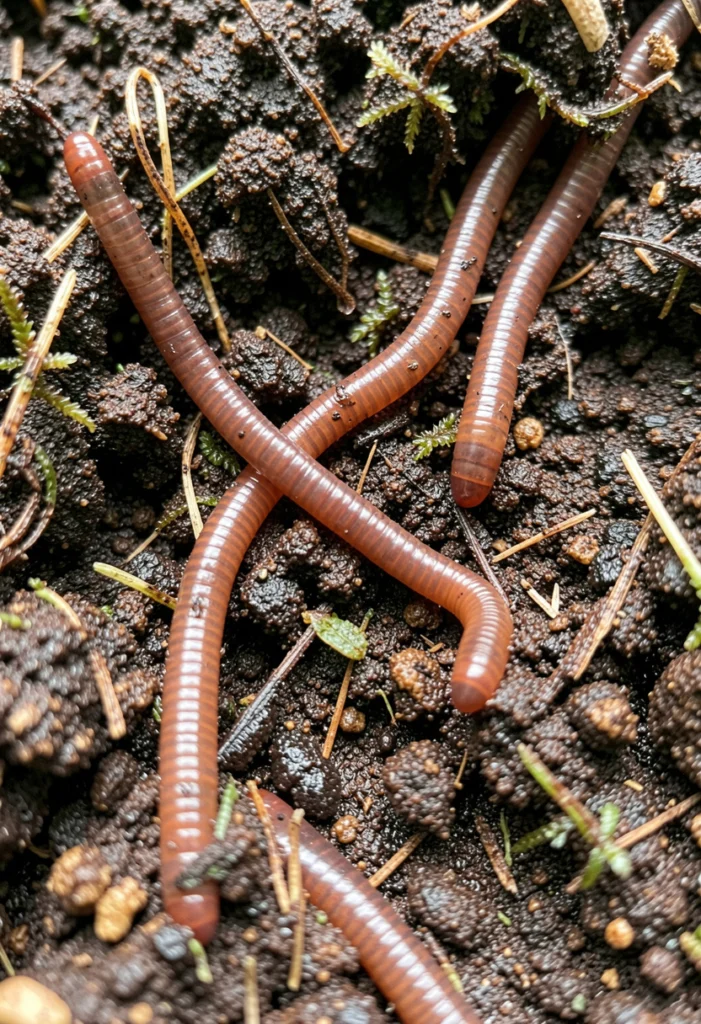
Earthworms play a vital role in soil health by breaking down organic matter and improving aeration. Create a welcoming environment by adding organic material and keeping the soil moist.
Avoid chemicals that can harm these beneficial creatures. A thriving earthworm population indicates healthy soil.
11. Use Liquid Organic Fertilizers
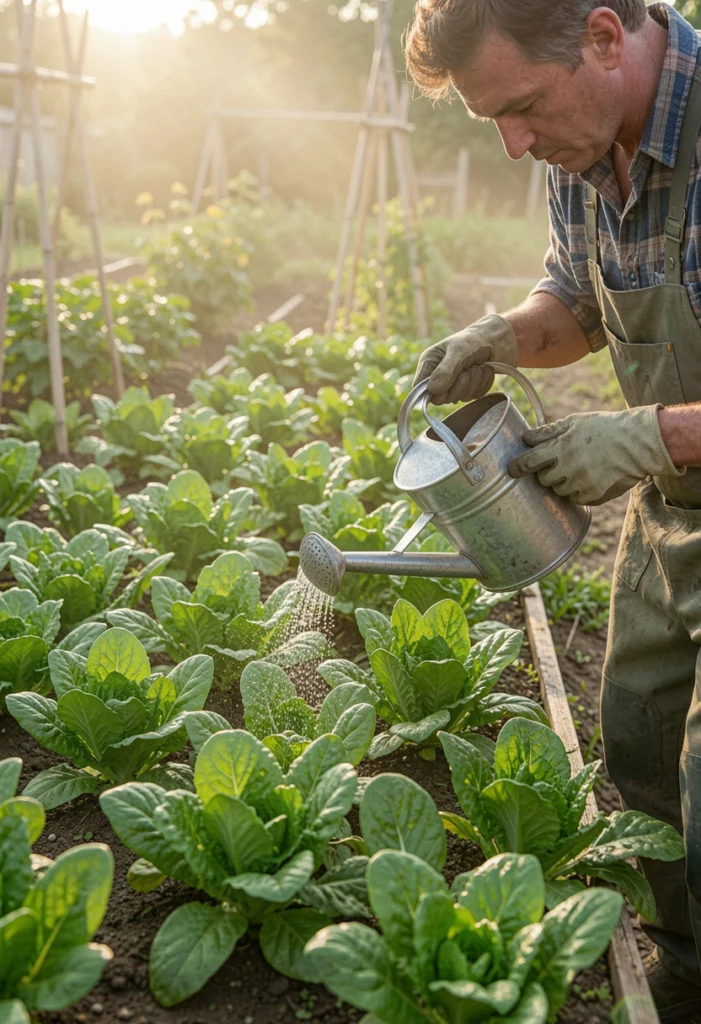
Liquid fertilizers like compost tea provide a quick nutrient boost to plants. They are easily absorbed and improve soil microbial activity.
Apply them during active growth periods for best results. This method complements solid compost and enhances overall soil health. Liquid fertilizers are a great addition to your summer gardening routine.
12. Prevent Soil Erosion
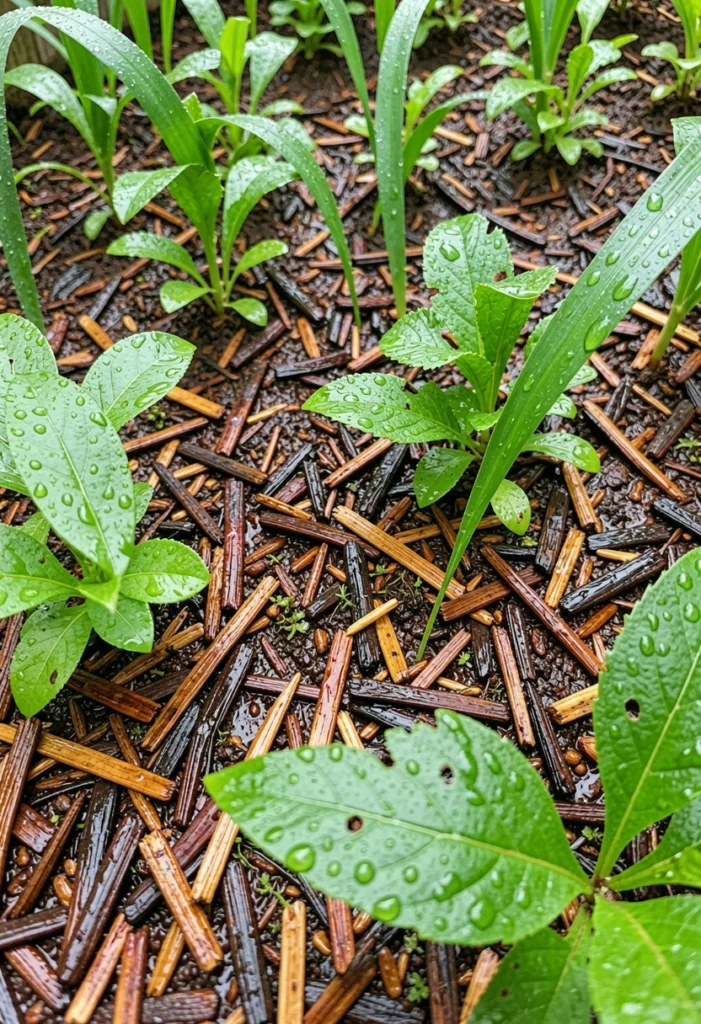
Summer storms and watering can cause soil erosion, washing away valuable nutrients.
Use mulch, ground covers, or barriers to protect your soil. Planting dense vegetation also helps hold soil in place. Preventing erosion ensures your soil remains rich and productive. This is especially important for sloped gardens.
13. Compost Kitchen Waste
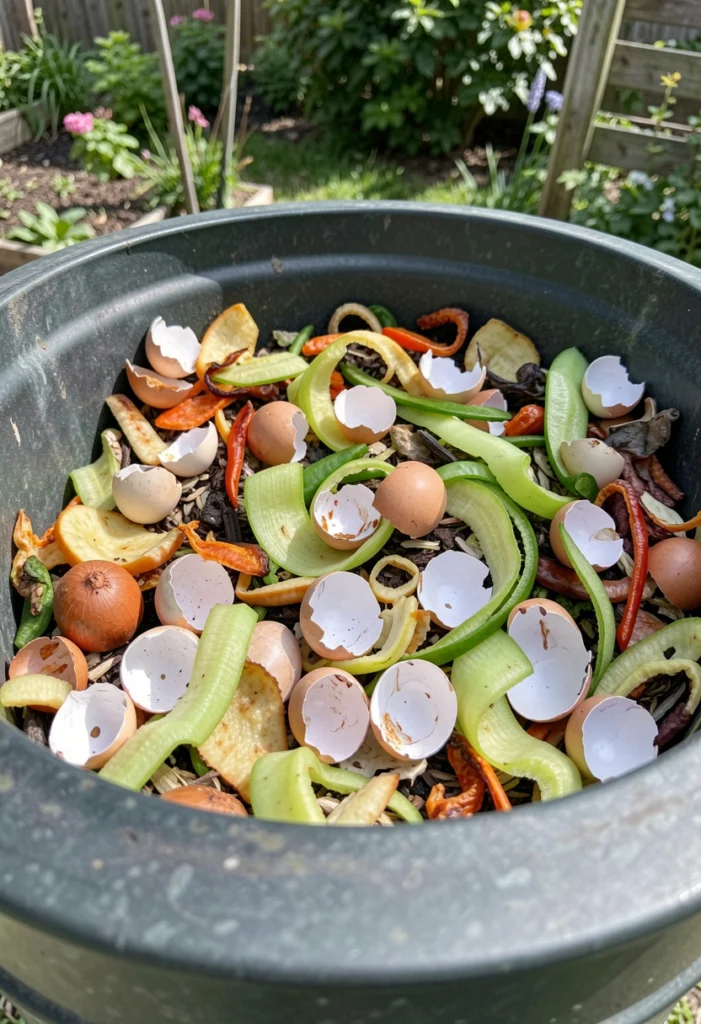
Recycling kitchen scraps into compost is an excellent way to enrich your soil. Fruit peels, vegetable scraps, and coffee grounds add valuable nutrients.
This reduces waste while supporting your garden’s health. Regular composting creates a continuous supply of organic matter. It’s a sustainable and eco-friendly practice.
14. Rotate Mulch Types
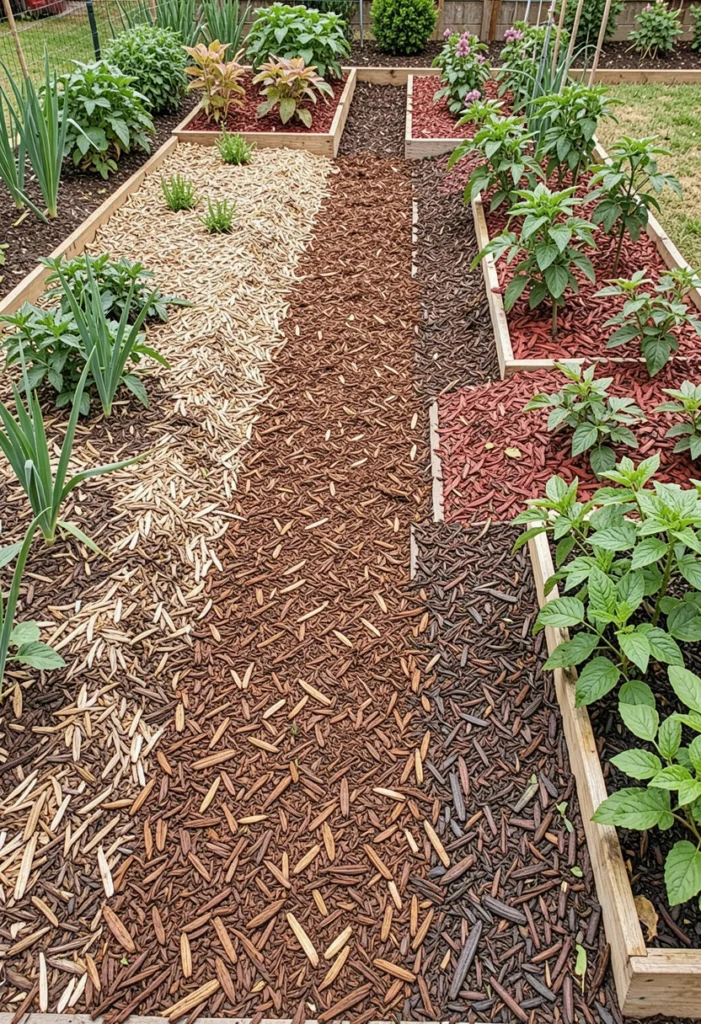
Using different types of mulch can provide varied benefits to your soil. For example, straw improves moisture retention, while bark adds long-term structure.
Rotating mulch types keeps soil balanced and prevents nutrient imbalances. This approach adds diversity to your soil ecosystem. Experimenting with mulch helps you find what works best for your garden.
15. Observe and Adjust Regularly
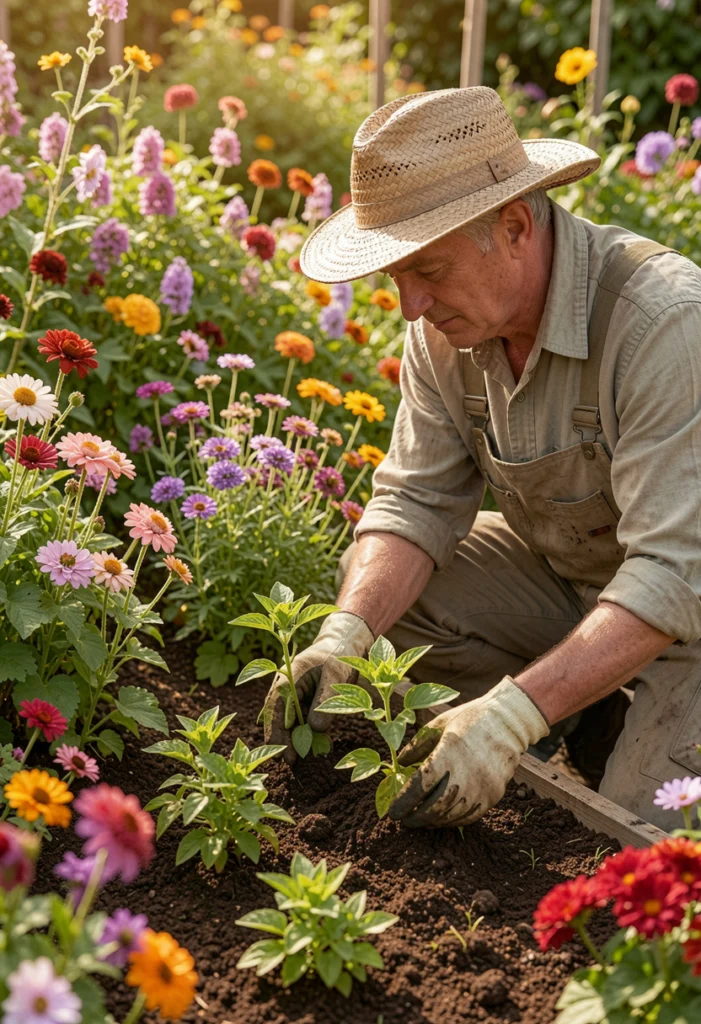
The best way to maintain healthy soil is to observe your garden regularly. Look for signs of nutrient deficiencies, poor drainage, or compaction.
Adjust your practices based on what you see. Gardening is a dynamic process that requires attention and care. Regular monitoring ensures your soil stays healthy and productive.
Final Words
Improving soil health is one of the most valuable investments you can make in your summer garden. By following these simple yet effective tips, you can create a nutrient-rich, well-balanced environment that supports strong, healthy plant growth.