12 Edible Landscape Ideas for Urban Spaces
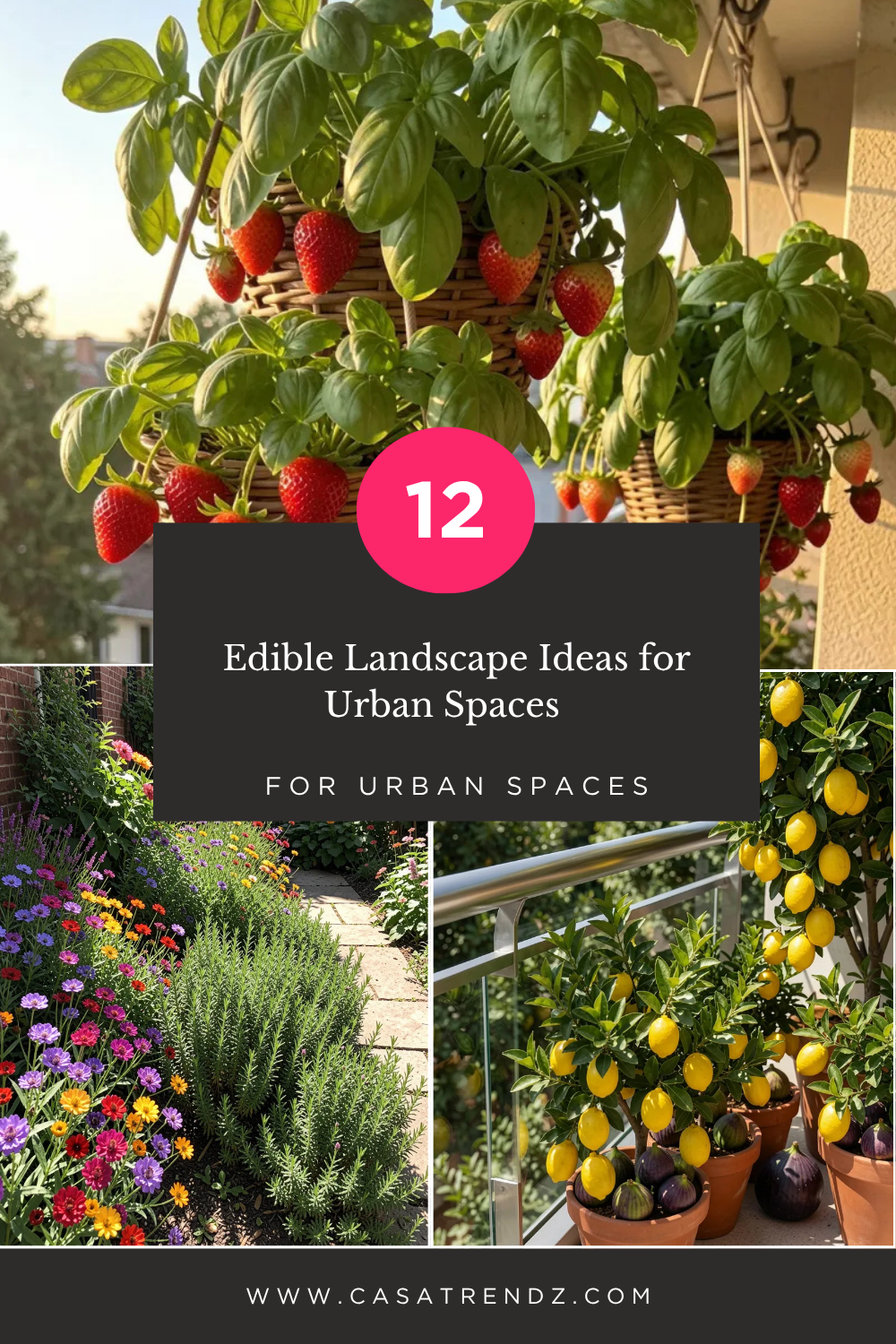
Urban living doesn’t mean you have to give up on growing your own food. In fact, edible landscaping is becoming one of the most creative and rewarding ways to transform small outdoor spaces into productive, beautiful environments. By blending fruits, vegetables, herbs, and ornamental plants, you can design a landscape that is both functional and visually appealing. Whether you have a balcony, rooftop, courtyard, or compact backyard, there are countless ways to incorporate edible plants into your space.
From vertical gardens to container arrangements, urban edible landscapes make the most of every inch while promoting sustainability and healthier living. These designs not only provide fresh produce but also enhance your surroundings with texture, color, and life. In this guide, you’ll discover 12 edible landscape ideas for urban spaces that will inspire you to grow smarter, greener, and more stylishly no matter how limited your space may be.
1. Vertical Herb Garden Walls
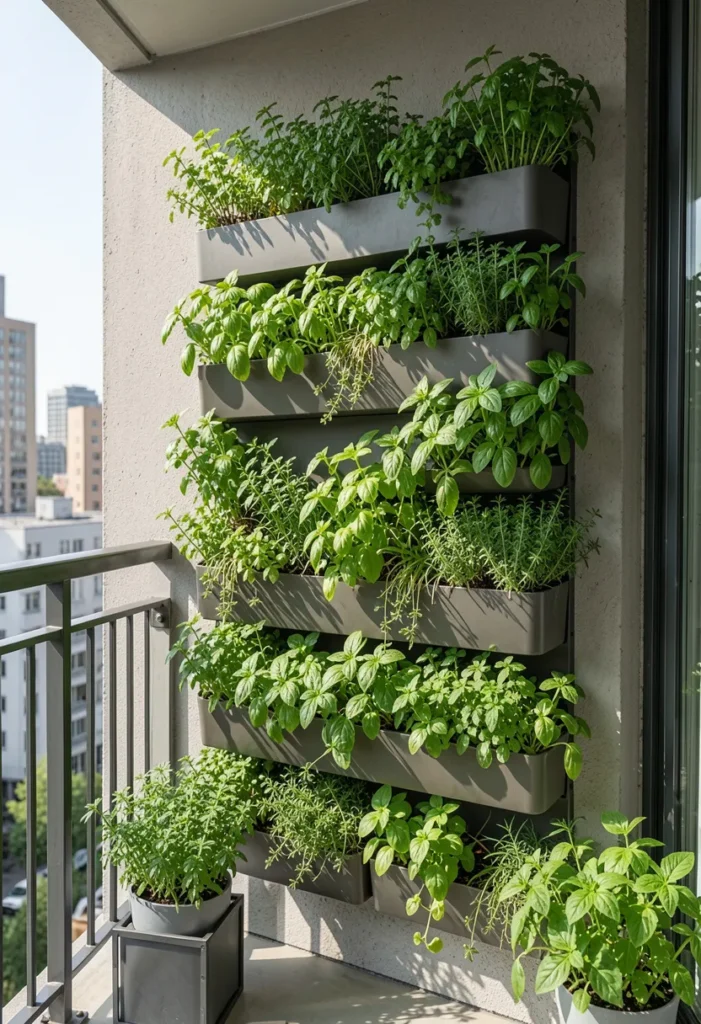
Vertical herb gardens are perfect for maximizing limited urban space. By growing herbs upward instead of outward, you can transform a blank wall into a lush, productive feature. Common herbs like basil, mint, thyme, and parsley thrive in vertical planters or wall-mounted containers, making them both practical and decorative.
This setup works especially well on balconies or small patios where floor space is limited. You can use wooden pallets, metal grids, or modular planters to create a structured design. Not only does it look modern, but it also keeps fresh herbs within easy reach for cooking.
2. Container Vegetable Garden
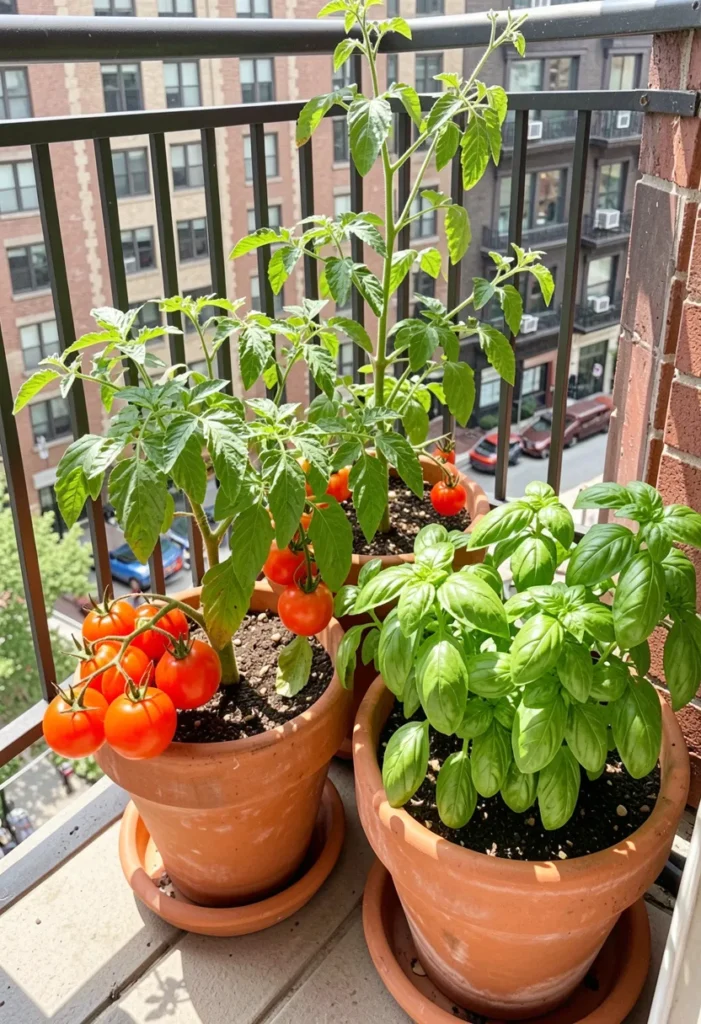
Container gardening is one of the easiest ways to grow vegetables in urban spaces. Using pots, buckets, or raised containers, you can cultivate tomatoes, peppers, lettuce, and even carrots without needing a traditional garden bed.
This approach allows flexibility you can move containers to catch sunlight or rearrange them for aesthetic appeal. Choosing stylish pots in different sizes and colors can enhance the visual charm of your space. Proper soil and drainage are key to success. Use high-quality potting mix and ensure each container has drainage holes. Regular watering and fertilizing will keep your plants thriving.
3. Edible Flower Borders
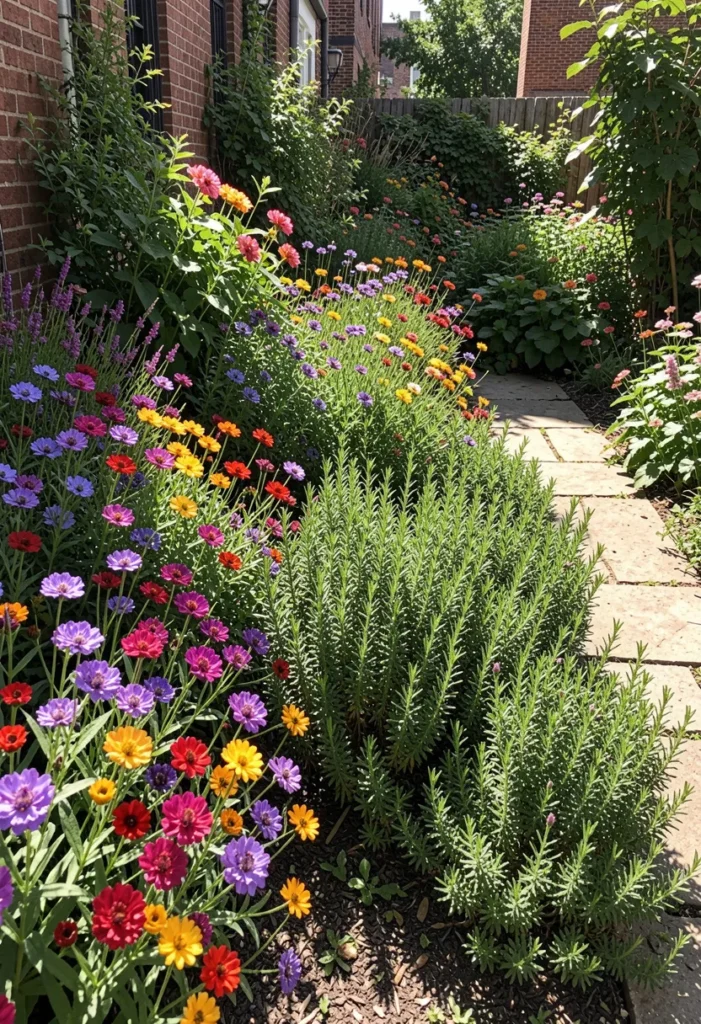
Edible flowers add both beauty and function to your landscape. Varieties like nasturtiums, calendula, and pansies bring vibrant colors while also being safe to eat. They can be used in salads, desserts, or as garnishes.
Planting edible flowers along borders or edges creates a visually striking frame for your garden. They pair well with vegetables and herbs, enhancing the overall design. These flowers are relatively easy to grow and require minimal maintenance. They thrive in sunny spots and well-drained soil.
See Also: 14 Modern Farmhouse Exterior Design Ideas You’ll Fall in Love With
4. Raised Bed Kitchen Garden
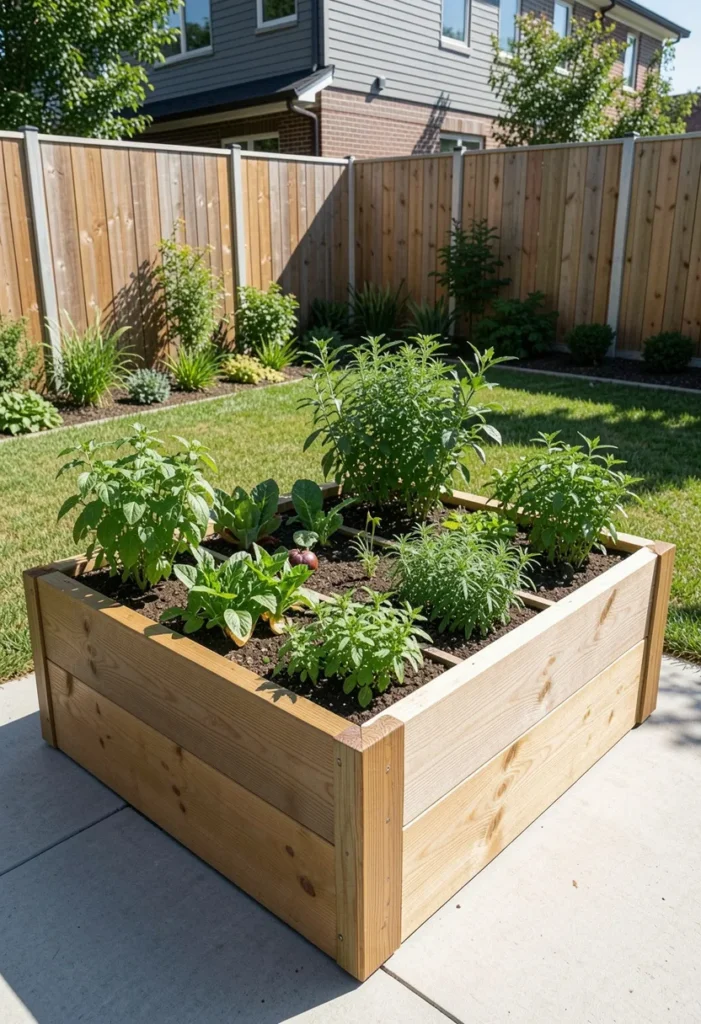
Raised beds are a fantastic solution for urban gardening. They provide better soil control, improved drainage, and easier maintenance compared to traditional ground planting.
You can grow a variety of vegetables, herbs, and even small fruits in a compact space. Raised beds also help define the layout of your garden, giving it a neat and organized appearance. Using wood or metal frames adds a modern touch to your outdoor space. Position the beds in a sunny area and fill them with nutrient-rich soil for optimal growth.
5. Balcony Fruit Trees
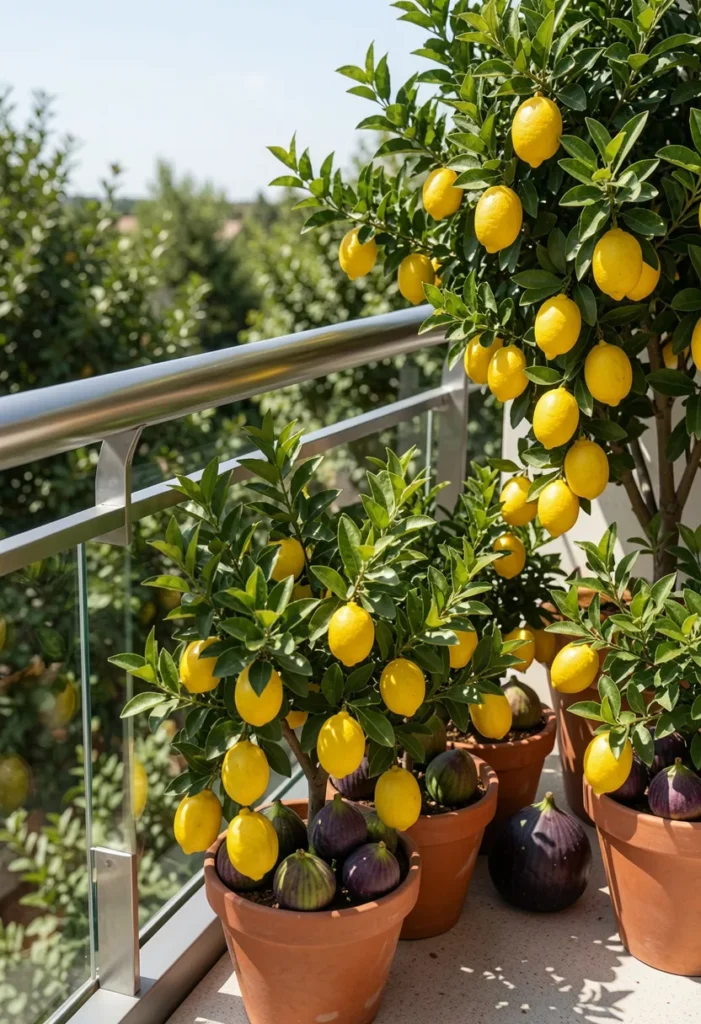
Dwarf fruit trees are perfect for balconies and small patios. Varieties like lemon, fig, and apple trees can thrive in large containers, producing fresh fruit in limited spaces.
These trees not only provide food but also act as decorative elements. Their foliage and seasonal blooms add charm and greenery to your environment. Ensure the containers are large enough for root growth and provide adequate drainage. Regular pruning and feeding will keep the trees healthy and productive.
6. Rooftop Edible Garden
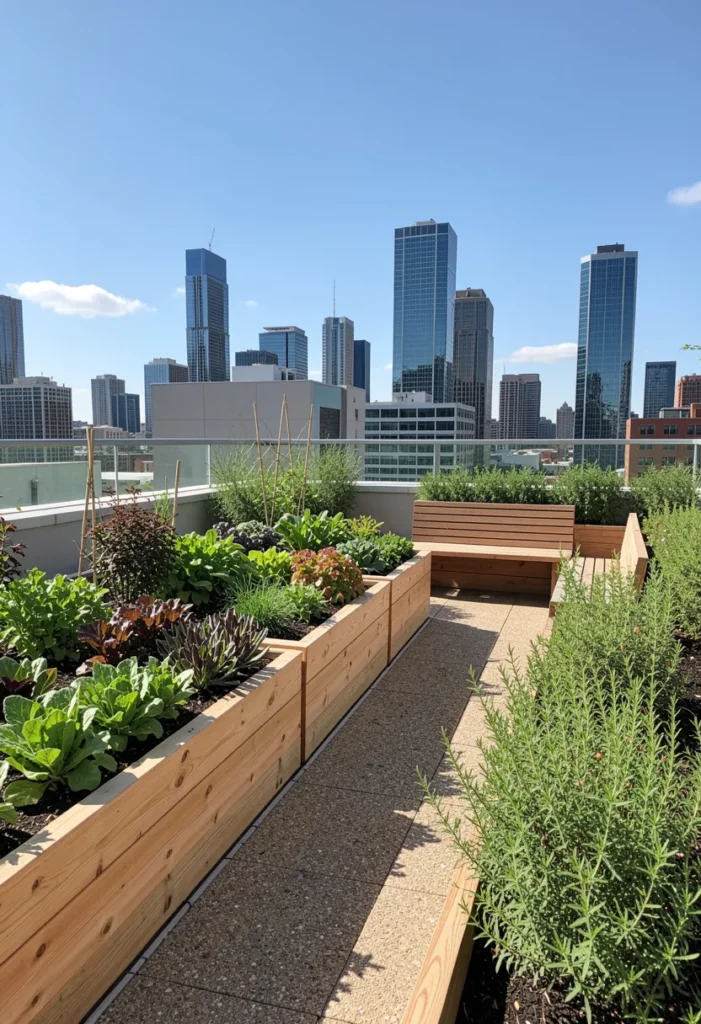
Rooftops offer untapped potential for urban gardening. Transforming your rooftop into an edible garden allows you to grow a wide variety of plants while enjoying open space and sunlight.
You can incorporate raised beds, containers, and even vertical structures to maximize productivity. Adding seating areas creates a relaxing environment. Proper planning is essential ensure the roof can support the weight and has adequate drainage. Wind protection may also be necessary.
7. Edible Hedge Landscaping
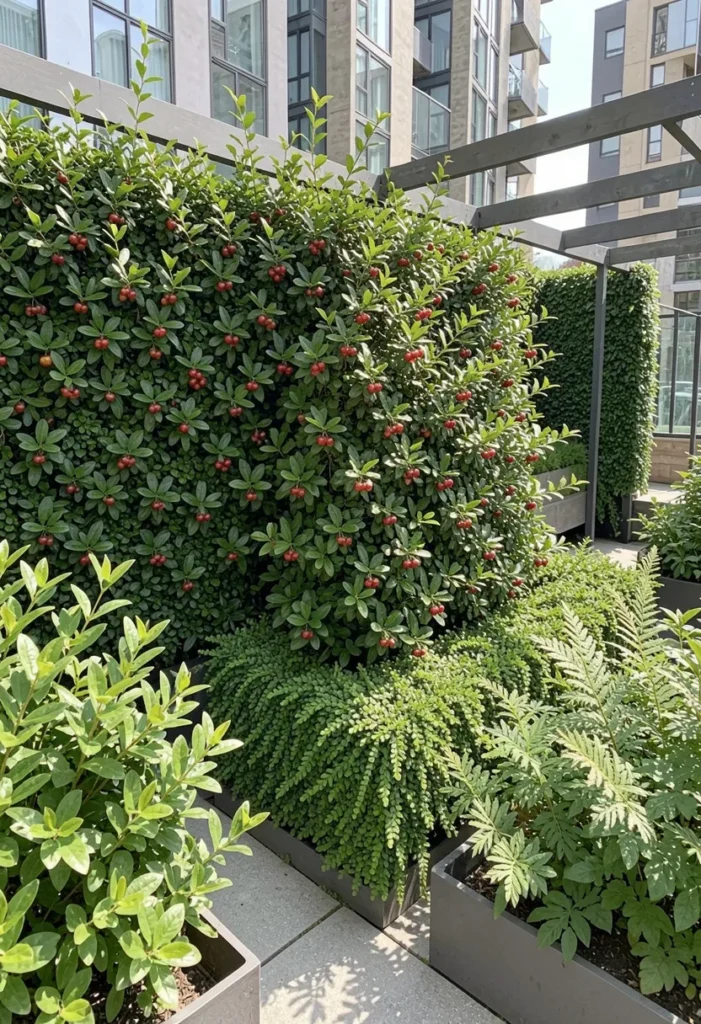
Instead of traditional hedges, consider planting edible shrubs like blueberries, rosemary, or currants. These plants provide privacy while also producing food.
Edible hedges add structure and greenery to your space. They can be shaped and maintained like regular hedges, making them both practical and attractive. Choose plants suited to your climate and ensure they receive adequate sunlight. Regular pruning keeps them healthy and productive. This idea combines functionality with sustainability, making it a smart choice for urban landscapes.
8. Hanging Basket Gardens
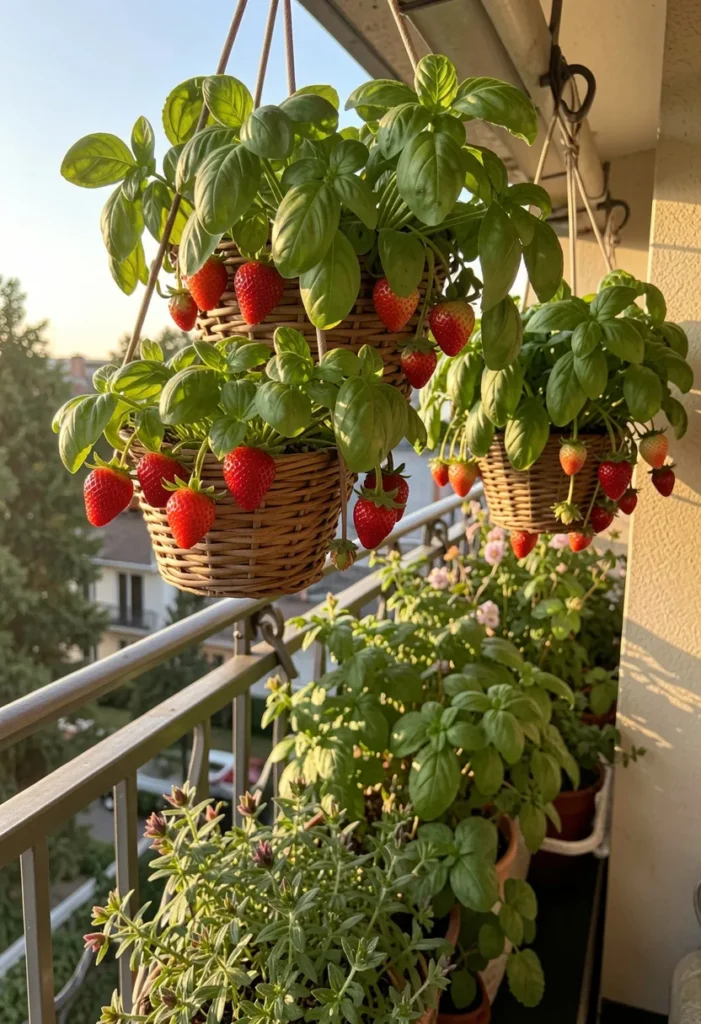
Hanging baskets are perfect for adding greenery without taking up floor space. They can be used to grow strawberries, cherry tomatoes, and herbs.
These baskets create a layered look, adding depth and interest to your garden. They’re especially useful for balconies and small patios. Ensure the baskets are securely mounted and receive enough sunlight. Regular watering is essential, as hanging containers dry out quickly.
9. Mixed Ornamental and Edible Beds
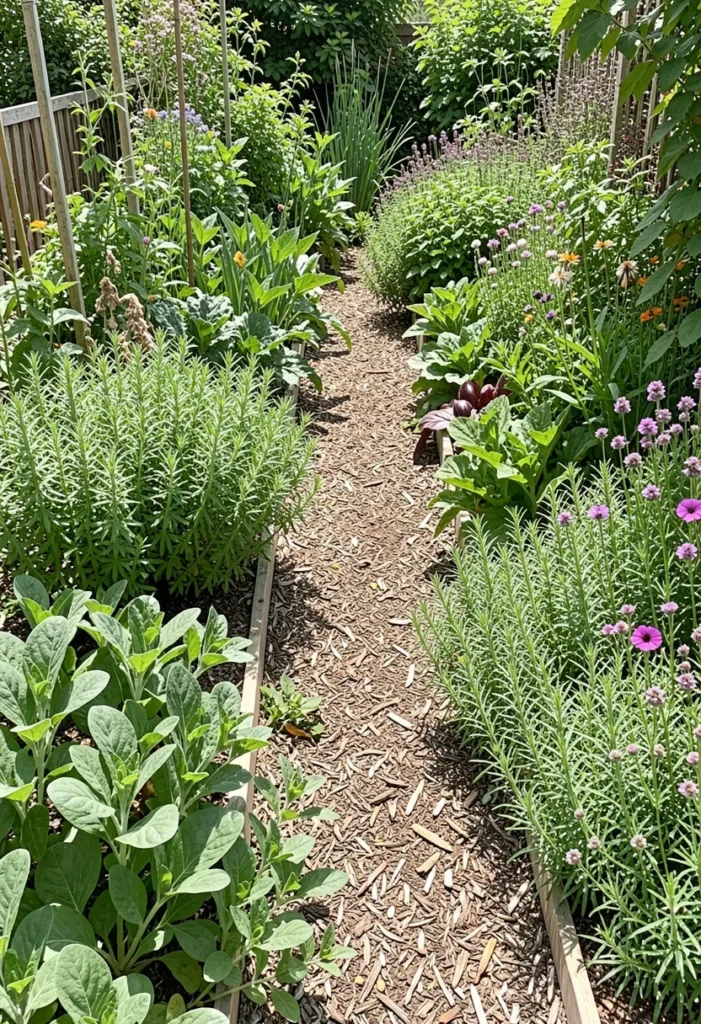
Combining edible plants with ornamental ones creates a balanced and attractive garden. This approach blends beauty with function, making your landscape both productive and stylish.
You can mix leafy greens with flowers or herbs with decorative grasses. This adds variety in texture and color. This method is ideal for those who want a garden that looks good year-round while still providing food.
10. Window Box Edible Garden
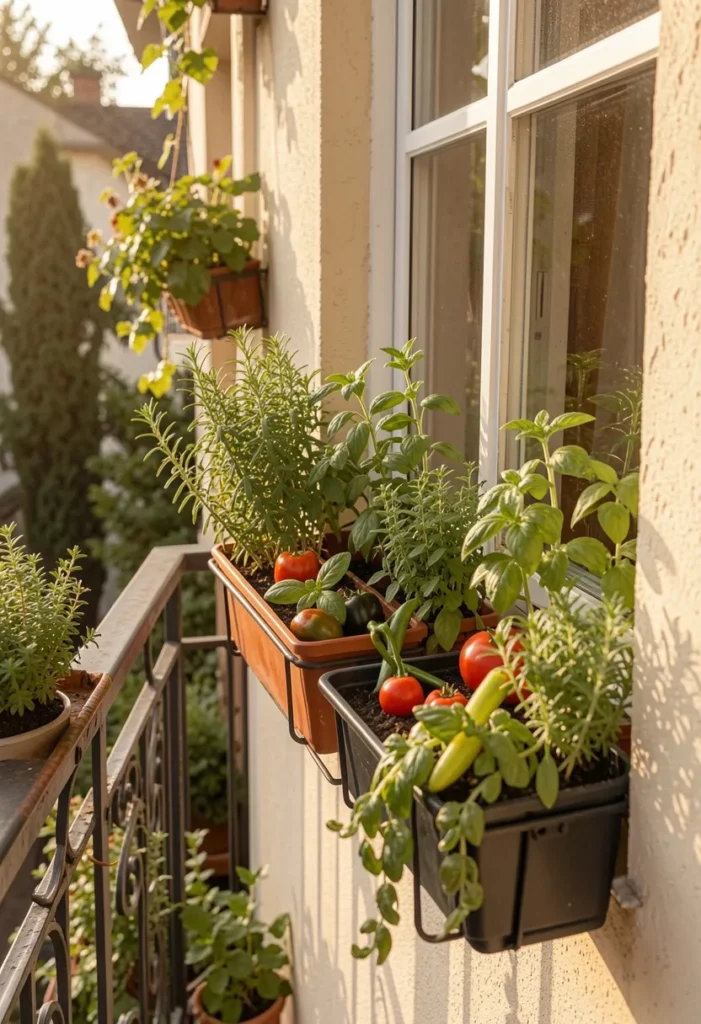
Window boxes are a simple yet effective way to grow herbs and small vegetables. They’re perfect for apartments with limited outdoor space.
Planting herbs like basil, chives, and cilantro in window boxes keeps them accessible and fresh. It also enhances the exterior appearance of your home. Ensure proper drainage and sunlight for healthy growth. Regular trimming encourages new growth. This idea is perfect for beginners and small spaces.
11. Hydroponic Urban Garden
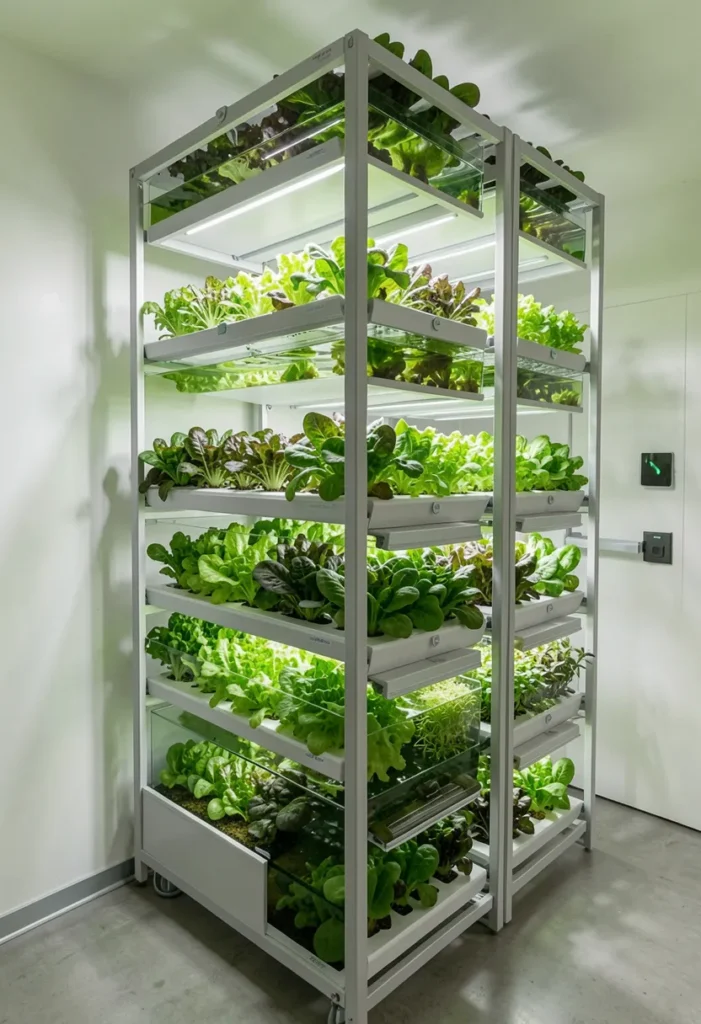
Hydroponic systems allow you to grow plants without soil, making them ideal for indoor or small urban spaces. These systems use nutrient-rich water to support plant growth.
They’re efficient, space-saving, and produce high yields. Herbs, lettuce, and even strawberries can thrive in hydroponic setups. This modern approach is perfect for tech-savvy gardeners looking for innovative solutions.
12. Edible Pathway Garden
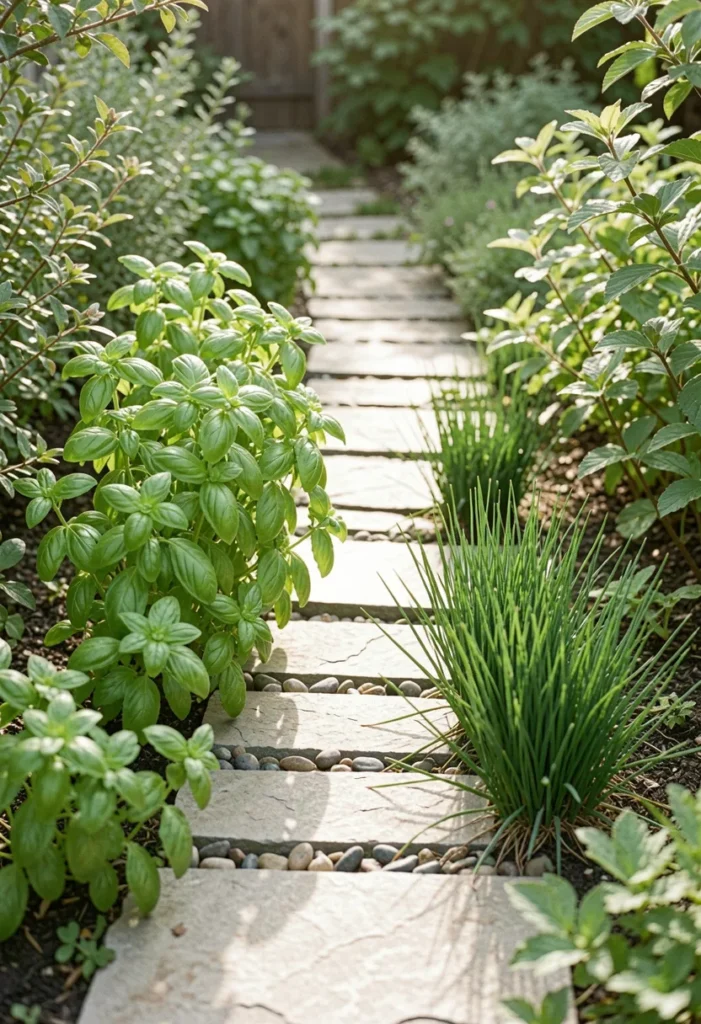
Creating pathways lined with edible plants adds both function and beauty to your garden. Herbs like thyme or oregano can grow between stepping stones, releasing fragrance when walked on.
This design makes your garden interactive and unique. It’s perfect for small yards or courtyard spaces. Choose hardy plants that can withstand foot traffic and require minimal maintenance. This idea combines practicality with creativity, making your garden truly one of a kind.
Final Words
Creating an edible landscape in an urban space is not just about growing food it’s about reimagining how your environment can serve both beauty and purpose. Even the smallest balcony or rooftop can become a thriving, productive oasis with the right ideas and a bit of creativity. From vertical gardens to container setups and edible pathways, each approach offers a unique way to maximize space while enhancing your daily life. The key is to start simple, choose plants suited to your conditions, and build a system that works for your lifestyle.