13 Organic Pest Control Tips for a Healthy Summer Garden
Keeping a garden healthy during summer can be challenging, especially when pests start appearing. While chemical pesticides may seem like a quick solution, many gardeners prefer organic pest control methods that protect plants without harming the environment, beneficial insects, or soil health. Organic gardening focuses on natural techniques that prevent pest problems while maintaining a balanced ecosystem. By encouraging beneficial insects, improving soil health, and using simple homemade remedies, gardeners can keep pests under control in a safe and sustainable way.
These natural methods are not only effective but also better for pollinators like bees and butterflies that play an important role in garden productivity. Whether you’re growing vegetables, flowers, or herbs, organic pest control strategies help create a thriving garden where plants grow stronger and healthier. If you want a lush and productive garden this summer, these organic pest control tips will help you protect your plants while keeping your backyard garden naturally balanced.
1. Encourage Beneficial Insects
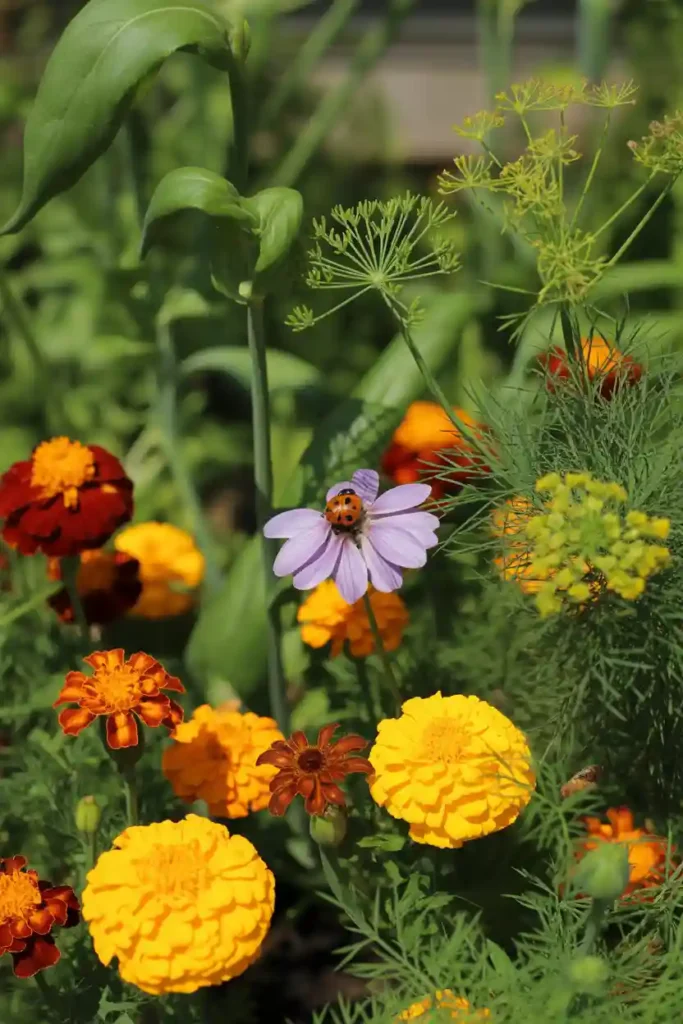
One of the most effective organic pest control strategies is encouraging beneficial insects in your garden. Insects like ladybugs, lacewings, and parasitic wasps naturally feed on harmful pests such as aphids, mites, and caterpillars. By creating an environment that attracts these helpful insects, you allow nature to manage pest populations naturally.
Planting flowers such as marigolds, dill, fennel, and yarrow can attract beneficial insects. These plants provide nectar and shelter for predators that help control pests. Avoid using chemical pesticides because they can harm both harmful and beneficial insects.
2. Use Neem Oil Spray
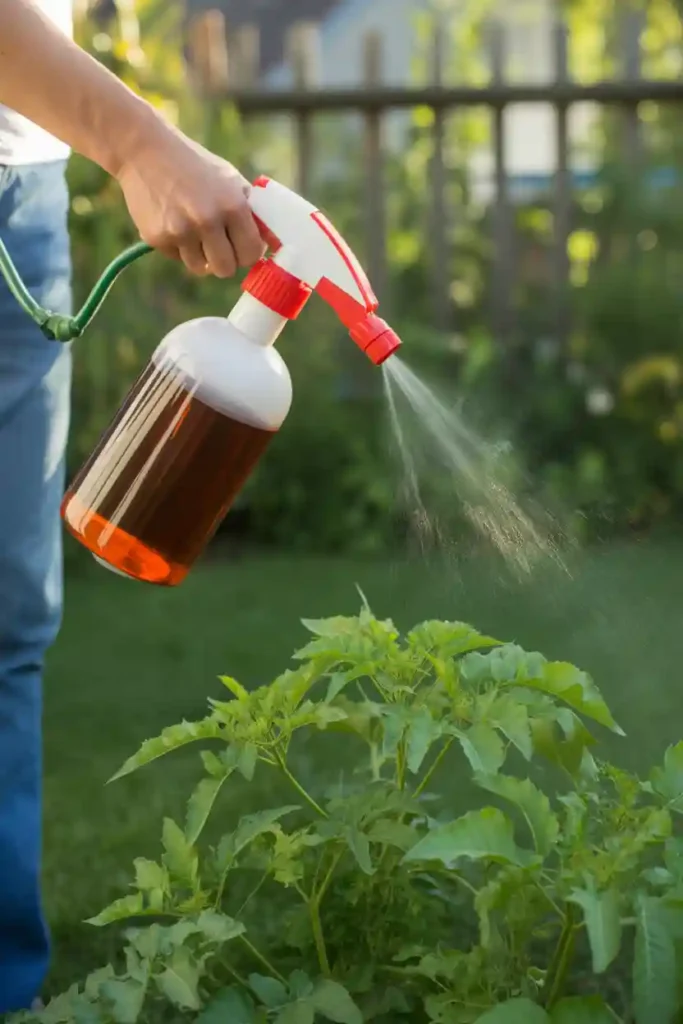
Neem oil is one of the most popular organic pest control solutions used by gardeners worldwide. Derived from the neem tree, this natural oil disrupts the life cycle of many garden pests including aphids, whiteflies, spider mites, and caterpillars.
Neem oil works by interfering with insects’ feeding and reproduction processes. When sprayed on plants, it forms a protective barrier that prevents pests from damaging leaves and stems. To apply neem oil, mix it with water and a few drops of mild soap to help the solution stick to plant surfaces. Spray it on affected plants during the early morning or evening to avoid harming beneficial insects and to prevent leaf burn from strong sunlight.
3. Plant Companion Plants
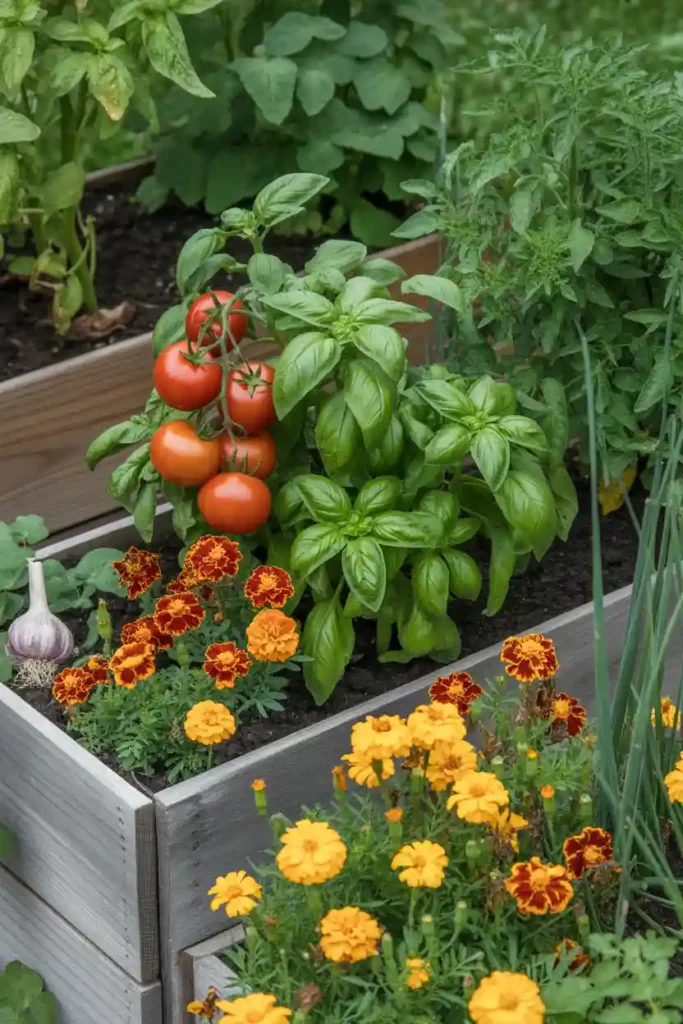
Companion planting is a traditional organic gardening technique where certain plants are grown together to naturally repel pests. Some plants release scents or chemicals that deter insects from attacking nearby crops.
For example, marigolds help repel nematodes and aphids, while basil can protect tomatoes from flies and mosquitoes. Garlic and onions are also excellent pest deterrents because their strong aroma confuses many insects.
4. Introduce Ladybugs
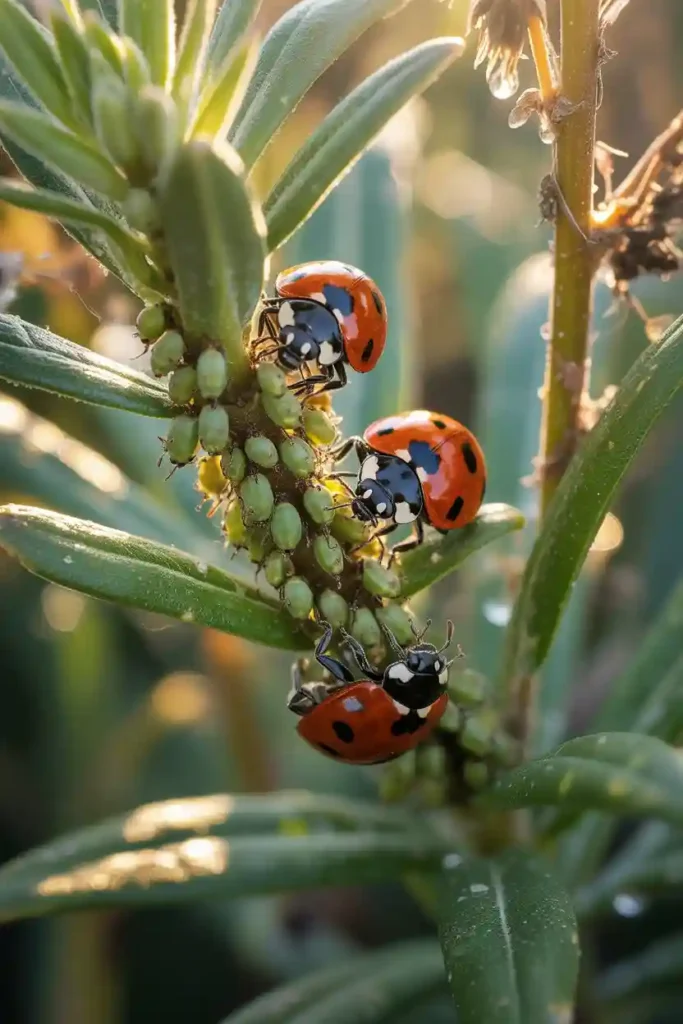
Ladybugs are one of the best natural predators for controlling garden pests. A single ladybug can eat dozens of aphids each day, making them extremely valuable in organic gardens.
Gardeners often release ladybugs into their gardens to reduce aphid infestations naturally. Once released, these insects spread throughout plants and begin feeding on pests. To encourage ladybugs to stay, provide plants that offer nectar and shelter such as dill, cilantro, and fennel. Avoid using chemical sprays that could harm them
5. Make Homemade Garlic Spray
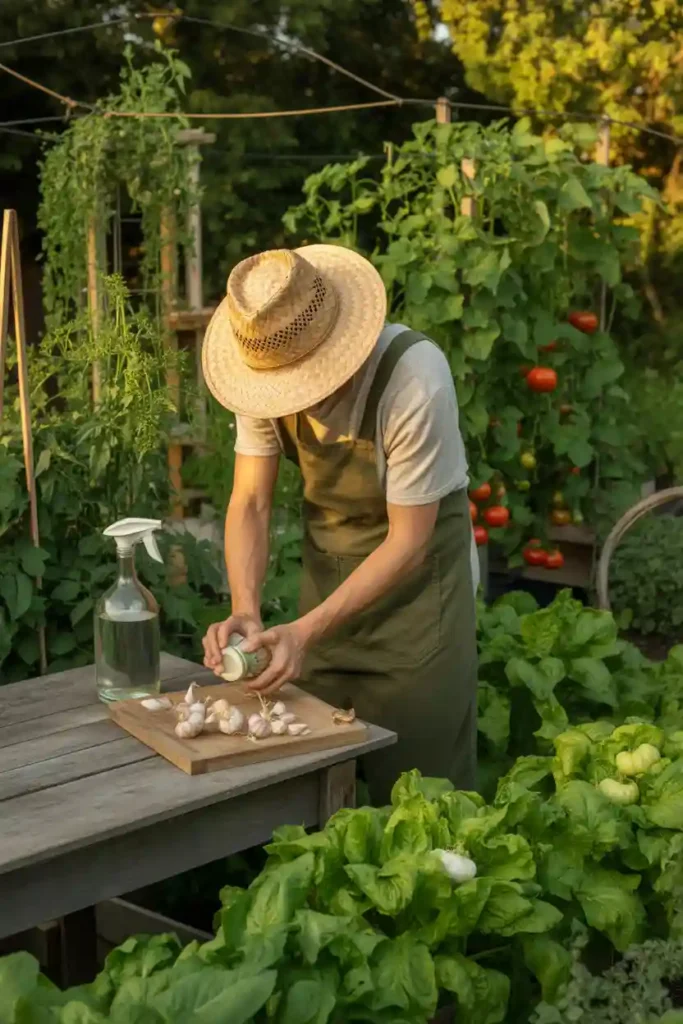
Garlic spray is a simple and effective homemade pest repellent. The strong smell of garlic repels many insects including aphids, beetles, and caterpillars.
To create garlic spray, blend garlic cloves with water and strain the mixture. Adding a small amount of mild soap helps the solution stick to plant leaves. Spray the mixture on plants once a week or after rain. Garlic spray works as a deterrent rather than a pesticide, meaning it discourages pests from feeding on plants without harming beneficial insects.
See Also: 15 Summer Garden Trends: What’s Hot for Backyards This Year
6. Use Row Covers
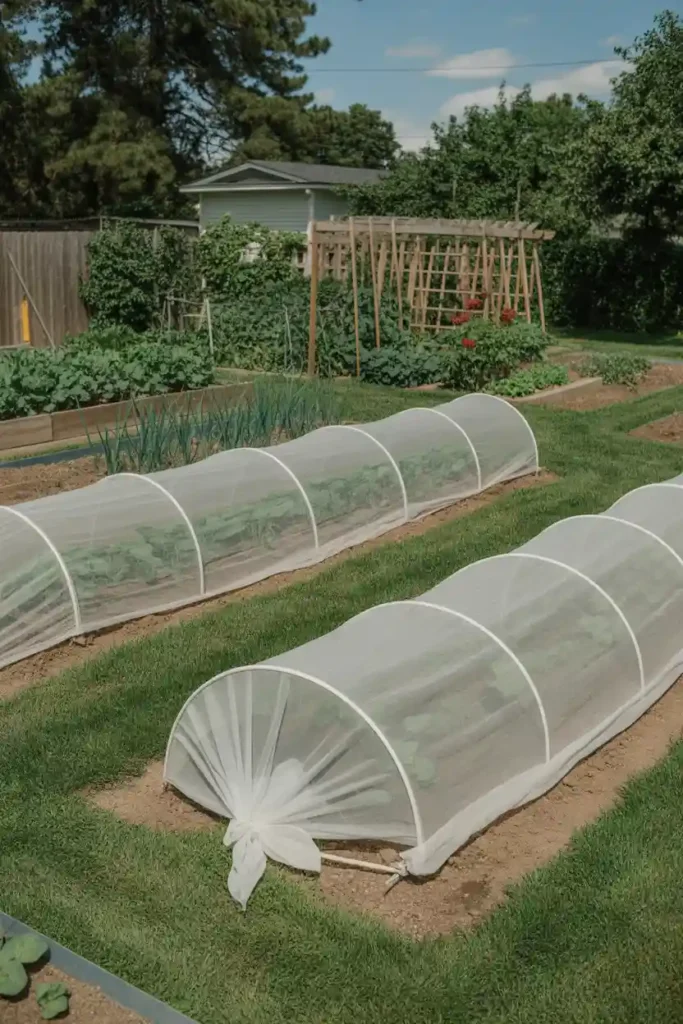
Row covers are lightweight fabrics placed over garden plants to physically block pests from reaching them. They act as a protective barrier while still allowing sunlight, air, and water to pass through.
Row covers are particularly useful for protecting vegetables like cabbage, broccoli, and lettuce from insects such as moths and beetles. These covers also help maintain slightly warmer temperatures, which can promote plant growth during cooler nights.
7. Encourage Birds in the Garden
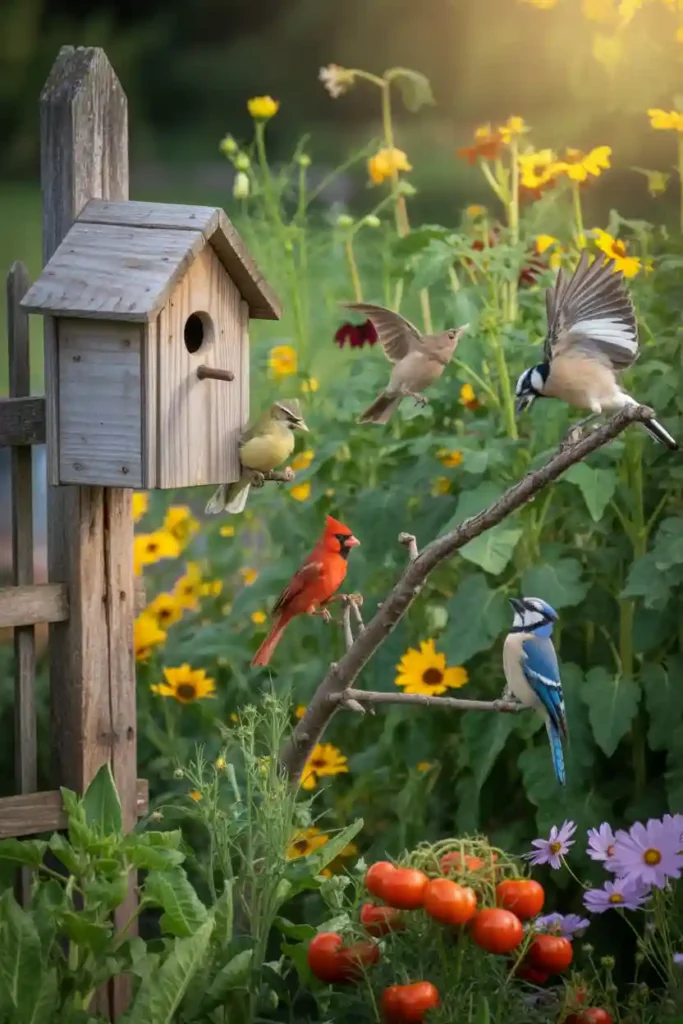
Birds are natural pest controllers that help keep insect populations under control. Many bird species feed on caterpillars, beetles, grasshoppers, and other pests that damage plants.
Adding birdhouses, feeders, and small water features can attract birds to your garden. Native trees and shrubs also provide nesting areas and shelter. Once birds begin visiting regularly, they naturally hunt pests among plants, reducing infestations.
8. Apply Diatomaceous Earth
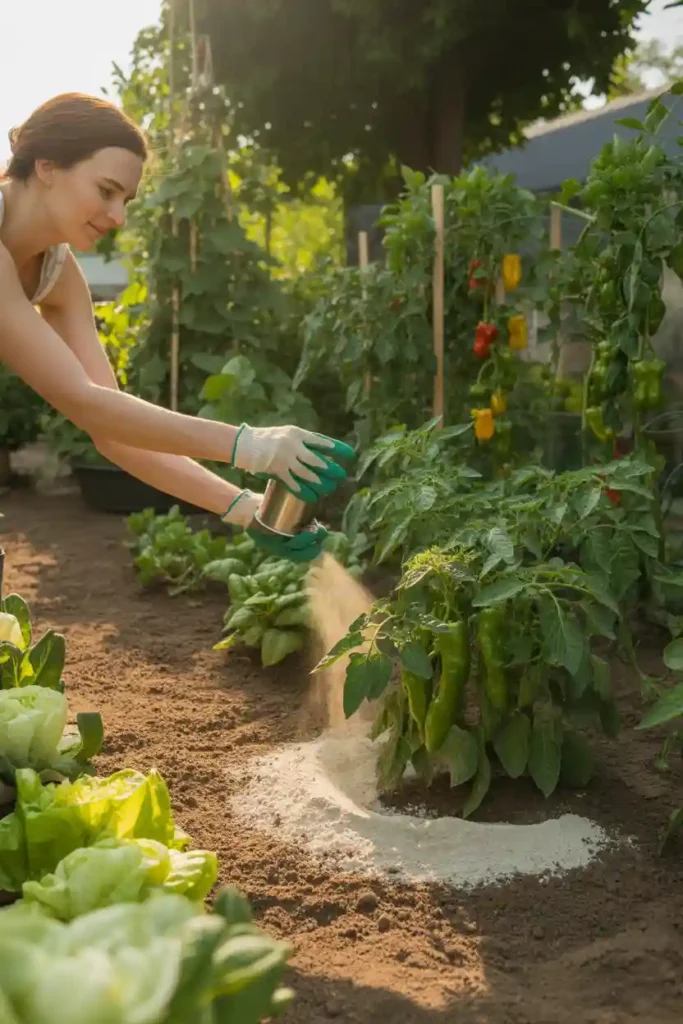
Diatomaceous earth is a natural powder made from fossilized algae. It works by damaging the outer shell of insects, causing them to dehydrate.
Sprinkling a thin layer of food-grade diatomaceous earth around plants can help control pests such as ants, slugs, and beetles. It is safe for humans and pets but should be applied carefully to avoid inhalation. Reapply after rain because moisture reduces its effectiveness.
9. Handpick Larger Pests
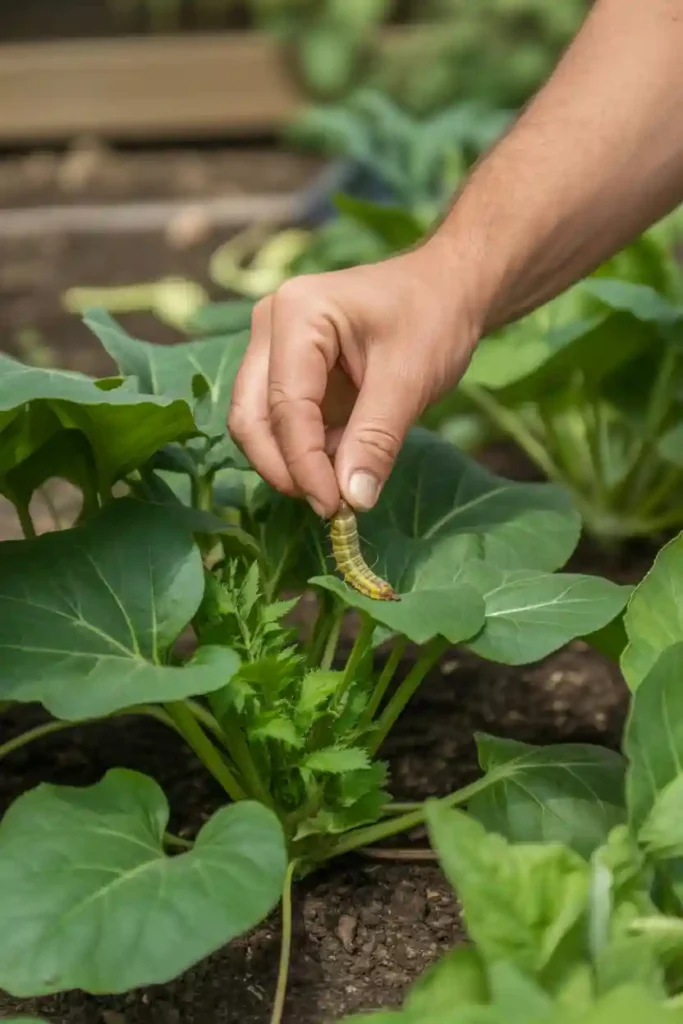
For larger insects like caterpillars and beetles, manual removal is often the most effective method. Regularly inspecting plants allows gardeners to quickly remove pests before they multiply.
Using gloves or small containers, gardeners can pick insects directly from plant leaves and dispose of them away from the garden. While this method may seem simple, it helps prevent severe infestations when done consistently. Frequent plant inspection also helps gardeners detect early signs of disease or pest damage.
10. Maintain Healthy Soil
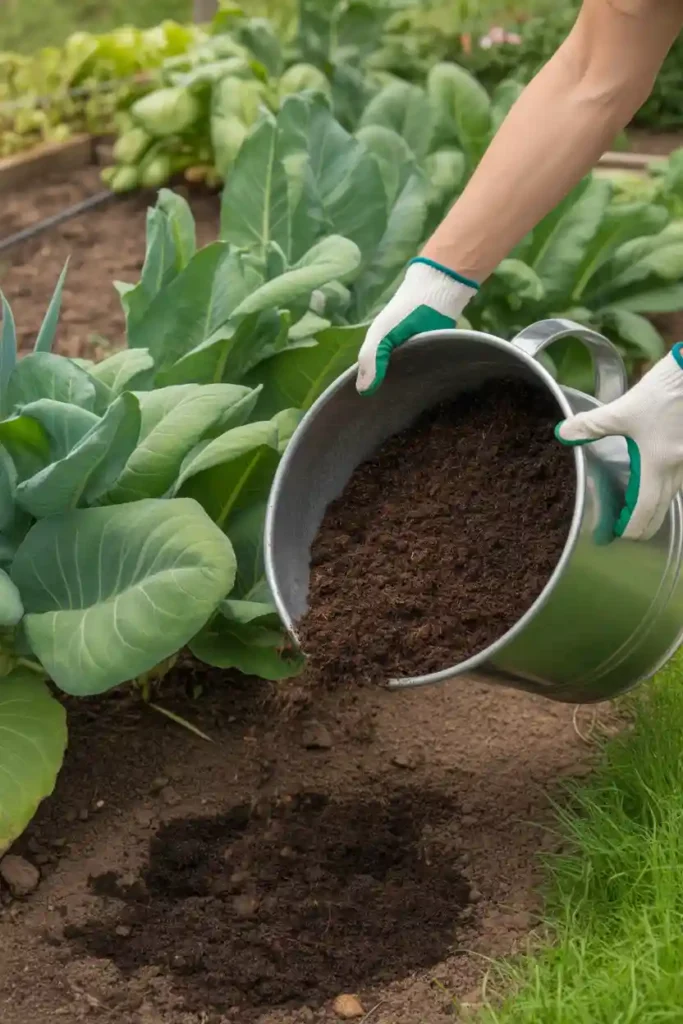
Healthy soil leads to stronger plants that can naturally resist pest attacks. Organic compost, mulch, and natural fertilizers improve soil structure and nutrient levels.
Strong plants are better able to tolerate minor pest damage and recover quickly. Adding compost also supports beneficial microorganisms that contribute to plant health. Soil care is one of the most important long-term strategies for preventing pest problems organically.
11. Use Sticky Traps
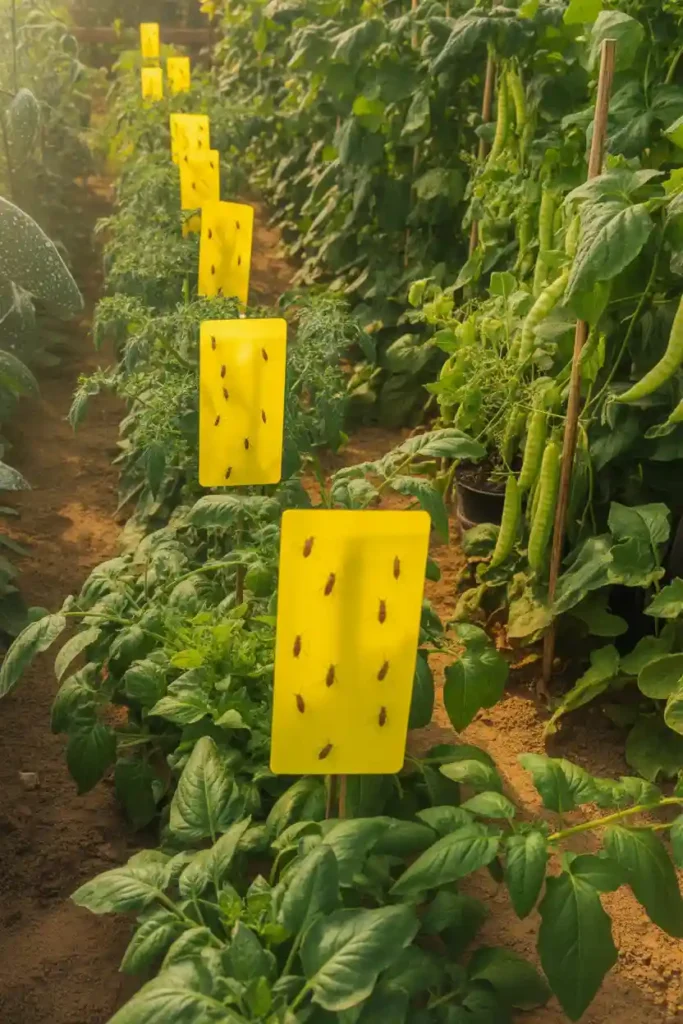
Sticky traps are simple tools that capture flying pests such as whiteflies, fungus gnats, and aphids. Bright yellow sticky cards are particularly effective because many insects are attracted to the color.
Placing these traps around plants helps monitor pest populations and reduce infestations. Sticky traps are non-toxic and safe to use in organic gardens.
12. Rotate Crops Each Season
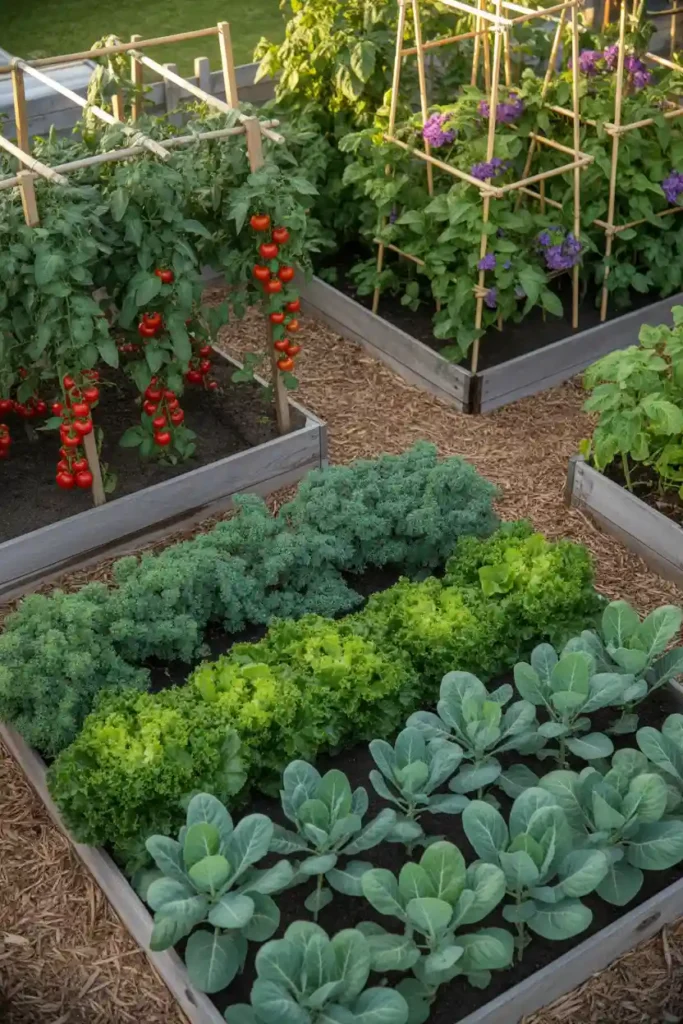
Crop rotation prevents pests from establishing long-term populations in the soil. Many pests target specific plant families, so rotating crops interrupts their life cycles.
For example, if tomatoes are planted in one area this year, planting beans or leafy greens in that space next season can reduce pest buildup. Crop rotation also improves soil fertility and reduces plant diseases.
13. Mulch Around Plants
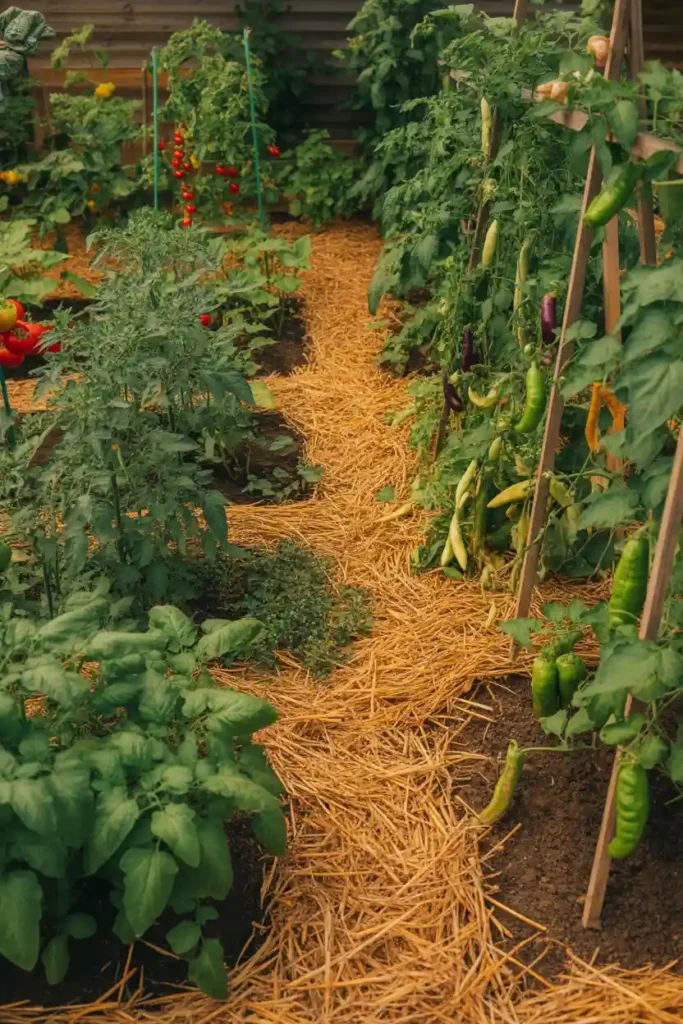
Mulching is a powerful organic gardening practice that helps control pests, retain soil moisture, and regulate temperature. Organic mulch materials such as straw, bark, leaves, or grass clippings create a protective layer over soil. This barrier prevents some pests from reaching plant stems and discourages weed growth.
Mulch also improves soil health as it breaks down over time, adding nutrients to the soil. Additionally, it creates a stable environment that supports beneficial organisms like earthworms. Using mulch regularly helps maintain a thriving, balanced garden ecosystem.
Conclusion
Creating a thriving summer garden doesn’t require harsh chemicals or synthetic pesticides. By using these 13 Organic Pest Control Tips for a Healthy Summer Garden, you can protect your plants while maintaining a balanced and eco-friendly outdoor space. Organic pest control focuses on prevention, biodiversity, and natural solutions that work with nature rather than against it.