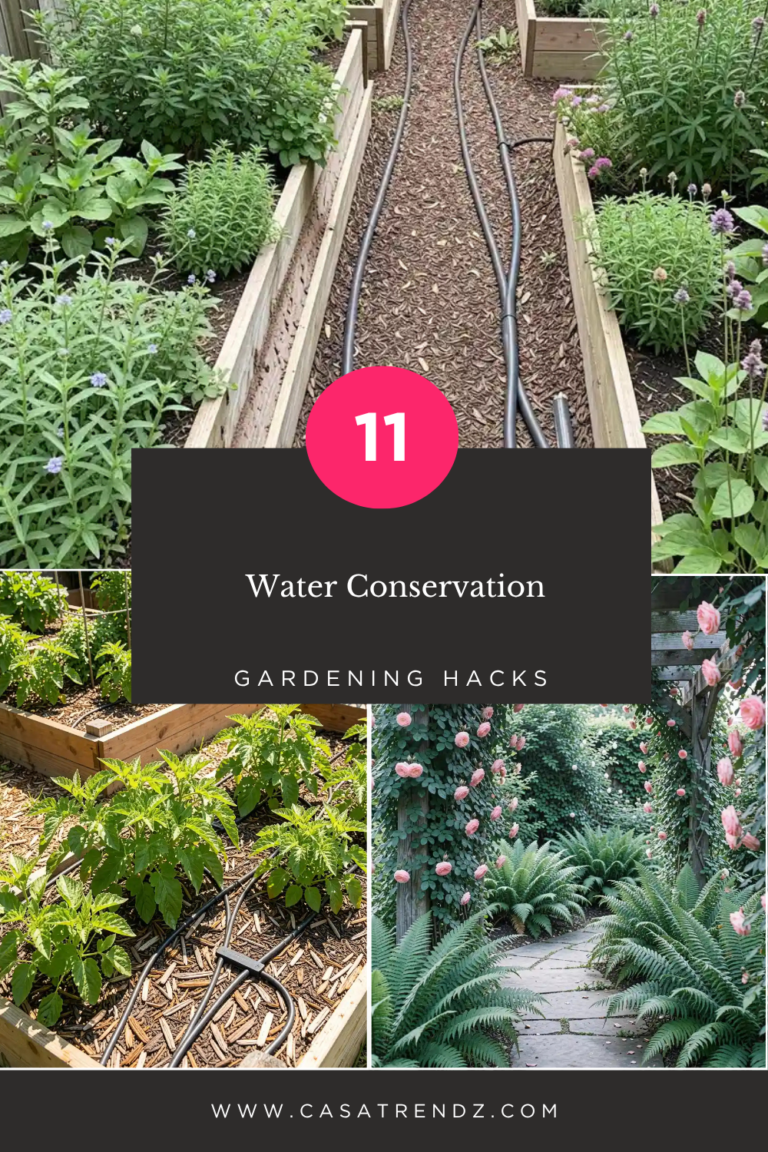
13 Easy Garden Care Tips for Hot Summer Weather

Summer brings long sunny days and rapid plant growth, but it can also create challenging conditions for gardens. High temperatures, intense sunlight, and dry soil can quickly stress plants, causing wilting, slow growth, or even permanent damage. Without proper care, flowers, vegetables, and shrubs may struggle to survive during extreme heat waves.
The good news is that a few simple gardening strategies can help your plants stay healthy and vibrant even during the hottest months of the year. By adjusting watering routines, improving soil moisture, protecting plants from direct sunlight, and maintaining proper garden care habits, you can create a thriving outdoor space despite the summer heat.
1. Water Your Garden Early in the Morning
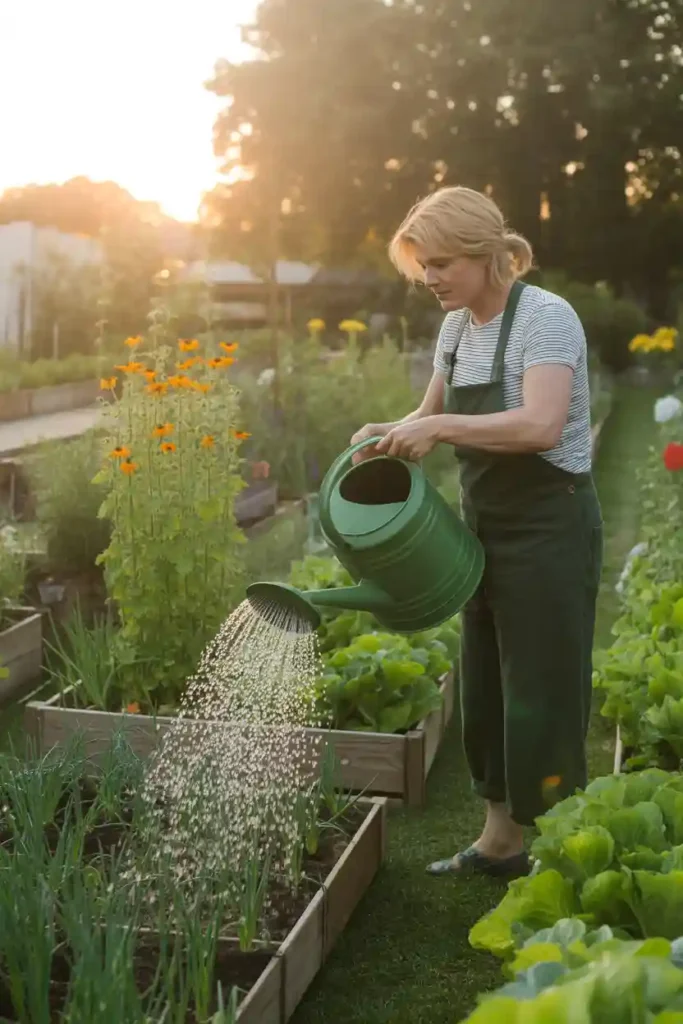
One of the most effective ways to protect plants during hot weather is watering them early in the morning. Morning watering allows plants to absorb moisture before the day’s heat begins to evaporate water from the soil.
When you water during cooler morning hours, roots can take in moisture slowly and efficiently. This helps plants stay hydrated throughout the hottest part of the day. Watering in the evening may also work, but early morning watering reduces the risk of fungal diseases caused by damp foliage overnight.
2. Add Mulch to Protect Soil Moisture
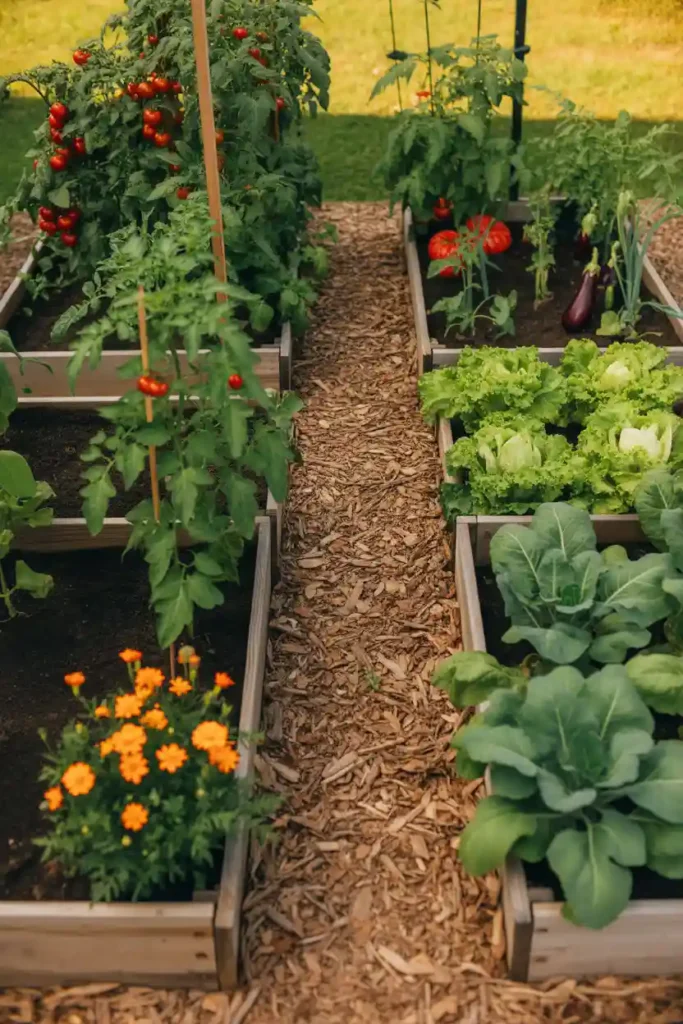
Mulching is one of the best ways to protect plants from extreme summer heat. A layer of mulch helps keep soil cool while reducing water evaporation.
Organic mulches like wood chips, straw, bark, compost, or shredded leaves act as a protective blanket over the soil. They prevent the sun from drying out the ground too quickly and maintain consistent soil moisture. Mulch also reduces weed growth, which is important because weeds compete with plants for water and nutrients.
3. Provide Shade for Sensitive Plants
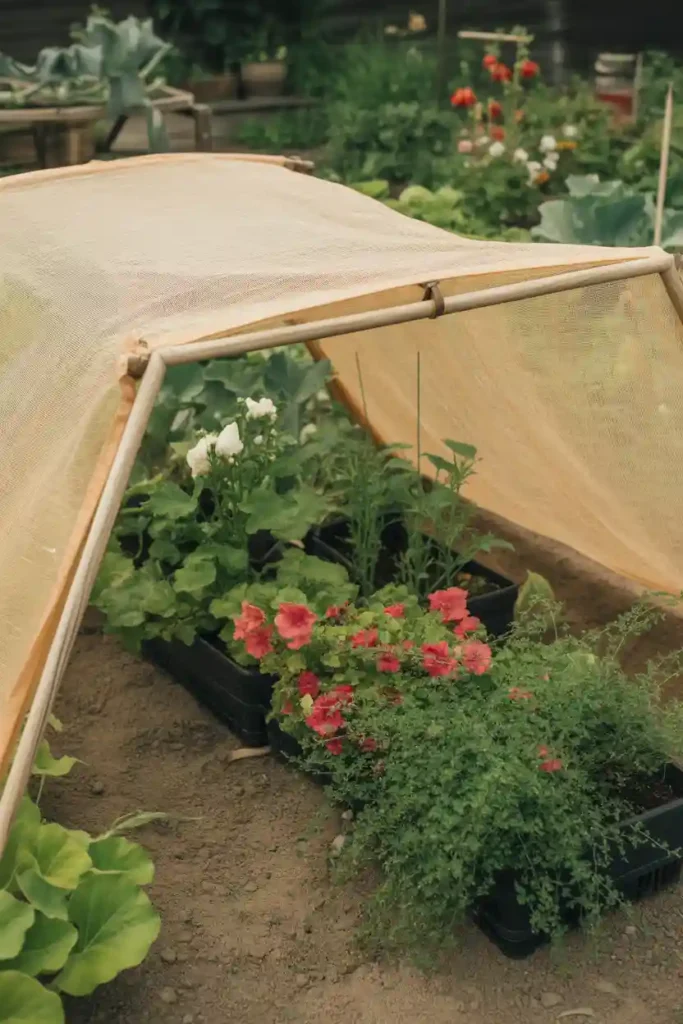
Some plants struggle under direct summer sunlight, especially during the hottest afternoon hours. Providing temporary shade can prevent leaf burn and dehydration.
Shade cloths, garden umbrellas, or lightweight fabric covers can protect delicate plants during extreme heat waves. Even simple structures like trellises or garden arches can help filter sunlight. Vegetables like lettuce, spinach, and herbs often benefit from partial shade in hot climates. Placing taller plants near smaller ones can also create natural shade within the garden.
See Also: 12 Tips for Choosing Durable Outdoor Cushions for Hot Summers
4. Water the Soil, Not the Leaves
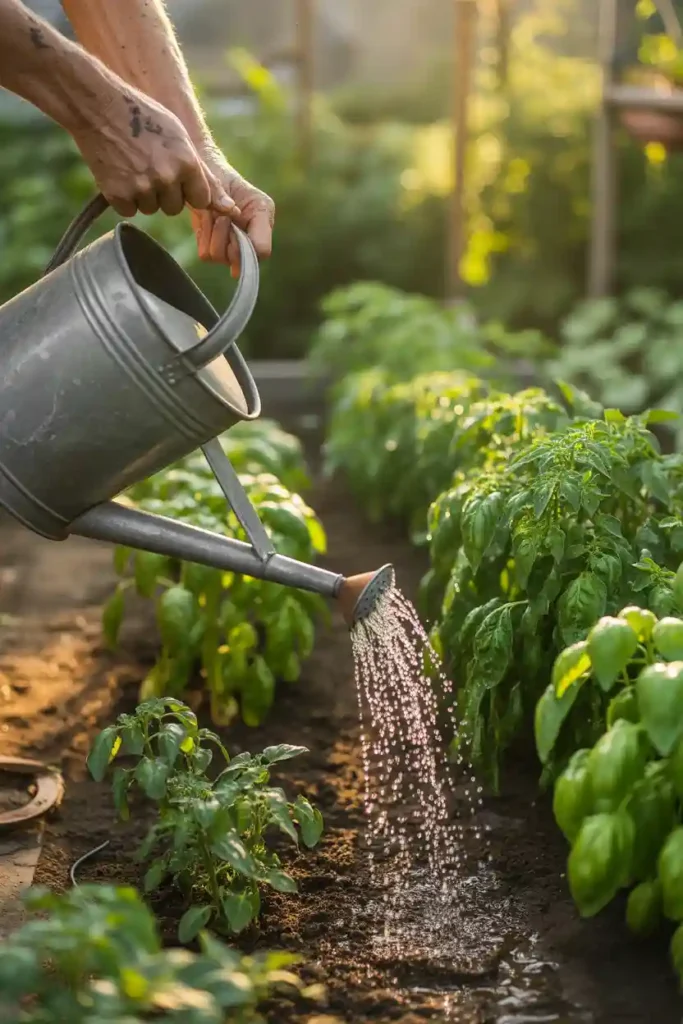
When watering plants during hot weather, it’s important to focus on the soil rather than the leaves. Wet foliage exposed to strong sunlight can sometimes lead to leaf burn or fungal problems.
Direct water at the base of plants so it reaches the roots where it’s needed most. Soaker hoses, drip irrigation systems, or watering cans with controlled spouts work well for this purpose. Watering the soil ensures that moisture penetrates deeply instead of evaporating quickly from leaf surfaces.
5. Use Drip Irrigation Systems
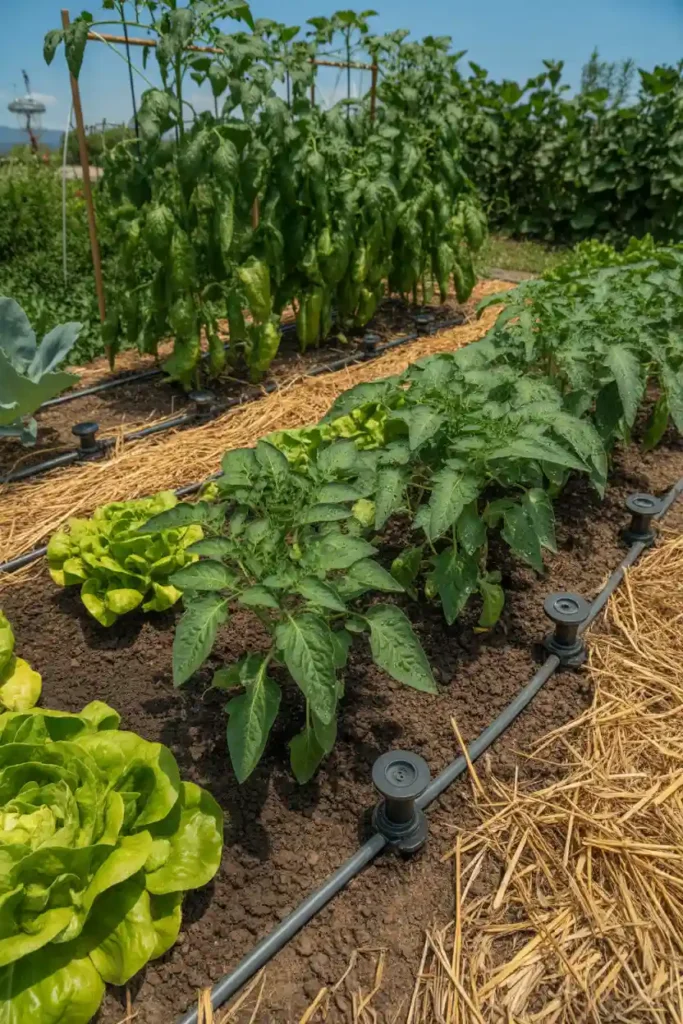
Drip irrigation systems are an efficient solution for maintaining gardens during hot weather. These systems deliver water directly to plant roots through small tubes or emitters.
Because the water flows slowly and precisely, very little moisture is lost through evaporation. This makes drip irrigation one of the most water-efficient gardening methods. Drip systems are especially helpful for vegetable gardens, raised beds, and flower borders. They also save time by automating the watering process, allowing gardeners to maintain consistent soil moisture even during busy schedules.
6. Choose Heat-Tolerant Plants

One of the easiest ways to maintain a healthy summer garden is selecting plants that naturally tolerate heat. Many flowers and vegetables thrive in hot conditions, including sunflowers, marigolds, zinnias, tomatoes, peppers, and lavender.
These plants are adapted to handle strong sunlight and warm temperatures, making them ideal choices for summer gardens. Native plants are often especially resilient because they are adapted to local climate conditions.
7. Avoid Heavy Pruning During Heat Waves
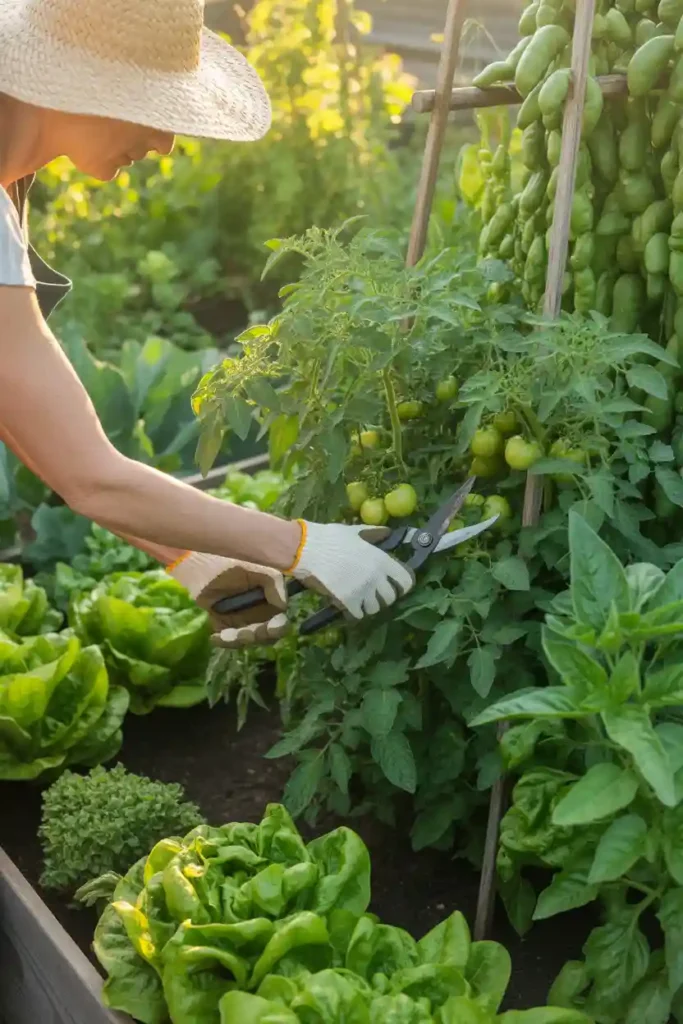
Pruning is important for plant health, but heavy trimming during extreme heat can stress plants. Leaves provide natural shade and help protect stems from intense sunlight. Removing too much foliage during hot weather can expose plants to heat damage.
Instead of major pruning, limit your work to removing dead or damaged branches. Wait until cooler weather arrives before performing significant trimming or shaping. Protecting plant foliage during hot months allows plants to maintain their natural cooling system and prevents unnecessary stress.
8. Fertilize Carefully in Summer
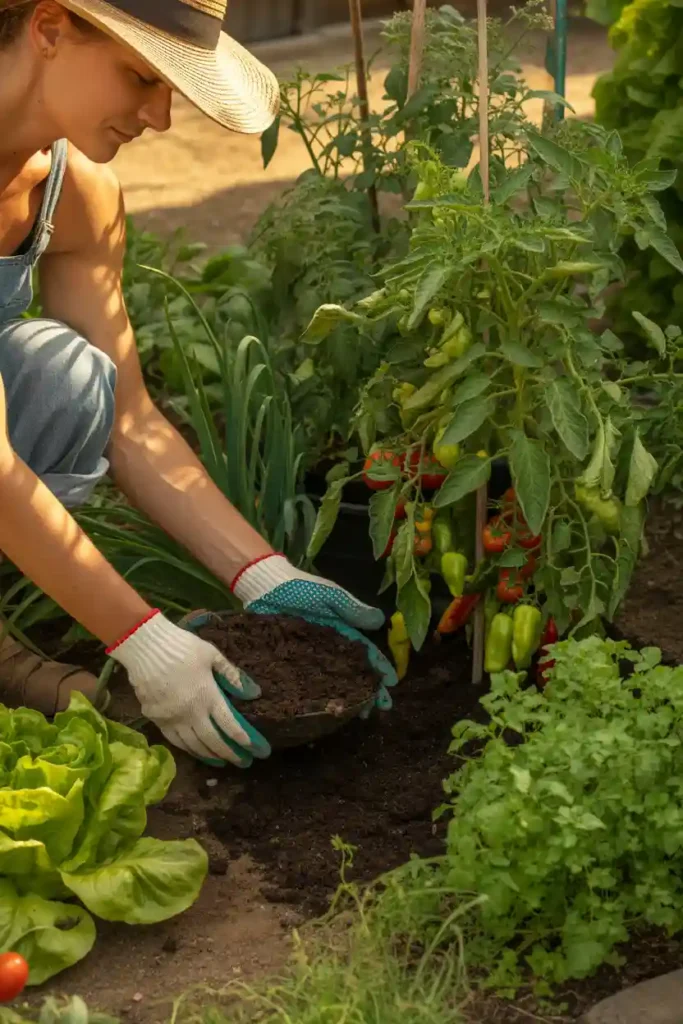
Plants need nutrients for growth, but over-fertilizing during hot weather can cause stress or even burn plant roots. High temperatures already challenge plant systems, so adding too much fertilizer may push plants beyond their limits.
Use slow-release fertilizers or natural compost instead of strong chemical fertilizers during summer. Organic feeding provides nutrients gradually, supporting healthy growth without overwhelming plants. Always water plants well after fertilizing to help nutrients reach the root system safely.
9. Protect Plants from Hot Wind
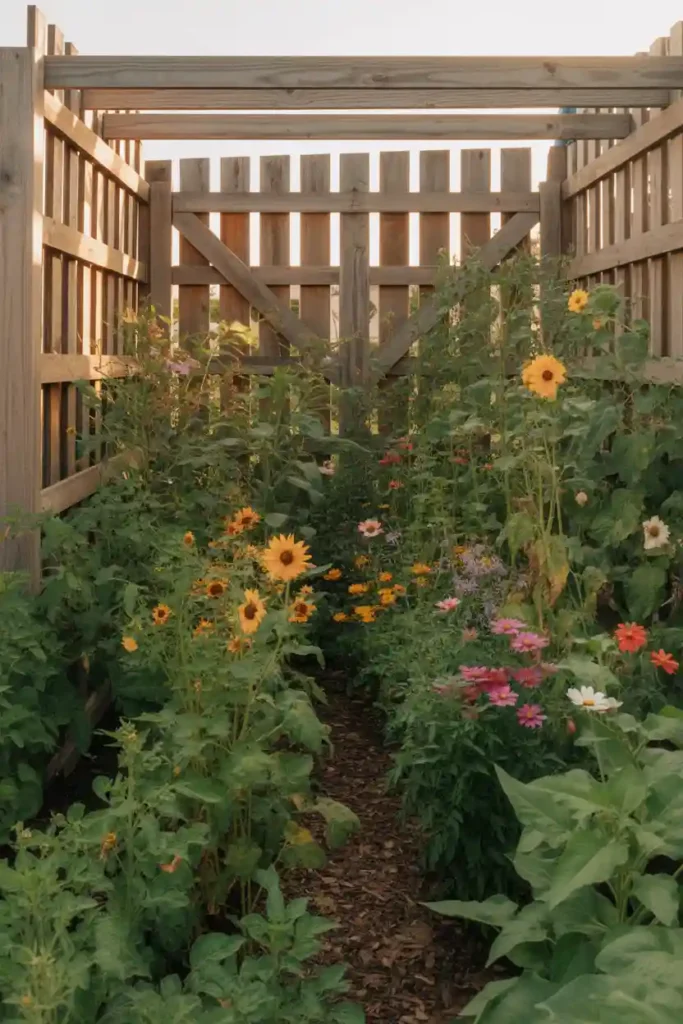
Hot, dry winds can quickly remove moisture from plant leaves and soil. This can cause plants to wilt even if the soil was recently watered.
Windbreaks such as fences, hedges, or garden screens help protect plants from drying winds. You can also use taller plants, trellises, or garden structures to create sheltered areas. Reducing wind exposure helps plants retain moisture and prevents dehydration. This small adjustment can significantly improve plant survival during hot summer conditions.
10. Check Soil Moisture Regularly
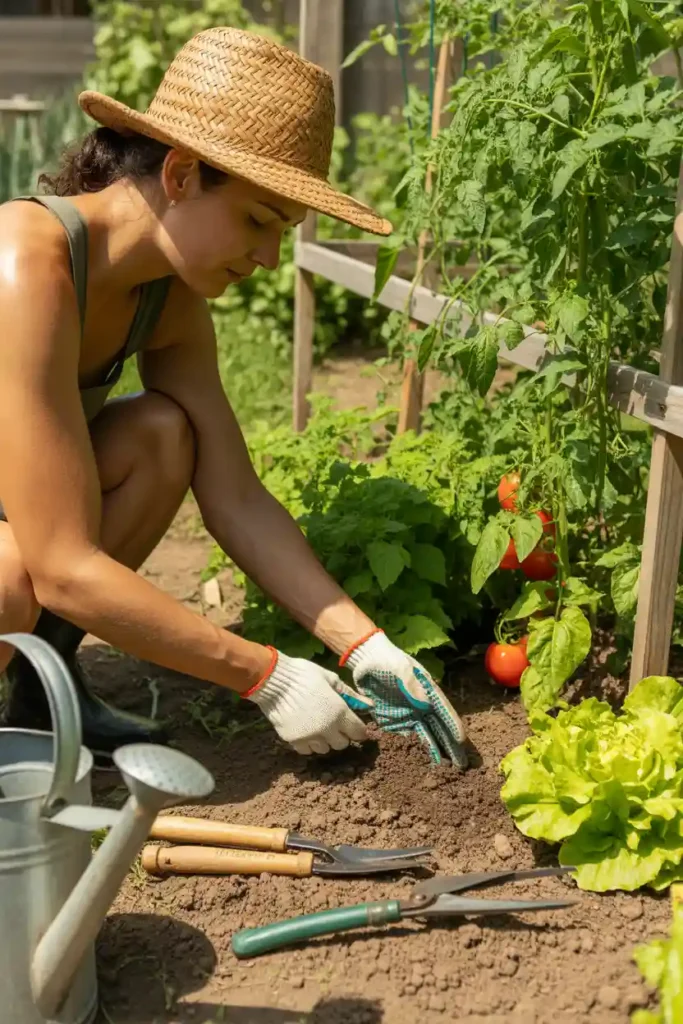
During hot weather, soil moisture can change quickly. Checking soil regularly helps ensure plants receive enough water without overwatering.
A simple way to test moisture is inserting your finger about two inches into the soil. If the soil feels dry, it’s time to water. Different plants require different moisture levels, so monitoring soil conditions helps you adjust watering schedules accordingly.
11. Remove Weeds Frequently
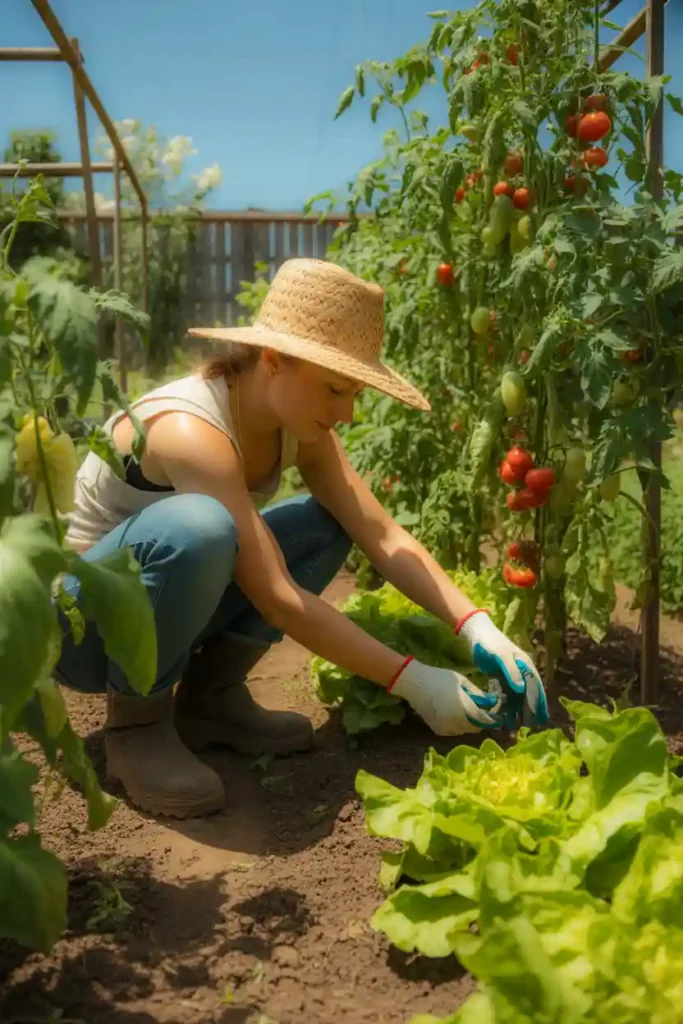
Weeds compete with garden plants for water, nutrients, and sunlight. During hot summer weather, this competition becomes even more harmful.
Weeds often grow quickly and absorb moisture that your plants need to survive. Regularly removing weeds ensures that garden plants receive the full benefit of available water and nutrients. Mulching can also help reduce weed growth.
12. Harvest Vegetables Regularly
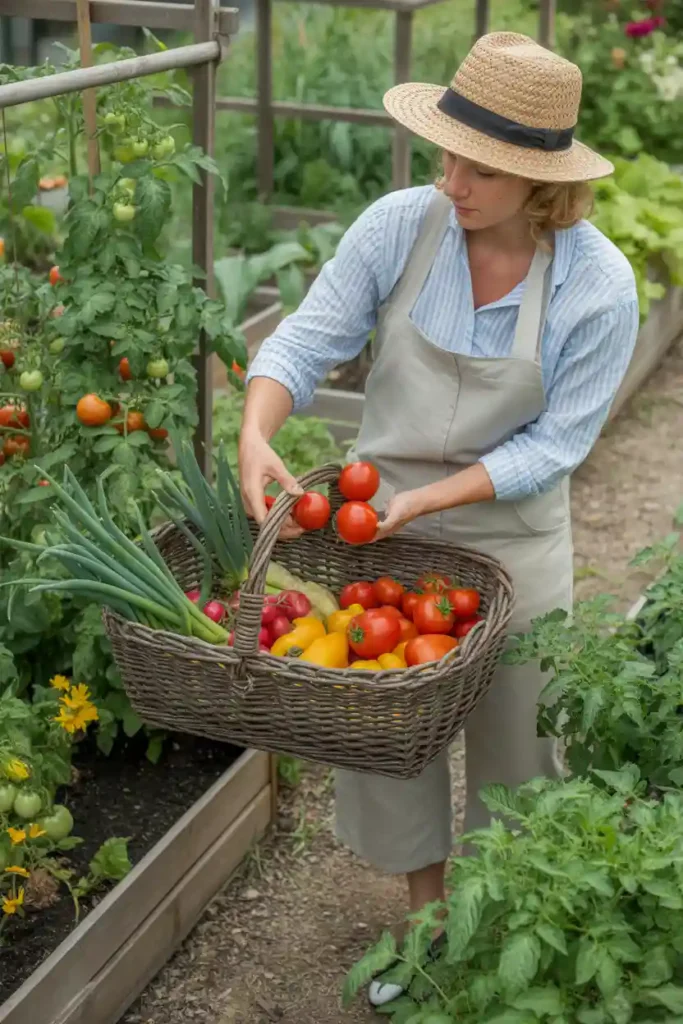
Harvesting vegetables regularly encourages plants to continue producing throughout the summer. Leaving ripe vegetables on plants for too long can slow new growth and reduce overall productivity.
Frequent harvesting also prevents plants from becoming stressed or overburdened during hot weather. Crops like tomatoes, cucumbers, zucchini, and peppers benefit greatly from regular picking. A consistent harvest schedule keeps plants healthy and ensures a steady supply of fresh produce.
13. Keep Garden Soil Healthy
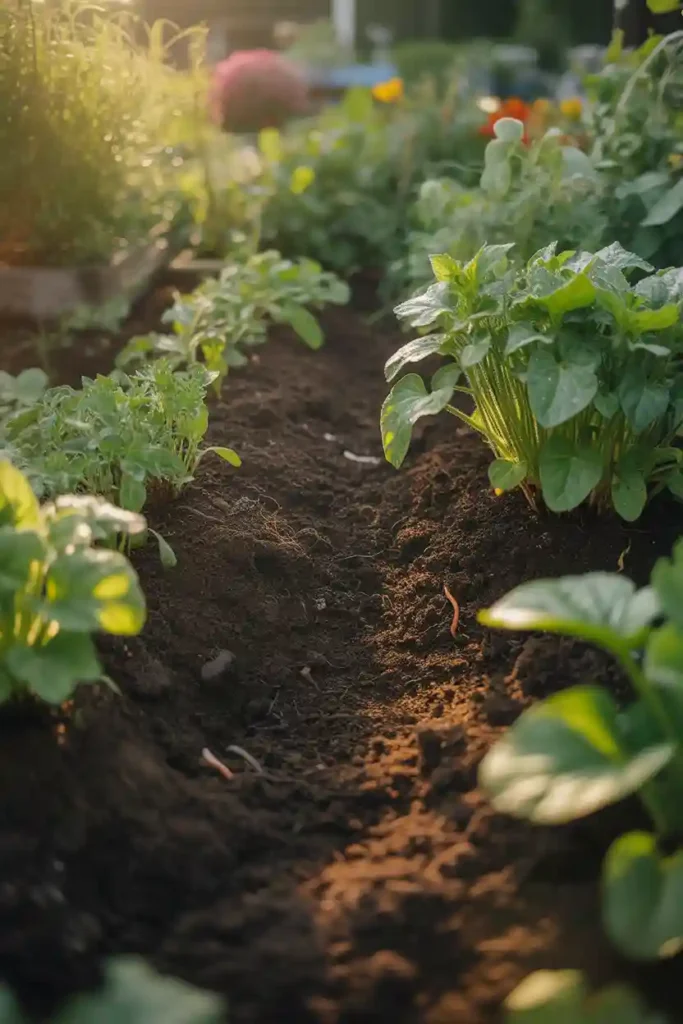
Healthy soil is the foundation of a thriving garden, especially during hot summer weather. Soil rich in organic matter retains moisture better and provides nutrients that support plant growth.
Adding compost, organic fertilizers, and natural soil conditioners improves soil structure and water retention. Healthy soil also supports beneficial microorganisms that help plants absorb nutrients more efficiently. Improving soil quality makes your garden more resilient to heat and drought conditions.
Final Thoughts
Caring for a garden during hot summer weather may seem challenging, but with the right techniques, your plants can continue to thrive even during intense heat. Small adjustments such as watering early in the morning, applying mulch, choosing heat-tolerant plants, and protecting soil moisture can make a big difference in maintaining a healthy garden.