13 Concrete Floor Ideas for Stylish and Functional Home Design
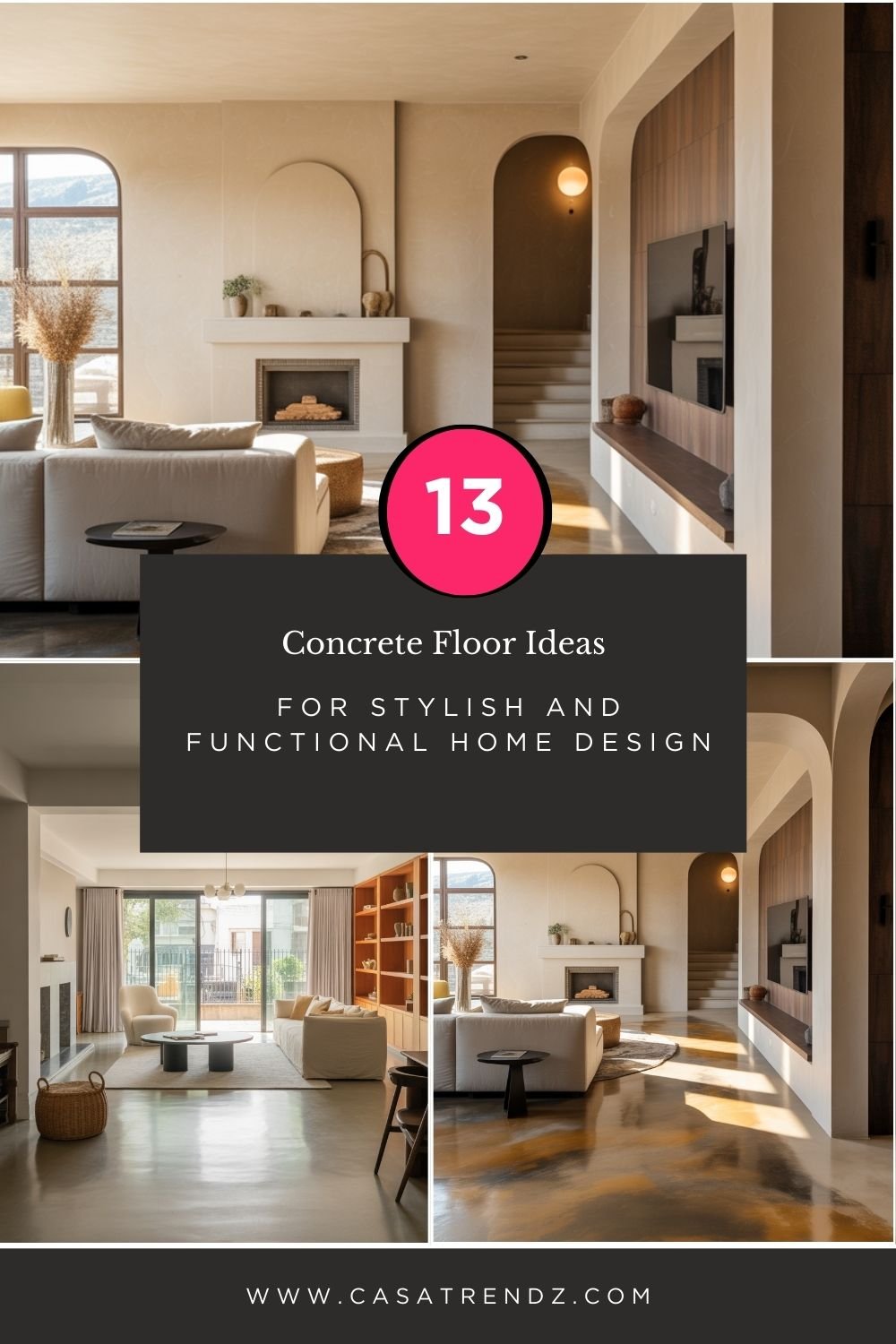
Concrete floors have evolved far beyond their industrial roots. Today, they are one of the most versatile and design-forward flooring choices for modern homes. From sleek minimalist interiors to warm, rustic spaces, concrete flooring adapts effortlessly to different aesthetics while offering durability, low maintenance, and long-term value. Homeowners and designers alike are embracing concrete floor ideas for their ability to balance style and function in every room of the house.
Unlike traditional flooring materials, concrete provides a seamless surface that enhances spatial flow and works well with underfloor heating, open-plan layouts, and sustainable design goals. With a wide range of finishes, textures, and colors available, concrete floors can be customized to suit both contemporary and classic interiors. In this article, we explore 13 concrete floor ideas that combine visual appeal with everyday practicality, helping you design a home that is both stylish and functional.
1. Polished Concrete Floors for Modern Interiors
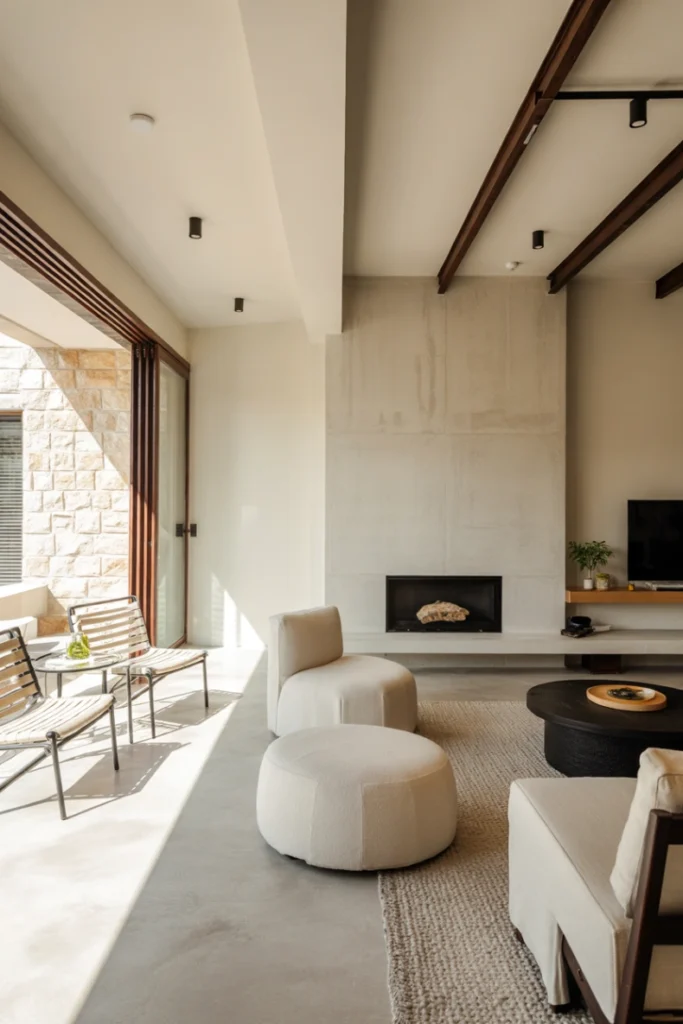
Polished concrete floors are one of the most popular concrete floor ideas for modern homes. This finish involves grinding the concrete surface to achieve a smooth, glossy appearance that reflects light beautifully. Polished concrete enhances natural lighting, making rooms appear larger and brighter, which is especially beneficial in apartments and open-plan living spaces.
Beyond aesthetics, polished concrete floors are extremely durable and easy to maintain. They resist scratches, moisture, and stains, making them ideal for high-traffic areas like living rooms, kitchens, and hallways. With minimal upkeep required, polished concrete offers a sleek, contemporary solution that balances elegance with long-term functionality.
2. Stained Concrete Floors for Rich Color Depth
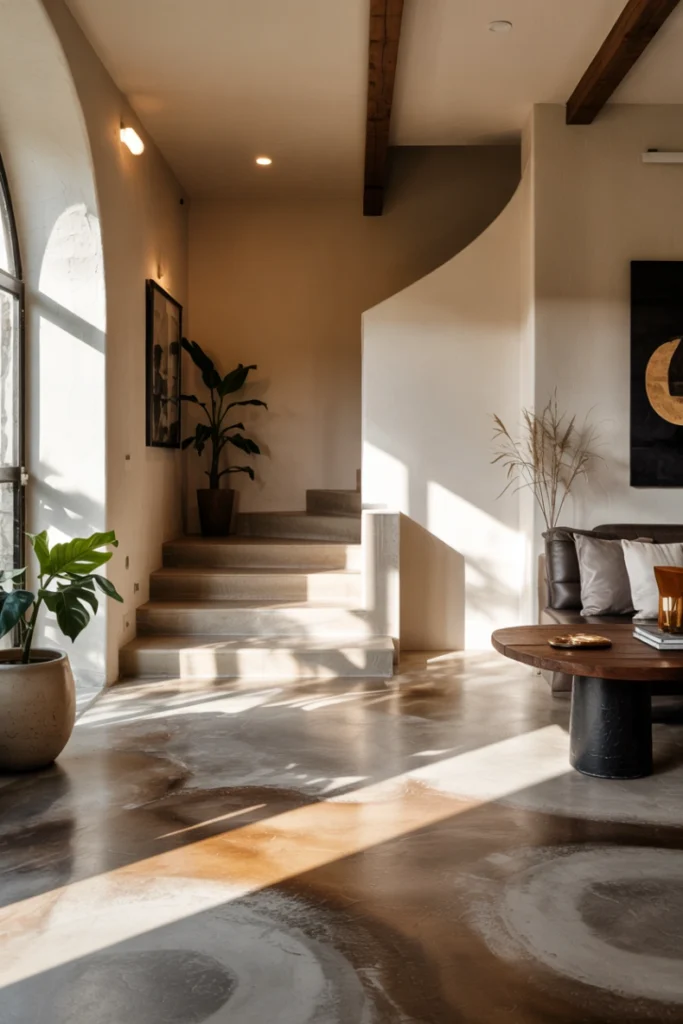
Stained concrete floors offer a unique way to add color and character while preserving the natural texture of concrete. Acid-based or water-based stains penetrate the surface, creating rich, variegated tones that resemble stone, marble, or aged wood. This makes stained concrete one of the most artistic concrete floor ideas available.
Functionally, stained concrete floors are ideal for homeowners who want a custom look without sacrificing durability. The color becomes part of the floor itself, meaning it won’t peel or fade easily over time. Stained concrete works well in living rooms, dining areas, and bedrooms, providing warmth and depth while remaining practical for everyday use.
3. Matte Concrete Floors for a Soft Contemporary Look
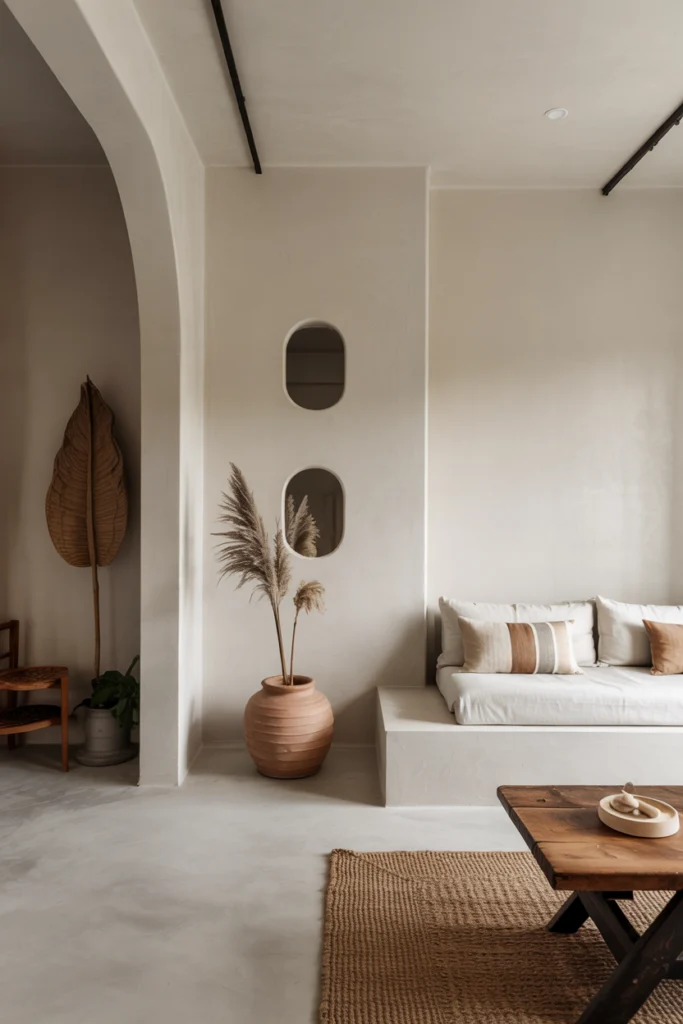
Matte concrete floors provide a subtle and understated alternative to high-gloss finishes. This concrete floor idea focuses on a smooth yet low-sheen surface that creates a calm, refined atmosphere. Matte finishes are especially popular in Scandinavian, minimalist, and modern farmhouse interiors.
In terms of functionality, matte concrete floors are excellent at hiding dust, smudges, and minor imperfections. They offer slip resistance, making them a safer option for homes with children or elderly residents. Matte concrete balances modern aesthetics with everyday comfort, making it a versatile choice across multiple rooms.
4. Textured Concrete Floors for Visual Interest
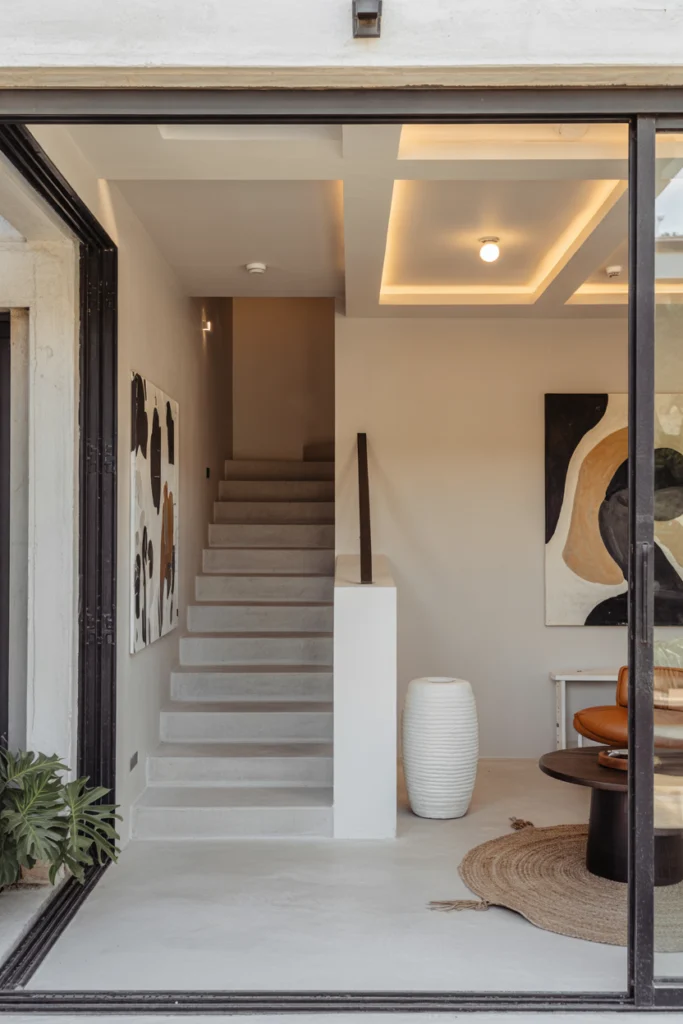
Textured concrete floors introduce depth and dimension into a space by incorporating patterns, grooves, or tactile finishes. This concrete floor idea is perfect for homeowners who want something visually engaging without overwhelming the interior design. Texture can be subtle or bold, depending on the desired effect.
From a practical standpoint, textured concrete floors provide enhanced slip resistance, making them suitable for bathrooms, entryways, and outdoor-adjacent spaces. They also help conceal wear and tear over time. By combining functionality with creative surface detailing, textured concrete floors add character while remaining highly practical.
5. Concrete Floors with Area Rugs for Warmth
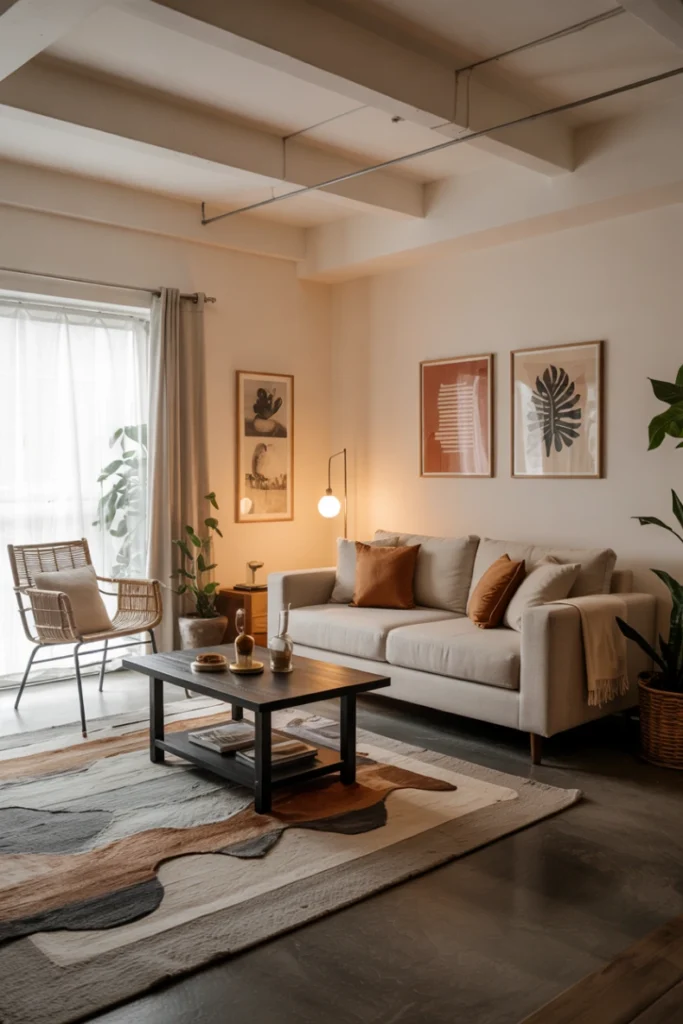
Pairing concrete floors with area rugs is one of the most effective concrete floor ideas for creating warmth and comfort. While concrete provides a solid, durable base, rugs introduce softness, color, and personality. This combination works particularly well in living rooms, bedrooms, and home offices.
Functionally, this approach allows homeowners to enjoy the benefits of concrete while maintaining flexibility in design. Rugs can be changed seasonally or updated as trends evolve, without replacing the flooring. This layered design strategy enhances comfort, acoustics, and visual appeal in concrete-floored spaces.
6. Industrial-Style Concrete Floors
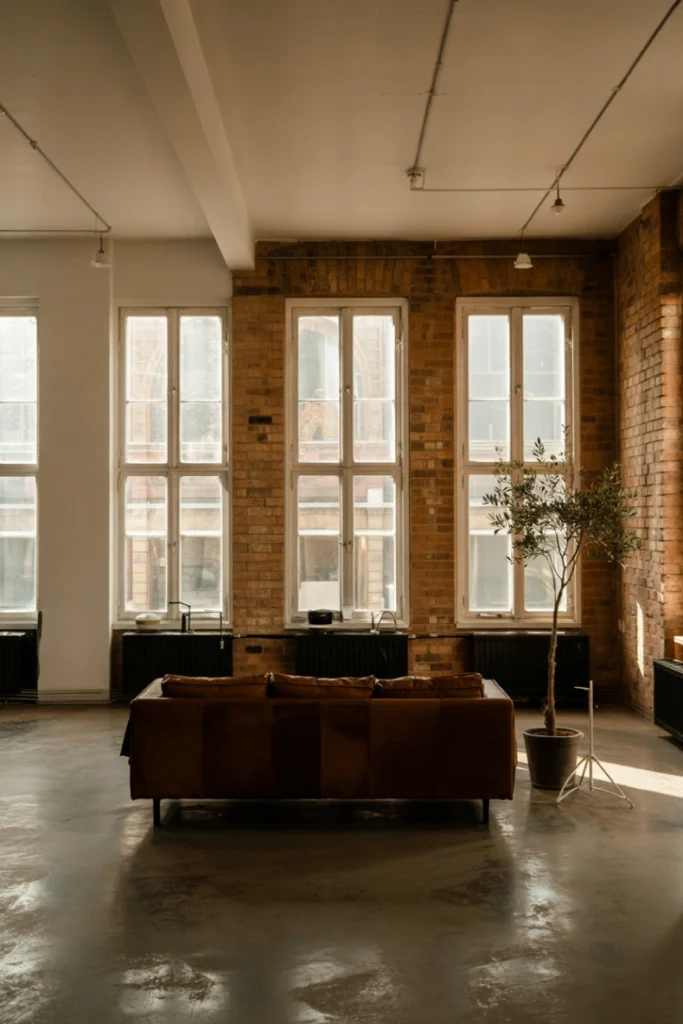
Industrial concrete floors embrace raw textures, exposed surfaces, and minimal finishes. This concrete floor idea is inspired by lofts, warehouses, and urban interiors, making it a favorite for contemporary and industrial-style homes. The natural imperfections of concrete become part of the design narrative.
From a functional perspective, industrial concrete floors are incredibly resilient and low maintenance. They handle heavy furniture, foot traffic, and daily wear with ease. This makes them ideal for open-plan living spaces, studios, and creative work environments where durability and style must coexist.
7. Concrete Floors in Open-Plan Layouts
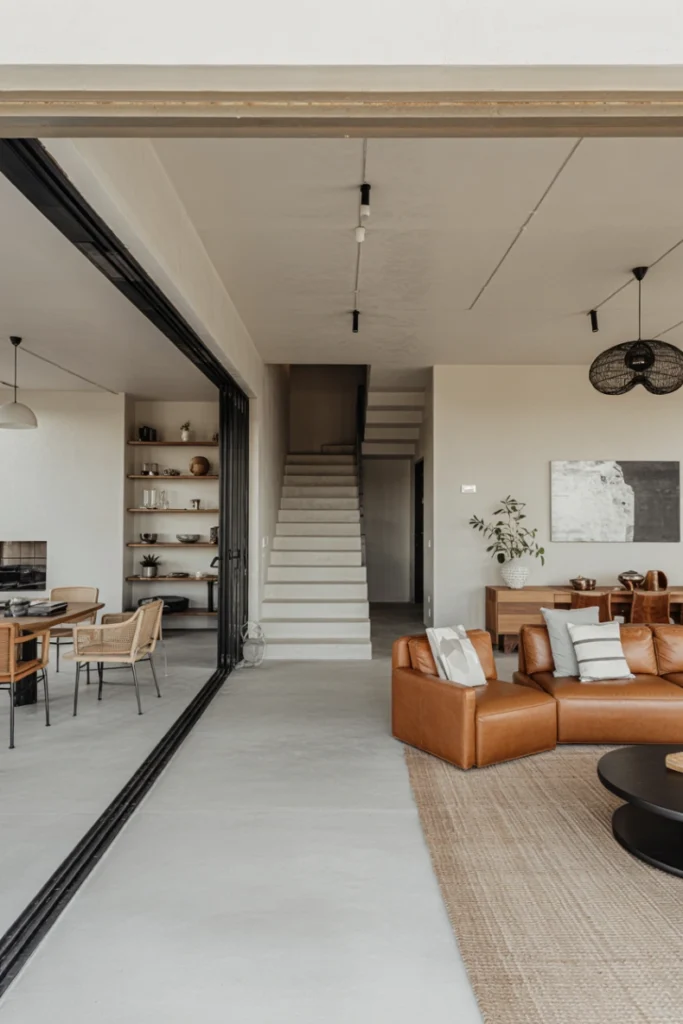
Concrete floors are especially effective in open-plan homes, where continuity and flow are essential. Using a single concrete floor throughout the space visually connects living, dining, and kitchen areas. This concrete floor idea enhances spatial harmony and creates a cohesive design language.
Functionally, concrete flooring supports open-plan living by handling diverse activities in one space. It withstands spills in the kitchen, heavy traffic in living areas, and frequent movement throughout the home. This seamless approach simplifies maintenance while enhancing modern design appeal.
8. Colored Concrete Floors for Creative Interiors
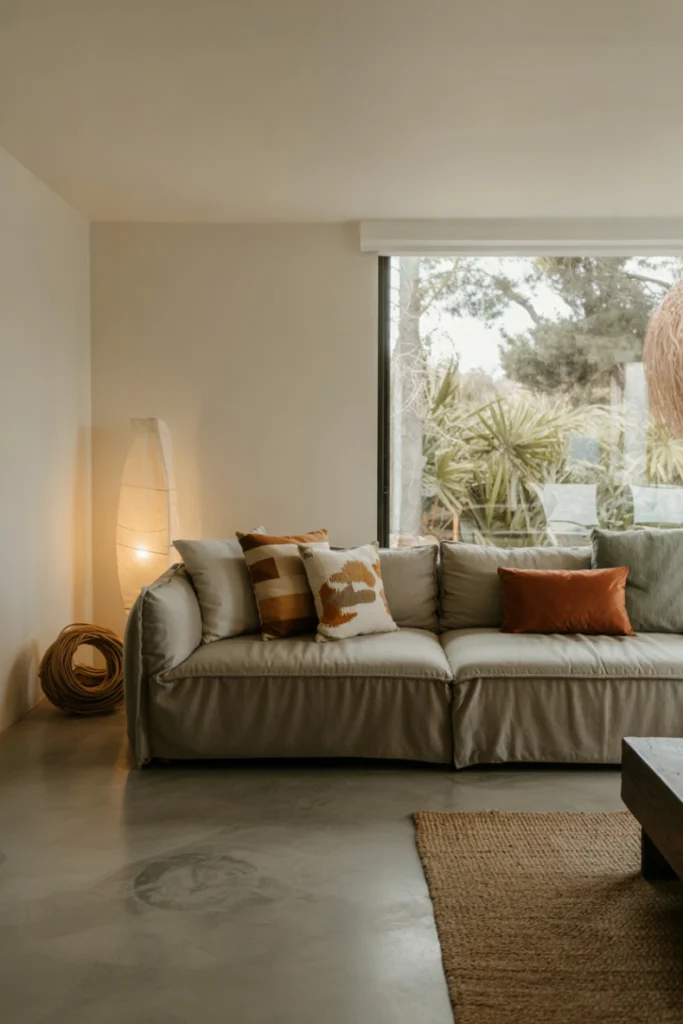
Colored concrete floors introduce personality and creativity into interior spaces. Pigments can be mixed directly into the concrete or applied as surface treatments, offering endless design possibilities. This concrete floor idea is ideal for homeowners who want to move beyond neutral tones.
In functional terms, colored concrete floors maintain all the durability benefits of standard concrete while adding visual interest. They work well in children’s rooms, creative studios, or statement living areas. When sealed properly, colored concrete remains resistant to stains and fading, ensuring long-lasting beauty.
9. Concrete Floors with Underfloor Heating
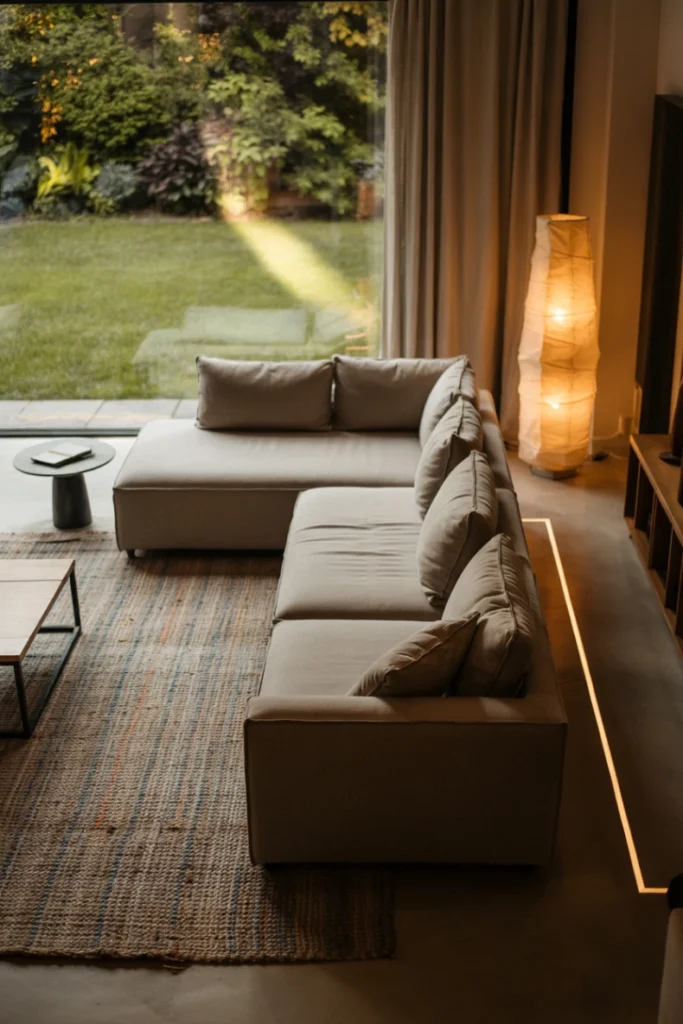
Concrete floors pair exceptionally well with underfloor heating systems. This concrete floor idea combines thermal efficiency with sleek design, making it ideal for modern homes in cooler climates. Concrete’s thermal mass helps retain heat, keeping interiors comfortable for longer periods.
Functionally, underfloor heating eliminates the need for visible radiators, allowing cleaner wall lines and flexible furniture placement. The even heat distribution enhances comfort while reducing energy consumption. This combination of comfort, efficiency, and style makes heated concrete floors a smart long-term investment.
10. Concrete Floors in Kitchens
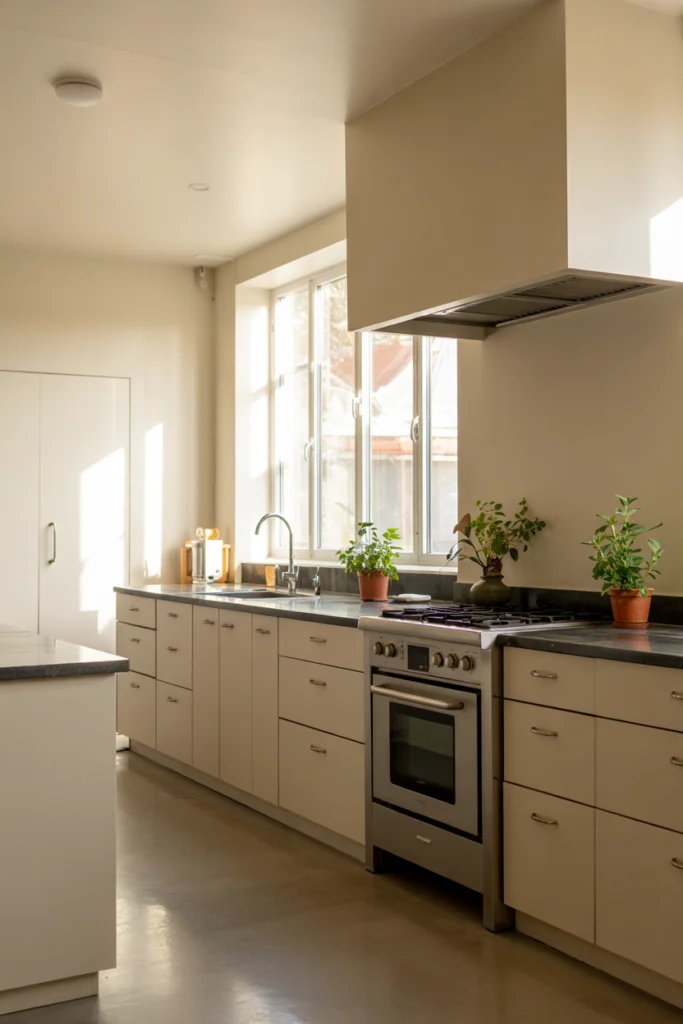
Concrete floors are increasingly popular in kitchens due to their durability and resistance to moisture. This concrete floor idea complements both modern and rustic kitchen designs, offering a neutral base that pairs well with wood, metal, and stone finishes.
From a functional standpoint, concrete floors handle spills, heat, and heavy foot traffic with ease. When sealed properly, they resist stains and are easy to clean. Their seamless surface also reduces grout lines, making kitchens more hygienic and visually uncluttered.
11. Concrete Floors in Bathrooms
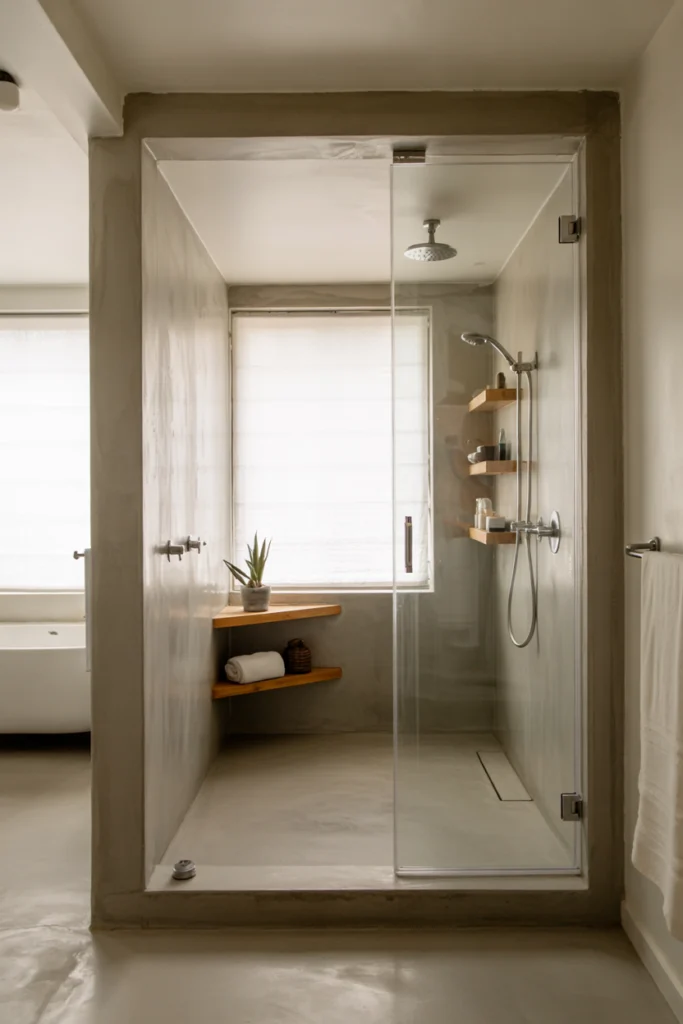
Concrete floors in bathrooms create a spa-like, contemporary feel. This concrete floor idea emphasizes clean lines, natural textures, and a seamless aesthetic. When combined with proper sealing and slip-resistant finishes, concrete becomes a practical bathroom flooring solution.
Functionally, concrete floors resist water damage and mold, making them ideal for wet environments. They work beautifully with walk-in showers, freestanding tubs, and minimalist fixtures. Concrete bathroom floors offer both visual sophistication and long-term durability.
12. Outdoor-Inspired Concrete Floors for Indoor-Outdoor Flow
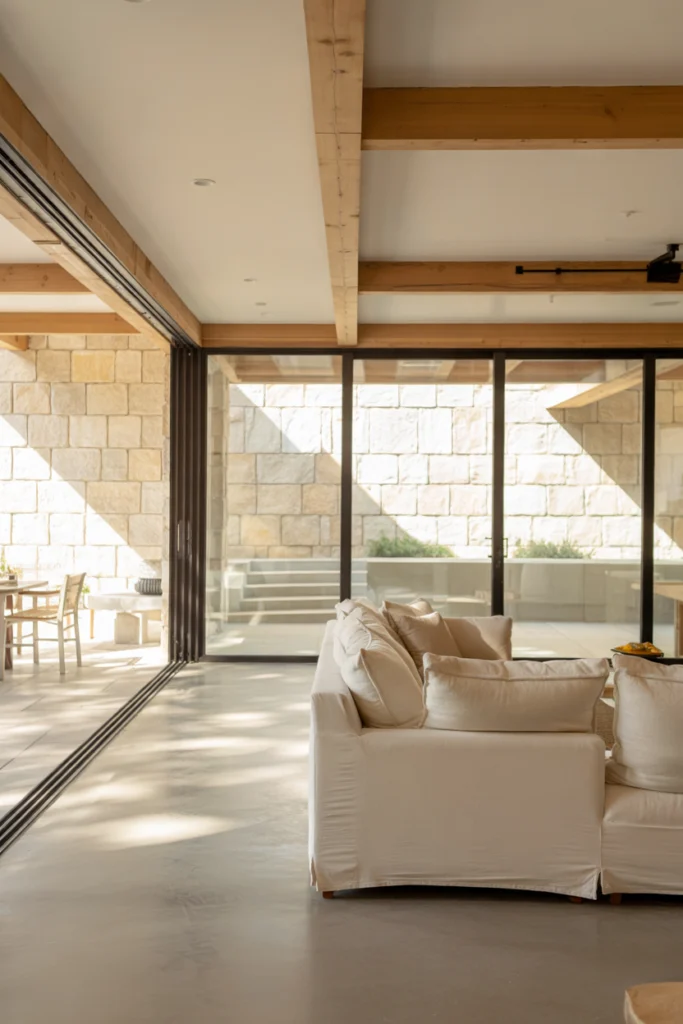
Concrete floors are perfect for homes that emphasize indoor-outdoor living. Using similar concrete finishes indoors and outdoors creates a seamless transition between spaces. This concrete floor idea is especially effective for homes with patios, terraces, or garden access.
Functionally, this approach enhances durability and continuity. Concrete floors withstand temperature changes and heavy use, making them suitable for transitional spaces. The result is a harmonious design that visually expands the home while maintaining practicality.
13. Minimalist Concrete Floors for Timeless Design
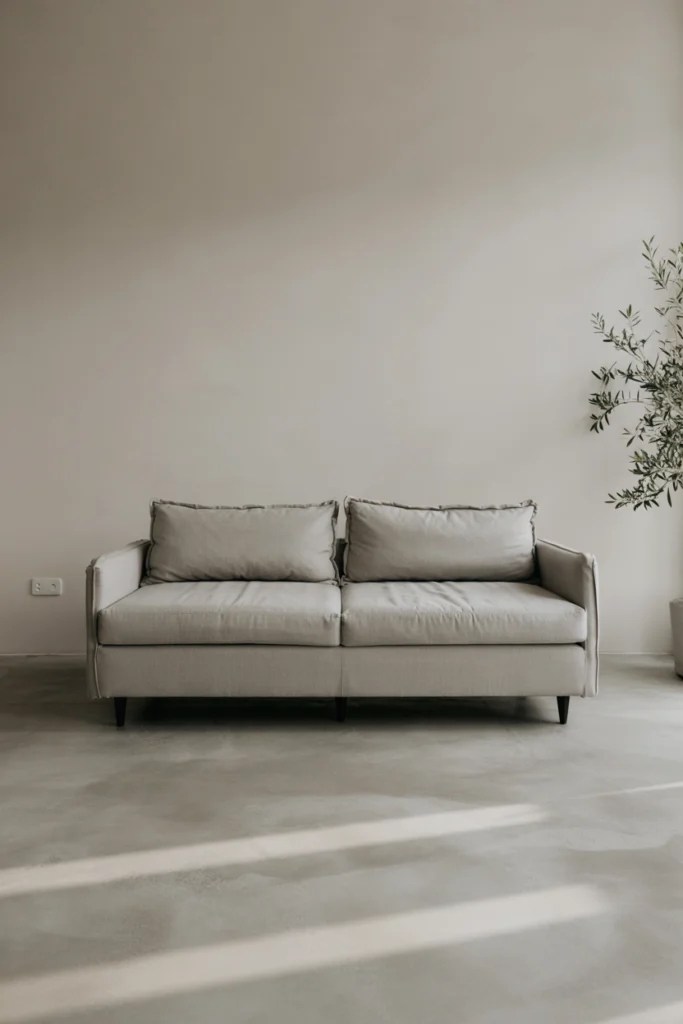
Minimalist concrete floors focus on simplicity, balance, and restraint. This concrete floor idea embraces neutral tones, smooth finishes, and uncluttered spaces. It allows furniture, lighting, and architectural elements to take center stage.
Functionally, minimalist concrete floors are easy to maintain and adapt well to changing design trends. Their timeless appeal ensures longevity, reducing the need for frequent renovations. For homeowners seeking a clean, modern, and enduring aesthetic, minimalist concrete floors are an ideal choice.
Conclusion
Concrete flooring has proven itself as one of the most adaptable and stylish options in modern home design. From polished and stained finishes to textured and minimalist approaches, these concrete floor ideas demonstrate how functionality and aesthetics can coexist seamlessly. Whether you’re designing a new home or renovating an existing space, concrete floors offer durability, versatility, and timeless appeal.
By choosing the right finish, color, and application, concrete floors can elevate any interior while meeting the demands of everyday living. With thoughtful design and proper installation, concrete flooring becomes more than just a surface—it becomes a defining element of your home’s identity.