13 Water Conservation Gardening Tips for Hot U.S. Summers
Gardening during hot U.S. summers can be challenging, especially when water resources become limited and temperatures soar. Without proper planning, plants can quickly dry out, and water bills can rise significantly. That’s why adopting smart water conservation strategies is essential for maintaining a healthy, thriving garden while minimizing waste. The good news is that you don’t have to sacrifice beauty or productivity to save water.
With the right techniques, you can create a lush, resilient landscape that uses water efficiently and withstands extreme heat. From soil improvement to strategic plant choices, small adjustments can lead to big results. In this guide, you’ll discover 13 water conservation gardening tips for hot U.S. summers that are practical, effective, and easy to implement. Whether you’re a beginner or an experienced gardener, these ideas will help you protect your plants, conserve water, and enjoy a sustainable outdoor space all season long.
1. Choose Drought-Tolerant Plants
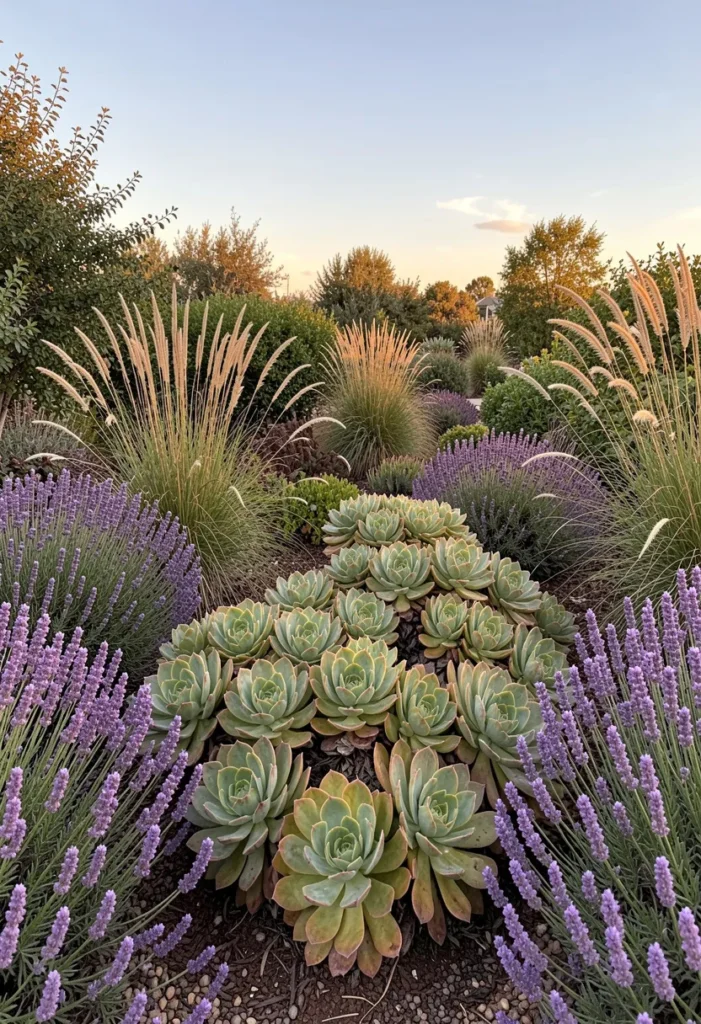
Selecting drought-tolerant plants is one of the most effective ways to conserve water in hot climates. These plants are naturally adapted to survive with minimal moisture, making them ideal for summer gardening. Native plants, succulents, and species like lavender, sage, and ornamental grasses require less watering once established.
By incorporating these plants into your garden, you reduce dependency on frequent irrigation. Their deep root systems allow them to access moisture stored in the soil, helping them thrive even during dry spells. Additionally, drought-resistant plants are often more resistant to pests and diseases, reducing the need for extra maintenance.
2. Apply Mulch Generously
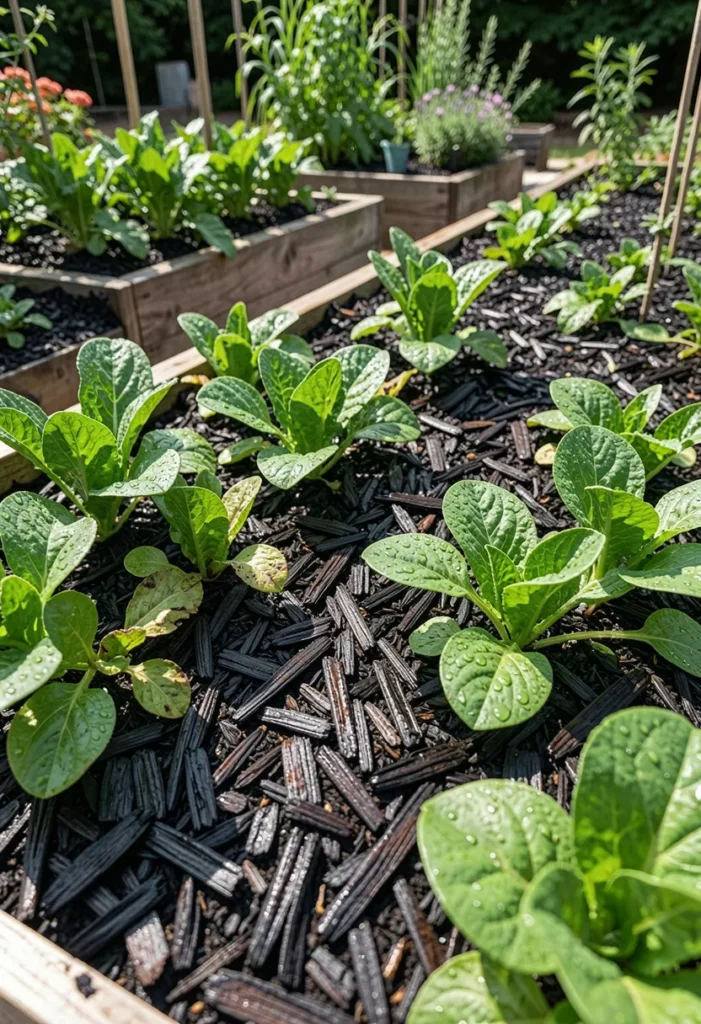
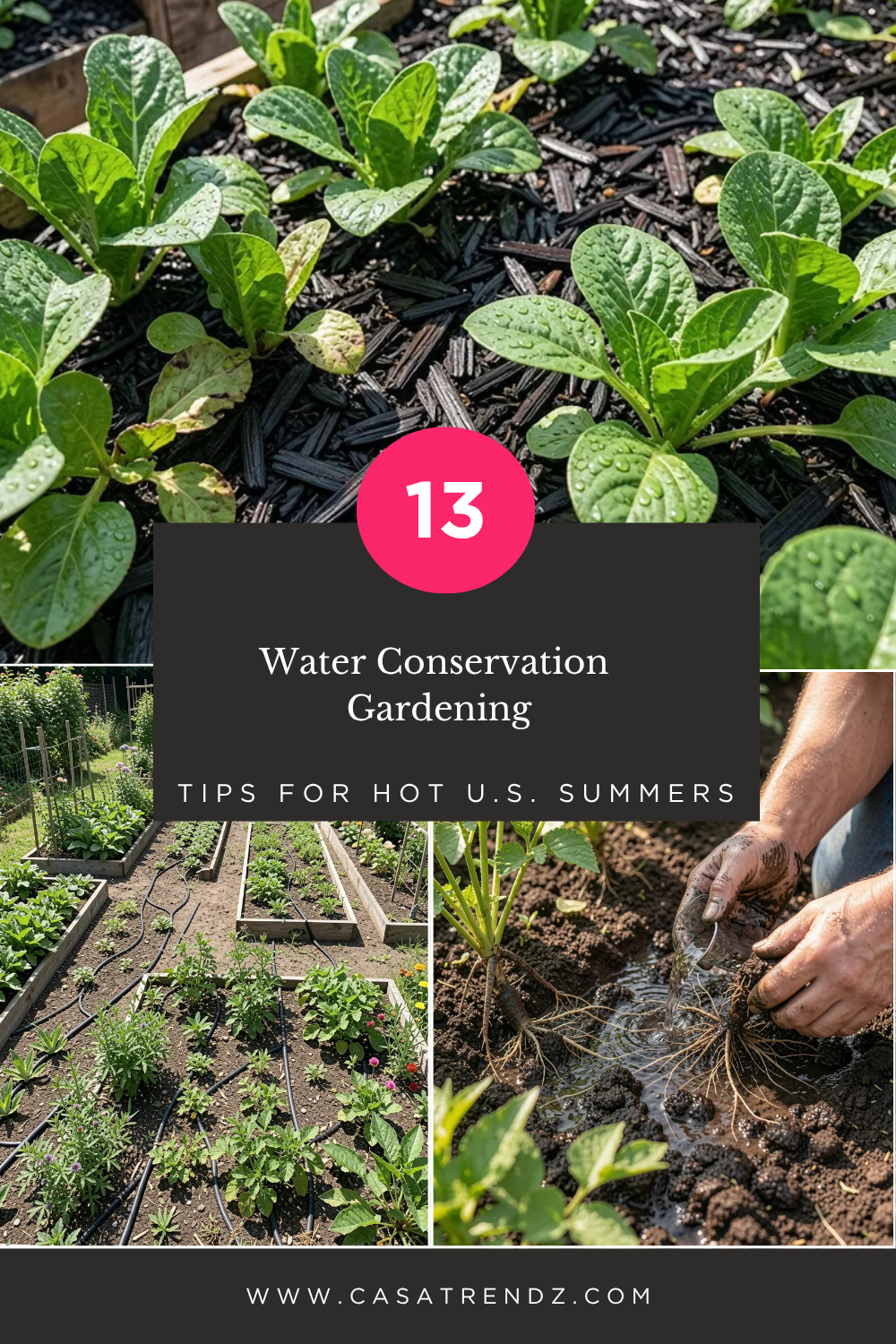
Mulching is a simple yet powerful technique for retaining soil moisture and reducing evaporation. A thick layer of organic mulch—such as wood chips, straw, or bark acts as a protective barrier over the soil.
This layer helps keep the soil cool, prevents water from evaporating quickly, and suppresses weeds that compete for moisture. In hot summer conditions, mulch can reduce water loss by up to 50%, making it an essential part of any water-saving strategy.
3. Water Early in the Morning
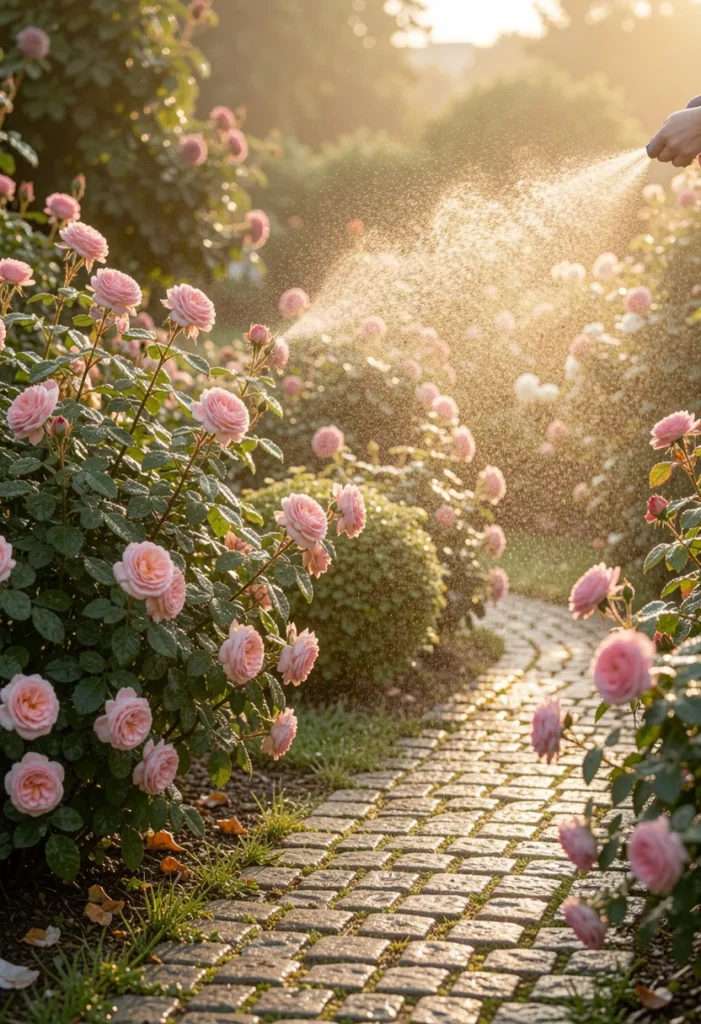
Timing your watering routine can significantly impact how much water your garden retains. Watering early in the morning before the sun rises fully reduces evaporation and allows plants to absorb moisture effectively.
During midday heat, water evaporates quickly, wasting resources and leaving plants thirsty. Evening watering can sometimes lead to fungal issues due to prolonged moisture on leaves. Morning watering ensures that plants are hydrated before the day’s heat begins, improving their resilience to high temperatures. It also promotes healthier root development and reduces stress on plants.
4. Install Drip Irrigation Systems
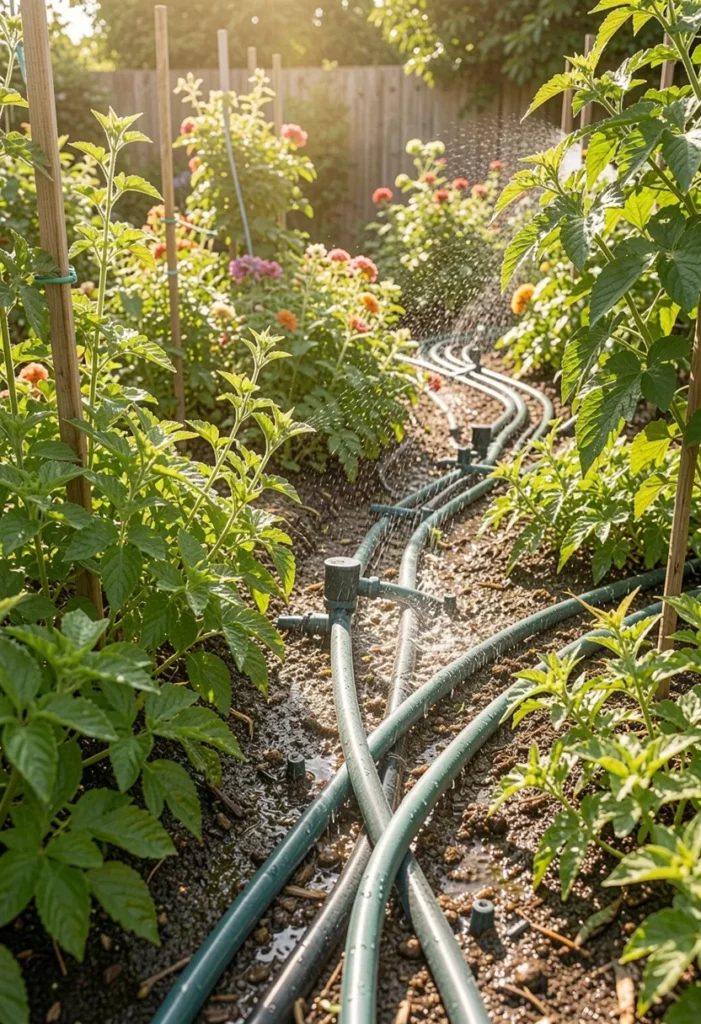
Drip irrigation systems deliver water directly to the base of plants, minimizing waste and maximizing efficiency. Unlike sprinklers, which can lose water to wind and evaporation, drip systems target the root zone precisely.
This method ensures that every drop counts, reducing water usage while keeping plants properly hydrated. Drip irrigation is especially beneficial for vegetable gardens, flower beds, and shrubs. Modern systems can be automated with timers, making it easy to maintain consistent watering without manual effort. They also help prevent overwatering, which can damage plants and waste resources.
5. Improve Soil with Organic Matter
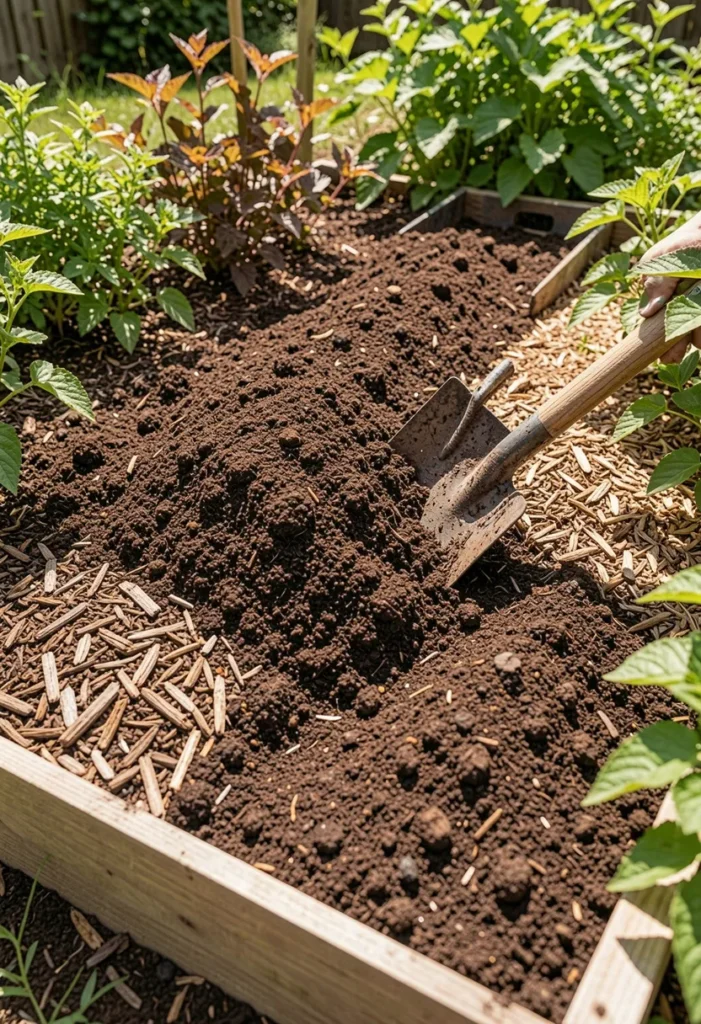
Healthy soil retains water more effectively, reducing the need for frequent watering. Adding organic matter like compost, manure, or leaf mold improves soil structure and increases its ability to hold moisture.
This is particularly important in sandy soils, which drain quickly, and clay soils, which can become compacted. Organic matter creates a balanced texture that allows water to penetrate and stay available to plant roots.
6. Group Plants by Water Needs
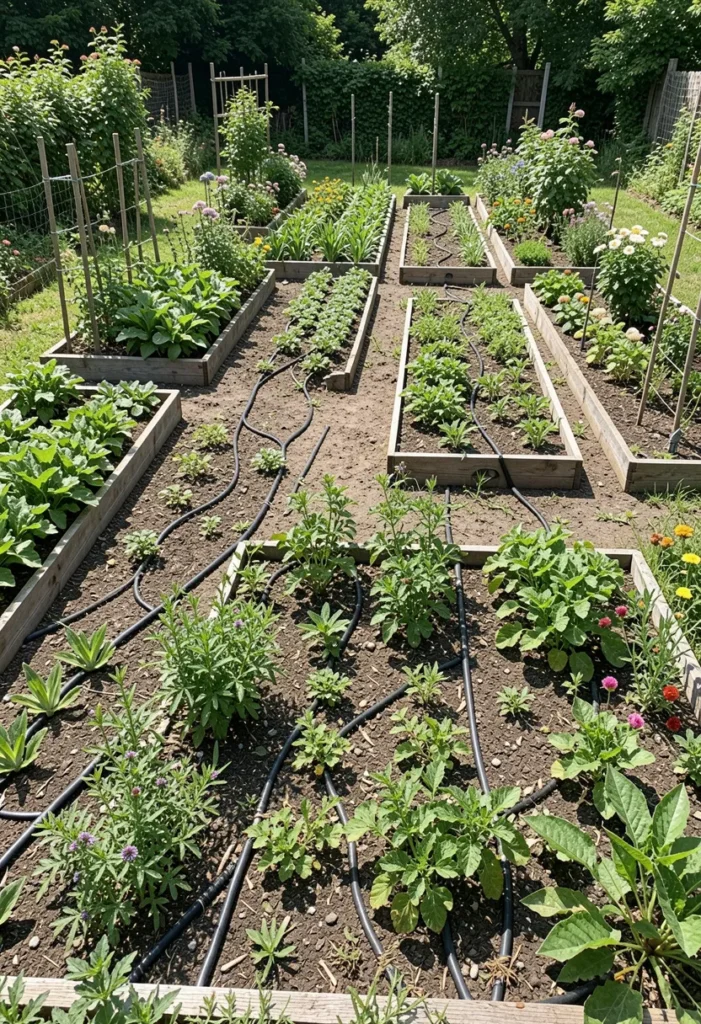
Hydrozoning, or grouping plants based on their water requirements, is an efficient way to conserve water. By placing plants with similar needs together, you can avoid overwatering some while underwatering others.
This method allows you to tailor irrigation to specific zones, ensuring each area receives the right amount of moisture. For example, drought-tolerant plants can be grouped separately from water-loving vegetables.
See Also: 16 Cooling Techniques for Your Home Exterior
7. Use Rain Barrels for Water Collection
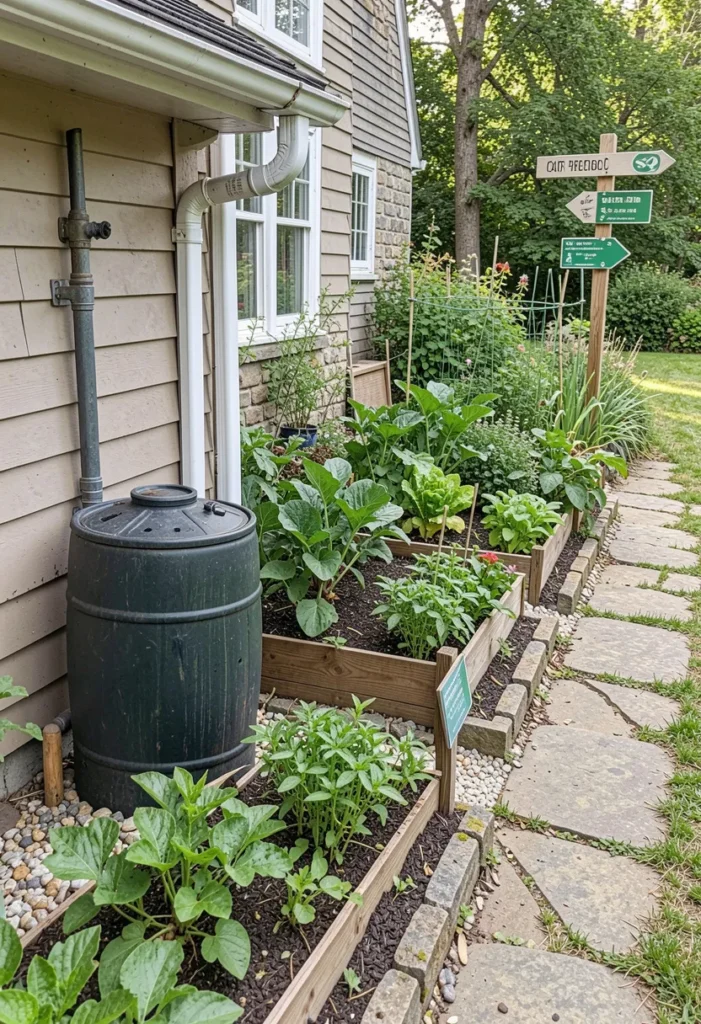
Collecting rainwater is an eco-friendly way to reduce reliance on municipal water sources. Rain barrels capture runoff from roofs and store it for later use in the garden.
This free water source is ideal for irrigation and helps reduce water bills. It also minimizes stormwater runoff, which can carry pollutants into local waterways. Using stored rainwater ensures your garden remains hydrated while conserving valuable resources.
8. Install Shade Cloth or Garden Covers
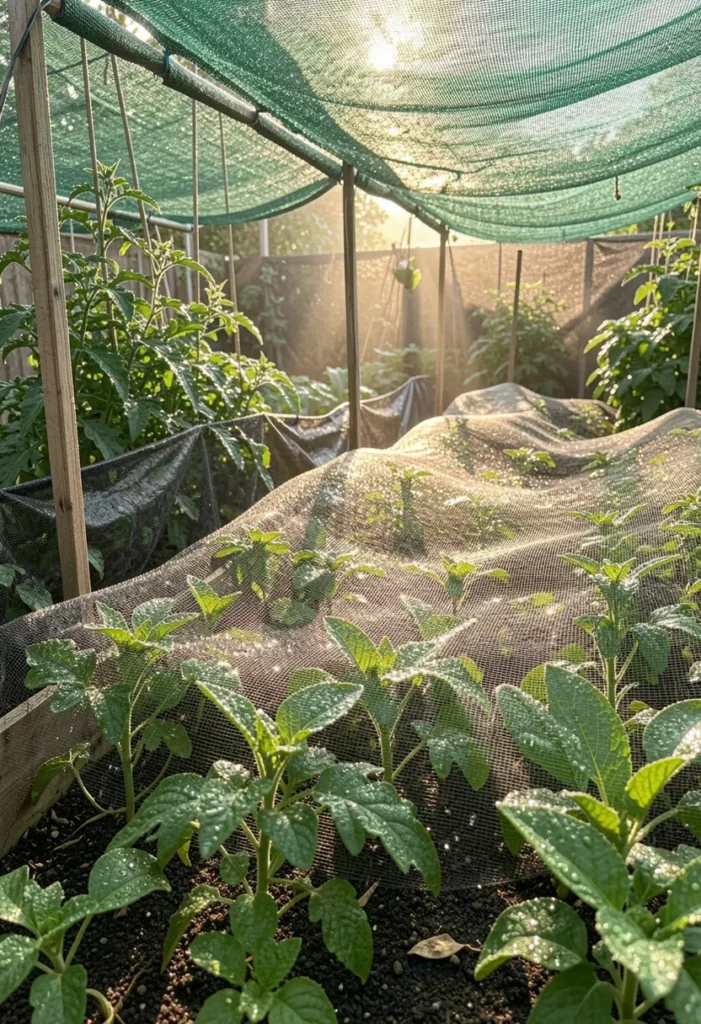
Shade cloths help protect plants from intense sunlight and reduce water evaporation. By filtering sunlight, they create a cooler microclimate that prevents plants from drying out quickly.
These covers are especially useful for delicate vegetables and young plants that are sensitive to heat. They also reduce plant stress, improving growth and productivity. Shade cloths come in various densities, allowing you to control how much sunlight reaches your plants. Easy to install and remove, they provide flexible protection during extreme heat.
9. Reduce Lawn
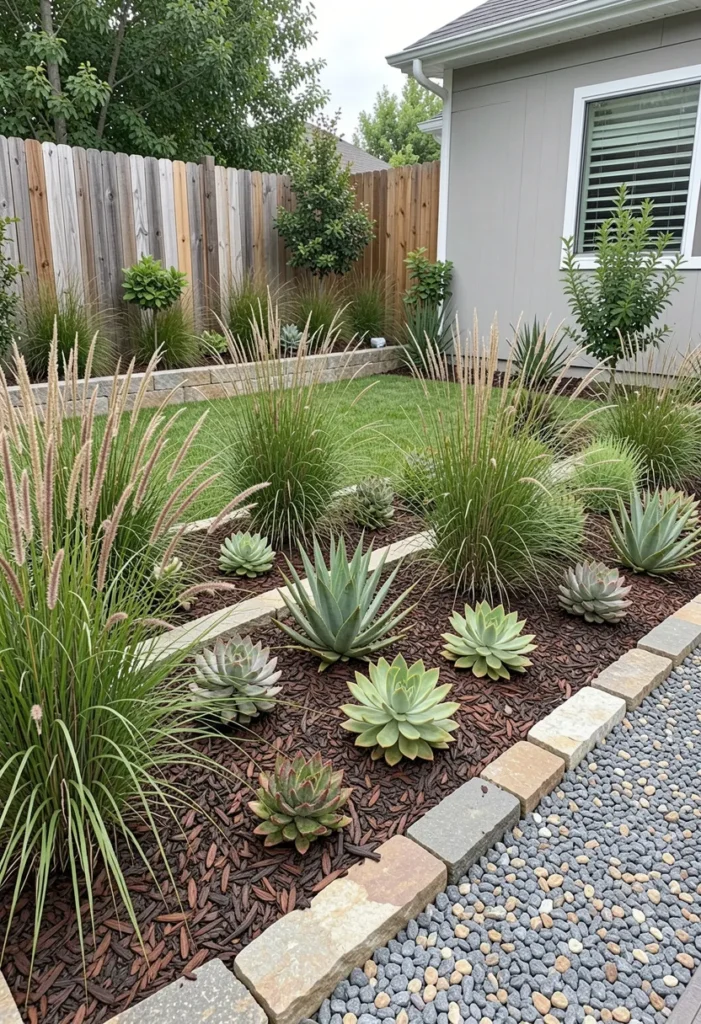
Traditional lawns require large amounts of water, especially during hot summers. Reducing lawn size or replacing it with drought-tolerant landscaping can save significant water.
Consider alternatives like native plants, gravel gardens, or ground covers that require less irrigation. These options not only conserve water but also reduce maintenance. Designing a smaller, more efficient lawn area allows you to focus water where it’s needed most. It also creates a more diverse and visually interesting landscape.
10. Use Deep, Infrequent Watering
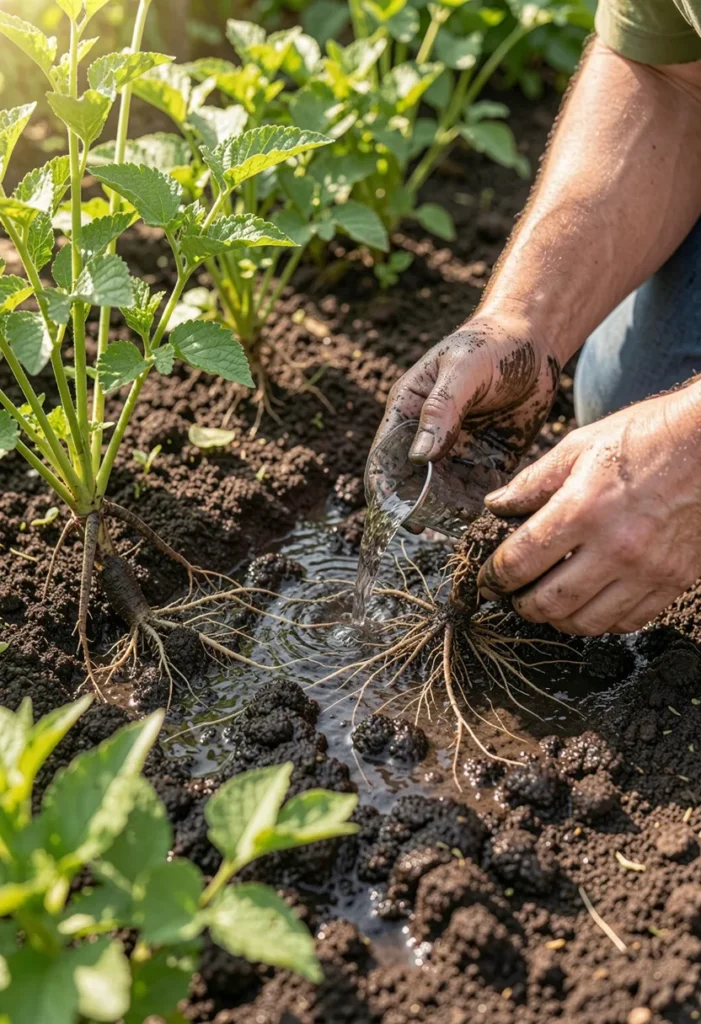
Deep watering encourages plants to develop strong root systems that reach deeper into the soil for moisture. Instead of frequent shallow watering, give plants a thorough soak less often.
This method reduces water waste and helps plants become more drought-resistant. Deep roots are better equipped to survive heat waves and dry conditions. Water slowly to ensure it penetrates the soil rather than running off. This approach is especially beneficial for trees, shrubs, and perennials.
11. Install Windbreaks
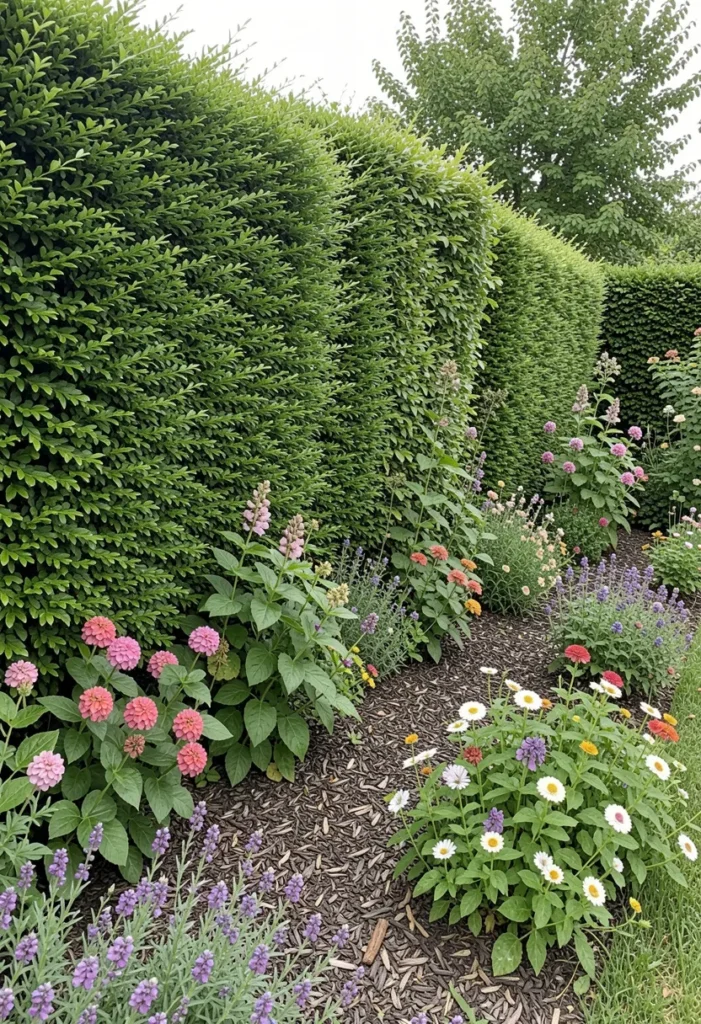
Strong winds can increase evaporation and dry out plants . Installing windbreaks such as fences, hedges, or trellises helps protect your garden.
These barriers reduce wind speed and create a more stable environment for plants. This leads to better moisture retention and less water loss. Windbreaks also provide additional benefits like privacy and structural interest in your garden design. Natural windbreaks using shrubs or trees are especially effective.
12. Use Self-Watering Containers
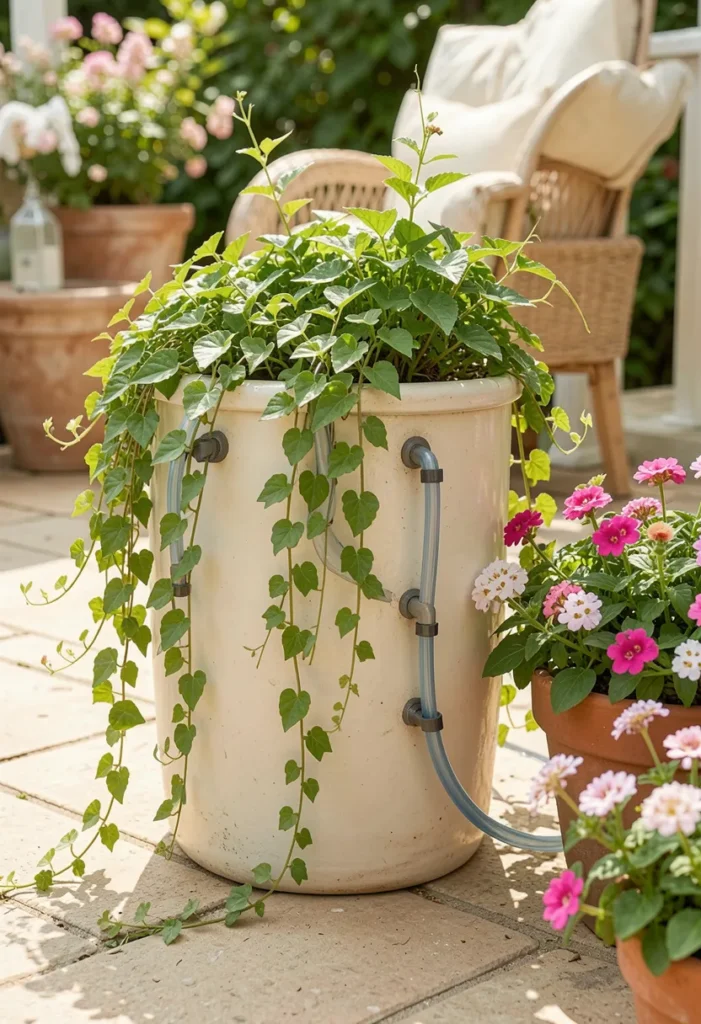
Self-watering containers are a great solution for conserving water in small gardens or patios. These containers have built-in reservoirs that supply water directly to plant roots.
This system reduces evaporation and ensures consistent moisture levels. It also prevents overwatering and underwatering, making it ideal for busy gardeners. Self-watering containers are perfect for herbs, vegetables, and flowers. They are easy to maintain and improve plant health.
13. Add Ground Cover Plants
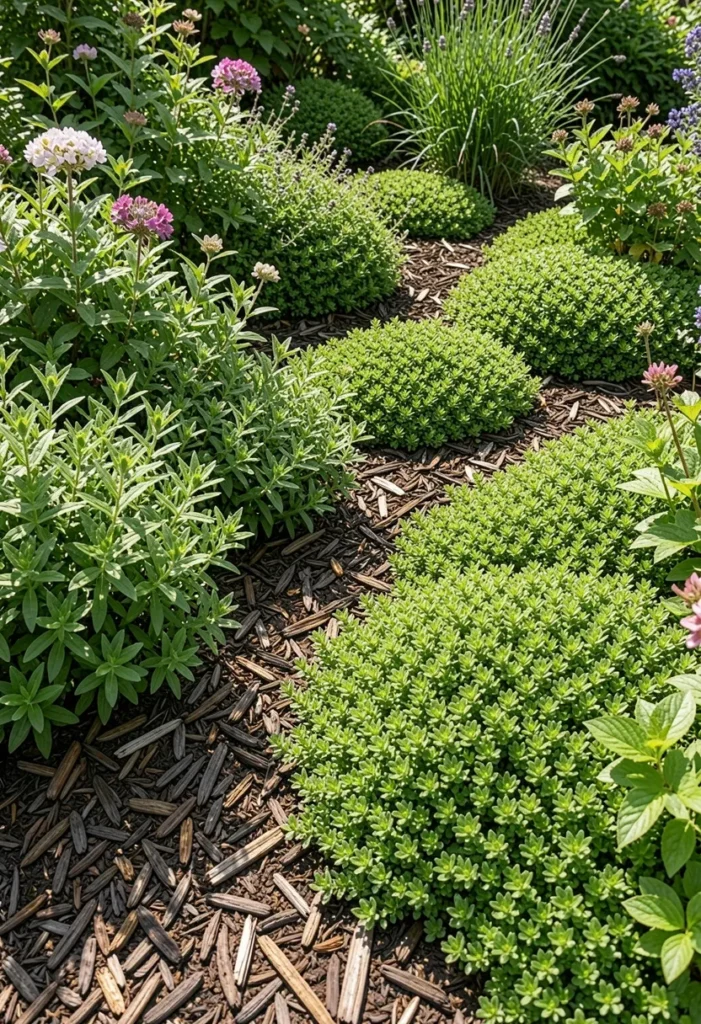
Ground cover plants help retain soil moisture by shading the reducing evaporation. They act as a natural mulch, protecting the soil from direct sunlight.
These plants also suppress weeds and improve soil health over time. Options like creeping thyme, clover, and sedum are both attractive and water-efficient. Ground covers create a lush, layered garden look while minimizing water needs. They are especially useful in areas where traditional grass struggles to survive.
Final Words
Creating a water-efficient garden during hot U.S. summers is not just about saving water—it’s about building a resilient, sustainable outdoor space that thrives even under extreme conditions. By applying these 13 water conservation gardening tips, you can significantly reduce water waste while keeping your plants healthy and vibrant.