12 Tips for Choosing Durable Outdoor Cushions for Hot Summers
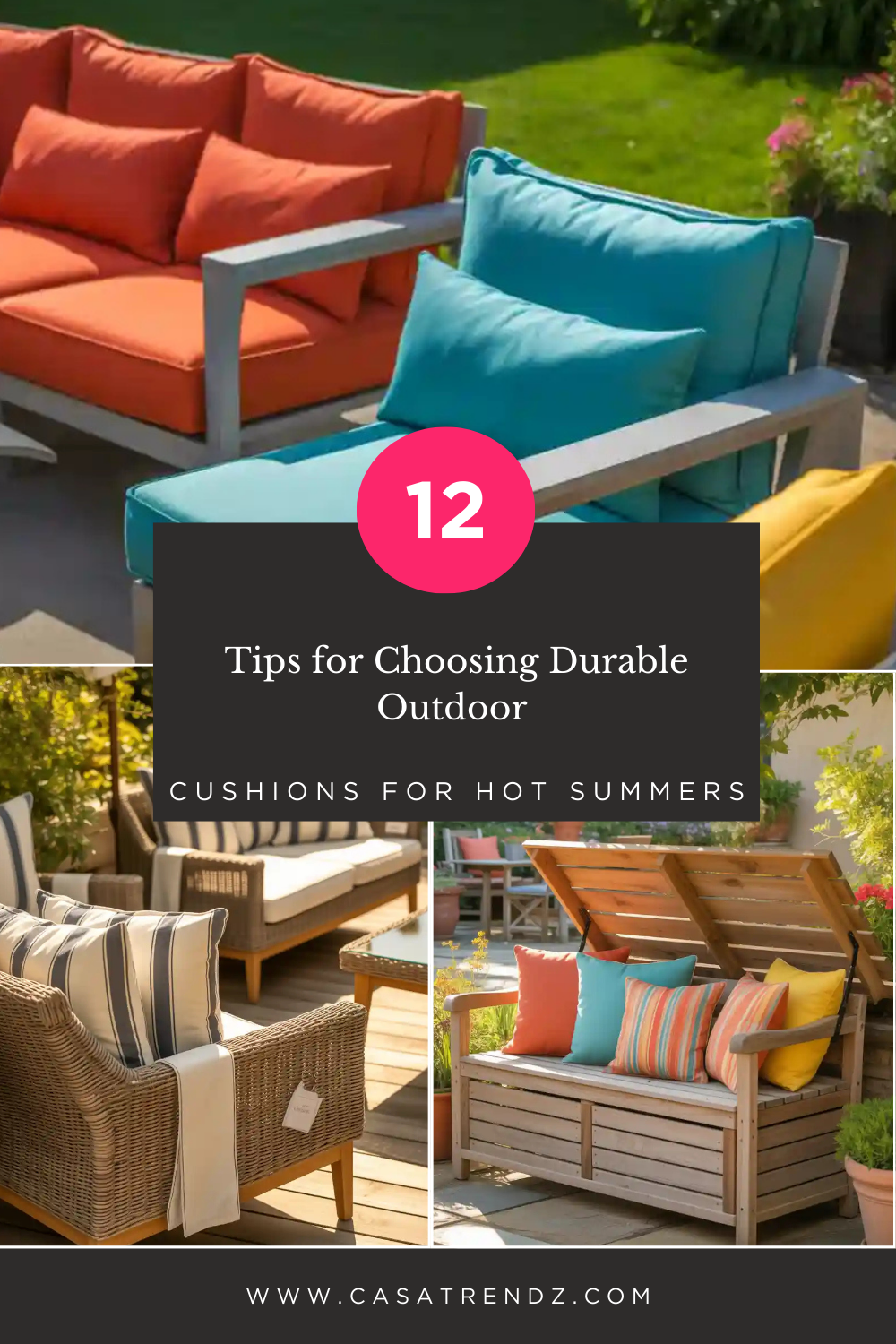
Outdoor seating areas are one of the most enjoyable parts of summer, whether you’re relaxing on a patio, hosting backyard gatherings, or enjoying quiet evenings outside. However, intense summer heat, strong sunlight, and occasional rain can quickly damage low-quality outdoor cushions. Fading colors, flattened padding, and mold growth are common problems when cushions are not designed for harsh outdoor conditions.
Choosing the right outdoor cushions can make a huge difference in both comfort and longevity. Durable cushions not only withstand high temperatures and UV exposure but also maintain their shape, color, and softness throughout the season. The good news is that you don’t need to sacrifice style to get long-lasting performance.
1. Choose UV-Resistant Fabrics
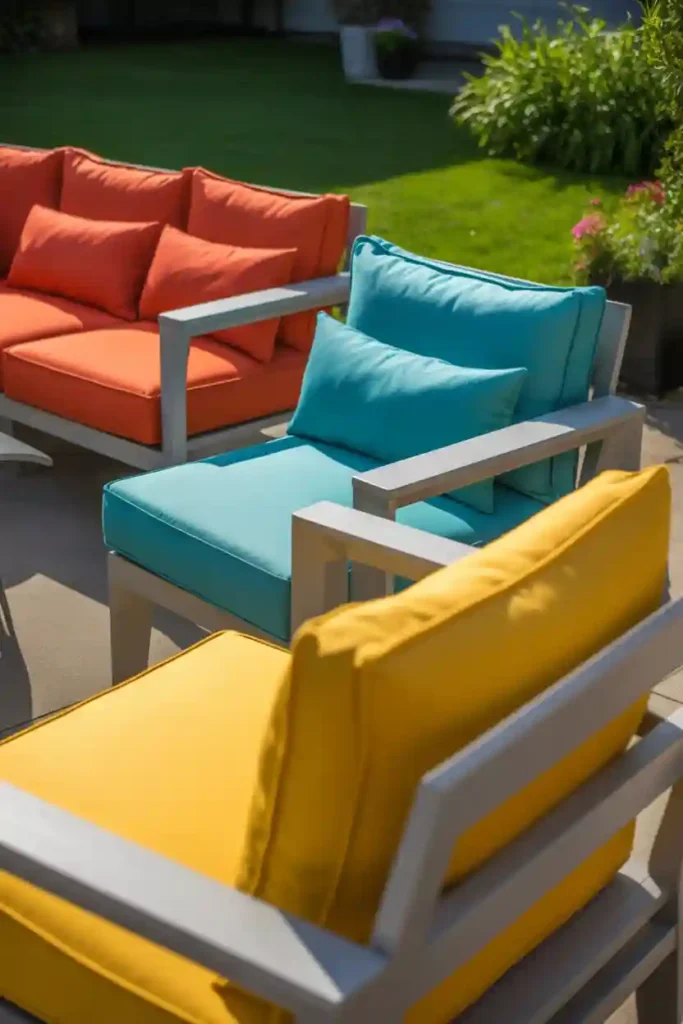
One of the most important factors when selecting outdoor cushions for hot summers is UV resistance. Direct sunlight can quickly fade colors and weaken fabric fibers if the material is not designed for outdoor exposure.
Look for cushions made from UV-resistant fabrics such as solution-dyed acrylic, polyester blends, or specially treated outdoor textiles. These materials are designed to maintain their color even after long hours under intense sun. High-quality outdoor fabrics are dyed in a way that allows the color to penetrate the fibers, preventing fading and discoloration.
2. Look for Water-Resistant Materials
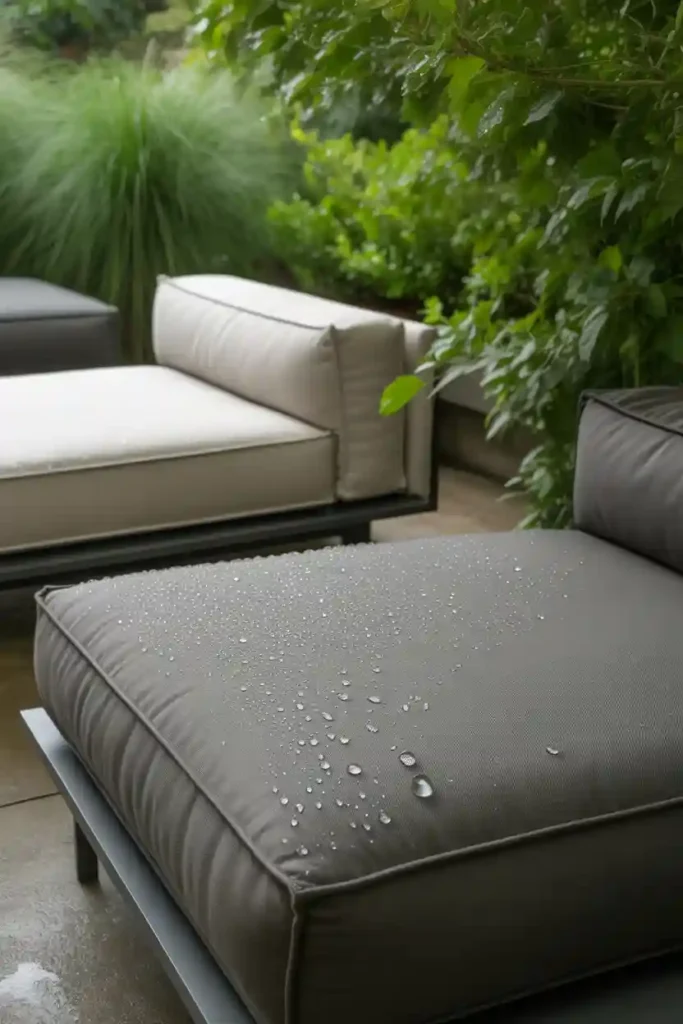
Summer weather can be unpredictable. Even in hot climates, sudden rain showers or morning dew can soak outdoor furniture. Choosing water-resistant cushions helps protect them from moisture damage. Water-resistant fabrics prevent water from soaking into the cushion material. Instead, water beads on the surface and dries quickly. This feature reduces the risk of mold, mildew, and unpleasant odors.
Many outdoor cushions include protective coatings that repel moisture while still allowing the fabric to breathe. This balance is important because completely waterproof materials can sometimes trap heat and moisture inside.
3. Select Breathable Cushion Fabrics
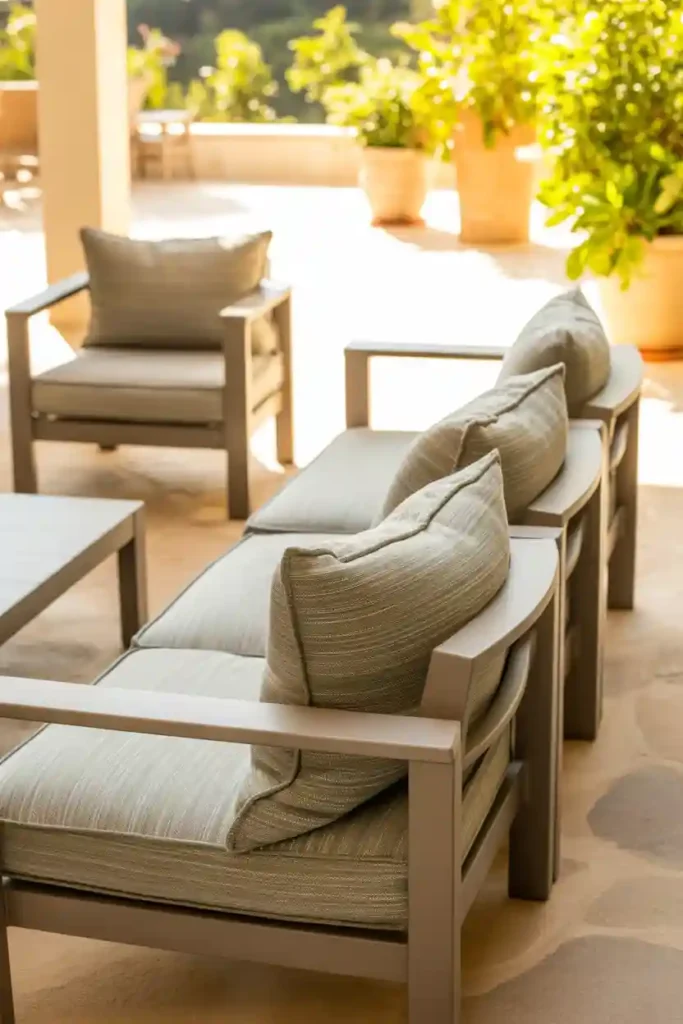
Hot summer temperatures can make outdoor cushions uncomfortable if the fabric traps heat. Breathable materials help air circulate, keeping cushions cooler and more comfortable to sit on.
Fabrics with woven textures allow airflow, preventing heat buildup during sunny afternoons. Breathable materials also reduce the chance of moisture being trapped inside the cushions, which can lead to mildew. Solution-dyed acrylic fabrics are especially popular because they combine durability, breathability, and fade resistance. They remain cool to the touch even under strong sunlight.
See Also: 13 Easy Ways to Add Summer Colors to Your Kitchen
4. Choose High-Density Foam Filling
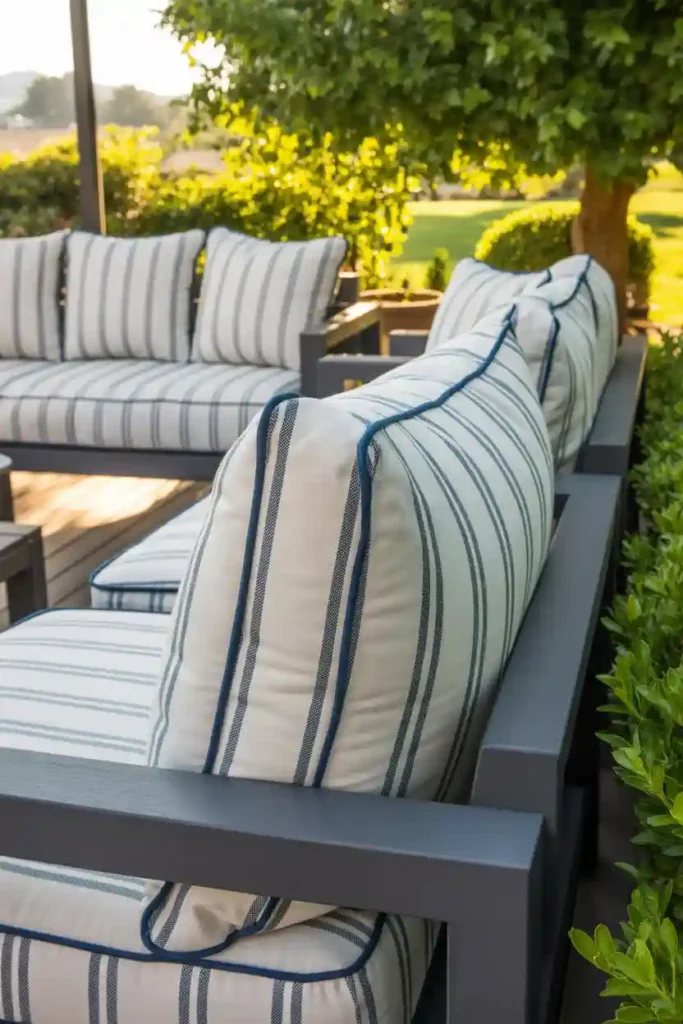
The filling inside outdoor cushions is just as important as the fabric. High-density foam provides better support and durability than low-quality padding.
In hot weather, cheaper foam can quickly flatten and lose its shape. High-density foam maintains its structure even with frequent use and exposure to heat. Quality foam also improves comfort by providing proper cushioning without feeling too soft or too firm. It supports the body evenly, making outdoor seating more enjoyable for longer periods.
5. Pick Light or Heat-Reflective Colors
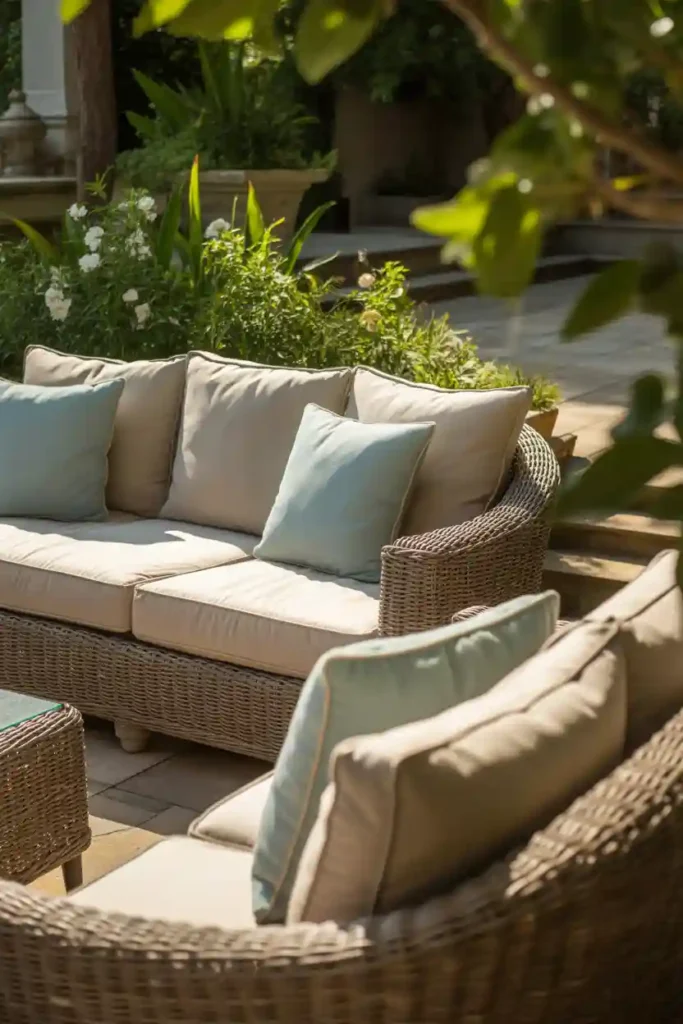
Dark cushion colors can absorb heat, making outdoor seating uncomfortable during hot afternoons. Choosing lighter shades can help keep cushions cooler. Colors like beige, light gray, soft blue, mint green, or pale yellow reflect sunlight rather than absorbing it. This helps prevent cushions from becoming too hot to sit on.
Light colors also enhance the airy, relaxed feeling often associated with summer outdoor spaces. They brighten patios, decks, and garden seating areas.
6. Look for Removable Cushion Covers
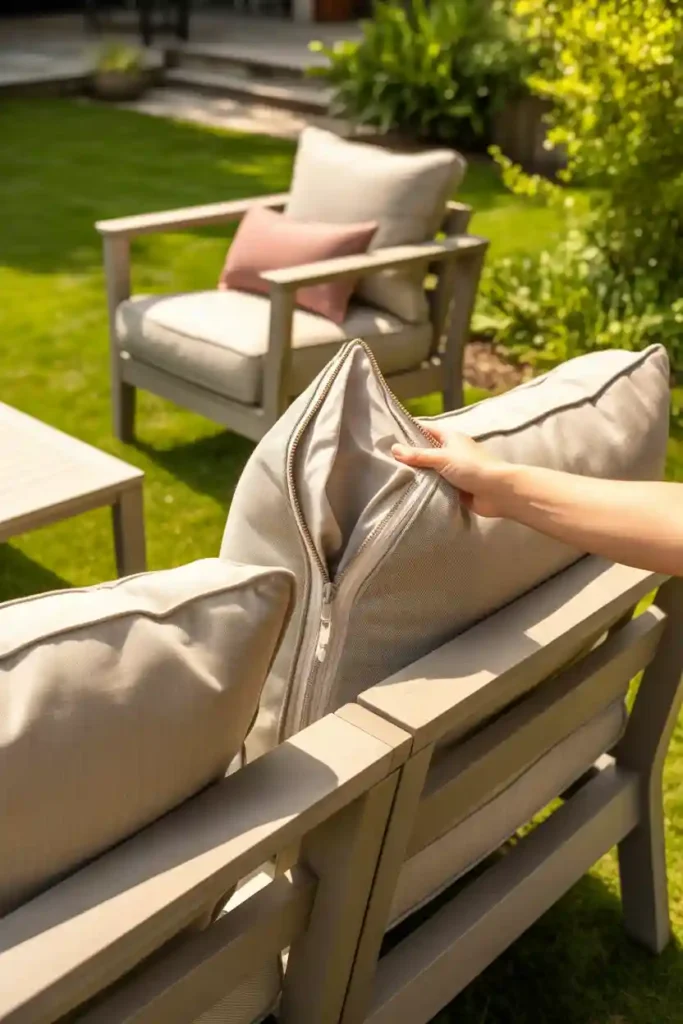
Outdoor cushions can easily collect dust, pollen, sunscreen residue, or food spills during summer gatherings. Removable covers make cleaning much easier. Cushions with zippered covers allow you to remove the fabric and wash it when needed. This keeps your outdoor seating looking fresh and hygienic.
Machine-washable covers are especially convenient for busy households. Even hand-washable covers are easier to maintain than fixed upholstery. Removable covers also allow you to replace or switch styles without buying entirely new cushions.
7. Choose Mold and Mildew Resistant Materials
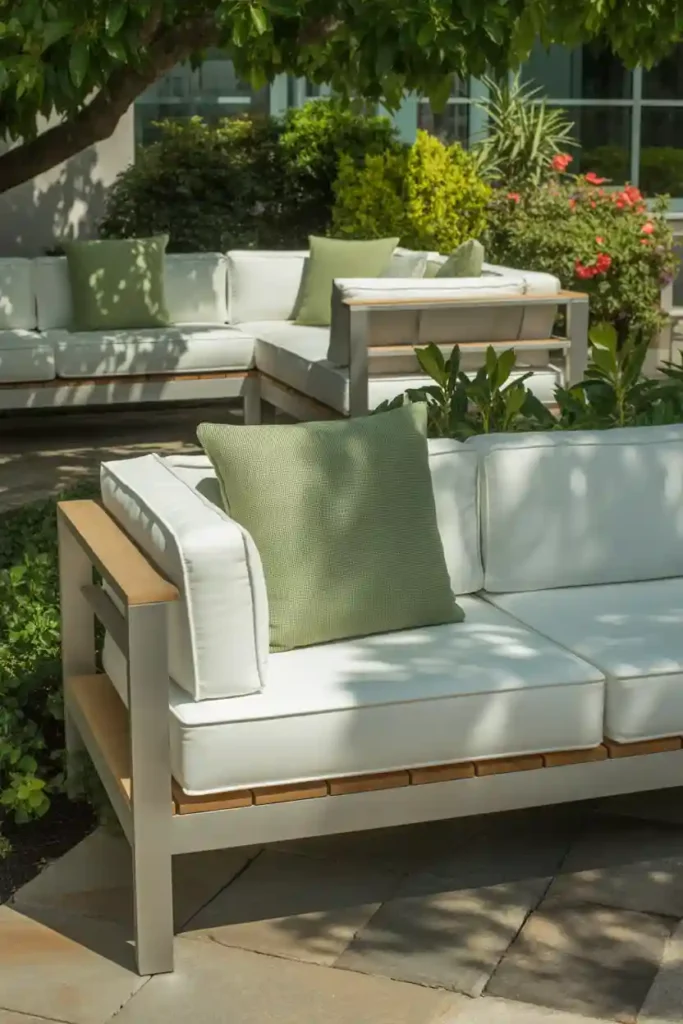
High temperatures combined with humidity can create the perfect environment for mold and mildew. Cushions made with mildew-resistant materials help prevent this problem.
Outdoor fabrics often include antimicrobial treatments that stop mold growth. These treatments protect both the fabric and the cushion filling. Mildew-resistant cushions are especially important in humid climates or near pools and gardens where moisture levels are higher.
8. Consider Quick-Dry Cushion Technology
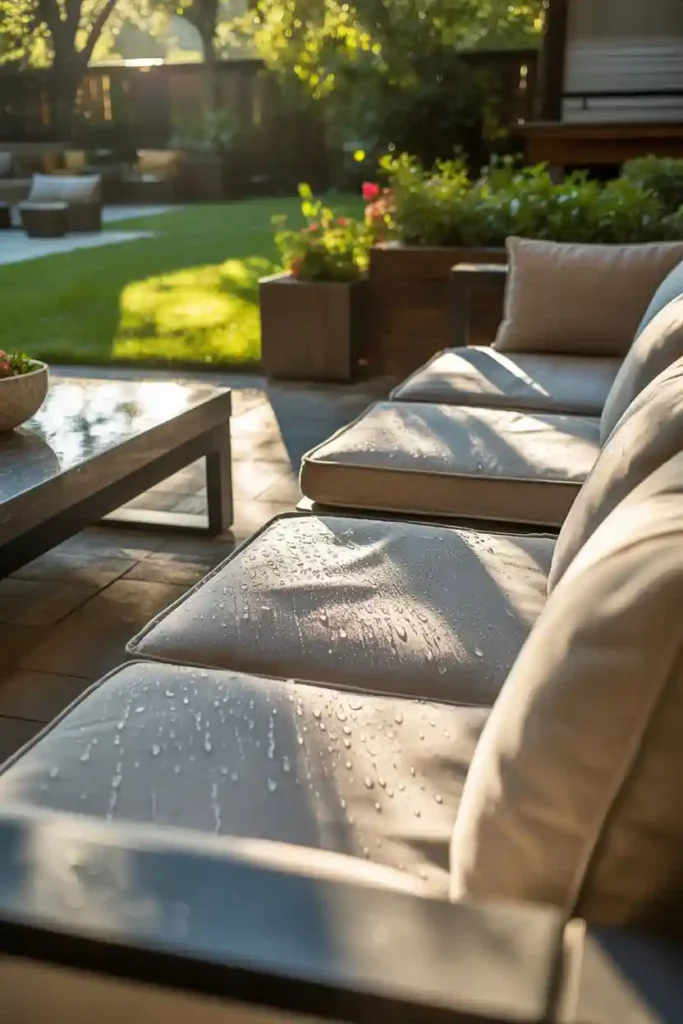
Quick-dry cushions are designed to release moisture rapidly after rain or cleaning. This technology prevents water from getting trapped inside the cushion core.
Special foam structures allow water to pass through easily while maintaining cushioning support. Quick-dry cushions are ideal for poolside furniture, uncovered patios, or rainy climates where traditional cushions may take hours or days to dry.
9. Look for Double-Stitched Seams
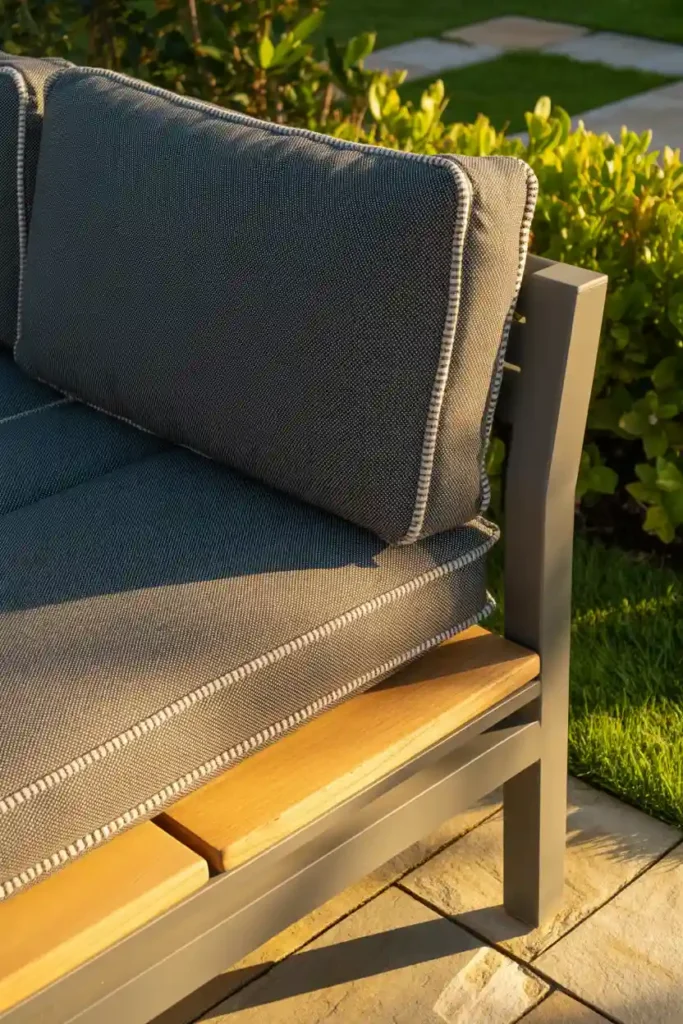
Durability isn’t only about fabric and foam. The stitching of outdoor cushions also plays an important role. Double-stitched seams provide extra strength and prevent the cushion fabric from tearing or fraying over time.
Outdoor cushions experience constant movement, pressure, and weather exposure. Reinforced seams help them maintain their structure and shape. High-quality stitching also improves the overall appearance of the cushions by keeping edges neat and secure.
10. Choose Cushions with Ties or Non-Slip Bases
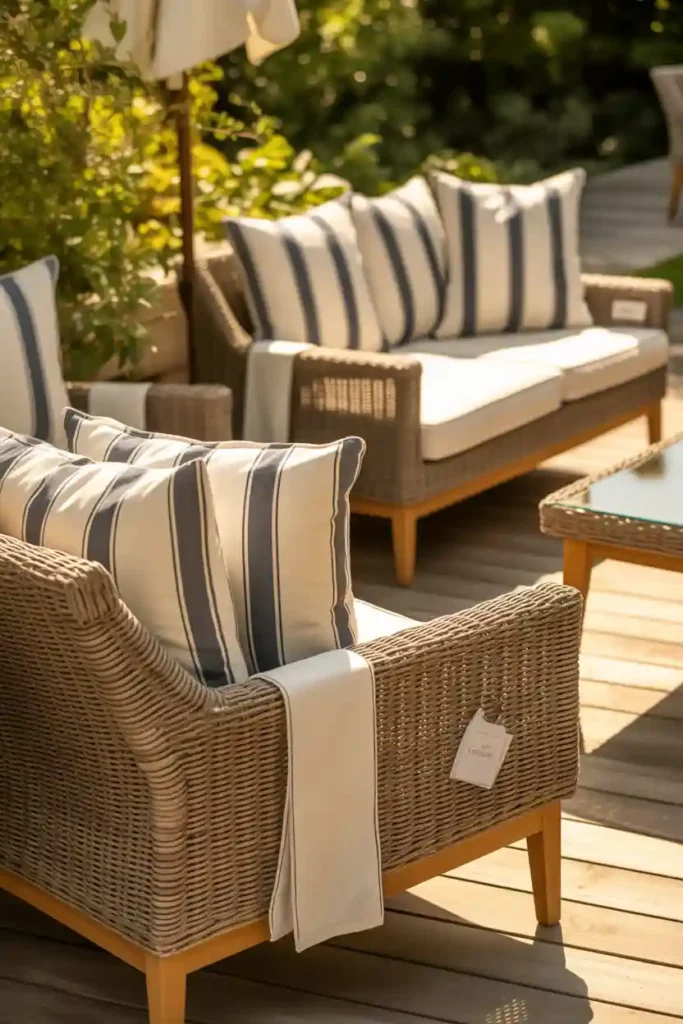
Wind and frequent use can cause outdoor cushions to slide or fall off furniture. Cushions with ties, straps, or non-slip bases stay securely in place.
Ties can be easily attached to chair frames, preventing cushions from shifting or blowing away during breezy summer days. Non-slip backing materials are another useful feature for keeping cushions stable. Stable cushions improve both safety and comfort, especially for dining chairs or lounge seating.
11. Measure Furniture Carefully
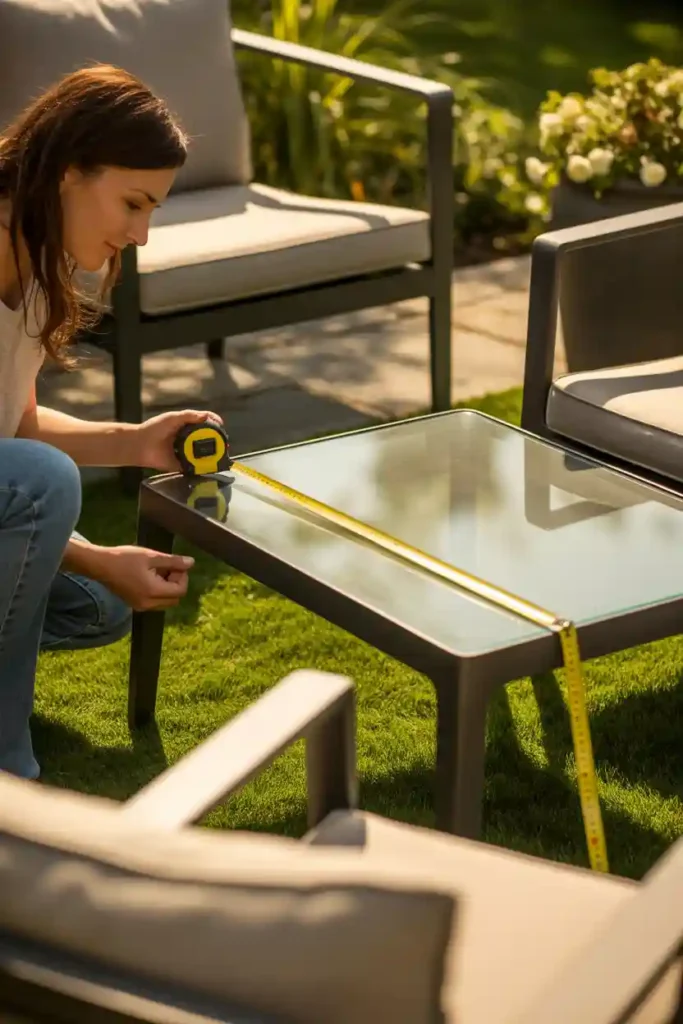
Before purchasing cushions, it’s essential to measure your outdoor furniture accurately. Cushions that are too small can look awkward and provide less comfort, while oversized cushions may not fit properly or slide around. Measure seat width, depth, and thickness to ensure the best fit. Many outdoor cushions come in standard sizes, but custom sizes may also be available.
Properly fitted cushions look more polished and provide better support. They also help maintain the overall aesthetic balance of your outdoor seating arrangement. Taking a few minutes to measure your furniture can prevent costly mistakes and ensure maximum comfort.
12. Store Cushions Properly When Not in Use
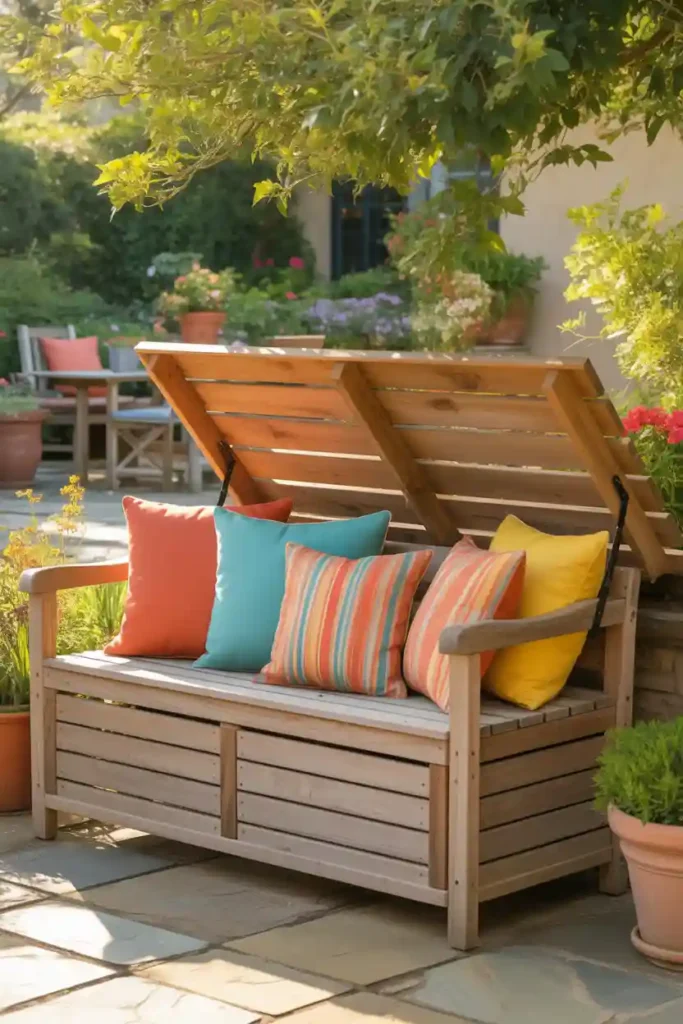
Even the most durable outdoor cushions benefit from proper storage when not in use. During extremely hot days, storms, or overnight humidity, storing cushions in a deck box or outdoor storage bench can extend their lifespan.
Protective storage prevents prolonged exposure to harsh weather and keeps cushions clean. Breathable storage bags are another option for protecting cushions while allowing airflow. Proper storage helps maintain cushion color, shape, and fabric quality for longer.
Final Thoughts
Choosing the right outdoor cushions can make a huge difference in how comfortable and inviting your outdoor space feels during hot summer months. While style and color are important, durability should always be a top priority when shopping for cushions that will be exposed to heat, sunlight, humidity, and occasional rain. Features such as UV-resistant fabrics, breathable materials, high-density foam, and mildew protection help cushions maintain their comfort and appearance even during intense summer weather.