16 Rainwater Harvesting Ideas for Summer Gardens
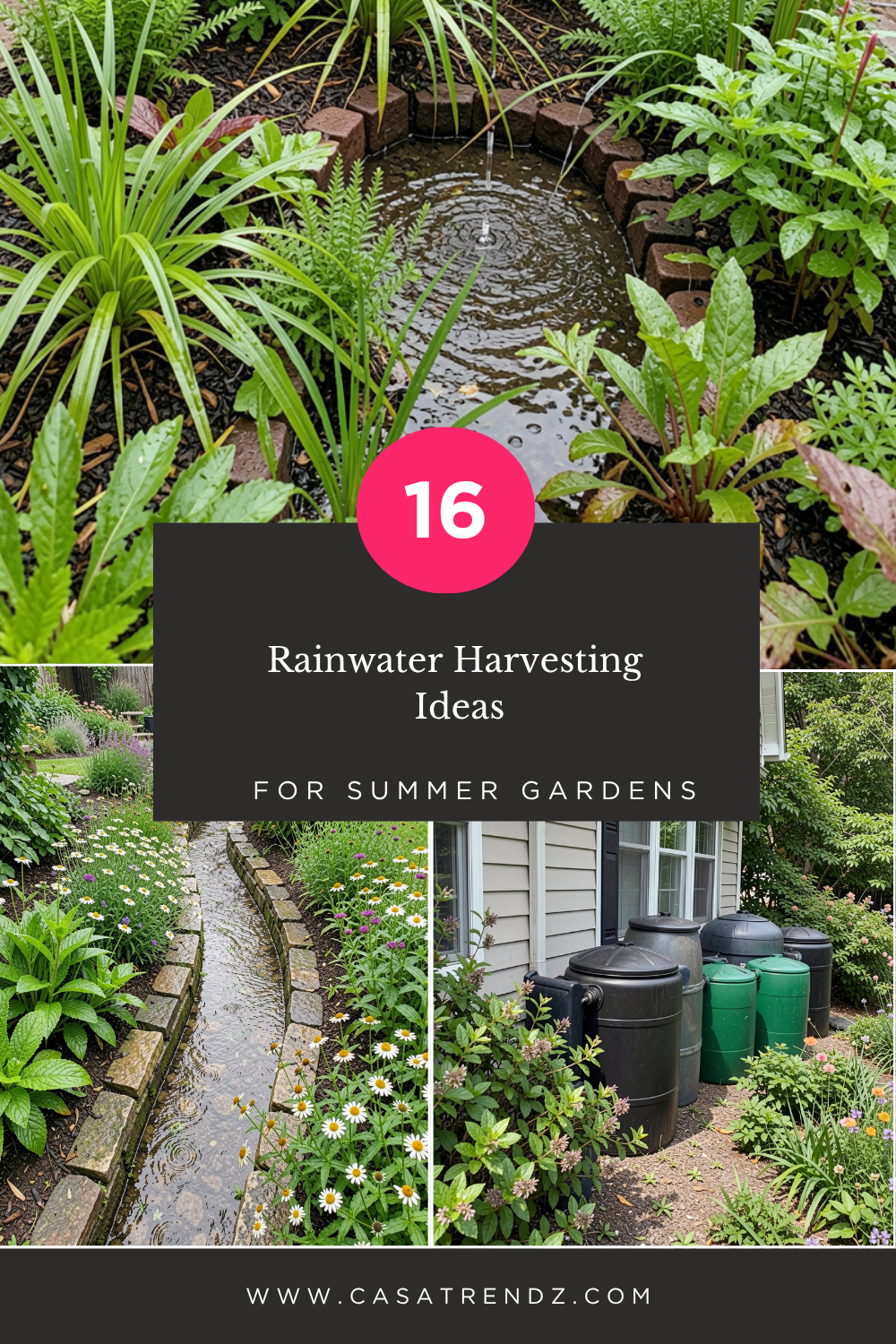
As summer temperatures rise, keeping your garden healthy while conserving water becomes more important than ever. Rainwater harvesting is a smart, eco-friendly solution that allows you to collect and reuse natural rainfall for irrigation, reducing your reliance on municipal water supplies. Not only does it help lower water bills, but it also supports sustainable gardening by making the most of a free and renewable resource.
These 16 Rainwater Harvesting Ideas for Summer Gardens will show you how to capture, store, and use rainwater efficiently no matter the size of your outdoor space. From simple DIY setups to more advanced systems, each idea is designed to help you maximize water usage while keeping your garden lush and thriving. Whether you have a small backyard or a large landscape, these practical solutions will inspire you to create a greener, more resilient garden this summer.
1. Install a Basic Rain Barrel System
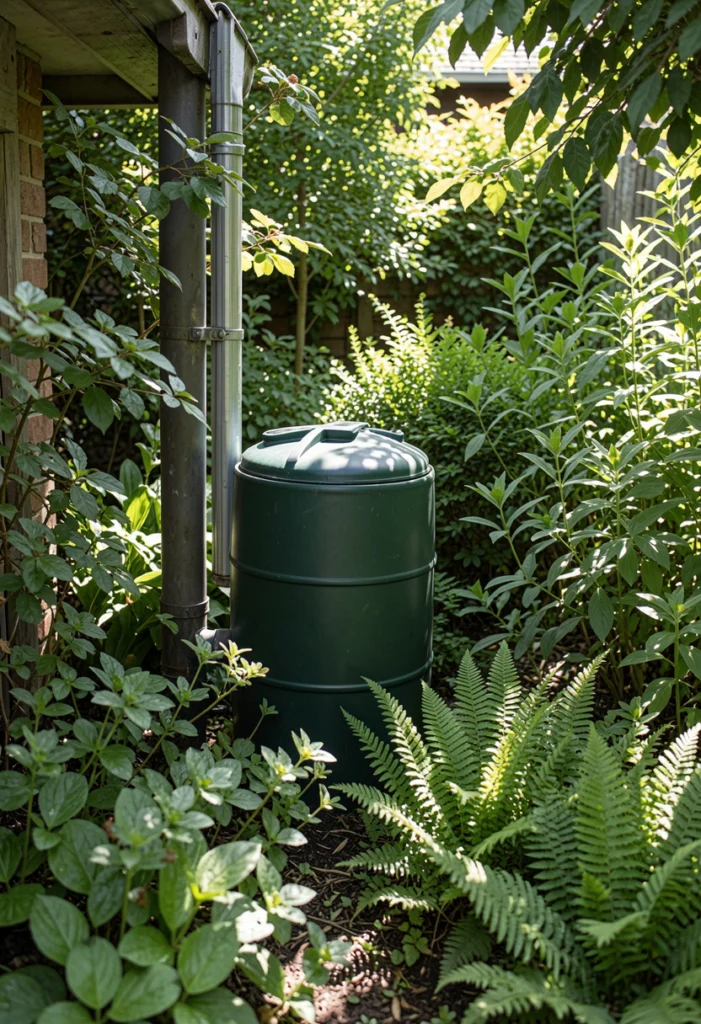
A rain barrel is one of the simplest and most effective ways to start harvesting rainwater. Positioned beneath a downspout, it collects water from your roof and stores it for later use. This system is easy to install and requires minimal investment, making it ideal for beginners.
Choose a durable barrel with a secure lid to keep debris and insects out. A built-in spigot allows for easy access when watering plants. Elevating the barrel slightly improves water flow and makes it easier to fill watering cans.
2. Connect Multiple Barrels for Extra Storage
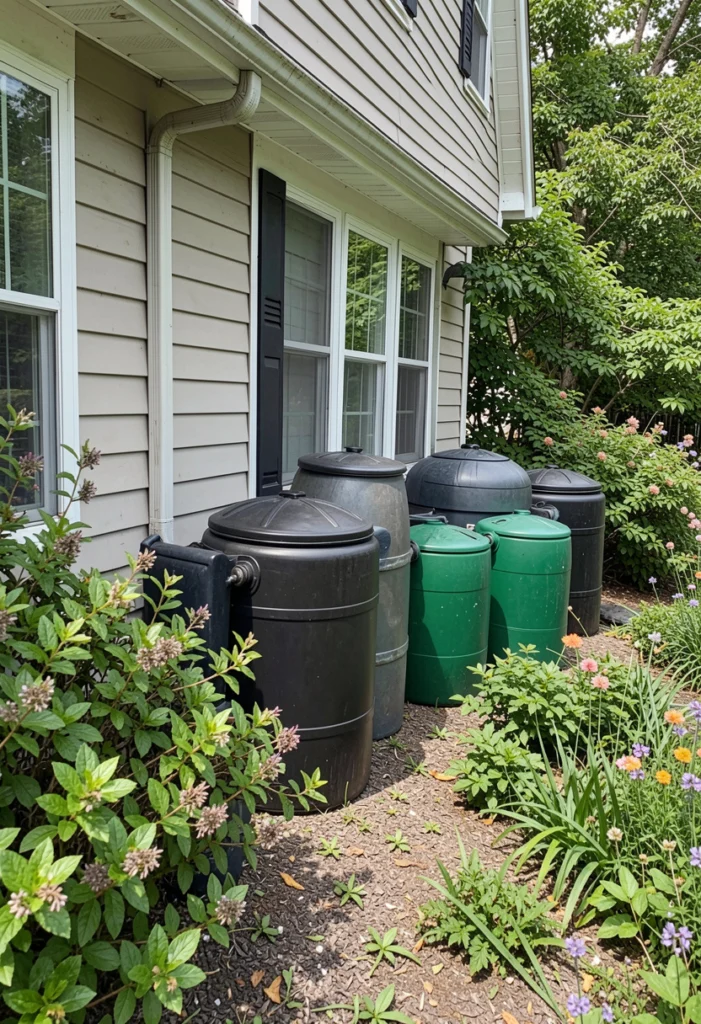
If one rain barrel isn’t enough, consider linking multiple barrels together. This allows you to store more water during heavy rainfall, ensuring you have a steady supply during dry periods.
Use connectors or hoses to link the barrels so water flows evenly between them. Place them on a stable base to prevent tipping and ensure proper drainage. This system is perfect for larger gardens or areas with unpredictable rainfall. It maximizes water collection without requiring complex installations, making it both practical and efficient.
3. Create a DIY Rainwater Collection Tank
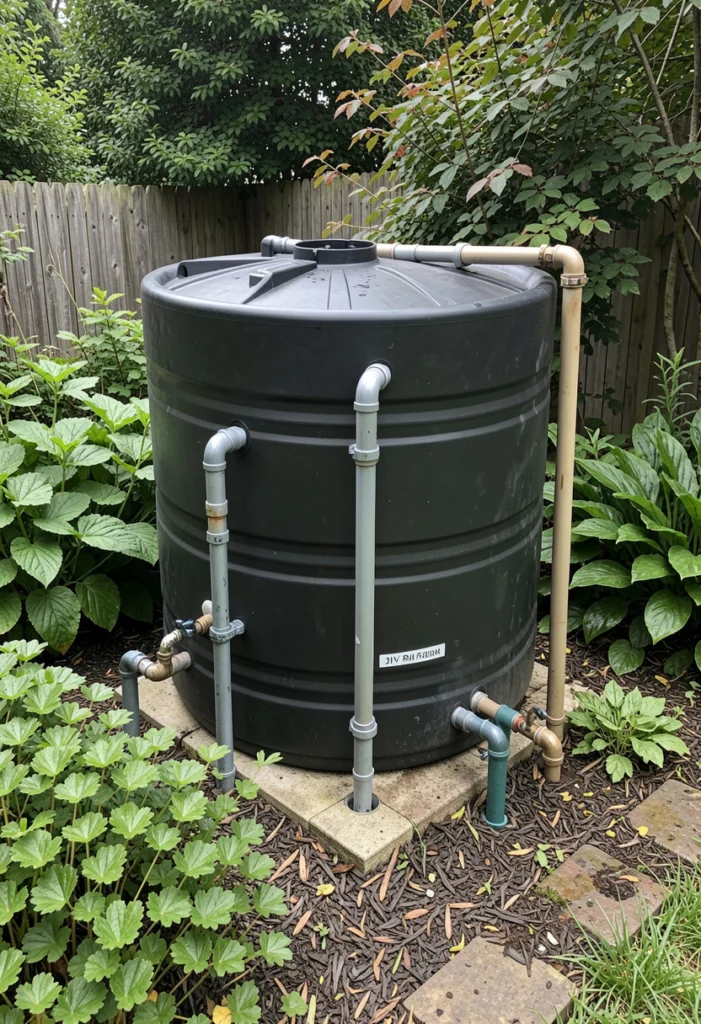
For those who need more capacity, a DIY collection tank offers a larger-scale solution. Using food-grade containers or repurposed tanks, you can store significant amounts of rainwater for extended use.
Position the tank to collect water from multiple downspouts if possible. Adding a filtration system helps keep the water clean and suitable for garden use. This setup is ideal for gardeners who want a more robust system without investing in expensive commercial options. It provides flexibility and can be customized to fit your space.
4. Use Decorative Rain Chains
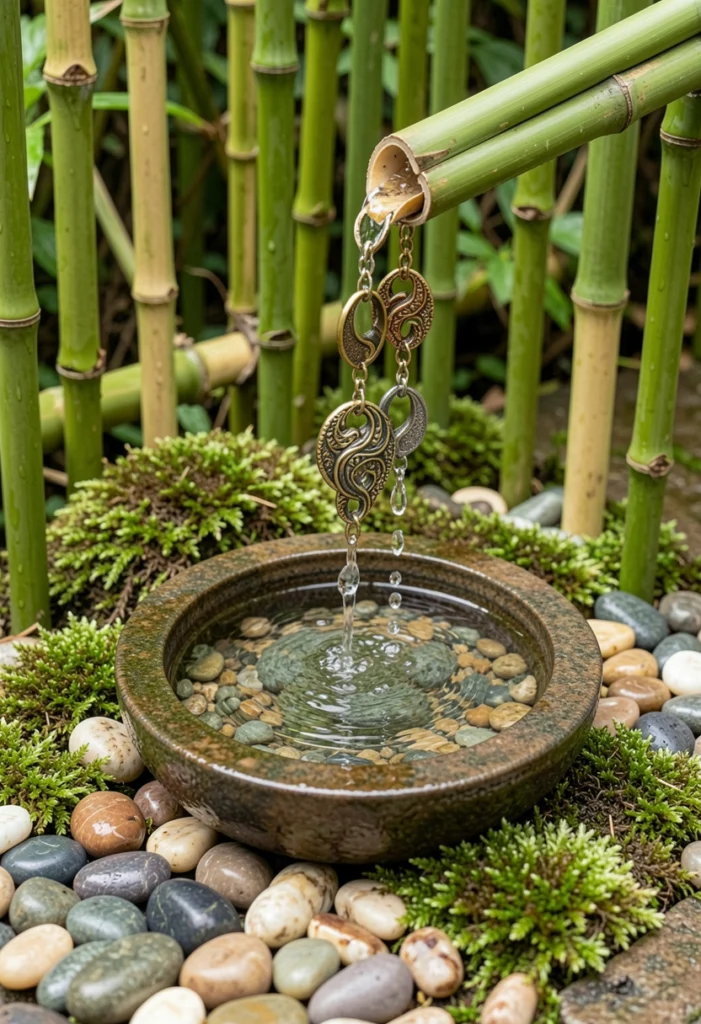
Rain chains are a stylish alternative to traditional downspouts. They guide rainwater from the roof to the ground or a collection container while adding visual appeal.
Available in various designs, rain chains enhance the aesthetic of your garden while serving a functional purpose. Pair them with a basin or barrel to capture water effectively. This option combines beauty with sustainability, making it perfect for homeowners who want eco-friendly solutions that also elevate their outdoor space.
See Also: 13 Rustic Modern Exterior Shutter Ideas to Boost Curb Appeal
5. Build a Rain Garden
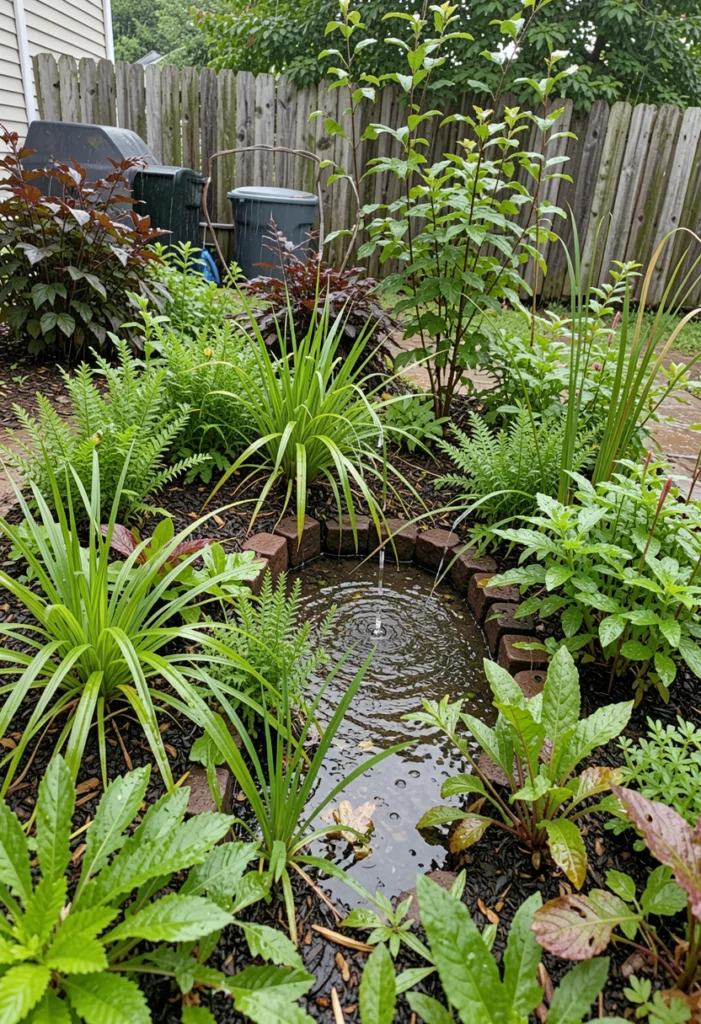
A rain garden is a planted area designed to absorb and filter rainwater runoff. It helps prevent water pooling while nourishing plants naturally.
Choose native plants that thrive in both wet and dry conditions. Position the garden in a low-lying area where water naturally collects. Rain gardens not only conserve water but also improve soil quality and support local ecosystems. They are a beautiful and environmentally friendly addition to any summer garden.
6. Install a Drip Irrigation System from Rainwater
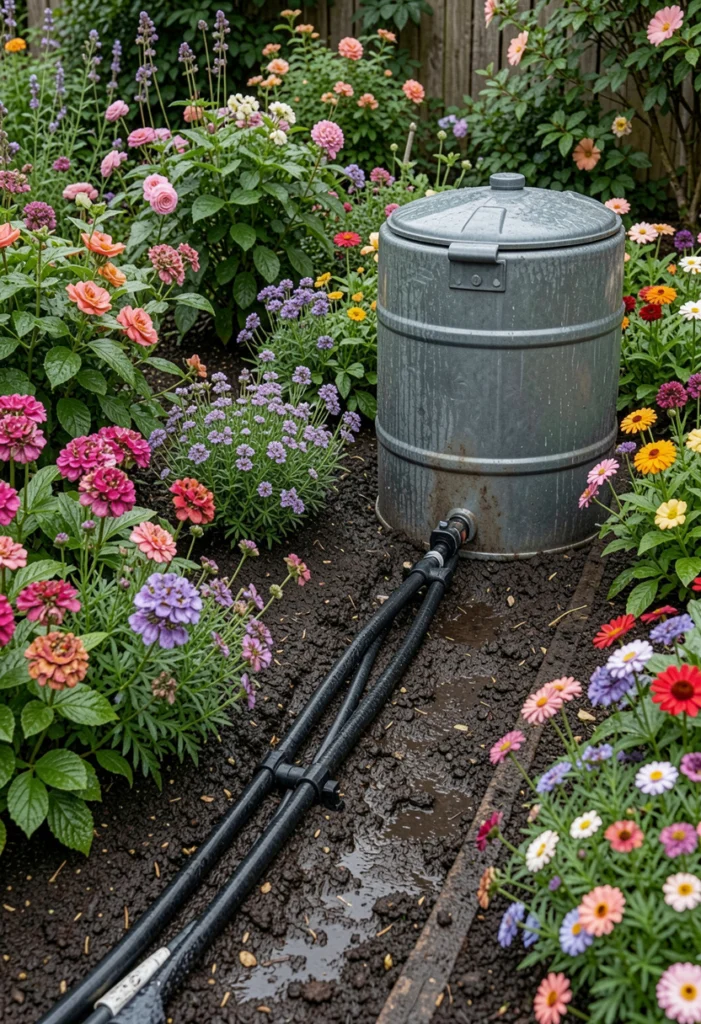
Connecting your rainwater storage to a drip irrigation system allows for efficient watering. This method delivers water directly to plant roots, reducing waste and evaporation.
Use a gravity-fed system or a small pump to distribute water evenly. Drip irrigation is especially beneficial during hot summer months when water conservation is crucial. This setup ensures your plants receive consistent moisture while minimizing effort and water usage.
7. Collect Rainwater from Greenhouse Roofs
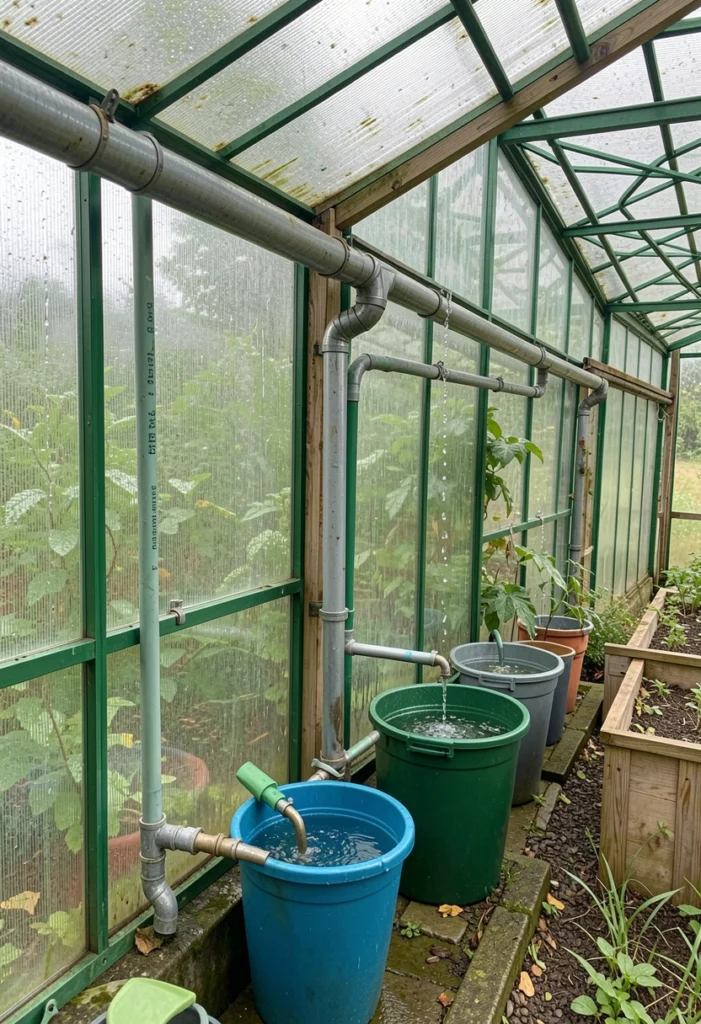
Greenhouses provide an excellent opportunity for rainwater harvesting. Installing gutters and collection systems on greenhouse roofs allows you to capture additional water.
This water can be used directly inside the greenhouse or stored for outdoor use. It’s a practical way to maximize every available surface for collection. This approach is particularly useful for avid gardeners who rely on greenhouses for plant cultivation.
8. Use Underground Storage Tanks
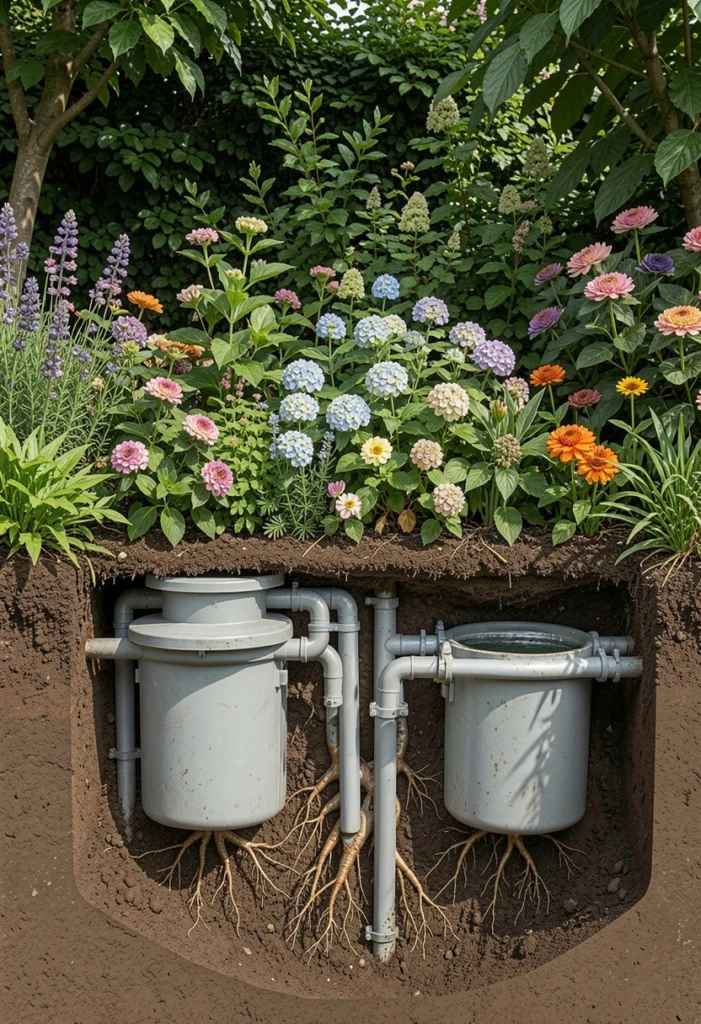
Underground tanks are a discreet and efficient way to store large amounts of rainwater. They keep water cool and protected from sunlight, reducing evaporation and algae growth.
While installation requires more effort, the long-term benefits include increased storage capacity and a cleaner appearance. These systems are ideal for larger properties or those looking for a permanent solution to water conservation.
9. Add a First-Flush Diverter
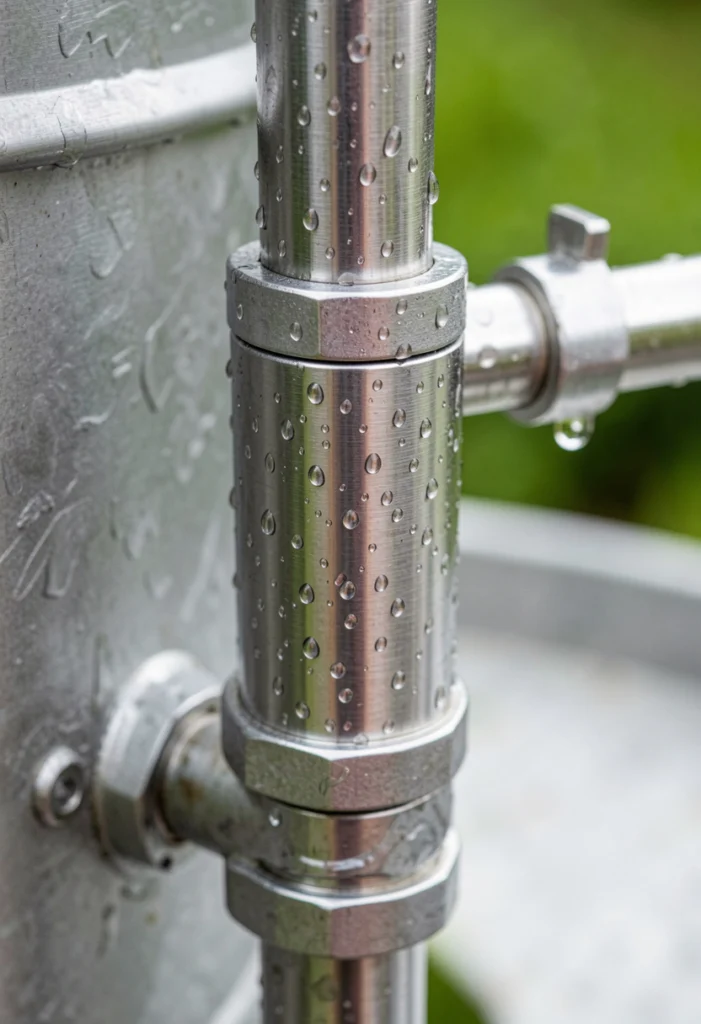
A first-flush diverter improves water quality by filtering out debris and contaminants from the initial rainfall. This ensures cleaner water enters your storage system.
It’s a small addition that makes a big difference, especially if you plan to use the water for edible plants. Installing a diverter enhances the efficiency and safety of your rainwater harvesting setup.
10. Create a Water Feature with Overflow
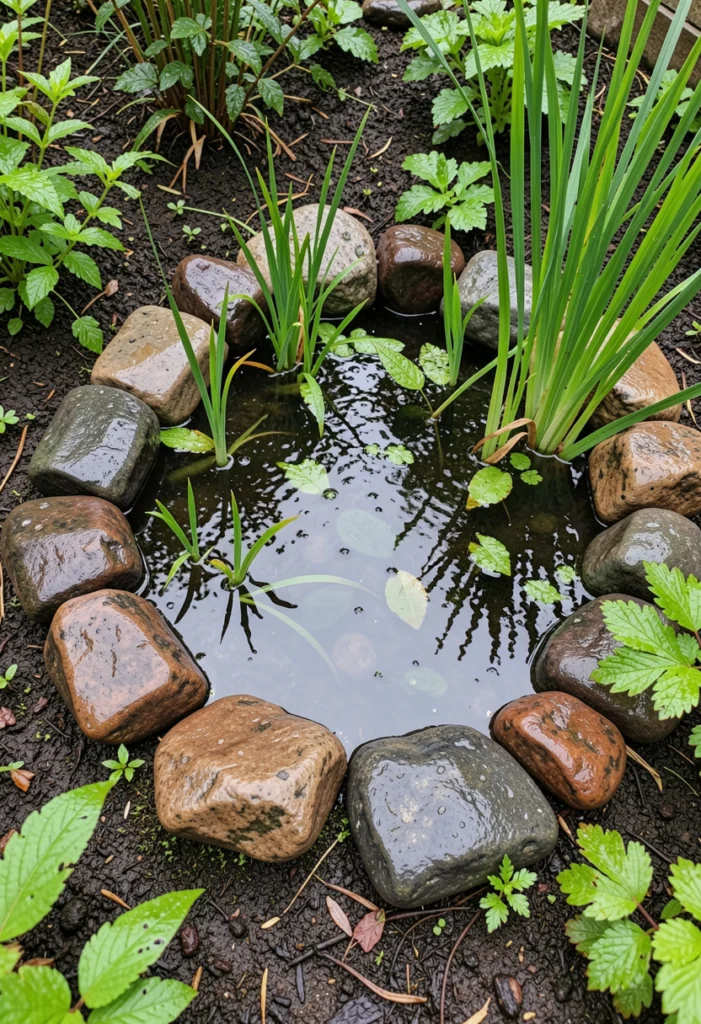
Turn excess rainwater into a decorative feature by designing a pond or fountain that uses overflow from your collection system.
This not only prevents water waste but also adds a calming and visually appealing element to your garden. Ensure proper circulation to keep the water fresh and prevent stagnation.
11. Use Permeable Paving
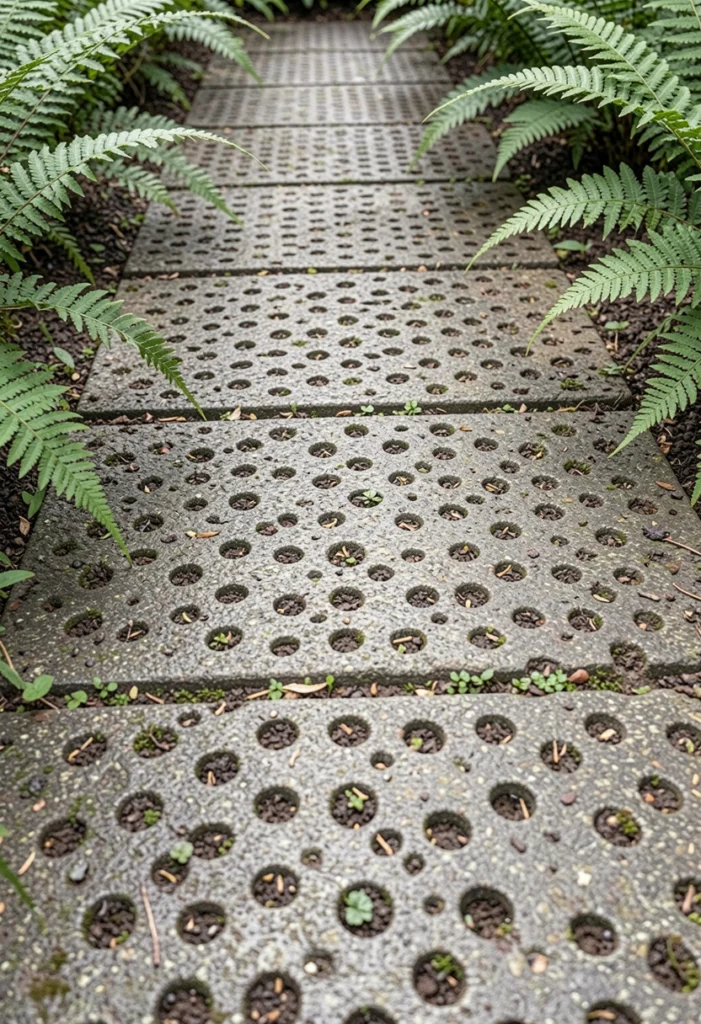
Permeable paving allows rainwater to seep into the ground rather than running off. This helps recharge groundwater and reduces the need for irrigation.
It’s a great addition to pathways, patios, and driveways, contributing to overall water conservation. This solution supports sustainable landscaping while maintaining functionality.
12. Install Gutter Guards
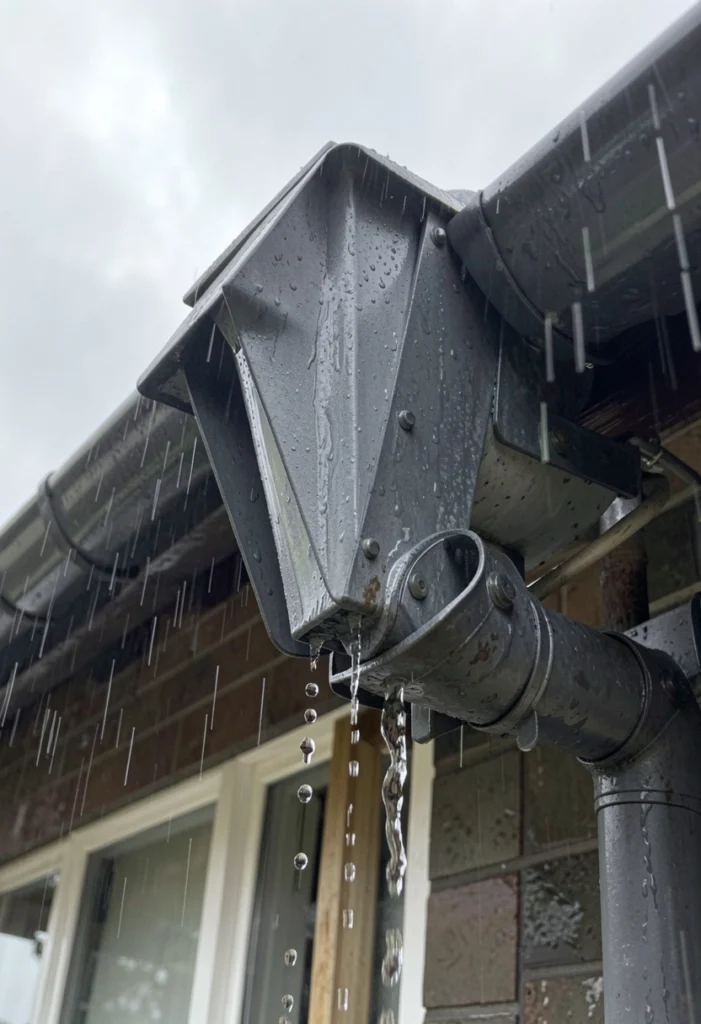
Gutter guards prevent leaves and debris from entering your rainwater system, reducing maintenance and improving water quality.
They are easy to install and help keep your system running smoothly, especially during stormy weather. This simple upgrade ensures your collected water remains clean and usable.
13. Use Rainwater for Vertical Gardens
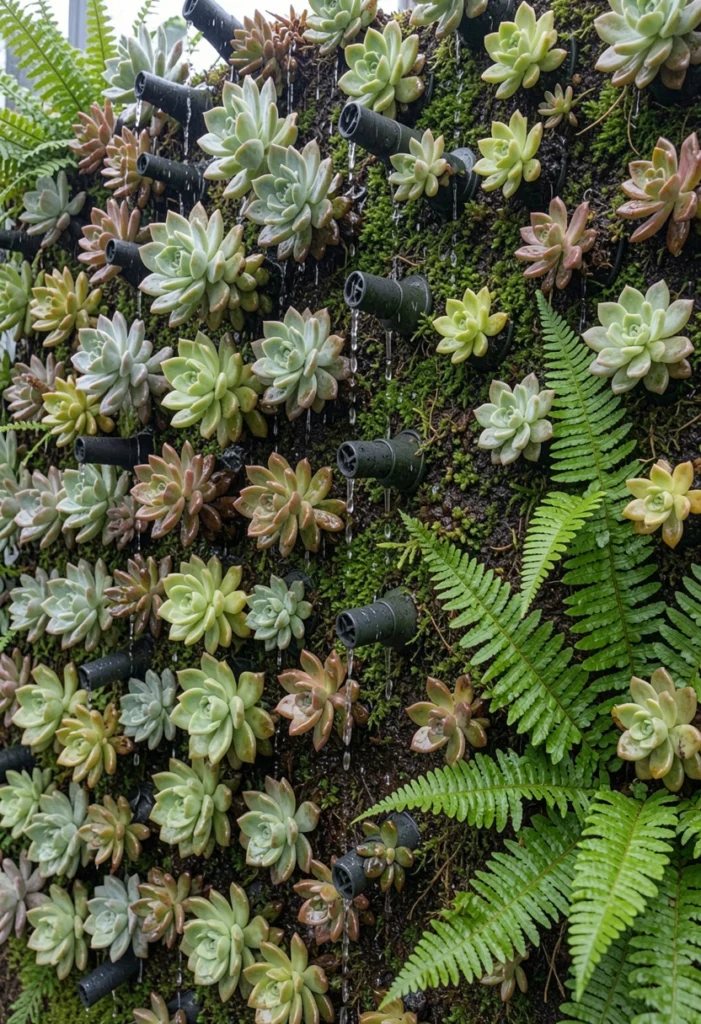
Vertical gardens can benefit greatly from rainwater harvesting. By directing collected water to these structures, you ensure efficient use of space and resources.
This method is perfect for small gardens or urban environments where space is limited. It combines sustainability with innovative gardening techniques.
14. Create Swales for Water Distribution
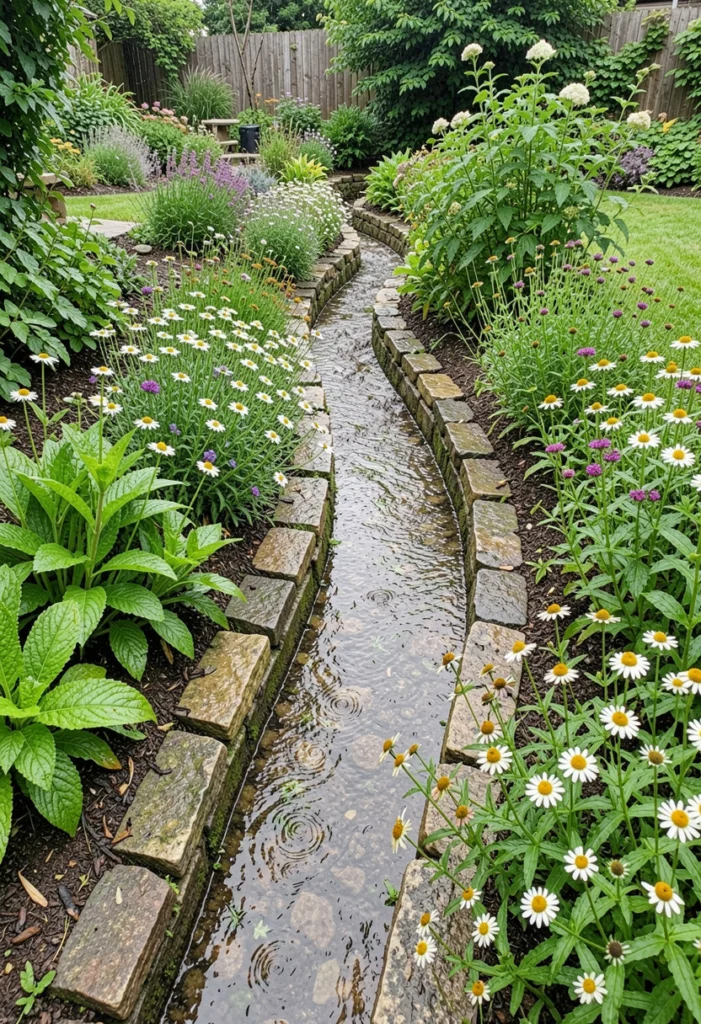
Swales are shallow trenches that guide rainwater across your garden, allowing it to soak into the soil gradually.
They help distribute water evenly and prevent erosion, making them ideal for sloped landscapes. This natural method enhances soil moisture and supports plant health.
15. Use Smart Sensors with Rain Systems
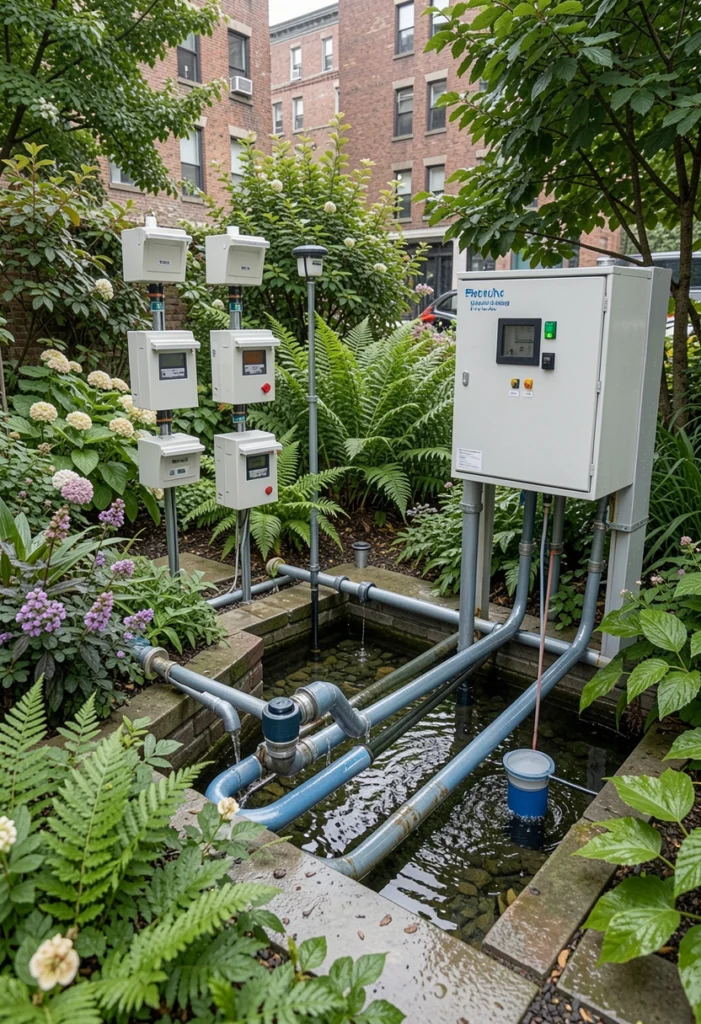
Integrating smart sensors into your rainwater system allows you to monitor water levels and usage. These devices can automate irrigation based on weather conditions.
This ensures efficient water use and reduces manual effort. Smart systems are a modern solution for sustainable gardening.
16. Repurpose Household Containers for Collection
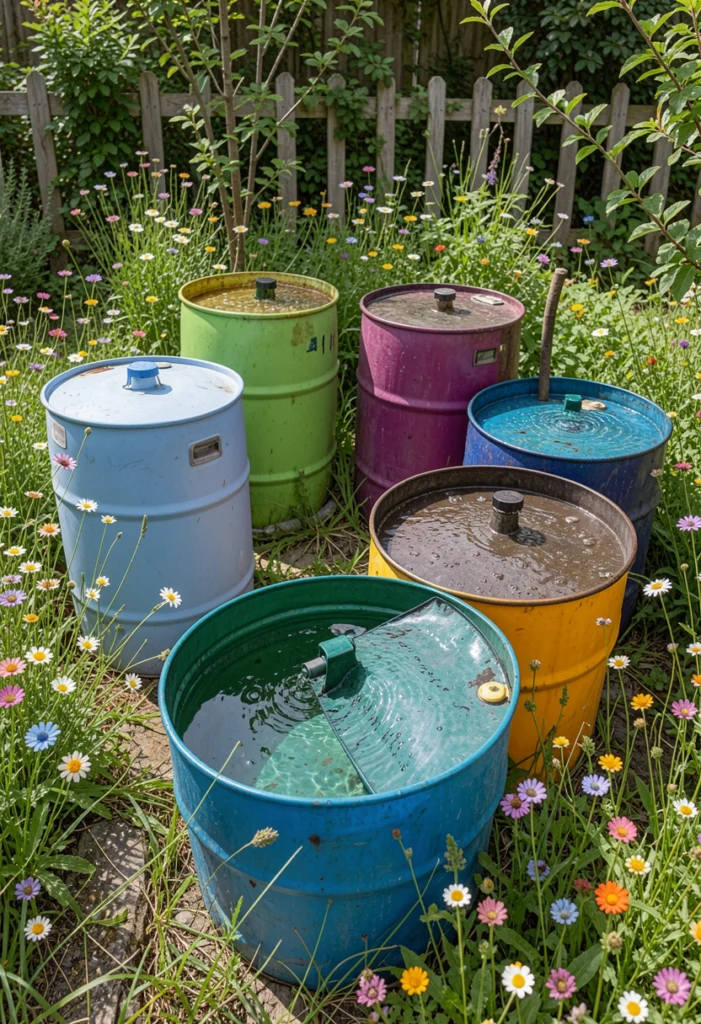
For a budget-friendly option, repurpose containers like buckets or bins to collect rainwater. Place them strategically around your garden to capture runoff.
While simple, this method can still provide valuable water for plants during dry periods. It’s an accessible way to start rainwater harvesting without major investment.
Final Words
Rainwater harvesting is a practical and sustainable way to keep your summer garden thriving while conserving valuable resources. By implementing even a few of these ideas, you can reduce water waste, lower costs, and create a more eco-friendly outdoor space. From simple rain barrels to advanced irrigation systems, each method offers unique benefits that suit different garden sizes and needs.