13 Natural Remedies for Summer Garden Pests (Eco-Friendly Guide)
Summer gardens are vibrant, productive, and full of life but they also attract a wide range of pests that can damage your plants if left unchecked. Instead of relying on harsh chemicals, many gardeners are turning to natural, eco-friendly remedies that protect both plants and the environment. These methods are safer for pollinators, pets, and beneficial insects, while still effectively controlling common garden pests.
This 13 Natural Remedies for Summer Garden Pests (Eco-Friendly Guide) will help you maintain a healthy, thriving garden using simple, sustainable solutions. From homemade sprays to natural deterrents and companion planting, each idea focuses on balancing nature rather than disrupting it. Whether you’re dealing with aphids, mosquitoes, or beetles, these remedies offer practical ways to keep your garden pest-free while preserving its natural ecosystem. With the right approach, you can enjoy a flourishing summer garden that’s both productive and environmentally responsible.
1. Neem Oil Spray for Natural Pest Control
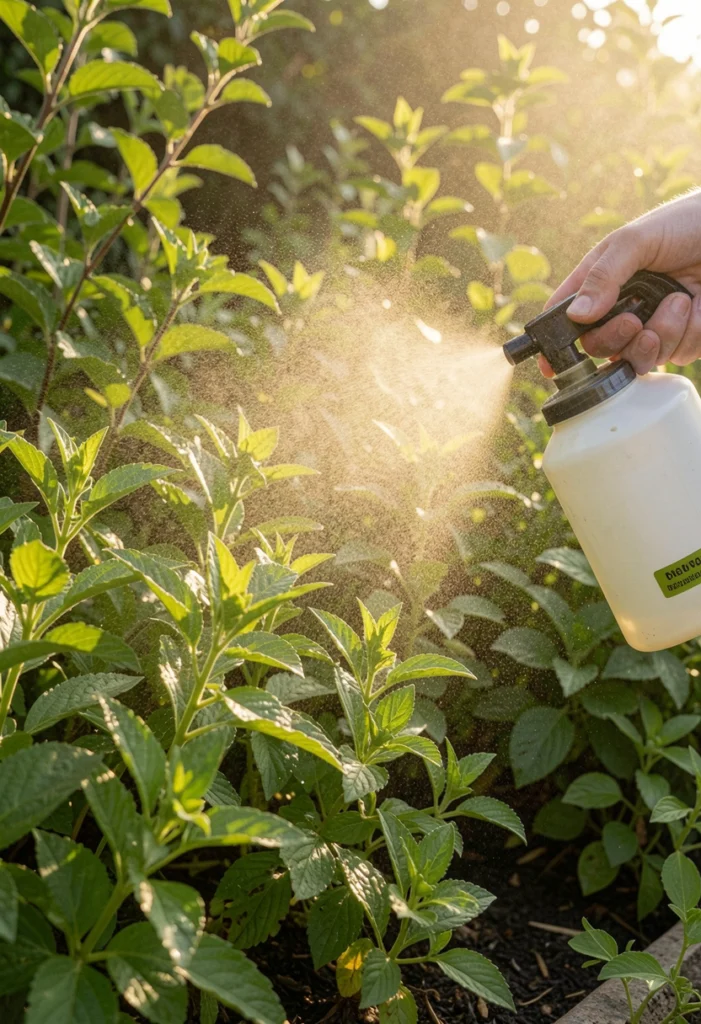
Neem oil is one of the most effective natural pest control solutions available. Derived from the neem tree, it works as both a repellent and a growth inhibitor for many common garden pests such as aphids, whiteflies, and spider mites.
To use neem oil, mix it with water and a mild liquid soap, then spray it directly onto affected plants. The oil disrupts the feeding and reproductive cycles of pests without harming beneficial insects when used correctly.
2. Garlic Spray as a Natural Repellent
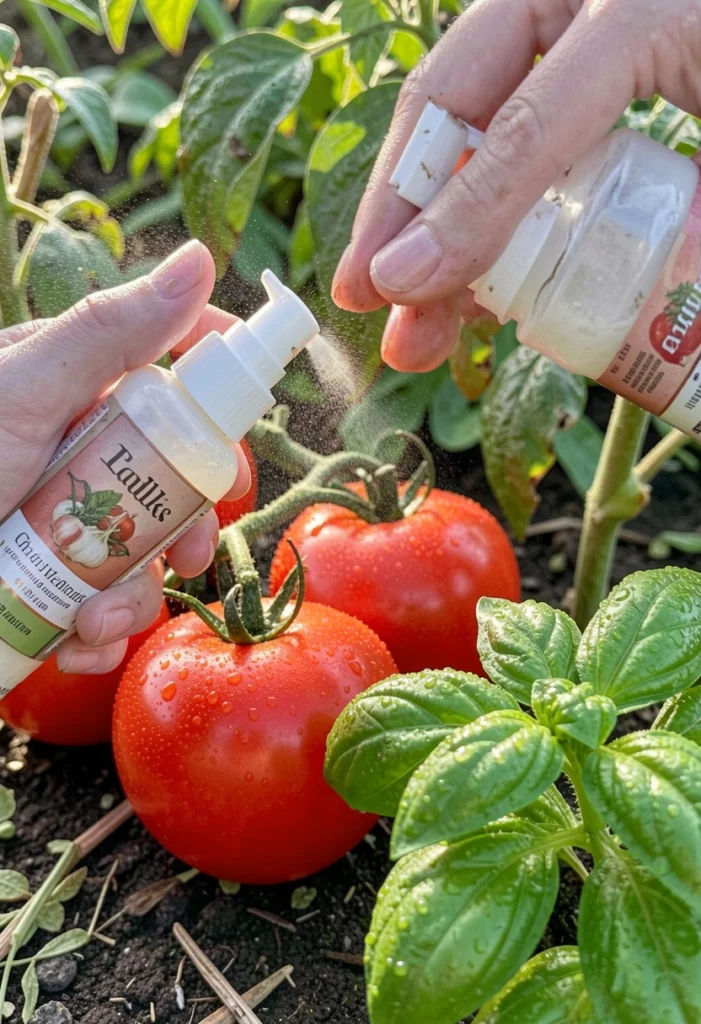
Garlic spray is a powerful natural remedy that repels a wide range of garden pests. Its strong odor deters insects like aphids, caterpillars, and beetles from feeding on your plants.
To make garlic spray, blend garlic cloves with water and strain the mixture before spraying it onto your plants. You can also add a small amount of dish soap to help it stick to leaves. This solution is safe, inexpensive, and easy to prepare at home. It works best when applied regularly, especially after rain.
See Also: 16 Outdoor Rug Ideas That Withstand Summer Weather
3. Companion Planting with Pest-Repelling Plants
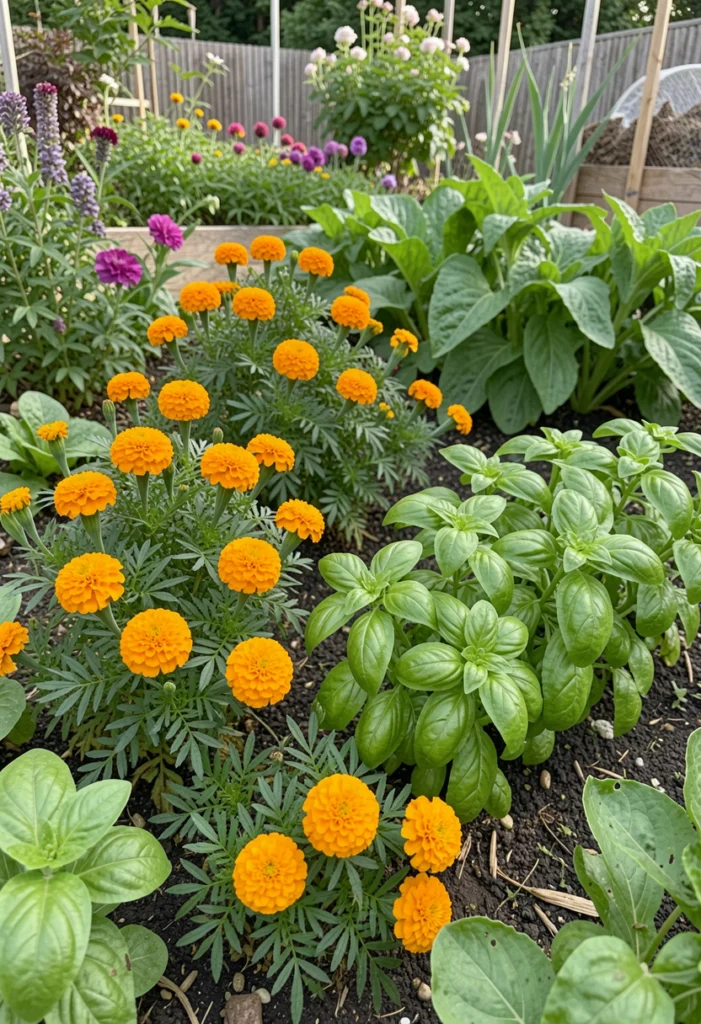
Companion planting is a natural method of pest control that involves growing certain plants together to repel insects. For example, marigolds can deter nematodes and aphids, while basil helps repel mosquitoes and flies.
This method enhances biodiversity and strengthens your garden ecosystem. By strategically placing pest-repelling plants among your crops, you create a natural barrier against unwanted insects.
4. Diatomaceous Earth for Crawling Insects
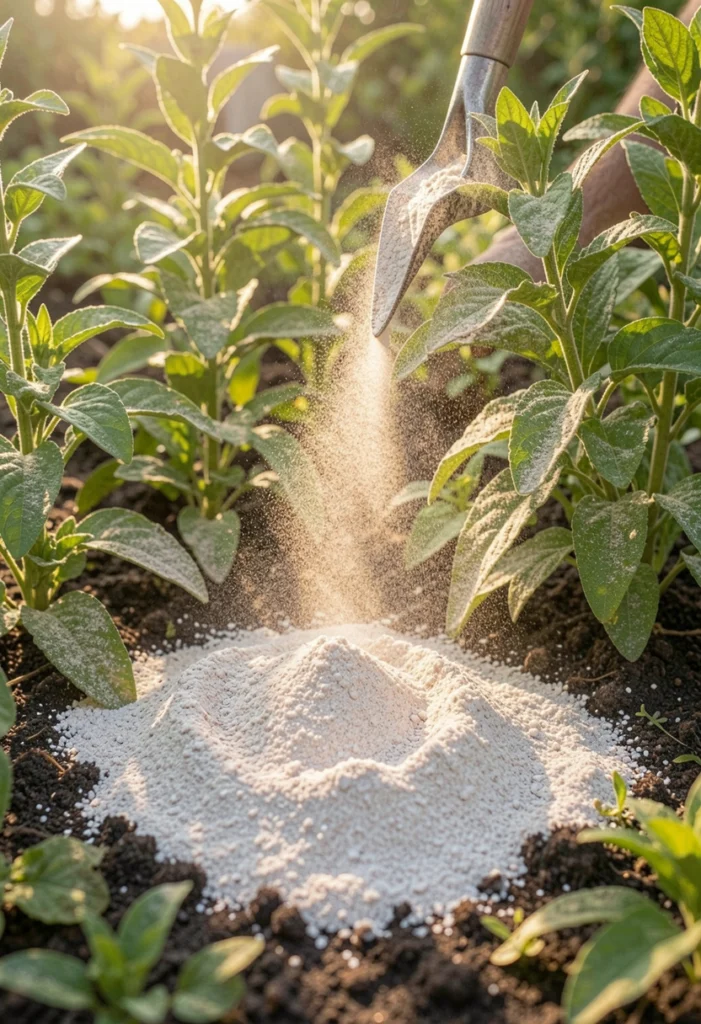
Diatomaceous earth is a natural powder made from fossilized algae. It works by dehydrating insects with exoskeletons, such as ants, beetles, and slugs.
Sprinkle a thin layer around plants or directly onto affected areas. When insects come into contact with it, it damages their outer layer, causing them to dehydrate and die. This method is safe for humans and pets but effective against many common pests.
5. Introducing Beneficial Insects
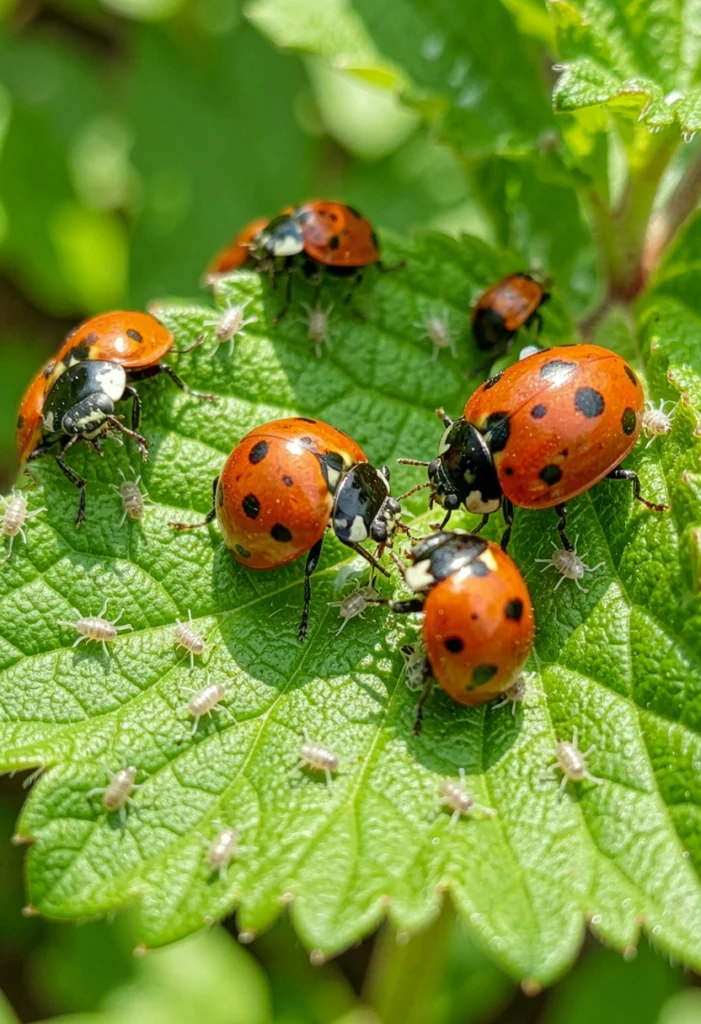
Encouraging beneficial insects like ladybugs and lacewings is a natural way to control pests. These insects feed on harmful pests such as aphids and mites.
You can attract them by planting flowers like dill, fennel, and yarrow. Avoid using chemical pesticides, as they can harm beneficial insects. This method helps maintain a balanced ecosystem in your garden.
6. Homemade Soap Spray
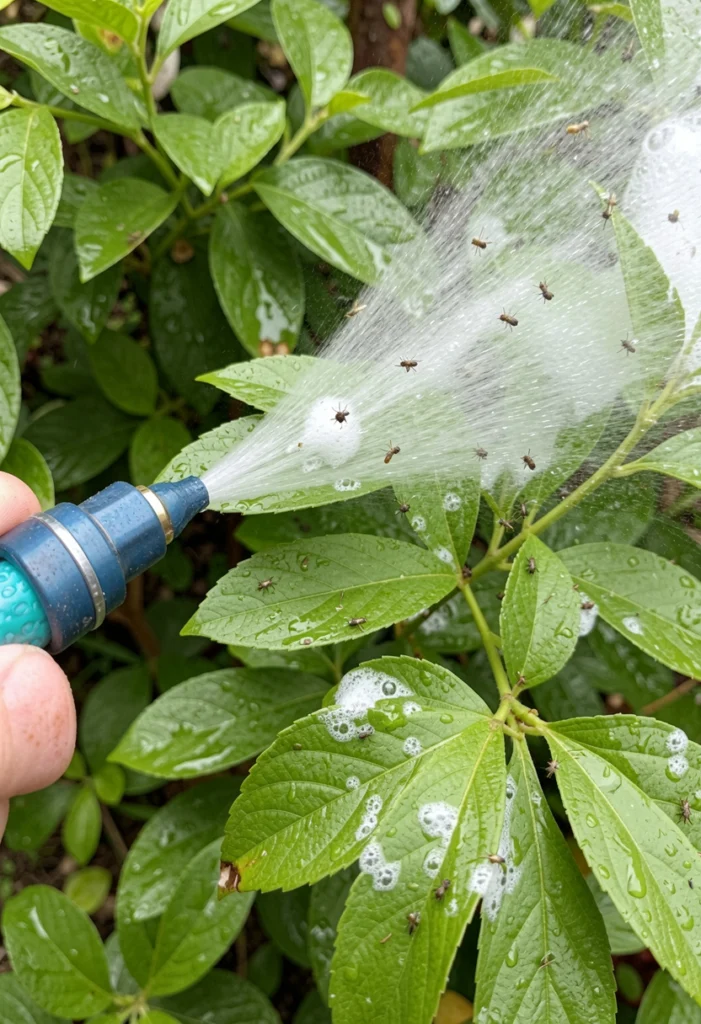
Soap spray is an easy and effective solution for soft-bodied insects. Mix mild liquid soap with water and spray it directly onto pests.
The soap breaks down the insect’s outer layer, causing them to dehydrate. It’s safe when used properly and does not harm plants. Avoid using harsh detergents, as they can damage your plants.
7. Vinegar Spray for Ant Control
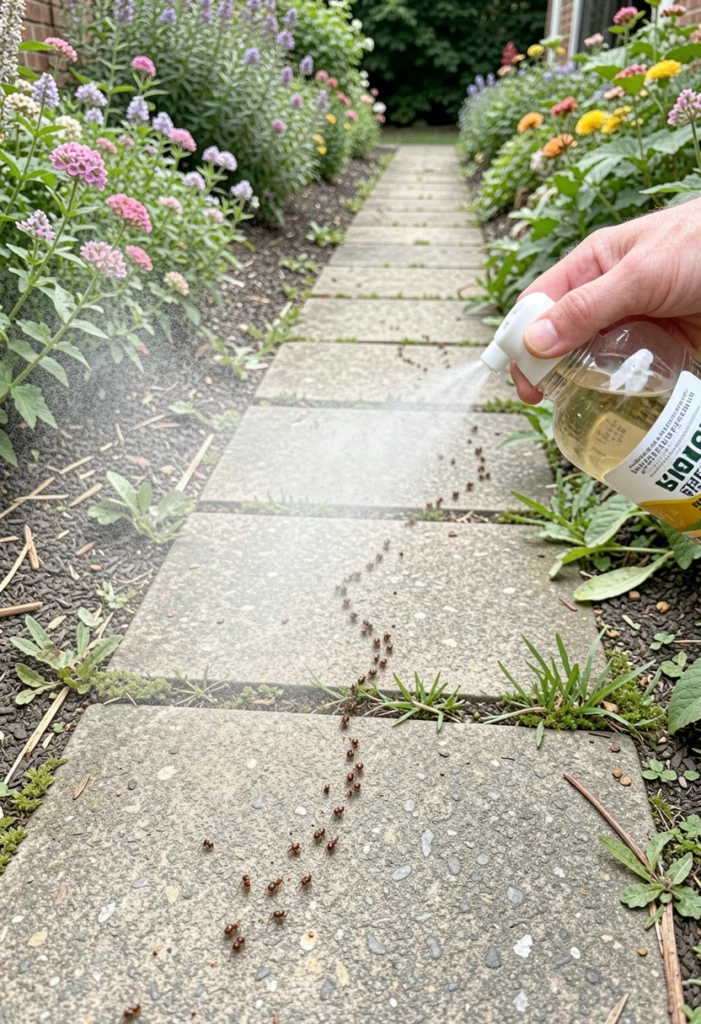
Vinegar is a strong natural repellent, especially effective against ants. Mix vinegar with water and spray it around entry points or affected areas.
Its strong smell disrupts ant trails and prevents them from returning. However, use it carefully to avoid damaging plants.
8. Neem Cake for Soil Protection
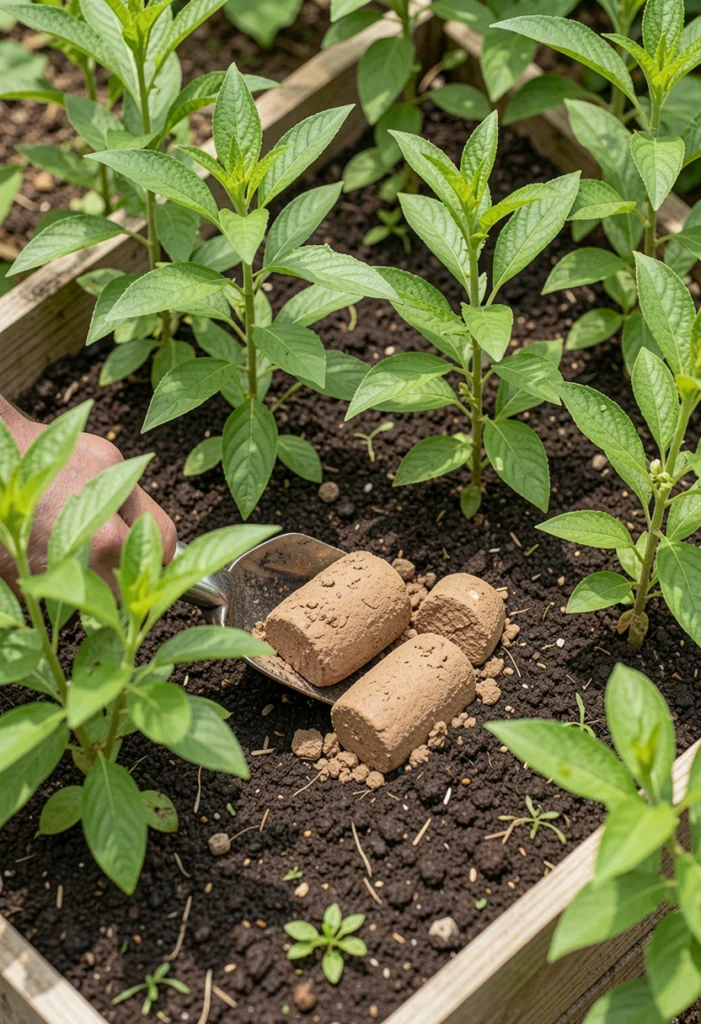
Neem cake is a byproduct of neem oil extraction and is used to enrich soil while repelling pests.
It helps protect roots from soil-borne insects and improves soil fertility. Mix it into your soil before planting for long-term pest control benefits.
9. Essential Oils as Natural Repellents
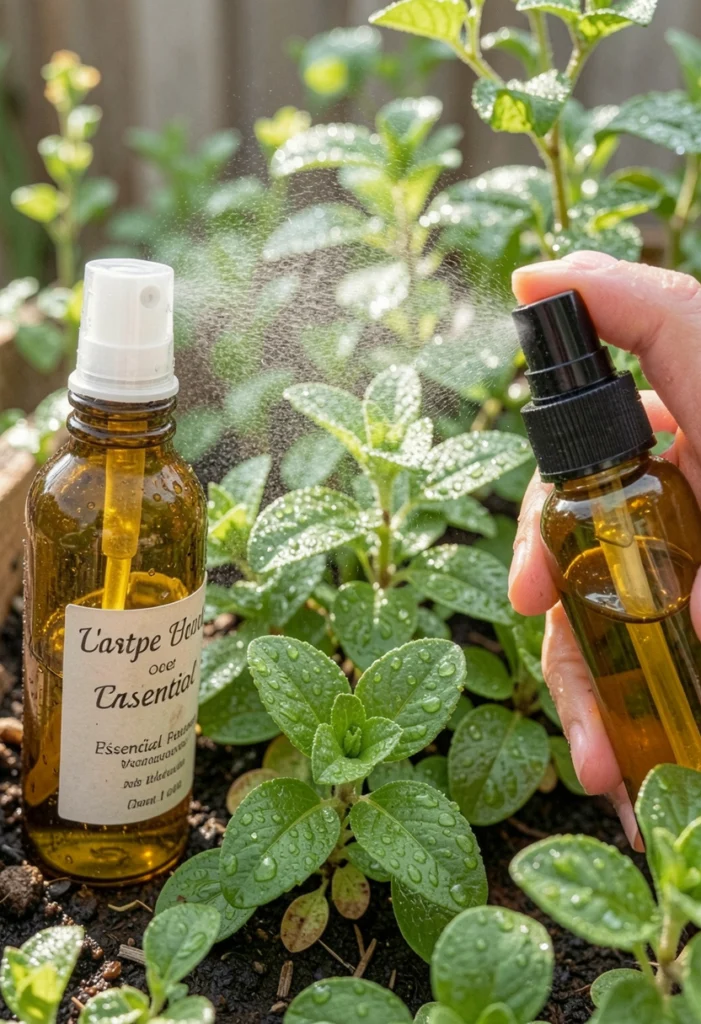
Essential oils like peppermint, eucalyptus, and lavender can repel insects naturally. Mix a few drops with water and spray onto plants.
These oils disrupt pest behavior and keep your garden fresh and fragrant. Use them in moderation to avoid harming plants.
10. Beer Trap for Slugs and Snails
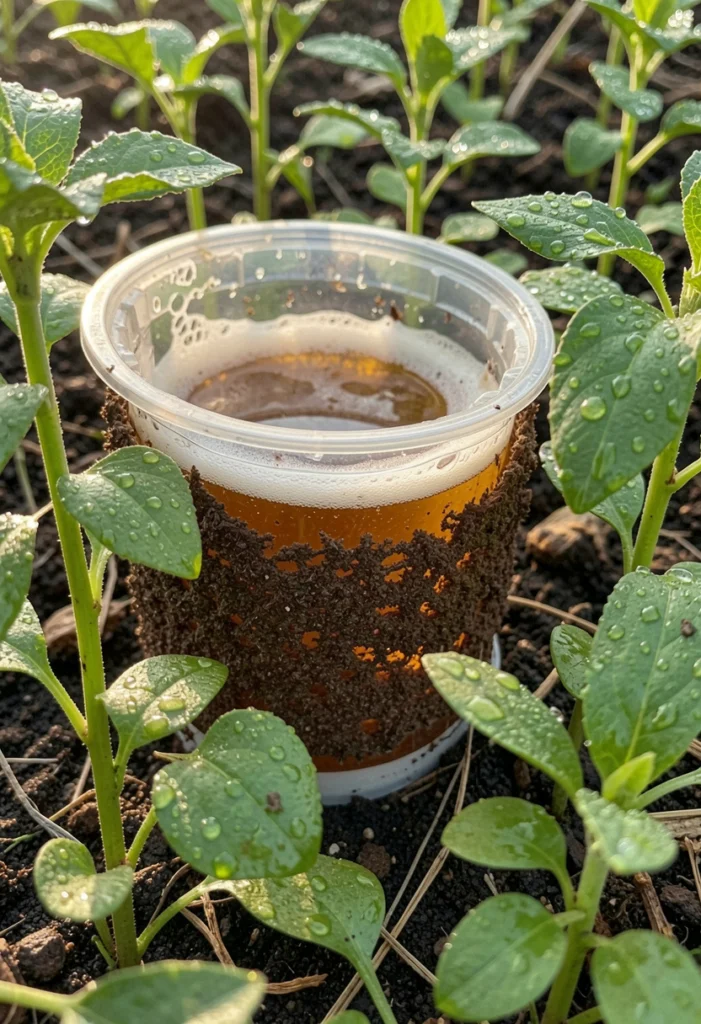
Slugs and snails can be controlled using beer traps. Fill a shallow container with beer and place it in the garden.
The scent attracts pests, causing them to fall in and drown. This is a simple and effective solution for slug control.
11. Companion Herbs for Pest Control
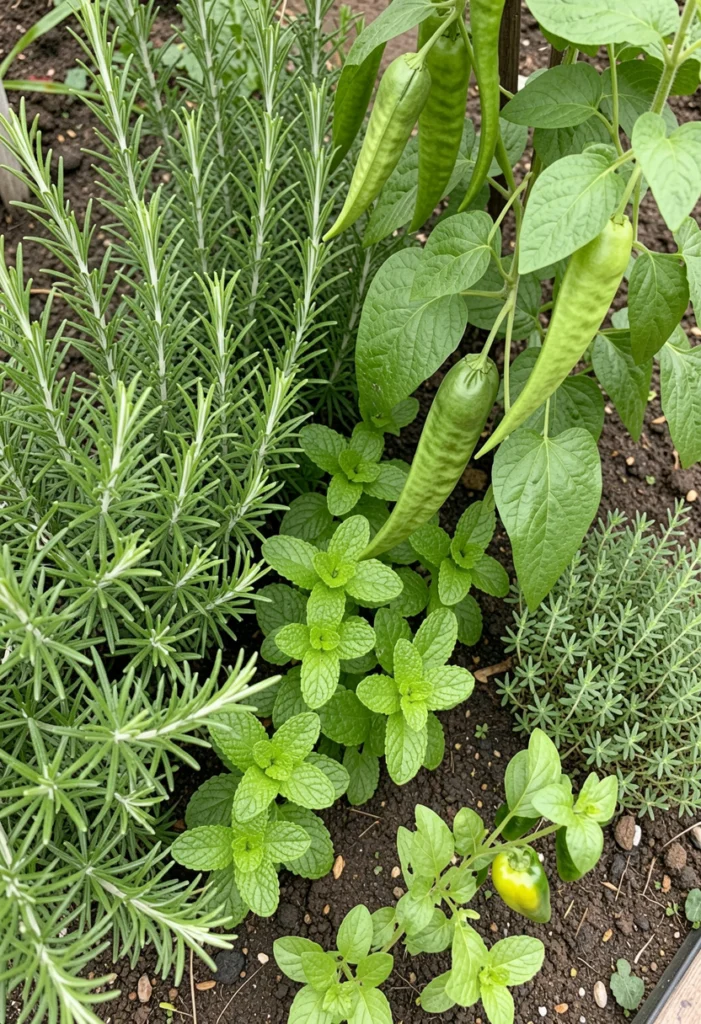
Herbs like rosemary, mint, and thyme naturally repel many insects. Plant them around your vegetables for protection.
They also enhance the flavor of nearby plants. This method combines functionality with aesthetics.
12. Sticky Traps for Flying Insects
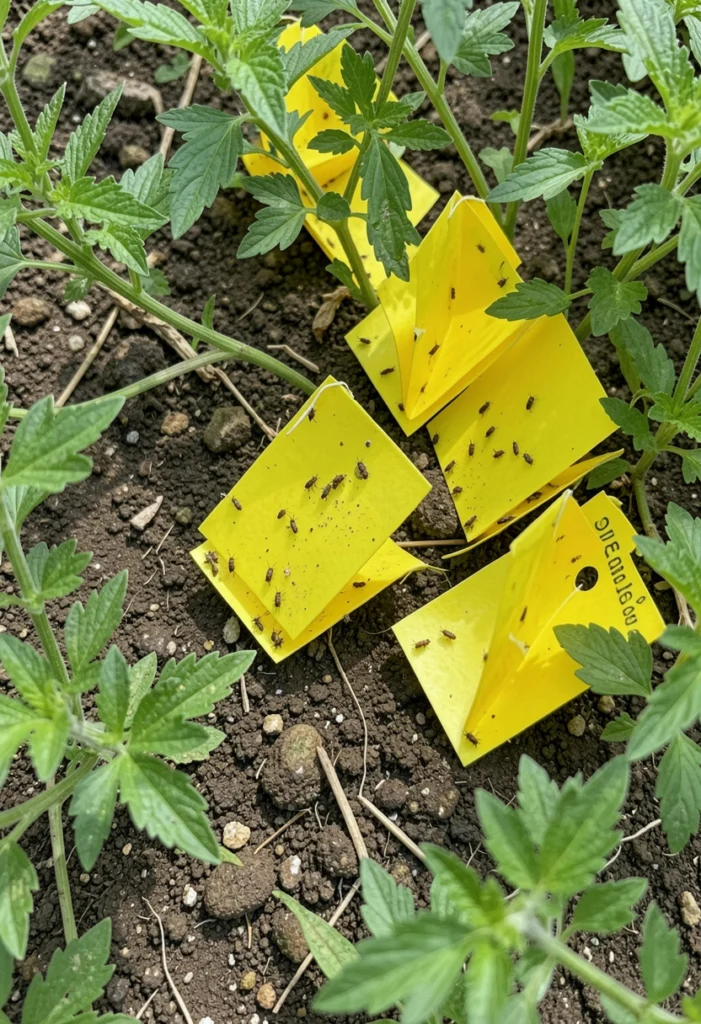
Sticky traps are an effective way to capture flying pests like whiteflies and aphids. These traps use bright colors to attract insects.
Place them near affected plants to monitor and control infestations. They are non-toxic and safe for your garden.
13. Handpicking Pests Manually

Handpicking pests is a simple but effective method for small infestations. Regularly inspect your plants and remove visible insects.
This method is completely natural and ensures immediate control. It works best when combined with other pest control methods.
Final Words
Natural pest control methods offer a safe, sustainable way to protect your summer garden without harming the environment. By using these eco-friendly remedies, you can maintain a healthy balance between plants and beneficial insects while keeping harmful pests under control.