14 Air Quality Improvement Tips for a Healthier Summer Home

During the summer months, we often focus on staying cool but indoor air quality is just as important for maintaining a healthy home. Heat, humidity, dust, and allergens can build up quickly, affecting comfort and overall well-being. Poor air quality can lead to issues like allergies, fatigue, and difficulty sleeping, making it essential to keep your indoor environment fresh and clean. Fortunately, improving air quality doesn’t always require expensive systems or complicated upgrades.
Simple changes like better ventilation, natural cleaning methods, and adding greenery can make a noticeable difference. Summer is the perfect time to refresh your home by reducing pollutants and allowing clean air to circulate freely. Whether you live in a small apartment or a large house, these practical air quality improvement tips will help you create a healthier, more breathable living space. With the right approach, your home can feel cooler, fresher, and more comfortable all season long.
1. Improve Natural Ventilation

One of the easiest ways to improve indoor air quality during summer is by increasing natural ventilation. Opening windows and doors allows fresh outdoor air to circulate throughout your home, helping to remove stale air, odors, and indoor pollutants.
Cross-ventilation is especially effectivities involves opening windows on opposite sides of a room or home to create a natural airflow. Early mornings and evenings are the best times to ventilate, as the outdoor air is cooler and fresher.
2. Add Indoor Air-Purifying Plants
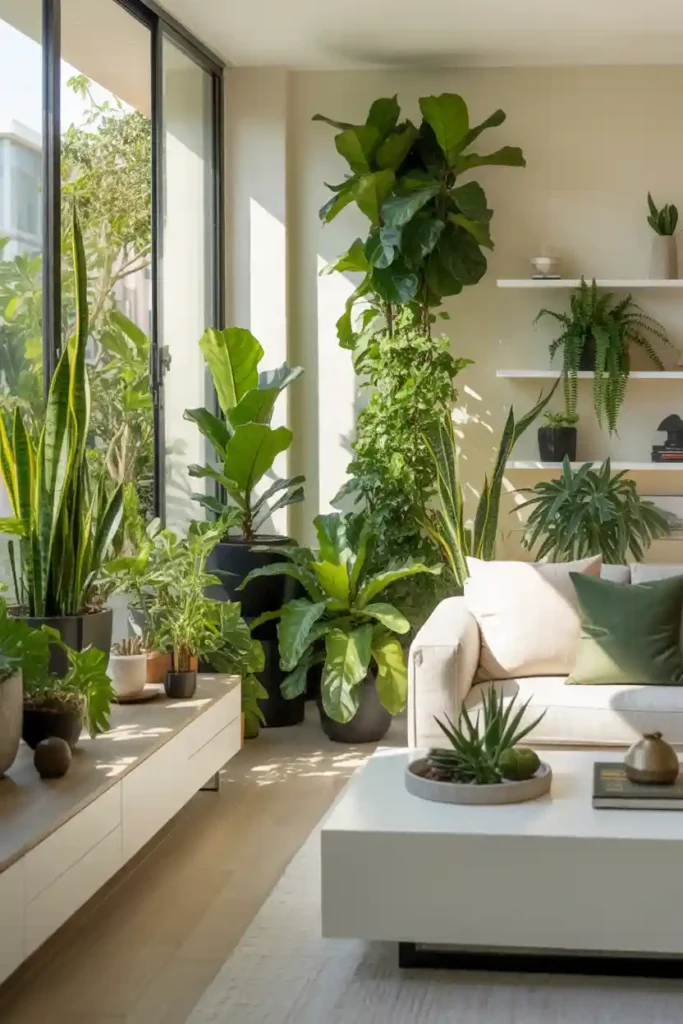
Indoor plants are a natural and beautiful way to improve air quality. Certain plants help filter toxins and increase oxygen levels, creating a fresher indoor environment.
Popular air-purifying plants include snake plants, spider plants, peace lilies, and aloe vera. These plants are easy to care for and thrive indoors with minimal maintenance. Placing plants in living rooms, bedrooms, and near windows can enhance both air quality and decor. They also add humidity to the air, which can be beneficial in dry indoor environments.
See Also: 12 Outdoor Kitchen Ideas – The Ultimate Summer Upgrade
3. Use an Air Purifier
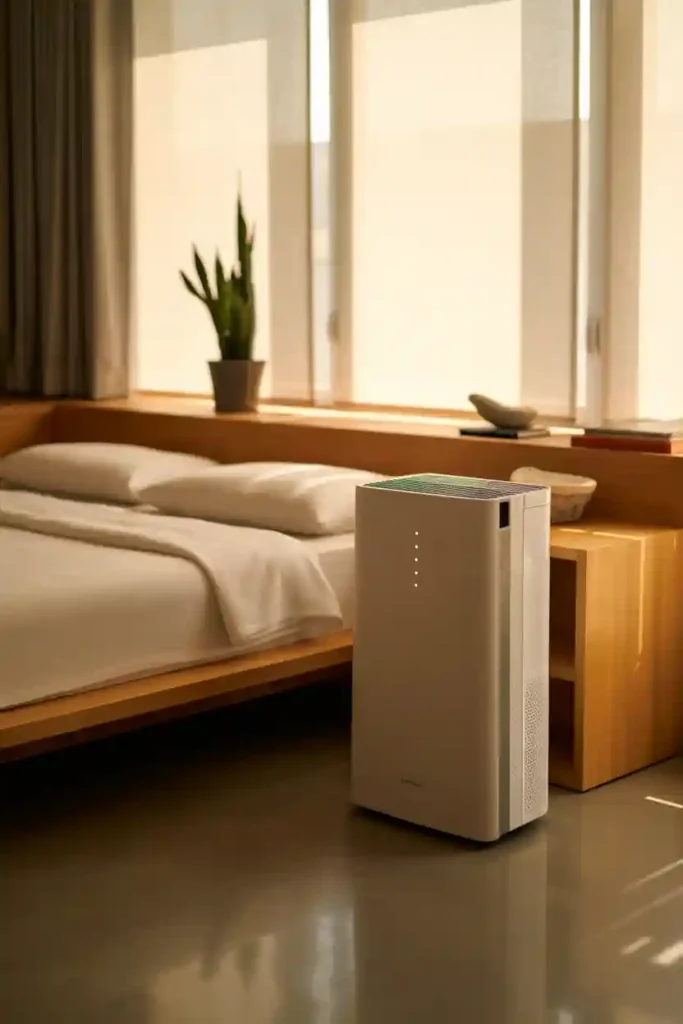
Air purifiers are highly effective for removing dust, allergens, pet dander, and pollutants from indoor air. High-efficiency particulate air (HEPA) filters can capture even tiny particles that are difficult to remove through regular cleaning.
Using an air purifier is especially helpful for people with allergies or respiratory issues. It can improve sleep quality by keeping bedroom air clean and fresh. Place air purifiers in frequently used areas such as bedrooms or living rooms for the best results. Regular maintenance, including filter replacement, ensures optimal performance.
4. Keep Humidity Levels Balanced
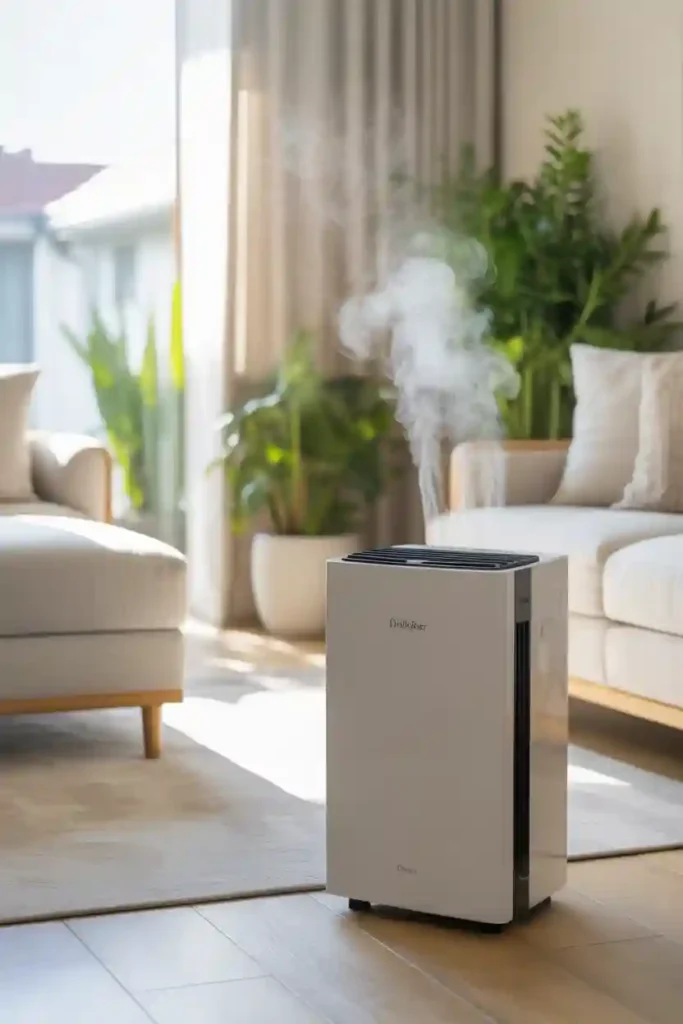
High humidity during summer can lead to mold growth, musty odors, and discomfort. Keeping indoor humidity levels balanced is essential for maintaining healthy air quality.
Dehumidifiers help remove excess moisture from the air, especially in areas like basements, bathrooms, and kitchens. Ideally, indoor humidity should be kept between 30% and 50%. Using exhaust fans in kitchens and bathrooms also helps reduce moisture buildup. Fixing leaks and ensuring proper drainage further prevents humidity problems.
5. Clean Air Vents and Filters
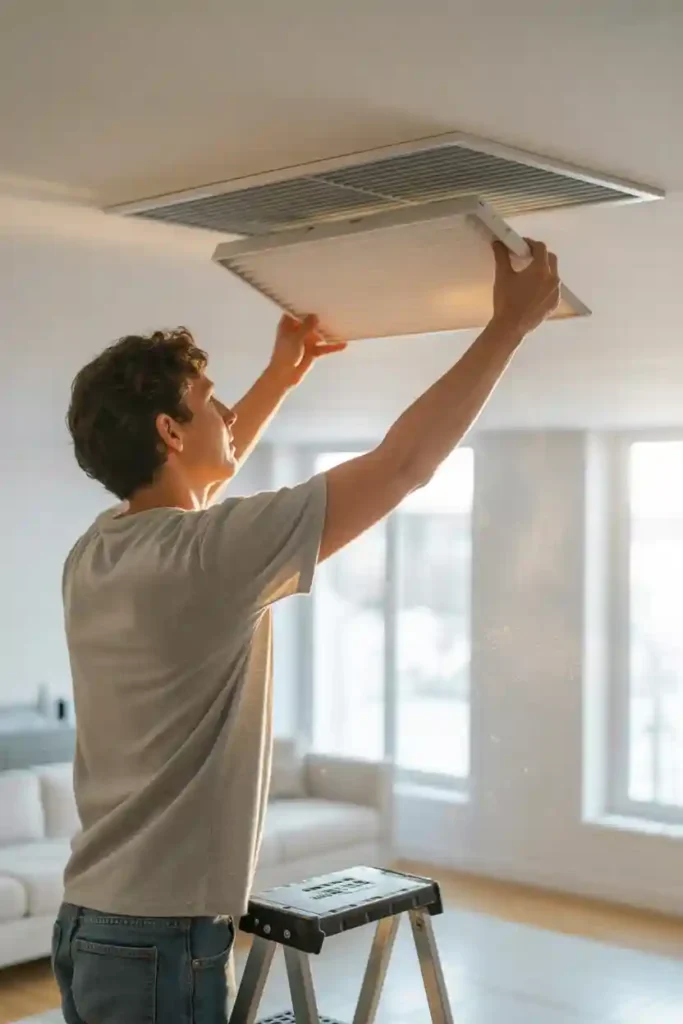
Dust and debris can accumulate in air vents and filters, reducing airflow and spreading pollutants throughout your home. Regular cleaning helps maintain efficient air circulation and improves air quality.
HVAC filters should be checked monthly and replaced as needed during heavy use in summer. Cleaning vents and ducts also prevents dust from being recirculated. This simple maintenance task can significantly improve the effectiveness of your cooling system while ensuring cleaner air.
6. Switch to Natural Cleaning Products
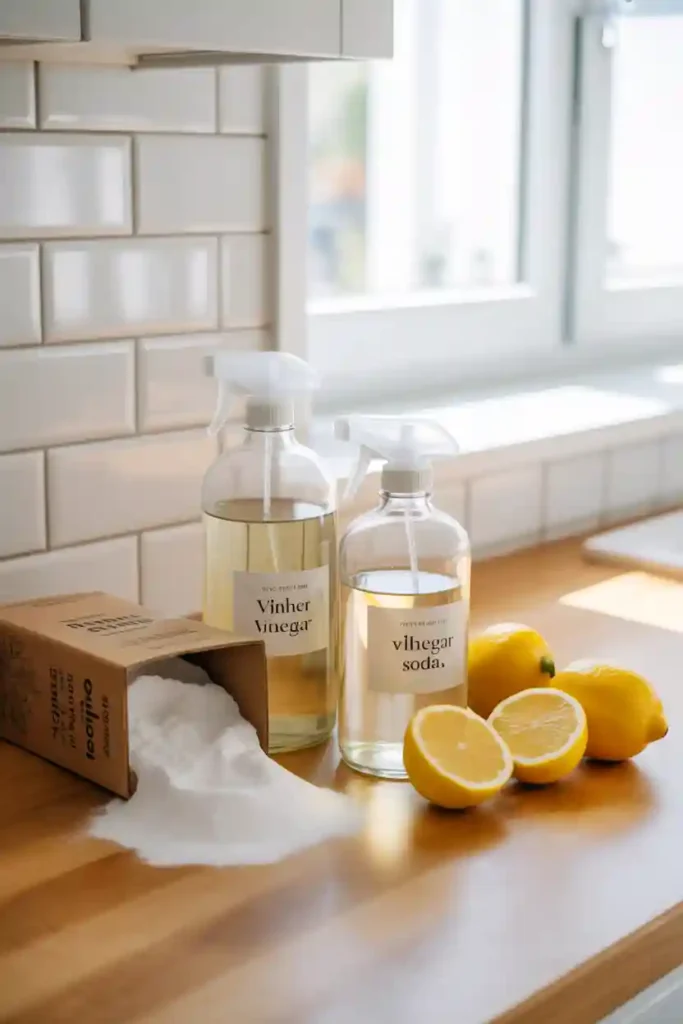
Many conventional cleaning products contain chemicals that release harmful fumes into the air. Switching to natural or eco-friendly cleaning solutions can reduce indoor pollution.
Ingredients like vinegar, baking soda, and lemon are effective alternatives for cleaning surfaces without introducing toxins. Using natural products keeps indoor air fresher and safer for both family members and pets. This change is simple yet impactful for improving overall air quality.
7. Vacuum and Dust Regularly

Dust, pet hair, and allergens can quickly accumulate indoors, especially during summer when windows are open. Regular cleaning helps keep these particles under control.
Using a vacuum cleaner with a HEPA filter is particularly effective at capturing fine dust and allergens. Dusting surfaces with a damp cloth prevents particles from becoming airborne. Frequent cleaning reduces allergy triggers and improves overall indoor air quality.
8. Avoid Synthetic Air Fresheners
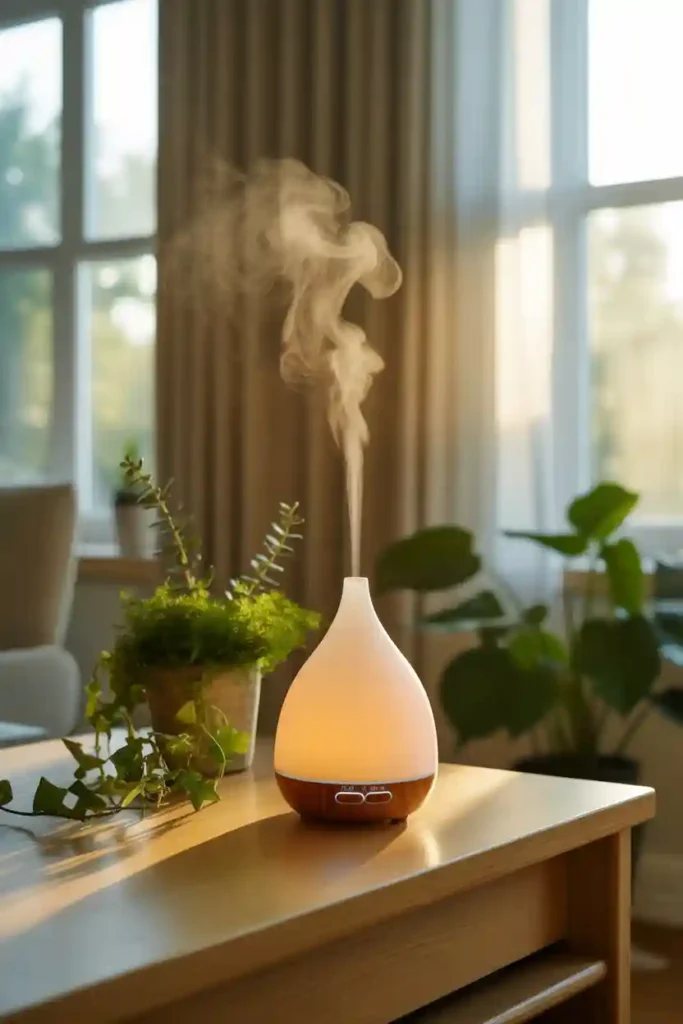
Many air fresheners contain artificial fragrances that release volatile organic compounds (VOCs) into the air. These chemicals can negatively affect air quality.
Instead, opt for natural alternatives such as essential oil diffusers, fresh flowers, or simmering herbs and citrus on the stove. Natural scents provide a refreshing aroma without introducing harmful chemicals. This small change can make a big difference in maintaining clean indoor air.
9. Keep Windows Clean
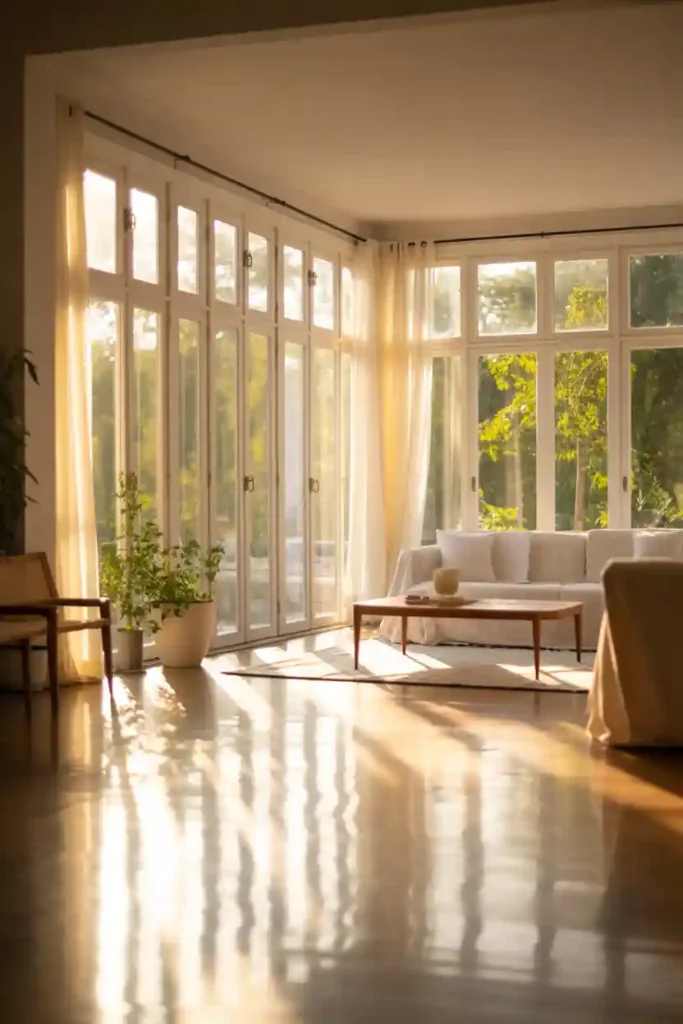
Clean windows allow more natural light to enter and improve the overall freshness of your home. Dirt and grime on windows can also trap pollutants.
Regularly cleaning both the inside and outside of windows ensures better airflow and a brighter living space. Clean windows enhance ventilation and contribute to a healthier indoor environment.
10. Add Houseplants in Bedrooms
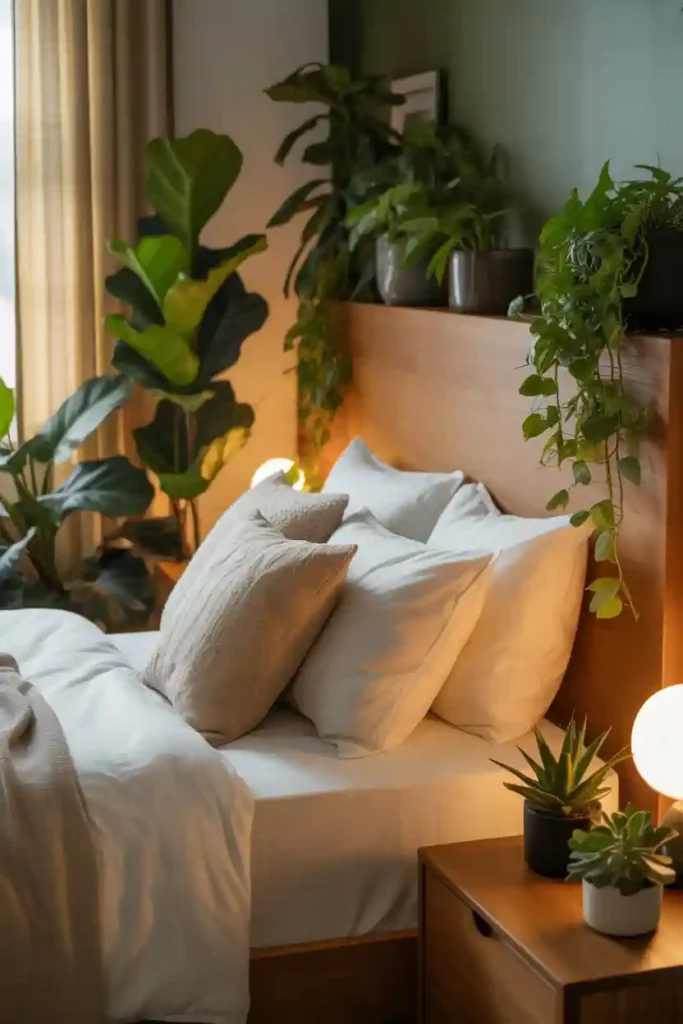
Placing plants in bedrooms can improve nighttime air quality and create a calming sleep environment. Some plants release oxygen even at night, helping maintain fresher air.
Snake plants and aloe vera are popular choices for bedrooms due to their low maintenance and air-purifying qualities. Combining greenery with minimal decor creates a peaceful atmosphere that promotes relaxation and better sleep.
11. Use Exhaust Fans in Key Areas
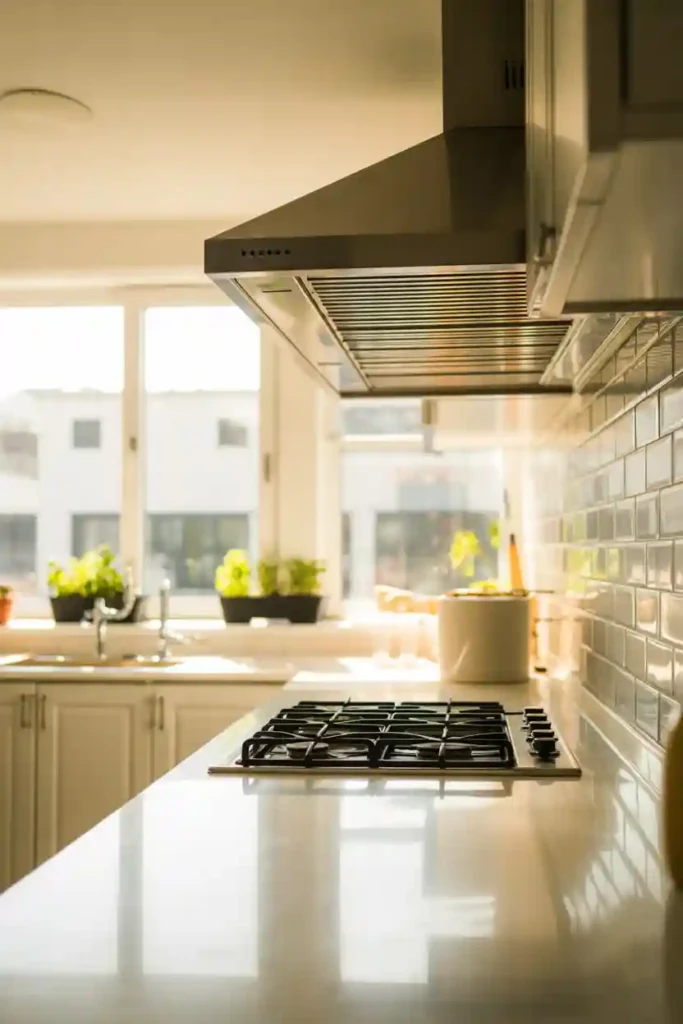
Kitchens and bathrooms are common sources of moisture and odors. Using exhaust fans helps remove pollutants and maintain fresh air.
Turning on fans while cooking or showering prevents humidity buildup and reduces the risk of mold. Proper ventilation in these areas improves overall indoor air quality.
12. Keep Shoes Outside

Shoes can bring dirt, bacteria, and pollutants into your home. Creating a no-shoes policy helps keep indoor spaces cleaner.
Using a shoe rack or designated entry area makes it easier to maintain this habit. Reducing outdoor contaminants improves air quality and cleanliness.
13. Use Natural Fiber Furnishings

Furniture and decor made from synthetic materials can release chemicals into the air. Choosing natural fibers like cotton, wool, and linen helps reduce indoor pollutants.
These materials are also breathable and contribute to a cooler, more comfortable home. Natural furnishings enhance both air quality and aesthetic appeal.
14. Keep Indoor Pets Clean

Pets can contribute to indoor allergens through shedding and dander. Regular grooming helps reduce these particles.
Bathing pets and cleaning their bedding improves indoor cleanliness and air quality. Maintaining pet hygiene benefits both your home and your health.
Conclusion
Improving your indoor environment with these 14 Air Quality Improvement Tips for a Healthier Summer Home can make a noticeable difference in your comfort and overall well-being. During summer, heat and humidity can trap pollutants inside, but simple changes like better ventilation, regular cleaning, and using natural materials can help keep your air fresh and breathable.