21 Pollinator Garden Ideas to Support Bees & Butterflies
Creating a pollinator-friendly garden is one of the most rewarding ways to support nature while enhancing the beauty of your outdoor space. Bees, butterflies, and other pollinators play a crucial role in plant reproduction, helping flowers bloom and crops thrive. However, habitat loss and environmental changes have made it harder for these essential creatures to survive.
By designing a garden that provides food, shelter, and safe spaces, you can make a meaningful difference right in your backyard. The best part is that pollinator gardens are not only beneficial but also vibrant, colorful, and full of life. From nectar-rich flowers and native plants to water sources and natural habitats, small additions can attract a wide variety of pollinators. In this guide, you’ll discover 21 pollinator garden ideas to support bees & butterflies, helping you create a lively, eco-friendly garden that buzzes with activity all summer long.
1. Plant Nectar-Rich Flowers
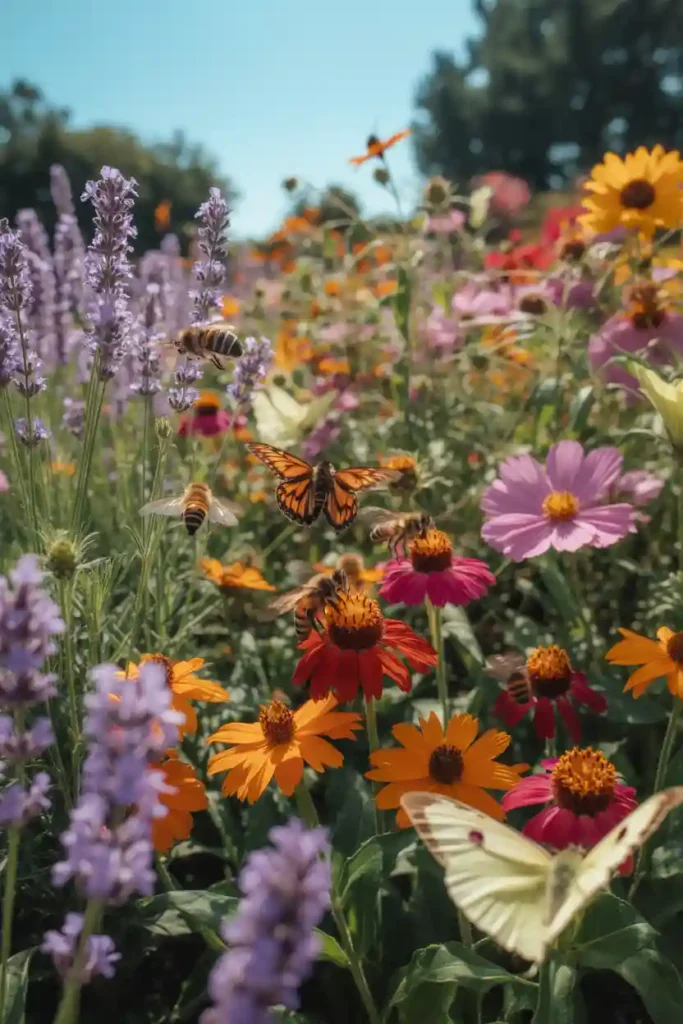
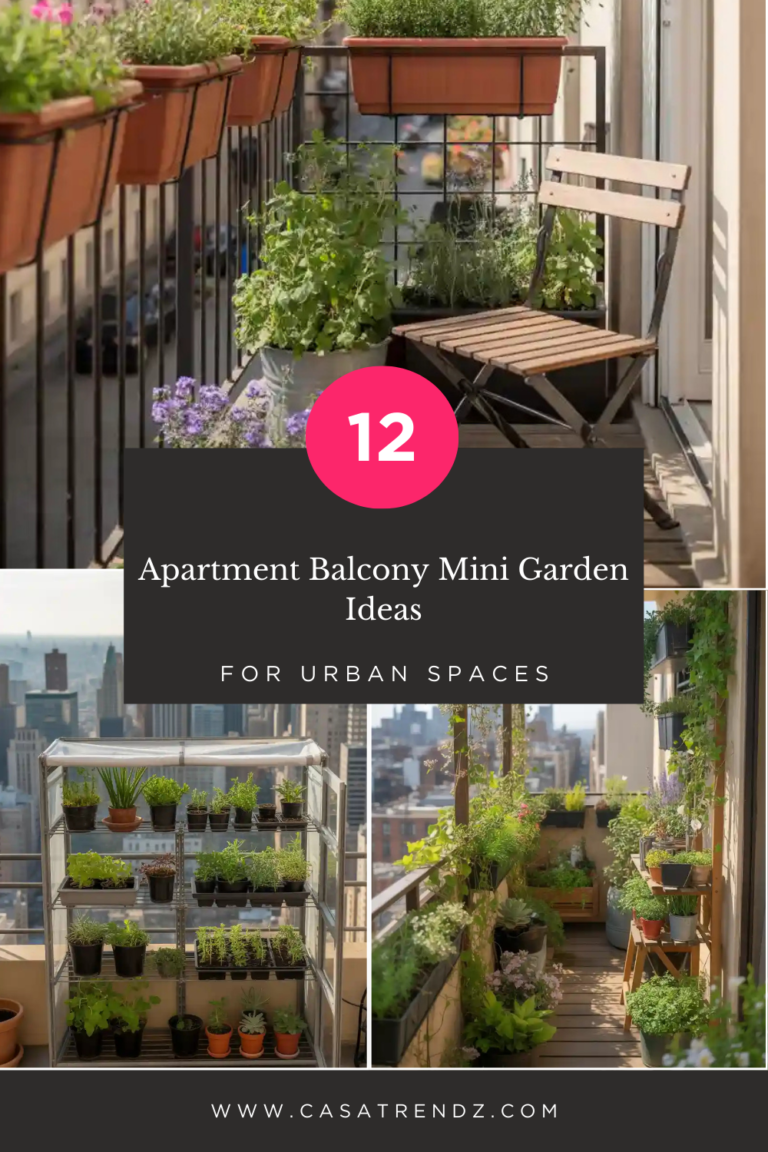
One of the most effective ways to attract pollinators is by planting nectar-rich flowers. Bees and butterflies rely on nectar as a primary food source, and having a variety of blooms ensures they visit your garden regularly.
Choose flowers like lavender, coneflowers, zinnias, and sunflowers. These plants are known for their high nectar content and bright colors, which naturally attract pollinators. Planting them in clusters rather than scattering them helps pollinators easily locate food sources.
2. Choose Native Plants
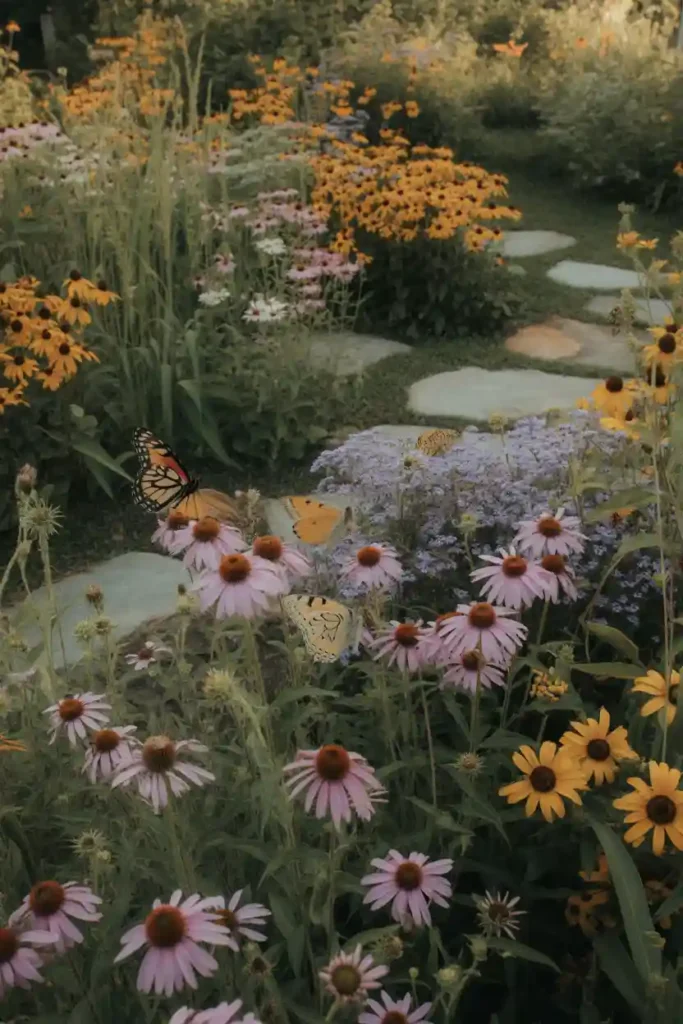
Native plants are perfectly adapted to your local climate and soil, making them ideal for supporting local pollinators. Bees and butterflies are naturally drawn to these plants because they have evolved together over time.
Native plants require less maintenance, water, and fertilizers, making them eco-friendly and cost-effective. They also provide better nutrition for pollinators compared to non-native species. Research plants that are native to your region and incorporate them into your garden design. Mixing native flowers with other plants creates a balanced and diverse environment.
3. Create a Continuous Bloom Cycle
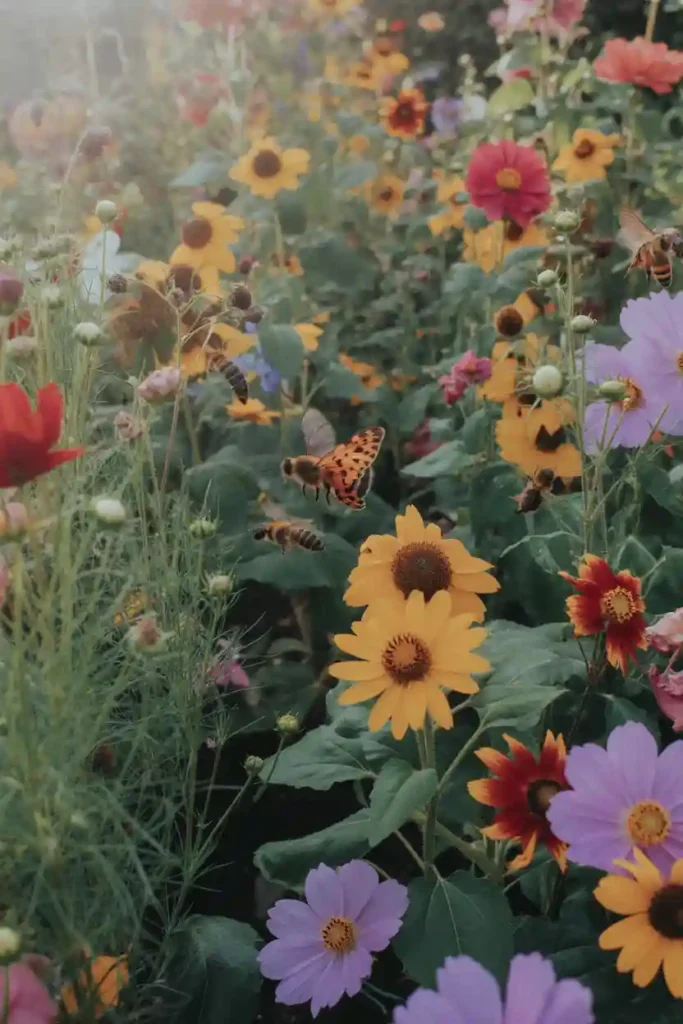
A successful pollinator garden offers food throughout the growing season. By planting a variety of flowers that bloom at different times, you ensure pollinators always have access to nectar.
Start with early bloomers, add mid-season flowers, and finish with late bloomers. This layered approach keeps your garden active and attractive for months. A continuous bloom cycle supports pollinators’ life cycles and encourages them to return regularly.
See Also: 16 DIY Soundproofing Tips to Keep Your Home Cool & Quiet
4. Provide a Water Source
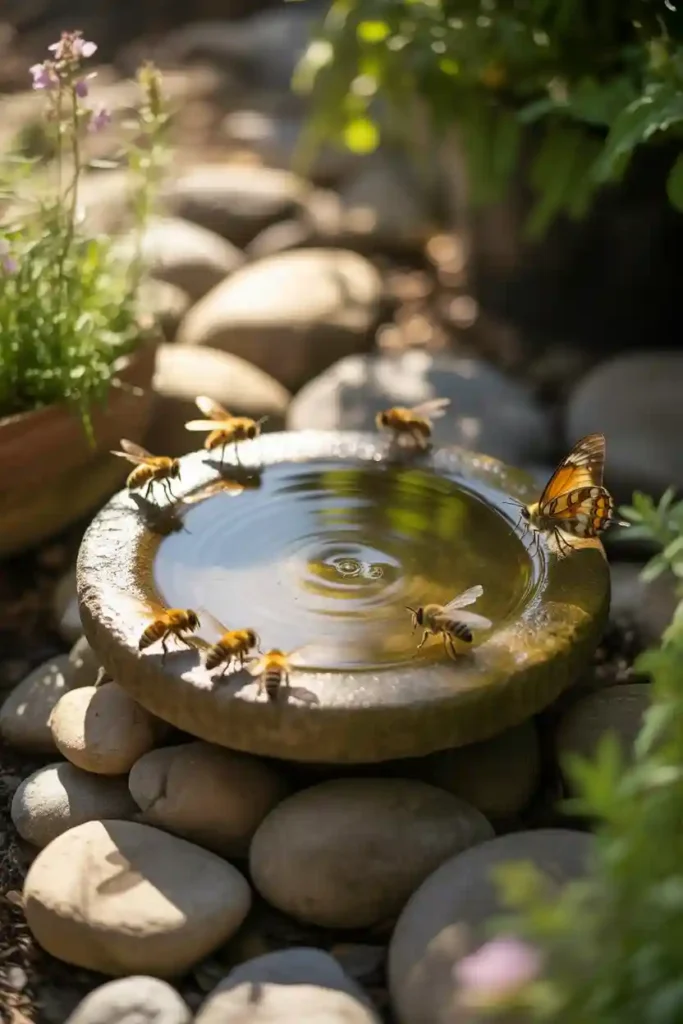
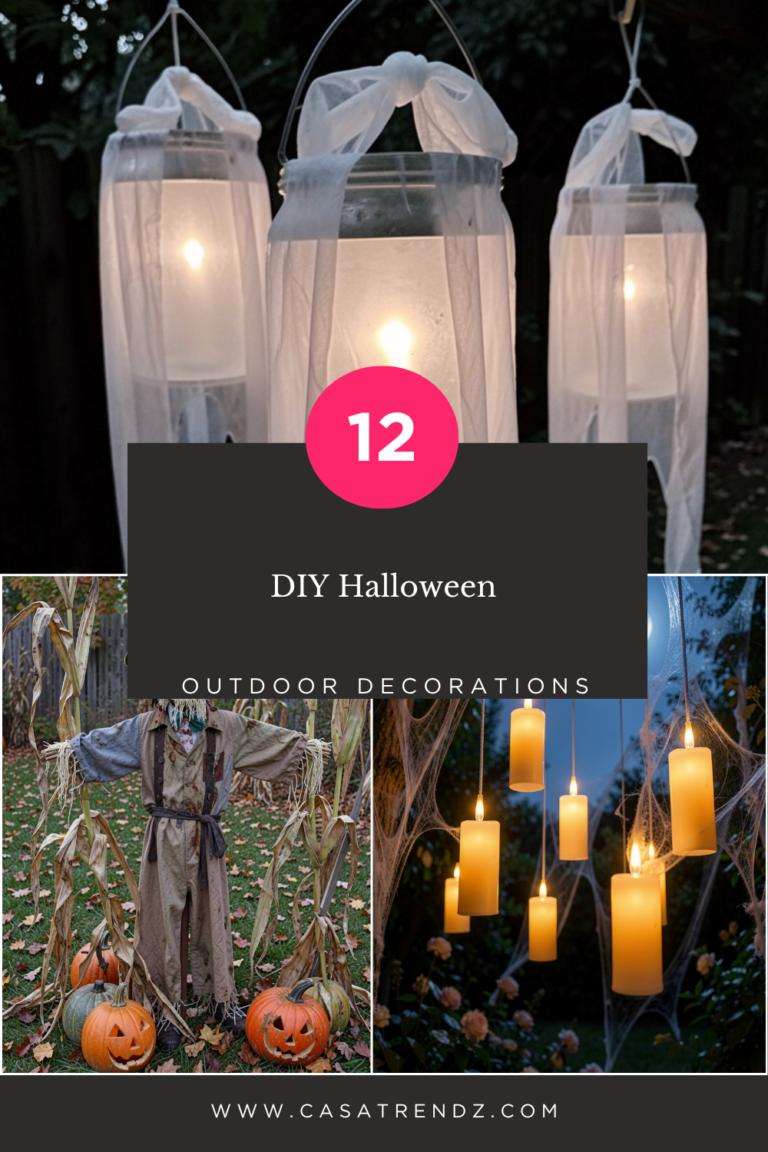
Pollinators need water just like any other living creature. Adding a shallow water source can make your garden even more inviting.
Use a birdbath, shallow dish, or small fountain with stones or pebbles for safe landing spots. This prevents insects from drowning while they drink. Keep the water clean and refill it regularly, especially during hot summer days.
5. Avoid Chemical Pesticides
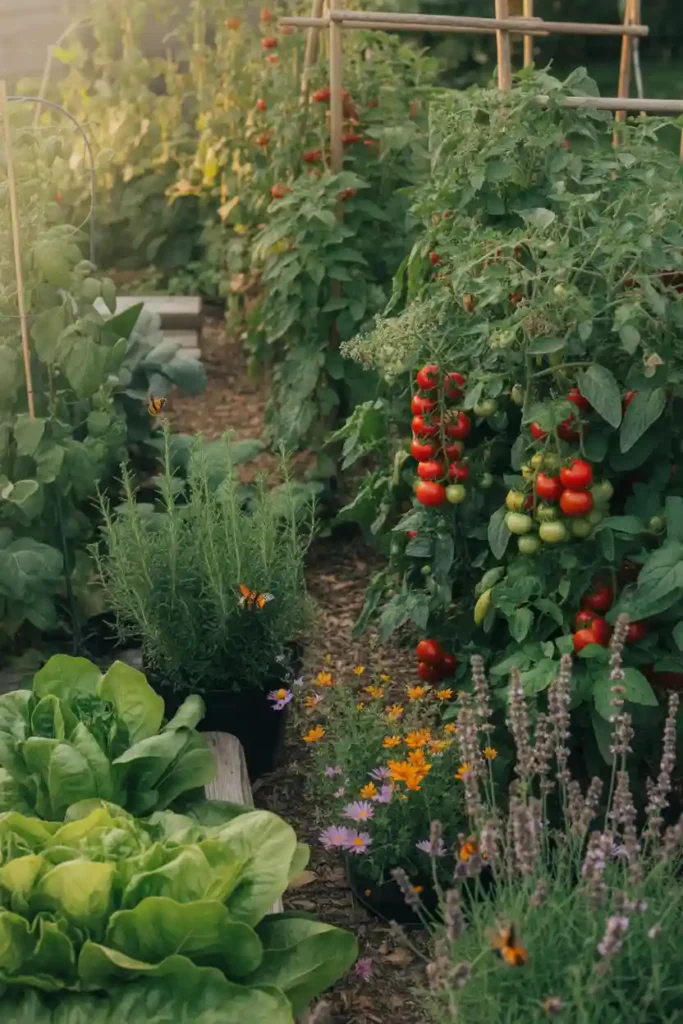
Chemical pesticides can harm or even kill pollinators. To create a safe environment, avoid using harmful chemicals in your garden.
Instead, opt for natural pest control methods like companion planting or introducing beneficial insects. Maintaining a chemical-free garden ensures pollinators can thrive without risk. This approach supports a healthier and more balanced ecosystem.
6. Plant in Clusters
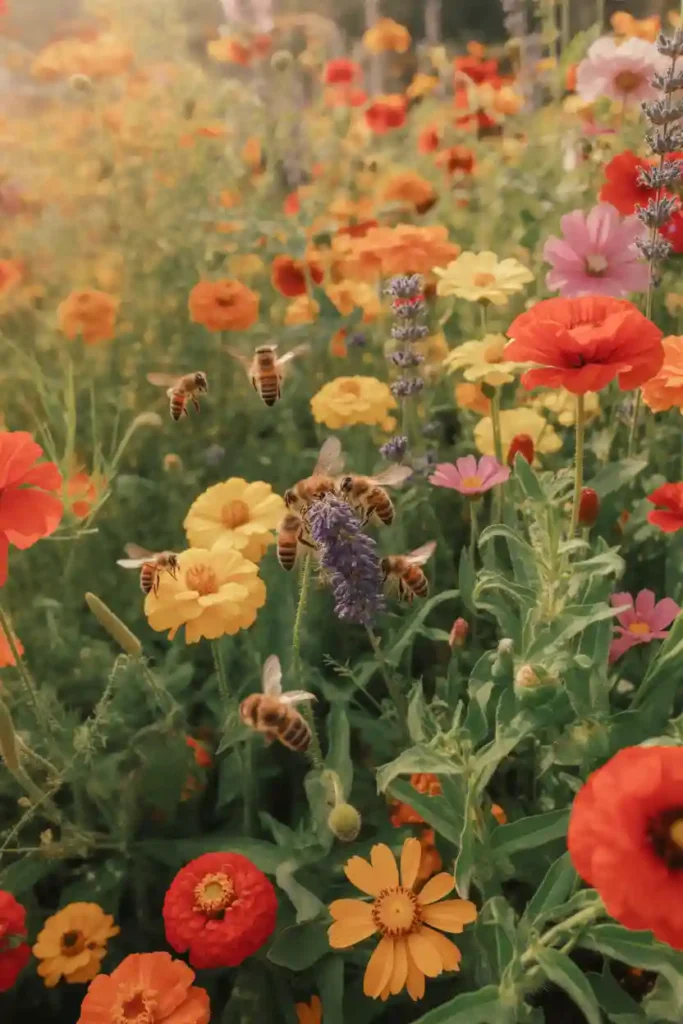
Grouping the same types of flowers together makes it easier for pollinators to find and access nectar. Large clusters are more visible and efficient feeding spots.
Planting in clusters also creates a visually striking garden design. This method improves pollination and enhances the overall aesthetic. It’s a simple yet highly effective strategy.
7. Add Butterfly Host Plants
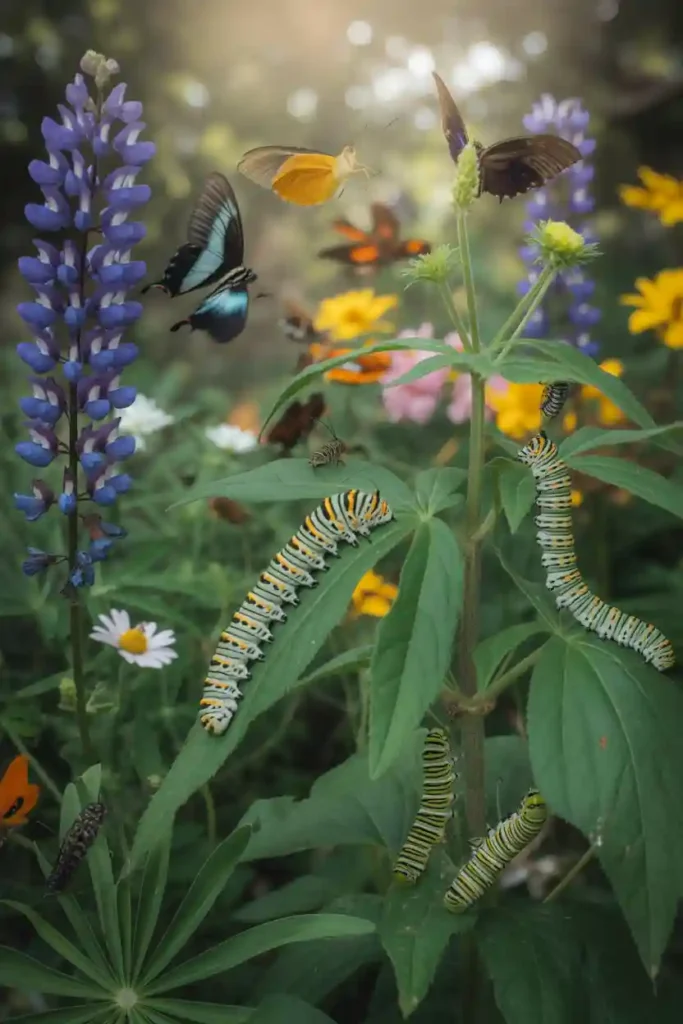
Butterflies need specific plants to lay their eggs and feed their caterpillars. Including host plants supports their entire life cycle.
For example, milkweed is essential for monarch butterflies. Other host plants attract different species. Providing both nectar and host plants ensures a thriving butterfly population. This creates a dynamic and lively garden.
8. Include Flowering Herbs
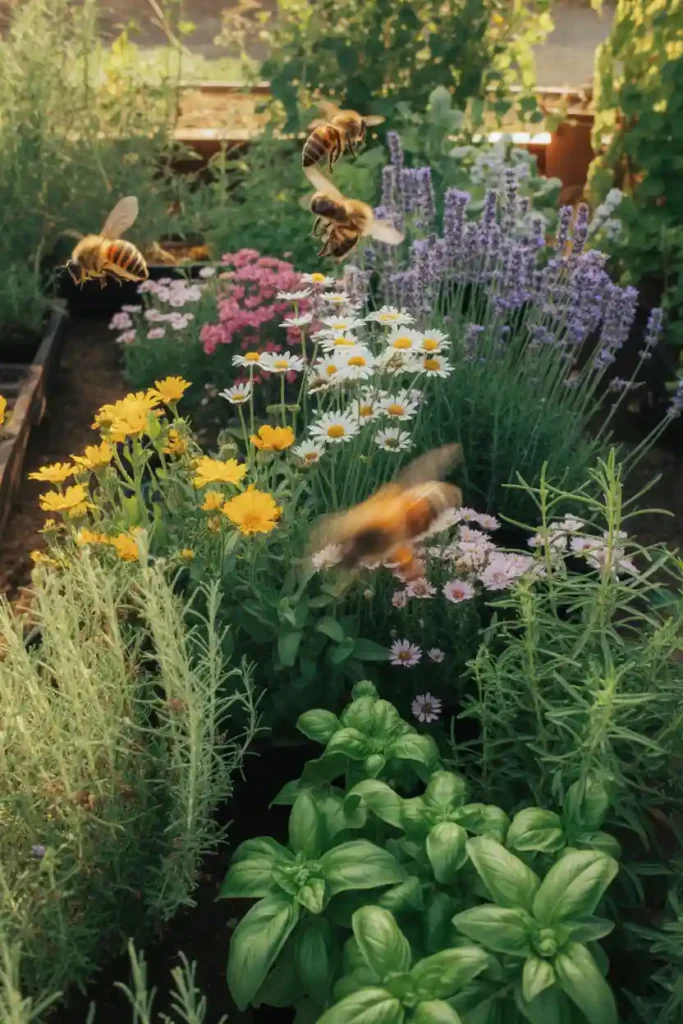
Herbs like basil, mint, and thyme produce small flowers that attract pollinators. Letting herbs bloom provides an additional food source.
These plants are both functional and decorative, making them a great addition to your garden. They also add fragrance and texture. Herbs are an easy way to enhance pollinator activity.
9. Use Bright Colors
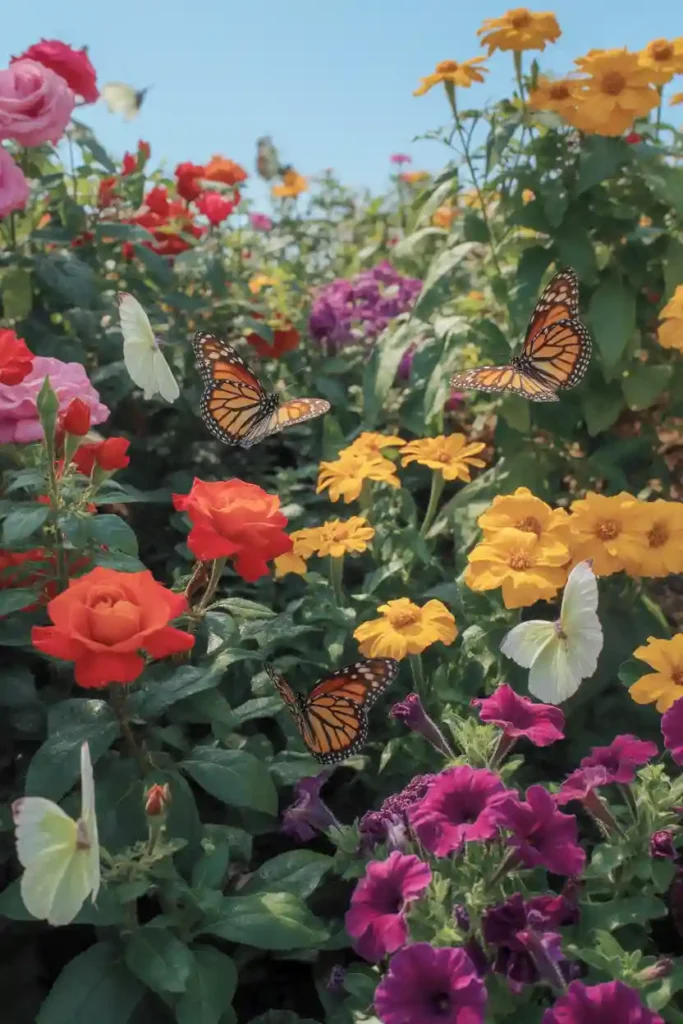
Pollinators are attracted to bright colors like yellow, purple, blue, and red. Incorporating these shades into your garden increases visibility.
Mixing different colors creates a lively and inviting space. Colorful gardens naturally draw more bees and butterflies. It also enhances the visual appeal of your outdoor area.
10. Provide Shelter Spaces
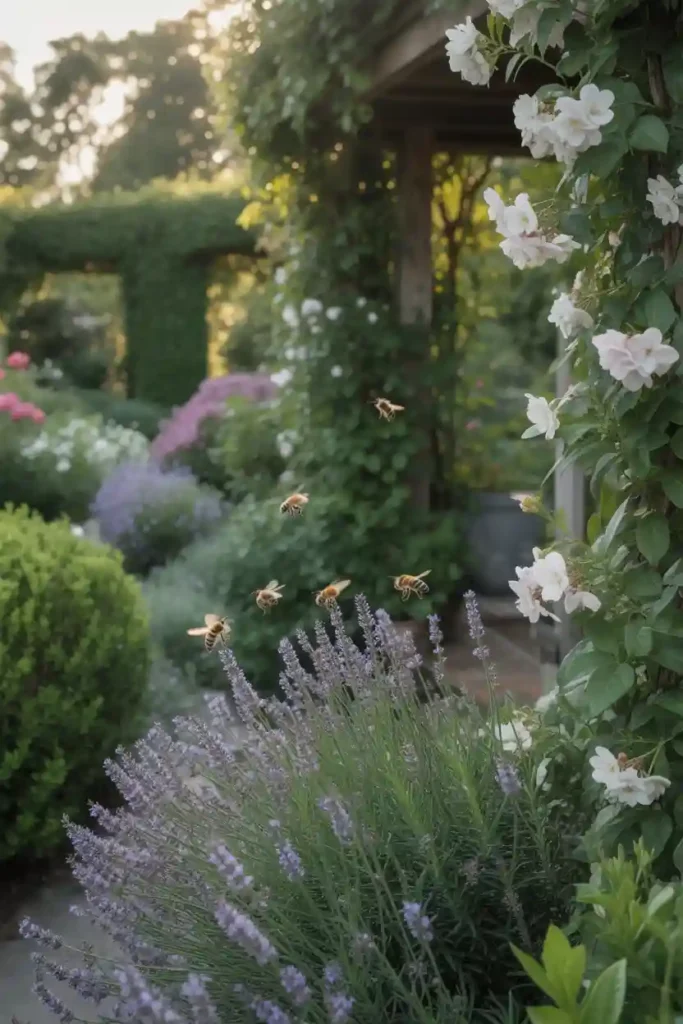
Pollinators need safe places to rest and hide. Adding shrubs, grasses, or small structures creates shelter. These spaces protect them from predators and harsh weather.
A well-designed garden includes both feeding and resting areas. This supports a balanced ecosystem.
11. Add a Bee Hotel
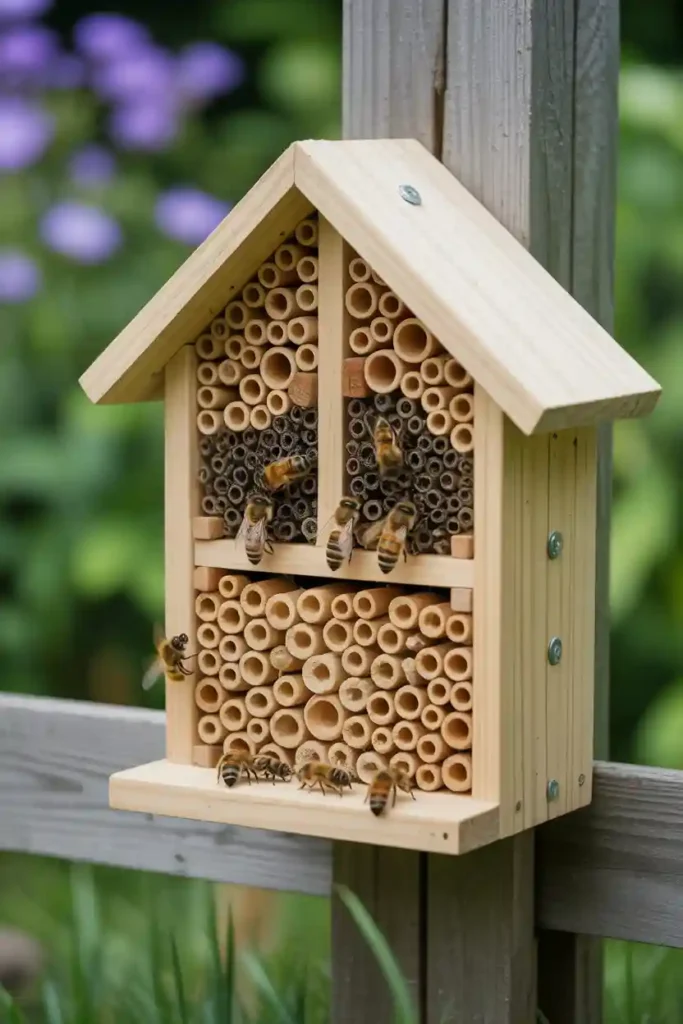
Bee hotels provide nesting spaces for solitary bees. These structures are easy to install and highly beneficial.
Place them in sunny, sheltered areas. Bee hotels support pollination and biodiversity. They are a great educational and decorative feature.
12. Use Organic Mulch
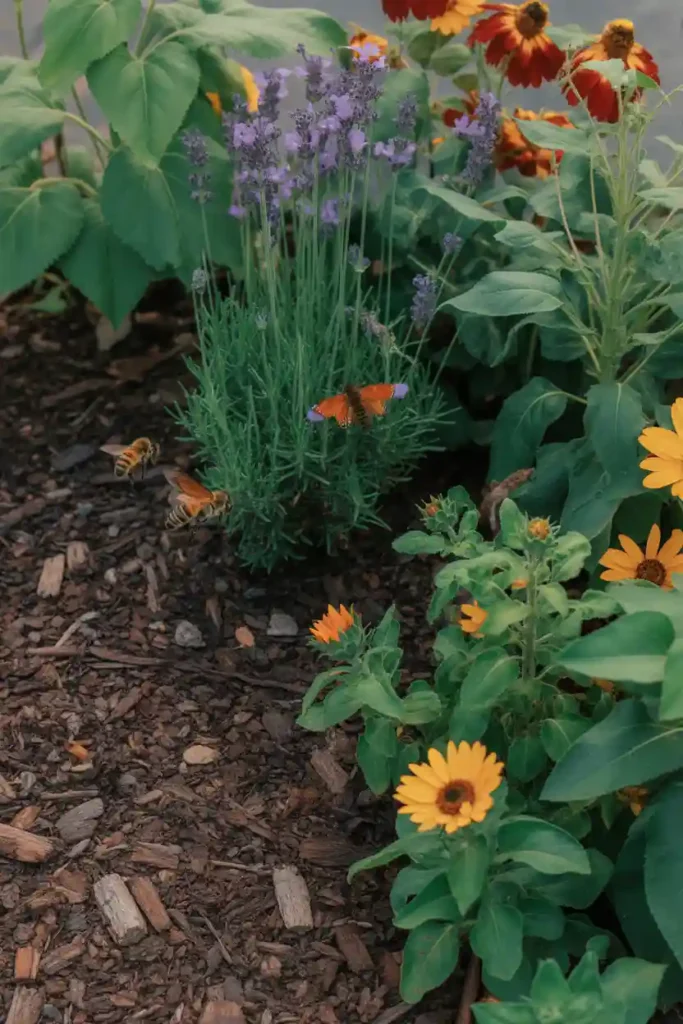
Organic mulch helps retain moisture and improve soil health. It also creates a natural environment for pollinators.
Mulch supports plant growth and reduces maintenance. It enhances both function and appearance. A healthy garden benefits pollinators.
13. Add Climbing Plants
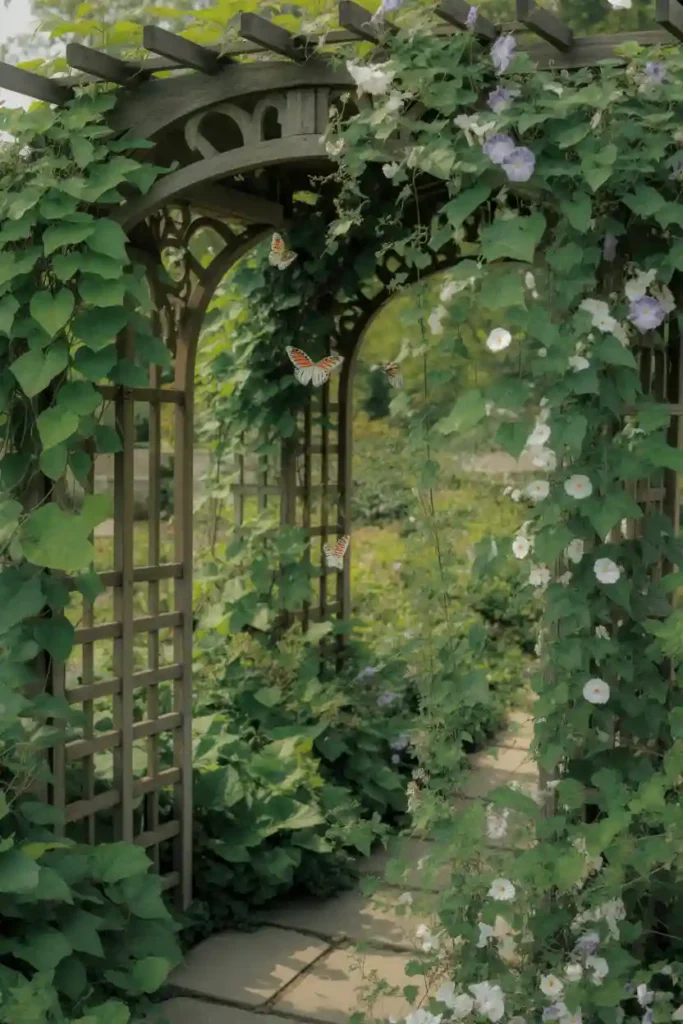
Climbing plants like vines provide vertical interest and additional nectar sources. They maximize space and attract pollinators.
These plants create a lush and dynamic garden. Vertical gardening enhances biodiversity.
14. Create a Wildflower Meadow
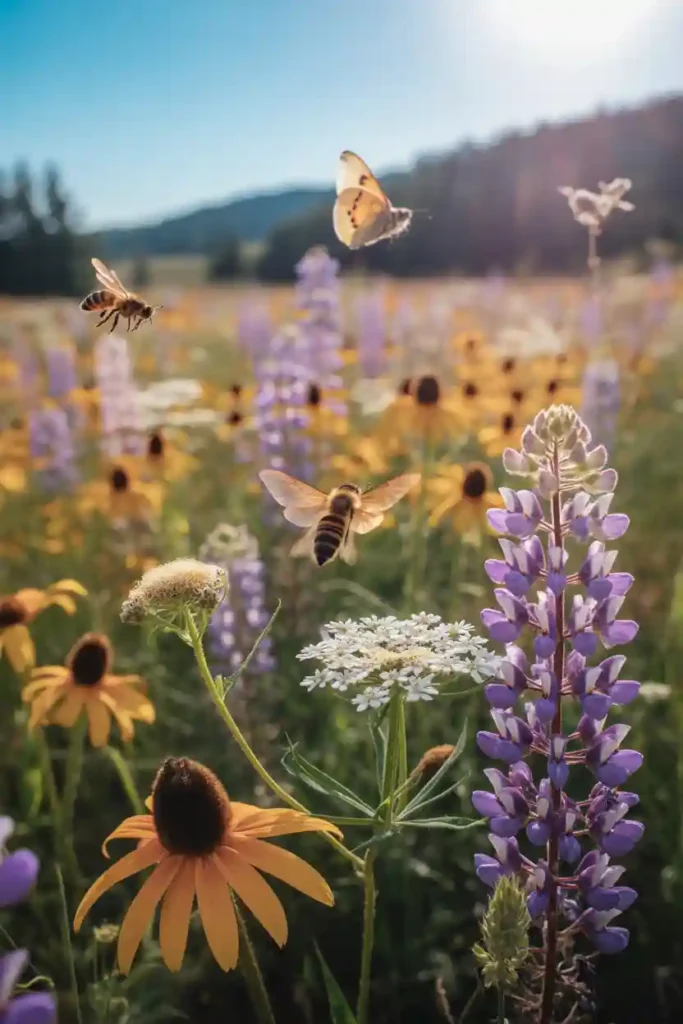
Wildflower meadows are rich in nectar and require minimal maintenance. They attract a wide variety of pollinators.
Allowing flowers to grow naturally creates a diverse ecosystem. This approach supports biodiversity. It also creates a beautiful, natural landscape.
15. Plant Trees for Shade and Habitat
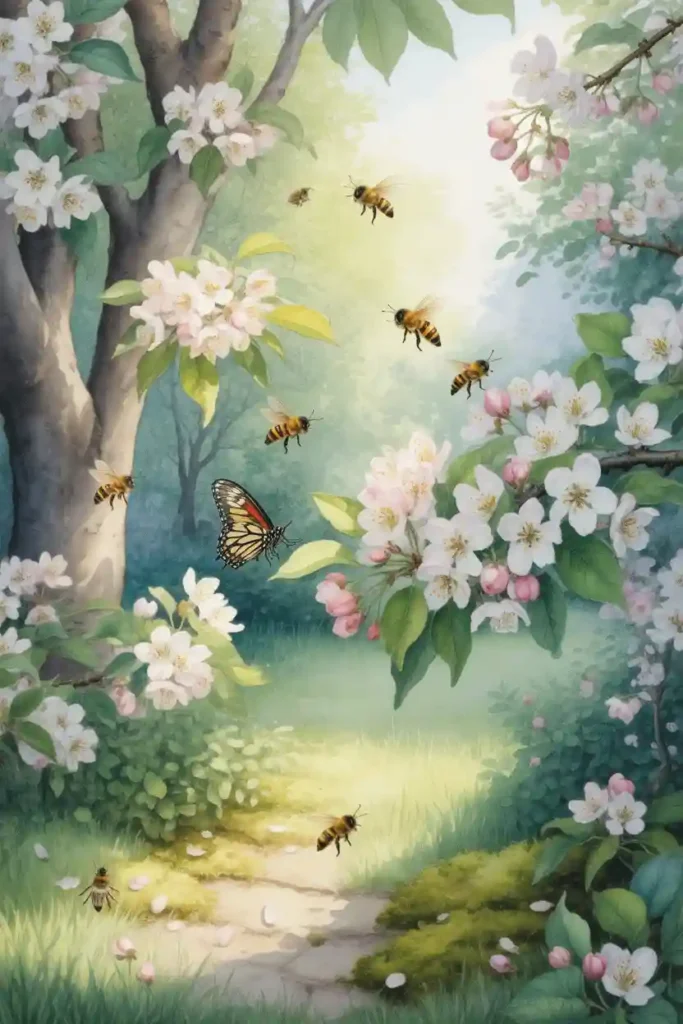
Trees provide shade, shelter, and additional food sources. Flowering trees are especially beneficial. They create a balanced environment for pollinators. Trees also improve overall garden structure. They are a long-term investment.
16. Leave Some Areas Undisturbed
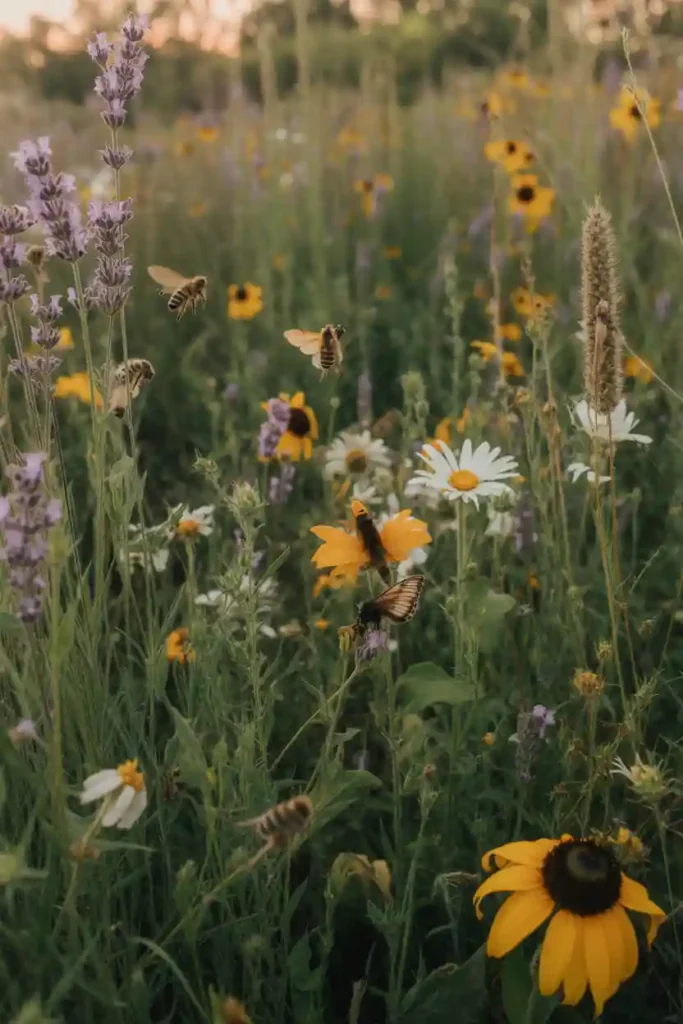
Allowing parts of your garden to remain natural provides habitat for pollinators. These areas support nesting and shelter. Less maintenance can lead to more biodiversity. Natural spaces are essential.
17. Add Seasonal Variety
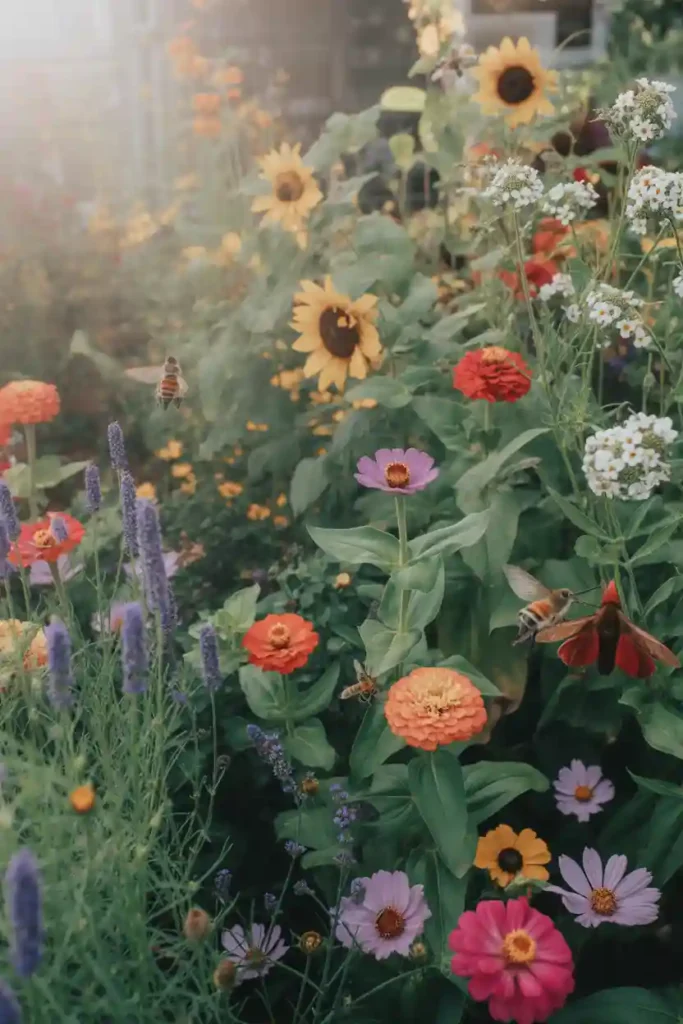
Changing plants with the seasons keeps your garden active and attractive. Seasonal variety ensures continuous support for pollinators. It also keeps your garden visually interesting. Planning ahead is key.
18. Use Raised Garden Beds
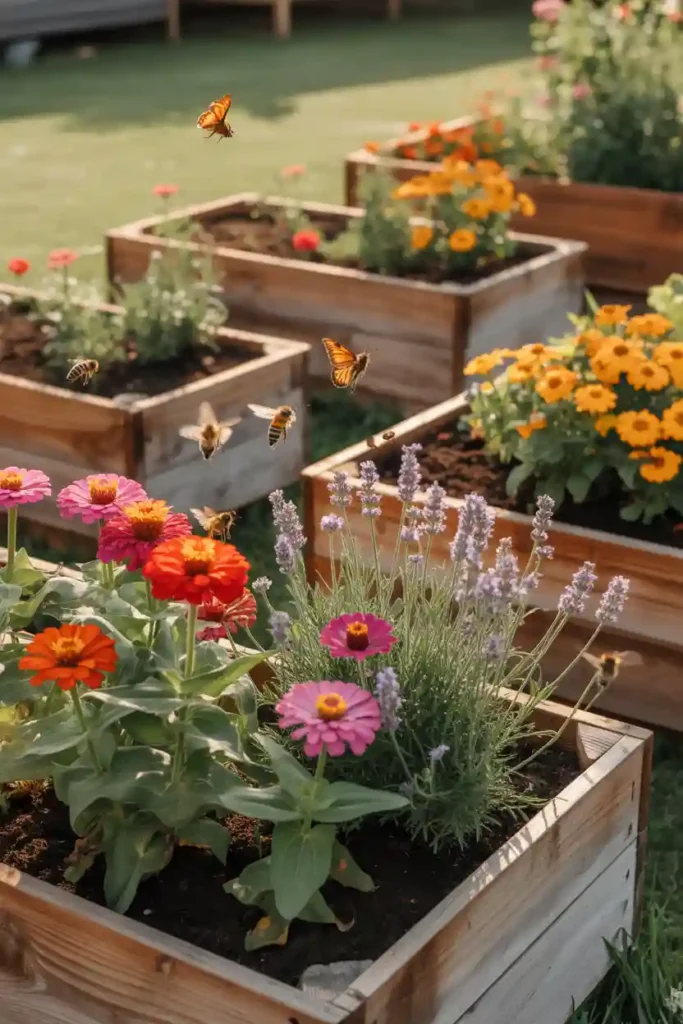
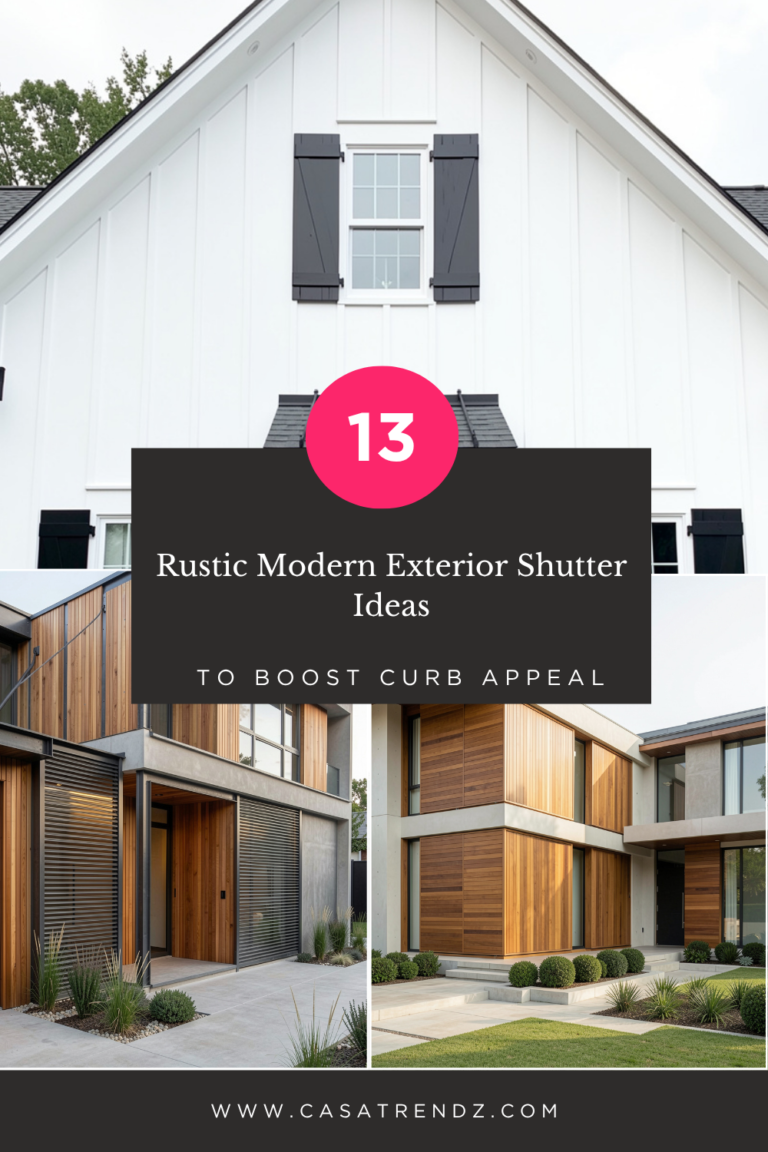
Raised beds improve soil control and plant health. They make it easier to grow pollinator-friendly plants. They also add structure to your garden. Raised beds are practical and stylish.
19. Add Fragrant Plants
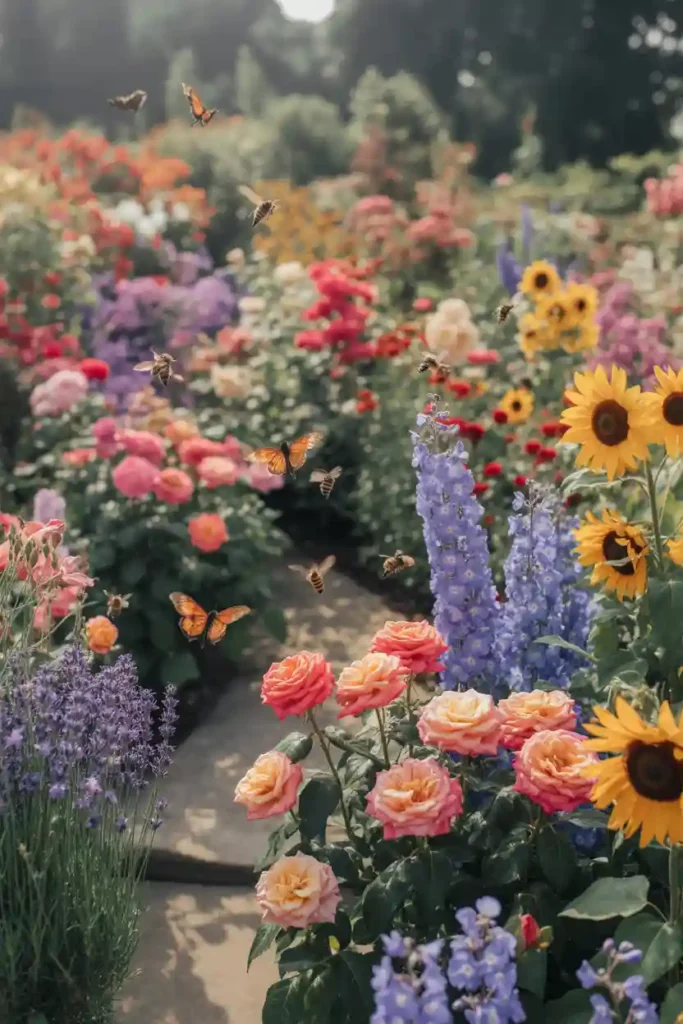
Fragrance attracts pollinators from a distance. Plants like jasmine and lavender are great choices. Scent enhances the sensory experience. It also increases pollinator activity. Fragrant gardens are both beautiful and functional.
20. Create Layered Planting Designs
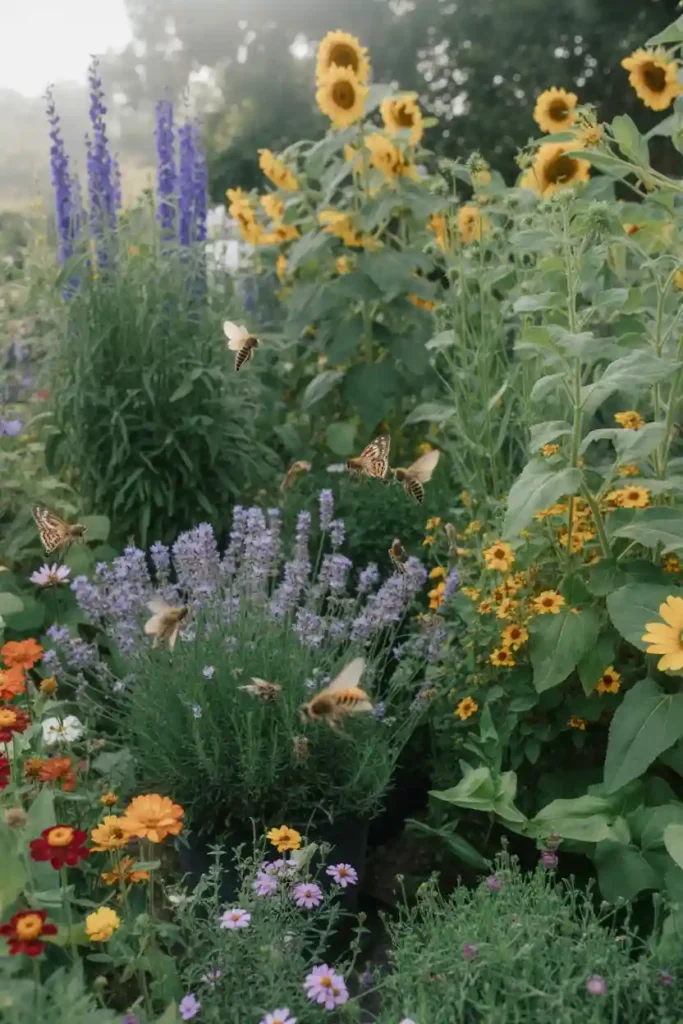
Layering plants of different heights creates depth and habitat diversity. This supports various pollinators. It also improves garden aesthetics. Layered designs are visually appealing.
21. Maintain a Chemical-Free Environment
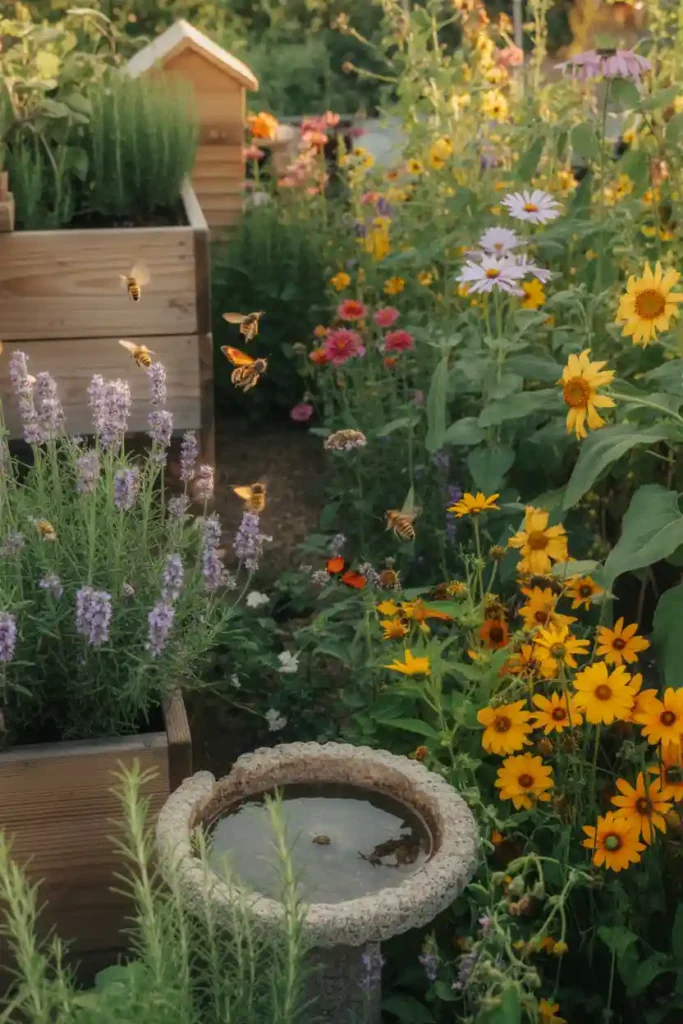
Keeping your garden chemical-free ensures pollinators stay safe. Use natural methods for maintenance.A healthy ecosystem supports biodiversity. This is essential for long-term success.
Conclusion
Creating a thriving outdoor space with these 21 Pollinator Garden Ideas to Support Bees & Butterflies is a meaningful way to give back to nature while enhancing the beauty of your garden. By incorporating nectar-rich flowers, native plants, water sources, and safe shelter, you can create an environment where pollinators can feed, rest, and reproduce successfully.